
REVIEW · KILIMANJARO LEMOSHO ROUTE
Private 7 Days Kilimanjaro Climbing via Lemosho Route
Kilimanjaro at night changes your pace fast. This 7-day Lemosho climb out of Moshi is built around gradual elevation gains, and it runs with a multilingual guide team plus a full crew that handles camp food and logistics. I like how the route gives you real time to adjust before the harder days stack up.
Two big positives jump out right away: you’re not just paying for a trail, you’re paying for infrastructure support (porters, cooking, and camp help) and the climb includes an oxygen bottle plus park and service fees. One consideration is that the trek still has brutal moments, especially the midnight summit push, and you should be ready for long hiking days and steep, rocky ground.
In This Review
- Key highlights that make this Lemosho climb feel well run
- Entering Kilimanjaro through Lemosho Glades from Moshi
- Day 1 at Mti Mkubwa: the forest day that sets your rhythm
- Day 2: Shira Ridge and giant heather moorland over 7 to 8 hours
- Day 3 to Barranco: the Lava Tower day that also teaches patience
- Day 4 up Barranco Wall toward Karanga Valley and the Mweka connection
- Day 5 to Barafu Camp: summit-eve prep in the alpine desert
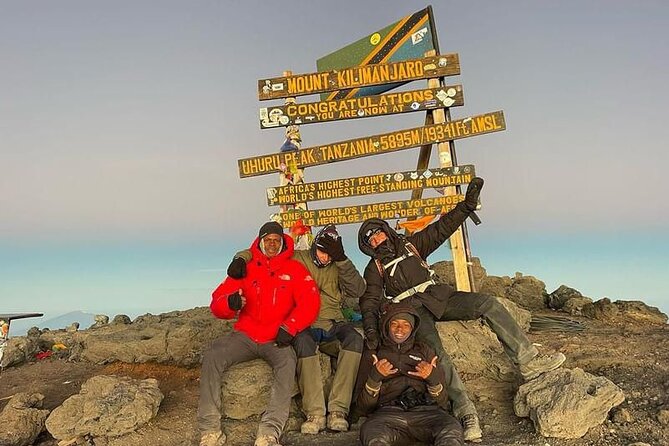
- Day 6 midnight start to Stella Point and Uhuru Peak sunrise
- Day 7 descent to Mweka Gate, certificates, and a muddy finish
- What $2,800 covers, and what it means for your risk and comfort
- How to train and pack for this exact schedule and terrain
- Who this 7-day Lemosho climb is best for
- Should you book this 7-day Kilimanjaro climb via Lemosho?
- FAQ
- What route is this climb following?
- Is pickup included?
- What’s included in the price?
- What languages are the guides available in?
- Do I need to pay extra for tips or my visa?
- Can I cancel and get a full refund?
Key highlights that make this Lemosho climb feel well run
- Small group size (max 5 travelers) helps your pace and comfort stay under control.
- Lemosho’s start in montane forest gives you a quieter first day than the more direct routes.
- Shira Ridge into giant heather moorland is a long day, but it sets up strong acclimatization rhythm.
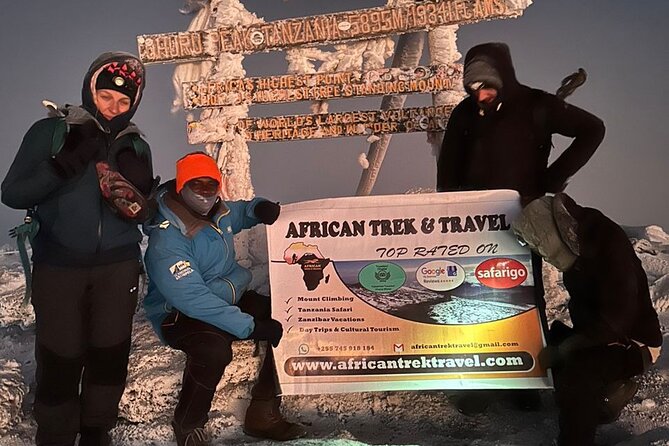
- Stella Point sunrise on the crater rim is the mental payoff for the hardest hours.
- Included meals and oxygen reduce what you need to plan and carry.
- A big, multi-role crew (guides plus cookers and porters) keeps the trek moving.
Other ways up Kilimanjaro we reviewed
- Kilimanjaro climb by Lemosho Route (7-day)★ 5.0 · 651 reviews
- Kilimanjaro climb, Machame Route (7-day)★ 5.0 · 262 reviews
- Kilimanjaro Climbing Lemosho Route 8 Days.★ 5.0 · 186 reviews
- Climbing Kilimanjaro – Machame Route★ 5.0 · 170 reviews
Entering Kilimanjaro through Lemosho Glades from Moshi
Your experience starts in Moshi, and you’ll head toward Kilimanjaro National Park after breakfast and a briefing. One practical plus: pickup is offered, and the program uses a mobile ticket, so you’re not juggling paper everywhere.
The route begins with a drive to the Lemosho Park Gate. From there, the track requires a 4WD vehicle to reach Lemosho Glades. That little detail matters. You trade some road time for a smoother start, then you ease into walking along forest trails instead of going straight into altitude with nothing but a highway behind you.
Day 1 is also where you begin to feel what Lemosho does differently. You climb from about 1,830m to around 2,650m, covering roughly 6 km over 2 to 3 hours. The setting is montane forest, which usually means shade, cooler air, and a more gradual vibe than the higher zones. You end at Mti Mkubwa campsite, so you’re settled before the real elevation work starts.
Day 1 at Mti Mkubwa: the forest day that sets your rhythm
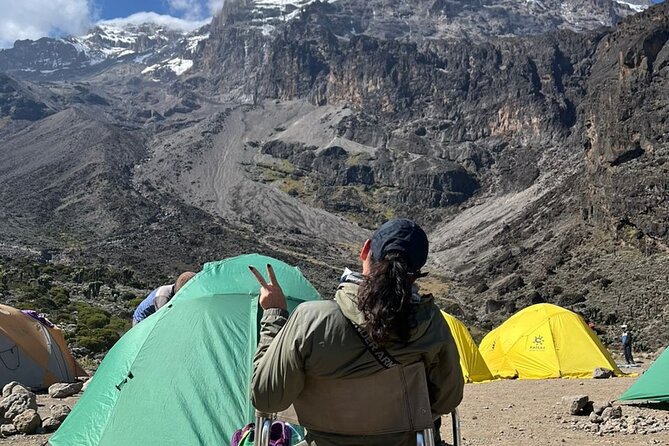
Day 1 is your buffer day, and it’s designed that way. You’re walking forest trails, not battling exposed ridges. You do still gain elevation, but you don’t go for big altitude numbers in one shot.
You’ll eat lunch and dinner on the mountain (and those meals are part of what’s included). After an initial briefing and travel, this is the day you want to keep controlled. Slow steps feel almost too easy in the moment, but they help your body start adjusting before the long moorland day hits.
If you’re the kind of person who likes a plan, Day 1 is perfect. It gives you time to get your gear dialed in, test your shoes, and learn how your group is moving. If you’re not a fan of “too much waiting,” you’ll still get steady progress here, just not the grind.
Day 2: Shira Ridge and giant heather moorland over 7 to 8 hours
Day 2 is where the climb turns from friendly to serious. After breakfast, the trail gradually steepens and enters giant heather moorland. Then you cross several streams and push over Shira Ridge.
You’re climbing from about 2,650m up to around 3,850m. Distance is about 16 km, and the walk time is listed around 7 to 8 hours. That’s a long day, and the terrain is less forgiving than forest paths. Moorland can feel windy and exposed, and those stream crossings can turn your footing into a balancing game.
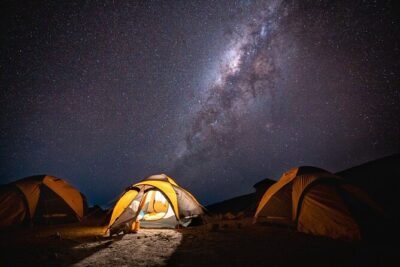
You’ll end at Shira 2 camp on moorland meadows by a stream. Camps in these zones have a different feel. You’ll likely notice how quickly the air changes when clouds move in or out. This day matters because it sets up the acclimatization sequence for the next three days.
Practical tip for this day: don’t sprint the early miles just because you’re feeling good. Keep your breathing steady. Your body will repay you later, especially when the route asks more from your legs.
Lemosho itineraries worth reading next
Day 3 to Barranco: the Lava Tower day that also teaches patience
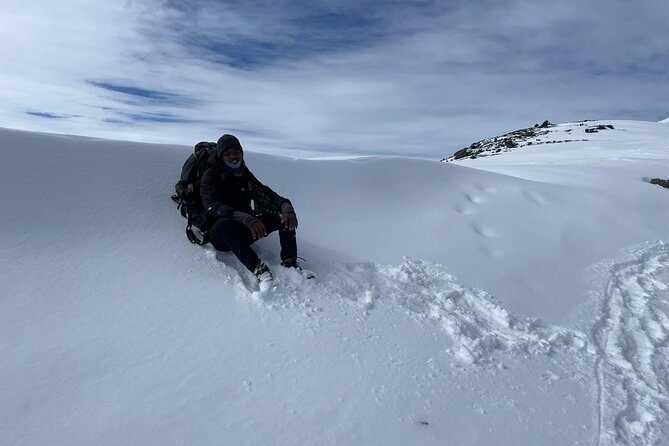
Day 3 is one of the most memorable parts of the whole trek. From the Shira Plateau, you head east up a ridge. You pass a junction toward Kibo, then your direction shifts southeast toward the Lava Tower, which is often called the Shark’s Tooth. The tower is listed at about 4,650m.
After the Lava Tower, you come to another junction toward the Arrow Glacier. You continue onward and then descend to Barranco Camp. Here’s the important part for your body: even though the day includes high points, the final elevation is around 4,000m, close to where you started the day. That gives your body a chance to adjust without stacking even more altitude stress.
The hike is about 8 km, with roughly 5 to 6 hours walking time. Habitat is described as semi-desert, so you’ll likely feel the dryness and the stonier ground underfoot.
This is also the kind of day where a strong guide team makes a difference. In the operator’s stories, the lead guide role, especially someone named Sebastian, is repeatedly praised for steady support and keeping the group moving safely through difficult hours. Having that calm leadership matters when you’re trying to stay patient while the terrain keeps changing.
Day 4 up Barranco Wall toward Karanga Valley and the Mweka connection
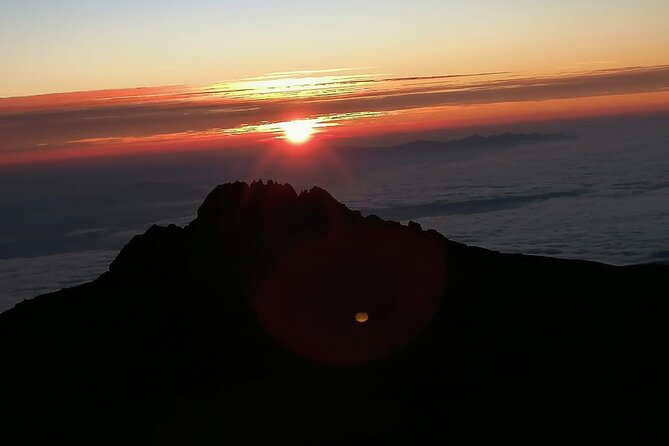
If Day 3 is about shaping acclimatization, Day 4 is about movement with intention. You leave Barranco and continue on a steep ridge up the Barranco Wall to the Karanga Valley. Then you reach the junction that connects with the Mweka Trail.
You climb from about 4,000m to around 4,050m, over roughly 5 km in about 3 to 4 hours. That doesn’t sound huge on paper, but the route includes steep climbing and altitude breathing. Alpine desert is the habitat for this section, so plan for wind and a dry feel.
Because elevation isn’t changing dramatically, you can think of this day as a controlled grind day. You get practice on steeper sections and rough ground without adding a massive elevation jump. It’s also a key transition toward the higher camps that come next.
Day 5 to Barafu Camp: summit-eve prep in the alpine desert
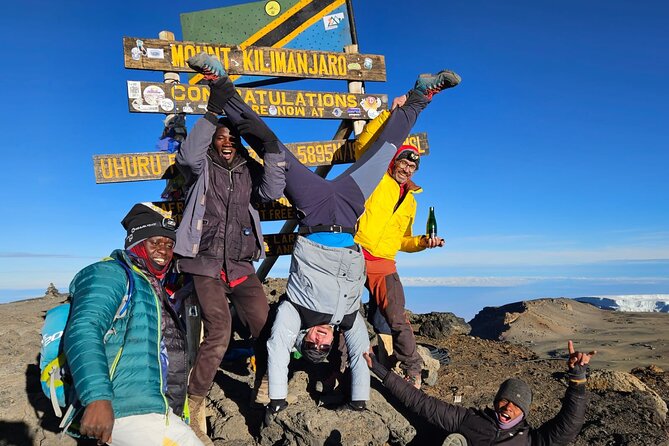
Day 5 pushes you into your highest-camp zone before the summit night. You continue up to Barafu Camp, and by this point you’ve completed the South Circuit. The route notes emphasize summit views from different angles before you settle in.
Elevation goes from about 4,050m up to roughly 4,700m, with a short walking segment listed at around 4 km and climbing time around 3 to 4 hours. You camp, rest, enjoy dinner, and prepare for summit day.
This is the day most people remember as the one where sleep matters. You’ll likely eat breakfast, lunch, and dinner on the mountain as part of the included meals. After that, your focus becomes layering properly and trying to conserve energy.
The biggest value here is not just reaching the camp, it’s getting your summit routine ready. A well-run crew helps you settle, eat, and prep without turning camp into chaos.
Day 6 midnight start to Stella Point and Uhuru Peak sunrise
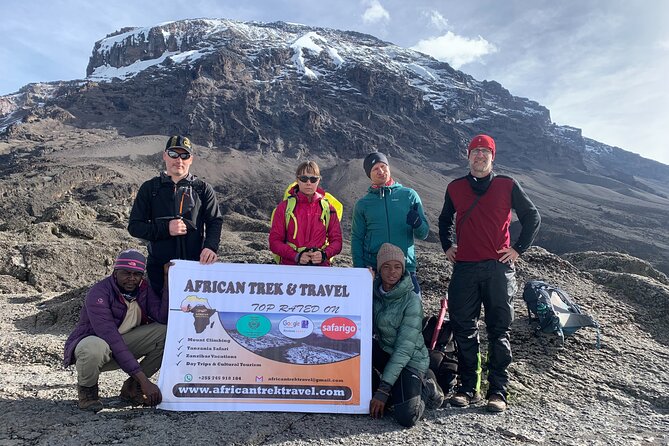
This is the core challenge day. You start very early, usually between midnight and 2 am, and you head toward the summit between the Rebmann and Ratzel glaciers. Direction shifts northwesterly, and you ascend through heavy scree toward Stella Point on the crater rim.
The climb described here is labeled as the most mentally and physically challenging section. That matches what you should expect from scree terrain, especially when you’re tired and your legs are already at their limit. Short rests help, but the rhythm still needs to be consistent.
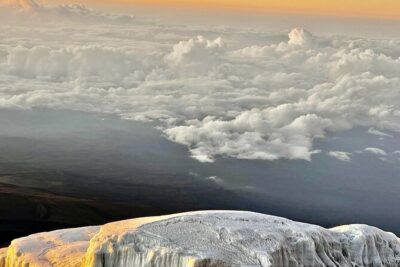
At Stella Point, you stop for a short break and you’re rewarded with the sunrise. The text also notes that faster hikers may reach it from the summit instead. Once Stella Point passes into the next phase, you may see snow as you make your final ascent, which is listed at about 1 hour to Uhuru Peak.
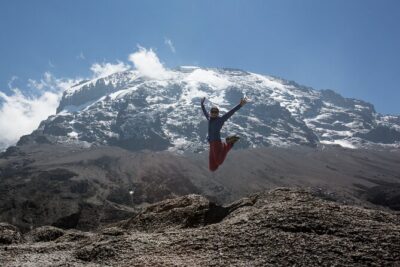
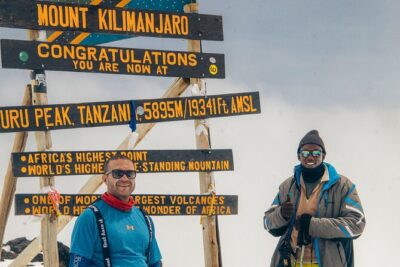
Uhuru Peak is described as the highest point on Mount Kilimanjaro and the highest point on the African continent. Even if you’ve trained hard, the sunrise hour is often where you feel the altitude catch up with you. That’s why having steady support from a guide matters so much.
In the operator’s history, guides like Sebastian are repeatedly praised for the way they support people struggling on summit day, with patience and motivation when you need it most. That kind of leadership is not a luxury on Kilimanjaro. It’s part of staying safe.
Day 7 descent to Mweka Gate, certificates, and a muddy finish
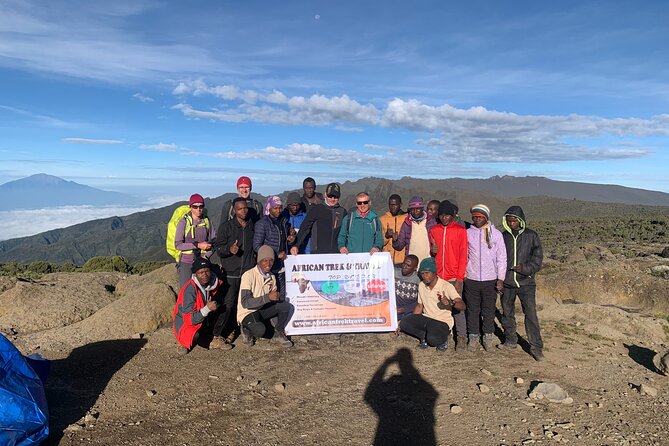
After breakfast, you descend to the Mweka Park Gate. This is where you receive your summit certificates. The day is listed as about 10 km, with 3 to 4 hours walking time, and it drops from around 3,090m down to roughly 1,680m.
This is also where the trail can be wet and muddy. The route guidance is practical: gaiters and trekking poles will help a lot. Shorts and t-shirts might be plenty at lower elevations, but keep rain gear and warmer clothing handy, because conditions can shift fast as you drop toward forest.
Once you reach Mweka gate, the vehicle is waiting to drive you back to your hotel in Moshi, about 60 minutes. Then you’ll be done, tired, and oddly emotional. That’s normal.
What $2,800 covers, and what it means for your risk and comfort
At $2,800 per person for about 7 days, this isn’t a budget walk. The real question is value, not just cost.
Here’s what’s included that you’d otherwise pay for or manage:
- Oxygen bottle
- All fees and taxes
- cooker and porters
- live guide with languages including English, Spanish, French, German, Italian, and Simplified Chinese
- meals: breakfast 6 times, lunch 6 times, dinner 6 times
That included crew is the heart of the value. When you’re high on a mountain, the biggest stressors are energy, time, and logistics. A dedicated camp team lets you focus on walking and resting, not cooking your own food or figuring out how to keep supplies moving at altitude.
Also, this is capped at a maximum of 5 travelers. Smaller groups usually mean less crowding at decision points and more control over your pace. You still need to hike what’s scheduled, but you’re not squeezed into a big herd.
What isn’t included, and you should plan for:
- tipping
- visa
- flights
- laundry
Tipping is the most common surprise. It’s not included, so you should budget for it early so it doesn’t become a late scramble.
How to train and pack for this exact schedule and terrain
Your success on Kilimanjaro is less about being fast and more about being consistent. This route asks for multiple hiking days, including:
- a long Day 2 up to Shira 2 (7 to 8 hours)
- a mixed day with a high point near Lava Tower (Day 3)
- steep ridge climbing on Day 4 up Barranco Wall
- a relatively short but very high pre-summit push to Barafu (Day 5)
- the midnight scree ascent to Stella Point and then the summit (Day 6)
The route guidance gives a few pack hints:
- bring gaiters and trekking poles for the descent, because the end can be muddy
- pack rain gear plus warmer clothing even if lower elevations might feel mild
- shorts and t-shirts are likely fine at lower altitudes, but layering is key
Training-wise, aim for stamina and uphill comfort. Practice long walks with a loaded daypack if you can. Also, practice stepping carefully on uneven surfaces because scree and steep ridges punish sloppy footwork.
Finally, remember what your guide team is there for: if you feel off, you need to tell them. The route includes oxygen support, and the team is expected to guide you safely through difficult conditions.
Who this 7-day Lemosho climb is best for
This tour is a solid match if you:
- want a classic Kilimanjaro feel without the most extreme urgency in the first days
- prefer a route that gives you time to acclimatize through careful pacing
- value a strong team approach, especially on summit day
- can handle early starts and long hiking days
Service animals are allowed, and the operator notes the trek is for travelers with moderate physical fitness. That doesn’t mean it’s easy. It means it’s designed for people who can walk steadily and respect altitude.
If you’re a solo traveler, or you care about feeling taken care of, the operator’s team reputation is a major selling point. In the stories linked to the company, guides including Sebastian and other team members such as Evans, Kessy, Valency, and Paschal appear across Kilimanjaro trips, and they’re praised for support, professionalism, and keeping people moving safely.
Should you book this 7-day Kilimanjaro climb via Lemosho?
If you want the classic Lemosho experience with a schedule that builds in acclimatization and a camp setup that removes a lot of logistical stress, this is a strong choice. I’d especially recommend it if you want a smaller group and you care about having confident leadership on the hardest day.
I’d think twice if you’re not ready for the reality of a midnight summit bid, or if you struggle with steep rocky walking and long hiking hours. This route delivers huge payoff, but only if you treat it like a serious high-altitude hike, not a casual vacation walk.
If you’re already training and you’re excited by sunrise on the crater rim, then booking makes sense. Just go in with realistic expectations, pack for mud and cold snaps, and listen to your guide when they tell you to slow down. That’s how you turn a hard week into a life moment.
FAQ
What route is this climb following?
This is a 7-day Kilimanjaro climb via the Lemosho route, starting from Moshi and entering Kilimanjaro National Park through the Lemosho Park Gate.
Is pickup included?
Pickup is offered. After the descent at Mweka Gate, a vehicle waits to drive you back to your hotel in Moshi (around 60 minutes).
What’s included in the price?
The price includes an oxygen bottle, all fees and taxes, the cooker and porters, a live guide, and meals (breakfast 6 times, lunch 6 times, dinner 6 times). It also lists a mobile ticket.
What languages are the guides available in?
The live guide is available in English, Spanish, French, German, Italian, and Simplified Chinese.
Do I need to pay extra for tips or my visa?
Yes. Tipping and visa are not included, and flights are not included either.
Can I cancel and get a full refund?
Yes. You can cancel up to 24 hours in advance of the experience for a full refund. If you cancel less than 24 hours before the start time, the amount paid is not refunded.
Lemosho, Compared
- Kilimanjaro climb by Lemosho Route (7-day)
★ 5.0 · 651 reviews - Kilimanjaro Climbing Lemosho Route 8 Days.
★ 5.0 · 186 reviews - Kilimanjaro climb, Lemosho Route (8-day)
★ 5.0 · 148 reviews - Kilimanjaro climb, Lemosho Route (6-day)
★ 5.0 · 129 reviews - Kilimanjaro Lemosho Route
★ 5.0 · 71 reviews
Kilimanjaro, Route by Route
- Kilimanjaro climb by Lemosho Route (7-day)
★ 5.0 · 651 reviews - Kilimanjaro climb, Machame Route (7-day)
★ 5.0 · 262 reviews - Kilimanjaro Climbing Lemosho Route 8 Days.
★ 5.0 · 186 reviews - Climbing Kilimanjaro – Machame Route
★ 5.0 · 170 reviews - Climbing Kilimanjaro through 7 days Machame Route
★ 5.0 · 151 reviews
Just added from around Moshi
Kilimanjaro Lemosho Route, compared.
 ★ 5.0Kilimanjaro climb by Lemosho Route (7-day)From $3,476651 reviews
 ★ 5.08-Day Small-group Lemosho Kilimanjaro Summit TrekkingFrom $2,895186 reviews
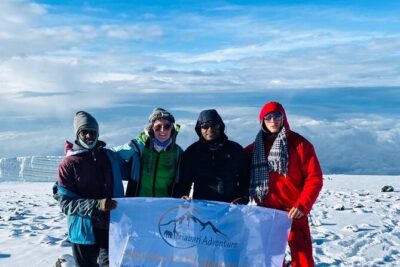 ★ 5.0Kilimanjaro Climbing Lemosho Route 8 Days.From $2,300186 reviews
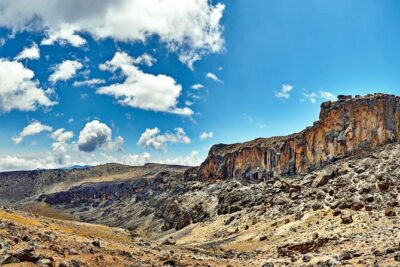 ★ 5.0Kilimanjaro climb, Lemosho Route (8-day)From $3,975148 reviews
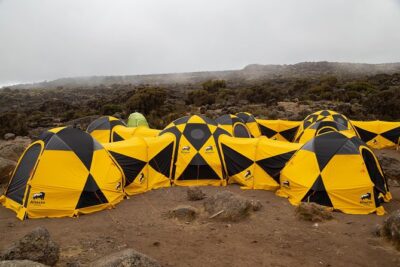 ★ 5.0Kilimanjaro climb, Lemosho Route (6-day)From $3,034129 reviews
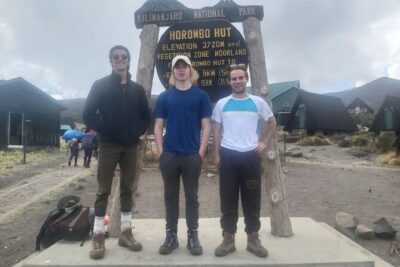 ★ 5.0Kilimanjaro Lemosho RouteFrom $2,89071 reviews
 ★ 5.0Private Kilimanjaro Hike 7 Day Lemosho RouteFrom $2,45060 reviews
 ★ 5.0Climbing Kilimanjaro through 8 days Lemosho RouteFrom $2,76052 reviews
Browse the lists this tour appears in