
REVIEW · KILIMANJARO MARANGU ROUTE
Our Top 5-Day Kilimanjaro Marangu Route: 2025 and 2026 Updates
Kilimanjaro can feel intimidating until you see the plan. This 5-day Marangu Route is a strong beginner option because it uses hut accommodations throughout the trek, not full-on camping. I also like that you get picked up in Moshi to Marangu Gate and have your daily meals handled, so you can focus on walking, resting, and acclimatizing.
One thing to think about first: this route is shorter than many alternatives, so the altitude pressure is real. If you’re prone to getting winded or you rush your pacing, the final summit push from Kibo to Uhuru Peak can feel brutally demanding.
In This Review
- Key highlights worth knowing before you go
- Why the Marangu Route is a beginner-friendly Kilimanjaro choice
- 5-day logistics from Moshi: what’s actually organized for you
- Price check: what $1,080 per person really buys
- Day 1 on Marangu: Marangu Falls to Mandara Hut at altitude
- Day 2 to Horombo Huts: rainforest easing into moorland
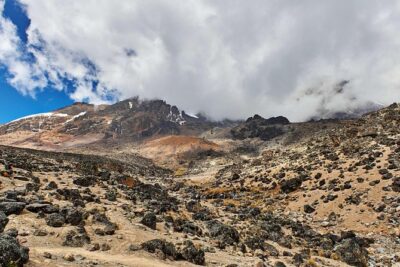
- Day 3 to Kibo Huts: the semi-desert feel you came for
- Summit morning: Kibo Huts to Uhuru Peak and back to Horombo
- Day 5: Horombo Huts down to Marangu Gate through rainforest
- Guides and team support, from planning to the final steps
- What you’ll likely feel on the mountain, based on the route profile
- So, should you book this 5-day Marangu climb?
- FAQ
- Where does the tour start and what time does it begin?
- Is pickup included?
- Do I stay in huts during the trek?
- What’s included in the price?
- What fees are not included?
- Are airport transfers and hotels included?
- What is the recommended fitness level?
- What does the summit day involve?
- What is the group size limit?
- What if weather cancels the trek?
Key highlights worth knowing before you go
- Hut accommodations the whole way: Marangu’s big advantage for first-timers is the consistent sleeping situation.
- Real altitude milestones: from Mandara Hut at about 2,740 m to Uhuru Peak at 5,895 m.
- Rainforest to moorland to semi-desert terrain in just a few days, with big scenery changes along the way.
- Early summit strategy: you start in the early hours from Kibo Huts and return the same day.
- Support on summit day: names like Gabriel, Martin, Budah, Victor, Thomas, Noah, and Samson come up in the feedback as part of the team that helps people make it to Uhuru Peak.
- Clear what’s-included vs park-fees: camping fees, meals, guide, and briefing are included, while Mount Kilimanjaro park fees are not.
Other ways up Kilimanjaro we reviewed
- Kilimanjaro climb by Lemosho Route (7-day)★ 5.0 · 651 reviews
- Kilimanjaro climb, Machame Route (7-day)★ 5.0 · 262 reviews
- Kilimanjaro Climbing Lemosho Route 8 Days.★ 5.0 · 186 reviews
- Climbing Kilimanjaro – Machame Route★ 5.0 · 170 reviews
Why the Marangu Route is a beginner-friendly Kilimanjaro choice
The Marangu Route is famous because it’s one of the oldest and most established ways up Kilimanjaro. The main practical reason it works for beginners is that you sleep in huts throughout the trek, which removes a layer of gear stress.
You’ll also get a more gradual feel for the mountain. The walking shifts from rainforest to open moorland, then into a rocky, semi-desert feel as you go higher. That helps you read the mountain’s rhythm instead of fighting the unknown.
5-day logistics from Moshi: what’s actually organized for you
You start from Moshi, and the tour includes pickup from your Moshi hotel to Marangu Gate. The start time is 7:00 am, so plan to be ready early and not waste the first day.
For the days on the mountain, you’re covered with the essentials: a professional trekking guide, a briefing, meals each day, and a trekking certificate. You’ll also receive a mobile ticket, which is handy if you’re trying to travel light.
There’s a cap of up to 100 travelers, so it’s not unlimited crowding. In real life, your group size may vary by departure, but at least there’s an upper limit.
Price check: what $1,080 per person really buys
At $1,080 per person, you’re paying for the structure of the climb: guide service, daily meals, and the logistics that make Marangu manageable for first-timers. The included “camping fees” matter here, even though they’re not the same thing as Mount Kilimanjaro park fees.
What is not included is also clear, and that clarity is part of the value. All Mount Kilimanjaro park fees are not included, and those can be paid directly to the park or through the operator. You’ll also want to budget separately for your hotel before and after the trek, insurance, flights, personal hiking gear, and crew tips.
If you’re traveling from overseas, this pricing is often a fair middle ground because it avoids the common trap of “cheap base price, expensive add-ons.” Just make sure you price out park fees and insurance early, so you’re not surprised later.
Marangu, other operators and other lengths
Day 1 on Marangu: Marangu Falls to Mandara Hut at altitude
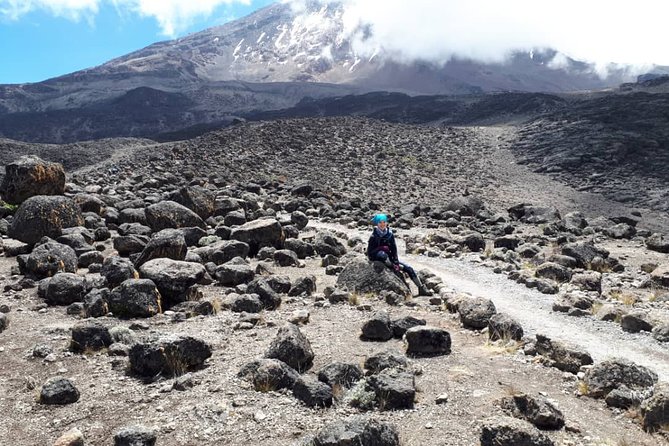
Day 1 begins at Marangu Gate where you register and meet your guide. Then you walk about 7 km through lush rainforest, aiming to climb from roughly 1,830 m to 2,740 m.
You should expect about 4 to 5 hours of hiking. This first day is less about suffering and more about getting your legs and your breathing synced up, while your eyes take in the forest life and the change in air as you gain elevation.
The night stop is Mandara Hut, where you’ll rest and prepare for the next day. A drawback on day one is simple: rainforest trails can be slow, and humidity can make even an easy pace feel harder.
Day 2 to Horombo Huts: rainforest easing into moorland
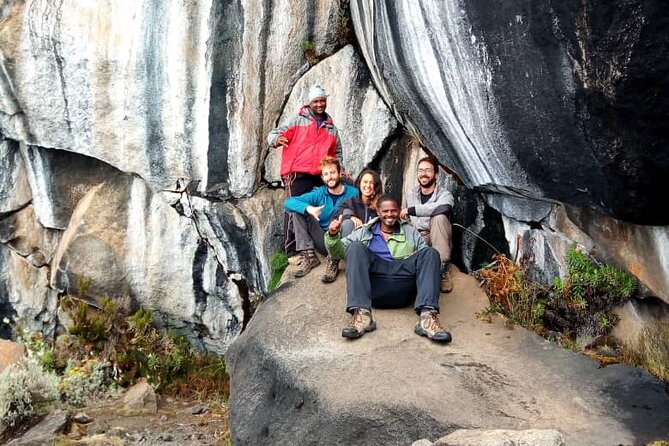
After breakfast, you head toward Horombo Huts at around 3,690 m. The route covers about 11 km and usually takes 6 to 8 hours, as you move from denser rainforest toward more open moorland.
This is one of the days where the views start to matter more. You’re not just walking for distance, you’re walking for altitude adaptation, and the pacing you choose here influences how you feel higher up.
When you arrive at Horombo Huts, you get time to rest and acclimatize before the big shift toward Kibo. In practical terms, treat this as a recovery day, not a day to “bank energy” by pushing too fast.
Day 3 to Kibo Huts: the semi-desert feel you came for
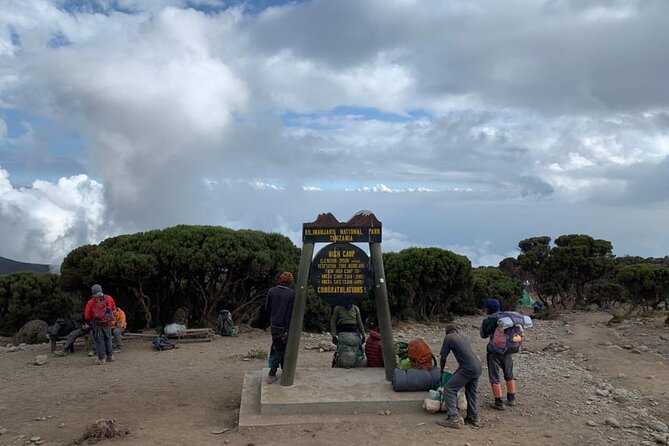
Day 3 is a change of pace and scenery. You trek about 10 km over 6 to 8 hours, climbing from roughly 3,690 m to 4,695 m on the way to Kibo Huts.
The terrain becomes semi-desert with fewer plants and more rocky paths. That doesn’t automatically mean harder, but it does mean different footing and different effort, especially when the air gets thinner.
When you reach Kibo Huts, you’re not done yet. You’ll rest, prepare, and get ready for the summit attempt in the next early-morning push.
Summit morning: Kibo Huts to Uhuru Peak and back to Horombo
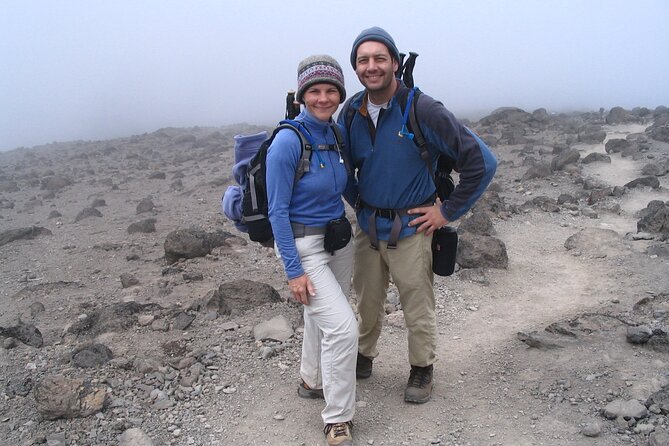
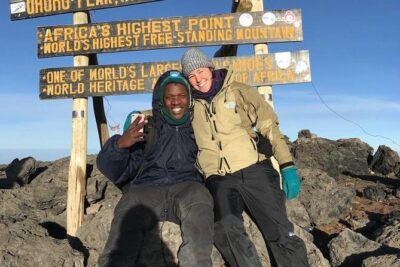
This is the day you remember for years. You leave Kibo Huts in the early hours and climb the final push to Uhuru Peak at 5,895 m.
The ascent described is about 4 km (roughly 2.5 miles), and the total time on the climb is typically 5 to 7 hours. After celebrating at the top, you descend about 14 km back to Horombo Huts, usually taking 5 to 6 hours.
Plan for dawn and the emotional peak of the whole trip. One reason I like this structure is that it’s decisive, you do the summit in a focused window, then you get a long descent to reset before tomorrow’s final walk down.
A real consideration is how quickly the body has to work at high altitude. Even if you feel strong at Horombo, Kibo to Uhuru is where pace control matters most, and it’s easy to overdo it.
Day 5: Horombo Huts down to Marangu Gate through rainforest
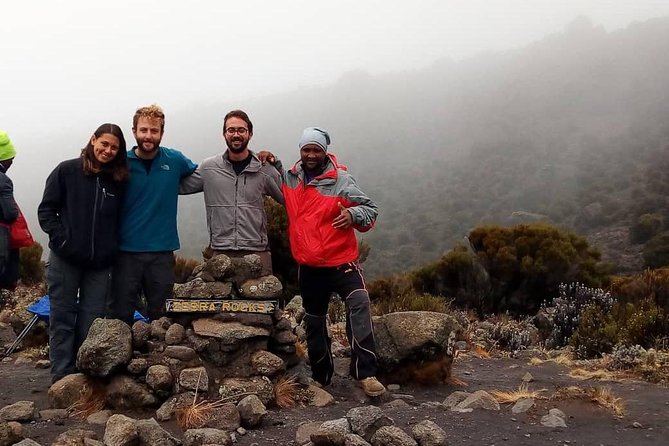
Your final trekking day runs about 18 km from Horombo Huts back to Marangu Gate. The timing is usually 6 to 7 hours, descending from around 3,690 m to 1,830 m.
This descent goes through rainforest again, and that matters more than it sounds. You’ll feel the air thickening as you get lower, and that can make the last day feel like the most “normal” walking of the entire climb.
When you reach Marangu Gate, the program ends and you’ll be transferred back to Moshi. That means you can celebrate, eat well, and finally stop thinking about layers for a moment.
Guides and team support, from planning to the final steps
The human part of this climb comes through strongly in the feedback. You’ll often see the same names connected with summit day support, including Gabriel, Victor, Thomas, Noah, Samson, and Samson plus others listed in the team.
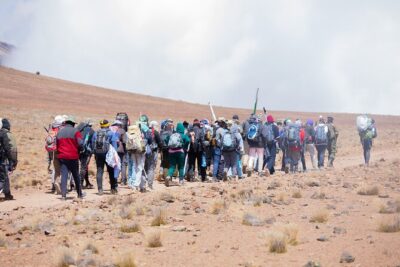
It’s not just about being friendly. Several reviews point to how guides supported hikers who felt nervous, including people climbing solo. That kind of reassurance matters on Kilimanjaro, where uncertainty can waste energy.
Communication before and after the trek also shows up as a strength, with Godfrey Ngaiza mentioned for better communication and overall coordination. Another name that comes up is Martin, praised for professionalism and helping someone reach Uhuru Peak. Budah is also mentioned for summit-day support and professionalism, including handling an adjustment when a hiker shortened time to summit.
And yes, there’s even a note that the company donates revenue to charity, which I always treat as a plus when it feels credible in a long-running operation. Still, I’d focus on the climb support first, because that’s what keeps you safe.
What you’ll likely feel on the mountain, based on the route profile
This trek is all about altitude. You gain from about 1,830 m up to 5,895 m, and you do it in just five days, which is why pacing and acclimatization are non-negotiable.
The route also changes “workout type” in a few days. Day 1 is rainforest walking, Day 2 is moorland, Day 3 is semi-desert rocky terrain, and Day 4 is summit ascent plus a long descent. If you go in expecting one kind of hike, the mountain will politely correct that idea.
Finally, the experience depends on conditions. The tour info notes that the experience requires good weather, and if it’s canceled for poor weather you’re offered a different date or a full refund. That’s a reminder to plan for flexibility, especially if you’re traveling around a fixed schedule.
So, should you book this 5-day Marangu climb?
I’d book this if you want a beginner-focused Kilimanjaro trip with hut sleeping all the way through, plus meals and guide support already handled. The price also feels reasonable when you consider that you’re buying the operational backbone of the climb, not just a guide and a route map.
I would pause before booking if you know you struggle with altitude, or if you dislike early starts and long summit-day effort. This route is short for a reason, so you need to treat acclimatization seriously and let the team set a sensible pace.
If you want, tell me your rough fitness level, your age range, and when you plan to travel in 2025 or 2026. I can help you decide whether this 5-day Marangu timeline sounds like a fit, or if you’d be happier with a longer acclimatization plan.
FAQ
Where does the tour start and what time does it begin?
The tour starts back at the meeting point, with a start time of 7:00 am.
Is pickup included?
Yes. Pickup from your hotel in Moshi to Marangu Gate is included.
Do I stay in huts during the trek?
Yes. This route is known for hut accommodations throughout the trek.
What’s included in the price?
Included items are camping fees, pickup from Moshi to Marangu Gate, briefing, trekking certificate, a Kilimanjaro professional guide, and breakfast, lunch, and dinner during the trekking.
What fees are not included?
All Mount Kilimanjaro park fees are not included. The tour notes that park fees can be paid directly to the park or via the tour operator.
Are airport transfers and hotels included?
No. Airport pick up and drop off are not included, and the hotel before and after the trek in town is also not included.
What is the recommended fitness level?
The tour says travelers should have a moderate physical fitness level.
What does the summit day involve?
On summit day, the plan is an early-hours ascent from Kibo Huts to Uhuru Peak at 5,895 m, followed by a descent back to Horombo Huts.
What is the group size limit?
The tour lists a maximum of 100 travelers.
What if weather cancels the trek?
The experience requires good weather. If it’s canceled due to poor weather, you’ll be offered a different date or a full refund.
The Marangu Trail
- Kilimanjaro climb, Marangu route (6-day)
★ 5.0 · 72 reviews - Climbing Kilimanjaro – Marangu Route
★ 5.0 · 65 reviews - Best Kilimanjaro Adventures 6 Days Marangu Route Experience
★ 5.0 · 18 reviews - Kilimanjaro Private Climbing in 6 Days Marangu Route
★ 5.0 · 16 reviews - 6 Days Climb Kilimanjaro Through Marangu Route
★ 4.5 · 15 reviews
Kilimanjaro, Route by Route
- Kilimanjaro climb by Lemosho Route (7-day)
★ 5.0 · 651 reviews - Kilimanjaro climb, Machame Route (7-day)
★ 5.0 · 262 reviews - Kilimanjaro Climbing Lemosho Route 8 Days.
★ 5.0 · 186 reviews - Climbing Kilimanjaro – Machame Route
★ 5.0 · 170 reviews - Climbing Kilimanjaro through 7 days Machame Route
★ 5.0 · 151 reviews
Just added from around Moshi

Kilimanjaro Marangu Route, compared.
 ★ 5.0Kilimanjaro climb, Marangu route (6-day)From $2,90272 reviews
 ★ 5.0Climbing Kilimanjaro – Marangu RouteFrom $2,00465 reviews
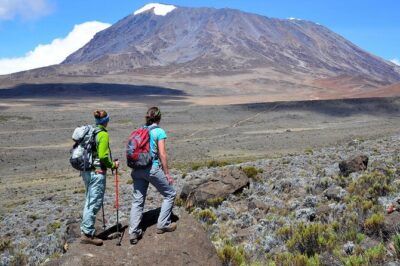 ★ 5.0Private Full Day Hiking Experience to Marangu RouteFrom $26061 reviews
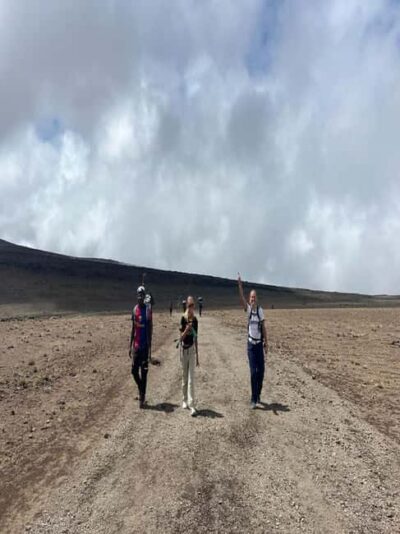 ★ 4.5From Arusha/Moshi: Kilimanjaro Hike Marangu Route Day TripFrom $10154 reviews
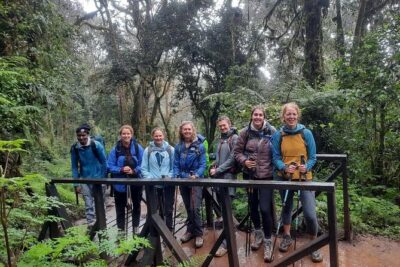 ★ 5.0Mount Kilimanjaro Day Hike Through Marangu Route to Mandara HutFrom $26537 reviews
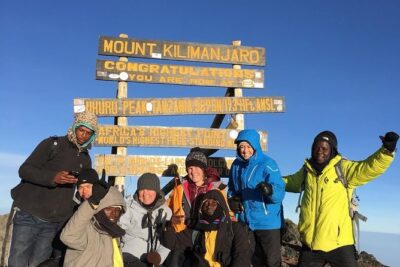 ★ 5.0Kilimanjaro Climbing 5 days Marangu routeFrom $90022 reviews
 ★ 5.0Best Kilimanjaro Adventures 6 Days Marangu Route ExperienceFrom $1,00018 reviews
 ★ 5.0Kilimanjaro Private Climbing in 6 Days Marangu RouteFrom $2,00016 reviews
Browse the lists this tour appears in