
REVIEW · KILIMANJARO LEMOSHO ROUTE
Mt.kilimanjaro Lemosho Route
Kilimanjaro begins long before the summit. This 7-day Mt. Kilimanjaro Lemosho Route out of Moshi is paced for altitude, run by mountain-support professionals, and guided by people who take safety seriously. I especially like the focus on guide-led pacing and the way the Lemosho route builds acclimatization step by step.
Two things I really like: you get strong human support all the way up, and the summit attempt is handled with real care. One review highlights guides like Ayubu and Qamrish for knowledge and reassurance, and another mentions Edwin keeping the dream alive even with variable weather. I also like that on summit night, you do not just get sent uphill and hoped for the best, because each pair of climbers gets a personal guide for the full ascent to Uhuru Peak.
One consideration: at these elevations, this is not a casual hike. You are looking at long days, early wakeups, and altitude discomfort risk, and the whole experience depends on good weather.
In This Review
- Key Highlights You’ll Feel on the Mountain
- Why the Lemosho Route Works for Altitude Heads
- Day 1: Londorossi Gate to Shira 1 Camp
- Day 2: Shira 2 Camp, Mount Meru Possibility, and a Lava Tower Hike
- Day 3: Lava Tower at 4,630 m, Then Down to Barranco
- Day 4: Barranco Wall Early, Karanga Camp Moves, and a Barafu Acclimatization Step
- Day 5: Barafu Summit Camp Setup, Kosovo Summit Acclimatization, and Hot Dinner
- Day 6: Uhuru Peak at Night, Personal Summit Guides, and the Glacier Descent Option
- Day 7: Mweka Gate Exit, Rainforest Camp, and the Certificate Moment
- Price and Value: What $2,256.42 Gets You Here
- What to Expect Day to Day: Timing, Effort, and Common Traps
- Who Should Book This Lemosho Climb (and Who Should Pause)
- Tips for Getting the Most From This Route
- Should You Book This Mt. Kilimanjaro Lemosho Route?
- FAQ
- How long is the Mt. Kilimanjaro Lemosho Route?
- Where does the trek start and where does it end?
- Is this tour private or shared with other groups?
- Is pickup included from Moshi?
- What level of fitness is recommended?
- What happens if the trek is canceled due to poor weather?
Key Highlights You’ll Feel on the Mountain
- A guide-and-crew approach that makes the difference when altitude gets weird (and it will).
- Acclimatization built into the route, with Lava Tower, Barranco, Karanga, and Kosovo Summit steps.
- Summit-night support that stays with you, not just a quick check-in at the top.
- Camp setup taken care of for you at Barafu, including tents and sleeping bags so you can rest.
- Shira Plateau to Uhuru Peak progression, starting at Londorossi Gate and exiting via Mweka Gate.
Other ways up Kilimanjaro we reviewed
- Kilimanjaro climb by Lemosho Route (7-day)★ 5.0 · 651 reviews
- Kilimanjaro climb, Machame Route (7-day)★ 5.0 · 262 reviews
- Kilimanjaro Climbing Lemosho Route 8 Days.★ 5.0 · 186 reviews
- Climbing Kilimanjaro – Machame Route★ 5.0 · 170 reviews
Why the Lemosho Route Works for Altitude Heads
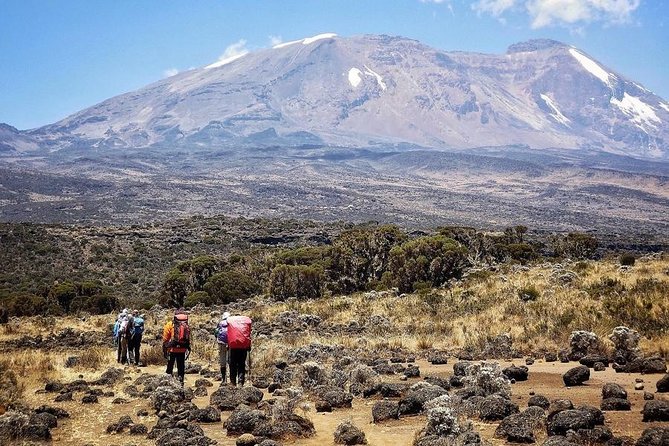
The Lemosho Route is designed around one simple idea: altitude changes your body, so you need time for your body to adjust. This trip starts at the western entrance, Londorossi Gate, then moves you toward the Shira Plateau area before deeper altitude work begins.
What that means for you is a trekking rhythm that feels purposeful. Day 1 keeps the physical load reasonable after the long transfer, and Day 2 uses a lighter climb plus a short acclimatization hike. Later, you spend time at key altitude checkpoints, including a planned stop at Lava Tower and additional acclimatization hikes near Barafu and Kosovo Summit.
Also, the views are not just summit views. You get early glimpses of the Shira Plateau on Day 1, then a chance to see Mount Meru from Shira 2 Camp weather permitting. It’s the kind of variety that helps the days feel less like one long grind and more like a route with chapters.
Day 1: Londorossi Gate to Shira 1 Camp
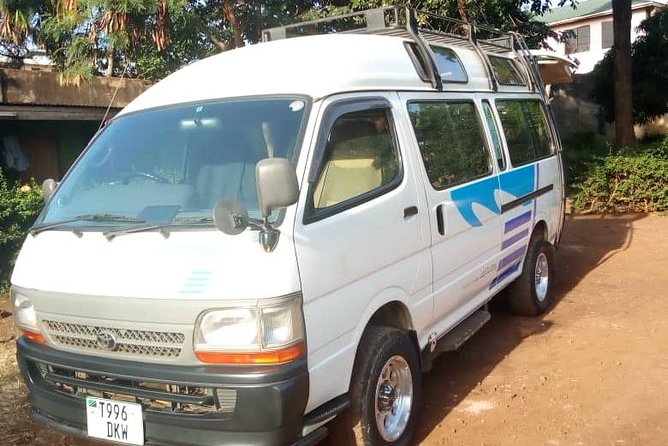
Your day starts with a morning briefing and pickup from Moshi, then a vehicle ride of about 3 to 4 hours to Kilimanjaro National Park’s western entrance, Londorossi Gate at 2,200 m. After the formalities like climbing permits and registration with the search and rescue service, the group continues upward by off-road vehicles. That gets you to a drop-off point around 3,500 m.
From there, you start trekking toward Shira 1 Camp at 3,505 m. The route here has a small gain in altitude, and the trek is described as not too physically challenging.
Practical reality check: even when the walking is easier, this is still a big day because travel and park logistics take time. So plan to keep your energy clean and your stress low. Your win on Day 1 is simply making it to camp without rushing, because the next days rely on steady acclimatization.
Day 2: Shira 2 Camp, Mount Meru Possibility, and a Lava Tower Hike
Day 2 begins at Shira 1 Camp (3,505 m) with a light trek to Shira 2 Camp (3,900 m). This is the kind of day that helps you settle into the altitude rather than fight it. You also get time to enjoy the unique flora of Kilimanjaro and the surrounding area.
When you arrive at Shira 2, you have lunch and then a rest period. After that, the trip includes an acclimatization hike toward Lava Tower Camp featuring a 200-meter gain in altitude. That step is important because it prepares your body for the bigger altitude push later.
One more thing to know: Shira 2 Camp is described as the best place on this trip to see Mount Meru, the fifth summit of Africa, weather permitting. That is one of those small “maybe it happens” moments, and it’s exactly why you should not treat these camps as just sleeping stops.
Lemosho itineraries worth reading next
Day 3: Lava Tower at 4,630 m, Then Down to Barranco
Day 3 is the key altitude day early on. After breakfast, you leave Shira 2 Camp and start toward Lava Tower at 4,630 m. This section includes many ascents and descents, and the day ends at a camp over 4,600 m.
The trip specifically says this part might feel difficult and you may feel discomfort. That’s not a warning sign to panic, it’s a normal part of altitude trekking. What matters is that you spend at least 1 to 2 hours at Lava Tower to acclimatize successfully. Lunch is served there as well, so you are not just suffering through a viewpoint. You are giving your body a chance to adjust.
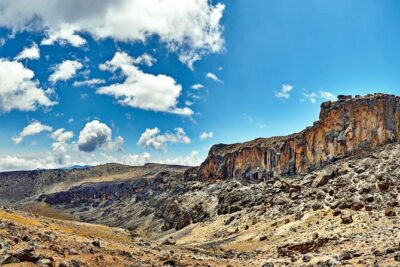
After lunch and acclimatization time, you descend to Barranco Camp at 3,960 m. Here, you get your first proper look at the famous Barranco Wall. Even if you are not climbing it yet, seeing how steep it looks can be motivating in a slightly nerve-wracking way.
Day 4: Barranco Wall Early, Karanga Camp Moves, and a Barafu Acclimatization Step
You start early on Day 4, with wakeup and breakfast, then begin summiting Barranco Wall. The trip recommends leaving camp as early as possible to avoid crowds, which is smart on both logistics and comfort. Climbing the gorge wall is described as not difficult and takes around an hour.
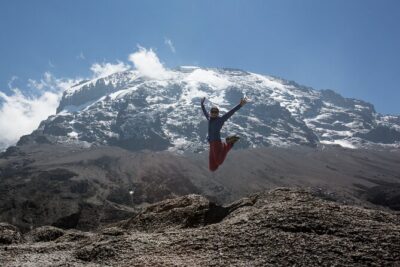
After the climb, you stop for photos in front of Kibo volcano. That’s not just for the camera. It marks a mental shift, because at this point you are no longer just walking through camps. You are doing classic Kilimanjaro terrain.
Then the day gets tougher. You hike to Karanga Camp (higher altitude work with numerous ascents and descents). The pacing is guided, and the route description emphasizes that guides choose an optimal pace for the group so you are not going too hard too soon.
At Karanga Camp you get warm lunch and a couple of hours later you complete an acclimatization hike in the direction of Barafu Camp with a 200-meter gain in altitude, then descend back to the camp. This is another “pressure valve” in the schedule. It helps your body practice coping with higher altitude without turning the whole day into a full summit attempt.
Day 5: Barafu Summit Camp Setup, Kosovo Summit Acclimatization, and Hot Dinner
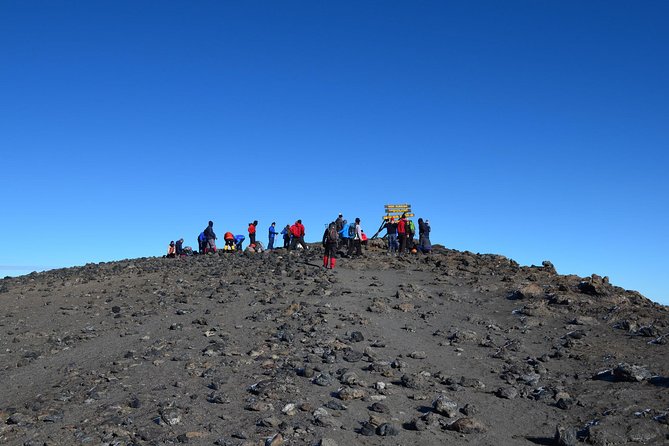
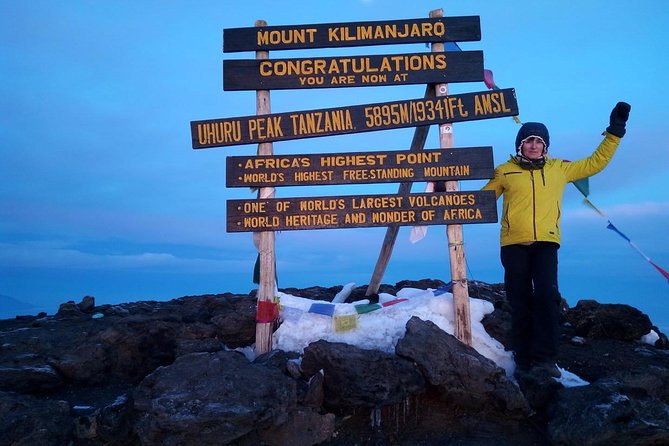
Day 5 starts with a push to Barafu Summit Camp at 4,640 m. Barafu is the staging point for the night climb to Uhuru Peak at 5,895 m.
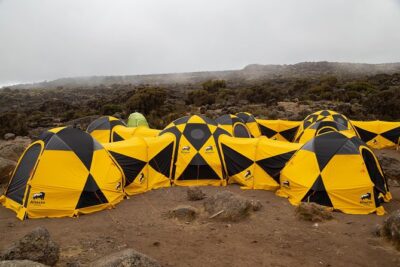
One detail I really like here is the camp setup. The team sets up camp ahead of time, including tents and sleeping bags, so you can relax instead of arriving to chaos. It’s the kind of operational detail that helps your energy stay focused.
You then regain strength and complete an acclimatization hike toward the intermediate Kosovo Summit Camp at 4,800 m, then return to Barafu. After that, you’re served a hot dinner.
The trip is clear about what comes next: it’s better to spend the remainder of the day resting and sleeping before the night summit. That matters because summit night is not just physical. It’s mental, and fatigue makes altitude feel harsher.
Day 6: Uhuru Peak at Night, Personal Summit Guides, and the Glacier Descent Option
Night summit day begins from Barafu Camp at night. You start the climb to Uhuru Peak at 5,895 m. The route notes that technically the climb is relatively simple, but the hardest part is high altitude.
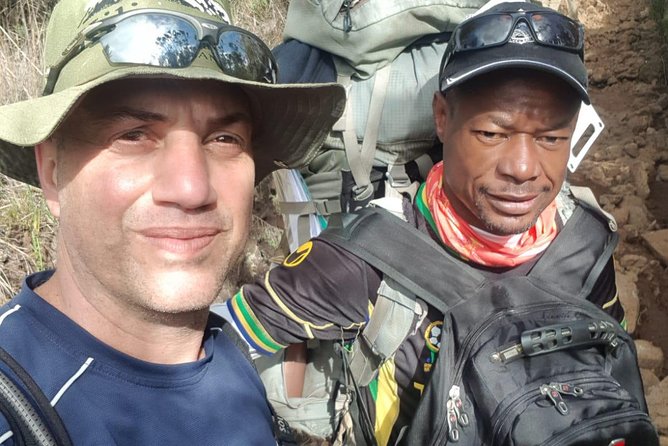
Here’s where the “real difference” theme becomes practical. Each pair of climbers gets a personal guide for the entire ascent, monitoring physical and mental conditions. That is exactly the kind of support that helps you make smart decisions when your breathing slows, your body complains, and your confidence flickers.
After reaching Uhuru Peak, the itinerary includes an option to descend to the nearest glacier if desired. Then you return to Barafu Camp and rest for about 2 hours before continuing descent to Millennium Camp at 3,820 m.
When you move down to Millennium Camp, you should feel a noticeable relief from reduced altitude. But do not celebrate too early. You’re still in the high zones, and you want to keep your hydration and recovery steady.
Day 7: Mweka Gate Exit, Rainforest Camp, and the Certificate Moment
Your Day 7 camp is described as being in tropical rainforest. When you wake up, the trip expects you to feel relief from the reduction in height, plus the satisfaction of reaching the summit.
After a warm breakfast, you head to the park exit: Mweka Gate at 1,650 m. After the descent, the group gathers to congratulate each other, then you get a chance to share your opinions on the climb in a guestbook.
Finally, you receive commemorative certificates in the provider’s office, followed by a transfer back to the hotel.
It’s a satisfying wrap because it gives your effort a proper ending. A summit is big, but Kilimanjaro is also about what happens after: you want that grounded moment where the story turns from struggle to memory.
Price and Value: What $2,256.42 Gets You Here
This trip costs $2,256.42 per person for an approx 7-day climb from Moshi. That sounds like a lot until you break down what you are paying for on Kilimanjaro.
You are paying for more than route planning. You are paying for:
- A full guiding system, including guides and mountain support crew that manage the days and the altitude schedule.
- Permit and registration handling, including the park climbing permits and search and rescue registration steps done at the start.
- Manpower at the moment it counts most, because summit night includes a personal guide for each pair of climbers during the full ascent.
- Operational camp logistics, including tents and sleeping bags set up in advance at Barafu Summit Camp.
- Meals at key points, such as lunch during the high-altitude segments and hot dinner at Barafu.
And you are not doing this as a big cattle-call group, because the experience is private, with only your group participating. The reviews you provided also connect success to the team, including named guides like Edwin, Ayubu, Qamrish, and Fred, plus chef Panta delivering food that keeps morale up (pizza on the mountain is mentioned).
Could the price feel steep? Yes, especially compared to trips that treat Kilimanjaro like a simple hike. But for many people, the value lands on risk reduction and human support. When altitude is in charge, you want experienced people making the calls.
What to Expect Day to Day: Timing, Effort, and Common Traps
Most days are described as long (each day shows 12 hours), even when specific walking sections are “not difficult.” That long duration comes from a Kilimanjaro fact: transfers, acclimatization breaks, meals, and camp routines are part of the trek.
Here are the effort patterns you should plan around:
- Early starts are normal, especially on Day 4 for Barranco Wall.
- Acclimatization is not optional. Planned stops at Lava Tower and additional climbs near Barafu and Kosovo Summit are built into the rhythm.
- You might feel discomfort around higher sections like Lava Tower and the over-4,600 m camp, and the trip explicitly says this can happen.
- Weather matters. The experience requires good weather, and the schedule can be adjusted via a different date or a full refund if canceled due to poor conditions.
Also, the trip notes variable weather in the context of real stories from guides. So pack for temperature swings. Even if the climb feels steady, your comfort can change fast.
Who Should Book This Lemosho Climb (and Who Should Pause)
This experience is listed for travelers with moderate physical fitness. That’s a good fit if you can handle steep trails at altitude, commit to early mornings, and accept that some discomfort is part of the process.
This is also a good match if you care about support quality. The reviews and itinerary emphasize the guides being the real stars. On summit night, the personal guide approach is a big deal, especially for people who worry about making smart choices while breathing gets harder.
You might want to rethink if you:
- cannot commit to long days and early wakeups,
- feel anxious about high-altitude discomfort,
- or prefer a plan that does not change with weather realities.
Kilimanjaro rewards follow-through. If you show up ready to follow your guide’s pace, you give the trek a fair shot.
Tips for Getting the Most From This Route
These are practical, grounded ideas based on what this trip’s structure asks for:
- Trust the acclimatization stops. Lava Tower time and the extra hikes near Barafu are built for a reason, so plan to take them seriously.
- Start early when they ask you to. The Barranco Wall day specifically recommends leaving early to avoid crowds.
- Let your guide set the pace. The Karanga day notes that guides choose an optimal pace for the group, and it’s exactly what you want at altitude.
- Treat sleep like training. Day 5 is designed for rest before summit night. If you can, protect your rest.
- Dress for variable weather. The stories you shared mention variable conditions, so layer up and stay ready.
And yes, you might find your body becomes the slowest part of your team at 4,600 m plus. That’s normal. Your job is to keep moving at the pace your guide sets, not the pace your ego wants.
Should You Book This Mt. Kilimanjaro Lemosho Route?
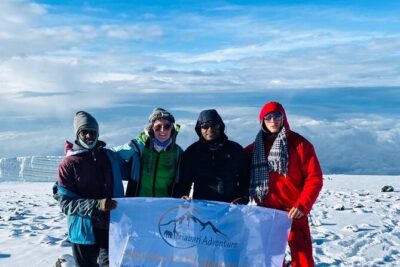
If you want a 7-day Kilimanjaro climb that emphasizes altitude acclimatization, careful summit-night support, and real guide attention, I think this is a strong choice. The route hits key acclimatization moments, the summit ascent includes personal guide oversight for each pair, and camp logistics like tents and sleeping bags set up at Barafu remove a lot of stress.
Book it if you like structure, you can handle long days, and you want the human team to lead the process. Pause and ask more questions if you have a low tolerance for altitude discomfort or if you know weather could be a major issue for you.
If you do book, go in with one mindset: the summit is the goal, but the schedule is the method. The best part of this trek is how the mountain time is managed, not just how high you end up going.
FAQ
How long is the Mt. Kilimanjaro Lemosho Route?
The trek is listed as 7 days (approx.).
Where does the trek start and where does it end?
You start at Kilimanjaro National Park’s western entrance, Londorossi Gate, and you exit via Mweka Gate.
Is this tour private or shared with other groups?
It is a private tour/activity. Only your group will participate.
Is pickup included from Moshi?
Yes, pickup is offered.
What level of fitness is recommended?
Travelers should have a moderate physical fitness level.
What happens if the trek is canceled due to poor weather?
If it’s canceled due to poor weather, you will be offered a different date or a full refund.
Lemosho, Compared
- Kilimanjaro climb by Lemosho Route (7-day)
★ 5.0 · 651 reviews - Kilimanjaro Climbing Lemosho Route 8 Days.
★ 5.0 · 186 reviews - Kilimanjaro climb, Lemosho Route (8-day)
★ 5.0 · 148 reviews - Kilimanjaro climb, Lemosho Route (6-day)
★ 5.0 · 129 reviews - Kilimanjaro Lemosho Route
★ 5.0 · 71 reviews
Kilimanjaro, Route by Route
- Kilimanjaro climb by Lemosho Route (7-day)
★ 5.0 · 651 reviews - Kilimanjaro climb, Machame Route (7-day)
★ 5.0 · 262 reviews - Kilimanjaro Climbing Lemosho Route 8 Days.
★ 5.0 · 186 reviews - Climbing Kilimanjaro – Machame Route
★ 5.0 · 170 reviews - Climbing Kilimanjaro through 7 days Machame Route
★ 5.0 · 151 reviews
Just added from around Moshi
Kilimanjaro Lemosho Route, compared.
 ★ 5.0Kilimanjaro climb by Lemosho Route (7-day)From $3,476651 reviews
 ★ 5.08-Day Small-group Lemosho Kilimanjaro Summit TrekkingFrom $2,895186 reviews
 ★ 5.0Kilimanjaro Climbing Lemosho Route 8 Days.From $2,300186 reviews
 ★ 5.0Kilimanjaro climb, Lemosho Route (8-day)From $3,975148 reviews
 ★ 5.0Kilimanjaro climb, Lemosho Route (6-day)From $3,034129 reviews
 ★ 5.0Kilimanjaro Lemosho RouteFrom $2,89071 reviews
 ★ 5.0Private Kilimanjaro Hike 7 Day Lemosho RouteFrom $2,45060 reviews
 ★ 5.0Climbing Kilimanjaro through 8 days Lemosho RouteFrom $2,76052 reviews
Browse the lists this tour appears in