
REVIEW · KILIMANJARO LEMOSHO ROUTE
Mt. Kilimanjaro Climb – 8 Day Lemosho Route
Kilimanjaro gets under your skin. The 8-day Lemosho route gives you the extra acclimatization time that makes the climb feel more doable and far less rushed. You start with forest and monkeys, then walk into big volcanic plateaus and moorland, all while getting rare views over western slopes toward Mt. Meru and Moshi.
What I like most is the pacing built into the route. You get an extra acclimatization day on the Shira Plateau and time for the common climb high, sleep low rhythm. The other big plus is how smoothly the operator handles the essentials, with certified guides, a support team, and camp comfort items like tents, sleeping mats, and a private toilet tent included.
One thing to think about before you commit: the summit night is hard. You start the push around midnight, and it is a long, cold grind at high altitude where you need to be steady, not macho.
In This Review
- Key things to know before you go (Lemosho version)
- Why the 8-day Lemosho route is a smarter Kilimanjaro bet
- Price and logistics: what $3,099 includes (and what you must budget)
- Day 1: Moshi to Londorossi Gate, then the undisturbed forest start
- Day 2: Rainforest to savannah, Shira Ridge views, and your first Kibo glance
- Day 3: Shira Plateau day and Moir Hut acclimatization walks
- Day 4: Lava Tower, Senecio Forest, and the smart drop to 13,000 ft
- Day 5: Great Barranco Wall (Kissing Wall) and Karanga Valley setup
- Day 6: Barafu Hut, completing the Southern Circuit, and the summit-prep rest
- Day 7: Midnight summit push, Stella Point sunrise, and Uhuru Peak
- Day 8: Mweka Gate, transport back to Moshi, and muddy relief
- Guides, support crew, and what you can learn from past teams
- Who this trek suits best, and who should think twice
- Should you book the 8-day Lemosho climb with Roam Wild Adventure?
- FAQ
- How long is the 8-day Lemosho route?
- Where does the climb start and what time does it begin?
- How do airport transfers work?
- What meals are included during the trek?
- Are tents and basic camp comfort items provided?
- What camping and support team services are included?
- What gear or personal items are not included?
- What is the maximum group size?
- What is the cancellation window for a full refund?
Key things to know before you go (Lemosho version)
- A quieter, scenic approach: Lemosho is often less crowded, with an operator-cited success rate around 95%.
- Better altitude odds: you spend time on high ground and then sleep lower, which helps acclimatization.
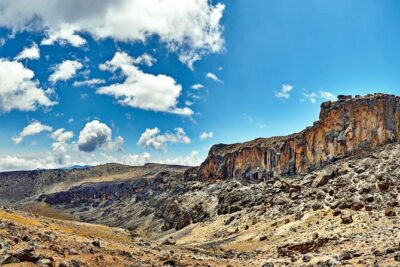
- Forest to volcanic zones: you move through undisturbed forest, savannah, moorland meadows, Senecio Forest, and desert-like summit terrain.
- Real climbing moments: the Barranco Wall is steep and narrow in places, including the famous narrow section climbers “kiss.”
- Summit sunrise is the payoff: you reach Stella Point (18,900 ft) and time your summit for a sunrise over Mawenzi Peak.
- Small group cap: the trek maxes at 12 travelers, keeping logistics tighter.
Other ways up Kilimanjaro we reviewed
- Kilimanjaro climb by Lemosho Route (7-day)★ 5.0 · 651 reviews
- Kilimanjaro climb, Machame Route (7-day)★ 5.0 · 262 reviews
- Kilimanjaro Climbing Lemosho Route 8 Days.★ 5.0 · 186 reviews
- Climbing Kilimanjaro – Machame Route★ 5.0 · 170 reviews
Why the 8-day Lemosho route is a smarter Kilimanjaro bet
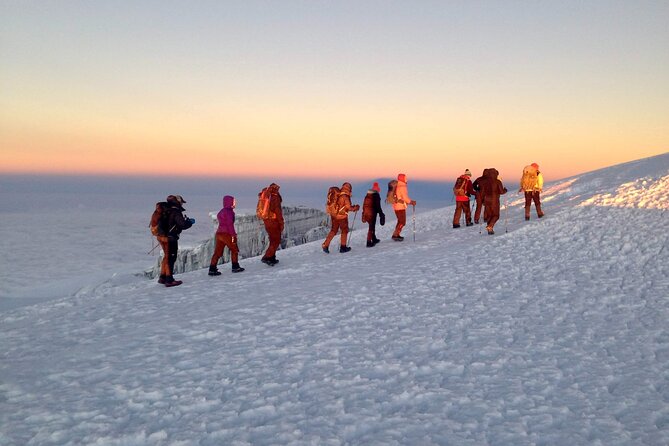
Lemosho has a reputation for being one of the most scenic ways up Kilimanjaro, and the itinerary you’ll follow here is built to match that. You’re not just hiking from camp to camp. You’re moving through altitude changes in a way that gives your body time to adjust.
This matters because Kilimanjaro is not only about fitness. It is also about how well you handle altitude. The route spends real time at higher elevations, then gives you opportunities to sleep at different heights to support acclimatization. That’s the difference between feeling rushed and feeling prepared, even though you will still feel tired in the last stretch.
The other reason Lemosho works for many people is mental. The trek is quiet compared to more trafficked approaches, and that adds up when you’re spending hours under dramatic skies. You’ll likely remember small moments too, like spotting blue monkeys early on as you begin in forest.
Potential drawback: even with good acclimatization, you can still get sick at altitude. Nothing here removes that risk. The best approach is to follow your guide’s pacing, drink what you’re told, and take it slow when your brain wants to go faster.
Price and logistics: what $3,099 includes (and what you must budget)
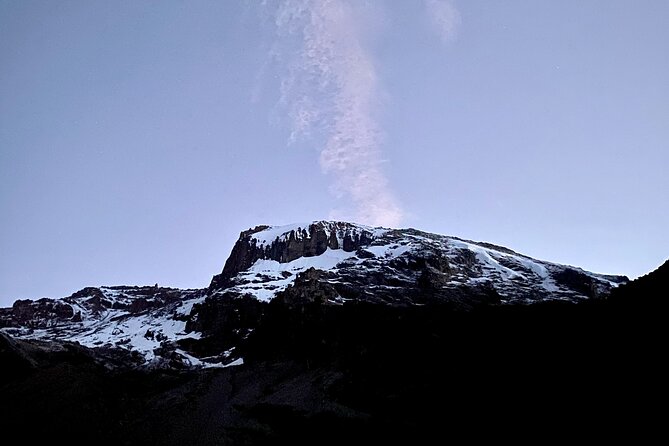
At $3,099 per person, this is not a cheap vacation. But it is structured like a full expedition package, not a bare-bones hike. You get a lot that usually costs extra on other treks, and that is part of the value.
Included in the price:
- Certified guides (the operator lists at least 3 years of training and experience)
- Airport pick-up and drop-off
- Hotel lodging the night before and the night after the climb
- All fees and taxes
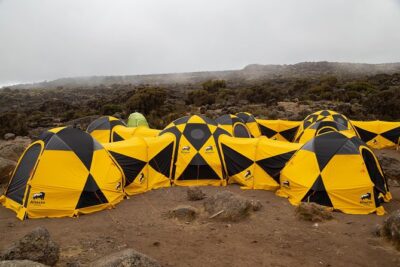
- Camp setup basics: 3-person mountaineering tent, sleeping mat, and a private toilet tent
- A support team (certified guides, porters, and cooks)
- Meals: 6 breakfasts, 6 lunches, 6 dinners
Not included, so plan for these:
- Airfare to and from Tanzania
- Visa
- Personal travel insurance
- Tips for the support team
- Sleeping bags and other personal gear
- Rental gear
- Drinks and snacks
- Lunch and dinner at the hotel
My take on value: you are paying for the whole machine that makes an 8-day trek possible. If you have to separately source guides, park fees, tents, and most meals, the total cost climbs fast. Here, you start with clearer boundaries, and that makes budgeting easier.
The one caution: gear. Since sleeping bags and personal items are not included, you need to treat this as an expedition that requires planning. If you show up without the right cold-weather gear, you’ll feel it in the camps.
Day 1: Moshi to Londorossi Gate, then the undisturbed forest start
You leave Moshi for Londorossi Gate on a drive that’s roughly 4 hours. At the gate you handle entry formalities, then continue to the Lemosho trailhead and begin hiking.
This first day is about getting into rhythm. You start with undisturbed forest, where the trail winds toward your first campsite. It’s one of the most pleasant ways to begin because your body is moving without the immediate pressure of high, barren altitude.
A fun detail that also helps with excitement: keep your eyes open for blue monkeys swinging through the trees.
What to watch for on Day 1:
- It is a long travel day before you even start hiking, so arrive in Moshi feeling rested.
- Forest hiking can still feel slow and damp. Pack for moisture even if you don’t expect it.
Lemosho itineraries worth reading next
Day 2: Rainforest to savannah, Shira Ridge views, and your first Kibo glance
Day 2 carries you out of rainforest into a savannah of tall grasses, heather, and volcanic rock. You cross streams as you climb, then reach Shira Ridge.
After that, the route gently drops to Shira 1 Camp. You’re not just changing scenery. You’re also getting your first meaningful moment of altitude adaptation and perspective.
One of the itinerary highlights here is your first glimpse of Kibo across the plateau. That view is a psychological landmark. When you see the summit mass in the distance, the trek stops being theory and becomes a mission.
Possible consideration: this day transitions fast in terms of feel. From lush forest to open grass and rock, you may deal with wind and different temperature swings. Dress in layers you can adjust quickly.
Day 3: Shira Plateau day and Moir Hut acclimatization walks
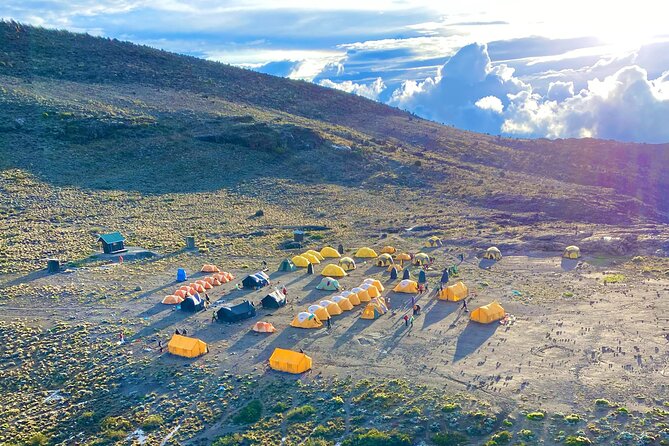
Day 3 is a full day in the Shira Plateau zone, described as one of the highest plateaus on earth. You’ll walk through moorland meadows on a gentle route east toward Shira 2 Camp.
Then the day gets smarter. Instead of just clocking miles on the main track, you divert toward Moir Hut, a lesser-used camping site at the base of the Lent Hills. From there, you get access to a variety of walk options that are specifically helpful for acclimatization.
This is the kind of day you appreciate later. That extra time to acclimatize can be what helps you handle Day 7 without feeling like you’re being crushed by altitude from day one. Also, the Shira Plateau is the sort of place where the sky and the ground feel huge, and you’ll likely find yourself slowing down just to take in the scale.
What to watch for:
- Even when the walking is gentle, the air at altitude can be cold. Warm layers matter.
- If you are prone to feeling nauseous at height, keep your pace easy and stick to the plan.
Day 4: Lava Tower, Senecio Forest, and the smart drop to 13,000 ft
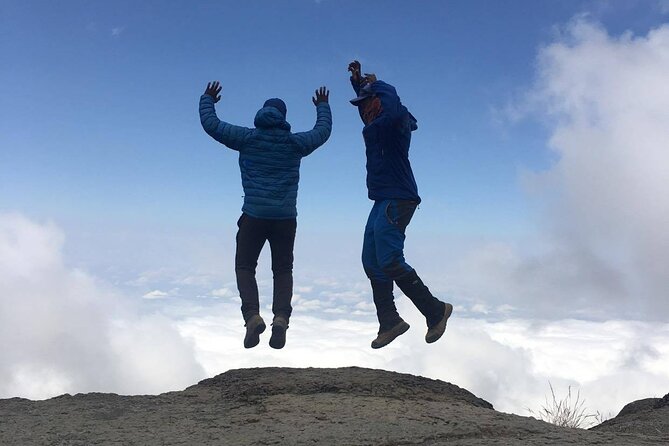
Today you climb up a ridge and head southeast toward the Lava Tower, a volcanic rock formation about 300 feet tall. It’s the kind of natural feature that gives you a clear goal, even when the altitude makes everything feel slower.
Then you descend to Barranco Camp through the Senecio Forest and to an altitude around 13,000 ft. That descent after spending time higher is a classic acclimatization tactic. It helps your body recover from the altitude stress of earlier climbing while keeping you in the zone you need for summit readiness.
Why this day matters for you: it turns the trek into a more sustainable process. You are still working, but you’re not only climbing. You’re cycling height exposure and recovery.
Possible drawback: descending can feel easier on paper, but your legs may still be tired from the earlier climb. Trekking poles help here if you use them.
Day 5: Great Barranco Wall (Kissing Wall) and Karanga Valley setup
Day 5 is where the trek adds a memorable, physical moment. You descend into a ravine to the base of the Great Barranco Wall, then climb a steep, nearly 900 ft section that is not technical, but it is demanding.
The famous part is that the wall includes a narrow passage described at about 3 feet wide. That section is known as the Kissing Wall because climbers often place a kiss on the rock as they pass.
Once you clear it, you cross hills and valleys, then descend sharply into Karanga Valley. You finish with another steep climb into Karanga Camp.
Why you should be prepared: even if your legs feel okay, this day asks for concentration. Tight spots and steep grades can scramble your confidence if you rush.
How to handle it:
- Move with the pace your guides set.
- Stay calm at the narrow section. It is intimidating only until you’re actually there, and then it becomes just steps.
Day 6: Barafu Hut, completing the Southern Circuit, and the summit-prep rest
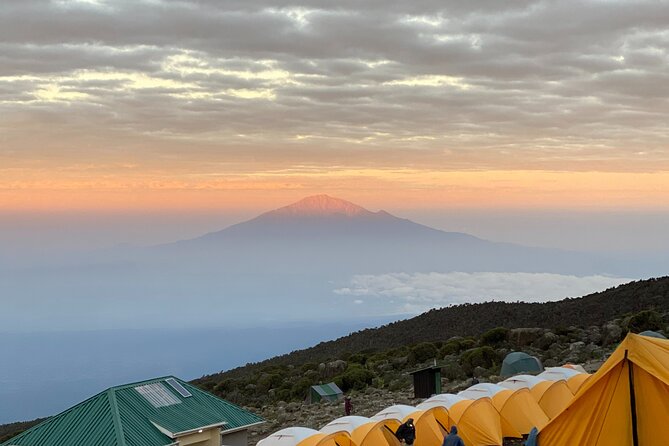
Day 6 is about transitioning into final summit mode. You leave Karanga and reach the junction that connects with the Mweka Trail. Then you move up a rocky section to Barafu Hut.
From Barafu, you are positioned with views showing Mawenzi and Kibo, and you’ve completed the Southern Circuit. That matters because it means the route has been building you from multiple angles, not just marching toward one line.
The key moment: rest and early dinner. You’re camped close to summit push timing, and you need sleep that actually counts. This is where people who wing it feel rough, because summit night starts very late.
Potential drawback: the finish line is mentally near, but physically you’ll still feel drained. Keep expecting the unexpected, like fatigue that shows up earlier than you planned.
Day 7: Midnight summit push, Stella Point sunrise, and Uhuru Peak
Around midnight, you begin the push to the summit. This is the most mentally and physically challenging part. You ascend in the darkness for several hours and take frequent but short breaks.
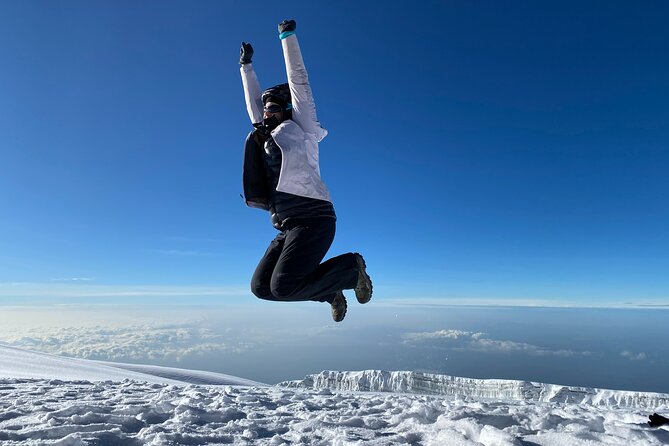
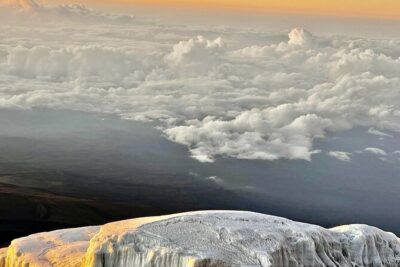
Near Stella Point, at about 18,900 ft, you get the kind of sunrise you remember forever, coming over Mawenzi Peak. It’s not just pretty. It is fuel, because it tells your brain you made it to the real moment.
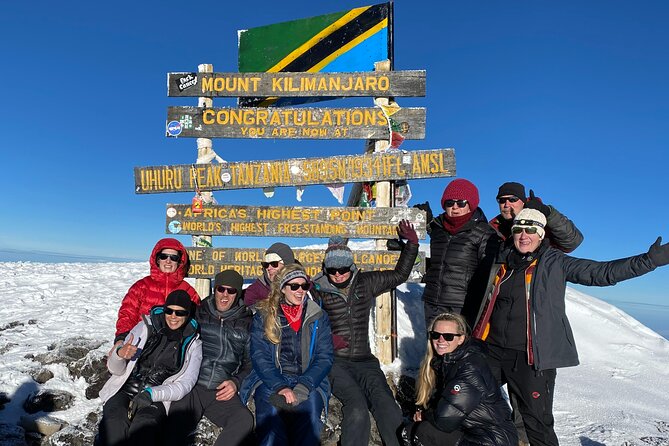
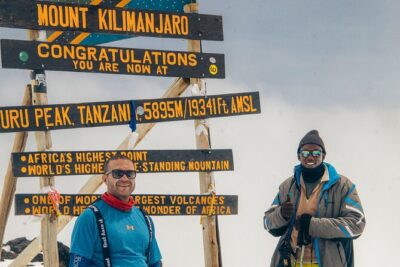
Then you reach Uhuru Peak, the highest point on Mt. Kilimanjaro and the continent of Africa. You can take photos from the rooftop feeling, but also take a few seconds for your own brain to catch up. This is one of those achievements that can feel unreal until you slow down.
About the descent: you start coming back down the same day after summiting. Day 8 continues the descent and returns you toward Mweka Gate.
One practical note based on how expeditions work at this altitude: plan on cold and exhaustion. Even when you feel wired at the top, your body will ask for careful steps down.
Day 8: Mweka Gate, transport back to Moshi, and muddy relief
On the final day, you continue the descent to Mweka Gate. A driver meets you and takes you back to your hotel in Moshi. At the gate you’ll also receive summit certificates.
Then you drive on to Mweka Village, with another vehicle bringing you back to the hotel. Lower elevations can be wet and muddy, so your feet and calves may be dealing with more than just fatigue by the time you reach camp exit.
How to think about this day: it is not a victory lap, but it is a recovery day in motion. You’ll want water, warm clothes, and a simple meal ready. Your body will be grateful for any ability to sit down without instantly falling asleep.
Guides, support crew, and what you can learn from past teams
This operator highlights certified guides with at least 3 years of training and experience, plus a support team of porters and cooks. That setup is more than comfort. It helps with safety, meal reliability, camp readiness, and pacing decisions.
Past trip notes include lead guide Ezekiel and support Michael, and there’s also a clear through-line in the way the teams show up. One group called out how Ezekiel handled pacing and safety details, while another emphasized how the food and warmth of rental gear can matter a lot once the temperature drops.
You should also take in the staffing details you might see when you travel. One group of five reported a lead guide, two assistant guides, a chef, a waiter, and 17 porters. Staffing levels can vary with group size, but the theme is consistent: there is a real team behind the scenes.
Who this trek suits best, and who should think twice
This trek is best for you if you want a balance of challenge and support. You will need strong physical fitness, but the itinerary gives you time to acclimatize, which helps many people climb more comfortably.
It also fits you if you like structure and want the logistics handled. With airport transfers, hotel nights, camp tents, mats, and meals included, you’re not hunting for essentials in Tanzania while trying to stay focused on altitude.
Consider thinking twice if:
- You are sensitive to cold and you have not planned for proper warmth, since sleeping bags and personal gear are not included.
- You dislike long hours in the dark. Summit night starts around midnight and lasts for hours.
- You are not comfortable with steep climbs, because Day 5 includes the Barranco Wall and narrow sections.
Should you book the 8-day Lemosho climb with Roam Wild Adventure?
If your goal is a Kilimanjaro climb with extra acclimatization time and a quieter route, this is a strong match. The operator-cited success rate around 95%, the Shira Plateau acclimatization day, and the small group cap up to 12 travelers all point to a trek that aims to be manageable, not chaotic.
I’d book if you want:
- A scenic route with multiple habitat changes and meaningful views
- A structured expedition setup, including tents, mats, toilets, and meals
- A summit sunrise plan that includes Stella Point and Uhuru Peak
I’d hesitate if you haven’t handled cold-weather trekking gear yet, or you’re looking for an easy hike. Kilimanjaro will still be Kilimanjaro. This route just gives you a better shot at feeling steady while you earn the summit.
FAQ
How long is the 8-day Lemosho route?
It is listed as 8 days approximately, with a Day 1 to Day 8 trek schedule.
Where does the climb start and what time does it begin?
You meet at the start time of 9:00 am. You depart Moshi for Londorossi Gate, then complete entry formalities before starting the hike.
How do airport transfers work?
Airport pick-up and drop-off are included.
What meals are included during the trek?
The package includes 6 breakfasts, 6 lunches, and 6 dinners.
Are tents and basic camp comfort items provided?
Yes. Included items list a 3-person mountaineering tent, a sleeping mat, and a private toilet tent.
What camping and support team services are included?
You get a support team that includes certified guides, porters, and cooks. The tour also includes all fees and taxes.
What gear or personal items are not included?
Sleeping bags and other personal gear are not included, and rental gear is also not included.
What is the maximum group size?
The trek has a maximum of 12 travelers.
What is the cancellation window for a full refund?
You can cancel up to 24 hours in advance of the experience’s start time for a full refund. If you cancel less than 24 hours before, the amount paid is not refunded.
Lemosho, Compared
- Kilimanjaro climb by Lemosho Route (7-day)
★ 5.0 · 651 reviews - Kilimanjaro Climbing Lemosho Route 8 Days.
★ 5.0 · 186 reviews - Kilimanjaro climb, Lemosho Route (8-day)
★ 5.0 · 148 reviews - Kilimanjaro climb, Lemosho Route (6-day)
★ 5.0 · 129 reviews - Kilimanjaro Lemosho Route
★ 5.0 · 71 reviews
Kilimanjaro, Route by Route
- Kilimanjaro climb by Lemosho Route (7-day)
★ 5.0 · 651 reviews - Kilimanjaro climb, Machame Route (7-day)
★ 5.0 · 262 reviews - Kilimanjaro Climbing Lemosho Route 8 Days.
★ 5.0 · 186 reviews - Climbing Kilimanjaro – Machame Route
★ 5.0 · 170 reviews - Climbing Kilimanjaro through 7 days Machame Route
★ 5.0 · 151 reviews
Just added from around Moshi
Kilimanjaro Lemosho Route, compared.
 ★ 5.0Kilimanjaro climb by Lemosho Route (7-day)From $3,476651 reviews
 ★ 5.08-Day Small-group Lemosho Kilimanjaro Summit TrekkingFrom $2,895186 reviews
 ★ 5.0Kilimanjaro Climbing Lemosho Route 8 Days.From $2,300186 reviews
 ★ 5.0Kilimanjaro climb, Lemosho Route (8-day)From $3,975148 reviews
 ★ 5.0Kilimanjaro climb, Lemosho Route (6-day)From $3,034129 reviews
 ★ 5.0Kilimanjaro Lemosho RouteFrom $2,89071 reviews
 ★ 5.0Private Kilimanjaro Hike 7 Day Lemosho RouteFrom $2,45060 reviews
 ★ 5.0Climbing Kilimanjaro through 8 days Lemosho RouteFrom $2,76052 reviews
Browse the lists this tour appears in