
REVIEW · KILIMANJARO MARANGU ROUTE
Mt Kilimanjaro Climb – 6 days Marangu
Kilimanjaro is a mountain with one job, reaching higher. This 6-day Marangu route trek in Moshi pairs a private guide with the park rhythm that many people find manageable. I like that the plan builds in a full acclimatization day and wraps the logistics into one package with oxygen gear. One possible drawback: you still climb at real altitude, and Marangu can feel “easier” on paper while the summit night still asks a lot of you.
Two things I especially like. First, the inclusions are strong for the price, including park fees, three meals a day, and oxygen equipment. Second, the guide team approach shows up in how climbers describe the pacing and instruction, with guides such as Musa, Freddy, Benny, Erick, Nicolas, Francis, and Steven being named for clear support. The main consideration is that you’ll be doing a long, cold push on summit night, so you’ll want solid fitness and the willingness to move slowly.
In This Review
- Key Things That Make This Kilimanjaro Climb Feel Like a Real Plan
- Why the 6-Day Marangu Route Works for First-Time Mountaineers
- Price and What $2,185.90 Actually Covers
- Moshi Logistics: Getting to the Trailhead Without Chaos
- Day-by-Day: Rainforest to Moorland to Kibo, and What Each Day Teaches You
- Day 1: Rainforest Start to Mandara Hut (about 4 to 5 hours)
- Day 2: Moorland Trek to Horombo Hut (about 6 to 8 hours)
- Day 3: Acclimatization Day at Horombo, Mawenzi Saddle Walk (about 5 hours)
- Day 4: Sunrise to Kibo Hut Through Alpine Desert (about 6 to 8 hours)
- Day 5: Summit Night to Stella Point and Uhuru Peak (about 13 hours total)
- Day 6: Descent to Marangu Gate and Certificate Day (about 5 to 7 hours)
- Oxygen, Pacing, and the Human Factor on a High-Altitude Trek
- Overnight Reality: Huts, Dorms, and Camping Comfort Levels
- Who Should Choose This Climb, and Who Might Be Better Off Rethinking
- Should You Book This 6-Day Marangu Climb?
- FAQ
- How long is the Kilimanjaro climb?
- What time does the experience start?
- Where is pickup offered?
- What meals and essentials are included?
- Is oxygen included?
- Is travel insurance included?
- Is the tour cancelable for a full refund?
Key Things That Make This Kilimanjaro Climb Feel Like a Real Plan
- A Marangu-style pacing that tends to be the gentlest of common routes, with built-in acclimatization time
- Oxygen support included, including an oxygen cylinder and an ox meter
- Full-board value, with three meals a day plus drinking water and hut or camping lodging for 5 nights
- Private guiding, so you are not just a number in a crowded line
- Wildlife and plant spotting early on, from rainforest birds to moorland giant heather
- Ethical team pay described as aligned with KPAP guidelines, plus rescue and park fees handled
Other ways up Kilimanjaro we reviewed
- Kilimanjaro climb by Lemosho Route (7-day)★ 5.0 · 651 reviews
- Kilimanjaro climb, Machame Route (7-day)★ 5.0 · 262 reviews
- Kilimanjaro Climbing Lemosho Route 8 Days.★ 5.0 · 186 reviews
- Climbing Kilimanjaro – Machame Route★ 5.0 · 170 reviews
Why the 6-Day Marangu Route Works for First-Time Mountaineers
The big idea behind this trek is simple: take altitude seriously, and give your body time to adapt. The Marangu route is often labeled the easiest trail on Kilimanjaro, and in practice that shows up as steady daily hikes, predictable hut/camping nights, and a classic acclimatization structure.
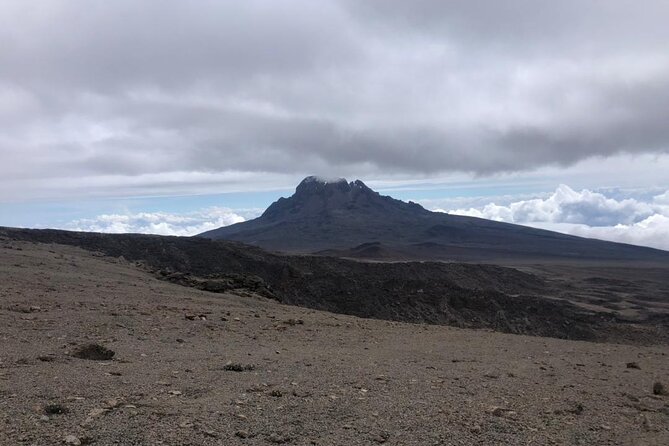
On this itinerary, you start in rainforest, move through moorland, then progress into alpine desert and eventually arctic conditions near the summit zone. That step-by-step change is helpful because it matches what altitude does to your breathing and energy. You might still feel off, but you will not be thrown straight into the coldest altitude without a runway.
Price and What $2,185.90 Actually Covers
At $2,185.90 per person for a 6-day climb, you’re paying for more than the hike. The value comes from what’s bundled:
- All park fees (entry, forest department, rescue fees, plus camping-related costs)
- Professional private guide
- Full meals, with three meals a day and drinking water
- Accommodation for 5 nights, with camping facilities listed (tent, mattresses, mess tent) and hut-based lodging at key points
- Oxygen equipment, including an oxygen cylinder and an ox meter
- Transport to and from the gate, plus hotel pickup and drop-off
In other words, you are not piecing together random add-ons at the last minute. That matters on Kilimanjaro, because costs can balloon fast when you end up paying separately for park requirements, guiding, and safety equipment. Also note what’s not included: tips for the team and your personal gear. Travel insurance is also not included, so plan that separately.
Moshi Logistics: Getting to the Trailhead Without Chaos
This climb is based in Moshi, Tanzania, with pickup offered from your hotel or hostel. You then transfer to Marangu Gate, which is about a 45-minute drive. Starting from Moshi is practical because you can handle everything you need before the trek: meals, hydration, final gear checks, and a calm night rather than scrambling right at the airport.
Your start time is listed as 8:30 am at Kilimanjaro Airport, but Day 1 clearly includes hotel pickup and a drive to the gate. So the real-world rhythm is morning-focused and designed to get you registered and moving without wasting daylight. That’s a big deal, especially on later days when weather and timing get tighter.
Marangu, other operators and other lengths
Day-by-Day: Rainforest to Moorland to Kibo, and What Each Day Teaches You
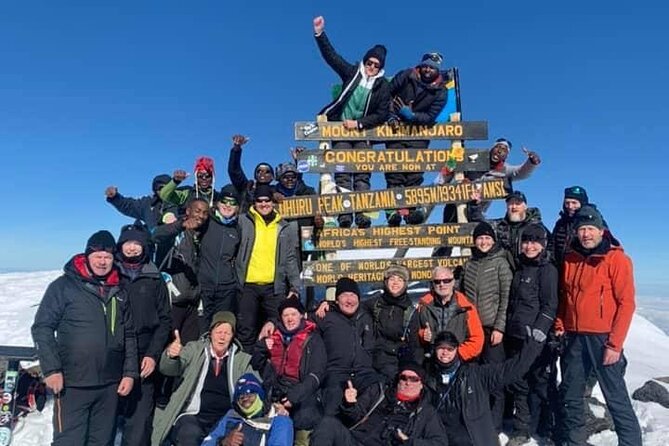
Kilimanjaro is not one hike, it’s a sequence of altitude lessons. Each day changes the air, the terrain, and how your body responds. Here’s what you should expect, plus what I’d watch for.
Day 1: Rainforest Start to Mandara Hut (about 4 to 5 hours)
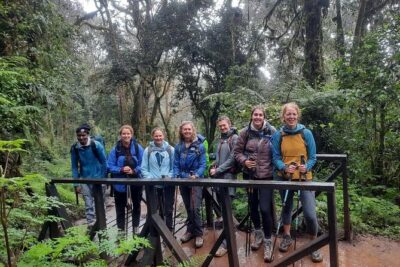
You begin at Kilimanjaro National Park at around 870 meters of elevation gain. The hiking time is moderate, and the setting is lush rainforest with montane forest trails, coffee plantations, and lots of birdlife.
This is your day to settle in. You’ll walk through dense rainforest and you have a strong chance to spot animals like black and white colobus monkeys, plus brightly colored birds. If you are the type who gets distracted easily by scenery, this is the perfect time. Use the day to find your steady pace, get comfortable with the breathing rhythm, and learn how your guide wants you to hike.
Consideration: this day can feel “too easy,” which is fine, but do not use it as a signal you’re invincible. Kilimanjaro punishes fast starts.
Day 2: Moorland Trek to Horombo Hut (about 6 to 8 hours)
Day 2 brings about 1,020 meters of elevation gain and longer hiking hours. The habitat shifts toward moorland, with rolling alpine meadows and giant heather trees. You’ll also pass through more forest before the open moor takes over.
This is where your legs start noticing the climb. It can feel long, not necessarily steep, and that’s the point. You’ll be walking long enough to build endurance without throwing you into a summit-night grind.
You also get a chance to see plants like giant lobelia and giant groundsel, which can grow very tall. It’s a cool reminder that you’re not just climbing rock and ice, you’re traveling through distinct ecological zones.
Day 3: Acclimatization Day at Horombo, Mawenzi Saddle Walk (about 5 hours)
Day 3 is your “don’t rush it” day. Instead of pushing upward, you spend an extra day at Horombo Hut to acclimatize. The most popular nearby hike is to Mawenzi Saddle, with Zebra Rocks along the way.
This round trip is listed around 4 to 5 hours, and that’s enough time to stimulate adjustment without draining you. Your guide will likely encourage slow movement and steady water intake, and you’ll see why the phrase pole, pole fits this climb.
What you gain: this day improves your chances of making the summit by giving your body more time to adapt. If you tend to feel better once you start moving, this is still the day to resist the urge to “make up time.” Your brain might feel fine. Your lungs might not.
Day 4: Sunrise to Kibo Hut Through Alpine Desert (about 6 to 8 hours)
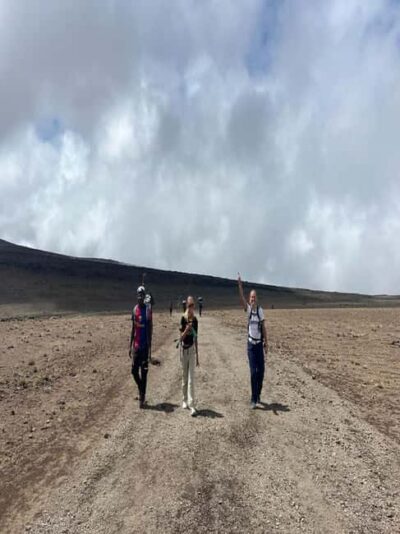
On Day 4, you wake early for sunrise and photos. The trail continues slowly through heathland and then turns into an almost lunar-like world as you cross the saddle between Mawenzi and Kibo.
This is where altitude symptoms can start to show up. The plan specifically notes that you may experience altitude sickness symptoms and to keep your guide informed. That advice is practical: telling someone early usually leads to better decisions, like adjusting pace and managing hydration.
You reach Kibo Hut, described as a drystone walled hut with dormitories and limited facilities. The important thing is not the comfort factor, it’s the transition. You’re moving closer to the coldest zone, and your body is starting to feel the thin air more strongly.
Day 5: Summit Night to Stella Point and Uhuru Peak (about 13 hours total)
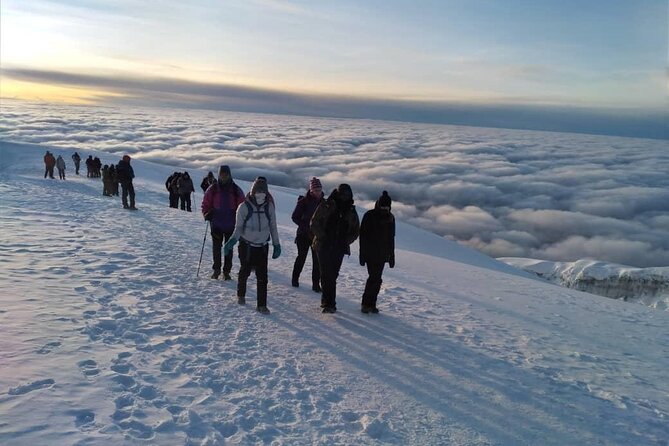
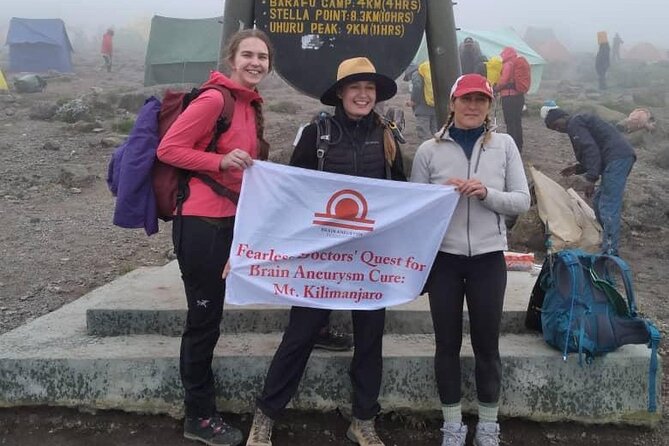
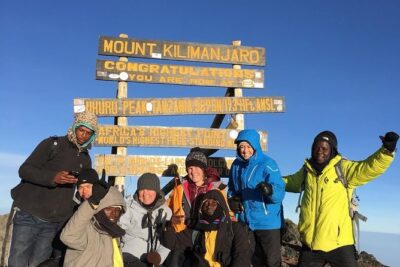
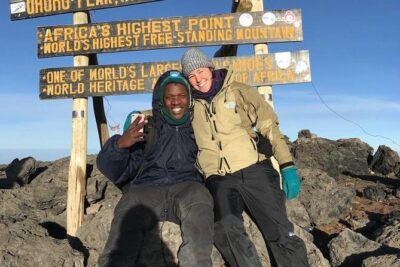
Day 5 is the marathon. You start just before midnight and climb through heavy stone scree with switchbacks between Ratzel and Rebmann glaciers. You head northwest toward Stella Point at 5,685m, then continue onward toward the summit at Uhuru Peak.
This is listed as arctic conditions, and yes, it feels intense. Hiking time is long, around 13 hours, even with a strong guide leading the way.
This section is often called the hardest part because you need physical stamina and mental patience at the same time. Your guide’s job is to manage your pace so you do not burn out too early. The best summit strategy here is boring on purpose: slow steps, steady breathing, and listening to your guide.
Day 6: Descent to Marangu Gate and Certificate Day (about 5 to 7 hours)
After breakfast, you hike the easier part down through forest to Marangu Gate. The descent involves an elevation loss listed at about 1,890 meters, and the hiking time is about 5 to 7 hours.
After you reach the gate, successful hikers who reached Stella Point and Uhuru Peak are awarded certificates. Then it’s a drive back to your hotel for shower, dinner, and celebrations, including a Kilimanjaro beer.
What I love about this finale: the “complete the loop” feeling. Many climbs end with a long drive and a shrug. Here, you end with a clear finish moment.
Oxygen, Pacing, and the Human Factor on a High-Altitude Trek
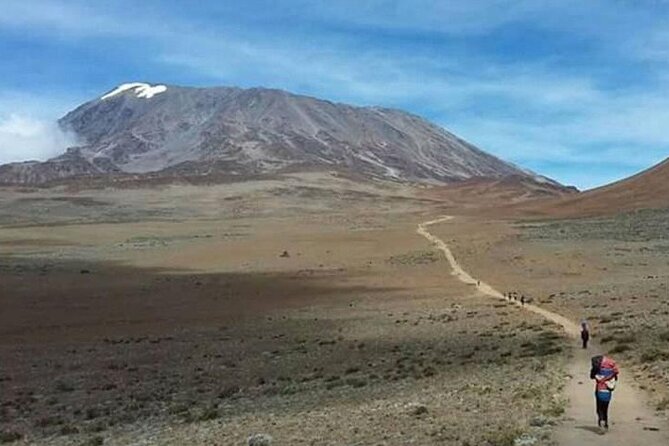
Two safety helpers are clearly included: an oxygen cylinder and an ox meter. That does not mean altitude is risk-free, but it does mean you have more tools on hand if someone shows concerning symptoms.
The private guide structure also matters. The itinerary is built on slow pacing and communication, and that depends on a guide who actively watches you rather than just counting steps for a group. In feedback associated with this operator, guides like Musa and Francis are specifically described as giving careful instruction and helping climbers understand nature, animals, and the route itself. Freddy and Benny are also named for guidance that helped climbers feel well looked after.
The operator also emphasizes fair and ethical salaries aligned with KPAP guidelines. That matters to me because it connects to expedition stability. When the team is treated well, you tend to get better coordination, less scramble energy, and a smoother experience in camp.
Overnight Reality: Huts, Dorms, and Camping Comfort Levels
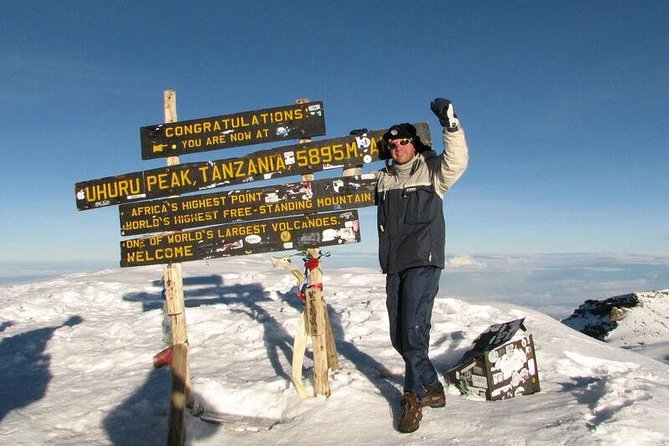
Comfort on Kilimanjaro is a moving target. This plan includes 5 nights of accommodation plus camping facilities like tents, mattresses, and a mess tent. At Kibo Hut, the lodging is described as drystone walled with dormitories and limited facilities.
So yes, you should expect basic conditions. On a trek where weather can turn and temperatures drop, you’ll do better thinking of your nights as recovery sessions, not hotel stays. Your sleeping setup is included, so you’re not on your own for tents and mattresses, but you still need to bring your personal cold-weather clothing and gear.
Who Should Choose This Climb, and Who Might Be Better Off Rethinking
This trek is designed for people with at least moderate physical fitness. That usually means you can hike for hours on uneven ground, you’re comfortable with a long day of walking, and you can handle the reality that summit night is physically demanding.
If you love nature and want a trail that moves through rainforest, moorland, and alpine desert, Marangu is a strong match. The route also suits people who want a “classic” Kilimanjaro experience with an extra acclimatization day, rather than a shorter, more punishing schedule.
If you hate cold nights, long walks, and uncertainty around altitude symptoms, you might want to compare routes or adjust your timing. This itinerary signals that you may feel altitude effects starting around Day 4, so you need to be honest about how you handle that.
Should You Book This 6-Day Marangu Climb?
If you want a structured Kilimanjaro attempt with safety gear included, this is a solid choice. The best reasons to book are the full package value, the oxygen and ox meter inclusion, and the built-in acclimatization day at Horombo. I also like that the route gives you wildlife and plant surprises early, so the trek feels more than just a slog to the summit.
I’d skip it or at least shop carefully if you’re looking for luxury comfort or short hiking days. Marangu is often easier than other routes, but it still includes a long summit night in arctic conditions, plus cold and altitude stress.
If you’re serious about doing it well, choose this kind of plan. It’s the difference between hoping and preparing, and on Kilimanjaro, preparation is the whole game.
FAQ
How long is the Kilimanjaro climb?
The trek is 6 days (approx.), including pickup and the hike through to Marangu Gate on the final day.
What time does the experience start?
The listed start time is 8:30 am.
Where is pickup offered?
Pickup is offered from your hostel or hotel in Moshi, then you drive to the starting point at Marangu Gate. Transport to and from the gate is included.
What meals and essentials are included?
You get three meals a day (breakfast, lunch, dinner), drinking water, and dinner during the trek. You also receive accommodation for 5 nights.
Is oxygen included?
Yes. The tour includes an oxygen cylinder and an ox meter.
Is travel insurance included?
No. Travel insurance is not included.
Is the tour cancelable for a full refund?
Cancellation is free if you cancel up to 24 hours in advance of the experience start time. If you cancel less than 24 hours before, you will not receive a refund.
The Marangu Trail
- Kilimanjaro climb, Marangu route (6-day)
★ 5.0 · 72 reviews - Climbing Kilimanjaro – Marangu Route
★ 5.0 · 65 reviews - Best Kilimanjaro Adventures 6 Days Marangu Route Experience
★ 5.0 · 18 reviews - Kilimanjaro Private Climbing in 6 Days Marangu Route
★ 5.0 · 16 reviews - 6 Days Climb Kilimanjaro Through Marangu Route
★ 4.5 · 15 reviews
Kilimanjaro, Route by Route
- Kilimanjaro climb by Lemosho Route (7-day)
★ 5.0 · 651 reviews - Kilimanjaro climb, Machame Route (7-day)
★ 5.0 · 262 reviews - Kilimanjaro Climbing Lemosho Route 8 Days.
★ 5.0 · 186 reviews - Climbing Kilimanjaro – Machame Route
★ 5.0 · 170 reviews - Climbing Kilimanjaro through 7 days Machame Route
★ 5.0 · 151 reviews
Just added from around Moshi
Kilimanjaro Marangu Route, compared.
 ★ 5.0Kilimanjaro climb, Marangu route (6-day)From $2,90272 reviews
 ★ 5.0Climbing Kilimanjaro – Marangu RouteFrom $2,00465 reviews
 ★ 5.0Private Full Day Hiking Experience to Marangu RouteFrom $26061 reviews
 ★ 4.5From Arusha/Moshi: Kilimanjaro Hike Marangu Route Day TripFrom $10154 reviews
 ★ 5.0Mount Kilimanjaro Day Hike Through Marangu Route to Mandara HutFrom $26537 reviews
 ★ 5.0Kilimanjaro Climbing 5 days Marangu routeFrom $90022 reviews
 ★ 5.0Best Kilimanjaro Adventures 6 Days Marangu Route ExperienceFrom $1,00018 reviews
 ★ 5.0Kilimanjaro Private Climbing in 6 Days Marangu RouteFrom $2,00016 reviews
Browse the lists this tour appears in