
REVIEW · KILIMANJARO LEMOSHO ROUTE
Mount Kilimanjaro – Lemosho Route
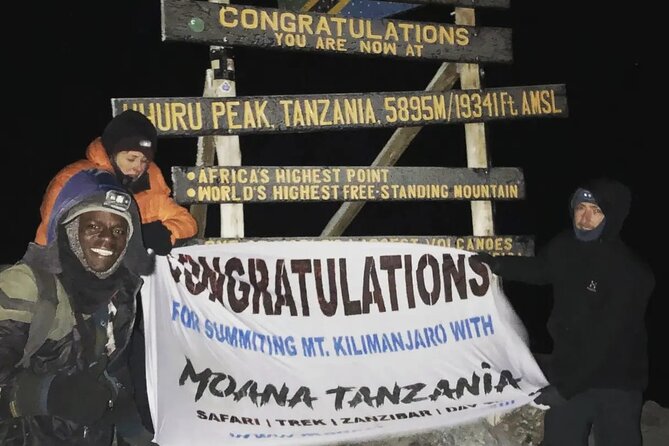
Kilimanjaro is where stories start. This 7-day Lemosho Route puts you through rainforest, moorland, alpine desert, and an icy summit push, with a small group and a team that keeps the mood steady. You’ll climb from about 2,400m up toward Uhuru Peak (5,895m), then work your way back down to the forest.
I especially like the route choice and pacing for acclimatization. Starting in the rainforest and gradually stepping higher helps you feel less slammed right out of the gate, even though you’re still hiking hard. I also love the people side: Moana Tanzania runs with guides, cooks, and porters, and the reviews highlight encouragement plus serious safety.
One consideration: this trek demands strong physical fitness and good weather. Even with portable oxygen tanks and an ox meter, you’re still going to a very high altitude where conditions can change fast. If you want an easy walk with guaranteed comfort, this isn’t it.
In This Review
- Key Highlights You’ll Feel on the Mountain
- Why the Lemosho Route Makes Sense on Kilimanjaro
- Day 1: Londorossi Gate Into the Rain Forest to Mti Mkubwa
- Day 2: Shira Ridge and the Shift From Forest to Heath and Moorland
- Day 3: Lava Tower (Sharkstooth), Arrow Glacier, and Barranco Camp
- Day 4: Barranco Wall to Karanga Valley (Shorter, But Not Easy)
- Day 5: Barafu Hut, South Circuit Complete, Summit Setup
- Day 6: Summit Day From Between Rebmann and Ratzell Glaciers to Uhuru Peak
- Day 7: Down to Mweka Gate Through Forest
- Food, Water, and the Real Comfort Stuff That Actually Helps
- The Moana Tanzania Crew: Encouragement Plus Safety
- Price and What $2,900 Buys You (and What It Doesn’t)
- Logistics in Moshi: Pickup and Timing
- Who Should Choose This Trek, and Who Should Think Twice
- Final Call: Should You Book Moana’s Lemosho Kilimanjaro?
- FAQ
- Is pickup included for the Kilimanjaro trek in Moshi?
- Where do we start and finish the trek on this route?
- How long is the Mt. Kilimanjaro Lemosho route trek?
- What is the maximum group size?
- Is oxygen and first aid included?
- Are meals included?
- What should I budget for outside the tour price?
- What fitness level do I need?
- What happens if I cancel or if weather is bad?
Key Highlights You’ll Feel on the Mountain
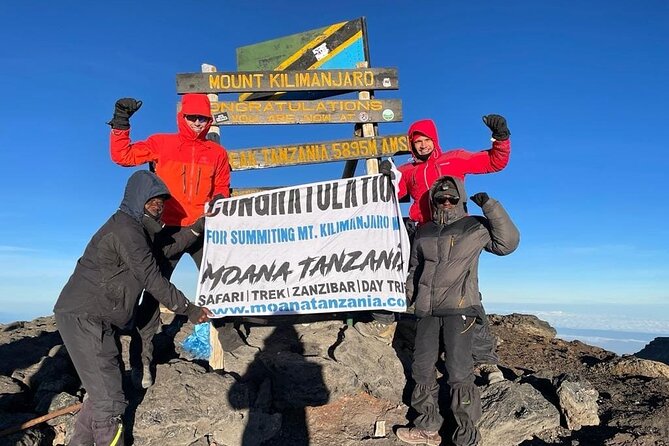
- Small group size (max 15) means less crowding and more attention from your crew
- Oxygen tanks and an ox meter are included, plus a portable first-aid kit
- Hot water for washing and drinking water are provided, which matters after cold days
- Chef David’s food gets specific praise, including a vegetarian option
- Lava Tower (Sharkstooth), Arrow Glacier, Stella Point, and Uhuru Peak make big moments built in
Other ways up Kilimanjaro we reviewed
- Kilimanjaro climb by Lemosho Route (7-day)★ 5.0 · 651 reviews
- Kilimanjaro climb, Machame Route (7-day)★ 5.0 · 262 reviews
- Kilimanjaro Climbing Lemosho Route 8 Days.★ 5.0 · 186 reviews
- Climbing Kilimanjaro – Machame Route★ 5.0 · 170 reviews
Why the Lemosho Route Makes Sense on Kilimanjaro
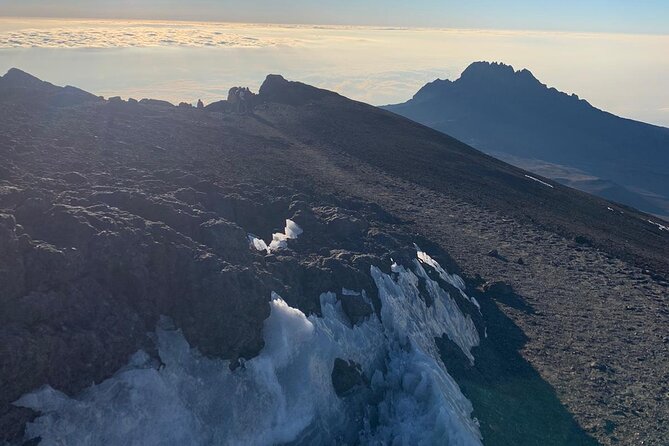
If Kilimanjaro has a personality, the Lemosho Route is the one that starts gentler and then gets more dramatic. Day by day, you’re moving from rain forest up through heath and moorland, then into alpine desert, and finally into the icy summit environment.
That progression matters because altitude is not just about height on a map. It’s about how your body adjusts as you climb. On this route, the pattern gives you multiple nights at higher elevations before the summit attempt, instead of rushing straight upward. You still need stamina, but you’re not throwing yourself at the highest altitude on the first days.
The other reason I like Lemosho is the variety. You’ll see different vegetation zones and terrain, and the visual payoff builds. One day you’re walking under green cover. A few days later you’re staring at volcanic rock features and glacier remnants, like the Arrow Glacier and the Lava Tower known as Sharkstooth.
Day 1: Londorossi Gate Into the Rain Forest to Mti Mkubwa
Your trek begins at the Londorossi gate, starting around 2,400m to 2,800m. The hike is about 6 km and 3-4 hours, and it stays in the rain forest habitat.
This is the day to take a deep breath and let your body find its rhythm. Rain forest trekking can feel deceptively easy because it’s cooler under the canopy, but you’ll still be hiking uphill. Keep your eyes open for wildlife, because this part of the mountain can surprise you with movement in the trees.
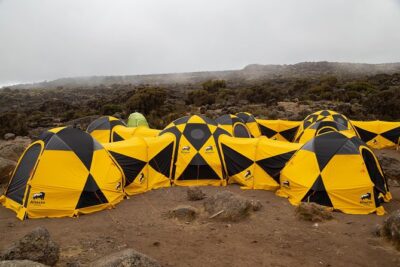
You’ll overnight at Mti Mkubwa. Camps at this stage are about settling in, hydrating, and going to bed early. If you’re the type who talks all evening, this is a good moment to switch to quiet mode. Your next days get longer.
Day 2: Shira Ridge and the Shift From Forest to Heath and Moorland
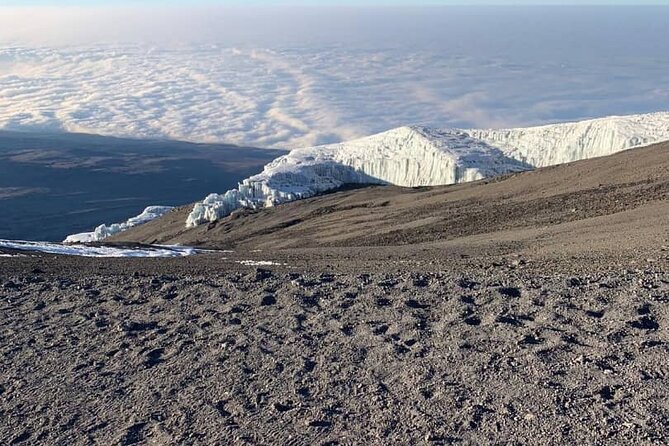
On Day 2, you climb from roughly 2,800m to 3,750m, covering 14 km in about 7-8 hours. The big change is leaving the rainforest and entering heath and moorland.
This is where the trek starts feeling like a true uphill slog, not just “walking in the jungle.” Expect the air to feel thinner. The ground can get rougher, and the views open up as vegetation changes.
You’ll reach the Shira ridge and continue to Shira 2 camp for the night. Shira camp is useful because it sets you up for the alpine conditions that come next, without immediately jumping to the highest terrain. The tradeoff is effort. Day 2 is one of the longer days in the first half, so pace yourself and don’t sprint just because you feel good.
Lemosho itineraries worth reading next
Day 3: Lava Tower (Sharkstooth), Arrow Glacier, and Barranco Camp
Day 3 runs from about 3,750m to 3,950m, with a 10 km hike taking roughly 6-8 hours. You move into alpine desert terrain.
This is the day of recognizable Kilimanjaro features. You’ll continue toward Kibo Peak, then head for Lava Tower, which many people call Sharkstooth. Shortly after, you’ll pass by the Arrow Glacier, one of those high-altitude reminders that glaciers on Kilimanjaro don’t behave like permanent backyard snow.
After all that scenery, you finish at Barranco Camp. Barranco is a classic setup point for what comes next, especially because it puts you in position for the Barranco area after the next short hiking window. If you’re prone to feeling tired late in the day, this is normal at altitude, so keep your steps slow and steady.
Day 4: Barranco Wall to Karanga Valley (Shorter, But Not Easy)
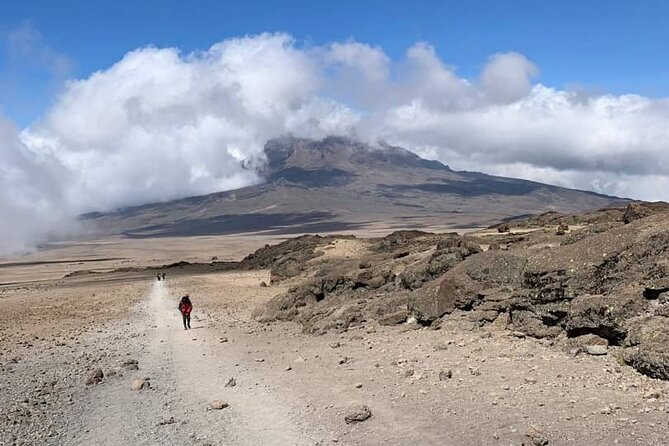
Day 4 looks shorter on paper: about 5 km and 4-5 hours, moving from 3,950m to 4,040m. You’re still in alpine desert.
The key moment is passing the Barranco Wall and heading into the Karanga Valley, where you’ll sleep at Karanga Camp.
Shorter days on Kilimanjaro often trick people. You might feel better after the first hour, then realize the terrain is uneven and the altitude still costs energy. Treat it like a technical day, even if you’re not scrambling. Your breathing rate matters, and your footing matters more.
Karanga Camp is an important stepping stone. You’re not just “getting through the day,” you’re preparing your body for the summit day and the rest of the south circuit.
Day 5: Barafu Hut, South Circuit Complete, Summit Setup
On Day 5, you hike from about 4,040m up to 4,700m over 4 km, taking 4-5 hours. This one is alpine desert again, but you’ll feel the thinner air more sharply.
You’ll leave Karanga and head to the junction that connects with the Mweka Trail, then continue up to Barafu Hut. Reaching Barafu is a psychological milestone: the trek’s south circuit is now done, and the focus shifts toward summit preparation.
What I like about this structure is that it gives you a landing place before summit night. Barafu is where you’ll rest, prepare, and keep your energy for the long, cold push that comes next. This is also where the “small details” start to matter: how you dress in layers, how often you sip water, and how well you can sleep even when cold air steals comfort.
Day 6: Summit Day From Between Rebmann and Ratzell Glaciers to Uhuru Peak
This is the big day. You go from around 4,700m to 5,895m, then descend all the way back down to about 3,100m. The hiking time is roughly 5-7 hours up and 5-7 hours down.
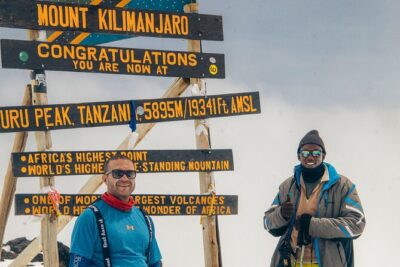
Your ascent starts between the Rebmann Glacier and Ratzell Glacier, then you work your way up to Stella Point. After that comes the summit moment, Uhuru Peak, with time to celebrate and take pictures. Then you descend to Mweka Hut for the overnight.
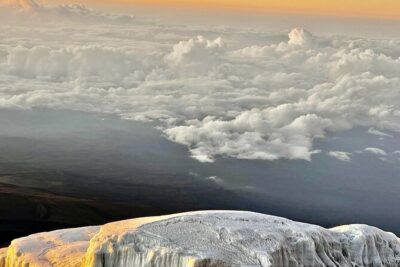
This day is called icy summit for a reason, and you’ll feel it in your fingers, your breath, and your motivation. The route includes multiple elevation milestones, which helps because you can break the climb into chunks. Stella Point is especially important because it’s one of those “almost there” checkpoints.
One practical takeaway: portable oxygen tanks and an ox meter are included on this trek, and there’s also a portable first-aid kit. That doesn’t make altitude risk disappear, but it does mean your team arrives with tools to monitor and respond. The guides also get praised for continuing encouragement while taking safety seriously, which matters when you’re exhausted and cold.
Day 7: Down to Mweka Gate Through Forest
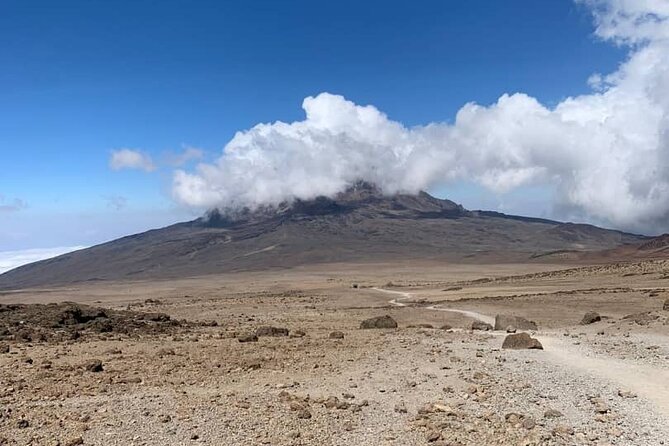
Day 7 brings you from about 3,100m down to 1,650m, hiking roughly 3-4 hours. The habitat shifts back into forest.
You’ll continue your descent from Mweka Hut straight to Mweka gate. This final descent is often emotional for people because your body feels relieved, but your brain is still processing what you just did.
I like Day 7 because it isn’t another technical ordeal. It’s your chance to walk out with a calmer pace, breathe easier, and take in the fact that you’re leaving the extreme altitude behind.
Food, Water, and the Real Comfort Stuff That Actually Helps
Kilimanjaro treks can go sideways if you’re underfed or dehydrated. Here, meals and water are part of the package.
You get breakfast (6), lunch (7), and dinner (6). You also get drinking water plus hot water for washing. Those details sound small until you’re cold, tired, and trying to wipe off sweat and dust at altitude. Hot water for washing is not a luxury, it’s sanity.
Food gets specific praise in the feedback, including that it’s clean and fresh, and that there’s enough of it. A vegetarian option is also mentioned, which is a big deal if you’re trying to avoid guessing at meals. The chef named David comes up positively, and the overall impression is that meals were planned around the needs of the group, not just “something to eat.”
What’s on you: personal items, toiletries, and your own mountainclimbing gear are not included. So if you want quality socks, gloves, a headlamp, and a sleeping kit that matches cold conditions, you’ll want to plan that in advance.
The Moana Tanzania Crew: Encouragement Plus Safety
On a summit trek, you don’t just need legs. You need a team that keeps people moving when the hike hurts and the weather threatens.
Moana Tanzania’s setup includes guides, cooks, and porters. The reviews emphasize a customer-centric, caring approach, with guides who encourage and support the group until the summit. You’ll also notice a theme around professionalism and flexibility, which matters when conditions force changes or when someone needs a slower pace.
Names you may hear in the process include Gea, who runs the company, plus chef David, and team members Gasper, Robson, Salim, Herbert, and Gewa. Those details point to something you’ll feel on the trail: you’re not just dealing with a generic operation. You’re working with people.
Safety is repeatedly mentioned too. It’s not just about friendly vibes. When altitude gets serious, a guide who takes safety precautions seriously and keeps the group together can make the entire experience less stressful.
Price and What $2,900 Buys You (and What It Doesn’t)
At $2,900 per person, this is a serious purchase. The value is in what’s bundled.
Included items:
- Private transportation
- All fees and taxes
- Guides, cook and porters
- Drinking water and hot water for washing
- Portable oxygen tanks and an ox meter
- Portable first-aid kit
- All meals (breakfast 6, lunch 7, dinner 6)
The not-included items are also clear, and they’re the ones that usually surprise people:
- Personal items and toiletries, plus personal mountainclimbing gear
- Accommodation in Moshi before and after the trek
- Travel insurance
- Flight tickets
- Laundry service
- Tips for the guides, cook, and porters
To me, the strongest value signals are the operational ones: permits and taxes covered, meals handled, and altitude support equipment included. If you were forced to source oxygen, first-aid supplies, and a full supporting staff yourself, the cost would climb quickly. You’re paying for the whole machine to work.
Also pay attention to the small group size, max 15 travelers. Smaller groups often mean better communication and less waiting around, especially on days when the terrain narrows or when everyone needs a steady rhythm.
Logistics in Moshi: Pickup and Timing
This trek starts in Moshi, Tanzania, and the activity ends back at the meeting point. Pickup is offered, and you have private transportation included.
Opening hours are listed as 7:00 AM to 11:00 AM, and you should receive confirmation after booking unless you’re booking within a day of travel. You’ll use a mobile ticket as well.
Why that matters: Kilimanjaro days depend on early starts and timing that keeps everyone organized. If you’re the type who likes to wander and “see what happens,” don’t. Be ready, be on time, and let the team run the schedule.
Who Should Choose This Trek, and Who Should Think Twice
This Lemosho itinerary is best for people who want:
- A route with gradual altitude progression
- A solid chance at keeping energy steady through long days
- A team that’s described as caring, fun, and professional, with real support
- A summit attempt that follows a structured plan including Stella Point and Uhuru Peak
You should think twice if:
- You do not have a strong fitness baseline (the trek explicitly asks for strong physical fitness)
- You hate cold, early starts, and high-altitude discomfort
- You’re not comfortable with the idea that the experience requires good weather
Also, even though altitude support gear is included, Kilimanjaro is still Kilimanjaro. You’ll want to follow your guide’s guidance closely and take acclimatization seriously throughout the trek.
Final Call: Should You Book Moana’s Lemosho Kilimanjaro?
If your goal is a well-run Kilimanjaro climb with genuine human support, this sounds like a strong match. The included oxygen tanks and ox meter, the hot water for washing, and the thoughtful meal setup all point to practical comfort on a punishing climb. On top of that, the reviews repeatedly highlight encouragement and safety, plus specific praise for the crew including Gea and chef David.
I’d book if you’re fit, you want the Lemosho route, and you can handle a challenging hike with real altitude exposure. I’d hesitate if you want a leisurely experience or you know your stamina is limited. Kilimanjaro does not care about good intentions.
FAQ
Is pickup included for the Kilimanjaro trek in Moshi?
Yes. The experience includes private transportation, and pickup is offered. The trek starts in Moshi, Tanzania, and the activity ends back at the meeting point.
Where do we start and finish the trek on this route?
The trek starts from the Londorossi gate and finishes at the Mweka gate. The overall activity starts in Moshi, Tanzania and ends back at the meeting point.
How long is the Mt. Kilimanjaro Lemosho route trek?
The duration is 7 days, approximate.
What is the maximum group size?
This tour/activity has a maximum of 15 travelers.
Is oxygen and first aid included?
Yes. Portable oxygen tanks and an ox meter are included, along with a portable first-aid kit.
Are meals included?
Yes. Breakfast is included 6 times, lunch is included 7 times, and dinner is included 6 times.
What should I budget for outside the tour price?
Not included are personal items and toiletries, personal mountainclimbing gear, accommodation in Moshi before and after the trek, travel insurance, flight tickets, laundry service, and tips for the guides, cook, and porters.
What fitness level do I need?
Travelers should have a strong physical fitness level.
What happens if I cancel or if weather is bad?
You can cancel up to 6 days in advance for a full refund. The experience requires good weather, and if it is canceled due to poor weather, you’ll be offered a different date or a full refund.
Lemosho, Compared
- Kilimanjaro climb by Lemosho Route (7-day)
★ 5.0 · 651 reviews - Kilimanjaro Climbing Lemosho Route 8 Days.
★ 5.0 · 186 reviews - Kilimanjaro climb, Lemosho Route (8-day)
★ 5.0 · 148 reviews - Kilimanjaro climb, Lemosho Route (6-day)
★ 5.0 · 129 reviews - Kilimanjaro Lemosho Route
★ 5.0 · 71 reviews
Kilimanjaro, Route by Route
- Kilimanjaro climb by Lemosho Route (7-day)
★ 5.0 · 651 reviews - Kilimanjaro climb, Machame Route (7-day)
★ 5.0 · 262 reviews - Kilimanjaro Climbing Lemosho Route 8 Days.
★ 5.0 · 186 reviews - Climbing Kilimanjaro – Machame Route
★ 5.0 · 170 reviews - Climbing Kilimanjaro through 7 days Machame Route
★ 5.0 · 151 reviews
Just added from around Moshi
Kilimanjaro Lemosho Route, compared.
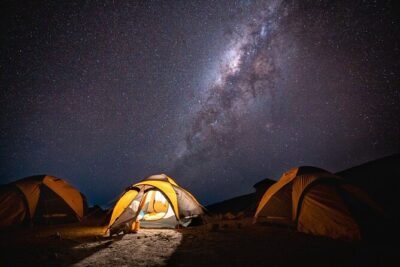 ★ 5.0Kilimanjaro climb by Lemosho Route (7-day)From $3,476651 reviews
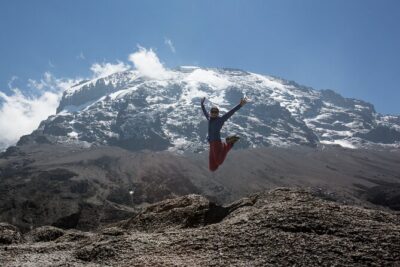 ★ 5.08-Day Small-group Lemosho Kilimanjaro Summit TrekkingFrom $2,895186 reviews
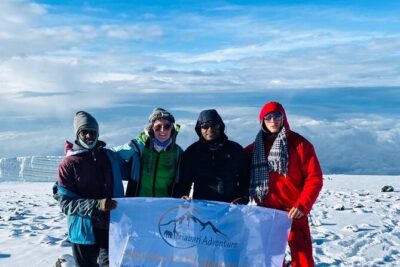 ★ 5.0Kilimanjaro Climbing Lemosho Route 8 Days.From $2,300186 reviews
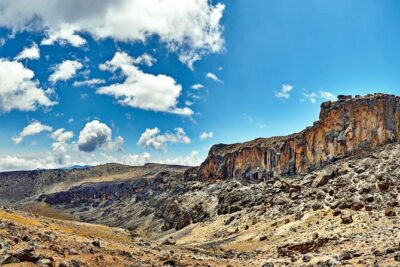 ★ 5.0Kilimanjaro climb, Lemosho Route (8-day)From $3,975148 reviews
 ★ 5.0Kilimanjaro climb, Lemosho Route (6-day)From $3,034129 reviews
 ★ 5.0Kilimanjaro Lemosho RouteFrom $2,89071 reviews
 ★ 5.0Private Kilimanjaro Hike 7 Day Lemosho RouteFrom $2,45060 reviews
 ★ 5.0Climbing Kilimanjaro through 8 days Lemosho RouteFrom $2,76052 reviews
Browse the lists this tour appears in