
REVIEW · KILIMANJARO MARANGU ROUTE
Marangu Route 6 Days 5 Nights/Kilimanjaro Climb
Kilimanjaro feels close on the Marangu Route. This 6-day, 5-night climb from Moshi is paced for steady progress through forest, heath, and alpine zones, with professional mountain guides and included meals that keep you fueled for the long days. I also like that you get a full briefing and even a certificate of achievement at the end, so the trip feels organized from start to finish. One thing to consider: the summit night is a grueling midnight start, so you’ll want to be mentally ready for the final push.
You start with pickup from your lodge in Moshi, handle the paperwork at the gate, then hike into dense rainforest to your first hut stop. The daily rhythm is clear, and the itinerary builds in an acclimatization day at Horombo, which is the kind of planning that matters at altitude.
Price-wise, $1,900 per person is not the cheapest way to climb, but it does include the big essentials like park-related fees and taxes, crew salary, accommodation in huts, and all meals. If you are watching your budget tightly, you’ll still need to budget for visa, international flights, and gratuities, since those are not included.
In This Review
- Key reasons this Marangu climb is a solid choice
- Moshi start, gate day, and what to expect from day one
- Mandara Hut day: rainforest walking and the Maundi Crater viewpoint
- Horombo Hut at 3,700m: the day you notice the altitude shift
- Acclimatization day at Horombo: Zebra Rocks at 4,020m
- The long Kibo Hut stage: Last Water point, saddle, and an early night
- Summit night to Uhuru Peak: midnight start, Hans Meyer Cave, and sunrise at Gillman’s Point
- Final descent to the gate: Mandara Hut at 2,700m and back through rainforest
- Guides, briefings, and the human side of the climb
- Price and what value looks like at $1,900 per person
- Who should book this Marangu Route, and what to watch
- Should you book the Marangu Route 6 days, 5 nights?
- FAQ
- What time does the climb start in Moshi?
- Is airport pickup included?
- How many nights are included in this trip?
- Which route does this itinerary use?
- Are meals included during the climb?
- What is not included in the price?
Key reasons this Marangu climb is a solid choice
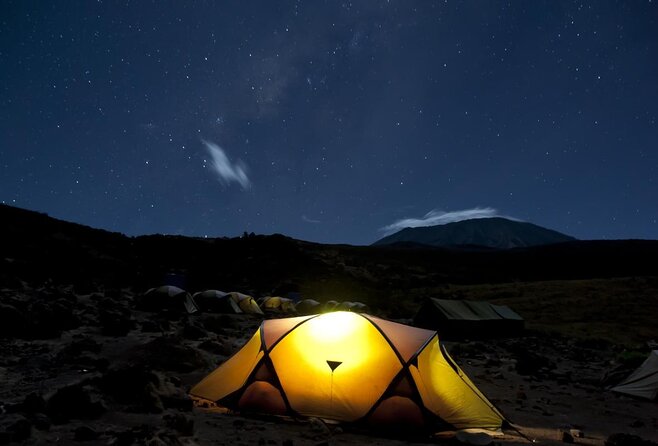
- Marangu Route pacing through gradually changing zones, from rainforest to alpine terrain
- Professional guide teams with a full briefing before you start
- Acclimatization built in, with a dedicated day and a hike to Zebra Rocks at 4,020m
- Classic summit timing, with sunrise at the crater rim and a final climb to Uhuru Peak
- Meals and huts included, so you’re not piecing your trip together day by day
- Certificates of achievement, which makes the effort feel official and complete
Other ways up Kilimanjaro we reviewed
- Kilimanjaro climb by Lemosho Route (7-day)★ 5.0 · 651 reviews
- Kilimanjaro climb, Machame Route (7-day)★ 5.0 · 262 reviews
- Kilimanjaro Climbing Lemosho Route 8 Days.★ 5.0 · 186 reviews
- Climbing Kilimanjaro – Machame Route★ 5.0 · 170 reviews
Moshi start, gate day, and what to expect from day one
Most Kilimanjaro trips start with a lot of waiting and paperwork. Here, you get collected from your lodge in Moshi and taken to the Marangu gate to finish the admin, then you’re on your way. Starting around 9:00am gives you a reasonable first-day schedule, and the day is short enough that you won’t feel like you’re burning matches before you even begin.
I like that the route begins in rainforest and keeps you moving through real, living scenery instead of going straight to barren heights. The tradeoff is that day one still includes meaningful hiking, about 5 hours for roughly 8.3km, so bring the same seriousness you’d bring for any mountain day, even if the terrain feels greener.
You’ll also have that first practical moment where you see how hut trekking works: you hike, you rest, you eat, you sleep, then you do it again. If you prefer a trip with clear structure, this is built for you. If you want lots of downtime or optional side trips, this format may feel more strict than you’re used to.
Mandara Hut day: rainforest walking and the Maundi Crater viewpoint
On your first hike, you’ll head from Marangu gate into dense rainforest. This is the part many people remember because it feels like you’re stepping into another world right away, with thick vegetation and the chance to spot wildlife such as primates along the way.
You’re looking at about 8.3km and around 5 hours to reach Mandara Hut. It’s a good length to get your legs working without turning the first day into a punishment. After resting, your guide takes you to Maundi Crater for a viewpoint back toward the wider region, including a look at the Kenyan interior.
One practical detail that helps: your meals are included for breakfast, lunch, and dinner on this day. When you’re already trekking in the cold and wind later, it’s nice to start with a routine that doesn’t require you to think about food logistics.
A small consideration: if you’re someone who gets motion-sick or uncomfortable in busy rainforest terrain, day one’s slower start through vegetation can still take concentration. Plan on paying attention to footing, not just soaking in scenery.
Horombo Hut at 3,700m: the day you notice the altitude shift
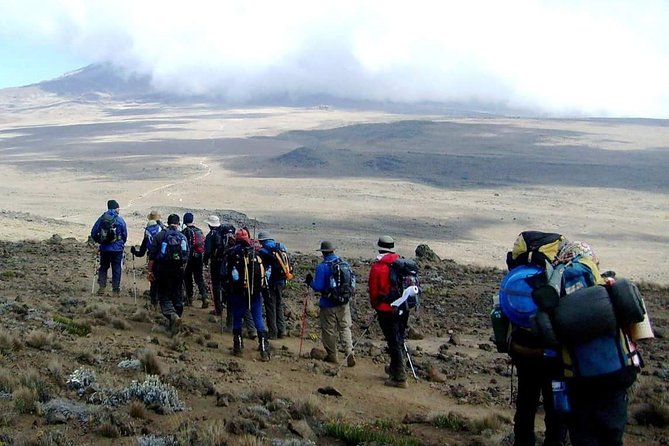
Day two stretches longer. You leave Mandara Hut, climb toward timberline, and then move into heath and moor zones. This is where the world starts changing. Trees thin out. The air feels different. Visibility often improves, and you start getting the mountain-bowl views that make Kilimanjaro feel so big.
You’ll hike about 12.5km and for roughly 9 hours to reach Horombo Hut at about 3,700m. From the hut, you get fantastic views over Mawenzi, Kibo, and the wider Masai steppe.
I love this stage because it sets expectations for the days ahead. It also gives you a visual anchor. Once you see how Mawenzi and Kibo line up in the distance from Horombo, the rest of the trek makes more sense because you can actually track what you’re aiming for.
The only drawback is duration. Nine hours is a long day when you’re already adjusting. If you tend to move fast and burn energy early, make yourself settle into a steady pace, especially as the terrain transitions and the air gets thinner.
Marangu, other operators and other lengths
Acclimatization day at Horombo: Zebra Rocks at 4,020m
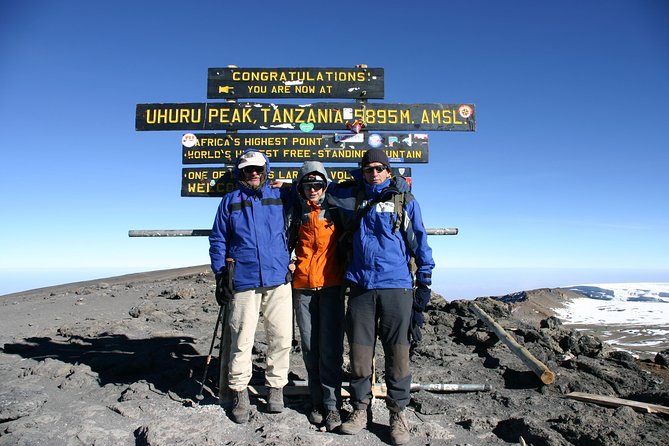
Day three is the one that people underestimate, but it’s also the one that can matter most. You get an acclimatization day at Horombo, and you’re not just sitting around. You hike for about 4 hours to Zebra Rocks at roughly 4,020m.
Zebra Rocks is named for the black and white stripes in the rock formation. It’s a short enough outing to keep you moving while still giving your body time to adapt. When you return to Horombo, lunch is waiting, and the afternoon is built in for relaxing and recovering before you go higher.
This is also the day that teaches you how to manage your energy. If you push too hard on acclimatization day, you can end up tired later when you need steady rhythm most. If you use it wisely, day four tends to feel more achievable.
No matter what, take the afternoon seriously. The itinerary gives you that chance to regain strength before the long Kibo Hut stage. Treat that recovery time as part of the plan, not as a bonus.
The long Kibo Hut stage: Last Water point, saddle, and an early night
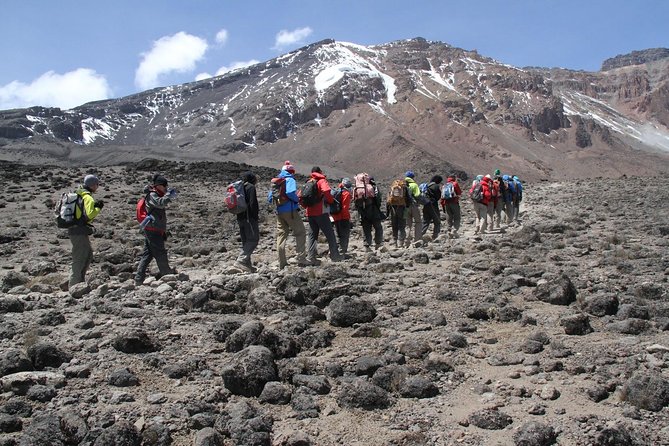
Day four is described as long and tough, and the route earns that reputation. The trail passes the “Last Water point,” then continues toward the saddle, a nearly vegetation-less plateau area that acts like a connection between the main summit area and the peaks you’re working toward.
Your destination is Kibo Hut, usually reachable in about 5 to 6 hours. Even if you hike well, this day can feel heavy because the environment has changed so much. The air is thinner, the terrain can feel more exposed, and you know you’re one day closer to the summit night.
This day matters because it sets you up for the summit push. The plan includes an early evening meal and an early night, since the next night will be short. If you are someone who has trouble sleeping before big events, plan a calm, focused routine. You want rest that feels earned, not rest that gets interrupted by stress.
Also, pay attention to how your breathing changes on the plateau and open sections. You do not need to race this day. Your job is to arrive at Kibo Hut with enough steadiness for what comes next.
Summit night to Uhuru Peak: midnight start, Hans Meyer Cave, and sunrise at Gillman’s Point
Day five is the Big Day. You begin your final ascent around midnight, and yes, it’s long and strenuous. You’ll pass Hans Meyer Cave at about 5,220m, then keep climbing slowly but surely.
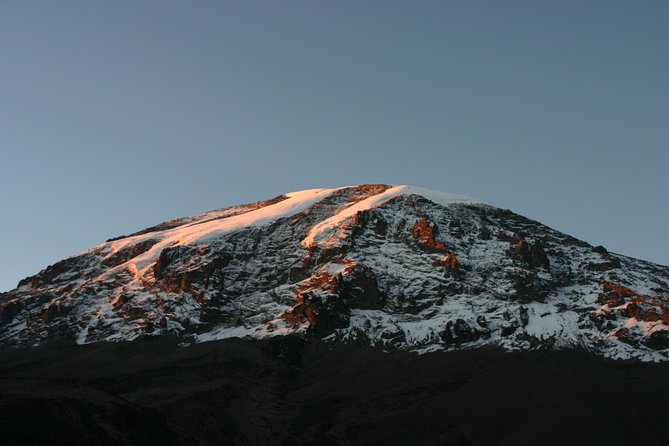
The first major milestone comes at sunrise. You’ll reach Gillman’s Point at about 5,681m, the crater rim, where the sun slowly warms the land. That moment is often when the summit stops feeling abstract and starts feeling real, because the light changes everything.
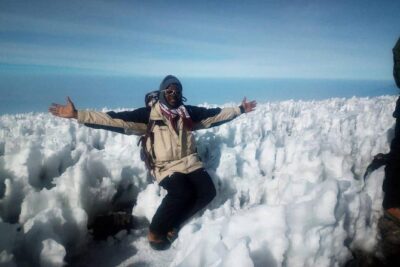
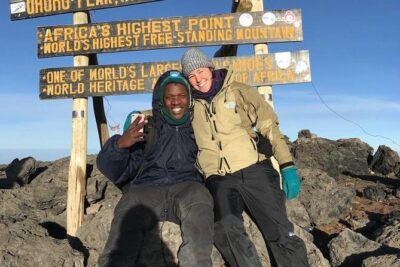
From Gillman’s Point, you hike another 1 to 2 hours to reach Uhuru Peak at 5,895m. After the summit, you return to Kibo Hut for a warm meal. Then you get a 1 to 2 hour break before continuing downhill to Horombo Hut.
This day is a reality check on fitness and mental grit. You’re hiking in cold, low-oxygen conditions, and the schedule is tight. The practical win is that the guide team is with you, and the itinerary is clearly built around summit timing rather than vague promises.
One consideration: if you feel anxious about sleeping right before a summit push, day four’s early night is not optional in spirit. Use it to protect your energy, not to doomscroll your stress away.
Final descent to the gate: Mandara Hut at 2,700m and back through rainforest
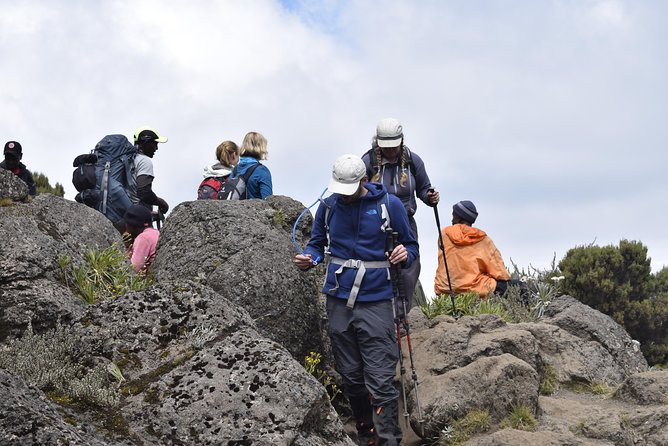
On day six, you’re not done, but you’re moving into the finish zone. The trail passes through the heath and moor zone to Mandara Hut at around 2,700m, where warm lunch is waiting.
Soon after, you head back down into tropical rainforest. It takes about 6 hours trekking in total to reach the Kilimanjaro National Park gate at 1,860m. Then you say goodbye to your mountain guides and take a short transfer back to your hotel in Moshi.
I like how this final day gives you closure in stages. You come down from the high zones, refuel at Mandara Hut, then walk back into forest as if the mountain is letting you go gently. Afterward, you can take a warm shower, the kind of simple comfort that feels extra earned after six days at altitude.
The only drawback here is that you still have distance on tired legs. You won’t be sprinting, but you will want proper trekking socks and shoes you trust. Since equipment specifics aren’t listed, your best bet is to show up prepared and comfortable from day one.
Guides, briefings, and the human side of the climb
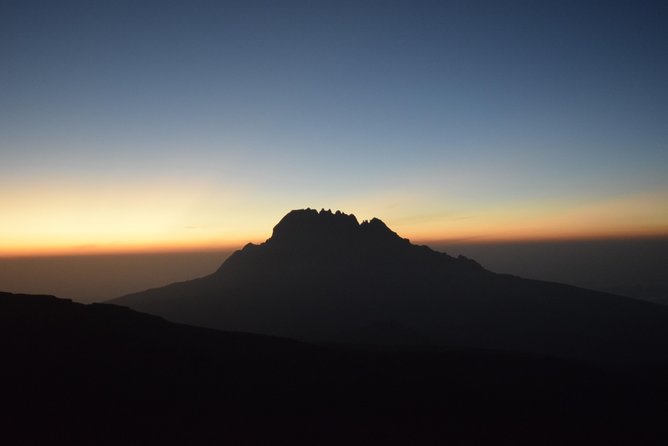
This itinerary leans hard on people. You get professional mountain guides, plus a full briefing before you start. That matters because Kilimanjaro is not just physical. It’s also about pace, timing, and staying calm when conditions shift.
Based on the guide teams associated with this operator, you might climb with names like Vitalis as chief guide, and guides such as Goodluck and Nicolas. For the broader Tanzania side of arrangements, support roles named Amos and Issa show up in the operator’s ecosystem. You should still treat names as a bonus clue, not a guarantee, but it tells you this business has built a team culture around the climb.
The certificates of achievement are also a small but real morale boost. After the summit day, having something official to take home makes the effort feel documented, not just endured.
If you value clear communication, this setup is designed for you: the schedule is laid out by huts, daily meals are included, and the guide role is framed as central from the pickup to the return to Moshi.
Price and what value looks like at $1,900 per person
At $1,900 per person, this is not a budget-only outing. But when you look at what’s included, it starts to make sense. Your price includes all fees and taxes, crew salary, accommodation in huts, and airport pickup. It also includes meals across the trek, with 5 breakfasts, 6 lunches, and 6 dinners.
That’s the hidden value: you’re not constantly making decisions about where to stay and how to eat on mountain days. The trek runs on a system, and you get to focus on hiking instead of managing a pile of separate vendors.
What’s not included is equally important for your planning. You’ll need to cover visa, international flights, gratuities (gratitude is listed as not included), and alcohol and soft drinks. Those items can add up, especially if you’re coming from outside Tanzania.
My practical take: if this price is within your comfort zone, the all-in structure makes it easier to prepare confidently. If you’re trying to minimize total costs, you’ll want to compare what other operators include, because the “cheap option” often forces you to pay later in different forms.
Who should book this Marangu Route, and what to watch
This climb suits you best if you have moderate physical fitness and you want a route with gradual slopes. The Marangu Route is known for steadier progress through zones, and the itinerary uses that. It gives you time, huts, and a built-in acclimatization day.
It’s also a strong choice if you like predictability. The days are scheduled around specific hut stops and clear time windows, and meals are handled. Add the airport pickup and lodge pickup, and you’re not stuck figuring out how to get to the right place.
The biggest consideration is the summit night. Starting around midnight on day five means you need stamina and a calm mindset. If you don’t sleep well, you might feel it quickly, even if you’re physically capable.
If you’re traveling solo, this is private, meaning only your group participates. That can be a comfort factor, but the itinerary intensity does not change. You still do the tough days. The difference is that you don’t share the experience with unrelated trekkers in the way you might on larger group formats.
Should you book the Marangu Route 6 days, 5 nights?
If you want a clear plan, full meals, hut accommodation, and guides that run the climb like a system, I’d say yes. This itinerary is built for people who want steady pacing, value organizational support, and are serious about the summit attempt.
I’d think twice if you’re not ready for the midnight start on the “Big Day,” or if your budget can’t stretch to a $1,900 per person climb with most essentials already covered. Also, treat altitude seriously: the trip includes an acclimatization day on purpose, and that’s your clue that the mountain needs respect.
My decision checklist is simple:
- You can handle long hiking days, especially day two and day five
- You’ll use the acclimatization day and recovery time at Kibo seriously
- You’re comfortable paying for a structured, guide-led, all-in climb rather than piecing it together yourself
FAQ
What time does the climb start in Moshi?
The start time is listed as 9:00am, with pickup from your lodge in Moshi to reach the Marangu gate for the paperwork before hiking begins.
Is airport pickup included?
Yes. Airport pickup is included in the package.
How many nights are included in this trip?
It is a 6-day, 5-night Kilimanjaro climb.
Which route does this itinerary use?
It uses the Marangu Route.
Are meals included during the climb?
Yes. Breakfast is included for 5 days, and lunch and dinner are included for 6 days.
What is not included in the price?
Not included items are gratuity, visa, international flights, and alcohol and soft drinks.
The Marangu Trail
- Kilimanjaro climb, Marangu route (6-day)
★ 5.0 · 72 reviews - Climbing Kilimanjaro – Marangu Route
★ 5.0 · 65 reviews - Best Kilimanjaro Adventures 6 Days Marangu Route Experience
★ 5.0 · 18 reviews - Kilimanjaro Private Climbing in 6 Days Marangu Route
★ 5.0 · 16 reviews - 6 Days Climb Kilimanjaro Through Marangu Route
★ 4.5 · 15 reviews
Kilimanjaro, Route by Route
- Kilimanjaro climb by Lemosho Route (7-day)
★ 5.0 · 651 reviews - Kilimanjaro climb, Machame Route (7-day)
★ 5.0 · 262 reviews - Kilimanjaro Climbing Lemosho Route 8 Days.
★ 5.0 · 186 reviews - Climbing Kilimanjaro – Machame Route
★ 5.0 · 170 reviews - Climbing Kilimanjaro through 7 days Machame Route
★ 5.0 · 151 reviews
Just added from around Moshi

Kilimanjaro Marangu Route, compared.
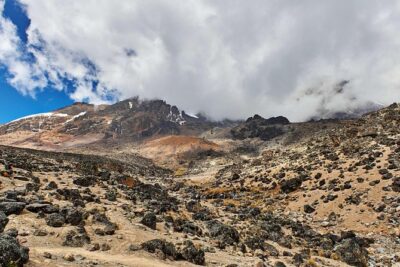 ★ 5.0Kilimanjaro climb, Marangu route (6-day)From $2,90272 reviews
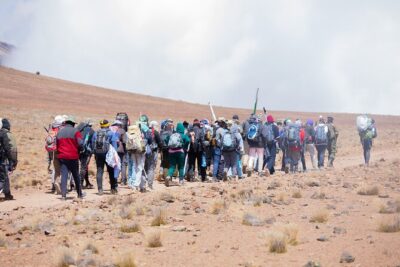 ★ 5.0Climbing Kilimanjaro – Marangu RouteFrom $2,00465 reviews
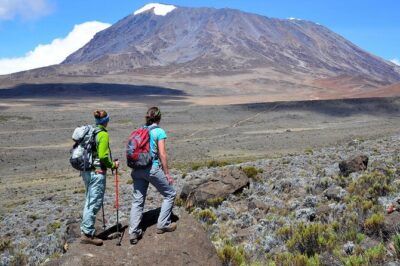 ★ 5.0Private Full Day Hiking Experience to Marangu RouteFrom $26061 reviews
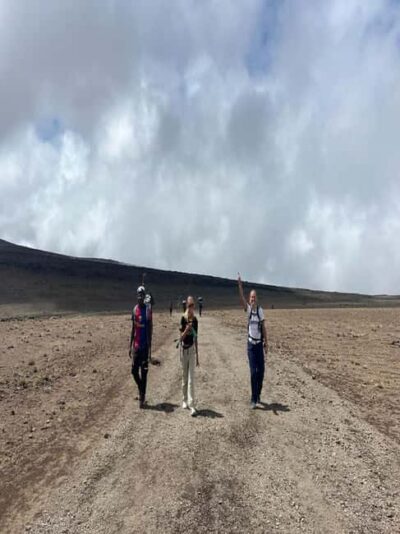 ★ 4.5From Arusha/Moshi: Kilimanjaro Hike Marangu Route Day TripFrom $10154 reviews
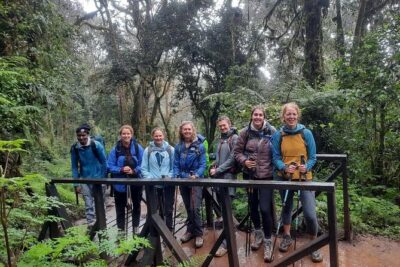 ★ 5.0Mount Kilimanjaro Day Hike Through Marangu Route to Mandara HutFrom $26537 reviews
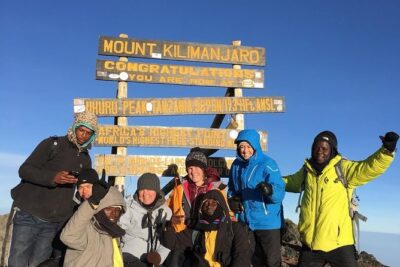 ★ 5.0Kilimanjaro Climbing 5 days Marangu routeFrom $90022 reviews
 ★ 5.0Best Kilimanjaro Adventures 6 Days Marangu Route ExperienceFrom $1,00018 reviews
 ★ 5.0Kilimanjaro Private Climbing in 6 Days Marangu RouteFrom $2,00016 reviews
Browse the lists this tour appears in