
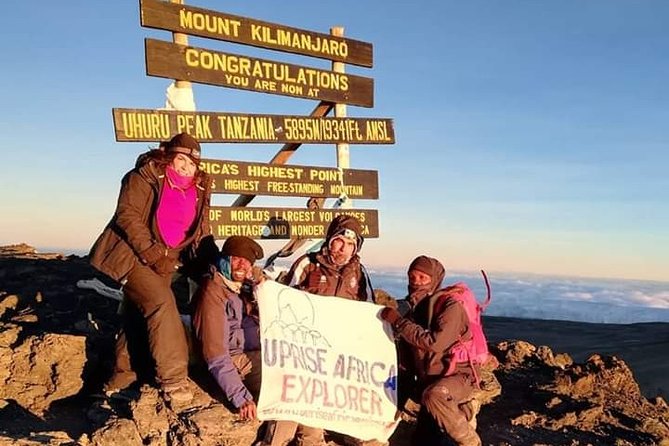
REVIEW · KILIMANJARO LEMOSHO ROUTE
Kilimanjaro Trekking 7Days 6Night Lemosho Route
Kilimanjaro feels fair on this Lemosho climb. You get a scenic Lemosho route with fewer trekkers and big views, plus a small-group setup (max 10) that keeps your guide close.
The main consideration is effort. This route is described as tougher than the Mangaru option, and the long high-altitude days demand stamina and calm pacing.
In This Review
- Key things I’d zero in on before you book
- Kilimanjaro on the Lemosho route: what makes it feel special
- Price and value: does $3,000 make sense here?
- Moshi to Londorossi Park Gate: your day starts with a drive and a gear check
- Day 1: Mti Mkubwa Camp at 2,650 meters
- Day 2 through Shira Ridge: from heather moorland to northern ice views
- The middle of the trek: Barranco Wall, Karanga Valley, and Barafu Camp
- Day 4: Barranco Wall up to Karanga Valley
- Day 5: Barafu Camp and summit views
- Summit day and the Mweka Gate: getting your certificate and heading back
- Your team on the mountain: what you should expect from guides, porters, and cooks
- Food, camping, and what “included” really means for your comfort
- Who this Kilimanjaro Lemosho trek is best for
- Should you book this 7-day Lemosho Kilimanjaro trek?
- FAQ
- What route is this Kilimanjaro trek using?
- Where does the trek start, and is there pickup?
- How long are the hikes each day?
- What are the main camps mentioned on this route?
- What’s included in the price?
- What is not included?
- How big is the group?
- What happens if weather is bad?
Key things I’d zero in on before you book
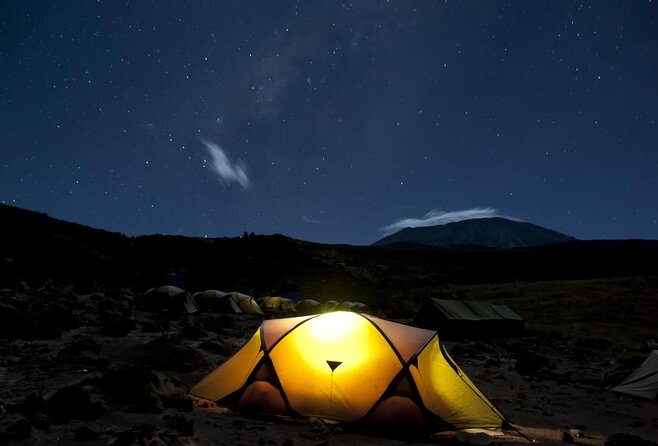
- Fewer climbers, max 10 people, which usually means more attention and less rushing
- Londorossi to Shira to Barafu routing that walks you through multiple climate zones
- Armed park ranger on the early forest sections for an extra layer of protection
- All meals and fees included, with lunch 7 times plus breakfast and dinner during the trek
- Summit certificates at Mweka Park Gate, plus a vehicle waiting to take you back
Other ways up Kilimanjaro we reviewed
- Kilimanjaro climb by Lemosho Route (7-day)★ 5.0 · 651 reviews
- Kilimanjaro climb, Machame Route (7-day)★ 5.0 · 262 reviews
- Kilimanjaro Climbing Lemosho Route 8 Days.★ 5.0 · 186 reviews
- Climbing Kilimanjaro – Machame Route★ 5.0 · 170 reviews
Kilimanjaro on the Lemosho route: what makes it feel special
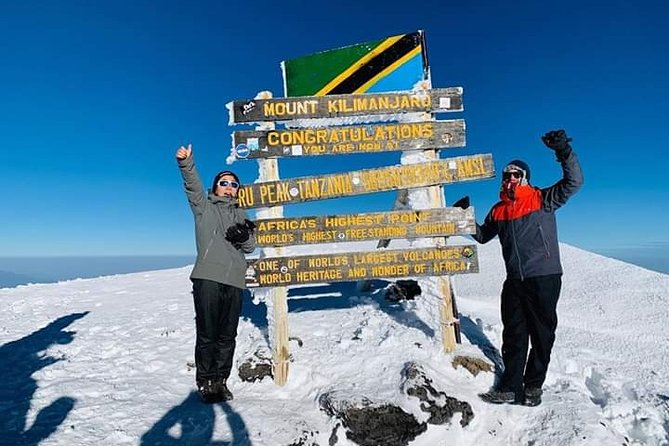
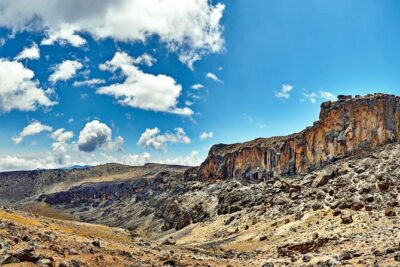
The Lemosho route is famous for one big reason: you don’t just hike uphill, you keep moving through distinct zones. You start in forest, then shift into moorland and volcanic rock, and later you work your way toward the summit area. That variety matters because it keeps the trek interesting, and it also helps you acclimatize gradually as the air thins.
This climb is also pitched as more scenic and more spread out in terms of other groups. A small group (maximum 10) makes that feel real. You’re less likely to get swallowed by traffic on the trail, and your guide can adjust pace and packing routines without having to “manage a crowd.”
One more practical plus: your day-by-day plan is built around camp-to-camp trekking. That means you’ll spend your energy on walking, hydration, and rest, rather than constantly worrying about logistics.
Price and value: does $3,000 make sense here?
$3,000 per person is not cheap, but this package includes a lot of the stuff that usually adds up fast on Kilimanjaro.
Here’s what’s explicitly included:
- All fees and taxes
- Kilimanjaro trekking
- Meals: lunch 7 times, breakfast 6 times, dinner 6 times
- Camping equipment is indicated as included in the tour highlight
- Park admission ticket is included during the hiking days
What’s not included:
- Tanzania visa, listed as $50 or $100 for American residents, paid on arrival at the airport
So the real question is how much of your budget stays predictable. In this deal, food and mountain-related costs are covered, which is a big deal when you’re paying porters, cooks, and rangers through the week. If you’d otherwise be pricing those separately, this bundled approach often lands closer to what you’d pay total anyway.
My advice: treat the visa cost as your main “unknown” addition. The rest is mostly set.
Moshi to Londorossi Park Gate: your day starts with a drive and a gear check
The tour meeting point starts at 11:00 am in Moshi. Then your day includes a drive of about 3 hours to the Londorossi Park Gate, where you register and begin the climb.
Before you head out, you get a briefing and your guides check your trekking gear. That sounds basic, but it matters more than people think. Proper layers, a functioning headlamp, and the right rain protection can decide whether a “hard day” stays manageable or turns miserable.
You’ll also get a ranger-led start. On Day 1, an armed park ranger leads you through the forest track. The goal is safety, and it also sets the tone: you’re not just walking through “scenery,” you’re moving through wildlife territory. If you’re lucky, you may spot animals like buffalo or elephants from the trail area.
Lemosho itineraries worth reading next
Day 1: Mti Mkubwa Camp at 2,650 meters
Day 1 is your entry point, both physically and mentally. You hike around 2 to 3 hours, covering about 6 km (around 4 miles). You’ll reach the first campsite, Mti Mkubwa, at roughly 2,650 meters.
This is the kind of day that helps your body get used to effort without demanding summit-level performance. You’ll likely feel the altitude early, but the walking time is short enough to focus on steady breathing and hydration.
Practical win: because Day 1 is mostly about transitioning and getting set, you can use the evening to organize gear for colder nights. If you run hot, avoid overpacking too many layers during setup. If you get cold easily, now is the time to put your gloves and hat on before you feel miserable.
Day 2 through Shira Ridge: from heather moorland to northern ice views
Day 2 stretches longer, around 7 to 8 hours and about 16 km (10 miles). After breakfast, the trail gradually steepens and moves into the giant heather moorland zone. Expect scattered volcano rock formations and multiple stream crossings.
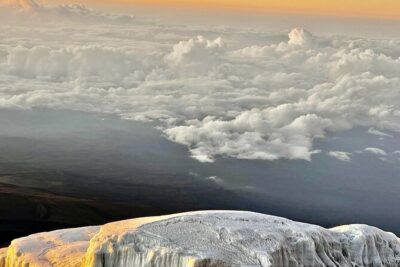
Then comes Shira Ridge, where conditions matter a lot. If the sky is clear, you may be able to see Uhuru Peak, and on the western side of the mountain you can get stunning views toward the Northern Ice fields.
Even when visibility isn’t perfect, this day is still useful for acclimatization because the climb is steady rather than a sudden jump. That’s the sweet spot for many hikers: you’re still working, but you’re not constantly going “too fast for too long.”
Potential drawback: it can feel like a long day in cold, exposed terrain. Wear what keeps you comfortable for an entire shift, not just the first hour. If your rain protection isn’t solid, assume you’ll feel damp at some point.
The middle of the trek: Barranco Wall, Karanga Valley, and Barafu Camp
Not every day is described in the same detail in the info you provided, but the route clearly includes the classic mid-trek progression through higher camps.
Day 4: Barranco Wall up to Karanga Valley
On Day 4, your hike time is about 3 to 4 hours, covering roughly 5 km (3 miles). You leave Barranco Camp behind and tackle a steep ridge up the Barranco Wall, reaching about 4,250 meters. The climb to the top takes around 1.5 hours.
After that, you move to more level terrain, then descend steeply into Karanga Valley at about 4,050 meters. There’s also a key trail junction here that connects with the Mweka Trail. You overnight at Karanga Campsite.
This day is a reminder that Kilimanjaro is not just “go up.” You’re also managing downhills, which can wear out your knees. Keep your steps short, and try not to let adrenaline steal your form. The descent is where small mistakes turn into big soreness.
Day 5: Barafu Camp and summit views
Day 5 has you continuing up to Barafu Camp, with a hike time of about 3 to 4 hours over roughly 4 km (2 miles). The information also notes you’ve completed the South Circuit by this point, and you get views of the summit and glaciers from different angles.
You set up camp with views of the summit area. Even without a clear blue-sky panorama, the sense of closeness becomes real around Barafu. It’s a psychological milestone, not just a height milestone.
Summit day and the Mweka Gate: getting your certificate and heading back
The route information you shared gives a clear end-of-trek picture for Day 7.
After breakfast at about 3,090 meters, you descend down to the Mweka Park Gate to receive your summit certificates. Then your vehicle is waiting to drive you back to your hotel.
That matters because it gives you closure. If you’ve ever done a long physical event, you know the hardest part can be the final stretch when motivation dips. Ending with certificates and a planned ride back helps you avoid the post-trek scramble.
Also, notice the pattern: summit certificate day is built around descent. That’s smart. Descents can be hard on the body, but they are usually more predictable and less dramatic than a weather-dependent push at extreme altitude.
Your team on the mountain: what you should expect from guides, porters, and cooks
The human side is where this trip earns its strong reputation.
You’re in a setting where teamwork is not a slogan, it’s the survival system. A good guide sets your pace, watches for altitude trouble, and keeps the group calm. Porters carry a huge amount of weight, and when they’re helpful, it makes the trek feel possible instead of punishing.
Guide names mentioned in past trips include people like Kissima, Fransis, and Sanga. There’s also mention of an assistant guide Peter, and a team member named Innocent in connection with one climb. On the food side, a cook named Schabari gets praise for the meals prepared at altitude.
What I take from that, and what you should use as a hiring standard, is this: a well-run Kilimanjaro climb is as much about tone and food as it is about hiking. When guides and cooks keep morale up, it changes how you experience cold camps and early mornings.
If you’re planning ahead, also note that good communication is mentioned with Michael Gudluck (also referenced as Gudluck Michael). That’s useful if you have questions about gear rentals, clothing layers, or anything that affects how prepared you feel before you fly.
Food, camping, and what “included” really means for your comfort
Food is one of your biggest comforts at Kilimanjaro. Here, lunch is included 7 times, breakfast 6 times, and dinner 6 times. That consistency reduces decision fatigue. You’re not trying to negotiate meals or timing while you’re already tired and slightly out of breath.
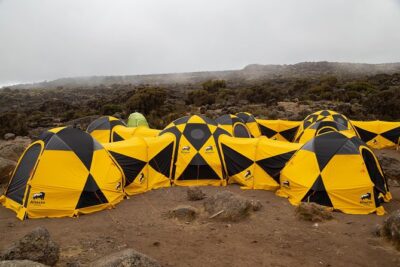
Camping equipment is listed in the tour highlight as included. Combined with the included meals, it means you can travel lighter than you might on a DIY climb.
A practical note: camping comfort lives in the details. You’ll still want to bring your own cold-weather essentials, like a hat, gloves, and a warm layer that doesn’t trap sweat. One past trek mention also suggests the operator offers gear rental for summit needs, including sleeping bag type items. If you’re unsure what to rent, ask early so you don’t end up improvising at altitude.
Who this Kilimanjaro Lemosho trek is best for
This trek is described as suitable for most travelers, and the group size is small. That makes it a solid option for:
- People who want a more scenic feel and fewer crowds on the trail
- Hikers who can handle a tougher route profile compared to the Mangaru alternative
- Anyone who values close guide attention, especially if you’re new to high-altitude trekking
It may not be the best fit if you want a gentle, low-stress itinerary. The route is described as tougher, and the hiking times you do have listed (like a 7 to 8 hour Day 2) suggest you’ll need discipline with pace.
Should you book this 7-day Lemosho Kilimanjaro trek?
I’d book it if you want a structured, all-in package where meals and mountain costs are handled, and you care about the Lemosho route’s scenic reputation. The small group cap (max 10) is a meaningful advantage for a climb where individual pace and attention matter.
I’d think twice if you’re very sensitive to long cold days or you know you struggle with sustained effort at altitude. In that case, you could still book, but you should be honest about training and gear. Even the best route cannot fix a mismatched effort level.
My practical decision checklist:
- Do you want a route described as more scenic with fewer climbers? If yes, this fits.
- Do you want a package that includes meals, fees, and (as stated) camping gear? If yes, you’re covered.
- Are you ready for a tougher option than the Mangaru route and long walking days? If yes, then you’re likely in the right lane.
FAQ
What route is this Kilimanjaro trek using?
It is a 7-day, 6-night climb via the Lemosho route on Mount Kilimanjaro.
Where does the trek start, and is there pickup?
The trek is based in Moshi. Pickup is offered, and the meeting start time listed is 11:00 am.
How long are the hikes each day?
Hiking times vary by day. The details provided include about 2 to 3 hours on Day 1, about 7 to 8 hours on Day 2, about 3 to 4 hours on Day 4, about 3 to 4 hours on Day 5, and about 3 to 4 hours on Day 7.
What are the main camps mentioned on this route?
The information provided names Mti Mkubwa Camp (about 2,650 m), Shira 2 Camp (about 3,850 m), Karanga Campsite (about 4,050 m), Barafu Camp, and the trek ends at Mweka Park Gate.
What’s included in the price?
Included items listed are all fees and taxes, Kilimanjaro trekking, meals (lunch 7 times, breakfast 6 times, dinner 6 times), and admission tickets during the hiking days.
What is not included?
The Tanzania visa is not included, listed as $50 or $100 for American residents, paid on arrival at the airport.
How big is the group?
This tour/activity has a maximum of 10 travelers.
What happens if weather is bad?
The experience requires good weather. If it is canceled due to poor weather, you will be offered a different date or a full refund.
Lemosho, Compared
- Kilimanjaro climb by Lemosho Route (7-day)
★ 5.0 · 651 reviews - Kilimanjaro Climbing Lemosho Route 8 Days.
★ 5.0 · 186 reviews - Kilimanjaro climb, Lemosho Route (8-day)
★ 5.0 · 148 reviews - Kilimanjaro climb, Lemosho Route (6-day)
★ 5.0 · 129 reviews - Kilimanjaro Lemosho Route
★ 5.0 · 71 reviews
Kilimanjaro, Route by Route
- Kilimanjaro climb by Lemosho Route (7-day)
★ 5.0 · 651 reviews - Kilimanjaro climb, Machame Route (7-day)
★ 5.0 · 262 reviews - Kilimanjaro Climbing Lemosho Route 8 Days.
★ 5.0 · 186 reviews - Climbing Kilimanjaro – Machame Route
★ 5.0 · 170 reviews - Climbing Kilimanjaro through 7 days Machame Route
★ 5.0 · 151 reviews
Just added from around Moshi
Kilimanjaro Lemosho Route, compared.
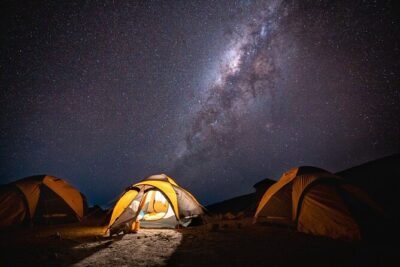 ★ 5.0Kilimanjaro climb by Lemosho Route (7-day)From $3,476651 reviews
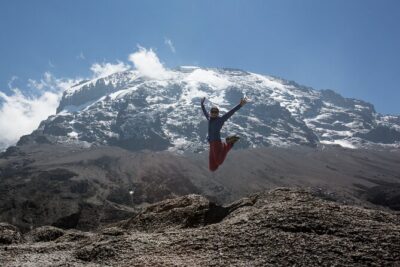 ★ 5.08-Day Small-group Lemosho Kilimanjaro Summit TrekkingFrom $2,895186 reviews
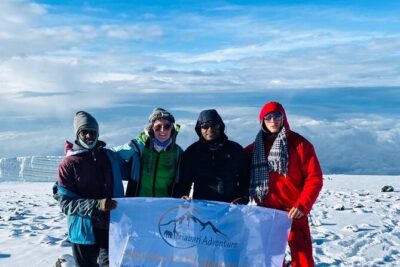 ★ 5.0Kilimanjaro Climbing Lemosho Route 8 Days.From $2,300186 reviews
 ★ 5.0Kilimanjaro climb, Lemosho Route (8-day)From $3,975148 reviews
 ★ 5.0Kilimanjaro climb, Lemosho Route (6-day)From $3,034129 reviews
 ★ 5.0Kilimanjaro Lemosho RouteFrom $2,89071 reviews
 ★ 5.0Private Kilimanjaro Hike 7 Day Lemosho RouteFrom $2,45060 reviews
 ★ 5.0Climbing Kilimanjaro through 8 days Lemosho RouteFrom $2,76052 reviews
Browse the lists this tour appears in