
REVIEW · KILIMANJARO MARANGU ROUTE
Kilimanjaro Trek 6 Days Marangu Route
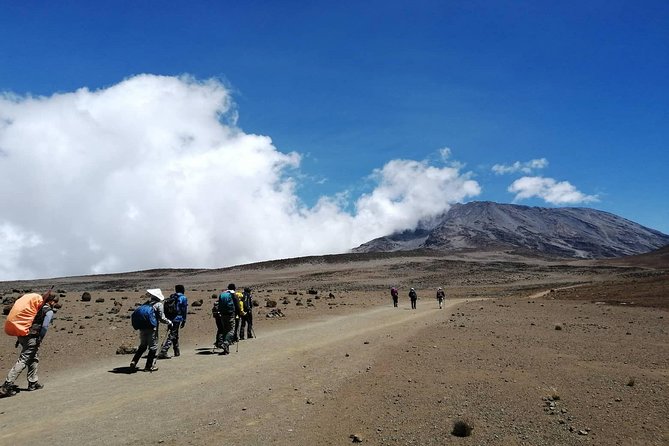
Huts on Kilimanjaro make the climb feel doable. This 5-day Marangu Route from Moshi pairs shared hut sleeping with a private, personalized team so you are not juggling tents, cooking, or logistics at altitude. I like that the pace plan is built around comfort where it counts, like porters handling your equipment and a cook preparing three meals a day during the climb.
The one real consideration is that Marangu huts are shared. If you need total quiet and privacy to sleep, shared huts can feel less cozy than a solo tent setup, especially on the busiest nights near the summit push.
In This Review
- Key things I’d pay attention to before you go
- Marangu Route, hut sleeping, and what it changes for your day
- Day 1: briefing, Marangu Gate, and the start through montane forest
- Day 2: Mandara to Horombo, moorland air, and the Maundi Crater detour
- Day 3: alpine desert, choosing the Saddle route, and stocking up on water
- Day 4: midnight summit push, Hans Meyer Cave, Gillman’s Point, and Uhuru Peak
- Day 5: descent to Marangu Gate, the certificate moment, and back to Moshi comfort
- Meals, water, and the little comforts that prevent big problems
- Guides, porters, and why the team setup matters on Kilimanjaro
- Price and value: what $1,846.16 buys beyond the trek itself
- What you should pack for a hut-based Marangu climb
- Who this trek fits best, and who might add the extra day
- Should you book Kilitwende Adventures for the 5-day Marangu trek?
- FAQ
- How long is the Kilimanjaro Trek 6 Days Marangu Route?
- What time does the trek start?
- Is this tour private?
- Do you sleep in tents on the Marangu route?
- What meals are included during the climb?
- Is an oxygen tank included?
- Is bottled water provided on the mountain?
- What gear is not included?
- Can you cancel for a full refund?
Key things I’d pay attention to before you go
- Shared hut sleeping, no tents: You sleep in huts all along the way, which simplifies packing and reduces the gear stress many first-timers feel.
- Optional 6-day acclimatization: Adding an extra day on this route can improve your summit chances by giving your body more time to adjust.
- Included oxygen tank for emergencies: You are not guessing whether safety gear exists, it is part of the package.
- Water and hydration guidance that matters: The route expects you to stock up at the last watering point before long stretches.
- Camp extras you can buy: Mineral water, soft drinks, chocolates, and even beer may be available for purchase at each camp.
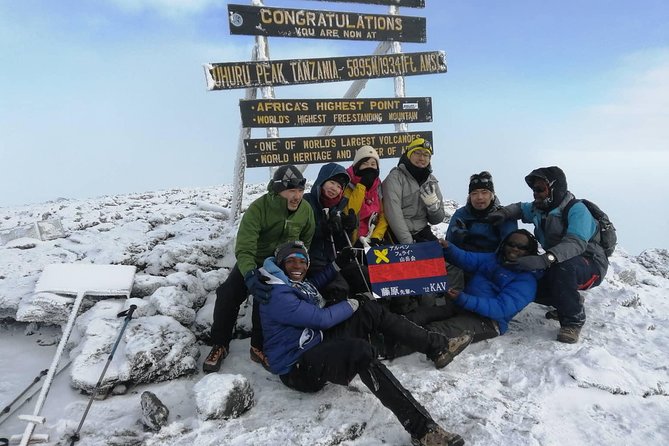
- Summit certificates with color tiers: Reach Gillman’s Point for a green certificate, Uhuru Peak for a gold one.
Other ways up Kilimanjaro we reviewed
- Kilimanjaro climb by Lemosho Route (7-day)★ 5.0 · 651 reviews
- Kilimanjaro climb, Machame Route (7-day)★ 5.0 · 262 reviews
- Kilimanjaro Climbing Lemosho Route 8 Days.★ 5.0 · 186 reviews
- Climbing Kilimanjaro – Machame Route★ 5.0 · 170 reviews
Marangu Route, hut sleeping, and what it changes for your day
The Marangu Route is the practical choice when you want Kilimanjaro without turning your vacation into a camping gear nightmare. You climb with the same big goal as every route, but you sleep in huts rather than living in tents. That means less to carry, less to set up, and more focus on breathing, pacing, and getting your feet moving.
This climb is offered as a private experience, so you travel with your own group rather than getting absorbed into a mixed crowd. That matters because guides and porters can manage timing around your pace, and you can ask questions without feeling rushed.
If you can swing it, I think the option to extend to 6 days is worth serious consideration. The itinerary you are considering is already structured tightly, with a very tough midnight start on the summit day. An extra acclimatization day can make those last two high-altitude days feel less like a hard reset for your body.
Day 1: briefing, Marangu Gate, and the start through montane forest
Your day kicks off with a briefing before the transfer to Marangu Gate, around 45 minutes away, arriving around 9:00 am. Registration happens at the gate in Marangu village, so you get the formalities out of the way early. Start time is listed as 8:30 am, and then the day becomes a steady warm-up.
You hike about 5 hours over roughly 12 km, gaining around +720 m through montane forest. This is the kind of first day that helps you settle into rhythm, not the kind that burns you out. You will likely carry a daypack with practical items like a camera, extra clothing, skin oil, and a rain jacket.
A helpful mindset for day 1 is to move like you are saving energy for later. Even though the forest feels easier, Kilimanjaro punishes fast starts on every route.
Day 2: Mandara to Horombo, moorland air, and the Maundi Crater detour
Day 2 is longer at about 6 hours, covering around 15 km and climbing +1020 m into moorland. After Mandara Hut, the trail passes through a short forest stretch, then the environment opens up as you leave the forest and move toward the crater region.
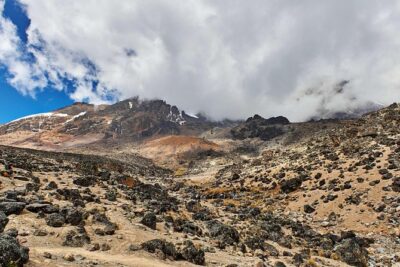
A standout moment here is the Maundi Crater area. You have a recommended short detour up to the crater rim, where you can see the Kibo Crater. On a clear day, you may even spot glaciers of Kibo, which is one of those rare views that makes the effort feel instantly real.
You bring a picnic lunch during the day. I like that this reduces decision fatigue, you keep walking without constantly hunting for food. Still, moorland weather can change quickly, so pack what you need in your daypack and keep an eye on how your body responds to the altitude shift.
Marangu, other operators and other lengths
Day 3: alpine desert, choosing the Saddle route, and stocking up on water
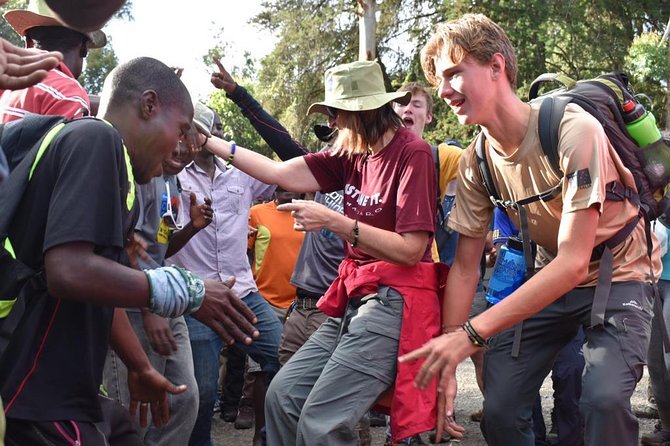
On day 3 you are in alpine desert, hiking about 6 hours over roughly 15 km with an elevation gain of +980 m. This is the day when the hike gets sharper because the oxygen thins out noticeably. The itinerary even frames the climb as becoming more difficult here, so it is not a surprise if you feel it.
You have two trails to the Saddle between Mawenzi and Kibo, and the guidance is to stick to the lower route because it is easier. The added bonus on the lower route is that it takes you past the last watering point. That detail matters more than most people think. The next watering point is at Horombo Hut when you return on your descent later, so you should stock up with all the water you will need before you push past that last point.
My advice for day 3 is to treat it like a pacing test. Go slow, take breaks before you feel strained, and drink enough so you are not playing catch-up in the higher sections that come next.
Day 4: midnight summit push, Hans Meyer Cave, Gillman’s Point, and Uhuru Peak
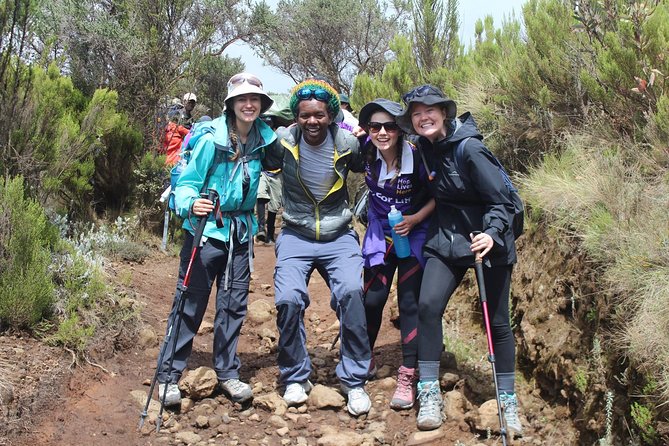
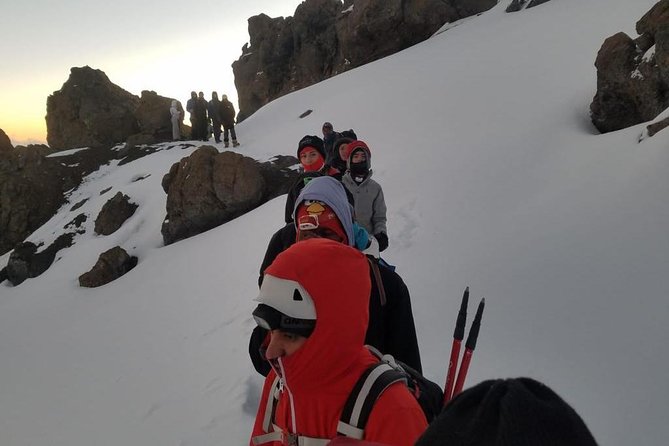
This is the day that earns Kilimanjaro its reputation. Day 4 runs about 10 hours with a route of roughly 27 km and a big elevation swing, +1195 m and then -2175 m. You are woken just before midnight and head out in the cold night on a rocky ascent.
You climb toward Hans Meyer Cave at 5150 m, with the option of a short rest there. Then it continues up to Gillman’s Point at 5680 m. The itinerary calls this probably the most demanding part of the entire route because it is steep and stony, so your job is simple but not easy: move carefully and slowly.
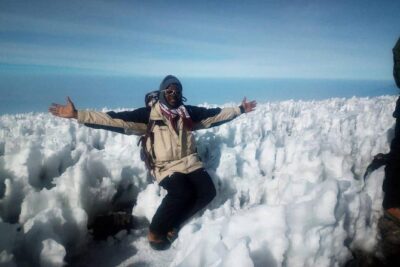
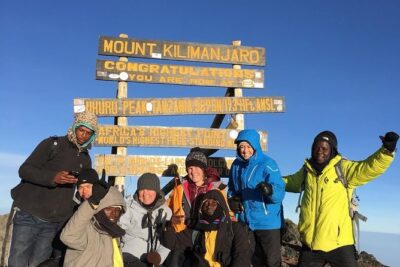
After Gillman’s Point, you are likely walking through snow for about the next two hours before reaching the summit of Uhuru Peak. Even if snow is not a factor for every team, the cold night start is consistent. So your clothing choices on summit night are not a minor detail, they decide whether the climb feels tense or manageable.
Also note the included oxygen tank in case of emergency. It is not a magic summit tool, but it gives you an extra safety net if someone has a serious issue. Having that option included is part of why this package feels more complete than a bare-bones trek.
Day 5: descent to Marangu Gate, the certificate moment, and back to Moshi comfort
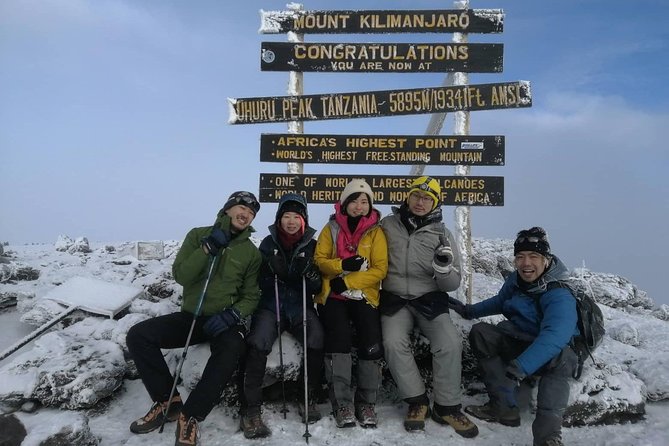
Day 5 is a long descent, about 6 hours covering roughly 27 km, dropping -1740 m. You start with an early breakfast, then pass Mandara Hut on the way down toward Marangu Gate.
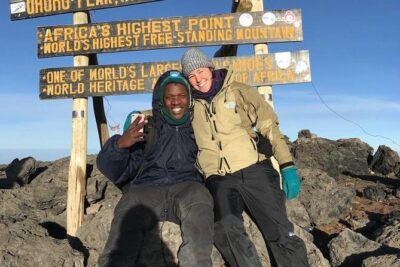
At Marangu Gate you sign your name in a register, then your achievement becomes official through a summit certificate. The color system is straightforward: if you reached Gillman’s Point, you get a green certificate. If you made it all the way to Uhuru Peak, you earn a gold certificate.
After that, you take a road transfer back to your hotel in Moshi. The itinerary is clear that you will want the recovery basics right away, including a long hot shower and a real bed. This last day is often where people remember that trekking is physical, but logistics matter too.
Meals, water, and the little comforts that prevent big problems
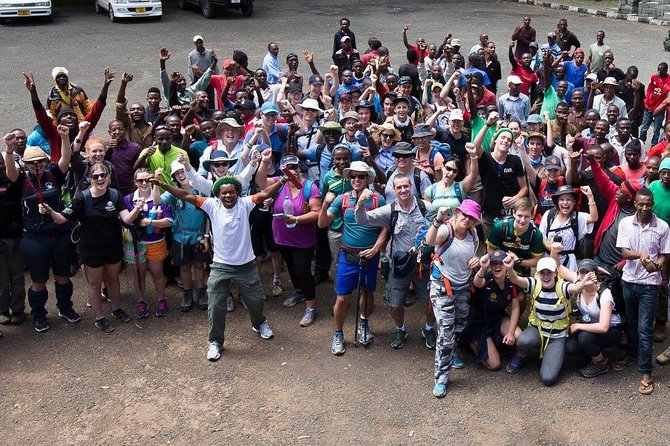
Food on Kilimanjaro is not just about taste. It is about keeping energy steady so you can keep pacing without feeling wrecked. In this package you get three meals a day during the climb, plus hotel accommodation one night before and one night after the trek with breakfast and dinner components listed as included.
Water is handled with a clear approach. You get bottled water on the first day of the climb, boiled and filtered on the mountain. After that, the route depends on watering points along the way, which is why the day 3 guidance about stocking up at the last watering point is so important.
One of the nicer details is that at each camp, you can purchase mineral water, soft drinks, chocolates, and even beer. That is not essential to the climb, but it can break the monotony and give you a small morale lift when you are tired.
Guides, porters, and why the team setup matters on Kilimanjaro
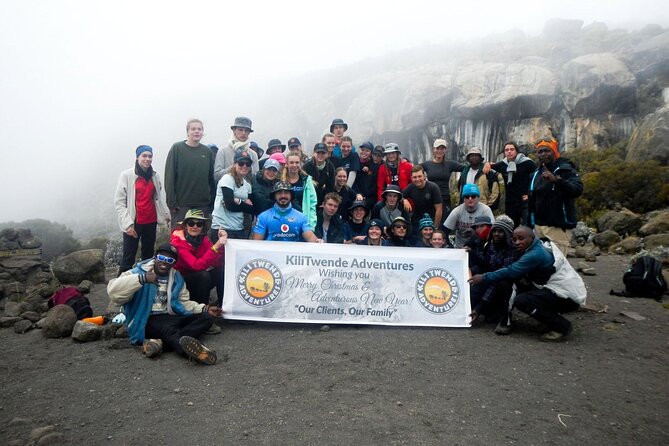
A Kilimanjaro trek lives or dies on how smoothly the team runs. Here, the package includes expert guides, a cook, assistant guides, and porters. The porters handle your equipment and supplies, so you are not fighting the wrong battle when altitude starts to steal your strength.
The included rescue and park fees also signal a more managed operation. You are not patching together permits at the last minute, and you are not relying on you to understand every rule. Also, the package lists fair wages for the crew as approved by the Kilimanjaro Park Authority and Kilimanjaro Associations, which is the kind of detail I like to see even if it is not visible on the mountain.
In reviews, people praise the fact that the team is Tanzanian and very hands-on, including the guides and staff names Robert and Donovan. You also see the same theme repeated: service feels genuine, helpful, and not pushy. That style matters when you are tired, cold, and you just want to know what happens next.
And because this is private, you are not constantly negotiating space, timing, or expectations with strangers. That can make the day-to-day feel calmer even when the summit day is intense.
Price and value: what $1,846.16 buys beyond the trek itself
The price listed is $1,846.16 per person. On the surface, that number can feel big, but on Kilimanjaro you are paying for more than hiking time. You are also paying for permits and fees, trained staff, meal planning, hut fees, transfers to mountain gates, and safety gear.
What is specifically included helps you understand the value math:
- Hotel accommodation one night before and one night after, plus breakfast and dinner components listed as included
- Park entry fees, Marangu hut fees, forest fees, and rescue fees, with 18% VAT on tour fees and services
- Transfers to and from the mountain gates
- The climb meals: three meals a day during the climb
- Bottled water on the first climb day (boiled and filtered)
- Oxygen tank in case of emergency
- Expert guides, cook, assistant guides, and porters
What is not included is also important. You are responsible for personal gear like a sleeping bag, duffle bag, hiking boots, and walking sticks. If you show up without these items, the trek becomes more expensive than you expected. The good news is the package notes you can rent missing gear in Moshi before the trek, which helps you budget more realistically.
For me, the value check is simple: if you would otherwise have to pay separately for trained guides, huts, meals, permits, and safety planning, the package price starts looking fair. And if you are doing Marangu with huts and shared sleeping, you are also saving weight and hassle compared to tent routes.
What you should pack for a hut-based Marangu climb
You do not need to guess in the dark. The itinerary guidance calls out a few daypack items: a camera, extra clothing, skin oil, and a rain jacket. Those are your essentials for the hiking hours when weather changes or you want to capture the views.
The list of gear not included gives you your must-haves:
- Sleeping bag (listed at $40 if you need it)
- Duffle bag (listed at $35)
- Hiking boots (listed at $40)
- Walking sticks (listed at $10)
- Other personal gear, based on what you need
Because summit night is described as a cold night with a steep, stony climb and likely snow, plan around warmth. If you do not pack proper layers and you end up cold, you will feel it all night, and that can affect how carefully you hike.
Who this trek fits best, and who might add the extra day
This trek is described for people with moderate physical fitness. That is believable for Marangu, because hut sleeping reduces some logistical burden, and the early days allow you to build rhythm.
I also think this is a strong match for you if you want a clear plan, a crew handling the moving parts, and a route where you can buy small morale items at camps. If you do not want to worry about tents, setup, or complicated camp systems, huts are the simpler path.
But if you are concerned about altitude sensitivity, consider the option to add an extra day for acclimatization. The itinerary already describes the climb as getting harder as oxygen thins and highlights the difficulty of the summit push. Extra time can give you a better chance to arrive at that summit night feeling prepared.
Should you book Kilitwende Adventures for the 5-day Marangu trek?
Book it if you want a structured, safety-aware climb with huts, meals, transfers, and an included oxygen tank. The value is strongest when you price in what is included, not just the hiking days.
I would think twice if you need total privacy in sleeping spaces, since the huts are shared. Also, budget time and money for missing gear, since sleeping bag and hiking boots are not included, though rental is possible in Moshi.
If you can handle cold summit night and you will take pacing seriously on day 3, this Marangu setup looks like a practical way to tackle Kilimanjaro without extra camping hassles.
FAQ
How long is the Kilimanjaro Trek 6 Days Marangu Route?
The itinerary provided is for about 5 days. There is also an option to add an extra day for acclimatization, which becomes a 6-day itinerary.
What time does the trek start?
The meeting start time is 8:30 am.
Is this tour private?
Yes. It is listed as a private tour or activity, and only your group will participate.
Do you sleep in tents on the Marangu route?
No tents are required. This route uses shared hut accommodations.
What meals are included during the climb?
Three meals a day are included during the climb. Hotel nights include breakfast and dinner components as listed in the inclusions.
Is an oxygen tank included?
Yes. An oxygen tank is included in case of emergency.
Is bottled water provided on the mountain?
Yes. Bottled water is provided on the first day of the climb, and it is boiled and filtered on the mountain.
What gear is not included?
Personal gear is not included, including items like a sleeping bag, duffle bag, hiking boots, and walking sticks. The information also says you can rent missing gear in Moshi before the trek.
Can you cancel for a full refund?
Yes, with free cancellation. You can cancel up to 24 hours in advance for a full refund.
The Marangu Trail
- Kilimanjaro climb, Marangu route (6-day)
★ 5.0 · 72 reviews - Climbing Kilimanjaro – Marangu Route
★ 5.0 · 65 reviews - Best Kilimanjaro Adventures 6 Days Marangu Route Experience
★ 5.0 · 18 reviews - Kilimanjaro Private Climbing in 6 Days Marangu Route
★ 5.0 · 16 reviews - 6 Days Climb Kilimanjaro Through Marangu Route
★ 4.5 · 15 reviews
Kilimanjaro, Route by Route
- Kilimanjaro climb by Lemosho Route (7-day)
★ 5.0 · 651 reviews - Kilimanjaro climb, Machame Route (7-day)
★ 5.0 · 262 reviews - Kilimanjaro Climbing Lemosho Route 8 Days.
★ 5.0 · 186 reviews - Climbing Kilimanjaro – Machame Route
★ 5.0 · 170 reviews - Climbing Kilimanjaro through 7 days Machame Route
★ 5.0 · 151 reviews
Just added from around Moshi
Kilimanjaro Marangu Route, compared.
 ★ 5.0Kilimanjaro climb, Marangu route (6-day)From $2,90272 reviews
 ★ 5.0Climbing Kilimanjaro – Marangu RouteFrom $2,00465 reviews
 ★ 5.0Private Full Day Hiking Experience to Marangu RouteFrom $26061 reviews
 ★ 4.5From Arusha/Moshi: Kilimanjaro Hike Marangu Route Day TripFrom $10154 reviews
 ★ 5.0Mount Kilimanjaro Day Hike Through Marangu Route to Mandara HutFrom $26537 reviews
 ★ 5.0Kilimanjaro Climbing 5 days Marangu routeFrom $90022 reviews
 ★ 5.0Best Kilimanjaro Adventures 6 Days Marangu Route ExperienceFrom $1,00018 reviews
 ★ 5.0Kilimanjaro Private Climbing in 6 Days Marangu RouteFrom $2,00016 reviews
Browse the lists this tour appears in