
REVIEW · KILIMANJARO MARANGU ROUTE
Kilimanjaro Marangu Route 6 Days
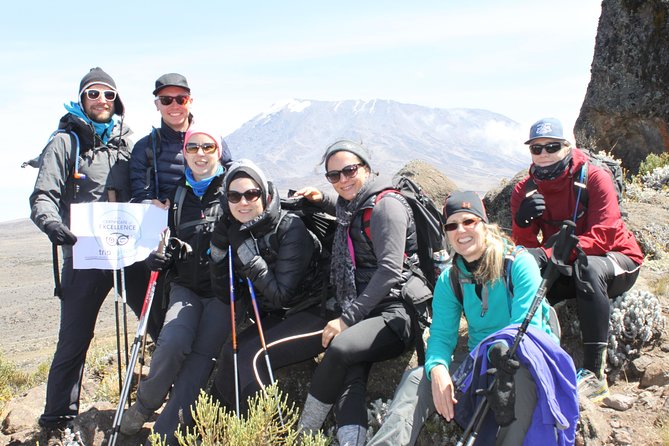
Huts, hot meals, and a summit in the dark. The Kilimanjaro Marangu Route 6 Days from Moshi is the easier, most popular way up, built around hut nights and a steady rhythm from rainforest to the crater rim. I like that you get clear day-by-day milestones, and you’re not left guessing what to do next.
I really like two things: first, the hut system means you sleep in simple rooms instead of pitching tents in wind and cold. Second, the safety setup is serious, with VHF handheld radios, emergency oxygen tanks, and a Gamow Bag for altitude trouble.
One possible drawback: the summit push is still intense. You’ll wake before midnight and spend long hours walking high above 5,000 meters, so Marangu can feel “easier” on paper while still demanding grit.
In This Review
- Key Points That Make This Marangu Plan Worth Your Attention
- Marangu Route Makes Kilimanjaro Feel Manageable
- Moshi Start and End: Transfers and a Real Mountain Build-Up
- Day 1: Rainforest to Mandara Hut at 2,700 m
- Day 2: Steeper Forest, Moorland Views, Horombo Hut at 3,720 m
- Day 3: The Acclimatization Day That Helps You Arrive for the Final Push
- Day 4: Saddle Toward Kibo, Then a Night at 4,700 m
- Day 5: Summit Night, Crater Rim Sunrise, and the Uhuru Peak Choice
- Day 6: Down to Marangu Gate and Your Summit Certificate
- Safety and Comfort: Radios, Oxygen, and Warm-Water Routine
- Food on the Mountain: Big Portions and Fuel for Thin Air
- Price and Value: What You’re Actually Paying For
- Who This Tour Suits Best (and Who Might Feel a Mismatch)
- Should You Book the Kilimanjaro Brothers Marangu 6 Days?
- FAQ
- Where does the climb start each day?
- How long is the trek and how many days are you on the mountain?
- What kind of accommodation do you get on Kilimanjaro?
- Are meals included during the climb?
- Is safety equipment included?
- Do you provide drinking water and washing?
- Is pickup and transport included?
- What is not included in the price?
- What happens if the weather causes cancellation?
Key Points That Make This Marangu Plan Worth Your Attention
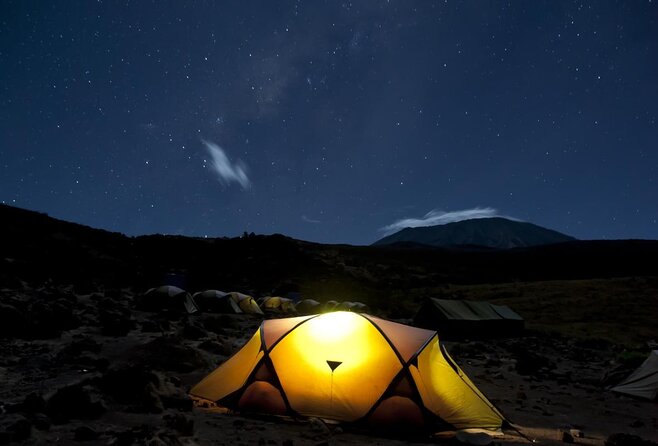
- Hut-based comfort: simple rooms and dining, which keeps the logistics simpler when altitude gets weird
- Safety is not an afterthought: VHF radios, emergency oxygen tanks, Gamow Bag, and pulse-oximeter monitoring
- Acclimatization built in: an extra night at Horombo to help your body adjust
- Full-board meals on the mountain: large portions with purified drinking water, plus warm water for washing
- Summit support includes a porter for your day-pack: you’ll still carry your essentials, but not everything
Other ways up Kilimanjaro we reviewed
- Kilimanjaro climb by Lemosho Route (7-day)★ 5.0 · 651 reviews
- Kilimanjaro climb, Machame Route (7-day)★ 5.0 · 262 reviews
- Kilimanjaro Climbing Lemosho Route 8 Days.★ 5.0 · 186 reviews
- Climbing Kilimanjaro – Machame Route★ 5.0 · 170 reviews
Marangu Route Makes Kilimanjaro Feel Manageable
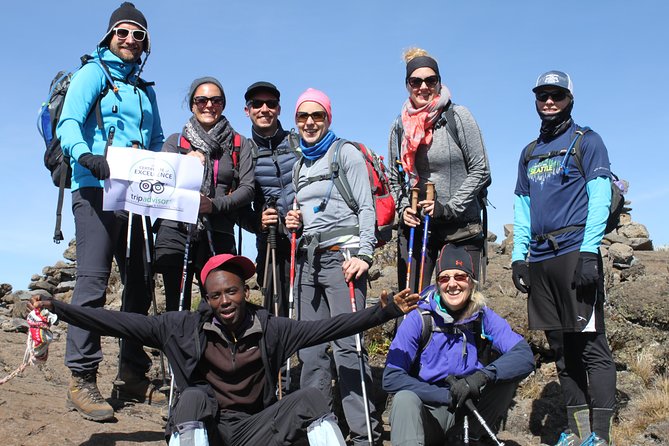
The Marangu route is often called the easiest Kilimanjaro climb, and that comes down to two practical things. The trail grades are moderate compared with harsher routes, and you stay in huts most nights, with basic dining and sleeping that make the climb easier to run like a program.
That matters because Kilimanjaro is not just about legs. It’s about pacing, routine, and keeping stress low when your breathing changes. With huts and organized meals, you spend less energy figuring out shelter and more time acclimatizing.
If you are a first-time climber, or you simply want a smoother logistics experience, Marangu is a sensible choice.
Moshi Start and End: Transfers and a Real Mountain Build-Up
This trip is based in Moshi, Tanzania, and you get arrival and departure transfers. There are also two nights at a classic standard hotel: one before the climb and one after, with bed and breakfast.
Those “buffer” nights are more valuable than they sound. They give you time to sort sleep, hydrate, and get your head ready before the trail. After the mountain, you’re transferred to Mountain Inn for dinner, summit celebration, and overnight.
You also get a pickup option, and the experience uses a mobile ticket, which is a nice modern touch in a place where paperwork can otherwise feel slow.
Day 1: Rainforest to Mandara Hut at 2,700 m
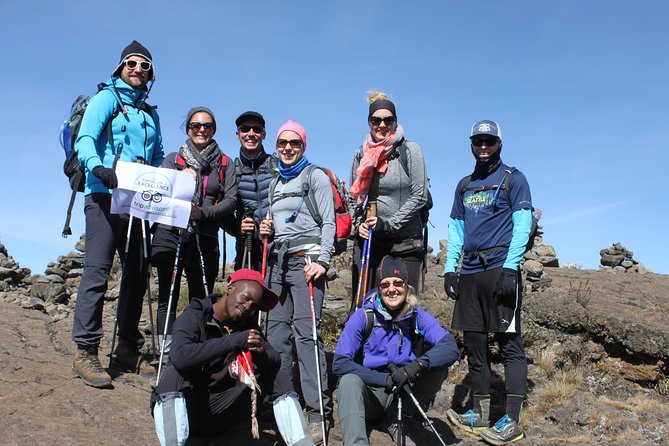
You start with breakfast, then travel a short distance to the Marangu National Park gate to handle formalities. Then the real climb begins: you walk into tropical rainforest, where the trail feels greener and more forgiving than the later volcanic zones.
You’ll reach Mandara Hut at about 2,700 meters for dinner and overnight. The walking time is usually around 5 to 6 hours.
What I like about this first day is the mental setup. You’re not thrown into screaming altitude right away. You ease into the climb through forest, and if you feel up to it, you can relax around the camp instead of rushing nonstop.
Marangu, other operators and other lengths
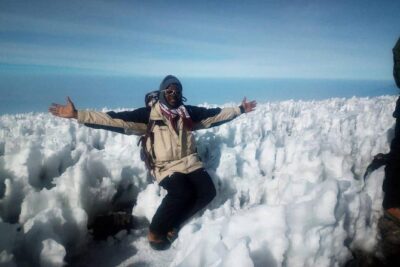
Day 2: Steeper Forest, Moorland Views, Horombo Hut at 3,720 m
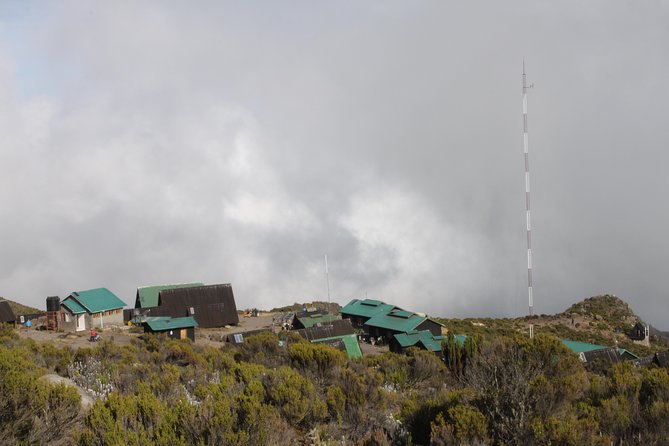
Day 2 starts with a steep ascent through forest, but the path opens into moorland. If the weather is clear, you can get early views of Kibo and Mawenzi, two of the mountain’s most famous peak names.
You’ll arrive at Horombo Hut mid-afternoon, around 3,720 meters. Expect around 4 to 6 hours of walking.
This day is where the climb begins to feel more “high.” You’ll still be in a lower alpine zone, but the air is thinner than day one. I’d treat Horombo afternoon as recovery time, because the extra work is coming soon.
Day 3: The Acclimatization Day That Helps You Arrive for the Final Push
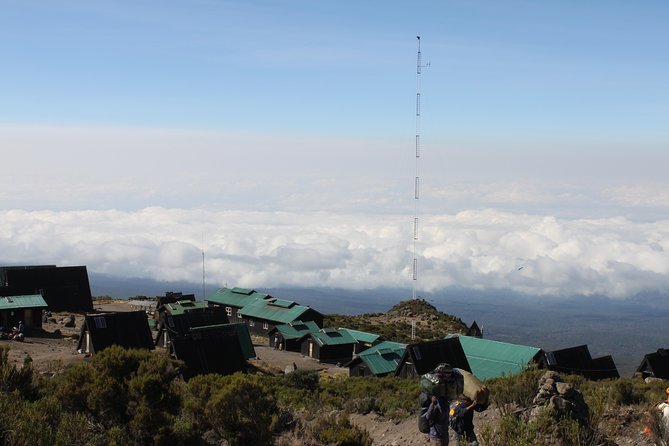
On day three, you move toward the Mawenzi area and then come back into the Horombo routine. The key point is staying an additional night at Horombo specifically for acclimatization.
The route passes the Zebra Rocks, a small but fun landmark that helps you stay oriented as the terrain changes. The walking time can be around 6 hours, and your meals are provided at Horombo Hut.
This day is not about winning miles. It’s about helping your body adapt. You’ll want to drink enough water and walk slowly, because the biggest summit gains usually come from being smart with your pace, not from racing ahead.
Day 4: Saddle Toward Kibo, Then a Night at 4,700 m
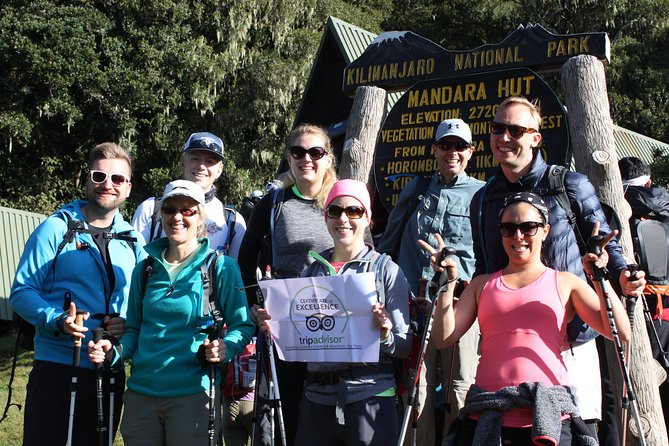
Day four is a gradual climb toward the Saddle between Mawenzi and Kibo. Expect a longer, steady day, typically 6 to 7 hours of walking at a slow pace, until you reach Kibo Hut around 4,700 meters.
This zone is high alpine. The scenery shifts into a more lunar feeling, and the air gets thinner fast. Once you reach Kibo Hut, the remainder of the day is about relaxing and getting ready for the final ascent, with an early night.
Important comfort detail: there is no running water at Kibo Hut. That doesn’t mean you are stranded, but it does mean you should take advantage of washing and hydration support during the rest of the trek.
Day 5: Summit Night, Crater Rim Sunrise, and the Uhuru Peak Choice
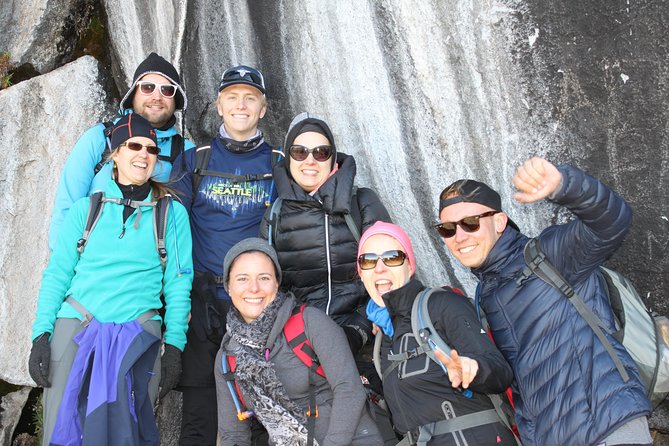
This is the day people remember, and it starts early. You wake before midnight and begin a steep climb over loose volcanic scree. The route uses well-graded zig-zags, so it is demanding, not chaotic, and it favors slow and steady movement.
You’ll reach the rim of the main crater at about Gillman’s 5,685 meters. You rest briefly and enjoy sunrise with Mawenzi in view.
If you still feel good, you can continue on a roughly three hour round trip from the crater rim along the crater rim to Uhuru Peak at 5,895 meters, the highest point in Africa. After time for the accomplishment, you descend back down quickly to the Kibo area, then continue to Horombo Hut.
The walking time listed for this day is long, around 13 hours. So yes, it’s a “big day.” But you’re not doing it alone: the plan includes a porter to carry your day-pack during the summit attempt, which helps you save energy for breathing and footing.
Day 6: Down to Marangu Gate and Your Summit Certificate
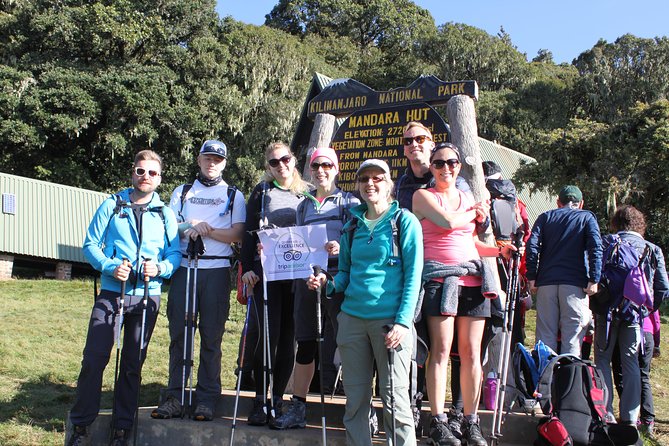
After breakfast, you descend past Mandara Hut toward the Marangu National Park gate. The walking time is typically 6 to 7 hours, and you end in the rainforest zone.
If you complete the climb, you receive summit certificates. From the gate you’re transferred to Mountain Inn for dinner, celebration, and overnight.
This last day is where you feel the difference between “I survived it” and “I’m proud I finished.” Your body will be tired, but the mood tends to lift quickly once the summit is already behind you.
Safety and Comfort: Radios, Oxygen, and Warm-Water Routine
Kilimanjaro can be serious, and what I like here is that the support is built into the plan, not added as a promise.
Your included safety tools are:
- Emergency oxygen tanks
- VHF handheld radios carried on each trek for communication
- Gamow Bag, which acts like a hyperbaric chamber
- Pulse-oximeter to measure oxygen level
- Rescue fees on the mountain
That’s a lot, and it matters because altitude issues can happen even to careful climbers. With monitoring and communication built in, the team can respond faster if conditions turn.
Comfort is also practical. You get warm water for washing every day and clean, purified drinking water. There are meals on the mountain and they’re served with aluminum dining tables and chairs with backs and armrests, which is a small thing that makes a big difference after long walking hours.
Food on the Mountain: Big Portions and Fuel for Thin Air
Altitude demands calories, and you can’t out-muscle poor fueling. This trip includes all meals while you are on the mountain, with large portions of fresh, healthy, and nutritious foods.
From the experience feedback, the big theme is that you are fed and kept moving with a plan. One group praised how the team made sure they were safe and helped them reach the top, and another highlighted the organization and the fact they were accompanied and well looked after from start to finish.
The upside for you is simple: when meals and water are handled, you can focus on hydration, pacing, and staying calm.
Price and Value: What You’re Actually Paying For
The price is $2,179.49 per person for the 6 day experience. For many people, the sticker shock comes from thinking of it as “just a hike.” It’s not.
Your money covers a lot of mountain operations:
- All meals on the mountain
- Hotel stays before and after
- Transfers and transportation in destination
- Park and government taxes and entrance fees
- Guides and support structure
- Safety gear like oxygen and the Gamow Bag
- A porter to carry your day-pack during summit attempt
- Warm-water washing and purified drinking water
That’s why the value question is less about the number and more about risk and workload. If you want a hut-based, organized Kilimanjaro that reduces uncertainty, this package is designed to do that.
What is not included is also clear. You’ll need to budget for tips, the Tanzania visa on arrival, and personal expenses. Optional short safari or other side trips are also extra.
Who This Tour Suits Best (and Who Might Feel a Mismatch)
This Marangu route is a good fit if you:
- Want the easier, popular Kilimanjaro path with huts
- Prefer structured days with meals and sleeping handled
- Are aiming for a first Kilimanjaro experience and want support on the mountain
- Have moderate physical fitness and want a reasonable pacing plan
- Appreciate strong safety tools like oxygen and the Gamow Bag
You might reconsider if you dislike long walking days. Even on a gentler route, day five can be brutal, and the early midnight start is not optional. Also, Kibo Hut has no running water, so you are relying on the washing and water routine the team provides earlier in the trek.
One more practical note: it is a private tour activity, meaning only your group participates. That can be a plus if you want less crowd pressure and more attention.
Should You Book the Kilimanjaro Brothers Marangu 6 Days?
If you want a huts-first, well-run Kilimanjaro with serious safety equipment, this Marangu 6 day plan is a smart choice. The standout strength is the combination of organization, support, and the fact that the team handles the systems that often stress people out, like safety gear, communication, meals, and daily water and washing.
I’d book it if you value a steady acclimatization approach, including the extra Horombo night, and you want a clear shot at the summit without improvising logistics.
I would pause and ask more questions if you know you struggle with very long days, especially the pre-midnight summit push. Marangu can be “easier,” but Kilimanjaro is still Kilimanjaro.
FAQ
Where does the climb start each day?
On day one, you travel from your hotel to the Marangu National Park gate for formalities, then begin the walk toward Mandara Hut. The trek ends on day six back at the Marangu National Park gate after descending from Mandara huts.
How long is the trek and how many days are you on the mountain?
The tour runs for 6 days approximately. The classic Marangu option is described as a Marangu 6 days, 5 nights in the mountain.
What kind of accommodation do you get on Kilimanjaro?
This route uses huts, with simple dining and rooms. You sleep at huts such as Mandara Hut, Horombo Hut, and Kibo Hut.
Are meals included during the climb?
Yes. All meals while on the mountain are included, covering breakfast, lunch, and dinner, plus full board accommodation while you are in the mountain part of the trip.
Is safety equipment included?
Yes. The included items include emergency oxygen tanks, VHF handheld radios carried on each trek, a Gamow Bag, and a pulse-oximeter to measure oxygen level. Rescue fees on the mountain are also included.
Do you provide drinking water and washing?
Yes. You get clean, purified drinking water and warm water for washing every day.
Is pickup and transport included?
Yes. Pickup is offered, and arrival and departure transfers are included, along with all transportation in the destination location.
What is not included in the price?
Not included are tips, Tanzania visa on arrival, personal expenses such as laundry and beverages, and any optional tours like a short safari after your climb.
What happens if the weather causes cancellation?
The experience requires good weather. If it’s canceled due to poor weather, you’ll be offered a different date or a full refund.
The Marangu Trail
- Kilimanjaro climb, Marangu route (6-day)
★ 5.0 · 72 reviews - Climbing Kilimanjaro – Marangu Route
★ 5.0 · 65 reviews - Best Kilimanjaro Adventures 6 Days Marangu Route Experience
★ 5.0 · 18 reviews - Kilimanjaro Private Climbing in 6 Days Marangu Route
★ 5.0 · 16 reviews - 6 Days Climb Kilimanjaro Through Marangu Route
★ 4.5 · 15 reviews
Kilimanjaro, Route by Route
- Kilimanjaro climb by Lemosho Route (7-day)
★ 5.0 · 651 reviews - Kilimanjaro climb, Machame Route (7-day)
★ 5.0 · 262 reviews - Kilimanjaro Climbing Lemosho Route 8 Days.
★ 5.0 · 186 reviews - Climbing Kilimanjaro – Machame Route
★ 5.0 · 170 reviews - Climbing Kilimanjaro through 7 days Machame Route
★ 5.0 · 151 reviews
Just added from around Moshi
Kilimanjaro Marangu Route, compared.
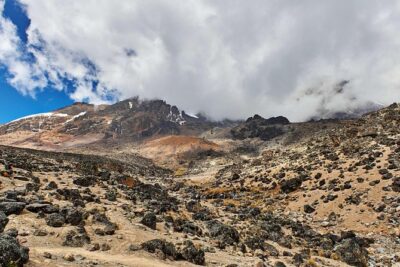 ★ 5.0Kilimanjaro climb, Marangu route (6-day)From $2,90272 reviews
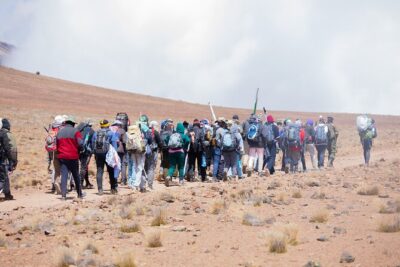 ★ 5.0Climbing Kilimanjaro – Marangu RouteFrom $2,00465 reviews
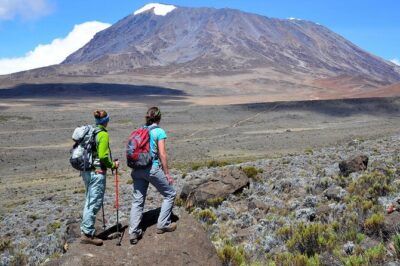 ★ 5.0Private Full Day Hiking Experience to Marangu RouteFrom $26061 reviews
 ★ 4.5From Arusha/Moshi: Kilimanjaro Hike Marangu Route Day TripFrom $10154 reviews
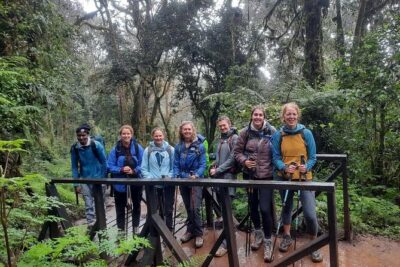 ★ 5.0Mount Kilimanjaro Day Hike Through Marangu Route to Mandara HutFrom $26537 reviews
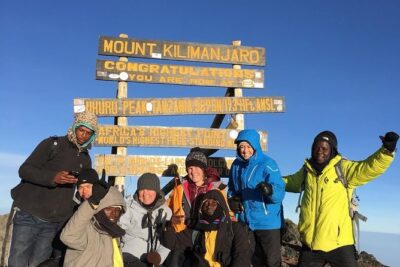 ★ 5.0Kilimanjaro Climbing 5 days Marangu routeFrom $90022 reviews
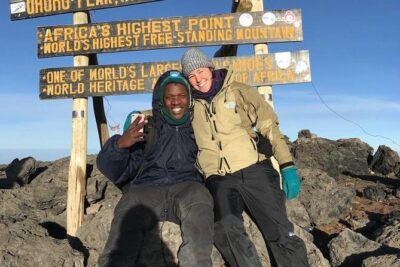 ★ 5.0Best Kilimanjaro Adventures 6 Days Marangu Route ExperienceFrom $1,00018 reviews
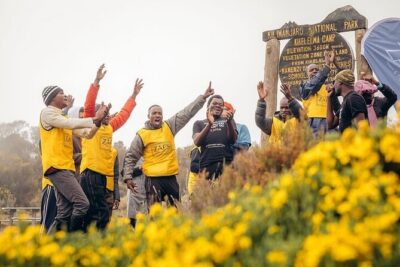 ★ 5.0Kilimanjaro Private Climbing in 6 Days Marangu RouteFrom $2,00016 reviews
Browse the lists this tour appears in