
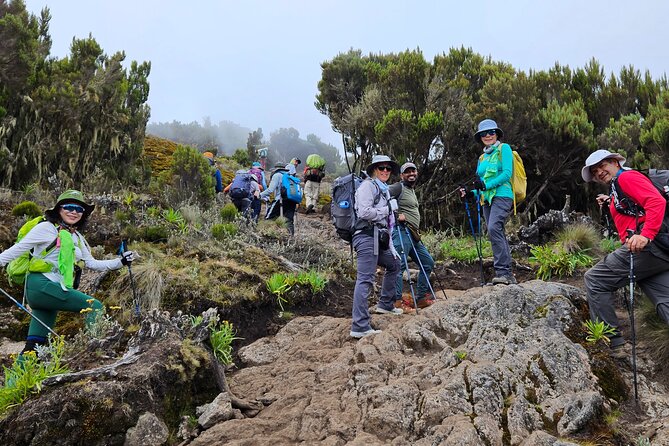
REVIEW · KILIMANJARO LEMOSHO ROUTE
Kilimanjaro Lemosho Route 8 Days
Kilimanjaro rewards the patient, not the lucky. This 8-day Lemosho trek from Moshi is designed to get you up with a daylight summit plan (and a sunrise angle), while you work across classic high-altitude zones like the Shira Plateau and near the Kibo crater rim. It is a more scenic route, with promised views toward the Great Rift Valley, Mt Meru, and Longido, plus a chance to spot wildlife along the way.
What I really like here is how much support is built into the logistics. You get emergency oxygen, a Gamow Bag hyperbaric chamber, VHF handheld radios on the mountain, purified drinking water, warm washing water each day, and a full food setup on the trek.
One consideration: the itinerary includes long summit-day effort. Day 7 is listed as about 7 to 8 hours hiking to Uhuru Peak, then a long descent and transfer to Mweka Camp, so you will want solid stamina before you sign up.
In This Review
- Key things you should care about on this Lemosho 8-day plan
- Why the Lemosho route is a smart pick for a daylight summit plan
- Price and logistics: what you are really paying for
- Entering Kilimanjaro day by day, what each stage is doing to you
- Day 1: Londorossi Park Gate to Mti Mkubwa Camp (about 8 km)
- Day 2: Mti Mkubwa Camp to Shira Camp 1 (about 6 km)
- Day 3: Shira Camp 1 to Shira Camp 2 (about 8 km)
- Day 4: Shira Camp 2 to Barranco Camp (about 8 km)
- Day 5: Barranco Camp to Karanga Valley Camp (shorter distance, higher altitude)
- Day 6: Karanga Valley to Barafu Camp (about 4 km)
- Day 7: Uhuru Peak day, then down to Mweka Camp (big day)
- Day 8: Mweka Gate descent and summit ceremony
- Camp life, food, and comfort details that actually matter
- Guides and the “pace factor”: why the team can make or break Kili
- What you will see, and what you might catch along the way
- Who should book this Lemosho 8-day trek
- Should you book Kilimanjaro Brothers for the Lemosho 8-day plan?
- FAQ
- How long is the Kilimanjaro Lemosho 8 Days trek?
- Where does the trek start and where does it finish?
- Does the package include pickup and transfers?
- What emergency and safety equipment is included?
- Are meals included during the trek?
- What kind of accommodation do you get during the trip?
- Is a porter included for summit day?
- What is not included in the price?
- Is free cancellation available?
Key things you should care about on this Lemosho 8-day plan
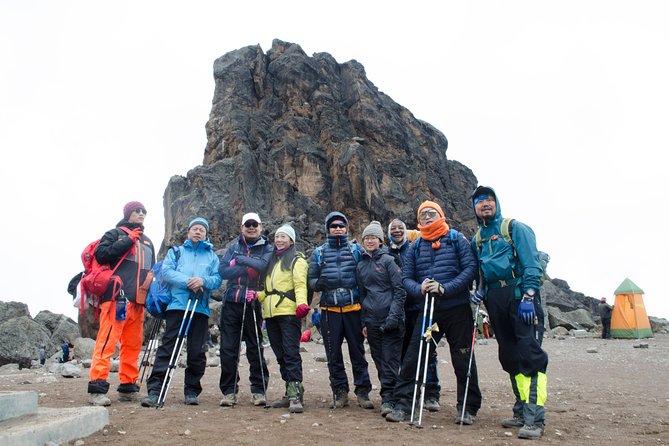
- Daylight summit emphasis: the schedule is built so your summit attempt aligns with sunrise and daylight hours, not just a late-night push
- Shira Plateau + crater rim terrain: you cross major zones, including the Shira Plateau and passing areas around the Kibo crater rim
- Safety kit is not an afterthought: emergency oxygen tanks, VHF radios, pulse-oximeter, and the Gamow Bag are included
- Food and hydration are part of the package: all mountain meals, purified water, and even warm water for washing each day
- Comfort upgrades are real at camp: waterproof tents, sleeping mats, solar LED lights, and toilet tents are included
- A team that adjusts to your pace: in the reviews, guides like Abel, Eli, Richard, Abdul, Priscus, and Justin are praised, with altitude advice and pace adjustments mentioned often
Other ways up Kilimanjaro we reviewed
- Kilimanjaro climb by Lemosho Route (7-day)★ 5.0 · 651 reviews
- Kilimanjaro climb, Machame Route (7-day)★ 5.0 · 262 reviews
- Kilimanjaro Climbing Lemosho Route 8 Days.★ 5.0 · 186 reviews
- Climbing Kilimanjaro – Machame Route★ 5.0 · 170 reviews
Why the Lemosho route is a smart pick for a daylight summit plan
Lemosho is popular for a reason: it tends to feel scenic and varied, instead of like one long slog. On this itinerary, you start from the Londorossi side and work your way up through altitude changes that lead you onto the Shira Plateau. From there, you climb through the higher camp zones that set you up for the late stages toward Kibo.
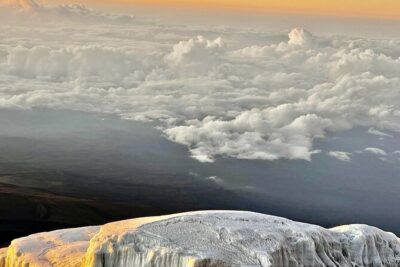
This route is also described as special for people who want the summit in the daylight hours as well as with sunrise. That matters because the summit push is not just about the final meters. It is also about timing and energy management. When the plan is structured around daylight and sunrise, it can help you avoid the extra stress of a totally dark summit, and it gives you a clearer sense of your progress as you move higher.
I also like the “views you can name” part of this trek. The itinerary highlights potential viewpoints toward the Great Rift Valley, Mt Meru, and Longido. That is the kind of detail that makes early camp mornings feel worth waking up for.
Price and logistics: what you are really paying for
At $2,833.34 per person for 8 days, this is not a bargain-basement option. But it is also not just you and a guide with a snack. The value is in the support layer.
Here is what stands out in the included package:
- Mountain medical and comms: emergency oxygen tanks, VHF radios (carried on each trek), pulse-oximeter, and the Gamow Bag
- Daily comfort basics: warm water for washing every day, purified drinking water
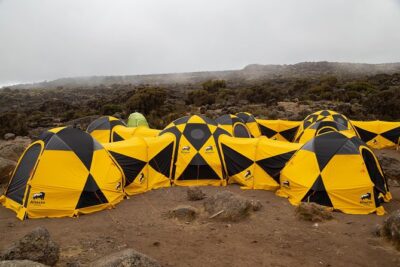
- Camp and meal infrastructure: all meals while on the mountain, plus tents, sleeping mats, solar LED lights, toilet tents, and dining setup
- Operational coverage: rescue fees on the mountain, portable personal flash toilet, rescue-focused planning elements
- Hotels before and after: 2 nights classic standard hotel accommodations and 2 nights comfort hotel accommodations, one night before and one after the trek
- Transfers and transport: arrival and departure transfers, plus all transportation in the destination location
Also, this is a private tour/activity, so only your group participates. That can be a real quality-of-life upgrade if you do not want to shuffle with strangers day after day.
Two small budget notes: tips are not included, and Tanzania visa on arrival is not included either. If you plan to add a safari afterward, that is also separate.
Entering Kilimanjaro day by day, what each stage is doing to you
Below is how the trek builds, day by day, using the exact camp chain and listed hiking times. The big picture is gradual altitude gain, then a sharper final push.
Lemosho itineraries worth reading next
Day 1: Londorossi Park Gate to Mti Mkubwa Camp (about 8 km)
You drive to Londorossi Park Gate (2,385 m), then hike to Mti Mkubwa Camp (2,700 m). The listed hiking time is 3 to 4 hours over 8 km.
This is a classic “get your rhythm” day. Even though it is not extreme altitude yet, you are already learning your hiking pace and how your body reacts to the climb effort. You also start camp routines early, like using the camp toilet setup and practicing your water habits.
Day 2: Mti Mkubwa Camp to Shira Camp 1 (about 6 km)
Today you climb from Mti Mkubwa Camp (2,700 m) to Shira Camp 1 (3,500 m). Expect 5 to 6 hours over 6 km.
This day is where you start to feel altitude more consistently. The walking time is longer than Day 1, but the distance is still modest. That is usually a sign that the terrain is steeper than it looks on paper.
Day 3: Shira Camp 1 to Shira Camp 2 (about 8 km)
You move from Shira Camp 1 (3,500 m) to Shira Camp 2 (3,840 m). The itinerary lists 3 to 4 hours and about 8 km.
I like this kind of “slightly shorter day” on a big mountain. It can give your body breathing space while you keep gaining elevation.
Day 4: Shira Camp 2 to Barranco Camp (about 8 km)
You go from Shira Camp 2 (3,840 m) to Barranco Camp (3,950 m). Hiking is listed as 6 to 7 hours over 8 km.
This is one of the longer hiking days early in the trek. Barranco is often remembered because the terrain can feel more intense than the numbers suggest. If you feel pressure to speed up, resist it. Your goal is to stay comfortable enough to sleep and recover.
Day 5: Barranco Camp to Karanga Valley Camp (shorter distance, higher altitude)
From Barranco Camp (3,950 m) to Karanga Valley Camp (3,995 m) is listed as 4 to 5 hours over 5 km.
This is a compact move upward. Because the distance is shorter, it can feel less punishing, but it still matters because your altitude is now higher than the first half of the trek.
Day 6: Karanga Valley to Barafu Camp (about 4 km)
You hike from Karanga Valley (3,995 m) to Barafu Camp (4,550 m). Expect 4 to 5 hours over 4 km.
Barafu is a key staging point. It is where the trip shifts gears from “climb and acclimate” into “prepare for summit day.” You will want to treat this day like a workshop, not a sightseeing hike.
Day 7: Uhuru Peak day, then down to Mweka Camp (big day)
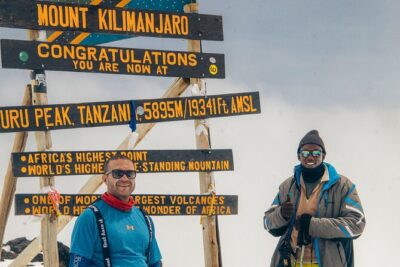
This is the main event. You climb to Uhuru Peak (5,895 m), listed as 7 to 8 hours and about 5 km. Then you descend through Barafu for a short rest and continue on to Mweka Camp (3,060 m), with 4 to 6 hours hiking and about 12 km.
This is the day that separates “I can hike” from “I can handle summit day.” Even with the safety gear and the team support, you still need good personal pacing. The value of a guide who gives altitude advice and sticks to a plan shows up hard on Day 7.
Day 8: Mweka Gate descent and summit ceremony
You descend to Mweka Gate (4,600 m). The hike is listed as 3 to 4 hours over 4 km. After you finish, you transfer to Park View Inn for your certificate and summit party ceremony.
This is the day you feel the emotional payoff, but you also do not want to move too fast. Your body is coming down from altitude, and the best strategy is steady, efficient walking to finish well.
Camp life, food, and comfort details that actually matter
Kilimanjaro comfort can be a spectrum. In this package, you are not left figuring out basics alone.
On the mountain, you get:
- All meals (breakfast, lunch, dinner listed for each trek day)
- Large portions described as fresh and nutritious
- Warm water for washing every day
- Clean, purified drinking water
- Waterproof tents and sleeping mats
- Solar LED lights
- Toilet tents and a portable personal flash toilet
- Dining setup with aluminum dining tables and large chairs
Those sound like small details until you are cold, tired, and trying to sleep at altitude. Warm washing water and reliable hydration are not glamorous, but they make it easier to rest instead of constantly worrying about basic needs.
The reviews back up the food side too, with strong praise for excellent meals and good organization. If you have ever done a tough hike where meals are more suggestion than plan, you will appreciate how baked-in the food system is here.
Guides and the “pace factor”: why the team can make or break Kili
The crew is a huge part of this experience. In the reviews, guides and staff show up again and again, with names like Abel and Eli receiving repeated praise for altitude knowledge and calm safety-minded leadership. Other listed guides include Richard, Abdul, Priscus, and Justin.
The recurring theme is that the trip is run with real altitude advice and support, and that pace can be adjusted. I especially like the idea of a team that responds to how you are moving, not just how fast they want you to move. On a trek with a long Day 7, that kind of flexibility helps keep you steady instead of pushing too hard and paying for it later.
You also get a VHF radio system carried on each trek. That is one of those practical safety details you do not think about until you need it, and it signals that the operation is set up to communicate quickly.
And in case you are curious about summit-day carry load, the package includes a porter to carry your day-pack during the summit attempt. That is a small weight savings, but on summit day, small can matter.
What you will see, and what you might catch along the way
The itinerary highlights the scenery and the big-picture geography. Expect to move through zones that bring views toward:
- the Great Rift Valley
- Mt Meru
- Longido
You are also described as passing by Kibo crater rim, trekking to the top of the inner Reusch crater, and crossing the Shira Plateau. That is a lot of distinct high-altitude terrain in one trip, and it can help the days feel less repetitive.
Wildlife is mentioned as possible, but not guaranteed. At Kilimanjaro altitude, your best odds tend to be when you are lower or moving through ecotone edges, so keep expectations flexible.
Who should book this Lemosho 8-day trek
This trek is listed for people with moderate physical fitness. That usually means you should be able to hike for multiple hours per day, handle steep terrain, and keep a steady pace without sprinting.
It is also best for people who:
- want a scenic route rather than the most direct grind
- prefer a plan aiming for daylight summit timing and sunrise
- like organized support, with strong safety and communication tools
- value good camp operations, especially meal planning and water routines
If you hate long summit-day effort, this might not be your best match. Day 7 is a serious day even on paper.
Should you book Kilimanjaro Brothers for the Lemosho 8-day plan?
Based on what is included and what shows up repeatedly in the reviews, I think you should strongly consider booking if you want a well-run Kilimanjaro experience with serious safety gear, consistent mountain meals, and a team that communicates and stays calm.
Here are the main reasons to book:
- Safety gear is included (oxygen, VHF radios, Gamow Bag, pulse-oximeter)
- Camp comfort is built in (warm water, purified water, tents, toilet tents)
- Guide support is praised by name (Abel, Eli, Richard, Abdul, Priscus, Justin show up in feedback)
- The itinerary is designed for daylight summit timing
The main reason to pause is the obvious one. You are committing to a long Day 7 and a steep, high-altitude goal at Uhuru Peak.
If you are the kind of hiker who trains for steady effort, listens to altitude guidance, and wants a scenic Lemosho route from Moshi, this is a solid choice.
FAQ
How long is the Kilimanjaro Lemosho 8 Days trek?
The trek is listed as 8 days, with hiking across multiple camp stages and a final descent to Mweka Gate plus a certificate and summit ceremony afterward.
Where does the trek start and where does it finish?
You start at Londorossi Park Gate and climb to Mti Mkubwa Camp on Day 1. You finish by descending to Mweka Gate on Day 8, then transfer to Park View Inn for your certificate and summit party ceremony.
Does the package include pickup and transfers?
Yes. Pickup is offered, and the package includes arrival and departure transfers plus all transportation in the destination location.
What emergency and safety equipment is included?
Included items on the mountain include emergency oxygen tanks, VHF handheld radios, Gamow Bag (hyperbaric chamber), rescue fees on the mountain, a pulse-oximeter to measure oxygen level, and a portable personal flash toilet.
Are meals included during the trek?
Yes. All meals while on the mountain are included, with breakfast, lunch, and dinner provided each day during the trek portion.
What kind of accommodation do you get during the trip?
You have 2 nights classic standard hotel accommodations and 2 nights comfort hotel accommodations, one before and one after the trek. On the mountain, you use waterproof tents and sleeping mats.
Is a porter included for summit day?
Yes. The package includes a porter to carry your day-pack during the summit attempt.
What is not included in the price?
Tips, Tanzania visa on arrival, and personal expenses like laundry and telephone are not included. Optional tours after your climb are also not included.
Is free cancellation available?
Yes, free cancellation is available up to 24 hours in advance for a full refund. If canceled less than 24 hours before the experience starts, the amount paid is not refunded. If canceled due to poor weather, you are offered a different date or a full refund.
Lemosho, Compared
- Kilimanjaro climb by Lemosho Route (7-day)
★ 5.0 · 651 reviews - Kilimanjaro Climbing Lemosho Route 8 Days.
★ 5.0 · 186 reviews - Kilimanjaro climb, Lemosho Route (8-day)
★ 5.0 · 148 reviews - Kilimanjaro climb, Lemosho Route (6-day)
★ 5.0 · 129 reviews - Kilimanjaro Lemosho Route
★ 5.0 · 71 reviews
Kilimanjaro, Route by Route
- Kilimanjaro climb by Lemosho Route (7-day)
★ 5.0 · 651 reviews - Kilimanjaro climb, Machame Route (7-day)
★ 5.0 · 262 reviews - Kilimanjaro Climbing Lemosho Route 8 Days.
★ 5.0 · 186 reviews - Climbing Kilimanjaro – Machame Route
★ 5.0 · 170 reviews - Climbing Kilimanjaro through 7 days Machame Route
★ 5.0 · 151 reviews
Just added from around Moshi
Kilimanjaro Lemosho Route, compared.
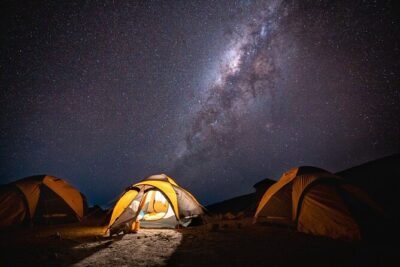 ★ 5.0Kilimanjaro climb by Lemosho Route (7-day)From $3,476651 reviews
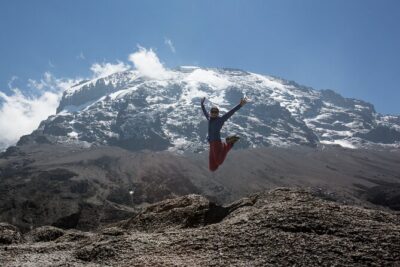 ★ 5.08-Day Small-group Lemosho Kilimanjaro Summit TrekkingFrom $2,895186 reviews
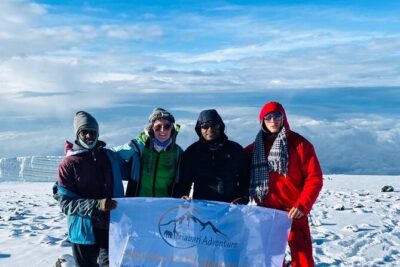 ★ 5.0Kilimanjaro Climbing Lemosho Route 8 Days.From $2,300186 reviews
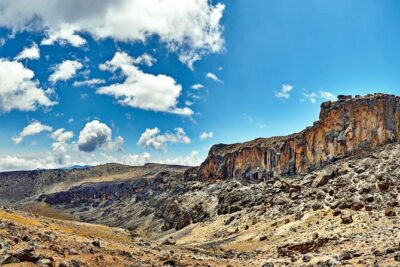 ★ 5.0Kilimanjaro climb, Lemosho Route (8-day)From $3,975148 reviews
 ★ 5.0Kilimanjaro climb, Lemosho Route (6-day)From $3,034129 reviews
 ★ 5.0Kilimanjaro Lemosho RouteFrom $2,89071 reviews
 ★ 5.0Private Kilimanjaro Hike 7 Day Lemosho RouteFrom $2,45060 reviews
 ★ 5.0Climbing Kilimanjaro through 8 days Lemosho RouteFrom $2,76052 reviews
Browse the lists this tour appears in