
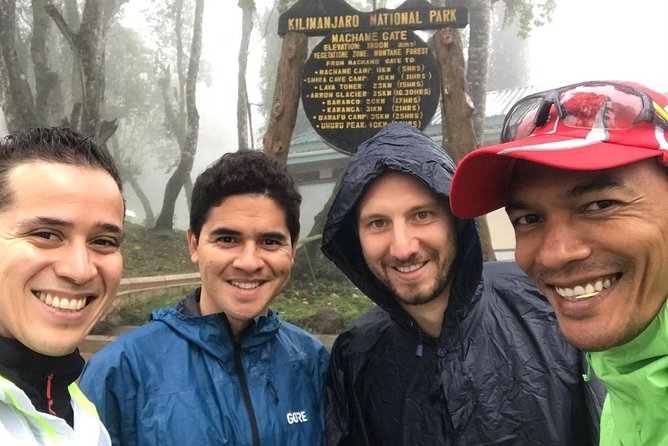
REVIEW · KILIMANJARO LEMOSHO ROUTE
Kilimanjaro Experience 7 Days Lemosho route
A quiet forest hike leads to Kilimanjaro’s edge. This 7-day Lemosho climb from Moshi is interesting because it walks you through big changes in altitude and habitat, from rain forest to alpine desert to arctic conditions. You start with a proper drive and gate process, then spend days building acclimatization the way your body actually benefits, before the long summit push.
I especially like the route’s pacing, with extra time on the Shira Plateau and the key acclimatization stop around Lava Tower and Barranco. I also like the human side, because the operation clearly leans hard on teamwork, including guides such as Thomas, Alex, Victor, and Norka, plus cooks like Joseph and Shedrack, and porters who keep the camp machinery running so you can focus on walking.
One thing to consider up front is the summit night. You begin around midnight, then work your way to Stella Point at 5,657 m before joining others heading toward Uhuru Peak, which means cold, steep effort, and a trip that is weather dependent.
In This Review
- Key things to know before you go
- Why the 7-day Lemosho plan works on Kilimanjaro
- Day 1: Moshi to Londorossi Gate, then rain forest hiking (7 km, 3 to 4 hours)
- Days 2 to 3 on Shira: Moorland walking, Kibo views, and a slow acclimatization day
- Day 4 to Barranco: Semi-desert terrain, Lava Tower (the Shark’s Tooth), and an important acclimatization stop
- Day 5: The South Circuit feel, Barranco Wall, Karanga Valley, and Barafu Hut rest
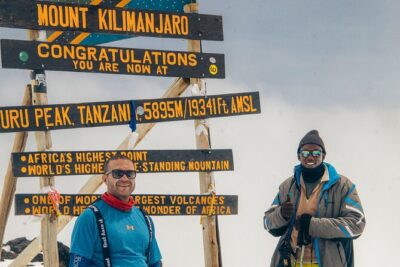
- Day 6 Summit night: tea around 11:00 pm, Stella Point at 5,657 m, then Uhuru Peak sunrise
- Day 7 descent: Mweka Park Gate certificates, muddy trails, and the Moshi reset
- Price and logistics: what you pay for at $1,000 per person
- Who should book this Lemosho 7-day climb
- Final verdict: should you book Kilinge Adventures on the 7-day Lemosho route?
- FAQ
- What time does the Kilimanjaro experience start?
- How long is the Kilimanjaro 7 days Lemosho route trek?
- What is included in the price?
- What is not included?
- Is pickup offered and where is the trip based?
- Do I need a certain fitness level?
Key things to know before you go
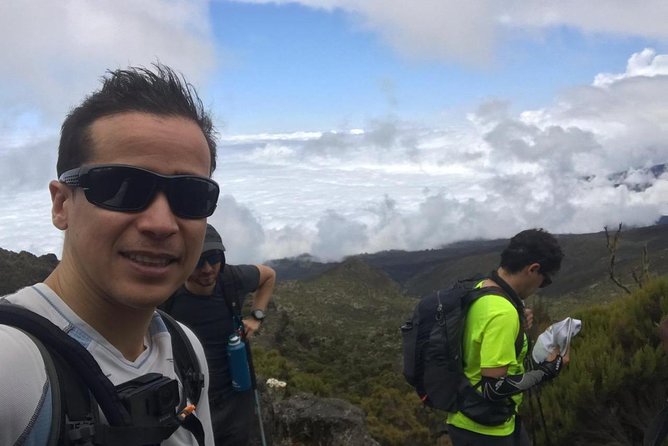
- Rain forest start with a long approach from Moshi through Londorossi Gate and onto the Lemosho trailhead
- Shira Plateau time for acclimatization plus big Kibo views from across the plateau
- Lava Tower, the Shark’s Tooth stop and a smart transition to Barranco Camp
- Barafu Hut rest before the summit push with Mawenzi and Kibo views from camp
- Summit logistics built around midnight start, zigzags, crater rim, and Stella Point at 5,657 m
- Mweka Gate certificates and the Moshi reset with a hot shower and Kilimanjaro beer after the descent
Other ways up Kilimanjaro we reviewed
- Kilimanjaro climb by Lemosho Route (7-day)★ 5.0 · 651 reviews
- Kilimanjaro climb, Machame Route (7-day)★ 5.0 · 262 reviews
- Kilimanjaro Climbing Lemosho Route 8 Days.★ 5.0 · 186 reviews
- Climbing Kilimanjaro – Machame Route★ 5.0 · 170 reviews
Why the 7-day Lemosho plan works on Kilimanjaro
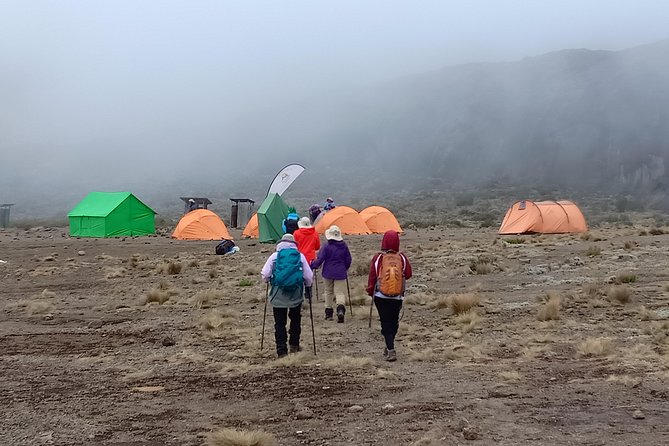
The Lemosho route is a classic for a reason: it gives you gradual altitude progression and varied terrain, so your body has time to adjust. Over 7 days, you move from roughly 2,377 m to 2,650 m on day one, then climb steadily into the 3,600 m range, work higher on Shira, and only then push into the summit altitude zone.
This matters because Kilimanjaro is not just a hike. It is altitude management, day after day, with the summit night as the payoff. The schedule builds in “practice” for the height by adding time on the Shira Plateau and using the Barranco phase as an acclimatization target.
The route also has a good rhythm for most hikers. You are walking 3 to 10 hours most days, with the hardest effort reserved for the summit day. That balance is part of why this plan can feel doable even if you are not an ultra runner.
Day 1: Moshi to Londorossi Gate, then rain forest hiking (7 km, 3 to 4 hours)
You start in Moshi, then drive for about 4 hours to Londorossi Gate. After entry formalities, you drive roughly another hour to reach the trailhead, where lunch is served before you begin hiking.
The first hiking day is gentle but not pointless. You climb from about 7,800 ft to 8,694 ft (2,377 m to 2,650 m) over about 7 km. This is rain forest terrain, which tends to be greener, cooler, and more humid than the higher zones. Expect the forest to be full of life, and enjoy the fact that day one is about settling into the routine.
Practical note: you will feel the drive when you are ready to actually walk. So treat day one like a warm-up. Keep your pace steady, take your breaks when your guide tells you to, and get your sleep plan right, because later days get early.
Days 2 to 3 on Shira: Moorland walking, Kibo views, and a slow acclimatization day
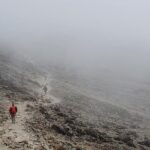
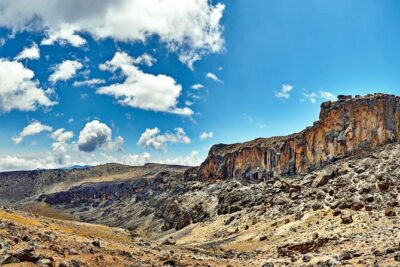
Day 2 shifts you from rain forest into moorland. You cover about 8 km over 5 to 6 hours, climbing from roughly 2,650 m up toward 3,610 m. The trail rolls through tall grasses, heather, and volcanic rock draped with lichen. You also cross streams, which is a small detail that becomes a big comfort once your legs get used to the rhythm.
The payoff on day two is the view. From the Shira area, you get an amazing look at Kibo from across the plateau. That matters because it gives you a clear visual “goal” without forcing you to attack altitude too fast.
Day 3 is where the plan earns its stars. You explore the Shira Plateau for most of the day, with a long but not brutal hike of about 14 km over 5 to 7 hours. You are moving through moorland meadows by a stream and heading toward Shira 2 Camp.
What I like here is the way the day offers both scenery and acclimatization. You also get time around Lent Hills via routes that include the area near Moir Hut, which supports gradual adjustment. This kind of high-altitude wandering is one of the best ways to reduce your stress for the later summit push.
One caution: Shira is high. You might feel fine early in the day and then feel it later. If you start to slow down, do not fight it. Slow is the whole point.
Lemosho itineraries worth reading next
Day 4 to Barranco: Semi-desert terrain, Lava Tower (the Shark’s Tooth), and an important acclimatization stop
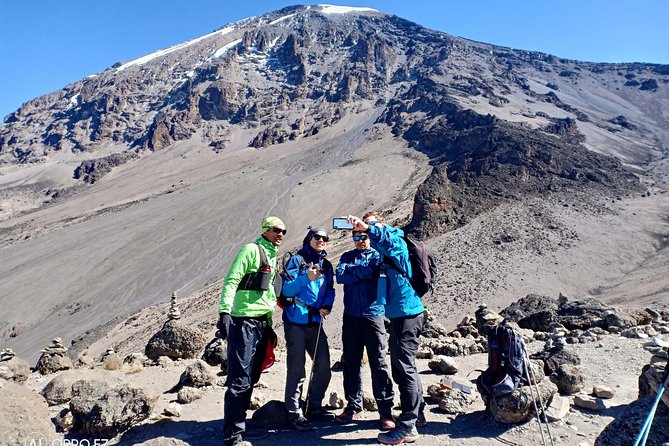
Day 4 transitions to semi-desert. You hike about 7 km over 4 to 6 hours, moving from roughly 4,200 m down to about 3,940 m by camp. Even though it ends around the same elevation range you start the day with, it is a key acclimatization day.
You head east up a ridge from the Shira Plateau, and then your direction shifts toward the Lava Tower, known as the Shark’s Tooth. This stop is visually dramatic and mentally useful. Seeing Kibo and the crater zone from different angles helps keep the bigger mission clear.
Then comes the smart part: lunch and acclimatization after you descend to Barranco Camp. The Barranco approach is often where hikers feel the height most strongly, because the terrain changes and the air can get sharp. If you do day four correctly, you set yourself up better for the longer climb that follows.
Day 5: The South Circuit feel, Barranco Wall, Karanga Valley, and Barafu Hut rest
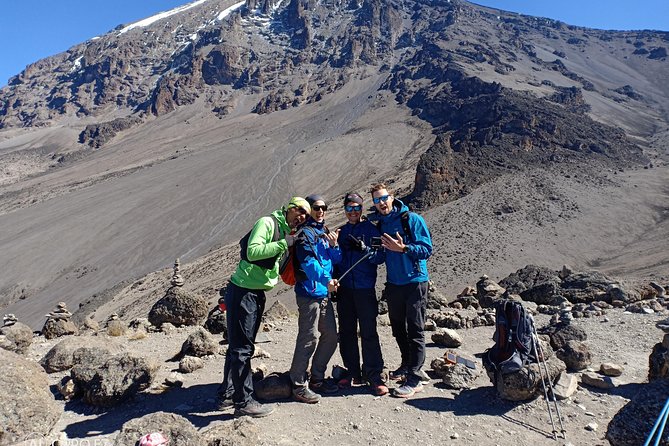
Day 5 is longer and more demanding. You start after breakfast and hike about 9 km over 8 to 10 hours. You move from roughly 3,940 m up to about 3,995 m, traveling through alpine desert terrain.
The route logic here is clever. You leave Barranco and climb a steep ridge past the Barranco Wall. Then you pass through Karanga Valley and hit the junction that connects with the Mweka Trail. After that, you work your way up to Barafu Hut.
This is the big “we are getting closer” day. You have effectively completed the South Circuit, and you get views of the summit from multiple angles. From Barafu area, you can see both Mawenzi and Kibo, which turns the mountain into more than just elevation numbers.
At Barafu Hut, you rest, enjoy dinner, and prepare for summit night. This is not a day to rush. Your body needs sleep and recovery because the next day starts late and ends very high.
Day 6 Summit night: tea around 11:00 pm, Stella Point at 5,657 m, then Uhuru Peak sunrise
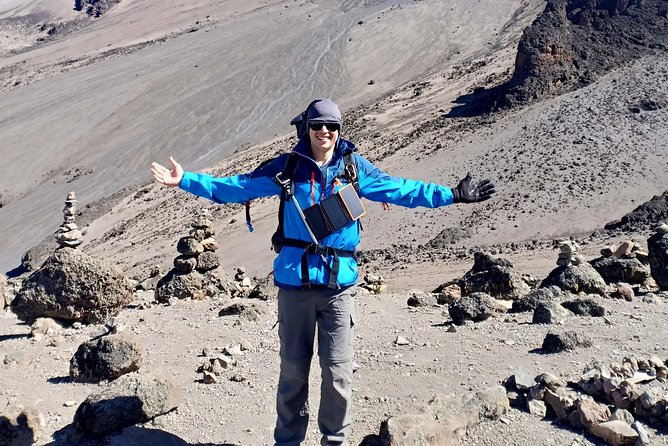
This is the day everyone talks about, and with good reason. You wake up around 11:00 pm for tea and snacks to warm you up, then start the summit ascent around midnight.
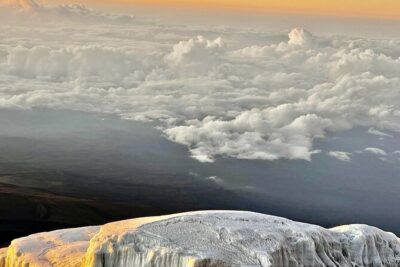
Your climb is steep rocks first for about 2 to 3 hours. Then you work through zigzag sections toward the crater rim. The goal is Stella Point at about 5,657 m, reached around 6:00 am (based on the plan schedule). When you arrive at Stella, you meet hikers coming from other routes and join them heading toward Uhuru Peak.
The emphasis here is timing and movement. Even if the pace is slow, the key is to keep moving steadily, manage breath, and stay warm enough to avoid burning energy on shivering. You are also dealing with very thin air, which changes your effort level fast.
You then descend the long way too. The plan calls for about 5 km of ascent and about 12 km of descent, with ascent time around 7 to 8 hours and descent time around 4 to 6 hours. By the end of day six, you are back down around 3,100 m.
This day also tends to be mentally intense, even if you are physically prepared. Having a professional team managing the plan, pace, and safety checks makes a huge difference.
Day 7 descent: Mweka Park Gate certificates, muddy trails, and the Moshi reset
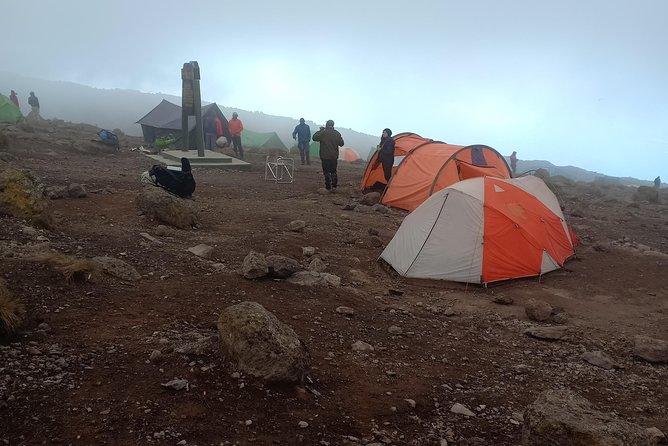
After breakfast, you descend to the Mweka Park Gate. This is about 10 km over 3 to 4 hours, dropping from roughly 3,100 m down to about 1,640 m.
At the gate, you receive your summit certificates. Lower elevations can be wet and muddy, so you will want gaiters and trekking poles for stability. The plan also suggests shorts and t-shirts will often be fine at lower elevation, but keep rain gear and warmer layers handy because conditions can shift.
Then you transition back to real life. From the gate, a vehicle meets you and drives you back to your hotel in Moshi. The idea is a clean reset, with time for a hot shower and even a Kilimanjaro beer afterward.
Price and logistics: what you pay for at $1,000 per person
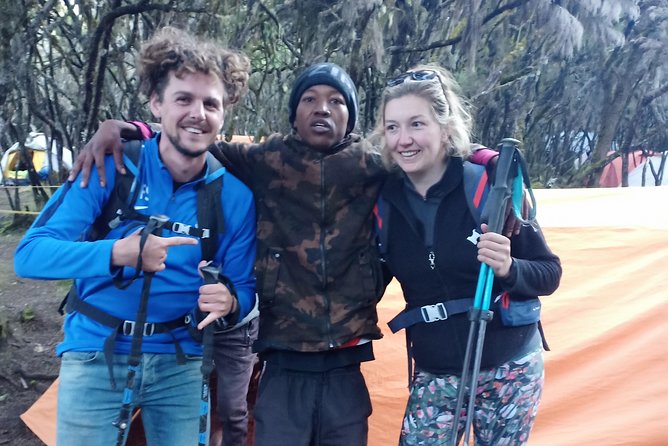
At $1,000 per person for a 7-day trek, the value depends on what is truly covered versus what you still need to budget for. This package includes a lot of the “day-to-day survival” stuff that most hikers underestimate.
Here is what stands out as value:
- Clean, purified drinking water so you are not guessing what is safe to drink
- Guides and porters plus cook salaries, meaning you are not trying to make a camp work with under-resourced staff
- All meals on the mountain plus large portions of fresh, healthy, nutritious food
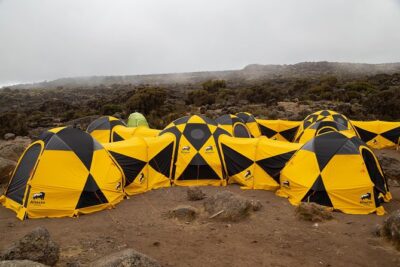
- Tent and on-mountain accommodation
- All rescue fees, which you do not want to think about, but you really want covered
- Fair and ethical treatment of porters is specifically included in the package description
A balanced caution: Kilimanjaro National Park fees are listed as not included. At the same time, the daily plan shows admission ticket free for each day. That mismatch is the one place you should slow down and clarify with the operator before you hand over final payment. Ask exactly what park fees are covered and what is not.
Also, tips and personal expenses are not included. On a mountain like this, tips can matter because the team works hard from start to finish.
If you want the simplest “value check,” do this: confirm what park fees you still owe, and make sure you know what equipment costs are on you versus included. Everything else, like water, meals, and mountain nights, is clearly treated as part of the package.
Who should book this Lemosho 7-day climb
This is a great fit if you want a strong chance at acclimatization without going for a super-short itinerary. The route is aimed at people with moderate physical fitness, and the pacing gives you a real chance to adjust.
It also suits hikers who care about comfort at camp. The package includes tents, on-mountain accommodation, and full meals. When you are doing an overnight summit start, camp support becomes more than convenience, it becomes energy management.
You might not love this trek if you hate early wake-ups or you want a purely easy hike. The summit day is steep and timed tightly, and day six is long both up and down.
If you are traveling solo, couples, or a small group, this kind of guided operation can be a relief. You are not navigating gate processes, camp logistics, or altitude strategy by yourself.
Final verdict: should you book Kilinge Adventures on the 7-day Lemosho route?
I would book this if you want the Lemosho route specifically, and you like the idea of a schedule built around altitude adaptation rather than speed. The included support, especially mountain meals, purified water, and the staffing that keeps tents and camps running, makes the experience feel structured at the moments when you need structure most.
I would hesitate only if you cannot comfortably handle a midnight summit start, cold summit conditions, and a trek that depends on good weather. Also, confirm the park fee situation so there are no surprises.
If you can accept those realities, this 7-day Lemosho climb is a solid, practical way to experience Kilimanjaro, with rain forest beauty, big Shira Plateau views, and a summit day that is as much about planning as it is about grit.
FAQ
What time does the Kilimanjaro experience start?
The start time is 8:30 am.
How long is the Kilimanjaro 7 days Lemosho route trek?
It is 7 days (approx.).
What is included in the price?
Included items are clean purified drinking water, fair and ethical treatment of porters, tent and on-mountain accommodation, guides and porters, cook salaries, large portions of fresh food, all rescue fees, and all meals while on the mountain.
What is not included?
Not included are personal expenses, optional tours (like safari after your climb), tips and personal items, and Kilimanjaro National Park fees.
Is pickup offered and where is the trip based?
Pickup is offered, and the trip is based in Moshi, Tanzania. You also return by vehicle to your hotel in Moshi at the end.
Do I need a certain fitness level?
The trip says travelers should have moderate physical fitness level. It is also noted that the experience requires good weather.
Lemosho, Compared
- Kilimanjaro climb by Lemosho Route (7-day)
★ 5.0 · 651 reviews - Kilimanjaro Climbing Lemosho Route 8 Days.
★ 5.0 · 186 reviews - Kilimanjaro climb, Lemosho Route (8-day)
★ 5.0 · 148 reviews - Kilimanjaro climb, Lemosho Route (6-day)
★ 5.0 · 129 reviews - Kilimanjaro Lemosho Route
★ 5.0 · 71 reviews
Kilimanjaro, Route by Route
- Kilimanjaro climb by Lemosho Route (7-day)
★ 5.0 · 651 reviews - Kilimanjaro climb, Machame Route (7-day)
★ 5.0 · 262 reviews - Kilimanjaro Climbing Lemosho Route 8 Days.
★ 5.0 · 186 reviews - Climbing Kilimanjaro – Machame Route
★ 5.0 · 170 reviews - Climbing Kilimanjaro through 7 days Machame Route
★ 5.0 · 151 reviews
Just added from around Moshi

Kilimanjaro Lemosho Route, compared.
 ★ 5.0Kilimanjaro climb by Lemosho Route (7-day)From $3,476651 reviews
 ★ 5.08-Day Small-group Lemosho Kilimanjaro Summit TrekkingFrom $2,895186 reviews
 ★ 5.0Kilimanjaro Climbing Lemosho Route 8 Days.From $2,300186 reviews
 ★ 5.0Kilimanjaro climb, Lemosho Route (8-day)From $3,975148 reviews
 ★ 5.0Kilimanjaro climb, Lemosho Route (6-day)From $3,034129 reviews
 ★ 5.0Kilimanjaro Lemosho RouteFrom $2,89071 reviews
 ★ 5.0Private Kilimanjaro Hike 7 Day Lemosho RouteFrom $2,45060 reviews
 ★ 5.0Climbing Kilimanjaro through 8 days Lemosho RouteFrom $2,76052 reviews
Browse the lists this tour appears in