
REVIEW · KILIMANJARO MARANGU ROUTE
Kilimanjaro climb via Marangu Route 6Days
Kilimanjaro gets more manageable on Marangu. This 6-day climb is known for its gradual slope and hut accommodations, so you trade tents for bunk beds. I also like that the route follows a direct path up to the big moments, which helps you keep a steady rhythm instead of constantly second-guessing your pacing.
What makes this experience especially practical for many first-timers is the hut setup: Mandara Huts, Kibo Huts, and Horombo Hut keep you sleeping indoors in shared spaces. One consideration, though, is that you will be in bunks, and Horombo Hut has 120 bunk beds, so it can feel busier than the other hut stops.
In This Review
- Quick take: what makes this Marangu 6-day climb work
- Why Marangu is a comfort-first climb on Kilimanjaro
- The 6-day rhythm, and what you should expect day to day
- Sleeping in huts: Mandara, Kibo, and Horombo bunk realities
- Meals and energy: how the package supports your climb
- Guided support that feels personal, not robotic
- Pickup, mobile tickets, and why simple logistics matter
- The value of $2,180 per person, and what you’re really paying for
- Who Marangu 6 days with huts is best for
- Packing smart when equipment is not included
- Should you book this Marangu 6-day hut climb?
- FAQ
- How long is the Kilimanjaro climb on the Marangu route?
- Where does the trip start?
- What time does the experience start?
- Are meals included?
- Is accommodation included in Moshi?
- Do you sleep in huts on this route?
- How many bunk beds are at the huts?
- Is a Tanzania visa included?
- Is equipment included?
- What is the cancellation policy?
Quick take: what makes this Marangu 6-day climb work
- Huts instead of tents, with bunk beds at Mandara Huts, Kibo Huts, and Horombo Hut
- A “tourist route” feel thanks to the gradual, direct Marangu path
- Three meals per day for 6 days, plus 2 nights in Moshi included
- Support and planning that sounds fast and detailed, with Faiza providing thorough guidance over Zoom
- Large-group hut capacity, especially at Horombo, where there are 120 bunks
- Pickup offered and a mobile ticket included for smoother logistics
Other ways up Kilimanjaro we reviewed
- Kilimanjaro climb by Lemosho Route (7-day)★ 5.0 · 651 reviews
- Kilimanjaro climb, Machame Route (7-day)★ 5.0 · 262 reviews
- Kilimanjaro Climbing Lemosho Route 8 Days.★ 5.0 · 186 reviews
- Climbing Kilimanjaro – Machame Route★ 5.0 · 170 reviews
Why Marangu is a comfort-first climb on Kilimanjaro
Marangu is one of the older, better-known routes on Kilimanjaro, and that reputation matters. The big selling point is that the climb is described as the easiest on the mountain because of the gradual slope and the direct path, which tends to feel more structured for people who want a straightforward plan.
The other reason people pick Marangu is simple: it’s a hut route. Instead of bringing camp gear and living out of a tent, you’re sleeping in huts at Mandara Huts, Kibo Huts, and Horombo Hut. That changes the whole experience, because you focus more on the hike itself and less on camp setup and breakdown.
The 6-day rhythm, and what you should expect day to day
This is a 6-day Kilimanjaro climb package, running from Moshi, Tanzania, with the mountain portion built around those three hut areas. While you will still be climbing high and pushing your body, the Marangu approach is designed to be steady, not jagged.
Here’s the practical way to think about the “rhythm” of a hut-based itinerary. You’ll move from hut to hut during the ascent stages, then return through the hut system on the descent days. Because the experience is only listed as a single route style, not a highly detailed day-by-day altitude schedule, you should expect your guide to manage timing based on weather and trail conditions.
Also, the start time is listed as 12:00 am. That’s unusual on paper, so plan to confirm what that means for you locally, especially regarding pickup timing and when you actually begin the climb. In places like this, “start time” can mean the tour begins, while the day’s practical pickup happens earlier or later.
Sleeping in huts: Mandara, Kibo, and Horombo bunk realities
Let’s talk beds, because this is where hut routes feel very different from camping. The Marangu setup includes bunk beds at each hut category, which means you are not carrying a sleeping system like you would on tent routes.
You’ll see a capacity difference between huts:
- Mandara Huts: 60 bunk beds
- Kibo Huts: 60 bunk beds
- Horombo Hut: 120 bunk beds
That last one is a real clue about what the experience can feel like. Horombo is likely where you experience the most crowding because it has twice the number of bunks. If you know you sleep poorly in busy shared spaces, you’ll want to mentally prepare for that.
Even with indoor shelter, you should still expect basic conditions. Bunks mean limited privacy and shared space, so your success here depends on your comfort with the “group mountain” style of trekking. The upside is that you avoid tent living and keep your gear simpler.
Marangu, other operators and other lengths
Meals and energy: how the package supports your climb
One of the strongest practical pieces in this offer is food. It includes 3 meals per day for 6 days, and that matters on a multi-day trek where you need consistent fuel. The listing also includes breakfast in addition to the daily meals, so you’re not guessing what your morning plan looks like.
In total, the package also includes 2 nights accommodation in Moshi. That can be helpful, because you’re not just showing up and immediately jumping into altitude climbing without a place to settle your travel-day nerves. For many people, having those nights in Moshi is the difference between arriving stressed and arriving ready.
A small note for planning: the food schedule is listed at the package level, not broken down by exact meal times. So if you’re sensitive to timing or have dietary restrictions, confirm expectations early.
Guided support that feels personal, not robotic
What you want on a mountain like Kilimanjaro is not just logistics. You want a guide and support team that keeps you informed and responsive, especially when you’re asking basic questions like hut sleeping, gear needs, and what to expect.
In the feedback around this route, Faiza stands out for communication and detail. One group specifically noted that she was quick to respond, they spoke over Zoom, and she gave very detailed information about the Marangu 6-day plan. Another review highlighted that the service felt overwhelming in the best way, pointing to strong support during the journey.
This is the part you can’t always see from a brochure. A hut-based Kilimanjaro climb still requires good decisions, like pace, timing, and preparation. When the team explains the route clearly before you start, you spend less time worrying and more time conserving energy for the hike.
Pickup, mobile tickets, and why simple logistics matter
The offer includes pickup offered and a mobile ticket. On Kilimanjaro, logistics can be a hidden source of stress. If pickup is included, you reduce the chances of arriving late, missing instructions, or spending your first hours in Moshi figuring out how to get where you need to go.
Mobile tickets are also a practical touch. They reduce paper handling and make it easier for you to keep your trip documents in one place on your phone. Still, I’d treat it as “convenience,” not a substitute for having key details written down.
Also remember: some items are not included, so the more you can coordinate gear needs in advance, the smoother everything will feel once you’re on the ground.
The value of $2,180 per person, and what you’re really paying for
Let’s address the price honestly. At $2,180.00 per person, this is not a budget climb. So the key question is: does it include enough to justify the cost?
Here’s what’s included:
- Admission ticket included
- Pickup offered
- Mobile ticket
- 3 meals per day for 6 days
- 2 nights accommodation in Moshi
- Hut sleeping across Mandara Huts, Kibo Huts, and Horombo Hut with bunk beds
When you add those together, you’re paying for a built-in support system, not just a trail. Hut accommodations matter because they change what you need to bring. Meals per day matter because you’re less likely to run into “what do we eat now” problems during the trek days.
What’s not included:
- Tanzania visa
- Equipment
- Other personal items
That means you still have real costs outside the tour price. But if you want the hut-style comfort and you don’t want to deal with tent camping logistics, the package value can feel stronger than a lower-cost itinerary that shifts more work onto you.
Who Marangu 6 days with huts is best for
This route is described as having a moderate physical fitness level requirement. That signals the intended audience: people who can handle a multi-day hike but want a calmer slope profile and a more predictable route.
Here’s who will likely like this climb most:
- First-time Kilimanjaro climbers who want the easier Marangu approach
- People who prefer sleeping in huts to sleeping in tents
- Groups who value good communication and support before and during the trek
- Travelers who want to focus on the climb rather than camp setup
And here’s who should think twice:
- Anyone who really needs quiet, private sleeping space, because bunking in shared huts can be noisy or crowded
- People who strongly dislike large communal atmospheres at Horombo Hut (with 120 bunks)
Packing smart when equipment is not included
The listing says equipment is not included, and that changes your prep list. At minimum, plan to bring the essentials you’ll need for a hut-based multi-day climb, and consider that your gear needs may be a personal choice rather than provided by the tour.
Since you’re using huts, your packing can be simpler than a camping route, but you still need to be ready for basic comfort and safety on the trail. If you’re missing key items, you’ll have to solve that before you start, because the package does not include equipment.
If you’re unsure what to prioritize, use the kind of pre-trip Q and A that one review highlighted, where Faiza shared detailed information over Zoom. Ask the team directly what they expect you to carry, because hut routes still vary in what hikers bring for bedding comfort and day-to-day essentials.
Should you book this Marangu 6-day hut climb?
If your priority is sleeping in huts, keeping logistics straightforward, and choosing a route known for a gradual, direct climb, then Marangu is a smart match. The combination of 3 meals per day, 2 nights in Moshi, and hut beds at Mandara, Kibo, and Horombo makes it easier to stay focused on the mountain instead of managing camp.
I’d recommend booking if you:
- Want the Marangu “tourist route” style and accept shared hut sleeping
- Prefer a moderate fitness plan with a steady slope profile
- Value responsive support, like the communication described around Faiza
I would hesitate if you:
- Need lots of privacy at night
- Know you struggle in crowded communal sleeping setups, especially around the larger Horombo Hut capacity
If you do book, your best move is to confirm the meaning of the 12:00 am start time for your day, and to double-check what “equipment not included” means for your exact needs.
FAQ
How long is the Kilimanjaro climb on the Marangu route?
The experience is listed as 6 days (approx.).
Where does the trip start?
It’s based in Moshi, Tanzania, with pickup offered.
What time does the experience start?
The start time is listed as 12:00 am.
Are meals included?
Yes. The package includes 3 meals per day for 6 days (with breakfast included as part of the included meals).
Is accommodation included in Moshi?
Yes. The tour includes 2 nights accommodation in Moshi.
Do you sleep in huts on this route?
Yes. You’ll use hut accommodations at Mandara Huts, Kibo Huts, and Horombo Hut, with bunk beds.
How many bunk beds are at the huts?
Mandara Huts: 60 bunks. Kibo Huts: 60 bunks. Horombo Hut: 120 bunks.
Is a Tanzania visa included?
No. The Tanzania visa is not included.
Is equipment included?
No. Equipment is not included.
What is the cancellation policy?
There is free cancellation. You can cancel up to 24 hours in advance of the experience start time for a full refund.
The Marangu Trail
- Kilimanjaro climb, Marangu route (6-day)
★ 5.0 · 72 reviews - Climbing Kilimanjaro – Marangu Route
★ 5.0 · 65 reviews - Best Kilimanjaro Adventures 6 Days Marangu Route Experience
★ 5.0 · 18 reviews - Kilimanjaro Private Climbing in 6 Days Marangu Route
★ 5.0 · 16 reviews - 6 Days Climb Kilimanjaro Through Marangu Route
★ 4.5 · 15 reviews
Kilimanjaro, Route by Route
- Kilimanjaro climb by Lemosho Route (7-day)
★ 5.0 · 651 reviews - Kilimanjaro climb, Machame Route (7-day)
★ 5.0 · 262 reviews - Kilimanjaro Climbing Lemosho Route 8 Days.
★ 5.0 · 186 reviews - Climbing Kilimanjaro – Machame Route
★ 5.0 · 170 reviews - Climbing Kilimanjaro through 7 days Machame Route
★ 5.0 · 151 reviews
Just added from around Moshi


Kilimanjaro Marangu Route, compared.
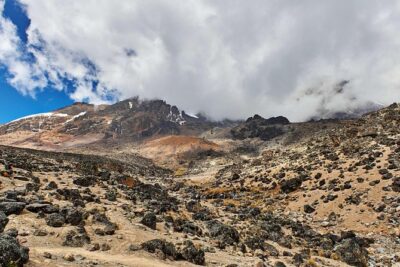 ★ 5.0Kilimanjaro climb, Marangu route (6-day)From $2,90272 reviews
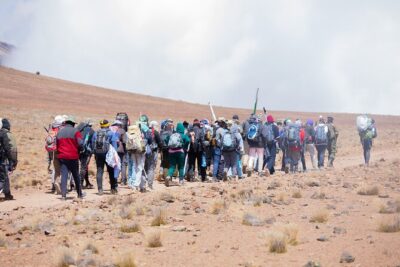 ★ 5.0Climbing Kilimanjaro – Marangu RouteFrom $2,00465 reviews
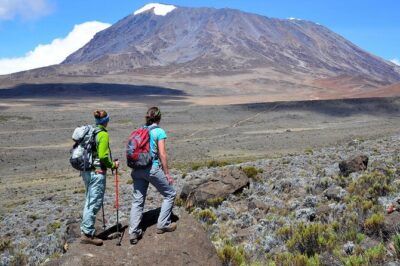 ★ 5.0Private Full Day Hiking Experience to Marangu RouteFrom $26061 reviews
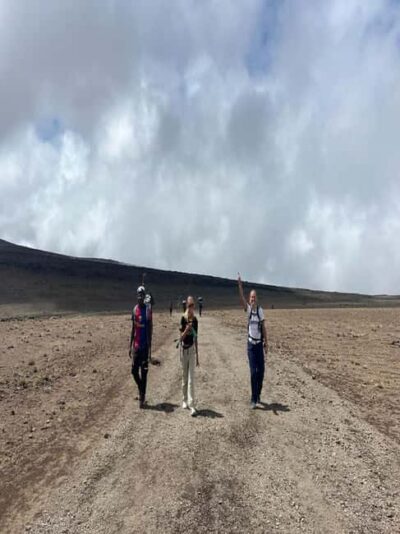 ★ 4.5From Arusha/Moshi: Kilimanjaro Hike Marangu Route Day TripFrom $10154 reviews
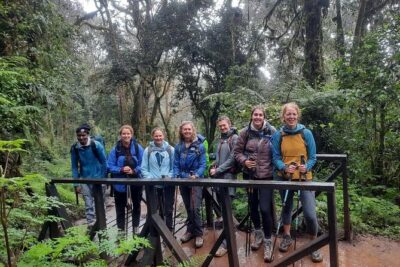 ★ 5.0Mount Kilimanjaro Day Hike Through Marangu Route to Mandara HutFrom $26537 reviews
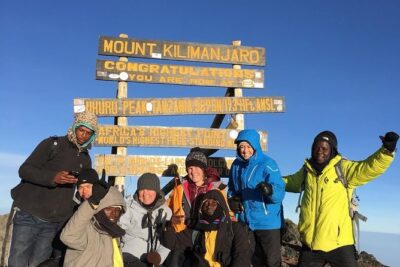 ★ 5.0Kilimanjaro Climbing 5 days Marangu routeFrom $90022 reviews
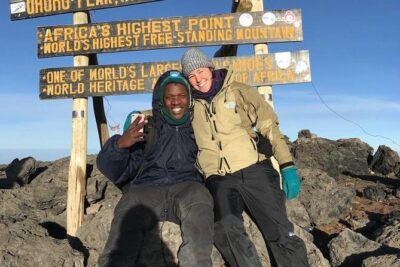 ★ 5.0Best Kilimanjaro Adventures 6 Days Marangu Route ExperienceFrom $1,00018 reviews
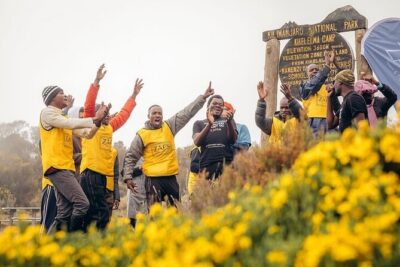 ★ 5.0Kilimanjaro Private Climbing in 6 Days Marangu RouteFrom $2,00016 reviews
Browse the lists this tour appears in