
REVIEW · KILIMANJARO MARANGU ROUTE
Kilimanjaro Climb Marangu Route 6 days
If you want a gentler Kilimanjaro route, Marangu fits. This 6-day hike works you up through rain forest and moorland to the Saddle, then times the summit for a dawn view from Gillman’s Point. I especially like the private group setup and the way your day-to-day needs are managed, from meals to filtered water.
The tradeoff is simple: even on the Marangu route, Day 5 is tough. The summit push starts around midnight, with cold and wind at high altitude, so you need steady pacing and a clear head.
In This Review
- Quick highlights
- Moshi start, and why the Marangu route feels more manageable
- Day 1: Marangu Gate through rainforest to Mandara Hut
- Day 2: Mandara Hut to Horombo Hut, moorland and your first peak glimpses
- Day 3: Acclimatization at Horombo, with Mawenzi Ridge options
- Day 4: The Saddle to Kibo Hut, getting ready for the crater wall
- Day 5: Midnight ascent from Kibo Hut to Uhuru Peak and back to Horombo
- Day 6: Down to Marangu Gate, certificates, and a final rainforest walk
- Price and what you actually get for $2,290 per person
- The crew and hospitality factor you will feel in camp
- Fitness level and how to pace yourself on Marangu
- Who should book this Marangu 6-day climb
- Should you book this climb?
- FAQ
- How long is the Kilimanjaro Marangu route tour?
- Do they pick you up in Moshi?
- What is included in the price?
- What is not included?
- Is this a private group?
- Can I cancel for a full refund?
Quick highlights
- Private tour feel with only your group, plus Moshi pickup so you are not scrambling on arrival
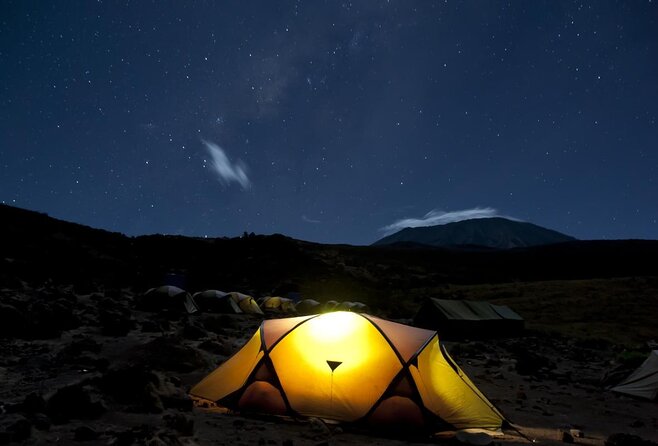
- Filtered water throughout and hot water for washing, which matters more than you think on multi-day treks
- A true acclimatization day on Day 3, with options to explore Mawenzi Ridge at a breathing-friendly pace
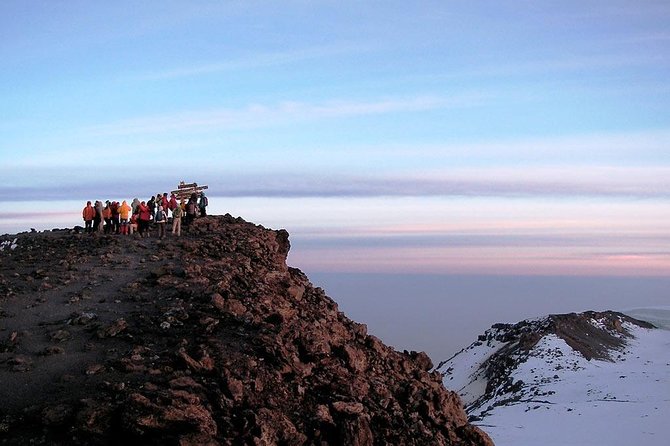
- Big visual payoff at sunrise near Gillman’s Point before the final step to Uhuru Peak
- Marangu’s route style takes you through distinct altitude zones, rain forest to alpine desert
Other ways up Kilimanjaro we reviewed
- Kilimanjaro climb by Lemosho Route (7-day)★ 5.0 · 651 reviews
- Kilimanjaro climb, Machame Route (7-day)★ 5.0 · 262 reviews
- Kilimanjaro Climbing Lemosho Route 8 Days.★ 5.0 · 186 reviews
- Climbing Kilimanjaro – Machame Route★ 5.0 · 170 reviews
Moshi start, and why the Marangu route feels more manageable
Most people sign up for Kilimanjaro because they want the summit, but the day-to-day experience makes or breaks the trip. The Marangu route is often described as gentler, and you can feel that in the pattern of what you hike and where you sleep. You gain altitude steadily, and you move through changing zones in a way that helps you adjust without rushing.
I also like that this route is built for real-world comfort. You get filtered water along the way, and there is hot water for wash, which makes camp life feel human instead of just survival mode. Add the private setup and Moshi pickup, and the start of your climb is less chaotic and more focused.
Day 1: Marangu Gate through rainforest to Mandara Hut
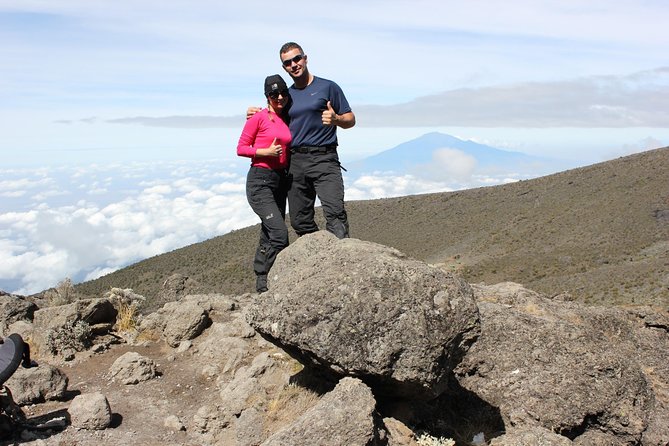
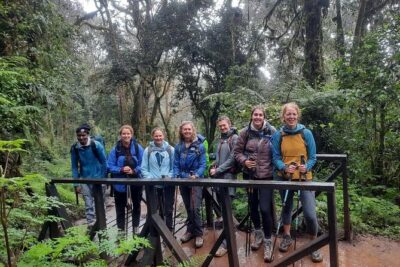
Day 1 begins with the formalities at Kilimanjaro National Park, then you step onto a trail that starts easy and lush. You go up through tropical rain forest, and you’re not just hiking trees. It’s an actual change in mood as the air gets cooler and the trail keeps pulling you upward.
You also get a real chance for wildlife along the upper forest edge. Blue monkeys are a possibility, and even if you don’t spot them, the forest atmosphere is memorable. The walk is about 4 to 5 hours over roughly 5 miles, which is a good “wake up your legs” day.
A small drawback to keep in mind: rainforest days can feel damp and heavy, so your pace should be calm. If you try to force speed early, you’ll pay for it later when the altitude starts stacking up.
Day 2: Mandara Hut to Horombo Hut, moorland and your first peak glimpses
On Day 2 you keep ascending, and the trail gradually shifts from forest to high moorland. This is where the air changes again, and you start seeing more of Kilimanjaro’s big volcanic structure.
You have a long day on paper, about 6 to 8 hours over roughly 7 miles, but it’s broken up by how the terrain “tells” you to slow down. At some point, you may catch your first views of Kibo and Mawenzi, the two main peaks that define the summit area. Even brief views help, because they give you something to look for beyond just the next steps.
One thing I’d watch here is effort control. This is the kind of day where steady hiking beats hero moves. If you keep your breathing under control and stay consistent, your body will thank you on the next days.
Marangu, other operators and other lengths
Day 3: Acclimatization at Horombo, with Mawenzi Ridge options
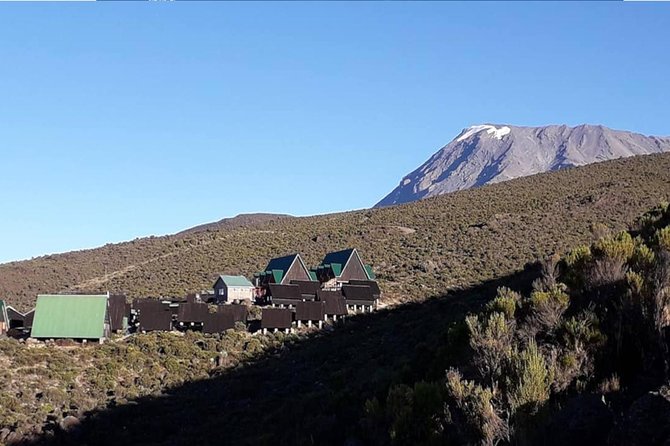
This is a key day, and it’s one of the smartest parts of the Marangu approach. You’re not just resting. Day 3 is designed as an acclimatization day, and you can spend time hiking around Mawenzi Ridge and then heading back to Horombo Hut.
The walk options are shorter, about 2 to 3 hours up to Mawenzi Ridge and then 1 to 2 hours back. That time window matters because it keeps you moving, but it doesn’t overload you. The scenery is also a motivator. Mawenzi Ridge has unique views of both Kibo and Mawenzi, which helps you connect the dots of where you are headed.
I think this is one of the best days for your mindset. If you’re feeling unsure, this is where you practice being disciplined with altitude. You’re training patience, not just legs.
Day 4: The Saddle to Kibo Hut, getting ready for the crater wall
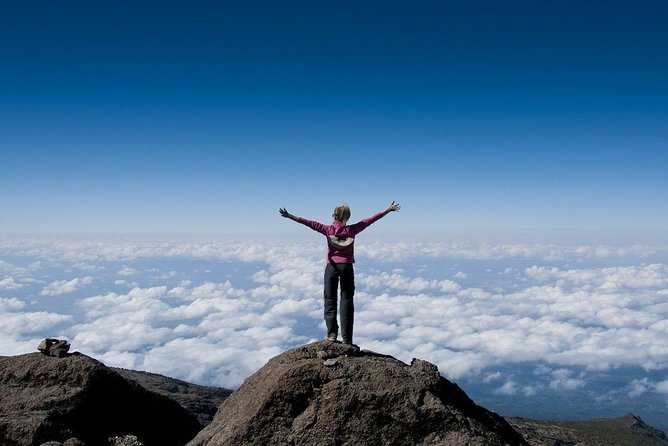
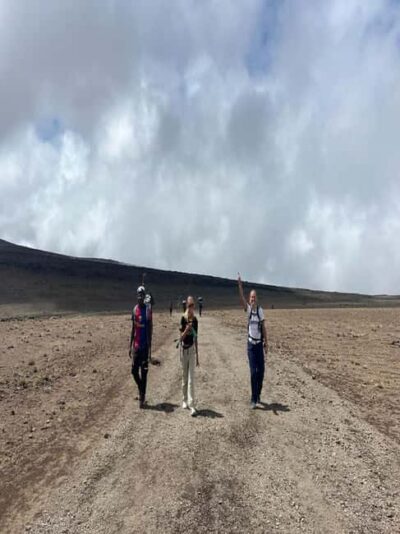
Day 4 is the transition into the higher, drier world. You climb gradually, then cross the “Saddle,” the high-altitude desert separating Mawenzi from Kibo. This area feels more stark and exposed than the earlier days, and that shift usually hits you physically, not just visually.
Your destination is Kibo Hut, sitting at the bottom of the Kibo crater wall. The hike is about 6 to 8 hours, around 6 miles. Once you arrive, you rest, have an early dinner, and prep for the summit attempt. That pre-summit routine is more important than it sounds. When the climb starts in darkness later, you want your body fueled and your mind calm.
A practical note: at this stage, conditions can change quickly, so don’t assume comfort. The higher you go, the more your layers and warmth strategy matter, even if you feel okay at noon.
Day 5: Midnight ascent from Kibo Hut to Uhuru Peak and back to Horombo
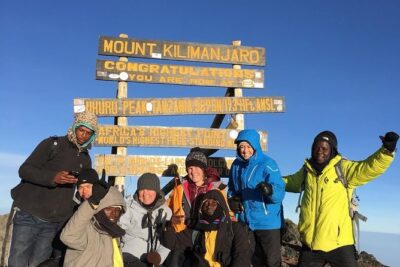
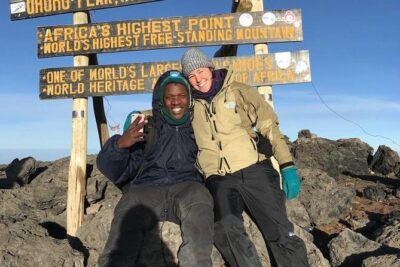
This is the day you came for, and it’s also the day that tests your mental math. You start very early, around midnight, for the summit push to Uhuru Point, the top of Kibo.
The climb from Kibo Hut to Uhuru Peak is about 4 miles and takes roughly 6 to 8 hours. Then you hike back down to Horombo Hut, about 10 miles, roughly 4 to 5 hours. That combination is why the day is exhausting even if you’re strong.
You’ll be hiking in darkness for several hours, taking frequent short breaks. Wind and cold at this elevation and time can be extreme. So think of this as controlled effort in harsh conditions, not a normal hike.
One of the best rewards happens at Gillman’s Point, around 18,600 feet. You can catch the sunrise from there, and it’s described as spectacular because it lights up the view coming over MaRead more is cut off in the text you shared, but the key point is clear: dawn at the crater rim is the big emotional payoff before Uhuru.
Then you still have the final steps above Uhuru. Even after sunrise, your body may feel less cooperative, so keep your focus on the next stretch, not the whole mountain.
Day 6: Down to Marangu Gate, certificates, and a final rainforest walk
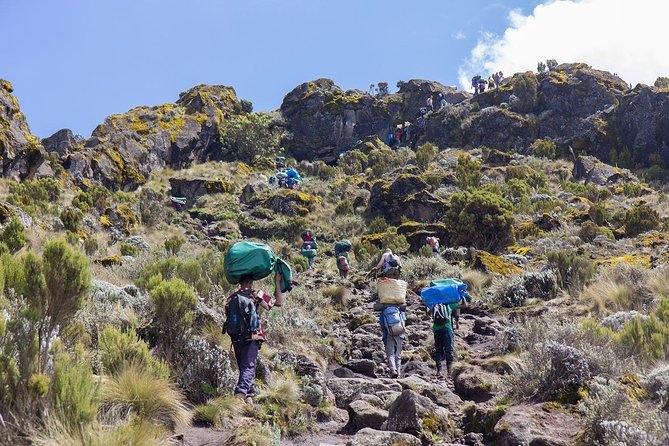
Day 6 is a long downhill finish, mostly through tropical rainforest. That’s a psychological relief after the cold and high altitude work of the summit day. It’s also physically demanding in a different way, because downhill fatigue can be brutal on knees and ankles.
You walk about 12 miles, roughly 5 to 7 hours, from Horombo Hut to Marangu Gate. Once you reach the park headquarters, you collect your summit certificates, then a vehicle meets you and drives you back to your hotel in Moshi.
This is a good day to slow down and take in the fact that you’re leaving the mountain behind. It’s also a great time to notice how much you’ve changed, even if you don’t feel it while you’re climbing.
Price and what you actually get for $2,290 per person
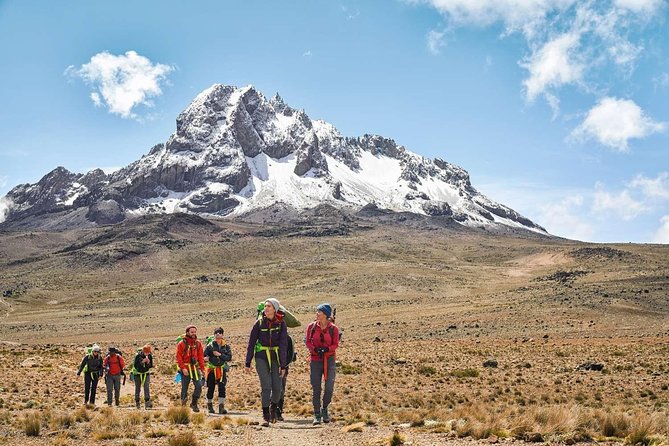
At $2,290 per person, this is not a budget trek. The value comes from what’s bundled and what it avoids.
Included items cover major costs that you otherwise deal with separately: all fees and taxes, private transportation, filtered water throughout, hot water for washing, and your meals across the trek (breakfast and lunch and dinner over the days listed). They also state fair wages for the mountain crew approved by Kilimanjaro National Park Authority, which matters for ethical travel, and it can also mean better support in the field.
The “private transportation” detail is practical. In Tanzania, getting wrong transfers can waste half a day. Pickup offered in Moshi also reduces stress on arrival.
What is not included is equally important for your budgeting. Visas, insurance, and flights are not included, and your personal trekking gear is your responsibility. Alcoholic and non-alcoholic beverages are also not included, so plan for that if you like to unwind with a drink after hikes.
If you’re trying to decide if the price makes sense, I’d compare the included services to what you’d pay for individually. A trek only feels affordable when all the hidden pieces are truly covered.
The crew and hospitality factor you will feel in camp
When people talk about Kilimanjaro, they focus on altitude. I think they should also focus on people. On this climb, the team support shows up in small but meaningful ways, like help with everything so you are not constantly solving problems yourself.
In the feedback you shared, Shungu is named, and the team dynamic comes through. The tone is one of respect, and it’s clear the crew is treated as a real part of the journey rather than a background service. I find that matters on the hard days. When you feel cared for, you can spend your energy on walking, breathing, and staying steady.
The same goes for camp life. Hot water for wash and consistent meals sound basic, but they are morale builders. On a multi-day climb, comfort is not luxury, it’s recovery.
Fitness level and how to pace yourself on Marangu
This trek is described as tough but within the limits of a fit person used to walking in mountain areas. That’s a helpful framing, because it means you are not looking for couch fitness. You need to feel comfortable with prolonged hiking and uphill effort.
The itinerary pacing helps, too. The gradual build through forest to moorland to alpine desert keeps you from jumping altitude too fast. Then the built-in acclimatization day at Horombo is a major plus. Most problems on Kilimanjaro are really problems of rushing, not just toughness.
Your biggest performance factor is how you handle the summit day start. Around midnight, the climb demands patience. Wind and cold can be extreme, so your pace should stay controlled and your breaks should stay short. If you treat it like a long sprint, you’ll burn out early.
Who should book this Marangu 6-day climb
This is a strong match if you want:
- A private experience with pickup from Moshi
- A route that includes a built-in acclimatization day
- A trek where the support system handles details like meals, filtered water, and hot wash water
- A climb aimed at fit walkers who can handle cold, wind, and long summit logistics
It might not be the right fit if you know you struggle with midnight starts or cold, or if you dislike long downhill days at the end. Day 5 and Day 6 are both demanding in their own ways.
Should you book this climb?
If you’re fit and you like the idea of a route with a built-in acclimatization buffer, this Marangu 6-day plan is worth serious consideration. The value feels most solid when you appreciate what’s included, especially filtered water, hot water for wash, meals, and covered park and crew costs.
If you want a smoother experience, choose it. If you’re chasing a purely lightweight adventure with no support, this may feel structured and serious. For most people who want Kilimanjaro without chaos, Marangu hits a good balance of challenge and management.
FAQ
How long is the Kilimanjaro Marangu route tour?
It runs for about 6 days, with specific hiking times each day, starting from Marangu Gate and ending back at Marangu Gate, with a vehicle return to your hotel in Moshi.
Do they pick you up in Moshi?
Yes, pickup is offered, and the tour starts in Moshi Urban, Tanzania.
What is included in the price?
The price includes all fees and taxes, private transportation, filtered water throughout the trek, fair wages for the mountain crew (approved by KINAPA), hot water for wash, and meals including breakfasts, lunches, and dinners listed for the trek.
What is not included?
Visas, insurance, and flights are not included. Personal trekking gear is also not included, along with personal expenses and alcoholic and non-alcoholic beverages.
Is this a private group?
Yes. This is a private tour/activity, and only your group participates.
Can I cancel for a full refund?
Yes. You can cancel up to 24 hours in advance for a full refund. If you cancel less than 24 hours before the start time, the amount paid will not be refunded.
The Marangu Trail
- Kilimanjaro climb, Marangu route (6-day)
★ 5.0 · 72 reviews - Climbing Kilimanjaro – Marangu Route
★ 5.0 · 65 reviews - Best Kilimanjaro Adventures 6 Days Marangu Route Experience
★ 5.0 · 18 reviews - Kilimanjaro Private Climbing in 6 Days Marangu Route
★ 5.0 · 16 reviews - 6 Days Climb Kilimanjaro Through Marangu Route
★ 4.5 · 15 reviews
Kilimanjaro, Route by Route
- Kilimanjaro climb by Lemosho Route (7-day)
★ 5.0 · 651 reviews - Kilimanjaro climb, Machame Route (7-day)
★ 5.0 · 262 reviews - Kilimanjaro Climbing Lemosho Route 8 Days.
★ 5.0 · 186 reviews - Climbing Kilimanjaro – Machame Route
★ 5.0 · 170 reviews - Climbing Kilimanjaro through 7 days Machame Route
★ 5.0 · 151 reviews
Just added from around Moshi

Kilimanjaro Marangu Route, compared.
 ★ 5.0Kilimanjaro climb, Marangu route (6-day)From $2,90272 reviews
 ★ 5.0Climbing Kilimanjaro – Marangu RouteFrom $2,00465 reviews
 ★ 5.0Private Full Day Hiking Experience to Marangu RouteFrom $26061 reviews
 ★ 4.5From Arusha/Moshi: Kilimanjaro Hike Marangu Route Day TripFrom $10154 reviews
 ★ 5.0Mount Kilimanjaro Day Hike Through Marangu Route to Mandara HutFrom $26537 reviews
 ★ 5.0Kilimanjaro Climbing 5 days Marangu routeFrom $90022 reviews
 ★ 5.0Best Kilimanjaro Adventures 6 Days Marangu Route ExperienceFrom $1,00018 reviews
 ★ 5.0Kilimanjaro Private Climbing in 6 Days Marangu RouteFrom $2,00016 reviews
Browse the lists this tour appears in