
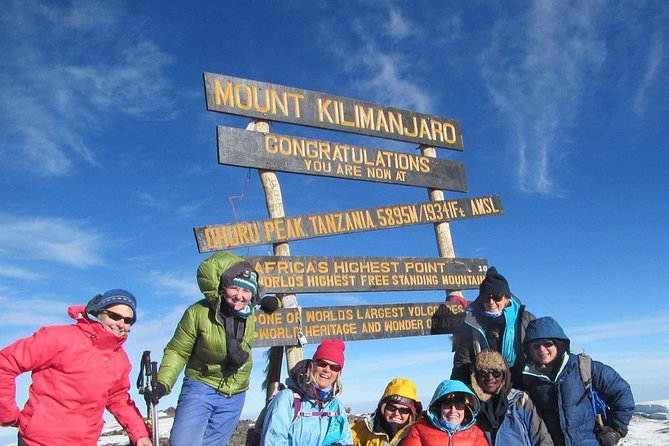
REVIEW · KILIMANJARO LEMOSHO ROUTE
Kilimanjaro Climb- 8 Days Lemosho Route
Kilimanjaro on the Lemosho route feels like time travel. In 8 days, you move from heaths, across alpine meadows, up toward the arctic zone near Uhuru Peak, then come down through rainforest. I love how the scenery changes so often, and I also like that this package takes care of the mountain basics. The main drawback to consider is that this is still a high-altitude commitment, so you should only book if you can handle a steady pace and a long trek.
You start with support in Moshi, with pickup offered and two nights of Bed and Breakfast before you hit the trail. The plan runs with an English-speaking mountain guide, and you get both an emergency first-aid kit and safety tech like an oximeter plus an emergency oxygen cylinder on the mountain. At $2,600 per person, it is premium priced, so it makes most sense if you want fewer unknowns and less gear hassle.
This Lemosho itinerary is built for people who want the most scenic feel on Kilimanjaro, not just the summit checkbox. With a maximum of 20 travelers, you should expect a manageable group size, but it will still feel like a real trekking operation, not a casual hike.
In This Review
- Key things I’d prioritize before you book
- Why Lemosho 8 Days feels so scenic on Kilimanjaro
- What’s included (and why it’s worth real money)
- 8 days, 7 nights: the Lemosho climate-switch rhythm
- Price and logistics: does $2,600 deliver real value?
- The human support side, Kelvin and Joseph
- Packing and fitness: what you should prepare for this exact trip
- Who should choose the Kilimanjaro Lemosho 8-day climb from Moshi?
- Should you book this Sote Tours & Travel Lemosho climb?
- FAQ
- What is included in the tour for the mountain days?
- What is not included that I should plan to bring?
- What time does the climb start?
- Where does the tour begin?
- How long is the trek?
- How big are the groups?
- Is free cancellation available?
Key things I’d prioritize before you book
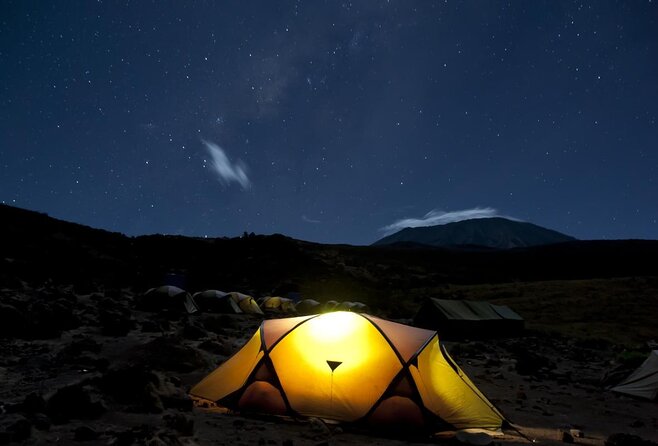
- Scenic climate-by-climate route from heaths to alpine meadows, then the drop into rainforest.
- Safety coverage on the mountain, including an emergency oxygen cylinder and an oximeter.
- Full board meals and drinking water during the climb, plus large portions of healthy food.
- English-speaking mountain guide and included gate transfers to keep your logistics simple.
- Premium structure with mountain tents and sleeping mattress included, but you still bring key gear.
Other ways up Kilimanjaro we reviewed
- Kilimanjaro climb by Lemosho Route (7-day)★ 5.0 · 651 reviews
- Kilimanjaro climb, Machame Route (7-day)★ 5.0 · 262 reviews
- Kilimanjaro Climbing Lemosho Route 8 Days.★ 5.0 · 186 reviews
- Climbing Kilimanjaro – Machame Route★ 5.0 · 170 reviews
Why Lemosho 8 Days feels so scenic on Kilimanjaro
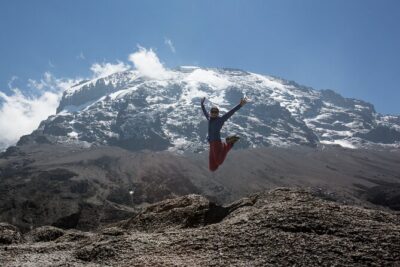
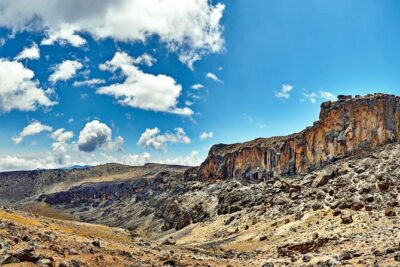
Lemosho is known for variety, and that matters more than people think. You are not walking the same kind of ground hour after hour. You start in heaths, then the route winds across alpine meadows, and later you climb toward the arctic zone near Uhuru Peak. The descent route passes through rainforest, so your body gets a different kind of weather and footing feel compared with the ascent.
That mix can help you mentally. When the views change, the long hours can feel more tolerable, and the trek becomes a story instead of a grind. It also helps with pacing because different zones often come with different trail textures and temperature swings. Even without fancy tech, you notice the change, and it keeps the day-by-day rhythm from feeling monotonous.
One important consideration: the closer you get to the arctic zone near Uhuru Peak, the more you should plan for cold. Cold affects breathing, energy levels, and how quickly you get moving each day. Even if you are well-prepared, the mountain will still test you, especially on the higher sections.
What’s included (and why it’s worth real money)
This tour is not just a guide and a meeting point. It includes a full set of mountain essentials that you would otherwise have to source locally or bring with you.
Here’s what you get that really impacts your comfort:
- Drinking water and full board meals on the mountain
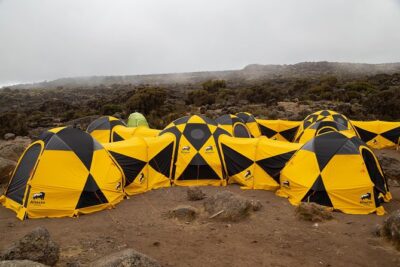
- Mountain tents plus a sleeping mattress
- Emergency first-aid kit
- Emergency oxygen cylinder and an oximeter on the mountain
- Service of an English speaking mountain guide
- Kilimanjaro gate transfers
- All fees and taxes
- Fair and Sustainable Salary for crew as approved by KINAPA
- Large portions of fresh, healthy, nutritious food
Those last two points are easy to overlook when you’re shopping. But they affect how reliably the team shows up, how well they look after your needs, and how smoothly the logistics run. You are buying a system, not just a route.
Also, the oximeter plus oxygen cylinder is a big deal for peace of mind. Nobody climbs Kilimanjaro hoping they need emergency support, but having that equipment on the mountain means your guide team can respond faster if someone shows warning signs. The emergency first-aid kit also adds a layer of preparedness that you cannot replicate on your own.
What is not included is equally important. Your package does not include a Gamow Bag, medication, tips, flights, or visa fees. And you will need to bring personal trekking equipment like sleeping bags, hiking boots, and the right layers.
8 days, 7 nights: the Lemosho climate-switch rhythm
You have 8 days (about) and 7 nights on the trek. The route description gives you the key story beats: heaths at the start, alpine meadows as you rise, the arctic zone near Uhuru Peak later, and a descent through rainforest. Here’s how that usually feels day by day when you think in phases.
Day 1: Moshi to the trail start (morning set up)
Your day begins with a start time around 8:00 am, and pickup is offered. You spend two nights in Moshi Bed and Breakfast before the climb, which usually helps you arrive feeling human, not jet-lagged and frantic. You’ll also have gate-related transfers handled.
Why it matters: you can begin with energy, not stress.
Day 2: Through the heaths
Early in the trek you are working with heaths and the first altitude acclimation phase. Expect cool air and a steady effort. This is the part where good pacing pays off, because you are training your body for higher elevation.
Possible drawback: if you start too fast, you can feel it later.
Day 3: Building altitude and settling into the rhythm
You keep climbing while your breathing changes. The trek is still in the “progress” stage, where you are learning your pace and your group routine. This is also when your sleeping setup matters, because nights at higher elevations can feel colder and tougher to get comfortable in.
What to watch: your water routine. If you fall behind, you will feel it.
Day 4: Entering alpine meadows
As the route winds across alpine meadows, the air often feels drier and the sky can look sharper. Meadows can mean fewer dense-feeling sections and more open views. You’ll likely feel both the altitude and the weather, especially wind.
Why it’s a plus: the views and the change in terrain make the long climb feel more interesting.
Day 5: Higher, colder, and more serious
You’re pushing toward the upper zones where conditions become more demanding. Even with supportive staff and included tents and mattress, your energy management becomes critical. You will need to eat, drink, and move in a way that keeps you steady.
Consideration: cold can slow you down, not just physically but mentally.
Day 6: Toward the arctic zone near Uhuru Peak
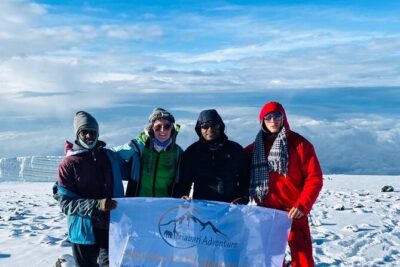
Late in the itinerary you reach the arctic zone near Uhuru Peak. This is the section where the climb turns from “challenging trek” into “serious altitude day.” Expect very low temperatures and a higher risk of feeling drained if you do not keep your rhythm.
This is where the included safety items matter most: emergency oxygen cylinder and an oximeter on the mountain give the guide team tools to monitor and respond.
Day 7: Summit area and the start of your descent
As you move through the Uhuru Peak region and begin your descent, the focus shifts. The trek becomes about getting safely down, managing fatigue, and keeping warm. Descent days can feel tricky too, because your knees and legs take the hit.
What’s reassuring: the route description sets up rainforest descent later, which changes how the day feels.
Day 8: Exiting and returning toward Moshi
You finish your 8-day experience and return toward Moshi for the end of your tour. By this point, you’ll feel relief and exhaustion at the same time. It’s a good idea to plan for recovery time afterward, even if your schedule is packed.
Lemosho itineraries worth reading next
Price and logistics: does $2,600 deliver real value?
$2,600 per person is a premium price, and you should judge it by what you get that is hard to replace.
You are paying for:
- 2 nights of Moshi Bed and Breakfast
- Full board meals and drinking water on the mountain
- Mountain tents and sleeping mattress
- English-speaking mountain guide
- Gate transfers
- All fees and taxes
- Safety support on the mountain (first-aid kit, emergency oxygen cylinder, oximeter)
If you try to recreate those pieces yourself, costs add up fast, and coordination becomes a headache. Even more, safety logistics are not the place to cut corners.
Now, what you still must budget for:
- Flights and visa fees
- Travel or medical insurance (required, and you should ask for recommendations)
- Tips and gratuities
- Medication
- Energy food and extra beverages, plus alcohol and soft drinks
- Personal trekking equipment, including sleeping bags, hiking boots, and clothes
- Gamow Bag (not included)
So here’s the value math in plain terms: if you want a supported climb where your mountain gear and food are already handled, this price can feel fair. If you already own most gear and you are comfortable managing logistics, you might compare other options. But if you want fewer moving parts during a high-altitude climb, paying for the included system is often worth it.
The human support side, Kelvin and Joseph
Good service is hard to fake on Kilimanjaro. The name that shows up in planning is Kelvin, the organizer. One consistent theme from past customer experiences is that Kelvin replies quickly, keeps the planning smooth, and helps people feel ready before they arrive.
There is also a mention of Joseph greeting people at the Kilimanjaro airport. That kind of first contact matters because it sets the tone for the whole trip, especially after long travel days. Another practical point from those experiences: transfers and early arrival handling can go a long way toward keeping your start calm.
While I cannot promise everyone gets the same roles, the pattern points to a company that focuses on responsiveness and real-world coordination. Add in the included English-speaking mountain guide, and you’re not hoping someone speaks your language when altitude gets hard.
Packing and fitness: what you should prepare for this exact trip
This route requires moderate physical fitness. That’s not just a marketing line. Even with tents, mattress, and meals included, you still have to walk uphill for multiple days.
Since the package does not include key gear, make a checklist and don’t assume you can rent everything easily:
- Bring a sleeping bag (not included)
- Bring hiking boots (not included)
- Bring the right clothes and layers for cold, especially as you approach the arctic zone near Uhuru Peak
- Plan on medication you personally use (not included)
- Plan your tips and gratuities budget
- Bring personal energy snacks if you like, since energy food and extra beverages are not included
Also think about your daily habits:
- Eat what they provide, but bring your own backup energy if you know you get picky at altitude.
- Hydrate consistently. Drinking water is included, but you still have to drink it.
- Dress for temperature swings, not just daytime sun.
Who should choose the Kilimanjaro Lemosho 8-day climb from Moshi?
This is a strong fit for you if:
- You want the scenic side of Kilimanjaro, with route variety from heaths to alpine meadows and rainforest descent.
- You want the climb supported with tents, mattress, full board meals, and safety equipment.
- You value an English-speaking guide and clear planning help from the operator.
- You prefer a moderate group size, with a maximum of 20 travelers.
It might be less ideal if:
- You are looking for the cheapest possible way up, since $2,600 is premium.
- You want everything handled including your sleeping bag, boots, and medications, because key items are not included.
- You do not have moderate fitness. Altitude does not care about good intentions.
Should you book this Sote Tours & Travel Lemosho climb?
I would say yes if you match the profile: you want a scenic Lemosho route, you prefer strong logistics, and you are ready to bring personal trekking gear and manage the non-included costs like insurance, visa, and tips.
Book with extra care if you are unsure about your fitness level or if you are not comfortable with cold near the arctic zone. In that case, talk with the operator and be honest about your ability. This is a high-altitude climb, and the best trips happen when expectations and preparation line up.
If you want an 8-day Kilimanjaro experience that spends real time in multiple climates, with oxygen and monitoring support included, this Lemosho option is a solid choice.
FAQ
What is included in the tour for the mountain days?
You get drinking water and full board meals on the mountain, mountain tents, a sleeping mattress, an emergency first-aid kit, an emergency oxygen cylinder, and an oximeter on the mountain. You also get an English speaking mountain guide and Kilimanjaro gate transfers, plus all fees and taxes.
What is not included that I should plan to bring?
You’ll need to arrange flights and visa fees, travel or medical insurance, tips and gratuities, medication, and a Gamow Bag. You also need personal trekking equipment such as sleeping bags, hiking boots, and clothes, plus personal spending money for souvenirs.
What time does the climb start?
The start time is 8:00 am.
Where does the tour begin?
The tour location is Moshi, Tanzania. The tour also includes pickup offered, and you have Kilimanjaro gate transfers.
How long is the trek?
It runs for 8 days (approx.) and includes 7 nights on the mountain.
How big are the groups?
This tour/activity has a maximum of 20 travelers.
Is free cancellation available?
Yes. You can cancel up to 24 hours in advance for a full refund. If you cancel less than 24 hours before the start time, the amount you paid will not be refunded. Weather and minimum traveler requirements can also affect whether the experience runs, with an alternate date or full refund offered.
Lemosho, Compared
- Kilimanjaro climb by Lemosho Route (7-day)
★ 5.0 · 651 reviews - Kilimanjaro Climbing Lemosho Route 8 Days.
★ 5.0 · 186 reviews - Kilimanjaro climb, Lemosho Route (8-day)
★ 5.0 · 148 reviews - Kilimanjaro climb, Lemosho Route (6-day)
★ 5.0 · 129 reviews - Kilimanjaro Lemosho Route
★ 5.0 · 71 reviews
Kilimanjaro, Route by Route
- Kilimanjaro climb by Lemosho Route (7-day)
★ 5.0 · 651 reviews - Kilimanjaro climb, Machame Route (7-day)
★ 5.0 · 262 reviews - Kilimanjaro Climbing Lemosho Route 8 Days.
★ 5.0 · 186 reviews - Climbing Kilimanjaro – Machame Route
★ 5.0 · 170 reviews - Climbing Kilimanjaro through 7 days Machame Route
★ 5.0 · 151 reviews
Just added from around Moshi

Kilimanjaro Lemosho Route, compared.
 ★ 5.0Kilimanjaro climb by Lemosho Route (7-day)From $3,476651 reviews
 ★ 5.08-Day Small-group Lemosho Kilimanjaro Summit TrekkingFrom $2,895186 reviews
 ★ 5.0Kilimanjaro Climbing Lemosho Route 8 Days.From $2,300186 reviews
 ★ 5.0Kilimanjaro climb, Lemosho Route (8-day)From $3,975148 reviews
 ★ 5.0Kilimanjaro climb, Lemosho Route (6-day)From $3,034129 reviews
 ★ 5.0Kilimanjaro Lemosho RouteFrom $2,89071 reviews
 ★ 5.0Private Kilimanjaro Hike 7 Day Lemosho RouteFrom $2,45060 reviews
 ★ 5.0Climbing Kilimanjaro through 8 days Lemosho RouteFrom $2,76052 reviews
Browse the lists this tour appears in