
REVIEW · KILIMANJARO MARANGU ROUTE
Kilimanjaro Climb – 6 Days Marangu Route
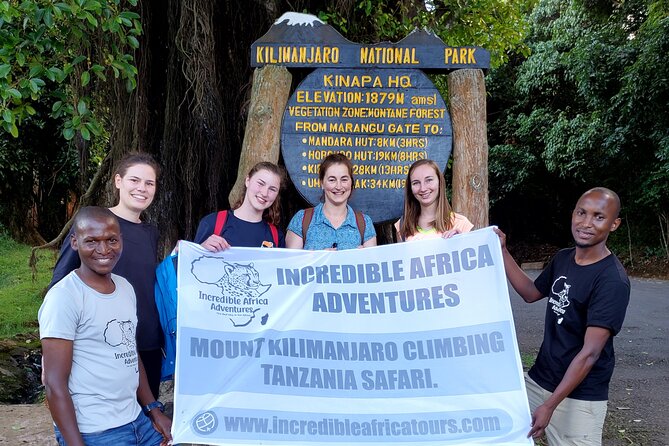
Kilimanjaro gets real fast, even on Marangu. This 6-day Marangu Route from Moshi is popular because it uses permanent sleep huts and hits the mountain in fewer days than many alternatives. I like how the plan is clear and structured, from your first rainforest hike to the steep summit push.
What stands out for me is the support system built into the trip: professional guides, cook and porters, plus oxygen tanks and an ox-meter with emergency first-aid gear. You’ll also get a real acclimatization pause on day 3, not just a rushed grind up the mountain.
The main drawback to consider is that Marangu is shorter and steeper than some other routes, so you have less time to acclimatize, and the shared trail can mean more traffic. If you’re choosing this route because of limited time, go in with patience and take the slow days seriously.
In This Review
- Key Things I’d Plan For
- Coca Cola Route in 6 Days, What That Really Means for Your Body
- Day-by-Day on Marangu, From Rainforest Huts to Uhuru Peak
- Day 1: Marangu Gate to Mandara Huts, rainforest start
- Day 2: Mandara Huts to Horombo Huts, into moorland
- Day 3: Horombo Huts, the acclimatization day that helps
- Day 4: Horombo Huts to Kibo Huts, stepping into desert conditions
- Day 5: Kibo Huts to summit, then down toward Horombo
- Day 6: Horombo Huts to Marangu Gate, final descent and certificate
- Support on the Mountain, Guides, Porters, and That Oxygen Kit
- Food, Sleeping in Huts, and Why Meals Matter at Altitude
- Marangu Route Reality Check: Huts, Traffic, and Acclimatization
- Price and Value at $2,200, What You Get for Your Money
- Who This Marangu Climb Fits Best, and Who Should Think Twice
- Should You Book This 6-Day Marangu Climb?
- FAQ
- How many days is the Kilimanjaro climb on this Marangu route?
- What’s the starting point for the tour?
- What does the price include?
- What meals are included on the mountain?
- Do you get oxygen and emergency equipment?
- Is airport pickup included?
- Is free cancellation available?
Key Things I’d Plan For
- Permanent huts on Marangu make sleeping simpler than tenting routes
- A shorter, steeper profile can mean harder acclimatization
- Same ascent and descent path increases foot traffic, especially near the summit corridor
- Oxygen tanks and ox-meter included for extra safety on summit night
- A full acclimatization day (day 3) gives you time to rest and do short hikes
- Strong team reputation shown through guides like Octavian, plus chef King and guides Alex and Rafael
Other ways up Kilimanjaro we reviewed
- Kilimanjaro climb by Lemosho Route (7-day)★ 5.0 · 651 reviews
- Kilimanjaro climb, Machame Route (7-day)★ 5.0 · 262 reviews
- Kilimanjaro Climbing Lemosho Route 8 Days.★ 5.0 · 186 reviews
- Climbing Kilimanjaro – Machame Route★ 5.0 · 170 reviews
Coca Cola Route in 6 Days, What That Really Means for Your Body
The Marangu Route, often called the Coca Cola route, is the “practical choice” on Kilimanjaro. It’s done in fewer days and uses permanent huts at the campsites, which can feel like a big deal when the weather turns cold and your energy is limited.
But here’s the tradeoff you should respect. Marangu is shorter with a steeper incline and less time for acclimatization, and that typically comes with a lower summit success rate than routes that give you more altitude time. The good news is you still get built-in structure, including a full rest day at Horombo Hut to help your body adjust.
Another detail that affects your hike: Marangu’s ascent and descent are the same route. That means more people moving through the same areas, especially during the summit night window. You don’t need to panic about crowds, but it helps to mentally plan for slower moving trail sections.
Day-by-Day on Marangu, From Rainforest Huts to Uhuru Peak
This climb is set up as 6 days total, with daily hiking windows that range from about 4 to 8 hours, depending on the day. Altitude gains look modest on paper early on, but the steep summit night matters most, because that’s when your body and your pace have to work together.
Day 1: Marangu Gate to Mandara Huts, rainforest start
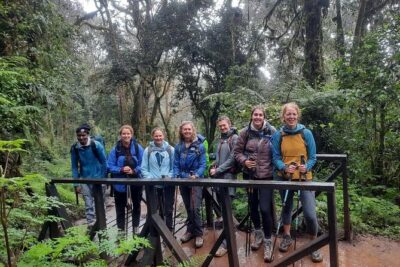
You start at Marangu Gate and trek about 7 km for roughly 4 to 5 hours, gaining around 950 m. The day’s vibe is rainforest, which usually means cooler shade and a wetter feel underfoot.
You’ll sleep at Mandara Hut (2750 m). The early hut stop is useful because it sets your rhythm and gets you off the trail and into camp systems quickly. In practical terms, that means you can focus on hydration and food before fatigue piles up.
Marangu, other operators and other lengths
Day 2: Mandara Huts to Horombo Huts, into moorland
Day 2 is longer: about 11 km, around 5 to 6 hours, with altitude gain of roughly 1030 m. Expect the scenery to shift into moorland, and the air tends to feel thinner as you climb.
You overnight at Horombo Hut (3780 m). This is where the day-to-day pacing matters most. If you go out too fast, you’ll feel it later, especially when you keep rising without a long break.
Day 3: Horombo Huts, the acclimatization day that helps
Instead of pushing higher immediately, you get a full day at Horombo. This is where you truly work on acclimatization, with rest time plus guided short hikes to help your body adapt.
Even though you’re not hiking all day, this day is not a free day. The point is to get moving at altitude while still giving yourself enough recovery to handle day 4 and the summit night.
Day 4: Horombo Huts to Kibo Huts, stepping into desert conditions
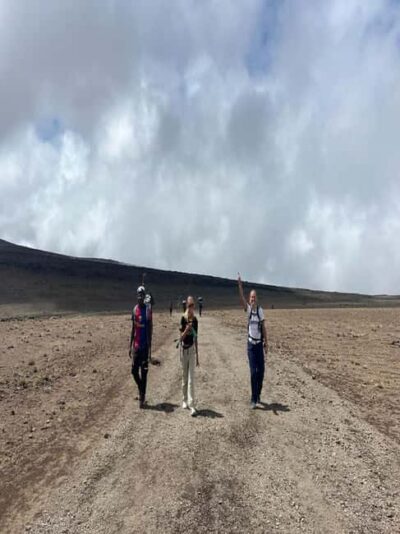
Day 4 brings another climb: about 12 km in 5 to 6 hours, gaining around 920 m. The route transitions into the desert zone, which often feels harsher because the air gets drier and winds can be more noticeable.
You sleep at Kibo Hut (4700 m). Kibo is where summit readiness becomes real. Your job at this stage is to protect energy, follow your guide’s pacing, and keep your intake steady.
Day 5: Kibo Huts to summit, then down toward Horombo
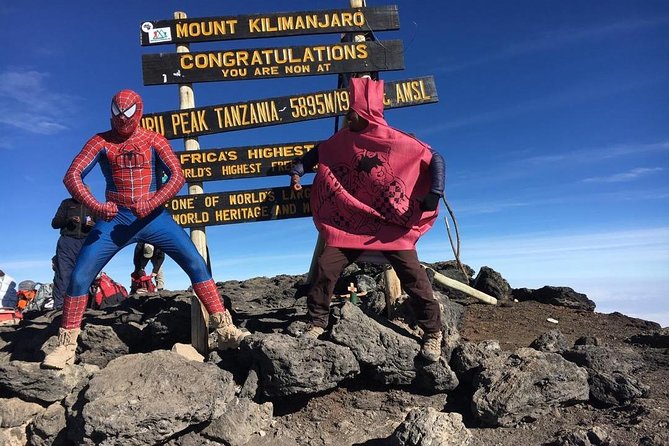
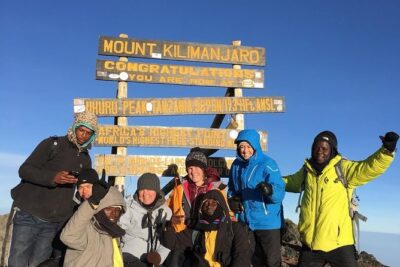
Summit night is the make-or-break segment. The climb includes a steep section from Kibo Hut, passing Gilman’s Point before continuing on to Uhuru Peak. Trek time for the summit portion is listed as 6 to 8 hours for the up-and-through section, covering about 7 km with altitude gain of 1145 m.
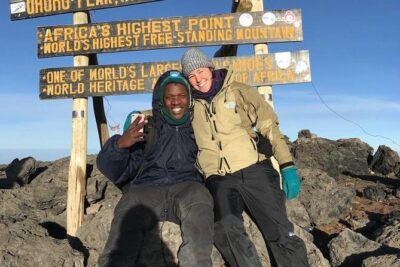
After reaching the Roof of Africa, the plan includes a descent that takes about 5 to 6 hours, covering 12 km with an altitude loss of 2175 m. That big drop is why you still feel rough even after the summit, because gravity helps, but your legs are already tired.
This is also where the included portable oxygen tanks and the ox-meter can matter. They don’t remove the mountain’s difficulty, but they give your team tools to respond if breathing becomes a major issue.
Day 6: Horombo Huts to Marangu Gate, final descent and certificate
On day 6 you trek back down from Horombo to Marangu Gate. It’s listed as 5 to 7 hours, 18 km, with altitude loss of 1878 m.
You’ll get your Kilimanjaro summit certificate at Marangu Gate, then transfer back to your hotel in Moshi or Arusha. This final day is about finishing strong, not speed. Your body will feel the previous days, so choose a steady, controlled pace and let the day end when it ends.
Support on the Mountain, Guides, Porters, and That Oxygen Kit
One of the best parts of this trip is how seriously the operator treats the human side of the climb. You get professional mountain guides, a cook and porters, plus added safety gear: portable oxygen tanks, an ox-meter, and an emergency first-aid kit.
Those details matter because summit night is not only physical. It’s decision-making at altitude: pace control, staying warm, managing effort, and watching for symptoms that mean you should slow down. Oxygen and monitoring tools can’t guarantee a summit, but they do show the team is prepared for real conditions.
The review notes also underline how much the leadership focuses on people and responsiveness. Names that come up for Incredible Africa Adventures include Octavian as a key person, and guides such as Alex and Rafael plus Nelson and Peter on other active trips. A chef named King is highlighted for keeping the kitchen running well and meals consistent throughout the climb.
For you, that translates to a simpler experience: you’re not just buying a route and hoping for the best. You’re working with a team that knows what to do when things change.
Food, Sleeping in Huts, and Why Meals Matter at Altitude
On Kilimanjaro, food isn’t just comfort. It’s fuel for cold mornings, altitude recovery, and keeping your energy stable during long hiking windows.
This itinerary includes 3 hot meals daily while on the mountain. That’s a big quality-of-life item because day 5 and day 6 can be draining, and hot food helps your system recover when temperatures drop.
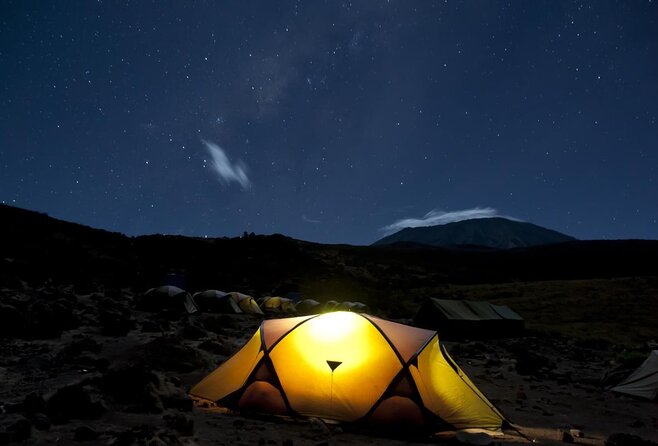
You also stay in accommodations during the trip, with permanent sleep huts at the campsites. Hut sleeping is often easier to manage than tenting because it reduces set-up and tear-down stress, and it usually means you can focus more on warming up and resting.
One more subtle benefit: when you know your overnight setup is predictable, you can spend your mental energy on pacing and hydration. I’d rather have less uncertainty about sleeping and more attention on the summit night plan.
Marangu Route Reality Check: Huts, Traffic, and Acclimatization
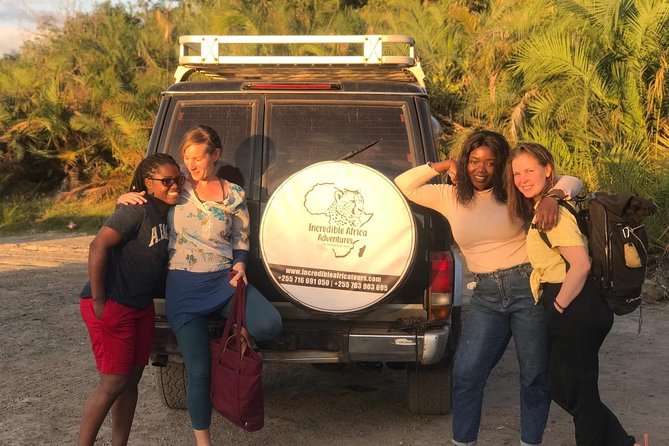
If you choose Marangu because you have limited time, that can be smart. The route is popular for a reason: permanent huts, fewer days, and a clear step-by-step climb.
Just don’t ignore what the route design asks of you. Because Marangu is shorter and steeper than some other routes, your body has less time to adjust, and the climb can feel harder as altitude accumulates. The full acclimatization day at Horombo helps, but it won’t turn the route into a slow altitude course.
The same route for ascent and descent also increases traffic. That can mean slower walking in certain segments and more people on the same schedule, particularly around summit night timing.
My practical advice: use the quiet moments to recover. Don’t treat day 3 as a sightseeing day. Take the rest seriously, follow the short hike guidance, and keep your effort controlled during the earlier ascent days.
Price and Value at $2,200, What You Get for Your Money
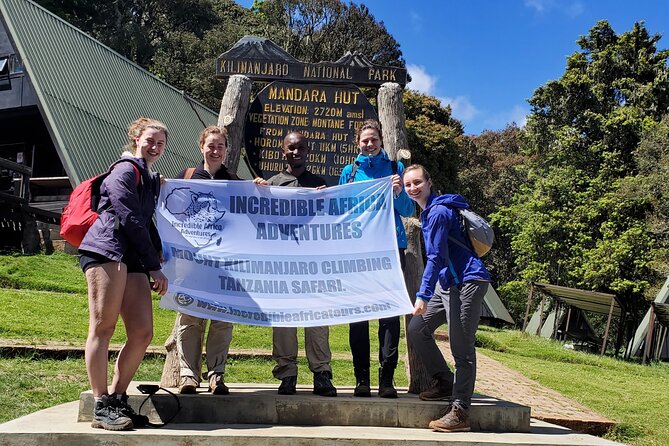
At $2,200 per person, this is not a cheap add-on. But the value story here is in what’s included for the mountain itself.
Included costs and services are solid and specific:
- Private transport to and from Kilimanjaro Airport
- Accommodations
- Park fees and all taxes
- 3 hot meals daily on the mountain
- Professional guides, cook, and porters
- Portable oxygen tanks, ox-meter, and emergency first-aid kit
What you pay separately:
- Lunches, dinners, and drinks at your hotel before and after the climb
- Travel insurance
- Personal items and toiletries
- Tips for guides, porters, and cook
So the real question is whether the package reduces uncertainty and risk. For a climb like Kilimanjaro, paying for guides, park logistics, and safety gear makes sense. It also protects your time, since you’re met at the airport and moved into hotel lodging, then briefed and checked for gear with help on equipment needs.
Also, this trip is booked about 18 days in advance on average. That suggests many people plan ahead and lock in a schedule instead of waiting until the last minute, which is often a good move for a mountain trip.
Who This Marangu Climb Fits Best, and Who Should Think Twice
This climb is listed for travelers with strong physical fitness. If you like structure, predictable daily hut stops, and a route that’s designed for people with limited time, Marangu can be a great fit.
It’s also a strong match if you want a private tour/activity, meaning you’ll hike with your group only. That matters because it changes the vibe from crowds and bottlenecks to your group’s pace and your guide’s attention.
Here’s who should think twice. If your primary goal is maximizing your acclimatization time, Marangu’s shorter, steeper profile is a consideration. If you’re very sensitive to altitude, you may want to compare how much your body needs time to adjust, because day 3 helps but the route overall gives less altitude buffering than some longer options.
If you’re the kind of person who can listen to instructions, slow down when told, and keep eating and drinking when you do not feel like it, you’ll likely enjoy this trip more.
Should You Book This 6-Day Marangu Climb?
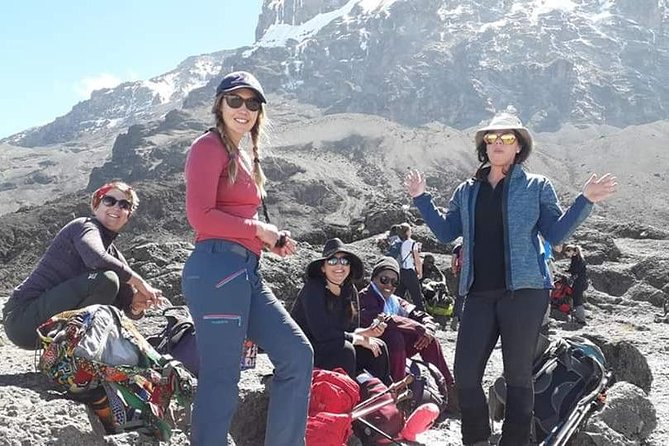
I’d book this tour if you want a clear six-day plan, permanent huts, and a team that brings safety tools like oxygen tanks and an ox-meter. The focus on guides, cook, and porters, plus the consistent emphasis on care in the trip experiences tied to Octavian, Alex, Rafael, Nelson, Peter, and chef King, makes this feel like a people-first operation.
I wouldn’t book it if your timeline allows more acclimatization time and you strongly prefer routes that stretch the altitude exposure out. Marangu’s speed is the point, but it’s also the risk. If you’re choosing it for limited time, commit to the pacing rules and take day 3 seriously.
If you can handle a steep summit night and you’re ready for cold, long walking days, this is one of the most practical ways to climb Kilimanjaro.
FAQ
How many days is the Kilimanjaro climb on this Marangu route?
It’s a 6-day climb, with daily trekking and an overnight stay at huts at the designated altitude stops.
What’s the starting point for the tour?
The tour starts at Kilimanjaro Airport, and the climb runs inside Kilimanjaro National Park in Tanzania.
What does the price include?
The price includes private transport to and from Kilimanjaro Airport, accommodations, park fees and all taxes, 3 hot meals daily while on the mountain, professional mountain guides, cook and porters, and portable oxygen tanks plus an ox-meter and emergency first-aid kit.
What meals are included on the mountain?
You get 3 hot meals daily while on the mountain. Lunches, dinners, and drinks at your hotel before and after the climb are not included.
Do you get oxygen and emergency equipment?
Yes. The trip includes portable oxygen tanks, an ox-meter, and an emergency first-aid kit.
Is airport pickup included?
Yes. Private transport to and from Kilimanjaro Airport is included, and pickup is offered.
Is free cancellation available?
Yes, the experience offers free cancellation. You can cancel up to 24 hours in advance for a full refund, with local time cut-offs, and weather conditions can also affect scheduling.
The Marangu Trail
- Kilimanjaro climb, Marangu route (6-day)
★ 5.0 · 72 reviews - Climbing Kilimanjaro – Marangu Route
★ 5.0 · 65 reviews - Best Kilimanjaro Adventures 6 Days Marangu Route Experience
★ 5.0 · 18 reviews - Kilimanjaro Private Climbing in 6 Days Marangu Route
★ 5.0 · 16 reviews - 6 Days Climb Kilimanjaro Through Marangu Route
★ 4.5 · 15 reviews
Kilimanjaro, Route by Route
- Kilimanjaro climb by Lemosho Route (7-day)
★ 5.0 · 651 reviews - Kilimanjaro climb, Machame Route (7-day)
★ 5.0 · 262 reviews - Kilimanjaro Climbing Lemosho Route 8 Days.
★ 5.0 · 186 reviews - Climbing Kilimanjaro – Machame Route
★ 5.0 · 170 reviews - Climbing Kilimanjaro through 7 days Machame Route
★ 5.0 · 151 reviews
Just added from around Moshi
Kilimanjaro Marangu Route, compared.
 ★ 5.0Kilimanjaro climb, Marangu route (6-day)From $2,90272 reviews
 ★ 5.0Climbing Kilimanjaro – Marangu RouteFrom $2,00465 reviews
 ★ 5.0Private Full Day Hiking Experience to Marangu RouteFrom $26061 reviews
 ★ 4.5From Arusha/Moshi: Kilimanjaro Hike Marangu Route Day TripFrom $10154 reviews
 ★ 5.0Mount Kilimanjaro Day Hike Through Marangu Route to Mandara HutFrom $26537 reviews
 ★ 5.0Kilimanjaro Climbing 5 days Marangu routeFrom $90022 reviews
 ★ 5.0Best Kilimanjaro Adventures 6 Days Marangu Route ExperienceFrom $1,00018 reviews
 ★ 5.0Kilimanjaro Private Climbing in 6 Days Marangu RouteFrom $2,00016 reviews
Browse the lists this tour appears in