
REVIEW · KILIMANJARO LEMOSHO ROUTE
Climb Kilimanjaro in 8 Days via Lemosho Route
Kilimanjaro is a long game, not a sprint. The 8-day Lemosho route is built for a slower, steadier climb, so you can acclimatize and spend real time in the changing zones of the mountain. I also like that the route stays focused on the essentials, from registration at Londorossi Gate through to the final rainforest walk out.
What really wins me over is the human side: the guides and porters. Names that have come up repeatedly in this operator’s orbit include Jackson, with guides such as Efatha and Sebastian, plus Elissafi and Kenny, described as kind, professional, and genuinely supportive when altitude starts to play mind games.
The main consideration is also the big one: you are camping for multiple nights on a 13-hour summit push day, so you’ll need solid fitness and good gear habits, even though the tour provides the heavy camping basics. Also, tips and personal items are not included, so plan for that early.
In This Review
- Key highlights worth knowing
- The Lemosho route makes sense for an 8-day climb
- Price and logistics at a glance, including what you might forget
- Day 1 in Moshi: registration at Londorossi Gate, then Big Tree Camp
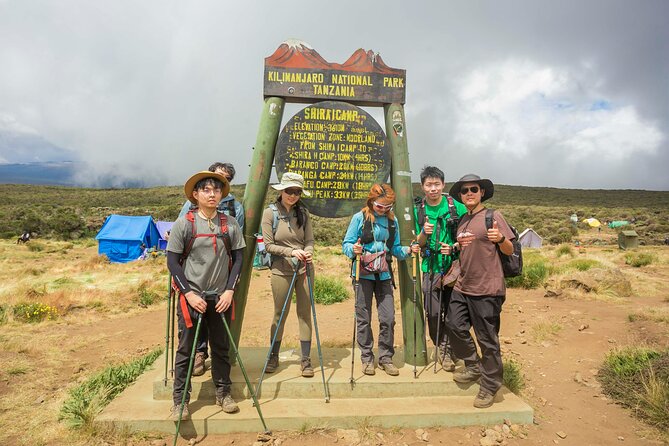
- Day 2: rainforest to Shira Camp 1, and the first real acclimatization step
- Day 3: Shira Plateau views, shorter hiking for adjustment
- Day 4: cross the Shira Plateau, aim for Lava Tower junction, then Barranco Camp
- Day 5: Barranco Wall climb, Karanga Camp, and glacier views
- Day 6: alpine desert to Barafu Camp, Mawenzi and summit ridge ahead
- Day 7: the long summit day, Stella Point at sunrise, Uhuru Peak, then down to Mweka Camp
- Day 8: rainforest descent to Mweka Gate, farewell crew, then back to Moshi
- What’s included, what’s not, and the gear lesson
- How the crew experience shows up on the trail
- Who should book this Lemosho 8-day climb
- Should you book Bush Lion Trekking and Tours for Lemosho in 8 days?
- FAQ
- What is the duration of the Kilimanjaro Lemosho route tour?
- Where does the tour start and what time does it begin?
- Is pickup included, and are airport transfers included?
- What is included in the tour price for the trek?
- What is not included?
- Is this climb meant for people with what fitness level?
Key highlights worth knowing
- Gradual acclimatization on an 8-day Lemosho schedule, moving through rainforest, heath zone, then alpine desert.
- Crew support that stands out, with guides and porters described as encouraging and dependable, including hot drinks and cheerful service in camp.
- Summit day timing built around sunrise, starting early to reach Stella Point at dawn before going on to Uhuru Peak.
- You get the full camping setup, including tents, sleeping bags, sleeping mats, and safety gear such as oxygen tanks and first aid kits.
- Small group size, with a maximum of 10 travelers, which usually means a calmer, less chaotic trek.
- Value-focused inclusions, from park fees and permits to all meals during the trek and a Kilimanjaro summit certificate.
Other ways up Kilimanjaro we reviewed
- Kilimanjaro climb by Lemosho Route (7-day)★ 5.0 · 651 reviews
- Kilimanjaro climb, Machame Route (7-day)★ 5.0 · 262 reviews
- Kilimanjaro Climbing Lemosho Route 8 Days.★ 5.0 · 186 reviews
- Climbing Kilimanjaro – Machame Route★ 5.0 · 170 reviews
The Lemosho route makes sense for an 8-day climb
If you want a Kilimanjaro climb that feels paced, not panicked, Lemosho is a strong match. The route is marketed with a high success rate, and the reason is simple: you gain altitude more gradually, with built-in days and shorter hiking on key dates so your body has time to adjust.
The big practical win for you is what the itinerary does with time. You’re not just marching from camp to camp. You’re spending days in different terrain types, which helps mentally too. One day you’re in rainforest, another you’re in the heath zone, then you move toward the alpine desert feel as you approach the higher camps.
One more thing I appreciate, especially if you’re cost-conscious, is that the tour is priced as a full package. At $2,500 per person, you’re paying for more than a guide. You’re paying for park fees, permits, transportation to trail access points, and the camping and meal setup that makes an 8-day trek realistic.
Price and logistics at a glance, including what you might forget
At $2,500 per person for an 8-day Kilimanjaro climb from Moshi, the value comes from the inclusions. You get airport transfers, transportation to and from the trailhead, meals every day during the trek, and park fees and permits handled for you.
Also included is the stuff people often underestimate. You’re provided camping equipment like tents, sleeping bags, and sleeping mats, plus safety gear such as oxygen tanks and first aid kits. That matters because on Kilimanjaro, “I’ll just buy it later” becomes expensive fast.
The common budget surprises are not in the climb price: international flights to Tanzania, travel insurance, personal gear (boots, layers, daypack), and tips for guides, porters, and other staff. Alcohol and personal expenses are also on you. Build a small buffer so you don’t get hit at the end when you’re tired and ready to celebrate.
Day 1 in Moshi: registration at Londorossi Gate, then Big Tree Camp
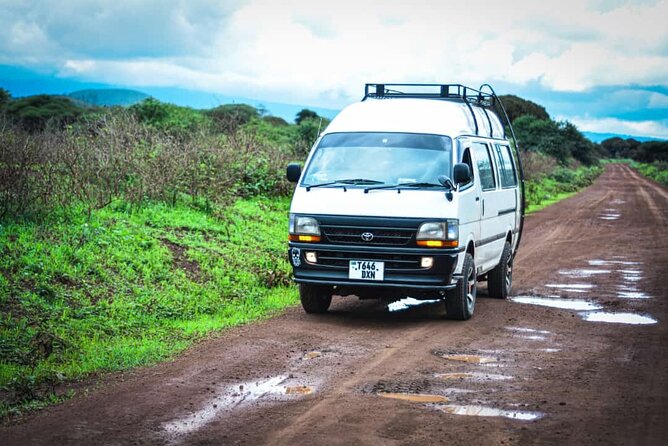
Your trip starts in Moshi after breakfast, with pickup and then a drive to Londorossi Gate for registration. From there, you transfer to the Lemosho trailhead and get your first rainforest walk.
This is a shorter first day, around 4 hours, and that’s the point. You’re easing into the rhythm: gradual movement, feeling the air change, and getting used to how trekking feels with your pack, even when the climb hasn’t turned serious yet. You end at Big Tree Camp, your first basecamp setup.
If you’re arriving with travel stiffness in your legs, this day is a blessing. Take it easy. This is not the day to test your limits. It’s the day to learn how your body responds to walking at altitude-adjacent beginnings.
Lemosho itineraries worth reading next
Day 2: rainforest to Shira Camp 1, and the first real acclimatization step
Day 2 continues through rainforest and gradually steepens. You move into the heath zone, then reach Shira Camp 1 for overnight. The hiking time is listed as about 5 hours.
Even though it’s not an extreme hike on paper, you’ll feel the mountain start to press. This is where I’d focus on simple habits: steady pace, steady breathing, and no heroic bursts. The itinerary’s structure matters here, because you are not expected to fully brute-force your way up.
You’ll sleep at Shira Camp 1, which sets you up for the next day’s acclimatization-focused schedule. Think of this as day two training for your summit mind: calm body, calm pace.
Day 3: Shira Plateau views, shorter hiking for adjustment
Day 3 is relatively short, about 5 hours, and that’s not an accident. The trail ascends toward the Shira Plateau, with standout views of the mountain and the surrounding terrain.
The acclimatization angle is the key. A shorter day gives you a chance to settle your breathing and reduce the “too fast, too soon” problem. You also get a payoff that’s easy to remember: the plateau perspective makes Kilimanjaro feel huge in the best way, like you’re really inside the mountain’s story.
If you’re the type who wants to stop taking photos and start feeling confident, this is the day. You’re still climbing, but you’re not getting punished for trying to enjoy the views.
Day 4: cross the Shira Plateau, aim for Lava Tower junction, then Barranco Camp
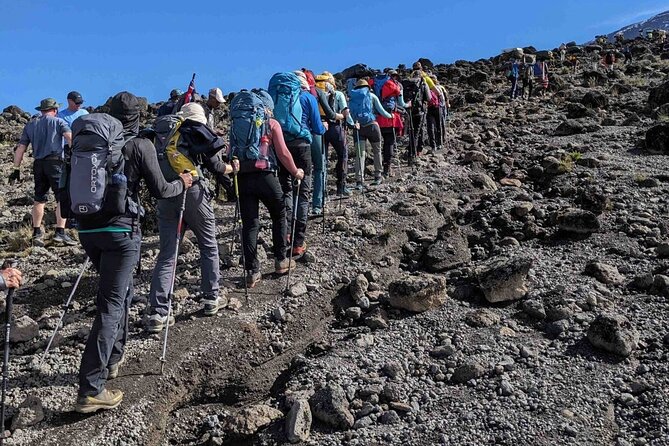
Day 4 moves from the Shira Plateau to the junction that leads toward Lava Tower, then you stop to acclimatize before descending to Barranco Camp via Barranco Wall. Total hiking is about 7 hours.
This day is important because it’s where the terrain starts to feel more varied and a bit more dramatic. The plateau crossing can be mentally tiring if you’re anxious. But the payoff is that you earn your descent with a meaningful change in scenery.
Barranco Camp is also a confidence builder. That descent is scenic and structured, not random. It helps you understand the rhythm of the climb: climb, rest, adjust, then reposition again.
Day 5: Barranco Wall climb, Karanga Camp, and glacier views
On Day 5, you climb Barranco Wall first. It’s described as easier than it looks, which is helpful because the “looks” can scare you before you’re even moving. After that, you trek through valleys and ridges to Karanga Camp, about 5 hours total.
This day also gets a big visual moment: great views of the southern glacier of Kibo. That’s one of those Kilimanjaro images you’ll remember long after your boots are back in the closet.
I’d use this day to lock in your pacing. Glacier spotting can distract you, and distraction is fine, but don’t let it turn into slow-motion fatigue. Keep moving smoothly, and let the crew handle camp logistics.
Day 6: alpine desert to Barafu Camp, Mawenzi and summit ridge ahead
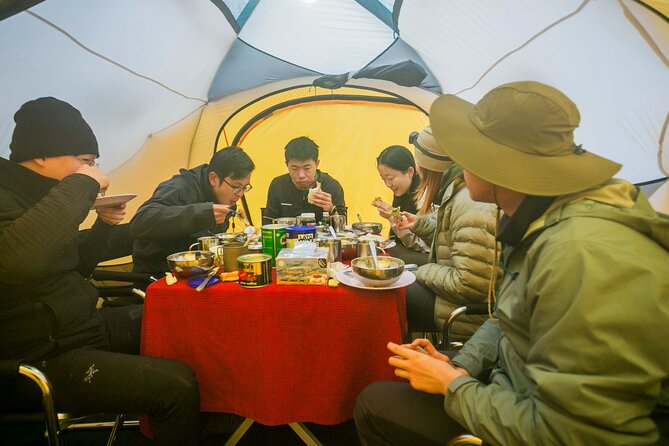
Day 6 is the shift into the higher feel of the mountain. You trek through alpine desert terrain toward Barafu Camp, around 4 hours.
Barafu is a special camp because it’s basically the staging area for the summit attempt. You rest and prepare, and you get spectacular views of Mawenzi and the summit ridge.
This day is about discipline. Eat what you’re given, hydrate, and don’t overdo it. If you’re tempted to “feel ready” by hiking more than planned, resist that urge. The summit works best when you conserve energy for the night push.
Day 7: the long summit day, Stella Point at sunrise, Uhuru Peak, then down to Mweka Camp
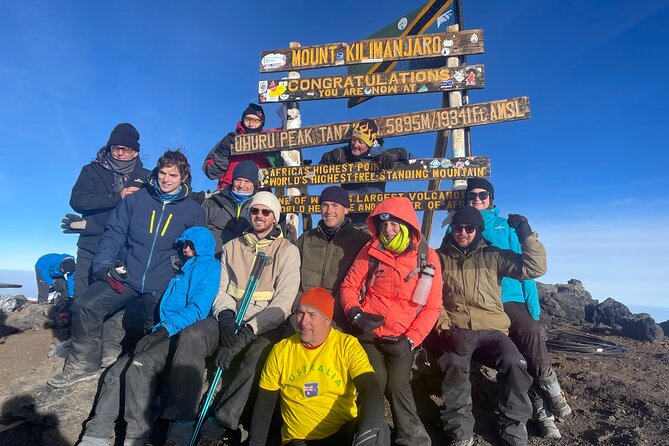
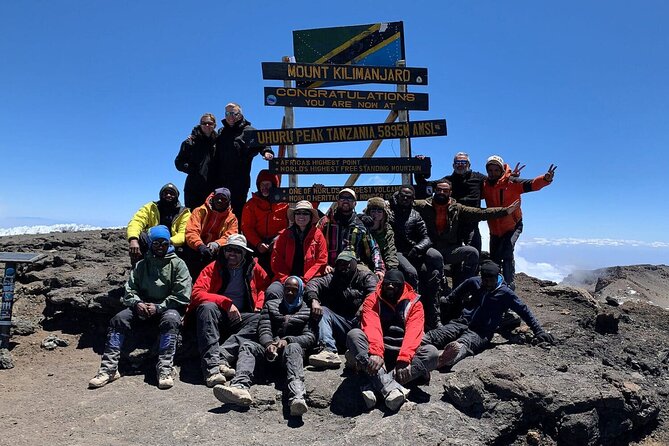
Day 7 is the giant day, listed at about 13 hours. You start in the early hours and head up toward Stella Point. The goal is to reach Stella at sunrise, then continue to Uhuru Peak, the highest point in Africa.
This is where the mountain tests the most. No matter how fit you are, altitude and cold and slow steps all stack together. The route helps you get here with a solid baseline of acclimatization, but you still need grit.
After Uhuru Peak, you descend back to Barafu Camp for a short rest, then continue down to Mweka Camp for overnight.
If you’re worried about whether you can handle the time on your feet, here’s the honest angle: this is long. But the structure helps, especially because you’re moving between known camps, with a plan that doesn’t throw you into chaos.
Day 8: rainforest descent to Mweka Gate, farewell crew, then back to Moshi
Day 8 is your finish. The itinerary calls for descent through rainforest to Mweka Gate. Hiking time is about 5 hours, followed by transfer back to your hotel in Moshi.
Saying goodbye to your mountain crew is part of the emotional payoff. After eight days, your relationship with your guides and porters becomes personal, not transactional. This is also the day where you feel the contrast most: the summit was harsh, and the rainforest descent can feel strangely gentle.
Once you’re back in Moshi, you can finally switch out of “climb mode” and into “celebration mode.” And you’ll have the Kilimanjaro summit certificate included as part of the experience.
What’s included, what’s not, and the gear lesson
Here’s the practical breakdown of what this trek includes based on the tour package.
Included for you:
- Park fees and permits
- Experienced guides and porters
- Clean drinking water during the trek
- Tents and camping gear, including sleeping bags and sleeping mats
- Safety equipment such as oxygen tanks and first aid kits
- All meals during the climb (breakfast, lunch, dinner for each trekking day)
- Kilimanjaro summit certificate
- Transportation between Moshi, trailhead areas, and airport transfer support
- Pre-climb briefing and orientation
- Group size up to 10 travelers
Not included:
- International flights to Tanzania
- Travel insurance (medical, evacuation, trip cancellation)
- Personal gear (boots, clothing layers, daypack, and similar)
- Tips for guides, porters, and other staff
- Alcohol and personal expenses
- Any optional add-ons before or after the climb
My gear lesson for you: even when tents and sleeping gear are provided, your personal comfort still depends on your layers, socks, and boots. Bring what you can walk all day in. If you are hoping to “wing it” with new boots during training, don’t. New boots are a common way to turn a summit story into a sore-foot story.
How the crew experience shows up on the trail
One theme that keeps repeating in how this company is described is the tone of the team. Guides such as Jackson have been paired with crews that also include guides like Efatha and Sebastian, and others like Elissafi and Kenny. The consistent message is supportive guidance, not just navigation.
You’ll also see focus on camp comfort. Meals are described as delicious, balanced, and varied day to day. There’s even mention of hot drinks being ready in the tent, which sounds small until you’ve been cold and your body just wants warmth.
What that means for you: the climb is hard enough without adding stress. When camp systems run smoothly, you can sleep better. When you sleep better, you wake up better. That’s how you get to the top with less drama.
Who should book this Lemosho 8-day climb
This is a good fit if:
- You want the gradual acclimatization style of Lemosho rather than a compressed schedule
- You like a structured plan with known camps and a clear summit day rhythm
- You’re comfortable camping and walking for long stretches, especially on the summit day
- You prefer a small group (maximum 10 travelers)
It may be less ideal if:
- You’re expecting a hotel-style trip (this is tent camping)
- You have limited fitness for a 13-hour day
- You don’t want to plan around cold, altitude, and personal gear costs beyond the package
The tour is described as suitable for travelers with moderate physical fitness. If you can hike steadily and you train beforehand, you’ll be happier once the pace slows and the altitude rises.
Should you book Bush Lion Trekking and Tours for Lemosho in 8 days?
If you want a value-forward Kilimanjaro package that handles the big logistics and gives you strong support through the long summit day, I’d seriously consider it. The combination of included park permits, camping gear, meals, guides and porters, and safety equipment reduces the number of moving parts you have to manage alone.
Also, Lemosho’s schedule is the kind of decision you’ll thank yourself for later. The route moves through multiple terrain zones and includes days designed around acclimatization, which is exactly what you want when the mountain is doing the heavy lifting.
My final advice is simple: if you’re willing to train a bit, pack smart, and accept that tips and personal gear are your responsibility, this is the kind of climb that can deliver both the challenge and the memories. Book it when you’re ready to put in the work, then let the crew handle the mountain mechanics.
FAQ
What is the duration of the Kilimanjaro Lemosho route tour?
The tour is listed as 8 days (approx.).
Where does the tour start and what time does it begin?
It starts in Moshi, and the meeting time is 8:00 am.
Is pickup included, and are airport transfers included?
Airport transfers to and from Kilimanjaro International Airport are included, and pickup is offered.
What is included in the tour price for the trek?
Included items cover park fees and permits, experienced guides and porters, transportation to and from the trailhead, clean drinking water, tent accommodation during the trek, camping equipment, safety equipment such as oxygen tanks and first aid kits, a Kilimanjaro summit certificate, and breakfast, lunch, and dinner for the trek days.
What is not included?
International flights, travel insurance, personal gear, tips, additional accommodation and meals before or after the climb, alcoholic beverages, and optional activities not in the itinerary are not included.
Is this climb meant for people with what fitness level?
The tour notes that travelers should have a moderate physical fitness level. The itinerary includes a long summit day listed at about 13 hours.
Lemosho, Compared
- Kilimanjaro climb by Lemosho Route (7-day)
★ 5.0 · 651 reviews - Kilimanjaro Climbing Lemosho Route 8 Days.
★ 5.0 · 186 reviews - Kilimanjaro climb, Lemosho Route (8-day)
★ 5.0 · 148 reviews - Kilimanjaro climb, Lemosho Route (6-day)
★ 5.0 · 129 reviews - Kilimanjaro Lemosho Route
★ 5.0 · 71 reviews
Kilimanjaro, Route by Route
- Kilimanjaro climb by Lemosho Route (7-day)
★ 5.0 · 651 reviews - Kilimanjaro climb, Machame Route (7-day)
★ 5.0 · 262 reviews - Kilimanjaro Climbing Lemosho Route 8 Days.
★ 5.0 · 186 reviews - Climbing Kilimanjaro – Machame Route
★ 5.0 · 170 reviews - Climbing Kilimanjaro through 7 days Machame Route
★ 5.0 · 151 reviews
Just added from around Moshi

Kilimanjaro Lemosho Route, compared.
 ★ 5.0Kilimanjaro climb by Lemosho Route (7-day)From $3,476651 reviews
 ★ 5.08-Day Small-group Lemosho Kilimanjaro Summit TrekkingFrom $2,895186 reviews
 ★ 5.0Kilimanjaro Climbing Lemosho Route 8 Days.From $2,300186 reviews
 ★ 5.0Kilimanjaro climb, Lemosho Route (8-day)From $3,975148 reviews
 ★ 5.0Kilimanjaro climb, Lemosho Route (6-day)From $3,034129 reviews
 ★ 5.0Kilimanjaro Lemosho RouteFrom $2,89071 reviews
 ★ 5.0Private Kilimanjaro Hike 7 Day Lemosho RouteFrom $2,45060 reviews
 ★ 5.0Climbing Kilimanjaro through 8 days Lemosho RouteFrom $2,76052 reviews
Browse the lists this tour appears in