
REVIEW · KILIMANJARO MARANGU ROUTE
Best 5 Days Marangu Route Climbing on Kilimanjaro
Five days feels short on Kilimanjaro. What makes the Marangu route appealing is that it is the oldest, best established path, with gradual climbing and hut-based sleeping that keeps things practical.
I like that this trip runs with a proper team: a guide, cook, and porters working with you so you are not fighting every detail alone. I also like that meals are handled, plus park fees and key trekking costs are built into the price, which makes budgeting less stressful.
One consideration: the whole route is often described as less scenic because you climb and descend along the same general path, and the short schedule can make altitude acclimatization harder than longer itineraries.
In This Review
- Key things that matter before you go
- Marangu, the so-called Coca-Cola route, in plain terms
- Price and what you actually get for $1,560
- Moshi start point, pickup, and how your trip begins
- Kilimanjaro National Park on Marangu: what you experience day by day
- The guiding crew, and why they matter on Day 1
- Hut nights: dorm living on Kilimanjaro (and the sleeping bag part)
- Uhuru Peak sunrise: the moment you remember later
- Crowds and the same-route tradeoff on Marangu
- Altitude acclimatization with a 5-day summit window
- Value beyond the itinerary: support, chefs, and organization
- Who this Marangu 5-day experience suits best
- Should you book this 5-day Marangu climb with Rede Tours and Safaris?
- FAQ
- Where does the tour start?
- What time does the trek begin?
- How long is the climb to the summit on this Marangu route?
- Is pickup included?
- What is included in the price?
- What is not included?
- Where will I sleep during the trek?
- Do I need a sleeping bag?
- Is free cancellation available?
Key things that matter before you go
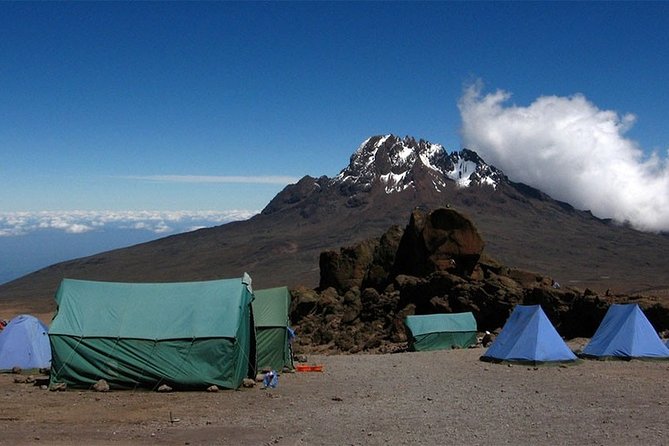
- Huts instead of tents: dormitory-style sleeping with mattresses and pillows, but you still need a sleeping bag
- A smoother route, not an easy one: gradual slope helps, but 5 days to the summit is still altitude heavy
- Included meals and drinking water: breakfast, lunch, and dinner are covered each trekking day
- Team support is a big deal: guide plus cook plus porters, and you get help carrying important items
- Expect company: Marangu is the most crowded route on Kilimanjaro, so solitude is not the vibe
- Summit payoff is real: Uhuru Peak includes sunrise and a snow-and-view moment you will remember
Other ways up Kilimanjaro we reviewed
- Kilimanjaro climb by Lemosho Route (7-day)★ 5.0 · 651 reviews
- Kilimanjaro climb, Machame Route (7-day)★ 5.0 · 262 reviews
- Kilimanjaro Climbing Lemosho Route 8 Days.★ 5.0 · 186 reviews
- Climbing Kilimanjaro – Machame Route★ 5.0 · 170 reviews
Marangu, the so-called Coca-Cola route, in plain terms
The Marangu route to Kilimanjaro is known as the Coca-Cola route for one simple reason: it is seen as the easiest way up. Translation for you: the walking profile is usually more gradual than some other routes, and the route has a long track record with well-established logistics.
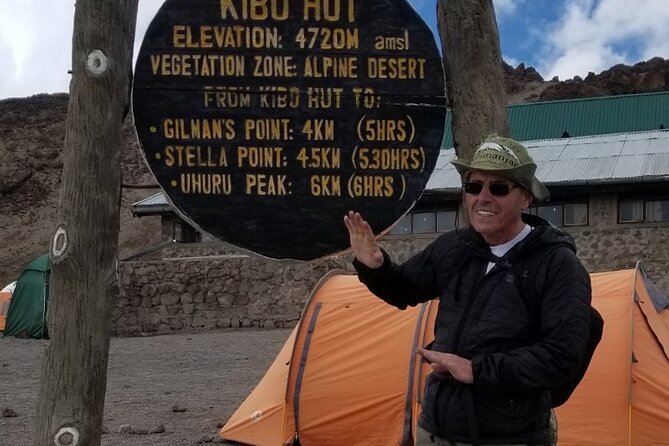
It is also the only Kilimanjaro route where you typically sleep in huts instead of tents. That matters more than people expect. When you are tired, cold, and watching your energy, the idea of a bed in a dormitory hut with communal dining can be comforting, especially if you are not used to multi-day camping.
But I want you to know the tradeoff. Marangu is less scenic than the routes that take you around more sides of the mountain. And because the ascent and descent follow the same overall corridor, the scenery does not keep surprising you day after day the way other itineraries can.
Price and what you actually get for $1,560
At $1,560 per person, this is not a budget trek. Still, it is closer to a full-service climbing package than a bare-bones hike.
From what is included, your money covers the big cost buckets you normally cannot avoid on Kilimanjaro:
- guide costs and crew wages
- park fees and environment fees
- gate transfer costs
- drinking water
- all meals (breakfast, lunch, dinner)
That is the value part. You are not constantly adding extras at the end, and you are paying for the people and permits that keep the climb running legally and safely. You are also paying for a supported experience, not just a route description.
What is not included is straightforward: flights, visas, and tipping the crew. In other words, the amount you pay upfront still leaves the usual end-of-trip human kindness budget and your travel-to-Tanzania costs.
Moshi start point, pickup, and how your trip begins
This Kilimanjaro experience starts at Kilimanjaro Airport and returns back to that same meeting point at the end. The start time listed is 8:00 am, so you should plan to be ready early.
You also get pickup offered. In the reviews, multiple people specifically credit support from Nalisis, including help from the airport and guidance from start to finish. That sort of on-the-ground presence matters because Kilimanjaro logistics can feel confusing if you are arriving in country for the first time.
Also, the tour description indicates mobile ticket use. That means your paperwork side is not something you need to wrestle with for weeks. You still want to keep your own copies and confirmations, but the process is meant to be smoother than paper-only systems.
Marangu, other operators and other lengths
Kilimanjaro National Park on Marangu: what you experience day by day
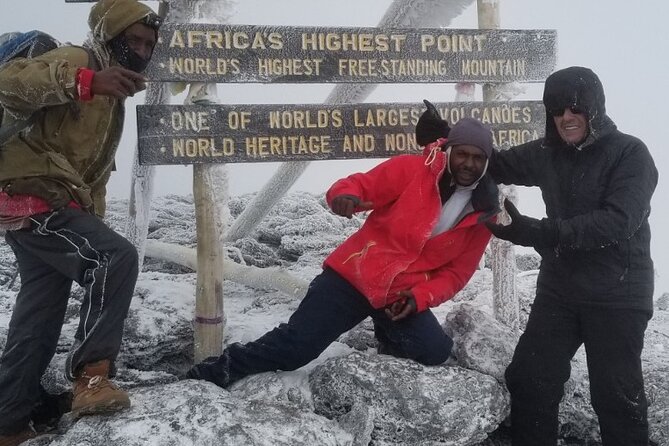
Your time is built around climbing inside Kilimanjaro National Park, with the expectation of about 5 days to reach Uhuru Peak, and the overall program described as about 6 days.
Rather than a long list of camp names, here is what the Marangu experience is designed to feel like across the days:
1) You get into the park and start your ascent with guided support
2) You spend multiple nights at selected points on the mountain, sleeping in huts
3) You use the route’s gradual nature to keep steady progress
4) You build toward the summit moment at Uhuru Peak, including sunrise
5) You return down after celebrating from the top
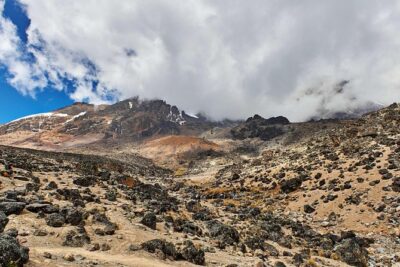
Along the way, the route description highlights observing nature, natural vegetation, and wildlife such as animals and birds. It also mentions waterfalls and natural drainage. Even if you do not see every single feature every day, the point is that you are not walking through dead terrain. You are climbing through changing ecological zones.
The guiding crew, and why they matter on Day 1
One thing I really value about this type of package is the structure. You are not expected to manage everything alone. The trip includes a guide plus a cook plus porters who help carry important items.
In practice, that team setup lets you focus on pacing, breathing, and making decisions when your body starts bargaining with you. And it reduces the chance that you show up underprepared because you thought the hike would be simple.
Hut nights: dorm living on Kilimanjaro (and the sleeping bag part)
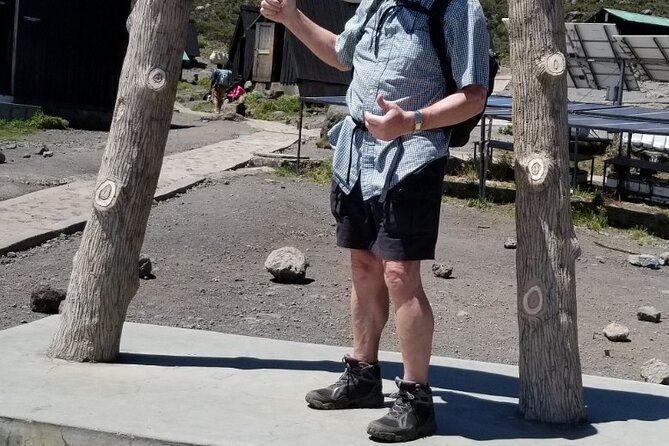
Marangu’s hut system is one of the biggest reasons people pick it. Sleeping huts are dormitory style, and you are supplied with mattresses and pillows.
Here is the key part you must plan for: sleeping bags are still required. Even if there is a mattress, Kilimanjaro nights can be cold, especially as you climb higher. A sleeping bag is not optional comfort on this mountain.
The huts also include communal dining halls and basic washrooms and toilets. That line matters because it sets expectations. You should treat the huts as functional, not fancy. You might have to adapt quickly to shared space, shared facilities, and basic conditions.
The good news is that communal dining and a predictable routine can help you recharge faster. After a long walking day, having meals organized and a warm place to eat can take pressure off.
Uhuru Peak sunrise: the moment you remember later
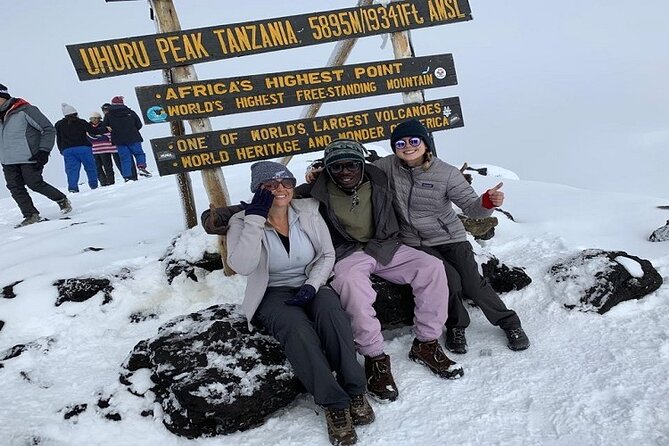
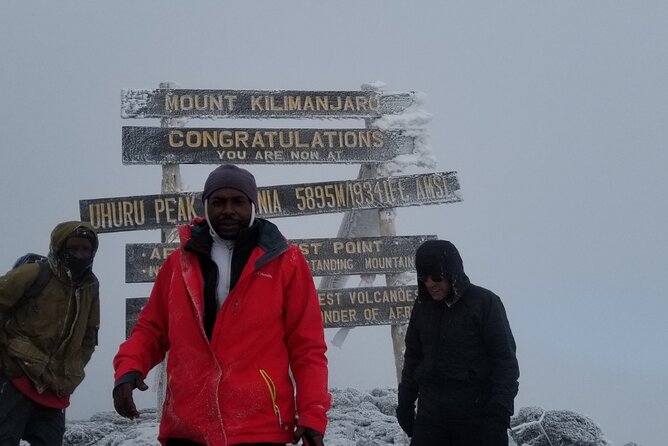
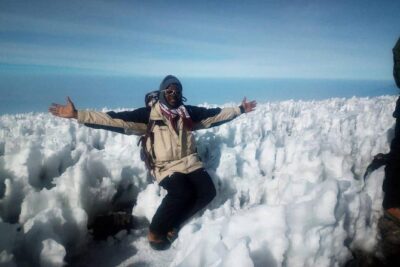
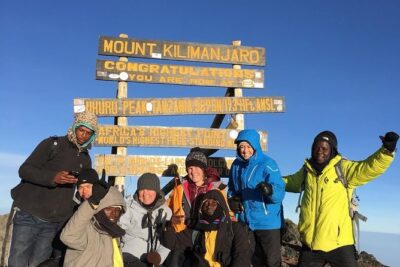
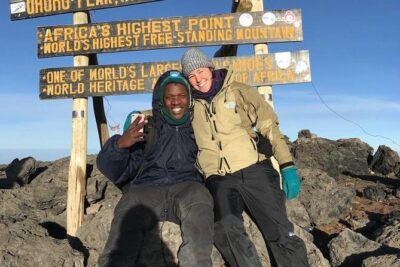
Uhuru Peak is the summit target, and the trip description specifically calls out sunrise and the chance to celebrate at the top. It also mentions snow and a nice view, which is a direct reminder that summit day can feel like winter even though you started on warmer ground.
From an experience standpoint, the summit moment is about two things:
- the physical achievement of reaching the roof of Africa
- the emotional payoff of sharing that moment with your team and fellow climbers
Reviews strongly reinforce this kind of outcome. People mention a guide who encouraged them until they were able to summit, and they describe the climb as magical and challenging. One review also highlights summit support tied to guidance from Nalisis, including keeping people focused on the goal.
Just remember: the summit is the highlight, but it is also the most demanding segment of the whole trip. Your best strategy is to trust the pacing plan you are given and communicate early if you are feeling unwell.
Crowds and the same-route tradeoff on Marangu
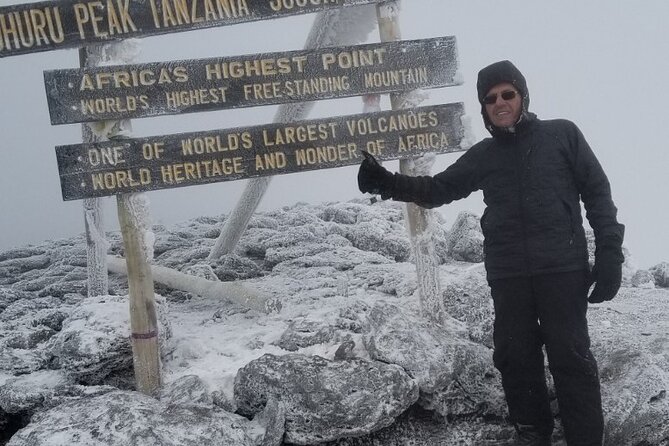
Marangu is described as the most crowded route because of its layout. The big reason is simple: the ascent and descent use the same path corridor.
What this means for you:
- You are more likely to hike with a steady flow of other climbers.
- You will not get the same sense of being alone in big nature that you might on quieter routes.
- You may see repeats in the landscape as you come and go the same way.
This can still be a good thing, especially if you like group energy and predictable logistics. More people around can also mean more people to share summit nerves with. But if your dream Kilimanjaro is solitude and constant new scenery, Marangu can feel a bit repetitive.
Altitude acclimatization with a 5-day summit window
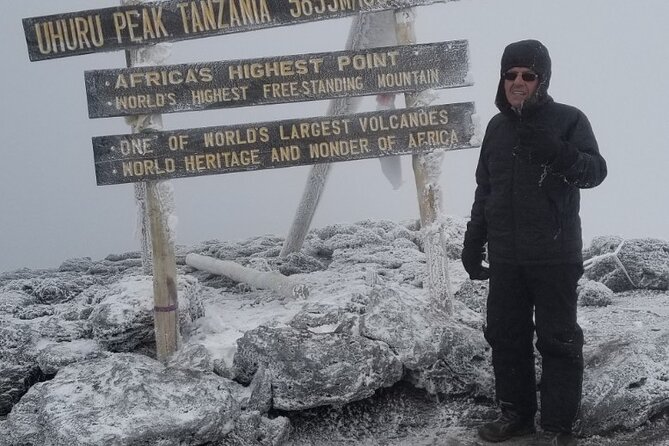
Here is the honest tension in the whole pitch: the route is considered easier due to its gradual slope, but the short time frame makes acclimatization fairly difficult.
That matters because altitude is not just about how fast you walk. It is about how your body adapts day by day. A short schedule can squeeze the adaptation window, especially if you are sensitive to altitude.
Practical reality: if you choose this 5-day Marangu plan, you need to take it seriously from the start.
- Start slow, even if you feel good on Day 1.
- Follow your guide’s instructions closely.
- Tell your guide early if symptoms show up, rather than pushing through because you think you should.
I also like that one review includes advice from Nalisis about route choice. The same person says Nalisis recommended switching to a longer route such as Lemosho due to the time and experience situation. That is a good sign. It suggests the operator is willing to be direct when a route length might not fit your readiness.
Value beyond the itinerary: support, chefs, and organization
Many Kilimanjaro trips succeed or fail based on the human side. This one gets strong praise on that front.
In the reviews, people call out:
- professionalism and warmth from the operator
- outstanding support and guidance from Nalisis
- amazing chefs
- guides who assist and encourage hikers during the climb
- pickup from the airport
That combination is not fluff. When you are dealing with cold nights, long days, and a body that may not feel cooperative, the difference between a chaotic operation and a smooth one can be the difference between enjoying the climb and feeling stressed all the time.
Also, one review mentions a discount for a group of 6 doing the 5-day Marangu route. Even though pricing details are not listed for group sizes here, it suggests the company may be flexible for groups. That can add value if you are traveling with friends.
Who this Marangu 5-day experience suits best
This trek is a good fit if you want:
- the most established, structured way up Kilimanjaro
- sleeping in huts rather than tents
- a guided experience with cook and porters handling key support tasks
- a route known for gradual walking and a direct path to Uhuru Peak
It may not be your best match if:
- you want the most varied scenery and a quieter climb, because Marangu is crowded and less scenic than other options
- you know you struggle with altitude, because the 5-day window makes acclimatization more challenging
- you need total privacy, since hut sleeping is dormitory style with communal spaces
If you have flexibility, consider the operator’s 6-day option when available. Even without detailed day-by-day altitudes here, the basic logic is clear: adding time generally helps altitude adaptation.
Should you book this 5-day Marangu climb with Rede Tours and Safaris?
If your priority is a supported Kilimanjaro climb with hut sleeping and built-in meals, I would consider this booking. The price includes the expensive parts most people forget: park fees, guide and crew costs, meals, and drinking water. On top of that, the reviews repeatedly highlight professionalism, strong guidance from Nalisis, and excellent crew support including chefs.
But do not book it on hope alone. The biggest downside is also the biggest decision factor: the short acclimatization window on a crowded, less scenic route. If you are altitude cautious, or you want a more scenic, varied route experience, you should think carefully before committing to Marangu.
My quick decision rule:
- Book if you want structure, huts, and a classic route to Uhuru Peak with strong operator support.
- Reconsider if you want quiet solitude or you need more acclimatization time than a 5-day push allows.
FAQ
Where does the tour start?
The tour starts at Kilimanjaro Airport in Tanzania.
What time does the trek begin?
Start time is listed as 8:00 am.
How long is the climb to the summit on this Marangu route?
The plan is described as about 5 days of climbing to Uhuru Peak.
Is pickup included?
Pickup is offered.
What is included in the price?
Included items are guide, park fees, tax, gate transfer, crew wages, environment fees, drinking water, guide and cook and porters, and all meals (breakfast, lunch, dinner).
What is not included?
Flights, visas, and tipping the crew are not included.
Where will I sleep during the trek?
You sleep in dormitory-style huts. Mattresses and pillows are provided.
Do I need a sleeping bag?
Yes. Sleeping bags are required even though mattresses and pillows are provided.
Is free cancellation available?
Yes, free cancellation is available up to 24 hours in advance for a full refund, based on local time.
The Marangu Trail
- Kilimanjaro climb, Marangu route (6-day)
★ 5.0 · 72 reviews - Climbing Kilimanjaro – Marangu Route
★ 5.0 · 65 reviews - Best Kilimanjaro Adventures 6 Days Marangu Route Experience
★ 5.0 · 18 reviews - Kilimanjaro Private Climbing in 6 Days Marangu Route
★ 5.0 · 16 reviews - 6 Days Climb Kilimanjaro Through Marangu Route
★ 4.5 · 15 reviews
Kilimanjaro, Route by Route
- Kilimanjaro climb by Lemosho Route (7-day)
★ 5.0 · 651 reviews - Kilimanjaro climb, Machame Route (7-day)
★ 5.0 · 262 reviews - Kilimanjaro Climbing Lemosho Route 8 Days.
★ 5.0 · 186 reviews - Climbing Kilimanjaro – Machame Route
★ 5.0 · 170 reviews - Climbing Kilimanjaro through 7 days Machame Route
★ 5.0 · 151 reviews
Just added from around Moshi
Kilimanjaro Marangu Route, compared.
 ★ 5.0Kilimanjaro climb, Marangu route (6-day)From $2,90272 reviews
 ★ 5.0Climbing Kilimanjaro – Marangu RouteFrom $2,00465 reviews
 ★ 5.0Private Full Day Hiking Experience to Marangu RouteFrom $26061 reviews
 ★ 4.5From Arusha/Moshi: Kilimanjaro Hike Marangu Route Day TripFrom $10154 reviews
 ★ 5.0Mount Kilimanjaro Day Hike Through Marangu Route to Mandara HutFrom $26537 reviews
 ★ 5.0Kilimanjaro Climbing 5 days Marangu routeFrom $90022 reviews
 ★ 5.0Best Kilimanjaro Adventures 6 Days Marangu Route ExperienceFrom $1,00018 reviews
 ★ 5.0Kilimanjaro Private Climbing in 6 Days Marangu RouteFrom $2,00016 reviews
Browse the lists this tour appears in