
REVIEW · KILIMANJARO LEMOSHO ROUTE
9 Days Kilimanjaro Climb via Lemosho Route
Kilimanjaro has a way of changing your pace fast. This 9-day Lemosho climb is built for proper acclimatization time, starting from the cooler, western approach and working your way up through rainforest, moorland, and alpine desert.
What I like most is how the days are paced to give your body time to adjust, and how the summit plan uses a slow build that ends with a clear, early push. One thing to consider is the reality of the finish: the night summit climb to Stella Point and Uhuru Peak is cold, long, and physically demanding even when conditions are good.
In This Review
- Key things to know before you start
- Moshi arrival, JRO pick-up, and that first briefing day
- Day 1: Moshi town settling in, then you rest up for altitude
- Day 2: From the western gate to Big Tree Camp in the rainforest
- Day 3: Shira Plateau days where you break out of the forest
- Day 4: A short day that helps you acclimatize for real
- Day 5: Heath into alpine desert, plus the Lava Tower option
- Day 6: Karanga Camp, altitude timing, and those high-ice views
- Day 7: Barafu Camp in the wind, with Mawenzi in view
- Day 8: Midnight push to Stella Point and Uhuru Peak, then down to Mweka
- Day 9: Forest descent, Mweka Gate, and your certificate day
- Value for money: what $3,450 buys you on Kilimanjaro
- The support team vibe: motivation, food, and porter respect
- What to bring, since sleeping bags are not included
- Who this Lemosho 9-day climb fits best
- Should you book this 9-day Lemosho climb with Kilimanjaro Heroes Adventures?
- FAQ
- What time does the tour start and where do we meet?
- Do you provide pick-up in Moshi?
- Is the summit hike included in the 9 days?
- What meals are included?
- Are sleeping bags included?
- What safety and medical items are included?
- Can I cancel for a full refund?
Key things to know before you start
- Western approach + more acclimatization time for a calmer run at altitude.
- Rainforest mornings and wildlife chances on the early hiking days, including monkeys and birds you might spot.
- Strategic camp stops like Karanga and Barafu that set you up for the summit push.
- Cold midnight start on summit day, with headlamp climbing and a steep, dusty descent after photos.
- Support that includes pulse monitoring and emergency oxygen (plus first aid kit).
Other ways up Kilimanjaro we reviewed
- Kilimanjaro climb by Lemosho Route (7-day)★ 5.0 · 651 reviews
- Kilimanjaro climb, Machame Route (7-day)★ 5.0 · 262 reviews
- Kilimanjaro Climbing Lemosho Route 8 Days.★ 5.0 · 186 reviews
- Climbing Kilimanjaro – Machame Route★ 5.0 · 170 reviews
Moshi arrival, JRO pick-up, and that first briefing day
Your trip starts in Moshi, after landing at Kilimanjaro International Airport (JRO). You get a meet-and-greet and then a driver takes you to Keys Hotel for a briefing and an overnight stay, so you’re not trying to figure things out while jet lagged.
This matters more than people think. Kilimanjaro rewards calm logistics. If your first day is smooth, your body already feels safer on day two, when altitude starts to creep into the plan.
Day 1: Moshi town settling in, then you rest up for altitude
Day 1 is mostly travel plus orientation time. You’ll handle arrival, get settled, and sleep in Moshi with a plan that’s ready to go when you wake up.
Even if you feel fine, this is the day you want to take seriously. Drink water, keep your meals light, and save your energy for the first hike day, not for sightseeing plans that cut into sleep.
Day 2: From the western gate to Big Tree Camp in the rainforest
Today, you drive from Moshi toward the park, then register at Londorossi Gate before heading into the forest. After a short transfer into the dense rainforest, you start hiking on a moderately steep path toward Big Tree Camp at 2,780m. Expect hot tea and washing water waiting at camp, plus a chance to spot monkeys and interesting birds along the way.
I like this start because the route doesn’t jump you straight into thin-air suffering. You’re still moving, but the rainforest setting tends to make early progress feel more natural than harsh alpine terrain.
Possible drawback: rainforest days can be damp. Your pace may feel slower, and your boots and gear need to stay dry and usable, especially if you’re bringing your own layers.
Lemosho itineraries worth reading next
Day 3: Shira Plateau days where you break out of the forest
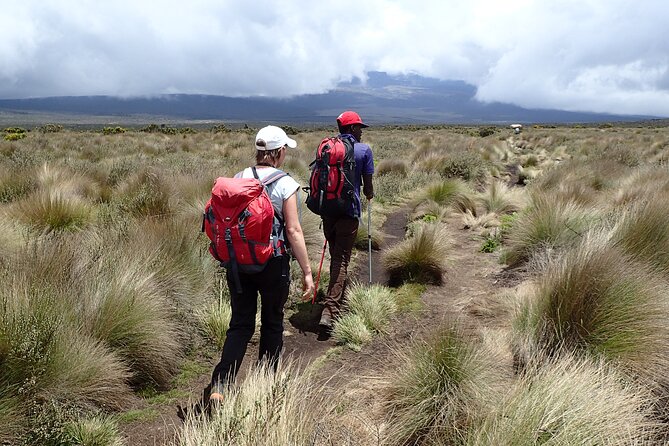
Day 3 climbs from forested slopes through Podocarpus and Juniper forest, then you break out onto the heath zone and the Shira Plateau. You’ll take lunch on the trail and reach camp mid-afternoon at Shira 1 Camp, where the air feels different than what you tasted on day two.
This is one of the best parts of the Lemosho style of itinerary. You get a gradual shift in scenery and altitude, which helps your pacing and reduces the chance you’ll feel panicked by sudden cold or wind.
The camp day is also built for rhythm. If you’ve never done altitude hikes before, this is the day to learn what steady breathing feels like and what your body asks for when the trail steepens.
Day 4: A short day that helps you acclimatize for real
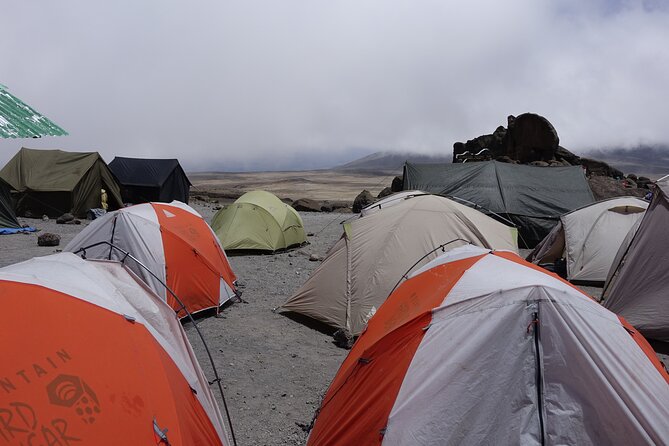
Day 4 is intentionally shorter and lands you in time for lunch at Shira 2 Camp. This is a good acclimatization day, and you may have an option for an afternoon walk with your guide.
I think this is a smart design choice. Most summit attempts fail because people rush the middle. A planned shorter day gives you a chance to recover from the altitude gain you already did, instead of stacking fatigue on top of it.
If you do the optional walk, keep it easy. The goal is to feel better after, not to prove fitness.
Day 5: Heath into alpine desert, plus the Lava Tower option
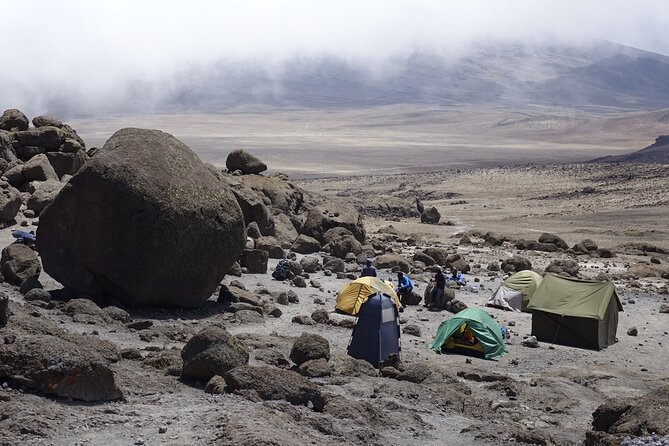
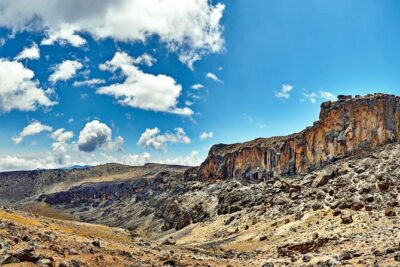
Today you continue toward the Lava Tower, moving from the heath zone into the alpine desert zone. This is where the environment changes quickly, with less flora and fauna and more extremes in temperature.
You’ll have lunch in camp for the day, then in the afternoon you may have the option to scramble to Lava Tower depending on weather conditions. If the weather is clear, it can be one of the more memorable side sights before the main climb tightens.
Consideration: alpine desert terrain can feel stark and exposed, and temperatures can swing. Bring layers you can add and remove quickly, because the day can go from cool to cold faster than your body expects.
Day 6: Karanga Camp, altitude timing, and those high-ice views
After two half days, you get a relatively longer hike to Karanga Camp. Karanga is chosen strategically because significant time at altitude helps with safer acclimatization. Late afternoon brings camp time, and sunsets here can be stunning, with views of southern glacial valleys and ice fields rising about 1,000 meters above you.
This is a day I’d treat as a mental reset. You’re building altitude, but you’re also setting yourself up for the summit strategy later, where fatigue and cold become the main battle.
Practical tip: spend the first hour at camp doing camp basics slowly. Eat, drink, and get your gear organized, because you’ll want less hassle later when the schedule gets more intense.
Day 7: Barafu Camp in the wind, with Mawenzi in view
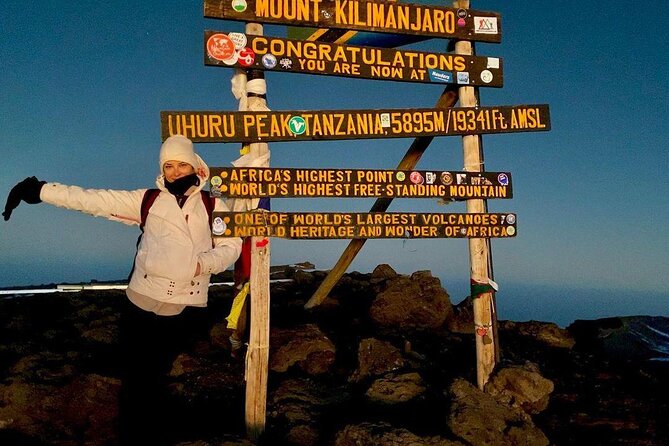
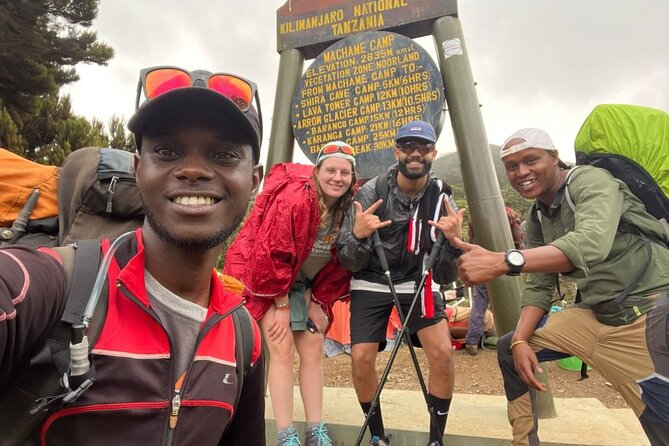
Day 7 climbs to Barafu Camp, another half day with lunch taken in camp. You get time to relax before the summit night bid, which is exactly what you want when the next day starts in darkness.
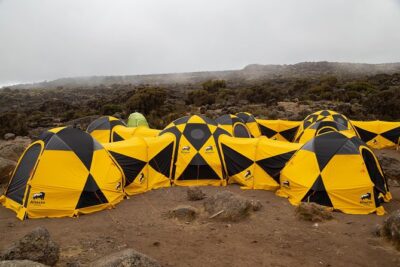
Barafu can be desolate with strong winds that rip over camp. Even so, Mawenzi volcano often looks fantastic in the evening as you settle in for the big push.
One thing to plan for: wind makes cold feel sharper. Keep your outer layer ready, and don’t wait until you feel uncomfortable. When you’re already cold and tired, it’s harder to manage your clothing choices.
Day 8: Midnight push to Stella Point and Uhuru Peak, then down to Mweka
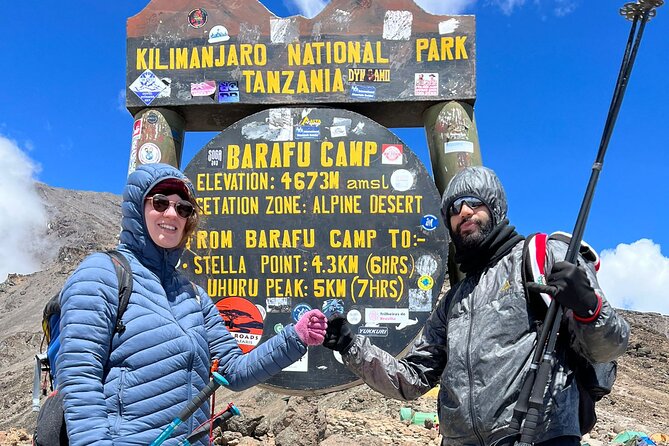
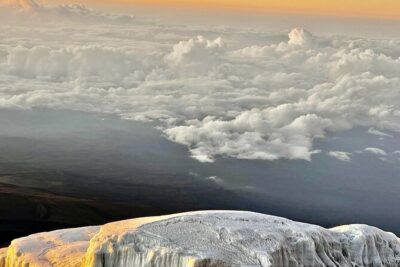
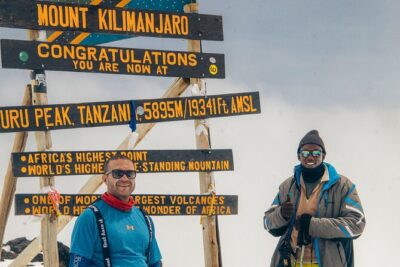
This is the main event. You start after midnight in the cold, climb frozen volcanic dust by headlamp toward Stella Point on the crater rim, and expect around six hours to reach there. Then, with the sun rising, you continue roughly one to two more hours to Uhuru Peak, the highest point on the mountain.
On top, you get a short break for pictures and a celebratory moment with your team. After that, you tackle a steep and dusty descent. By now, volcanic ash thaws, and you can feel that shift as temperatures change.
You stop for a short tea break at Barafu and continue downhill for about three hours to Mweka Camp at 3,080m. It’s a long day in both time and emotion, so refuel with fluids and a good dinner, then focus on sleep.
Cold-weather reality check: this day can test you even if you’re strong. The goal is steady movement, not speed, and you want to save your energy for the last push when your legs feel heavy.
Day 9: Forest descent, Mweka Gate, and your certificate day
Day 9 begins with a traditional farewell ceremony from the porters. It’s a simple moment, but it helps you feel how much your team has carried and supported you, not just your personal mindset.
Then you descend for about three hours through greenery until you reach Mweka Gate. Your driver waits to take you back to Keys Hotel in Moshi for a hot shower, a cold drink, a debrief, and your certificate of achievement.
This day is why I like ending in the forest. After cold, wind, and dust, the greenery feels like relief. It also gives your body a gentle chance to transition back toward normal routines.
Value for money: what $3,450 buys you on Kilimanjaro
At $3,450 per person, you’re paying for more than a guided trek. You’re paying for a complete operation that handles altitude risk, park entry, meals, and real support at camp.
Here’s what’s included based on the trip details:
- First aid kit and pulse oximeter, which means your team can monitor oxygen levels during the climb.
- Oxygen cylinder only for emergencies, plus medical-first response capability.
- 3 liters of bottled drinking water on day one, to get you started clean.
- Meals: lunch and dinner each trek day, plus breakfast.
- Admission tickets, included through the hiking days listed.
What’s not included is also important for budgeting:
- Sleeping bags (you’ll need to bring your own or arrange rental elsewhere).
- Health insurance.
- Visa fees.
- Laundry service (optional at about $1 per cloth).
Private tour format also adds value. This is described as private, so only your group participates, which usually makes coordination and pacing feel more personal.
If you want to judge value fast, ask yourself this: would you rather pay for an organized team with monitoring tools, or would you rather take the cheaper route and risk more hassle, less safety oversight, and extra planning stress? For most people, $3,450 feels fair once you look at how much is built in.
The support team vibe: motivation, food, and porter respect
The experience is heavily shaped by how your guides and support staff keep the day manageable. In past group experiences, guides such as Siza are described as keeping climbers motivated daily and making sure you eat well. Other named guides like Mwinyi are mentioned with a lighter mood and steady guidance.
If you hike with guides such as David or Gasper, you can expect a structured, reassuring approach to staying on track. That kind of calm is not a small thing when you’re climbing in the dark on day eight.
And the porter component matters, too. The farewell ceremony on day nine is a clear sign that the team relationship is taken seriously, not treated as a background detail.
What to bring, since sleeping bags are not included
Your own sleeping system is your job on this trip. Sleeping bags are not included, so you need to plan for cold nights, especially around Barafu and the summit day context.
Pack with layering in mind:
- A warm insulated layer for nights and windy camp conditions.
- A reliable outer shell for wind and cold.
- Gloves and a hat for the midnight climb, plus a headlamp you can use comfortably.
Also plan for hydration and water discipline. Your group provides bottled water on the first day, but you still need to keep drinking consistently throughout the trek.
If you’re unsure about fit or warmth, it’s better to test your gear at home. Clothing that works in normal weather can fail at Kilimanjaro temperatures.
Who this Lemosho 9-day climb fits best
This is best for hikers with moderate physical fitness who want a route with time to acclimatize. The Lemosho approach is designed around pace and gradual altitude gain, so it suits people who want structure rather than a rushed challenge.
It’s also a strong match if you value the full journey, not just the summit photo. You get rainforest hiking, plateau terrain changes, alpine desert days, and a finish through greenery that feels like a reward.
If you hate cold, wind, and early starts, you should understand what you’re signing up for. The summit push is cold and long, and day eight is not a day for casual hiking.
Should you book this 9-day Lemosho climb with Kilimanjaro Heroes Adventures?
I’d book it if you want a climb with smart timing, organized camp support, and real safety tools like a pulse oximeter and emergency oxygen. The price is high, but what you get is also high touch: admissions, meals, monitoring, and a private-group feel.
I’d think twice if you’re not prepared to handle the physical reality of the midnight summit climb. This route gives you a good chance through pacing and acclimatization, but it doesn’t remove the fact that day eight is demanding.
If you can handle early nights, cold layers, and steady effort, this is one of the better ways to take on Kilimanjaro without rushing the body.
FAQ
What time does the tour start and where do we meet?
You start at Kilimanjaro Airport, with a start time of 8:00 am.
Do you provide pick-up in Moshi?
Yes. Pickup is offered.
Is the summit hike included in the 9 days?
Yes. The schedule includes an overnight start for the summit attempt, with climbing to Stella Point and Uhuru Peak, followed by descent to Mweka Camp.
What meals are included?
Breakfast is included, and lunch and dinner are included during the trekking days listed.
Are sleeping bags included?
No. Sleeping bags are not included.
What safety and medical items are included?
The trip includes a first aid kit and a pulse oximeter, and an oxygen cylinder is provided only for emergencies.
Can I cancel for a full refund?
Yes, free cancellation is available up to 24 hours in advance for a full refund.
Lemosho, Compared
- Kilimanjaro climb by Lemosho Route (7-day)
★ 5.0 · 651 reviews - Kilimanjaro Climbing Lemosho Route 8 Days.
★ 5.0 · 186 reviews - Kilimanjaro climb, Lemosho Route (8-day)
★ 5.0 · 148 reviews - Kilimanjaro climb, Lemosho Route (6-day)
★ 5.0 · 129 reviews - Kilimanjaro Lemosho Route
★ 5.0 · 71 reviews
Kilimanjaro, Route by Route
- Kilimanjaro climb by Lemosho Route (7-day)
★ 5.0 · 651 reviews - Kilimanjaro climb, Machame Route (7-day)
★ 5.0 · 262 reviews - Kilimanjaro Climbing Lemosho Route 8 Days.
★ 5.0 · 186 reviews - Climbing Kilimanjaro – Machame Route
★ 5.0 · 170 reviews - Climbing Kilimanjaro through 7 days Machame Route
★ 5.0 · 151 reviews
Just added from around Moshi
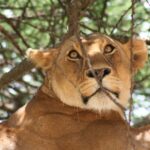
Kilimanjaro Lemosho Route, compared.
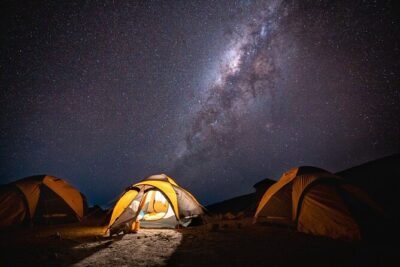 ★ 5.0Kilimanjaro climb by Lemosho Route (7-day)From $3,476651 reviews
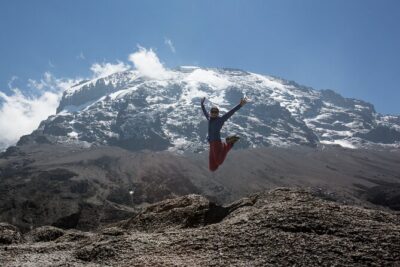 ★ 5.08-Day Small-group Lemosho Kilimanjaro Summit TrekkingFrom $2,895186 reviews
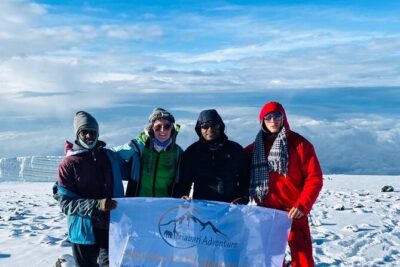 ★ 5.0Kilimanjaro Climbing Lemosho Route 8 Days.From $2,300186 reviews
 ★ 5.0Kilimanjaro climb, Lemosho Route (8-day)From $3,975148 reviews
 ★ 5.0Kilimanjaro climb, Lemosho Route (6-day)From $3,034129 reviews
 ★ 5.0Kilimanjaro Lemosho RouteFrom $2,89071 reviews
 ★ 5.0Private Kilimanjaro Hike 7 Day Lemosho RouteFrom $2,45060 reviews
 ★ 5.0Climbing Kilimanjaro through 8 days Lemosho RouteFrom $2,76052 reviews
Browse the lists this tour appears in