
REVIEW · KILIMANJARO LEMOSHO ROUTE
8 Days Mt Kilimanjaro Climb – Lemosho Route
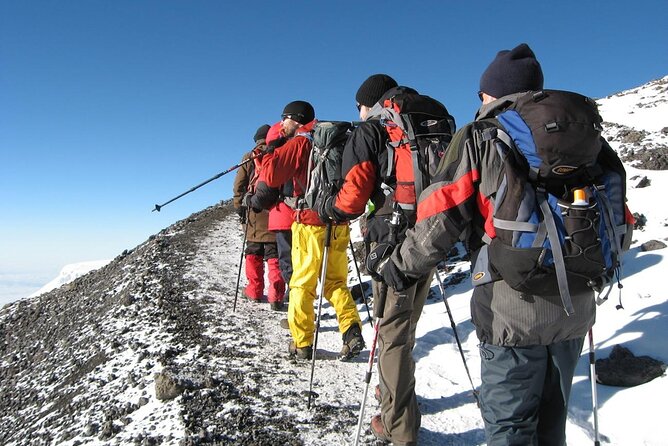
Kilimanjaro starts with a slow, smart plan. This 8-day Lemosho Route style climb from Moshi is built around gradual movement toward Uhuru Peak, with daily schedules that balance walking time and recovery. It also comes from a licensed, registered Tanzanian operator, so you are not guessing who is running the logistics.
What I like most is the combination of steady pacing and real support. You are not just dropped at the trailhead, you get an organized rhythm with experienced guidance, good vehicles for transfers, and mountain crew coordination that keeps things moving. A possible drawback is that the schedule includes a very demanding summit push, and the whole trek depends on conditions since it requires good weather.
One more big plus is how clearly planning gets handled. In past feedback tied to this team, guides such as Stanley and Ombenio were highlighted for motivation and strong performance, and planning communication was noted with quick responses from Mr Gerald. Still, this is a serious altitude challenge, so you should be honest about your fitness and acclimatization habits before you commit.
In This Review
- Key things to know before you go
- Moshi setup, transfers, and what you are really buying
- Lemosho Route pacing: how the day distances help you plan your effort
- Day 2: first push, about 7 km
- Day 3: 8.5 km with valleys on the sides
- Day 4: 8 km, about 5 hours
- Day 5: 10 km, one of the longer mid-days
- Day 6: shorter day, 5.5 km
- Day 7: only 3 km, but it is not a break day
- Day 8: 16.4 km and the Uhuru Peak moment
- Day-by-day, what each stop is really doing for you
- Day 1: airport to lodge, then rest mode
- Day 2 through Day 7: build, adjust, and save your legs
- Day 8: Uhuru Peak, where discipline pays off
- Day 9: back to Moshi, around 9.1 km
- Day 10: drive to the airport
- Meals, camping, and the practical value of what’s included
- Guides, planning replies, and why the human part matters
- Cost and value: what $2,950 covers, and what to budget beyond it
- Included value
- What is not included
- Weather reality: how to think about the conditions requirement
- Should you book KITONGA Tours for the Lemosho climb?
- FAQ
- How long is the Mt Kilimanjaro climb on this Lemosho route?
- Where does the tour start and end?
- Is airport pickup included?
- What is included in the price?
- What is not included?
- Is this a private tour?
- Do I get a mobile ticket and when will I get confirmation?
- Are service animals allowed?
- What happens if weather is poor, or if I need to cancel?
Key things to know before you go
- Lemosho Route focus: a gradual build toward Uhuru Peak with varied daily walking distances
- Licensed operator in Tanzania: registered by the Tanzania tourism board and run as a licensed tour company
- Support that matters: guidance from experienced mountain staff, with people like Stanley and Ombenio sometimes assigned
- Long summit day built into the plan: you should expect a major late-day effort on Day 8
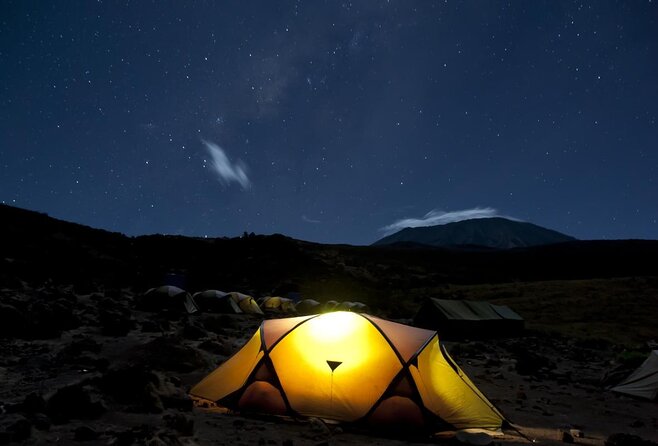
- Safety and fees handled: park, camping, and rescue fees are included
- Private trip experience: only your group participates, with private airport transfers
Other ways up Kilimanjaro we reviewed
- Kilimanjaro climb by Lemosho Route (7-day)★ 5.0 · 651 reviews
- Kilimanjaro climb, Machame Route (7-day)★ 5.0 · 262 reviews
- Kilimanjaro Climbing Lemosho Route 8 Days.★ 5.0 · 186 reviews
- Climbing Kilimanjaro – Machame Route★ 5.0 · 170 reviews
Moshi setup, transfers, and what you are really buying
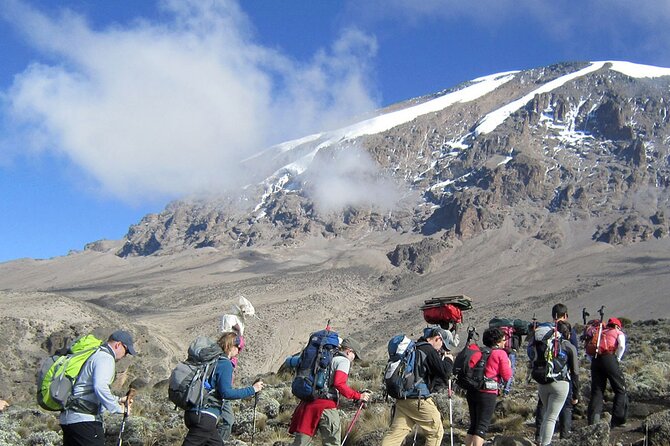
This climb is organized around Moshi, Tanzania, so your trip starts with a practical base rather than a chaotic scramble. On Day 1, you get picked up from the airport and driven to your lodge, with bed and breakfast so you can rest instead of rushing straight onto the mountain. The tour is also clear that it includes two-way private airport transfer and uses mobile ticketing, so you should have less confusion when you land.
The tour price is $2,950 per person, which might feel high until you look at what is actually folded in. A Kilimanjaro climb can get expensive fast once you add park fees, mountain support, camping logistics, and rescue planning. Here, those core items are included, which usually means fewer surprise add-ons later.
One thing I appreciate is the operator’s emphasis on being properly set up in Tanzania. They state they are registered by the Tanzania tourism board and a licensed tour company. That matters because Kilimanjaro is not the place to rely on half-measures.
Lemosho Route pacing: how the day distances help you plan your effort
The itinerary is built with walking days that vary in length, rather than a single steady grind from start to finish. That is useful because it lets you judge your altitude response and adjust your pace. It is not a magic trick, but it is smarter than showing up and going all-in every day.
Here is the walking rhythm the plan uses:
Day 2: first push, about 7 km
Day 2 covers 7 km (4.3 mi) over about 4 hours. The plan frames it as a slow start that begins your movement toward Uhuru Peak while you get mountain views. This is the day you typically learn what your body thinks about the altitude. You want to walk slow, breathe calmly, and avoid the urge to treat the first day like a warm-up race.
Lemosho itineraries worth reading next
Day 3: 8.5 km with valleys on the sides
Day 3 moves up to 8.5 km (5.3 mi) and about 7 hours. The itinerary notes you can expect good valleys by your sides. That kind of terrain can make the hike feel longer, even if you are keeping your pace under control. This is a good day to practice what you will need later: steady effort and consistent hydration.
Day 4: 8 km, about 5 hours
Day 4 is 8 km (5 mi) for about 5 hours. The distance drops slightly compared to Day 3, which helps you settle into a more sustainable rhythm. If you start feeling winded earlier than expected, this is often where you either fix your pace or dig a deeper hole for yourself.
Day 5: 10 km, one of the longer mid-days
Day 5 covers 10 km (6.2 mi) for about 7 hours. This is a key day because it is one of the longer stretches in the middle. It is also a reminder that Lemosho is not a gentle scenic stroll, it is a serious trek. The win here is staying disciplined, especially on any uphill sections where it is easy to burn energy too fast.
Day 6: shorter day, 5.5 km
Day 6 is 5.5 km (3.4 mi) in about 5 hours. A shorter day before the final approach can help you recover. If you use this time well, you arrive at the final approach feeling less wrecked and more ready to handle early morning and late-night effort later.
Day 7: only 3 km, but it is not a break day
Day 7 is 3 km (1.9 mi) for about 3 hours. It looks light on paper, and that can trick people into thinking it is easy. In reality, these “short” days often come with big mental pressure because you know the summit attempt is coming next.
Day 8: 16.4 km and the Uhuru Peak moment
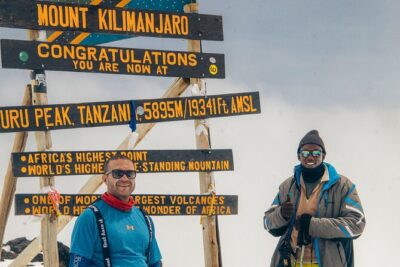
Day 8 is the summit day. The itinerary lists 16.4 km (9.6 mi) for about 15 hours, with the goal of reaching Uhuru Peak. That is a long day, and the time estimate alone tells you that you should expect a demanding mix of slow, careful climbing and extended waiting for the right timing to summit safely.
This is why I like that the plan reduces distance before Day 8. It cannot eliminate altitude, but it can give you a better shot at arriving with enough energy left to make the summit attempt.
Day-by-day, what each stop is really doing for you
The itinerary is not just random walking days. Each stop plays a role in how you prepare for altitude and how you recover.
Day 1: airport to lodge, then rest mode
Day 1 is picked up from the airport to the lodge to rest, with bed and breakfast. The plan also mentions admission ticket included, though what you need day-to-day can depend on the exact park procedures. The main point is that you start with recovery time.
This matters because Kilimanjaro rewards the person who arrives rested. Even if you feel fine after a flight, altitude can change how you sleep and how your body handles effort.
Day 2 through Day 7: build, adjust, and save your legs
From Day 2 through Day 7, the plan keeps the hiking windows between roughly 3 and 7 hours on most days. That is useful because you can focus on pacing and breathing instead of spending every day sprinting uphill.
You also get a sequence of distances that rises and falls, rather than a constant escalation. The pattern of Day 6 and Day 7 being shorter is especially important. It signals a deliberate approach to summit readiness.
Day 8: Uhuru Peak, where discipline pays off
Day 8’s job is to get you to Uhuru Peak. The itinerary sets Uhuru Peak as the payoff, with 15 hours and 16.4 km as the road to get there. The biggest practical lesson is to treat Day 8 as a marathon, not a hike. You pace your way through it, you keep your focus, and you follow your guide’s instructions.
Day 9: back to Moshi, around 9.1 km
Day 9 shifts to Moshi and lists 9.1 km (7.5 miles) over about 6 hours. This is the day you spend transitioning out of mountain life. It can feel strange because after so much concentration, you are suddenly in a more normal pace of movement.
Day 10: drive to the airport
Day 10 is a short 30-minute drive to the airport. You end back at the meeting point. It is the clean finish: get you out smoothly after the big effort.
Meals, camping, and the practical value of what’s included
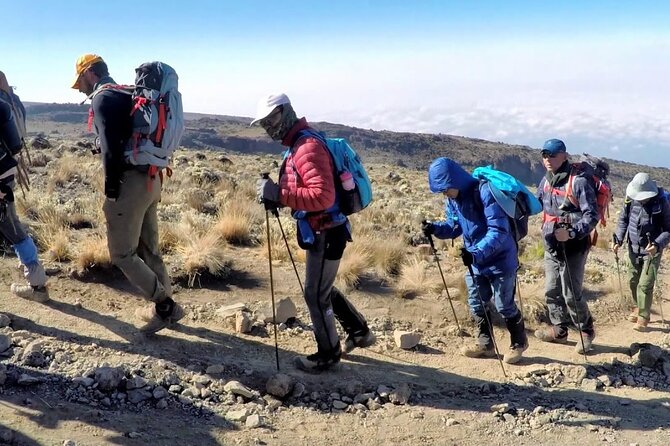
What’s included here is important because it shapes your day-to-day comfort and reduces logistics stress.
For the mountain portion, you get 3 meals daily while on the mountain, plus breakfast (10) is listed as included. That should cover the core fuel rhythm you need during altitude exertion: regular carbs, protein, and hydration support through the day.
The tour also includes park, camping & rescue fees. That is a big deal for value. Rescue fees are not the kind of thing you want to be scrambling to pay for at the last minute. Camping fees also remove another set of planning uncertainties. When those are bundled, you can focus on packing and acclimatization rather than spreadsheet anxiety.
On the practical side, it’s also described as having good cars and best tour guides. Since your experience at Kilimanjaro is shaped by people who handle pacing, safety, and morale, that kind of staffing focus matters.
One consideration: the itinerary lists admissions ticket included, but it does not spell out exactly which admissions are tied to which day. If you have specific questions, it is worth asking the team to clarify what each day’s ticket covers.
Guides, planning replies, and why the human part matters
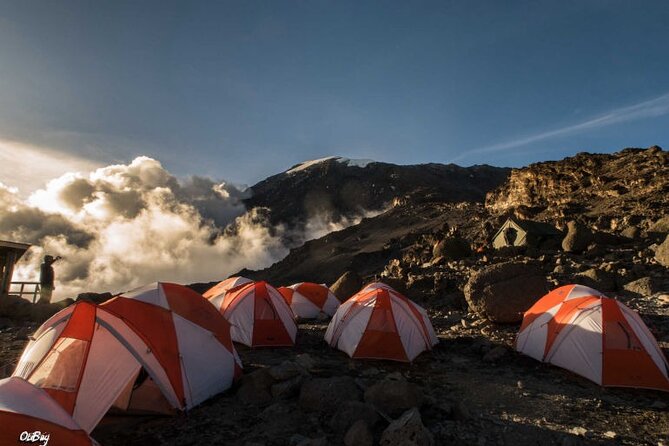
On Kilimanjaro, the mountain is the same, but your experience is not. Your guide’s style can make the difference between feeling supported and feeling lost.
In prior feedback connected to this operator, guides such as Stanley and Ombenio were described as absolutely fantastic, and the approach included pushing for strong performance. That kind of encouragement is not about yelling. It is about keeping you moving within your limits and staying calm when the altitude gets mean.
Communication during planning also came up with Mr Gerald, who was noted for timely responses. I like that because it reduces the common pre-trek stress: what to bring, when to arrive, and how to prepare your body.
Still, remember a key truth: no guide can override altitude physics. You are the one who controls pacing. The best guidance helps you use your effort wisely, especially on the summit day window when mistakes cost time and energy.
Cost and value: what $2,950 covers, and what to budget beyond it
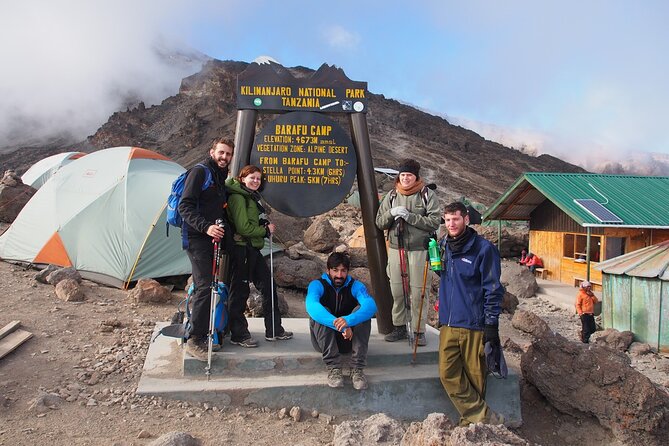
Let’s break down the money in a way that helps you decide.
Included value
You pay $2,950 per person and the package includes:
- Park, camping & rescue fees
- 2 way private airport transfer
- 3 meals daily while on the mountain
- Breakfast (10)
- Admission ticket listed as included across the itinerary
That bundle is doing real work. Park and rescue fees are hard to compare across operators because they are part of the safety and administrative structure. Camping and meals are part of the comfort equation. Transfers keep you from losing time on arrival and departure.
What is not included
The plan also lists what you will still need to budget:
- Tanzania Visa
- Tips to mountain crew
- Items of a personal nature
So your total trip cost is not just the $2,950. You should plan a separate budget for visa and crew gratuities. “Personal items” can include anything you buy on the fly, plus items you bring yourself that are not part of the included gear and supplies.
My practical suggestion: treat the included price as the backbone of the trip, then set aside extra money for the things that always show up during a long trek.
Weather reality: how to think about the conditions requirement
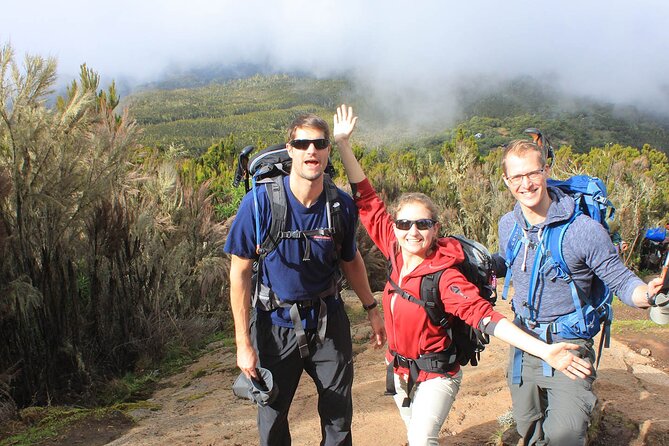
Kilimanjaro is famous for changing moods. This experience explicitly says it requires good weather. If it is canceled due to poor weather, the plan states you will be offered a different date or a full refund.
That matters for planning your wider Tanzania timeline. If you are flying into the area with tight connections afterward, leave a little breathing room. The mountain sets the pace, not your calendar.
Also, make your own “weather readiness” choices before you go. You cannot control clouds and temperature swings, but you can control layering and how you manage energy on long days, especially Day 8.
Should you book KITONGA Tours for the Lemosho climb?
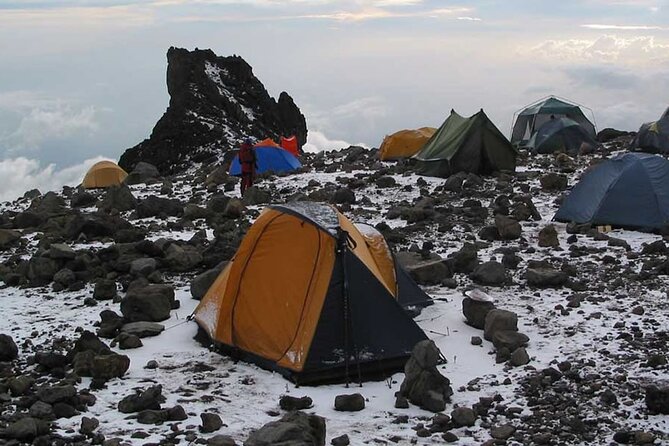
Book it if you want a structured plan, bundled costs, and a team that emphasizes experienced guidance. I’d also lean toward this option if you like clear logistics: airport pickup, meals, and fees handled, plus private group service so your climb stays focused on your party.
You might want to think twice if:
- You are not comfortable with a plan that includes a long, serious summit day, listed as 15 hours with 16.4 km to reach Uhuru Peak.
- You are relying on a tightly packed schedule that cannot tolerate weather-driven date changes.
If you are willing to train, pace smart, and respect the mountain, the value here is in the structure. You are paying for the moving parts that keep Kilimanjaro manageable, so you can concentrate on the real job: showing up for each day with enough energy to make it to the top.
FAQ
How long is the Mt Kilimanjaro climb on this Lemosho route?
The overall experience duration is listed as approximately 10 days, starting in Moshi and ending back at the meeting point.
Where does the tour start and end?
The tour starts in Moshi, Tanzania and ends back at the meeting point.
Is airport pickup included?
Yes. The package includes two way private airport transfer.
What is included in the price?
The price includes park, camping, and rescue fees, two way private airport transfer, and 3 meals daily while on the mountain. Breakfast (10) and admission tickets are also listed as included on the itinerary.
What is not included?
Not included are the Tanzania Visa, tips to the mountain crew, and items of a personal nature.
Is this a private tour?
Yes. It is private, meaning only your group will participate.
Do I get a mobile ticket and when will I get confirmation?
A mobile ticket is offered, and confirmation will be received at the time of booking.
Are service animals allowed?
Yes, service animals are allowed.
What happens if weather is poor, or if I need to cancel?
The experience requires good weather. If it is canceled due to poor weather, you will be offered a different date or a full refund. The policy also states free cancellation up to 24 hours in advance for a full refund.
Lemosho, Compared
- Kilimanjaro climb by Lemosho Route (7-day)
★ 5.0 · 651 reviews - Kilimanjaro Climbing Lemosho Route 8 Days.
★ 5.0 · 186 reviews - Kilimanjaro climb, Lemosho Route (8-day)
★ 5.0 · 148 reviews - Kilimanjaro climb, Lemosho Route (6-day)
★ 5.0 · 129 reviews - Kilimanjaro Lemosho Route
★ 5.0 · 71 reviews
Kilimanjaro, Route by Route
- Kilimanjaro climb by Lemosho Route (7-day)
★ 5.0 · 651 reviews - Kilimanjaro climb, Machame Route (7-day)
★ 5.0 · 262 reviews - Kilimanjaro Climbing Lemosho Route 8 Days.
★ 5.0 · 186 reviews - Climbing Kilimanjaro – Machame Route
★ 5.0 · 170 reviews - Climbing Kilimanjaro through 7 days Machame Route
★ 5.0 · 151 reviews
Just added from around Moshi

Kilimanjaro Lemosho Route, compared.
 ★ 5.0Kilimanjaro climb by Lemosho Route (7-day)From $3,476651 reviews
 ★ 5.08-Day Small-group Lemosho Kilimanjaro Summit TrekkingFrom $2,895186 reviews
 ★ 5.0Kilimanjaro Climbing Lemosho Route 8 Days.From $2,300186 reviews
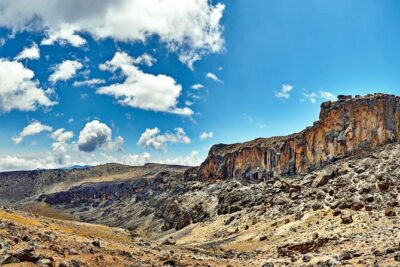 ★ 5.0Kilimanjaro climb, Lemosho Route (8-day)From $3,975148 reviews
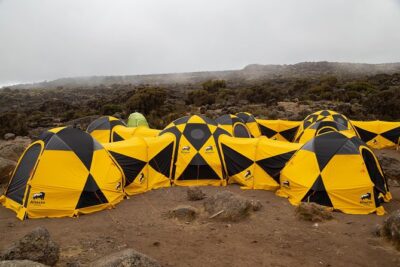 ★ 5.0Kilimanjaro climb, Lemosho Route (6-day)From $3,034129 reviews
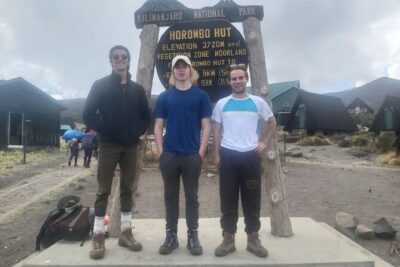 ★ 5.0Kilimanjaro Lemosho RouteFrom $2,89071 reviews
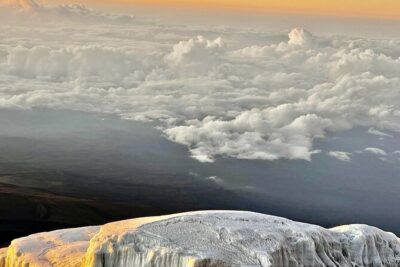 ★ 5.0Private Kilimanjaro Hike 7 Day Lemosho RouteFrom $2,45060 reviews
 ★ 5.0Climbing Kilimanjaro through 8 days Lemosho RouteFrom $2,76052 reviews
Browse the lists this tour appears in