
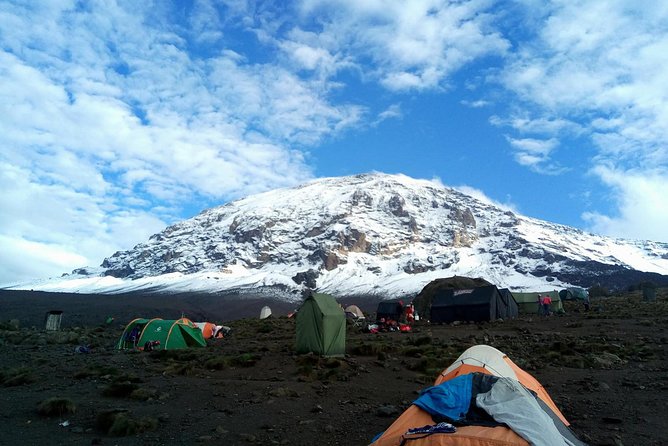
REVIEW · KILIMANJARO LEMOSHO ROUTE
8 days Lemosho route Climbing Mt. Kilimanjaro
Kilimanjaro is a long game, not a sprint. This 8-day Lemosho route is interesting because it feeds you in phases, starting in forest and easing you onto the high plateau before the real push toward Kibo. I also like the steady, practical structure and the fact that your team is set up for safety from the first day in Moshi.
Two things I particularly like: the acclimatization pattern is built into the route (not just “do your best”), and the package includes key safety items like portable oxygen tanks and an ox meter. One consideration is that this is still a tough schedule for altitude. You’ll be hiking most days, and summit night begins late, around 23:30.
In This Review
- Key things that make this Kilimanjaro trek click
- Moshi start, airport-to-trek logistics, and why it matters
- Day 1 to Day 2: Londorossi rain forest, then Shira Ridge views
- Day 3: Shira plateau, moorland meadows, and moir hut acclimatization
- Day 4: Lava Tower toward Arrow Glacier, then down to Barranco Hut
- Day 5: Great Barranco Wall, Karanga Camp, and the value of a short hard day
- Day 6: Barafu Hut, the exposed ridge reality, and summit-night preparation
- Day 7: Summit night from 23:30, Stella Point sunrise, then Uhuru Peak
- Day 8: Celebration at Mweka Gate, green vs gold certificates, and the final descent
- Price and value: what $3,100 includes (and what you must plan for)
- Team quality in practice: guides, food, and the human side
- Who should choose this 8-day Lemosho trek, and who should rethink it
- Quick FAQ for planning your Kilimanjaro climb
- FAQ
- When does the trek start, and where do you meet?
- What’s included for meals and drinking water?
- Is oxygen available on the trek?
- Are tents and sleeping gear provided?
- Do I need to bring travel insurance and flights?
- How large is the group?
- Should you book Kilisa for the 8-day Lemosho route?
Key things that make this Kilimanjaro trek click
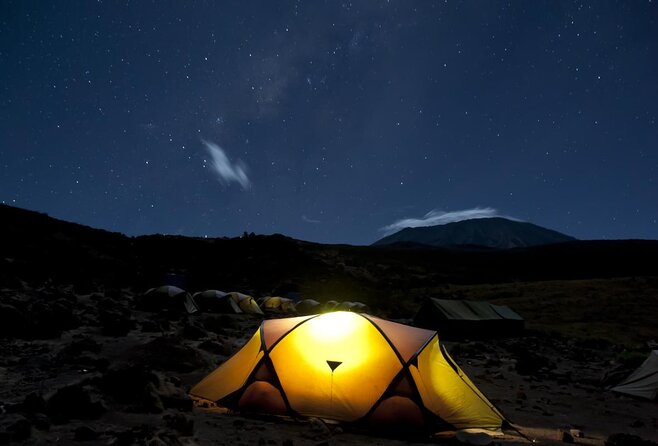
- Lemosho pacing: forest, then moorland and plateau, then higher terrain, so your body has time to adjust
- Rescue and emergency readiness: Team Kilimanjaro Rescue fees plus an emergency first-aid kit
- Real summit support: oxygen tanks, ox meter, and a detailed pre-summit briefing on the cold, exposed Barafu ridge
- Food and comfort above the normal trekking baseline: 3 hot meals daily on the mountain, treated filtered water, and hot water for washing
- Small group feel: up to 15 travelers, which usually makes the trek feel more coordinated
Other ways up Kilimanjaro we reviewed
- Kilimanjaro climb by Lemosho Route (7-day)★ 5.0 · 651 reviews
- Kilimanjaro climb, Machame Route (7-day)★ 5.0 · 262 reviews
- Kilimanjaro Climbing Lemosho Route 8 Days.★ 5.0 · 186 reviews
- Climbing Kilimanjaro – Machame Route★ 5.0 · 170 reviews
Moshi start, airport-to-trek logistics, and why it matters
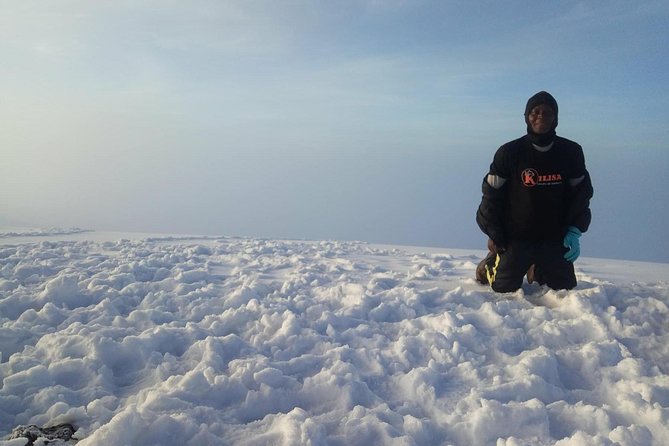
This trek begins in Moshi, Tanzania and runs for about 8 days. The biggest advantage, for me, is that you are not left to stitch the trip together yourself. Kilisa includes private transport from Kilimanjaro International Airport to your accommodation in Moshi, plus transport to and from the mountain gates.
That sounds boring until you picture what happens after a flight. You land, you need sleep, and you need clear instructions for the next morning. With this setup, you can focus on getting ready physically and mentally instead of guessing buses, timetables, or meeting points.
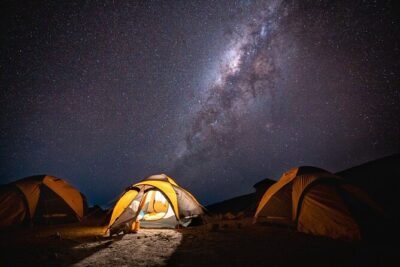
You also get sleeping mats, hot meals on the mountain, and 4-season mountain tents. That last detail matters at Kilimanjaro. Nights can be cold and windy, even when the day weather looks fine.
Day 1 to Day 2: Londorossi rain forest, then Shira Ridge views
Day 1 starts when you’re driven from Moshi town to Londorossi Park Gate (about 2100m). You do entry formalities in the nearby village area, then continue to the Lemosho trailhead. After lunch at the trailhead, you hike through undisturbed forest to the first camp.
The forest day is a gift. The air feels cooler, the footing can be more gentle, and your body is still learning the rhythm of trekking at altitude. It’s also when you start bonding with your team, because guides and porters will be explaining the routine and how you’ll handle the altitude climb step by step.
On Day 2, the trail climbs out of forest into moorland and tall-grass savannah. Expect heather, volcanic rock, and lichen draping the scenery. You’ll ascend through rolling hills, cross several streams, and reach Shira Ridge, then drop gently to Shira 1 camp. The view of Kibo from across the plateau is a highlight, especially because Kibo often looks distant and unreal until you see it clearly from Shira.
Practical note: Day 2 runs about 5.5 hours for roughly 8 km. It’s not just about distance. It’s about getting your lungs used to the climb without going hard too early.
Day 3: Shira plateau, moorland meadows, and moir hut acclimatization
Day 3 is where the hike turns into high-altitude drama. You move east across Kibo’s “glaciered peak” region, staying on a plateau that feels huge. The walk continues through moorland meadows, and you’ll reach Shira 2 camp by a stream.
Then you continue to Moir Hut, described as a little used site on the base of the Lent Hills. This is where the route gives you acclimatization options, which is exactly what you want on Kilimanjaro. You’re not just marching upward. You’re also getting your body used to thinner air and learning how you respond to altitude while you have a basecamp-style stop.
A plus here is mental. Shira is described as one of the highest plateaus on earth, and you feel it. You’ll get wide open skies, big air, and that quiet feeling where every step counts.
The trek that day is about 5 to 7 hours and roughly 15 km. That range tells you the day can flex a bit depending on pace and conditions. Treat it like a day to stay smooth, not fast.
Lemosho itineraries worth reading next
Day 4: Lava Tower toward Arrow Glacier, then down to Barranco Hut
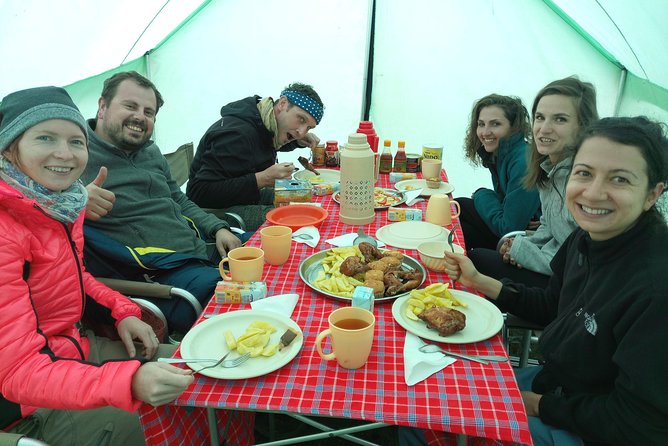
Day 4 is an important switch. You go from Moir Hut up a ridge, and later your direction changes toward the Lava Tower, often called the Shark’s Tooth. Shortly after, you reach the junction that brings you up to Arrow Glacier at around 16,000 ft, then you continue down to Barranco Hut at about 13,000 ft.
Even though you end Day 4 at about the same elevation you started the day, the route is doing something smart. It’s giving you the altitude stimulus of going higher, then letting you settle back down. That’s acclimatization by design.
This is also one of those days where scenery and effort line up. Lava Tower country tends to feel dramatic. You get that sharp sense of altitude and exposure, which becomes important preparation for the later exposed sections.
You’ll sleep at Barranco Hut, rest, enjoy dinner, and wake up ready for the next “crunch day” style push.
Day 5: Great Barranco Wall, Karanga Camp, and the value of a short hard day
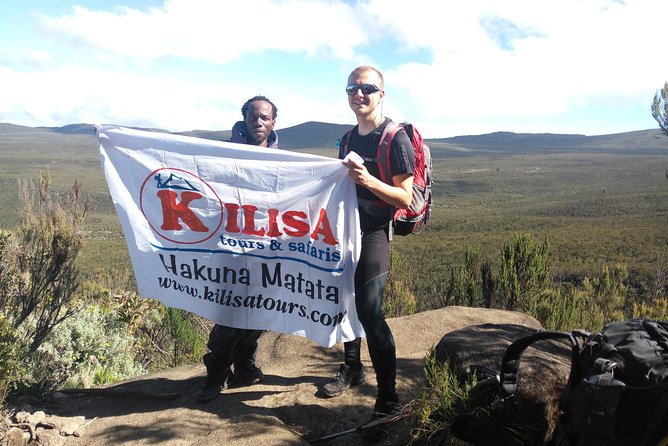
Day 5 is about acclimatization with purpose, and it includes the famous Great Barranco Wall. The hike is described as a shorter day (around 4 to 5 hours and about 5 km), but it’s not a “take it easy” day. You’ll climb over the Barranco Wall and take in views that can include Heim Glacier, and you’ll be above the clouds at the top.
The route describes the Wall as a Class 2 hike and notes that hikers often find it easier than it first looks. Still, you should treat it as a real climb. Use small steps, steady breathing, and let your guide set the pace.
After the Wall, the trail winds up and down in the Karanga Valley, and you finish at Karanga Camp (around 3950m) for dinner and the night.
This is the kind of day that pays off. Short, controlled effort teaches you how to handle steep sections without burning yourself for summit night.
Day 6: Barafu Hut, the exposed ridge reality, and summit-night preparation
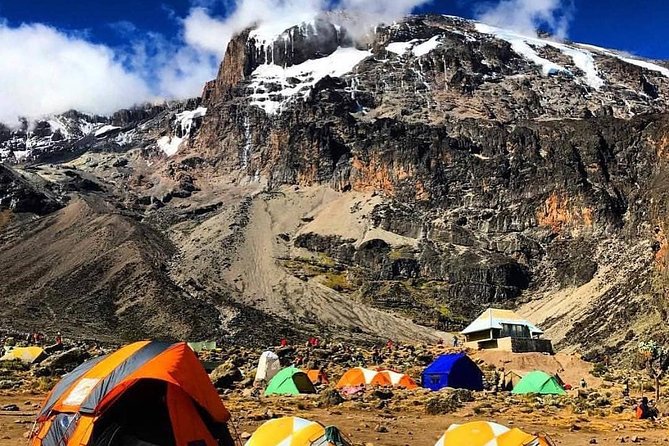
Day 6 looks short on paper: about 3 to 4 hours and roughly 4 km. But it’s one of the most critical days because it sets up your summit attempt timing.
You start ascending and you intersect with the Mweka Route (the route used on the final two days for descent). After about an hour, you reach Barafu Hut. This is the last water stop for porters, and the information is clear: there is no accessible water at Barafu Camp.
Then you continue to Barafu Camp (around 4550m). The camp is on a rocky, exposed ridge and you’re dealing with wind, rocks, and serious cold at night. The important practical part is that you’re told to familiarize yourself with the campsite before dark. That matters because moving around in the dark on an exposed ridge is risky and just annoying when you’re trying to rest.
Dinner comes early. You also get a detailed summit-night preparation briefing. You’re told to aim for sleep by 19:00, so your body can recover. That early dinner and sleep window is not a luxury. It’s the mechanics behind doing the summit attempt safely.
Day 7: Summit night from 23:30, Stella Point sunrise, then Uhuru Peak
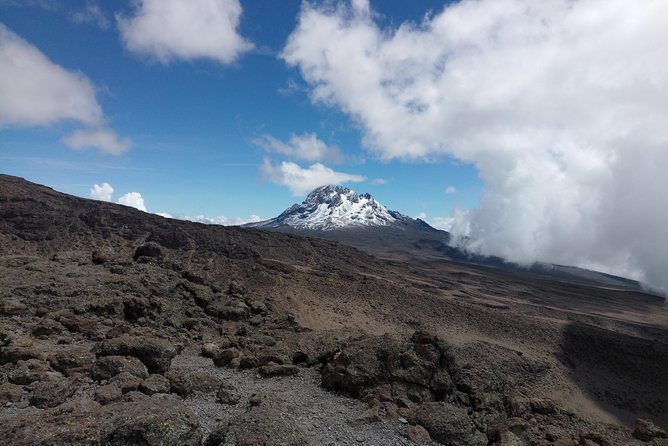
Summit night is the moment most people remember. You’re woken around 23:30 with tea and biscuits, then you start your summit attempt.
The route heads northwest and you climb over stone scree. This part is described as the most mentally and physically challenging segment for many hikers, and that lines up with what you’d expect at that altitude and darkness.
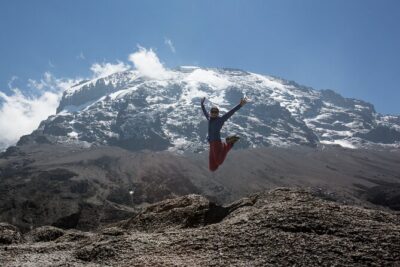
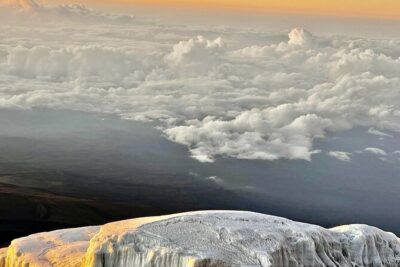
After about 6 hours, you reach Stella Point (5685m) on the crater rim. Here you wait for and enjoy the sunrise, which is one of the best “payoff” moments on Kilimanjaro. It’s when fatigue starts to convert into pure focus.
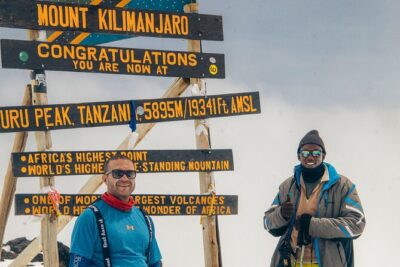
Then you continue for about 2 more hours on a snow-covered trail to Uhuru Peak (5895m). Reaching Uhuru Peak is a lifetime achievement, and it should feel that way. If you’ve done the acclimatization days well, you’ll likely feel more stable on the final push.
This day also has a strong planning side. The itinerary frames Day 7 as about 8 hours ascent and 7 to 8 hours descent to Mweka. That descent is long, and it’s where safe footwork matters more than heroics.
Day 8: Celebration at Mweka Gate, green vs gold certificates, and the final descent
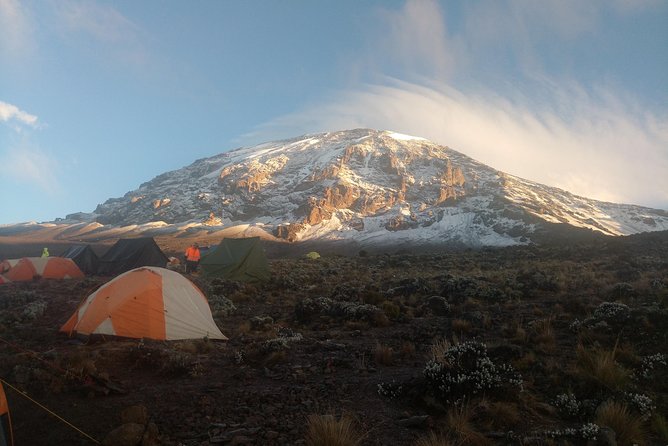
Day 8 begins with a well-deserved breakfast. You then have a mountain celebration with singing and dancing, and you’ll present tips to your guide, assistant guides, cook(s), and porters.
That tip moment is more than tradition. It’s a chance to thank the whole working team who carried you through the hard days, often with steady teamwork in tough conditions.
After the celebration, you descend about 3 hours to Mweka Gate. You’ll sign your name to receive certificates of completion. The colors matter:
- If you reached Stella Point (5685m) you receive a green certificate
- If you reached Uhuru Peak (5895m) you receive a gold certificate
Then you descend into the Mweka village for about 1 hour (roughly 3 km), you get a hot lunch, and then you’re driven back to Moshi for showers and more celebrating.
The day ends with a reset. Kilimanjaro is a big physical event. Getting clean and warm after is not just nice. It’s how your body starts recovering.
Price and value: what $3,100 includes (and what you must plan for)
This tour is priced at $3,100 per person for the 8-day Lemosho climb from Moshi with Kilisa Tours & Safaris.
Here’s the value side that you should pay attention to. Included costs cover a lot of the things that often surprise people at Kilimanjaro:
- Park entry fees and camping fees
- Team Kilimanjaro Rescue fees
- Transportation from airport to Moshi and between Moshi and the trailheads
- Sleeping mats and 4-season tents
- 3 hot meals daily while on the mountain
- Enough treated and filtered drinking water
- Hot water for washing
- Portable oxygen tanks and an ox meter
- Guides, cook, and porters (all part of the operating team)
- Emergency first-aid kit
That safety and support package is the heart of the cost. Oxygen gear and rescue fees do not just add comfort. They add structure to risk management.
What’s not included is also clear: travel insurance, flights, and tips for guides, porters, and cook. Kilisa’s own feedback notes that tipping isn’t compulsory, but it is deeply ingrained and highly expected. Plan for it so you’re not stressed at the moment of celebration.
If you want a straightforward comparison mindset, treat this as paying for a full operational team plus critical safety elements, not just carrying you up the mountain.
Team quality in practice: guides, food, and the human side
Two names show up in the real-world stories from past climbs: Goodluck and Abraham as guides. That kind of detail matters because Kilimanjaro is not “one person plus a route.” It’s a team job.
In past experiences with this company, the planning communication was described as clear and responsive, and the owner Naick is mentioned as being helpful from the start. That kind of pre-trip follow-through matters most if you have timing issues, travel disruptions, or questions about what to do when you arrive.
Food is another area where this trek tends to win people over. Several experiences describe the food as excellent, not just edible. On Kilimanjaro, strong meals help you keep moving when appetite is unpredictable.
And if you care about how the trip feels day to day, you’ll likely appreciate the “team vibe” aspect that comes with smaller groups and a coordinated guide team.
Who should choose this 8-day Lemosho trek, and who should rethink it
This tour is a strong fit if you:
- Have a strong physical fitness level
- Want a route with staged acclimatization, not a rushed straight line upward
- Care about having oxygen equipment and rescue support fees included
- Appreciate a guided trek where you get clear briefings and consistent meals
It might not be your best choice if:
- You struggle with steep effort, because Days 5 and 7 are tough in different ways
- You get nervous about exposed, windy conditions at high camp. Barafu Camp is described as rocky and exposed, with no accessible water on-site
- You want a lighter schedule. This is still a serious multi-day mountain climb
The route also has a practical group cap, max 15 travelers, which usually helps keep the operation smooth.
Quick FAQ for planning your Kilimanjaro climb
FAQ
When does the trek start, and where do you meet?
The experience starts in Moshi, Tanzania, with a listed start time of 8:30 am. The tour ends back at the meeting point after returning to Moshi.
What’s included for meals and drinking water?
While on the mountain, you get three hot meals daily and enough treated and filtered drinking water. Hot water for washing is also included.
Is oxygen available on the trek?
Yes. The package includes portable oxygen tanks and an ox meter. There is also an emergency first-aid kit.
Are tents and sleeping gear provided?
Yes. You’ll have 4-season mountain tents and sleeping mats included.
Do I need to bring travel insurance and flights?
Travel insurance and flights are not included. Tips for guides, porters, and cook are also not included.
How large is the group?
This tour has a maximum of 15 travelers.
Should you book Kilisa for the 8-day Lemosho route?
If you want the Kilimanjaro experience without gambling on the details, this is a solid pick. The combination of included oxygen equipment, rescue fees, hot meals, and a clearly paced Lemosho build-up makes it feel safer and more organized than a basic hike package.
Book it if you’re fit, ready for altitude, and you like having a full team handling the hard logistics. Reconsider if you want a gentler schedule or you’re not comfortable with a summit night that starts around 23:30 and ends with a long descent.
If you do book, your best move is simple: train for endurance, pace calmly, and trust the acclimatization rhythm. Kilimanjaro rewards good decisions, not speed.
Lemosho, Compared
- Kilimanjaro climb by Lemosho Route (7-day)
★ 5.0 · 651 reviews - Kilimanjaro Climbing Lemosho Route 8 Days.
★ 5.0 · 186 reviews - Kilimanjaro climb, Lemosho Route (8-day)
★ 5.0 · 148 reviews - Kilimanjaro climb, Lemosho Route (6-day)
★ 5.0 · 129 reviews - Kilimanjaro Lemosho Route
★ 5.0 · 71 reviews
Kilimanjaro, Route by Route
- Kilimanjaro climb by Lemosho Route (7-day)
★ 5.0 · 651 reviews - Kilimanjaro climb, Machame Route (7-day)
★ 5.0 · 262 reviews - Kilimanjaro Climbing Lemosho Route 8 Days.
★ 5.0 · 186 reviews - Climbing Kilimanjaro – Machame Route
★ 5.0 · 170 reviews - Climbing Kilimanjaro through 7 days Machame Route
★ 5.0 · 151 reviews
Just added from around Moshi
Kilimanjaro Lemosho Route, compared.
 ★ 5.0Kilimanjaro climb by Lemosho Route (7-day)From $3,476651 reviews
 ★ 5.08-Day Small-group Lemosho Kilimanjaro Summit TrekkingFrom $2,895186 reviews
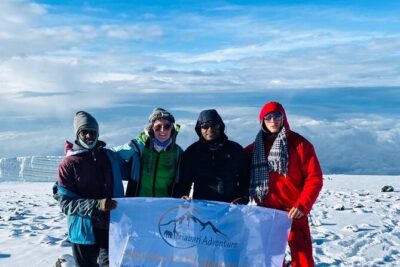 ★ 5.0Kilimanjaro Climbing Lemosho Route 8 Days.From $2,300186 reviews
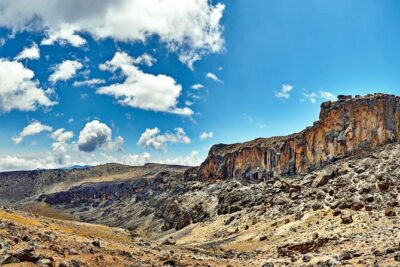 ★ 5.0Kilimanjaro climb, Lemosho Route (8-day)From $3,975148 reviews
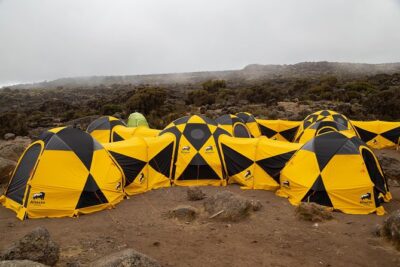 ★ 5.0Kilimanjaro climb, Lemosho Route (6-day)From $3,034129 reviews
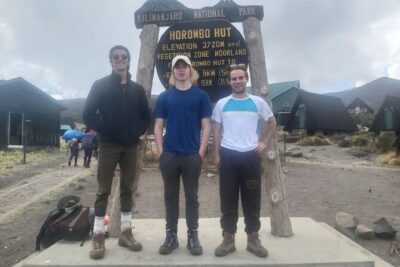 ★ 5.0Kilimanjaro Lemosho RouteFrom $2,89071 reviews
 ★ 5.0Private Kilimanjaro Hike 7 Day Lemosho RouteFrom $2,45060 reviews
 ★ 5.0Climbing Kilimanjaro through 8 days Lemosho RouteFrom $2,76052 reviews
Browse the lists this tour appears in