
REVIEW · KILIMANJARO LEMOSHO ROUTE
8 Days Kilimanjaro Climbing tour via the Lemosho Route
Hitting Kilimanjaro is easier on a plan. This Lemosho Route style trek stacks rainforest travel, high-altitude viewpoints over Shira and Kibo, and a night push to Uhuru Peak, with a guided camp routine built around acclimatization. You also get a pickup option from Moshi, plus return transfer after you finish.
I love the frequent, altitude-smart stops that help your body adjust before the summit night, and I like that most meals and camp support are already handled for you. The main consideration: this is still a long, high-altitude climb, and good weather matters, so you should train for effort and stay flexible.
In This Review
- Key points worth knowing before you go
- Entering the Kilimanjaro climb in Moshi, then lining up at Londorossi Gate
- Day 1: Mti Mkubwa Camp and the rainforest lesson (you’ll want rain gear)
- Day 2: Shira Plateau views and a gentler acclimatization step
- Day 3: Shira 2, Mount Meru spotting, and the Lava Tower acclimatization hike
- Day 4: Lava Tower (4,630m), then Barranco Camp and the famous wall
- Day 5: Muro del Barranco early, Karanga Camp ups and downs, then Barafu acclimatization
- Day 6: Barafu Summit Camp to summit-night setup, then Kosovo intermediate time
- Day 7: Summit night to Uhuru Peak, personal guidance, and the descent to Millennium Camp
- Day 8: Mweka Gate exit at 1,650m, then certificates and rainforest relief
- What this Lemosho route delivers for your body and your photos
- Price and value: what your $1,090 per person actually buys you
- Practical day-by-day pacing tips that fit this itinerary
- Moshi add-ons: a smart way to make the whole trip feel local
- Should you book the 8-day Lemosho Kilimanjaro climb?
- FAQ
- What is the duration of this Kilimanjaro climb?
- Where does the trek start on Kilimanjaro?
- What time does the tour start?
- Is pickup from the Moshi area included?
- Are Kilimanjaro park fees included in the price?
- What meals are included during the trek?
- Do I need to bring my own hiking gear?
- Is there free cancellation?
Key points worth knowing before you go
- Londorossi Gate entry at 2,200m sets up a classic west-side climb into different climate zones.
- Acclimatization hikes are scheduled, not optional including Lava Tower and later intermediate high points.
- Lava Tower and Barranco Wall are major landmarks that shape your day rhythm and energy use.
- Summit night is led with close monitoring since your group gets personal guidance for the ascent.
- Meals and camp setup support reduce logistics stress during the hardest days.
- Moshi area day trips can be a good add-on since local writeups praise friendly guides and a strong coffee culture around waterfall stops.
Other ways up Kilimanjaro we reviewed
- Kilimanjaro climb by Lemosho Route (7-day)★ 5.0 · 651 reviews
- Kilimanjaro climb, Machame Route (7-day)★ 5.0 · 262 reviews
- Kilimanjaro Climbing Lemosho Route 8 Days.★ 5.0 · 186 reviews
- Climbing Kilimanjaro – Machame Route★ 5.0 · 170 reviews
Entering the Kilimanjaro climb in Moshi, then lining up at Londorossi Gate
Most 8-day Kilimanjaro trips feel like a “mountain package,” but the start matters. You’ll meet your team, then drive about 3-4 hours to the west entrance of the national park at Londorossi Gate (2,200m). Once permits are handled and registration is done with Search and Rescue, the trek begins toward Mti Mkubwa Camp (2,780m).
Why this sequence is practical: it gets you out of town and into the real climbing tempo without wasting a day on logistics. Also, because the route starts higher than a lot of low-elevation hiking, you should expect an early reminder that oxygen is different on Kilimanjaro.
Day 1: Mti Mkubwa Camp and the rainforest lesson (you’ll want rain gear)
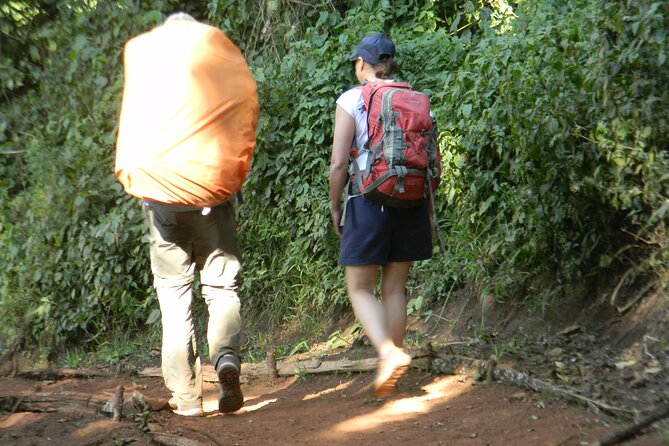
Day 1 is mostly about transition and comfort. You’ll start from Londorossi Gate and walk to Mti Mkubwa Camp (2,780m), with the big detail being rainforest conditions. Rain jackets are a must because the day goes through forest where wet air and sudden showers are common.
You’ll likely feel the mental shift here. In the rainforest, the goal is simple: walk steadily, keep your breathing calm, and don’t burn energy trying to “win” the first day. If you’ve ever hiked in humid tropical forests, you already know how quickly dehydration can sneak up on you. If you haven’t, bring that mindset early.
Day 2: Shira Plateau views and a gentler acclimatization step
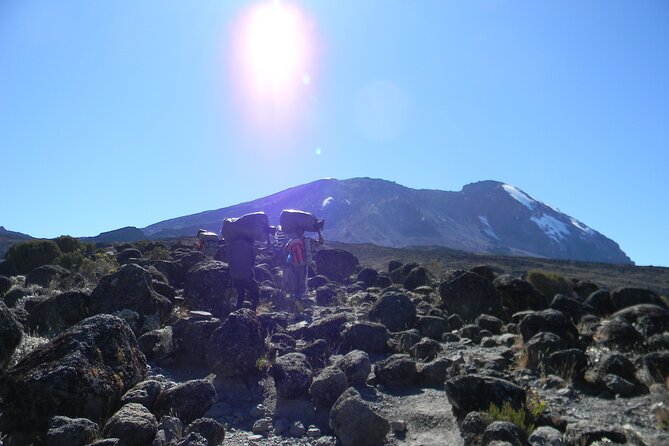
Day 2 gradually climbs up to around 3,500m, then the route opens into major scenery. You’ll get your first big look toward Shira Plateau and Kibo Volcano. The walking from Mti Mkubwa to Shira 1 Camp (3,505m) takes about 5-6 hours, and it’s described as generally easy, which is exactly what you want at this stage.
I like how this day is framed around acclimatization. You’re not just moving forward, you’re giving your body time to learn the altitude. Once you reach Shira 1, your team handles lunch, and you can rest in your tent or take a short stroll around camp.
Lemosho itineraries worth reading next
Day 3: Shira 2, Mount Meru spotting, and the Lava Tower acclimatization hike
Day 3 sends you from Shira 1 Camp (3,505m) to Shira 2 Camp (3,900m), with a light trek described as not difficult. The payoff is views and flora changes, plus a chance to spot Mount Meru (Africa’s fifth peak) if weather behaves.
Then comes one of the key acclimatization mechanics of this whole route. After lunch and rest, you do an acclimatization hike to Lava Tower Camp, with an elevation gain of about 300 meters. That small vertical push teaches you something important: climbing higher during the day, then sleeping a bit lower, can help reduce altitude strain.
Day 4: Lava Tower (4,630m), then Barranco Camp and the famous wall
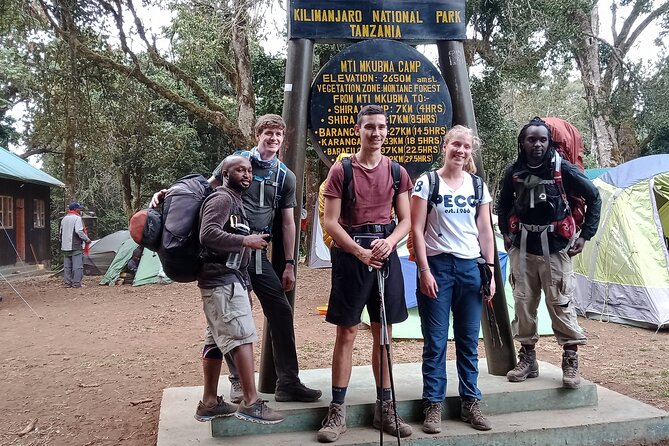
Day 4 is where the route starts asking for more attention. You move from Shira 2 toward Lava Tower (4,630m), and the terrain includes repeated climbs and descents. The schedule notes that you may feel uncomfortable, which is common as altitude rises, and that you should spend at least 1-2 hours around the Lava Tower area for acclimatization. Lunch is served there.
After that, you descend to Barranco Camp (3,960m). This is also your introduction to the Barranco wall. You’ll see its scale and steepness here, and you can relax knowing you’ll tackle the actual climb the next day.
The drawback to plan for: this is a day where your legs might feel okay but your breathing can be slower and heavier. Keep your pace steady and let your guides manage the timing.
Day 5: Muro del Barranco early, Karanga Camp ups and downs, then Barafu acclimatization
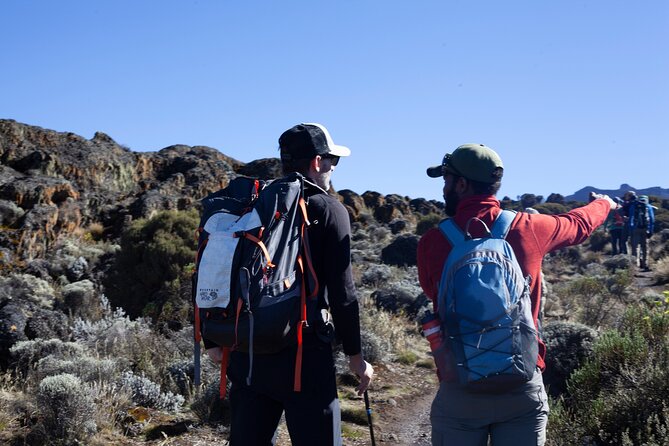
Day 5 is built around one dramatic moment plus a lot of steady hiking. First, you climb Muro del Barranco. The advice is to leave camp as soon as possible to avoid crowding from other groups. The climb itself is described as not difficult and takes about an hour.
Afterward, you get a breather with photo time by Kibo Volcano. Then the day gets tougher on paper and in practice as you hike to Karanga Camp, which is characterized by ups and downs. Your guides pace the group so you don’t sprint the altitude.
Once you reach Karanga, you get a hot lunch, then later you must do an acclimatization hike to Barafu camp with about 200 meters of elevation gain, before returning back to camp. That “go up, come down” pattern is basically what helps many people make it through the summit night without burning out too early.
Day 6: Barafu Summit Camp to summit-night setup, then Kosovo intermediate time
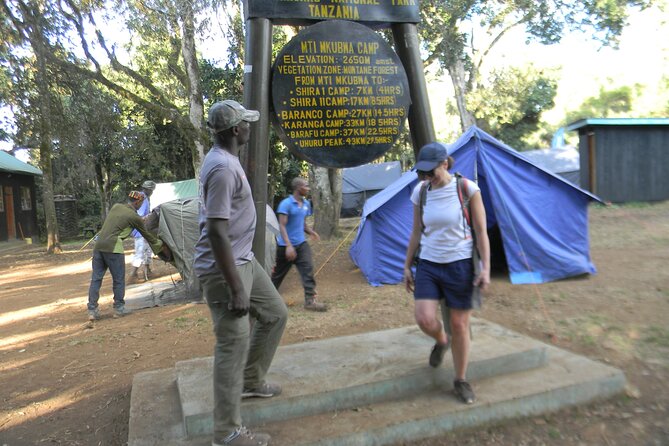
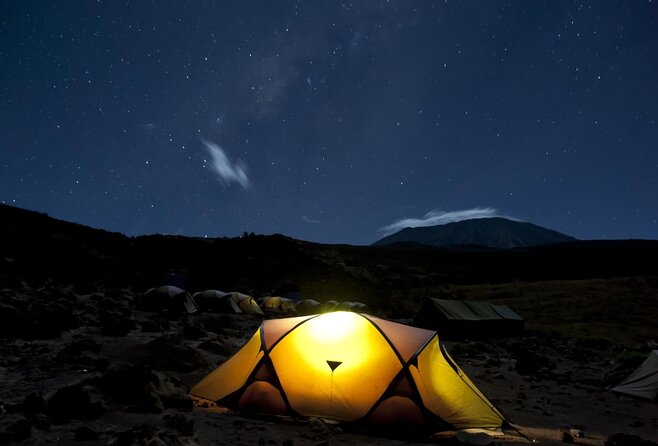
Day 6 is a turning point. You head from Karanga to Barafu Summit Camp (4,640m), which becomes your launch point for the night ascent toward Uhuru Peak (5,895m). The plan says the team sets up camp in advance, including tents and sleeping bags, so you can relax rather than losing energy to last-minute logistics.
After recovering, you do an acclimatization trek to Kosovo Summit Intermediate Camp (4,800m) and then return to Barafu Camp for a hot dinner. This is your “protect your energy” day. If you can sleep, sleep. If you can’t, at least rest with your breathing under control.
One more detail I appreciate here: the itinerary makes it clear that reaching the night peak is the real mission, so the day’s work is structured to support that, not to add extra goals.
Day 7: Summit night to Uhuru Peak, personal guidance, and the descent to Millennium Camp
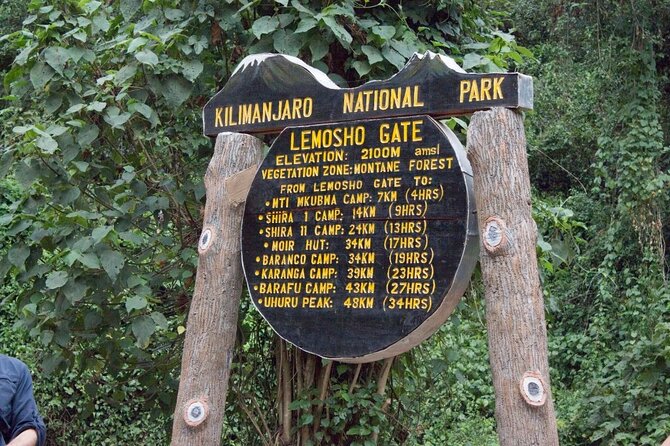
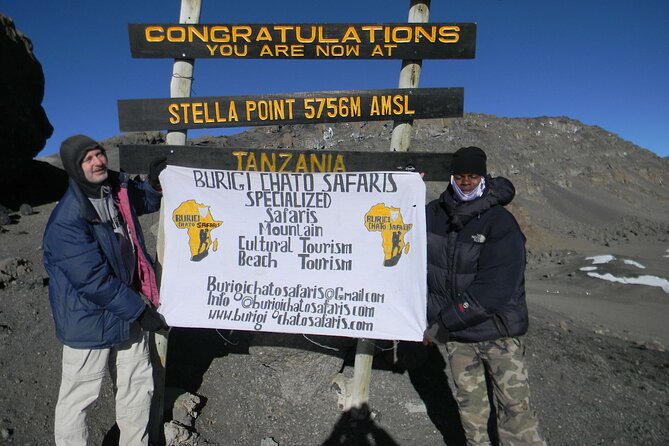
Day 7 starts at night, and you leave Barafu Camp (4,640m) to climb toward Uhuru Peak (5,895m). Technically, the ascent is described as relatively easy, but the hardest part is the high altitude.
A big comfort point for your mind on summit day: the plan states that each pair of climbers receives a personal guide for the entire climb, monitoring both physical and mental condition. That matters, because summit day anxiety often comes from not knowing what your body will do next, plus the mental churn of long hours at altitude.
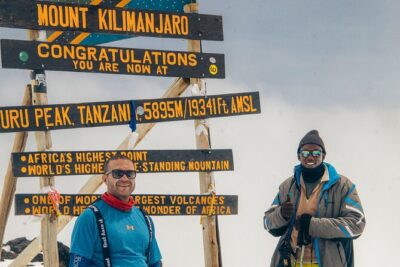
After you reach Uhuru Peak, the plan includes a possible option to descend to the nearest glacier if you wish. Then you return to Barafu Camp and rest for about 2 hours, before continuing descent to Millennium Camp (3,820m).
If you’re wondering how you’ll feel, expect a mix. Relief is real, but so is fatigue. This is the day where smart pacing and staying calm win, even when your emotions spike.
Day 8: Mweka Gate exit at 1,650m, then certificates and rainforest relief
Day 8 is shorter on paper but it still takes effort. Your campsite is described as being in a tropical rainforest, and after sleeping at high altitude, dropping back to lower elevations can feel like getting your legs back.
After waking, you have a hot breakfast, then proceed to Mweka Gate (1,650m) for the park exit. After descending, the whole group gathers to congratulate you, you sign in the guest book to share thoughts, then certificates are delivered back in the operator’s office. Finally, you get a return transfer to your hotel.
This day is why I always recommend planning a recovery buffer afterward if you can. Even if the hike is shorter, your body has spent multiple days adjusting to altitude stress.
What this Lemosho route delivers for your body and your photos
This route is built around changing ecosystems, not just a straight line to the top. You’ll move from rainforest conditions on early days into higher, thinner-air zones with dramatic views over Shira Plateau and Kibo Volcano, plus landmark terrain like Lava Tower and the Barranco wall.
For your body, the itinerary repeatedly uses acclimatization hikes: Lava Tower area time, the Lava Tower Camp side hike, the later Barafu acclimatization climb, plus intermediate work at Kosovo (4,800m). You get a clear pattern: gain altitude during the day, create rest opportunities, and avoid an all-or-nothing climb.
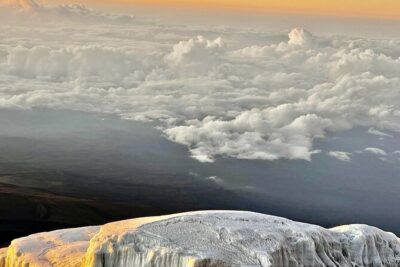
For your photos, the itinerary is also structured around scenic “snapshots.” The Shira days promise first real views of major peaks. Day 4 gives you Barranco in full scale before you climb it. Day 5 brings Kibo Volcano photo time after the Muro del Barranco segment. Day 7 is the night summit mission where sunrise views often become the memory people carry home.
Price and value: what your $1,090 per person actually buys you
At $1,090 per person for an 8-day climb, the value depends on what’s included and what you must bring or pay separately.
Here’s what you can count on from the provided info:
- A professional experienced guide
- A private transfer to the area of activities
- Breakfast (7), lunch (8), and dinner (7)
- Private group participation meaning it’s your group only
- Admission tickets are listed in the itinerary for each day, though park fees are also explicitly listed as not included in the cost
And what’s not included:
- Flights, visas, and tipping
- Mount Kilimanjaro park fees, which you can pay directly to the park or via the tour operator
- Personal hiking gears
- Personal needs
So, is it a good deal? For me, it looks like solid value if you want the “human logistics” solved for you: meals, camp routine support, and the guiding structure. If you already own most climbing gear and you’re comfortable covering park fees and tipping, your biggest cost risk is usually just “what you forget to pack,” not the route itself.
Practical day-by-day pacing tips that fit this itinerary
This itinerary gives you altitude checkpoints and camp changes, but you still control one big variable: your effort level. Here are practical ways to match your pace to what the schedule expects.
- On rainforest Day 1, prioritize staying dry and walking smoothly. Wet clothes plus cold air can sap energy fast.
- On Shira days, keep your pace easy. You’ll feel good early, then altitude can catch up. Don’t “bank” fitness by rushing.
- On Lava Tower and Barranco, expect a day that feels like walking uphill both ways. Keep breathing slow and step rhythm steady.
- On Karanga and Barafu lead-up, remember that tomorrow is the real summit night. If you feel tempted to push hard today, you can usually talk yourself out of it by focusing on the scheduled acclimatization hikes.
- On summit night, let the personal guide handle the pacing, and treat the climb as a steady process, not a race.
And since the plan says rain jackets are a must for the first day, I’d also plan for layers. Even without exact temperature promises, Kilimanjaro climbs often mean big temperature swings from day to night.
Moshi add-ons: a smart way to make the whole trip feel local
The Kilimanjaro climb is the headline, but Moshi is where you can soften the edges of travel stress. Some trip writeups around the area focus on Materuni waterfall outings, with time to interact with locals and even do photo shoots, plus praise for friendly, knowledgeable drivers. People also highlighted an amazing cup of coffee connected to the day.
This climb tour doesn’t state that it includes those waterfall or coffee stops, so treat it as optional planning. Still, if you arrive early or want a lighter day after descending, a Moshi-area add-on can make your trip feel more human and less just altitude math.
Should you book the 8-day Lemosho Kilimanjaro climb?
I’d recommend booking if you want:
- A route with structured acclimatization that keeps you moving forward without skipping altitude safety work
- A plan that provides strong camp support, including meals throughout and camp setup at the summit-night stage
- A guided summit with personal monitoring for each pair of climbers
I’d think twice if you’re not able to handle long hiking days, or if you don’t like the idea of high-altitude discomfort and uncertainty around weather. Since good weather is required, you should plan travel timing with a little wiggle room if you can.
If you’re ready for the real deal, this 8-day Lemosho itinerary gives you clear milestones, practical pacing, and the kind of summit-day guidance that can make all the difference.
FAQ
What is the duration of this Kilimanjaro climb?
The itinerary is for 8 days, approximately.
Where does the trek start on Kilimanjaro?
You drive to the west entrance of the national park at Londorossi Gate, 2,200m, and then begin trekking to Mti Mkubwa Camp.
What time does the tour start?
The start time is listed as 8:30 am.
Is pickup from the Moshi area included?
Pickup is offered, and the inclusions also mention private transfer to the area of activities, plus a return transfer to your hotel after the climb.
Are Kilimanjaro park fees included in the price?
No. Mount Kilimanjaro park fees are listed as not included, and they can be paid directly to the park or via the tour operator.
What meals are included during the trek?
Breakfast is included for 7 days, lunch for 8 days, and dinner for 7 days.
Do I need to bring my own hiking gear?
Yes. Personal hiking gears are listed as not included, along with personal needs.
Is there free cancellation?
Yes, free cancellation is offered. You can cancel up to 24 hours in advance for a full refund. If the experience is canceled due to poor weather, you’ll be offered a different date or a full refund.
Lemosho, Compared
- Kilimanjaro climb by Lemosho Route (7-day)
★ 5.0 · 651 reviews - Kilimanjaro Climbing Lemosho Route 8 Days.
★ 5.0 · 186 reviews - Kilimanjaro climb, Lemosho Route (8-day)
★ 5.0 · 148 reviews - Kilimanjaro climb, Lemosho Route (6-day)
★ 5.0 · 129 reviews - Kilimanjaro Lemosho Route
★ 5.0 · 71 reviews
Kilimanjaro, Route by Route
- Kilimanjaro climb by Lemosho Route (7-day)
★ 5.0 · 651 reviews - Kilimanjaro climb, Machame Route (7-day)
★ 5.0 · 262 reviews - Kilimanjaro Climbing Lemosho Route 8 Days.
★ 5.0 · 186 reviews - Climbing Kilimanjaro – Machame Route
★ 5.0 · 170 reviews - Climbing Kilimanjaro through 7 days Machame Route
★ 5.0 · 151 reviews
Just added from around Moshi
Kilimanjaro Lemosho Route, compared.
 ★ 5.0Kilimanjaro climb by Lemosho Route (7-day)From $3,476651 reviews
 ★ 5.08-Day Small-group Lemosho Kilimanjaro Summit TrekkingFrom $2,895186 reviews
 ★ 5.0Kilimanjaro Climbing Lemosho Route 8 Days.From $2,300186 reviews
 ★ 5.0Kilimanjaro climb, Lemosho Route (8-day)From $3,975148 reviews
 ★ 5.0Kilimanjaro climb, Lemosho Route (6-day)From $3,034129 reviews
 ★ 5.0Kilimanjaro Lemosho RouteFrom $2,89071 reviews
 ★ 5.0Private Kilimanjaro Hike 7 Day Lemosho RouteFrom $2,45060 reviews
 ★ 5.0Climbing Kilimanjaro through 8 days Lemosho RouteFrom $2,76052 reviews
Browse the lists this tour appears in