
REVIEW · KILIMANJARO LEMOSHO ROUTE
8 Days Kilimanjaro Climbing Lemosho Route
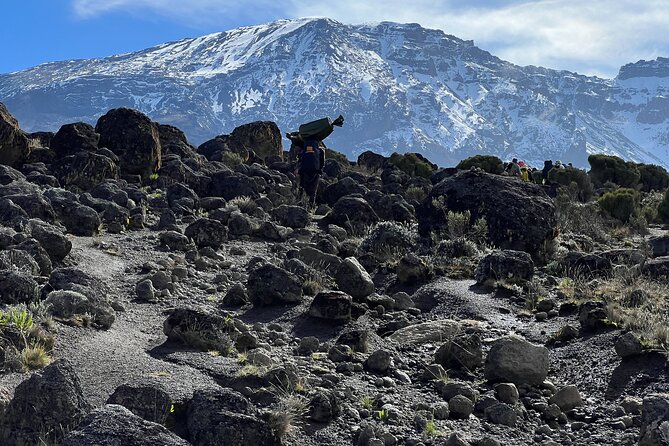
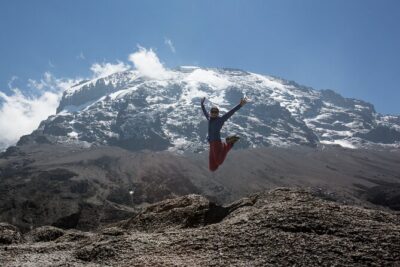
Kilimanjaro, but with breathing room. The Lemosho Route is known for crossing the Shira Plateau from west to east with a more pleasant, relatively even rhythm, and you only really feel crowding later when it joins the Machame track near Lava Tower. It is a smart choice if you want scenery plus time to adjust before the big push.
What I like most is the way this 8-day plan supports you before summit day, including that extra acclimatization time. I also like the setup on the ground: you get picked up from the airport, guided through a Moshi orientation, and your crew checks your trekking gear so you are not scrambling once the mountain starts to feel real.
One consideration: summit day can be long and starts very late, usually around 11:00 PM to midnight, and weather can affect access on day 1, sometimes forcing extra walking if vehicles cannot reach the true trailhead. If you hate late nights and long days, this route may test your patience.
In This Review
- Key things to know before you climb Lemosho
- Why the Lemosho Route feels calmer before the storm
- Price, value, and what you really get for $2,300
- Getting to Moshi and the start at Londorossi gate
- Day 1, forest mood: Londorossi gate to Forest Camp
- Day 2, Shira Plateau views and a first real altitude test
- Day 3, heath zone trekking and Scott Fisher memorial camp
- Day 4, alpine zone shifts and a volcanic-feeling day
- Day 5, Great Barranco Wall and moving toward Karanga
- Day 6, Barafu Camp and learning the safety drill
- Day 7, the summit night to Stella Point and Uhuru Peak
- Day 8, final descent to the trailhead and back to Moshi
- Who should choose this 8-day Lemosho climb
- Final verdict: should you book this trek?
- FAQ
- What is included in the tour price?
- What is not included?
- Where do we start, and is airport pickup included?
- How long are the hikes each day?
- What altitude changes should I expect?
- What happens if weather is rainy or muddy on day 1?
- Can I cancel and get a full refund?
Key things to know before you climb Lemosho
- Low early crowds until the route meets Machame near Lava Tower
- Shira Plateau traverse gives you long, scenic hiking with fewer stop-start climbs early on
- Extra acclimatization day built into the 8-day schedule for better pacing
- Safety coaching on summit equipment includes a Gamow bag demo and oxygen-related instruction
- Summit push timing targets sunrise, with a typical 12 to 17 hour day on Day 7
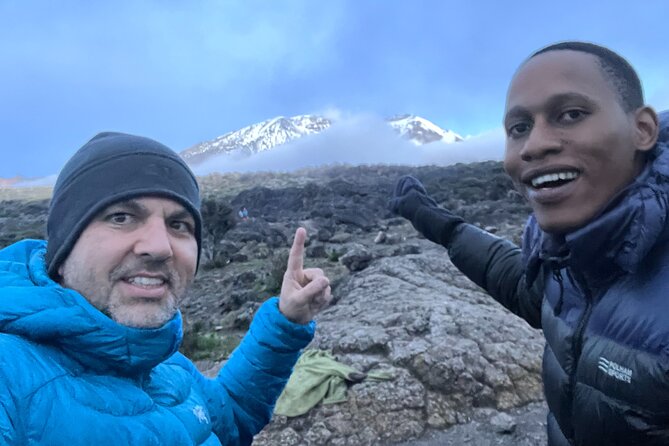
- Operator support is personal with named guides mentioned in client feedback, including Godfrey and Guiwa
Other ways up Kilimanjaro we reviewed
- Kilimanjaro climb by Lemosho Route (7-day)★ 5.0 · 651 reviews
- Kilimanjaro climb, Machame Route (7-day)★ 5.0 · 262 reviews
- Kilimanjaro Climbing Lemosho Route 8 Days.★ 5.0 · 186 reviews
- Climbing Kilimanjaro – Machame Route★ 5.0 · 170 reviews
Why the Lemosho Route feels calmer before the storm
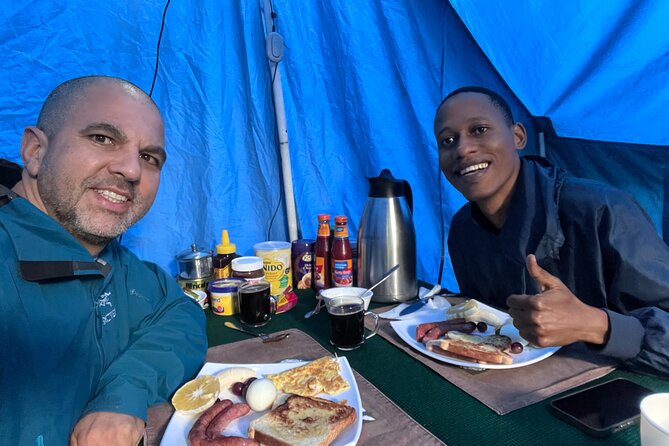
If you compare Kilimanjaro routes, Lemosho is often picked for the early feel. The big idea here is pacing, and the trail design helps. You start at the Londorossi gate on the western side and work your way across the Shira Plateau toward the Kibo massif. That “west to east” approach tends to give you more steady hiking early rather than constant steep jolts.
For you, the practical payoff is psychological. When you start on day 1 with forest hiking and mild altitude progress, it is easier to build a routine: eat, hydrate, walk at a conversational pace, repeat. That matters because Kilimanjaro is not just cardio. It is time management plus altitude management.
Another plus is the crowd pattern. Your route stays relatively quiet until it links up with the Machame route near Lava Tower. That means on earlier days you are more likely to enjoy the views without turning every photo into a traffic jam. Later, when the trails converge, you still get that shared summit energy, just not right away.
Price, value, and what you really get for $2,300
At about $2,300 per person for an 8-day climb, this is not a budget add-on. But value on Kilimanjaro is less about “cheap” and more about what is included when the conditions get extreme.
Here’s what you get that usually costs real money on mountain trips:
- All park fees
- Guides, porters, and cook salaries
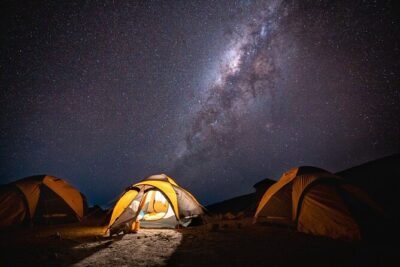
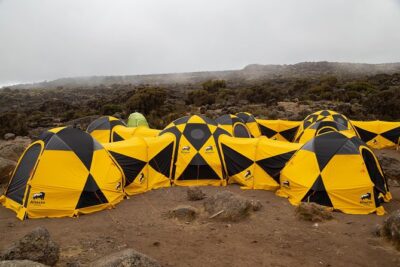
- Quality four-season private mountain sleeping tents
- Clean, purified drinking water
- All meals on the mountain (breakfast 8 times, lunch 8 times, dinner 7 times)
- Rescue fees
- Oximeter
- Airport transfers
- Professional mountain guides
And you get the small-but-important operational details that prevent problems:
- Gear checks at the start in Moshi
- Night-summit preparation with safety equipment instruction
- A crew that handles logistics so you can focus on walking
What is not included is also pretty standard: alcohol and soft drinks, plus tips and personal spending. If you are budgeting, plan for tips and bring a little spending money for optional extras on the way back in town.
One more value point: this is a private tour, meaning it is only your group. On a mountain where space and schedule matter, that can make the experience feel smoother and more controllable.
Getting to Moshi and the start at Londorossi gate
Your journey begins with airport pickup, then a drive to Moshi for orientation. That orientation step matters more than people think. It is where you set expectations, get your routine straight, and get the gear conversation started while you still have choices.
The plan also includes a gear check by the guides. That can be a big deal because on Kilimanjaro, the wrong items can make a long hike feel miserable instead of manageable. With cold temperatures, late-night starts, and wet trail days possible, you want the basics dialed in early.
When you move from Moshi to the mountain, you head to the Londorossi gate on the western side. From there, your Lemosho trek begins in earnest.
Lemosho itineraries worth reading next
Day 1, forest mood: Londorossi gate to Forest Camp
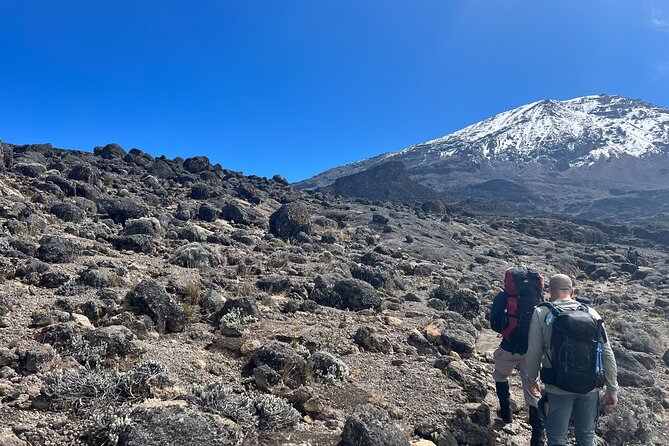
Day 1 is all about transition. You drive a few hours from Arusha area toward the Londorosi gate, then start hiking along the Lemosho trailhead. The first camp is Forest Camp, with overnight altitude around 9,498 feet.
The terrain is gentler than what comes later. You’re walking for about 3 to 4 hours, and in rainy or muddy conditions there can be an extra hiking segment if vehicles cannot make it to the true trailhead.
This is a good first-day trade. You are not throwing yourself into altitude stress right away. Instead, you ease into the mountain’s rhythm through the montane forest zone. You may see signs of elephants in the area and wildlife like black and white colobus monkeys. The tree cover and mossy scenery also tend to keep temperatures more moderate than the open alpine zones later.
Practical tip for your day 1 brain: treat it like a warm-up, not a victory lap. The forest can trick you into walking faster than you should. Your goal is steady movement, not speed.
Day 2, Shira Plateau views and a first real altitude test
On day 2 you leave forest and enter the Hagenia zone. Views open up, and you often catch your first sights of Kibo peak.
This is your first long day in the schedule, hiking roughly 6 to 9 hours and reaching a highest point around 11,500 feet before descending to Shira 1 Camp. Overnight is at that 11,500 feet mark.
The key value here is acclimatization by design. You go up and down ridges rather than climbing one constant slope. That gives your body practice adjusting while still letting you recover enough to continue tomorrow.
If you like practical structure, day 2 is where you start feeling how the whole trek works. You will likely notice that you can walk if you slow down and breathe calmly, and that is a confidence boost before the more challenging altitude bands.
Day 3, heath zone trekking and Scott Fisher memorial camp
Day 3 crosses the Shira Plateau’s heath zone. You begin climbing the western slope of the Kibo massif, and the route feels more “mountain open” as the day goes on.
You hike about 5 to 6 hours, with overnight around 13,650 feet. A highlight is the picnic lunch at Scott Fisher memorial camp, named for the famous mountaineer who has a strong legacy on Kilimanjaro.
Depending on weather, there may be late-afternoon acclimatization hikes. That is not a random add-on. It is part of the plan’s logic: keep you moving in smart doses so you arrive at higher altitude with better tolerance.
Real talk: if the sky is clear, day 3 can make you forget you are building altitude. That is normal. Just don’t let the views make you careless. You still want to stick to an even pace and drink regularly.
Day 4, alpine zone shifts and a volcanic-feeling day
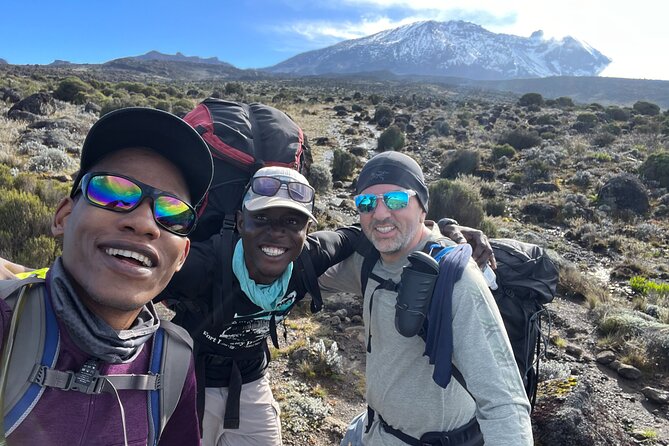
By day 4, you are moving into the alpine zone. You hike about 4 to 6 hours, passing around Lava Camp up to about 14,300 feet, then descending into the Barranco Valley area for camp.
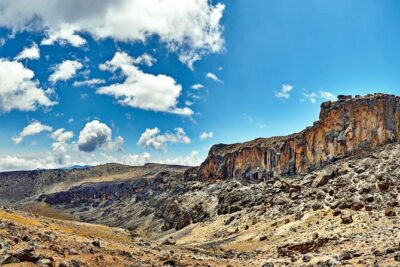
Overnight altitude is around 13,044 feet. The crater-like volcanic feel here is different from the forest and heath zones you had earlier. It can feel rougher underfoot, and the air tends to be sharper.
This day is valuable because it keeps your acclimatization going without jumping too dramatically. You get high exposure, then you go down. That “go up, then down” rhythm is one of the biggest reasons the Lemosho schedule works for many climbers.
A drawback consideration: if you hate walking on cold, windy terrain, be ready. You are gaining altitude and also losing heat through the open alpine air.
Day 5, Great Barranco Wall and moving toward Karanga
Day 5 is where you get a classic Kilimanjaro moment: ascending the Great Barranco Wall. After that, the trail undulates across small valleys as you head to Karanga Camp.
Expect 3 to 5 hours of hiking. Overnight altitude is around 13,106 feet.
The Great Barranco Wall is more than scenery. It gives your legs a controlled challenge and can act like a mental checkpoint. You are not yet at summit altitude, but you are clearly climbing into it.
If conditions are wet, the wall can feel slippery. Your best strategy is simple: short steps, steady breathing, and keep your eyes on your footing rather than the ice-field views tempting you to look up too often.
Day 6, Barafu Camp and learning the safety drill
Day 6 brings you to Barafu Camp after about 3 to 5 hours of hiking, with overnight altitude around 15,100 feet. The day is again full of small ups and downs across valleys.
After you settle into camp, there is a demonstration focused on safety equipment: a Gamow hyperbolic bag and oxygen-related use. Then you get an early supper and rest. Your wake-up call sets you up to start the summit ascent around 11:00 PM or midnight.
This is one of the most praised parts of the experience: the safety coaching and practical briefing. When you are tired and cold, having the team already handled the explanation helps you focus on the climb instead of wondering what to do.
Summit altitude is not the only danger. Summit night is also about fatigue and decision-making. The more your crew helps you prepare, the better.
Day 7, the summit night to Stella Point and Uhuru Peak
This is the day everyone plans for, and it is also the day you cannot force. Your hike time is variable and can be 12 to 17 hours depending on your pace and acclimatization.
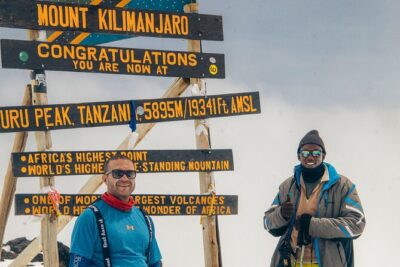
You start climbing to reach Stella Point in a first push of about 6 to 7 hours. Then it is about 1 to 2 hours more to Uhuru Peak, the summit at 19,341 feet (5,896 m).
You use headlamps on the way up. Bring extra lithium batteries, since cold dark conditions chew through power faster than you want.
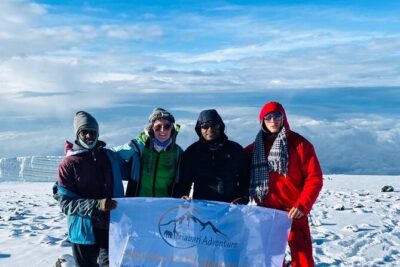
The goal is sunrise at the top, but climbers summit over a span. That’s normal. The plan is about reaching the peak safely, then celebrating at a high point in the literal and physical sense.
After the summit, you descend back toward Barafu Camp for lunch, then continue down to Mweka Camp for your overnight sleep. Overnight altitude drops to about 10,448 feet. That drop is a relief. It helps your body start returning toward a more normal breathing pattern.
One key consideration for your mindset: summit day can feel slow, even when you are moving hard. Keep it calm and controlled. This trek rewards consistency, not pushing.
Day 8, final descent to the trailhead and back to Moshi
Day 8 is your recovery day, but it is not a free day. You hike about 3 to 5 hours down to the trailhead, then have lunch, say goodbye to your mountain crew, and head back to town.
You usually arrive at your lodge between 3 and 5 PM.
This end matters. It closes the loop on the work your body did over eight days. You are likely tired, but you also have that clear sense of accomplishment because you saw it through to the finish line.
You also get to decompress without losing momentum. You are already back in Moshi territory while your memories are fresh.
Who should choose this 8-day Lemosho climb
This trek tends to suit people who want:
- A route with scenery plus a smoother early pace
- Extra acclimatization time built into the schedule
- A guided operation with practical safety instruction and solid logistics
- The chance to enjoy lower crowds early, then experience the bigger summit energy later
It may not be ideal if you:
- Struggle with very late-night starts and long summit-day hours
- Expect a short, casual hike rather than a real high-altitude trek
- Have flexibility issues for weather conditions that can change vehicle access early on
If you like structure and support, this is a strong match. Feedback on guide support highlights people like Godfrey and Guiwa, plus the way the crew keeps you moving safely and fairly.
Final verdict: should you book this trek?
If your goal is to climb Kilimanjaro on the Lemosho Route with time to acclimatize, this 8-day plan makes practical sense. The route choice, the early low-crowd feel, and the pacing through multiple altitude bands all line up with what you want when altitude is the main opponent. Add in included park fees, meals, purified water, tents, and safety equipment coaching, and you get a full package rather than a partial one.
I would book it if you can handle summit night starting around 11:00 PM to midnight and you are ready for a very long day on Day 7. I would rethink if you hate late nights, you want guaranteed vehicle access all the way to the trailhead no matter the weather, or you are trying to keep costs extremely low. At $2,300, you are paying for the full mountain system, and the value is best when you use it well: slow pace, consistent hydration, and respect for the altitude.
FAQ
What is included in the tour price?
The package includes all park fees, guides and porters (plus cook salaries), rescue fees, an oximeter, airport transfers, quality private waterproof four-season tents, purified drinking water, and all meals on the mountain (breakfast 8 times, lunch 8 times, dinner 7 times).
What is not included?
Alcohol and soft drinks are not included. Tips and personal spending money for souvenirs or other purchases are also not included.
Where do we start, and is airport pickup included?
You start at the Londorossi gate for the trek. You also get airport pickup, with transfers to Moshi for orientation before the climb.
How long are the hikes each day?
Hiking varies by day. Early days are around 3 to 6 hours, while day 2 can be longer (about 6 to 9 hours). Summit day (day 7) is the longest and is typically about 12 to 17 hours total, depending on your pace.
What altitude changes should I expect?
Overnights include about 9,498 feet (Forest Camp), 11,500 feet (Shira 1 Camp), about 13,650 feet (Moir Camp), about 13,044 feet (Barranco area), about 13,106 feet (Karanga Camp), about 15,100 feet (Barafu Camp), then a summit altitude around 19,341 feet (Uhuru Peak) and an overnight around 10,448 feet after the summit.
What happens if weather is rainy or muddy on day 1?
There can be a situation where the vehicles cannot reach the true trailhead in rainy or muddy conditions, so you may need some extra hiking on day 1.
Can I cancel and get a full refund?
Yes. Free cancellation is available up to 24 hours before the experience start time for a full refund. If you cancel less than 24 hours before, the amount paid is not refunded.
Lemosho, Compared
- Kilimanjaro climb by Lemosho Route (7-day)
★ 5.0 · 651 reviews - Kilimanjaro Climbing Lemosho Route 8 Days.
★ 5.0 · 186 reviews - Kilimanjaro climb, Lemosho Route (8-day)
★ 5.0 · 148 reviews - Kilimanjaro climb, Lemosho Route (6-day)
★ 5.0 · 129 reviews - Kilimanjaro Lemosho Route
★ 5.0 · 71 reviews
Kilimanjaro, Route by Route
- Kilimanjaro climb by Lemosho Route (7-day)
★ 5.0 · 651 reviews - Kilimanjaro climb, Machame Route (7-day)
★ 5.0 · 262 reviews - Kilimanjaro Climbing Lemosho Route 8 Days.
★ 5.0 · 186 reviews - Climbing Kilimanjaro – Machame Route
★ 5.0 · 170 reviews - Climbing Kilimanjaro through 7 days Machame Route
★ 5.0 · 151 reviews
Just added from around Moshi
Kilimanjaro Lemosho Route, compared.
 ★ 5.0Kilimanjaro climb by Lemosho Route (7-day)From $3,476651 reviews
 ★ 5.08-Day Small-group Lemosho Kilimanjaro Summit TrekkingFrom $2,895186 reviews
 ★ 5.0Kilimanjaro Climbing Lemosho Route 8 Days.From $2,300186 reviews
 ★ 5.0Kilimanjaro climb, Lemosho Route (8-day)From $3,975148 reviews
 ★ 5.0Kilimanjaro climb, Lemosho Route (6-day)From $3,034129 reviews
 ★ 5.0Kilimanjaro Lemosho RouteFrom $2,89071 reviews
 ★ 5.0Private Kilimanjaro Hike 7 Day Lemosho RouteFrom $2,45060 reviews
 ★ 5.0Climbing Kilimanjaro through 8 days Lemosho RouteFrom $2,76052 reviews
Browse the lists this tour appears in