
REVIEW · KILIMANJARO LEMOSHO ROUTE
8 Days Climbing Mt.Kilimanjaro (Lemosho Route)
Kilimanjaro feels bigger on the Lemosho route. I love how the climb layers changing zones, from montane forest to Shira Plateau views, while still giving you real support at camp. I also like the included mountain logistics: tents, sleeping mattresses, and meals, plus a crew that keeps things moving. One thing to consider up front: gear for the climb is not included, so you’ll want to plan for cold-weather essentials and confirm what the operator provides versus what you must bring.
You’ll feel the difference in pace because this is built for small groups. The tradeoff is that you should expect a tough itinerary with big altitude jumps, and summit night starts around midnight to 2 am. If you show up underprepared, the mountain will remind you fast.
In This Review
- Quick hits from the Lemosho climb
- Lemosho Route: why this starting plan changes the whole trip
- Price and value: what $2,300 covers on Kilimanjaro
- The crew and group style: the human side of summit chances
- Day-by-day Lemosho: what each stage does for your body
- Day 1: Hotel to Mti Mkubwa Camp (montane forest start)
- Day 2: Mti Mkubwa Camp to Shira 1 Camp (moorland entry)
- Day 3: Shira 1 to Shira 2 (acclimatization on the plateau)
- Day 4: Shira 2 to Barranco Camp (Shark’s Tooth and a smart recovery day)
- Day 5: Barranco to Karanga Camp (Barranco Wall effort)
- Day 6: Karanga to Barafu Camp (South Circuit finish and summit prep)
- Day 7: Barafu to Summit to Mweka Camp (midnight start, Stella Point sunrise)
- Day 8: Mweka Camp to Mweka Gate to Hotel (mud descent and summit certificates)
- Acclimatization strategy: how this schedule helps you breathe
- What to pack when the climb includes wet forests and freezing summit hours
- Tickets, transfers, and small-group logistics that affect comfort
- So who is this trek for, really?
- Should you book this 8-day Lemosho climb?
- FAQ
- How long is the Kilimanjaro Lemosho trek?
- Where does the trek start and end?
- Is pickup offered?
- Are tickets and park fees included?
- What is included in the price?
- What is not included?
- Is this a private tour?
- What is the cancellation policy?
- What if the trek cannot run due to weather?
Quick hits from the Lemosho climb
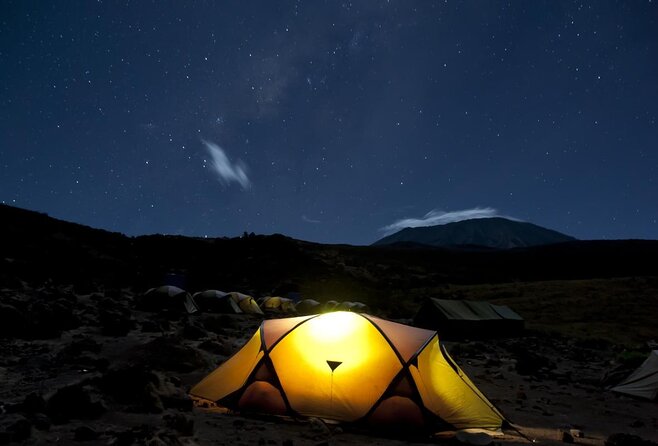
- Forest to moorland to semi-desert to alpine desert: You’re not repeating the same scenery for 8 days.
- Shira Plateau and Lemosho Glades first: Early days focus on gradual effort and standout views around the plateau.
- Lava Tower, the Shark’s Tooth: A signature landmark on the way toward acclimatization at Barranco.
- Summit bid begins late at night: You’ll climb hard through heavy scree toward Stella Point before sunrise.
- Safety and camp support included: Rescue fees, first aid, and pulse oximeters are part of the package.
Other ways up Kilimanjaro we reviewed
- Kilimanjaro climb by Lemosho Route (7-day)★ 5.0 · 651 reviews
- Kilimanjaro climb, Machame Route (7-day)★ 5.0 · 262 reviews
- Kilimanjaro Climbing Lemosho Route 8 Days.★ 5.0 · 186 reviews
- Climbing Kilimanjaro – Machame Route★ 5.0 · 170 reviews
Lemosho Route: why this starting plan changes the whole trip
The Lemosho route does something smart right from the start. It begins with the forested side of Kilimanjaro, which means your early hiking doesn’t immediately feel like the high, rocky environment. Instead, you move through montane forest around Mti Mkubwa, then the trail trends into moorland around the Shira side. That gradual feel helps you settle in, learn your rhythm, and mentally prepare for the higher country.
On a typical Kilimanjaro trek, the biggest stress is altitude plus timing. The Lemosho schedule tries to balance both. You’ll spend multiple days above 3,500 m, including a dedicated acclimatization-style day on the plateau. That matters because the mountain does not care how excited you are.
This route also has a “less crowded” vibe built in. The description promises small groups, and the hiking plan is designed so you’re not constantly weaving through other teams. You still meet people at camps sometimes, but you’re less likely to feel like you’re part of a packed conveyor belt.
One more thing I like: the trip is positioned as more than just a physical challenge. It’s described as a way to learn about Tanzanian tribes as you travel through different ecosystems. Even if you care mostly about the hiking, that kind of framing usually makes the guides talk more about what you’re actually seeing, not just where you’re walking next.
Price and value: what $2,300 covers on Kilimanjaro
At $2,300 per person for an 8-day climb, this is not a cheap “casual hike” price. The good news is that the cost is doing real work for you. The package includes:
- All mountain meals (breakfast, lunch, dinner as listed)
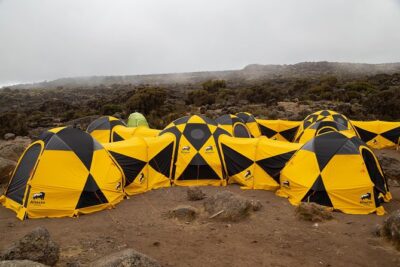
- Tents and sleeping mattresses, plus the mess tent setup for dining
- Park fees and admission tickets for the mountain
- Rescue fees, first aid, and pulse oximeters
- Boiled water on the mountain
- Pay for guides, porters, cooks, and waiter salaries
- Cutlery and some camp basics like mini camping chairs and tables
In other words, you’re paying for a functioning mountain operation, not just a “guide with a map.” That matters on Kilimanjaro because a lot can go wrong when people are under-resourced. Having the essentials organized in advance is part of what protects your time and your energy.
What’s not included is equally important, because it shapes your final budget and packing list:
- Tips for guides, porters, cook, and waiter
- Meals and drinks not specified
- Gear for your climb
- Visas and emergency oxygen
- Two nights accommodation before and after trekking, listed as $50 full body at Kili Base Hotel
Also note this. You might see strong praise for the crew, and you might see complaints about small details like hotel comfort or what you actually receive. Because a few reviews are sharply mixed, I’d treat the inclusion list as the baseline and then verify the extras you care about most.
The crew and group style: the human side of summit chances
On Kilimanjaro, the people matter more than the marketing. The package includes a full crew: qualified guides, porters, and cooks, plus waiter support. That’s not just for comfort. It directly affects how you cope with altitude because you’re less likely to burn energy managing gear, food, or camp setup.
In the reviews you provided, one name shows up repeatedly in planning and communication, Edward. Multiple positive snippets credit him and the wider team with being responsive, helpful, and organized during the booking process and on the ground. I also saw praise tied to specific guides like Haji, Mariki, Fabian, Moses, Musa, Jonathan, Tulzia, Geoffrey, and Adam. These names are not proof that you’ll get the same team, but they do show what the operator wants to deliver: safety, clarity, and real support.
At the same time, there are also critical reviews raising concerns about inconsistent communication and promises not matching delivery, plus complaints about details at a base hotel. You can’t ignore that. The practical move is simple: ask clear questions in writing before you hand over money. If you’re worried about a hotel detail, the gear rental setup, or the exact pickup timing, get it in email.
One more review theme that’s worth your time: comfort around bathroom facilities. A reviewer specifically suggested investing in toilet convenience for a more comfortable experience. The trek will include muddy sections on the descent, so treat comfort upgrades as something to ask about rather than something you assume will be perfect.
Lemosho itineraries worth reading next
Day-by-day Lemosho: what each stage does for your body
This itinerary is built around a classic Kilimanjaro challenge: moving higher while trying to keep your breathing and recovery steady. You’ll also get the signature Lemosho highlights, including Shira Plateau and the Lava Tower landmark.
Day 1: Hotel to Mti Mkubwa Camp (montane forest start)
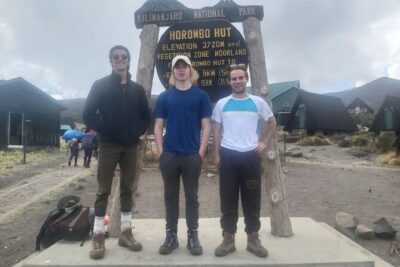
After breakfast and a briefing, you drive to Lemosho Park Gate, then take a forest track accessible by 4WD to Lemosho Glades. From there, it’s forest trails toward Mti Mkubwa (big tree) campsite.
- Elevation: 1830 m to 2650 m
- Distance: 6 km
- Hiking time: 2 to 3 hours
- Habitat: Montane forest
This day is about getting used to the altitude gradually without pushing hard. You’ll likely feel more “walking day” than “climb day,” which is exactly what you want before higher moorland and rocky zones.
Day 2: Mti Mkubwa Camp to Shira 1 Camp (moorland entry)
The trail steepens and shifts into giant heather moorland. You’ll cross several streams, then continue over Shira Ridge before descending gently to Shira 1.
- Elevation: 2650 m to 3500 m
- Distance: 8 km
- Hiking time: 4 to 5 hours
- Habitat: Moorland
This is where you start feeling the air. It’s still walkable, but your body will ask for slower pacing. Don’t try to “make up time.” Save it for summit night.
Day 3: Shira 1 to Shira 2 (acclimatization on the plateau)
Today is the acclimatization-style day. You hike across the plateau and reach Shira 2 on moorland meadows by a stream. The plan notes that there are several hike options on the plateau, which can help match pacing to conditions.
- Elevation: 3500 m to 3850 m
- Distance: 8 km
- Hiking time: 4 to 5 hours
- Habitat: Moorland
If you’re someone who benefits from a day where effort is steady but not brutal, this is a key reason people like Lemosho. It gives your body practice at altitude without stacking too much suffering in one go.
Day 4: Shira 2 to Barranco Camp (Shark’s Tooth and a smart recovery day)
From the plateau, you head east up a ridge, passing a junction toward Kibo. Direction shifts toward the Lava Tower, called the Shark’s Tooth at 4650 m. After it, you continue toward the second junction and then head down to Barranco Camp.
- Elevation: 3850 m to 4000 m
- Distance: 8 km
- Walking time: 5 to 6 hours
- Habitat: Semi-desert
This day ends around roughly where you began, and that’s intentional. It’s a classic acclimatization approach: you gain experience in the high area, then you camp at a level that still helps your recovery.
Day 5: Barranco to Karanga Camp (Barranco Wall effort)
You leave Barranco and climb the steep Barranco Wall to the Karanga Valley. You also reach a junction that connects with the Mweka Trail.
- Elevation: 4000 m to 4050 m
- Distance: 5 km
- Climbing time: 3 to 4 hours
- Habitat: Alpine desert
Even though the elevation change is small, the trail profile is the problem. Expect a tiring day because steep effort at altitude costs more than it sounds like it should.
Day 6: Karanga to Barafu Camp (South Circuit finish and summit prep)
You continue up to Barafu Camp. The description says you’ve completed the South Circuit, and you’ll get views of the summit from multiple angles. You rest, eat dinner, and prepare for summit night.
- Elevation: 4050 m to 4700 m
- Distance: 4 km
- Climbing time: 3 to 4 hours
- Habitat: Alpine desert
This is the “mentally loaded” day. You’re not just tired, you’re also storing energy for midnight to early morning. A calm evening and a solid meal matter here.
Day 7: Barafu to Summit to Mweka Camp (midnight start, Stella Point sunrise)
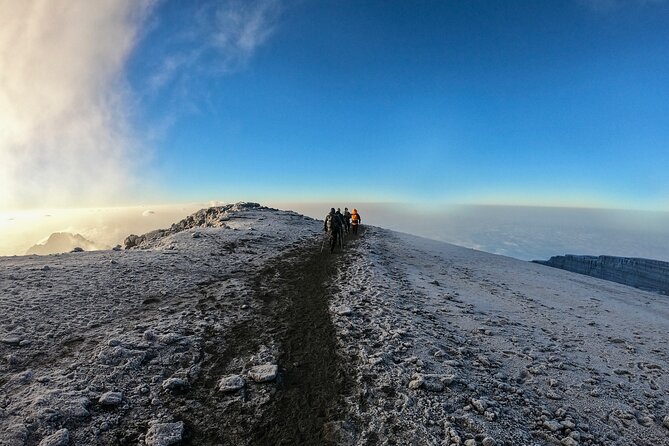
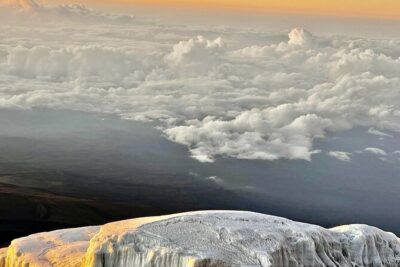
You start very early, between midnight and 2 am, heading toward the summit between the Rebmann and Ratzel glaciers. The ascent goes through heavy scree toward Stella Point on the crater rim. You’ll get a short rest there, then some of the most dramatic sunrise you’re likely to see.
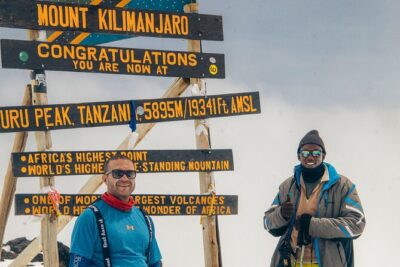
From Stella Point, you may see snow all the way on the 1-hour ascent to the summit. You’ll reach Uhuru Peak, then continue down to Mweka Camp.
- Day 7 total hiking time: 6 hours (as listed)
This is the most mentally and physically challenging portion. The “value” of being on this route is that you’ve built your acclimatization across earlier days, so summit night is a push, not a surprise.
Day 8: Mweka Camp to Mweka Gate to Hotel (mud descent and summit certificates)
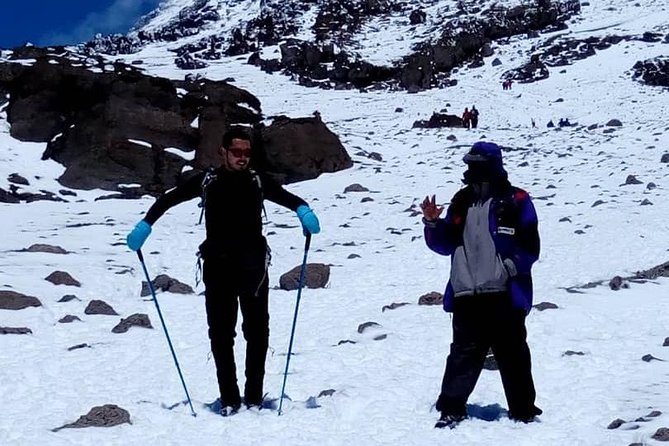
After breakfast, you descend to Mweka Park Gate to receive summit certificates. The description warns that lower elevations can be wet and muddy. It recommends gaiters and trekking poles for the descent, plus bringing both shorts or t-shirts and rain gear with warmer layers.
- Elevation: 3090 m to 1680 m
- Distance: 10 km
- Hiking time: 3 to 4 hours
- Habitat: Forest
You’ll be picked up at Mweka gate in a vehicle and driven back to your hotel in Moshi, about 60 minutes.
Acclimatization strategy: how this schedule helps you breathe
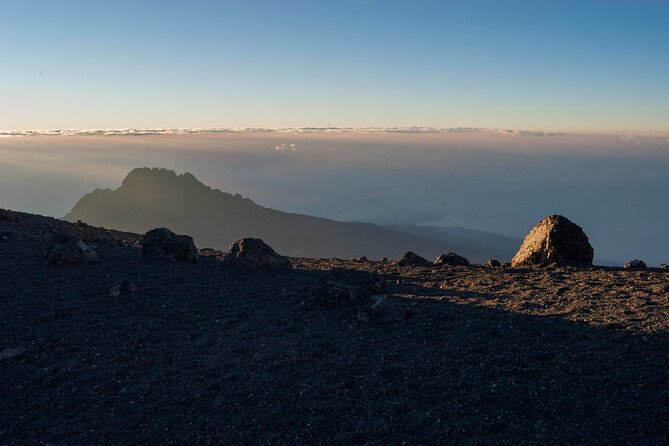
The itinerary’s biggest strength is the way it uses different elevation patterns to reduce the risk of going too fast. Two parts matter most:
1) You have plateau and moorland days at the Shira level before pushing higher.
2) You get at least one day where you end around a similar elevation after a harder segment, which supports acclimatization.
The tour also includes pulse oximeters and first aid. Those are not magic devices, but they show you’re not just left to guess how you’re doing. In plain terms, your job is still slow pacing, hydration, and listening to your guide. Their job is to watch the bigger picture.
What to pack when the climb includes wet forests and freezing summit hours
Gear for your climb is not included, but the trek does give you strong hints about what matters.
- On the descent, plan for wet and muddy trail conditions and use gaiters and trekking poles if you have them.
- Bring rain gear and warmer clothing. The route specifically says shorts and t-shirts might be enough for some parts, but you should still keep cold-weather items ready.
The operator highlights gear support in a practical way: you can turn up and they’ll help organize the rest, including taking you to a local hiking store to get the best prices for rental gear. That can be excellent value, especially if you’re traveling from far away and don’t want to buy cold-weather gear you’ll never use again.
My practical advice: don’t wait until the last minute to get fitted. If boots and gloves fit wrong, you’ll feel it every day you climb.
Tickets, transfers, and small-group logistics that affect comfort
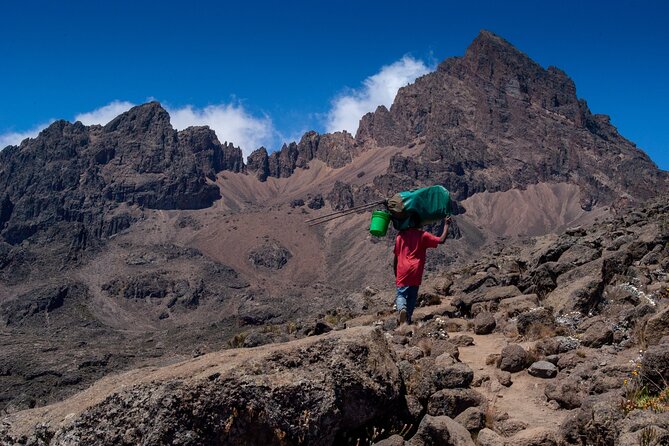
This trip offers pickup and uses mobile tickets. It’s also described as a private tour where only your group participates. At the same time, the hiking feel is described as small groups without other tourists around you, which helps reduce stress on crowded sections.
One detail you should confirm: the meeting point is listed as Machame, but day 8 mentions a drive back to a hotel in Moshi after the Mweka gate. That’s normal for Kilimanjaro operations, but it’s worth confirming the exact pickup and drop-off location for your specific date so you’re not relying on guesswork.
So who is this trek for, really?
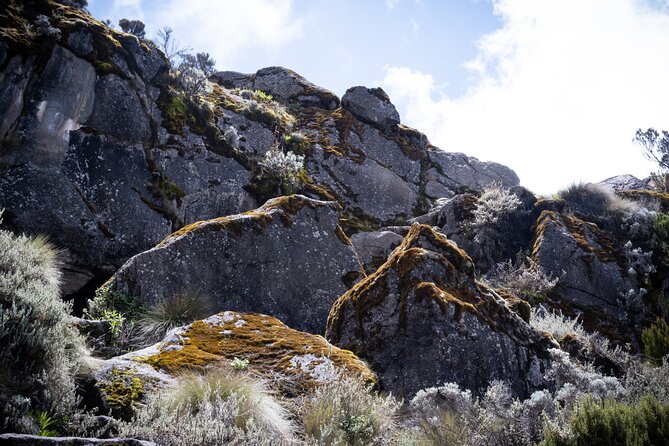
This climb is listed as suitable for most travelers, but that doesn’t mean it’s easy. Kilimanjaro is still a high-altitude grind.
You’ll probably love it if you:
- Want route variety and standout scenery around the Shira Plateau
- Care about having cooks and porters handling camp setup and meals
- Prefer a small-group vibe instead of constant trail traffic
- Want a structured plan with acclimatization built in
You might want to think twice if:
- You’re not willing to bring your cold-weather essentials or rent them in advance
- You need guaranteed perfection on lodging details and want everything defined in writing before arrival
- You’re sensitive to early starts, because summit night is between midnight and 2 am
Should you book this 8-day Lemosho climb?
Book it if your priority is a well-organized mountain operation with included camps, meals, and safety support, and if you’re comfortable with the physical reality of summit night. The route design is strong, and the inclusion list covers the big moving parts that can derail a trip.
Hold off and ask more questions if you’re worried about gear details, hotel comfort expectations before and after the climb, or communication. A couple of serious negative reviews exist in the mix, and the safest approach is to get what you expect in writing.
If you want my quick decision rule: if you can clearly confirm gear, pre and post accommodation, and who your guide team is for your dates, this looks like good value for an 8-day Lemosho Kilimanjaro experience.
FAQ
How long is the Kilimanjaro Lemosho trek?
It runs for 8 days, with daily hiking steps and camp changes from Lemosho Park Gate through the summit and then down via Mweka.
Where does the trek start and end?
The trek starts back at the meeting point area in Tanzania, and it ends back at the meeting point after returning from the Mweka gate to your hotel in Moshi.
Is pickup offered?
Yes, pickup is offered, and on day 8 a vehicle is listed to drive you from Mweka gate back to your hotel in Moshi (around 60 minutes).
Are tickets and park fees included?
Yes. The tour includes admission tickets and park fees as part of the itinerary.
What is included in the price?
Included items cover qualified guides and mountain crew, tents and sleeping mattresses, a mess tent with dining setup, rescue fees, pulse oximeters, first aid, boiled water, and all meals on the mountain.
What is not included?
Not included items include tips for guides and crew, meals and drinks not specified, gear for your climb, visas, and emergency oxygen. Two nights accommodation before and after the trek are listed as $50 at Kili Base Hotel.
Is this a private tour?
It is described as a private tour/activity, with only your group participating.
What is the cancellation policy?
Free cancellation is available up to 24 hours in advance for a full refund. If you cancel within 24 hours, no refund is listed.
What if the trek cannot run due to weather?
The experience requires good weather. If it’s canceled due to poor weather, you’ll be offered a different date or a full refund.
Lemosho, Compared
- Kilimanjaro climb by Lemosho Route (7-day)
★ 5.0 · 651 reviews - Kilimanjaro Climbing Lemosho Route 8 Days.
★ 5.0 · 186 reviews - Kilimanjaro climb, Lemosho Route (8-day)
★ 5.0 · 148 reviews - Kilimanjaro climb, Lemosho Route (6-day)
★ 5.0 · 129 reviews - Kilimanjaro Lemosho Route
★ 5.0 · 71 reviews
Kilimanjaro, Route by Route
- Kilimanjaro climb by Lemosho Route (7-day)
★ 5.0 · 651 reviews - Kilimanjaro climb, Machame Route (7-day)
★ 5.0 · 262 reviews - Kilimanjaro Climbing Lemosho Route 8 Days.
★ 5.0 · 186 reviews - Climbing Kilimanjaro – Machame Route
★ 5.0 · 170 reviews - Climbing Kilimanjaro through 7 days Machame Route
★ 5.0 · 151 reviews
Just added from around Moshi
Kilimanjaro Lemosho Route, compared.
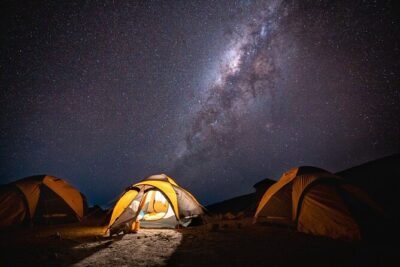 ★ 5.0Kilimanjaro climb by Lemosho Route (7-day)From $3,476651 reviews
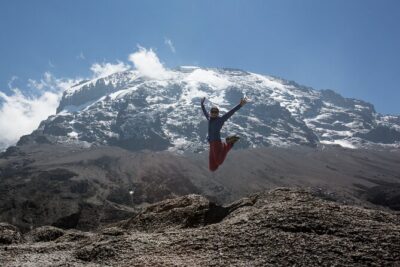 ★ 5.08-Day Small-group Lemosho Kilimanjaro Summit TrekkingFrom $2,895186 reviews
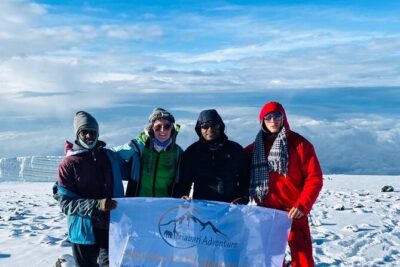 ★ 5.0Kilimanjaro Climbing Lemosho Route 8 Days.From $2,300186 reviews
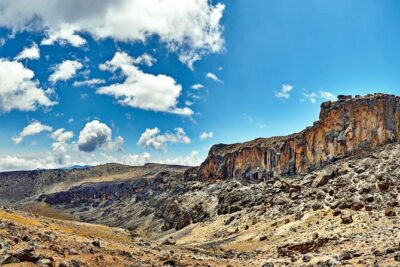 ★ 5.0Kilimanjaro climb, Lemosho Route (8-day)From $3,975148 reviews
 ★ 5.0Kilimanjaro climb, Lemosho Route (6-day)From $3,034129 reviews
 ★ 5.0Kilimanjaro Lemosho RouteFrom $2,89071 reviews
 ★ 5.0Private Kilimanjaro Hike 7 Day Lemosho RouteFrom $2,45060 reviews
 ★ 5.0Climbing Kilimanjaro through 8 days Lemosho RouteFrom $2,76052 reviews
Browse the lists this tour appears in