
REVIEW · KILIMANJARO LEMOSHO ROUTE
8 Days 7 Nights Kilimanjaro Lemosho Route
Kilimanjaro feels more possible on Lemosho. This 8-day route is famous for scenic west-side approach, wide Shira Plateau views, and generally lower crowds before it merges with the Machame trail. I also like that Topi Adventure runs this as a private climb, with owner Emanuel and a team described as supportive and experienced from start to finish.
The big drawback is the schedule, especially summit night: midnight start, long hours, and a lot of altitude stress even with good acclimatization. If you have only a low-moderate fitness base or you dislike very early mornings, you will feel it.
In This Review
- Key Highlights I’d Focus on Before Booking
- Why the Lemosho Route Works So Well on an 8-Day Climb
- Moshi to Londorossi Gate: Your First Day Is Mostly Getting Set Up
- Day 2 and Day 3: Out of the Forest, Into Heath, With Kibo in View
- Day 4: Shira Toward Lava Tower, Then Down to Barranco Hut
- Day 5: Barranco Wall to Karanga Valley, a Shorter Test With Big Views
- Day 6: Up to Barafu Hut for the Southern Circuit Payoff
- Summit Day (Day 7): Midnight Start, Stella Point at 18,600 ft, Uhuru Peak
- Descent Day (Day 8): Mweka Park Gate, Summit Certificates, Then Back to Moshi
- Topi Adventure and the Private-Group Feel With Emanuel and His Team
- Price and Inclusions: What $3,480 Gets You in Real Terms
- Pacing, Fitness, and What to Expect From the Physical Side
- Who Should Book This Lemosho Climb, and Who Should Rethink It
- Should You Book This 8-Day Lemosho Kilimanjaro Tour?
- FAQ
- How long is the Kilimanjaro Lemosho climb?
- Where does the tour start, and what time does it begin?
- Is pickup included?
- Is this a private climb?
- Are admission tickets included?
- What is the general fitness level needed?
- What is the cancellation policy?
Key Highlights I’d Focus on Before Booking
- Low-crowd start on the west approach, before the route joins Machame near Lava Tower
- Panoramic Shira Plateau crossing (west to east) with strong Kibo viewpoints
- Smart acclimatization pacing via Barranco Hut and Karanga Valley, not just nonstop altitude gain
- Legendary summit sunrise plan at Stella Point (18,600 ft) and then Uhuru Peak
- Support that shows up in the details, including staff who can step in if things go wrong with luggage
- Private-group flexibility, since only your group participates
Other ways up Kilimanjaro we reviewed
- Kilimanjaro climb by Lemosho Route (7-day)★ 5.0 · 651 reviews
- Kilimanjaro climb, Machame Route (7-day)★ 5.0 · 262 reviews
- Kilimanjaro Climbing Lemosho Route 8 Days.★ 5.0 · 186 reviews
- Climbing Kilimanjaro – Machame Route★ 5.0 · 170 reviews
Why the Lemosho Route Works So Well on an 8-Day Climb
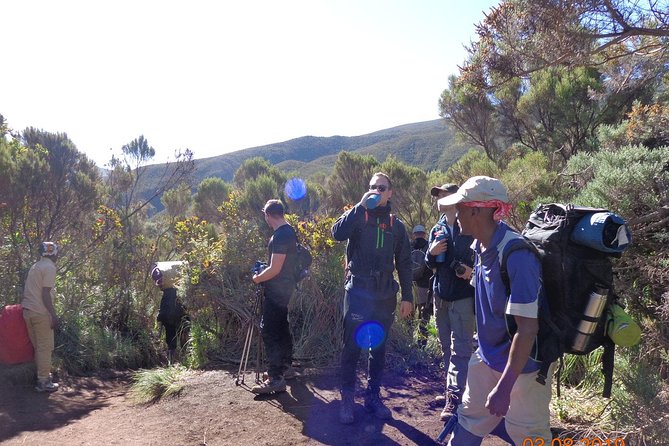
The Lemosho route is the kind of Kilimanjaro day you remember later. You start on the western side of the mountain and spend time crossing the Shira Plateau, which is known for long, open views. You also get multiple altitude stages that help your body adjust, which matters on Kilimanjaro more than almost anything else.
What I like most is the balance. Early on, the scenery changes in a way that keeps the mind busy. Forest to heath to alpine desert, then arctic conditions on summit night. That variety is not just pretty, it helps you stay mentally engaged when you’re tired.
The second thing I like is the crowd pattern. Lemosho tends to stay quiet for a while, then becomes busier only later when it connects with the Machame route near Lava Tower. If you’ve ever had to queue behind other hikers at key turns, this is a real quality-of-life upgrade.
Moshi to Londorossi Gate: Your First Day Is Mostly Getting Set Up
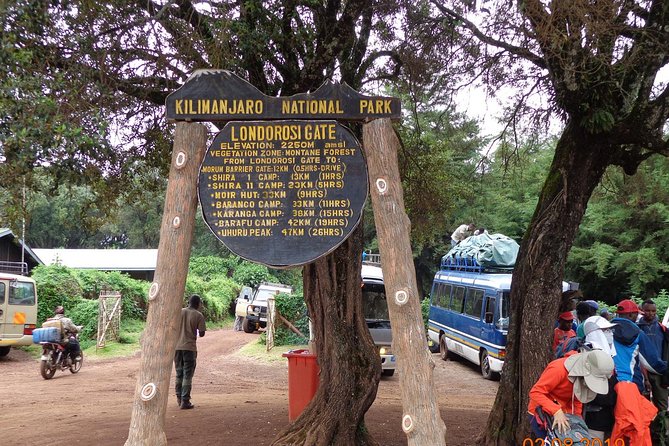
Your day starts from Moshi, with the tour meeting at Old Moshi Road at 7:30 am. You drive about four hours to Londorossi Gate, where entry formalities happen before you reach the trailhead. After lunch at the trailhead, you start hiking into dense rain forest, moving from roughly 7,742 ft up toward about 9,498 ft.
This first day is 3 to 4 hours of walking, covering about 6 km. It’s a good “warm welcome” to what Kilimanjaro is like, because the effort is steady and the trail is fully in the forest habitat. You’re not trying to break records, you’re learning your breathing rhythm while the surroundings help you forget you’re climbing a giant.
One practical tip: you’ll likely feel the drive and the paperwork more than the hiking. Plan to treat the first day like logistics plus gentle movement, not a workout.
Day 2 and Day 3: Out of the Forest, Into Heath, With Kibo in View
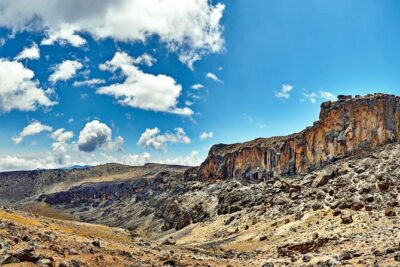
On day 2, you climb from around 9,498 ft up to about 11,500 ft, with a trek of about 8 km and 5 to 6 hours of hiking time. The habitat shifts from rain forest into heath, tall grasses, heather, volcanic rock, and lichen-covered surfaces. You cross streams as you move into higher terrain, then reach Shira Ridge before descending gently to Shira 1 camp.
Day 3 continues in the same high plateau world (heath habitat), still focused on moving across the Shira Plateau. You keep gaining and adjusting altitude gradually, then return toward Shira 1 camp within another 5 to 6 hour, 8 km day. The standout payoff is the view of Kibo from across the plateau, which is described as amazing.
Why this matters for your success: plateau hiking slows the drama. You get big views without the brutal, nonstop climb that can push people too hard. It’s easier to keep a steady pace, and steady is what helps most bodies acclimatize.
Lemosho itineraries worth reading next
Day 4: Shira Toward Lava Tower, Then Down to Barranco Hut
Day 4 is a turning point. You’re moving from Shira Plateau up a ridge, passing the junction toward Kibo, then shifting direction southeast toward Lava Tower. Lava Tower is nicknamed Shark’s Tooth, and the route logic here is important: you get that high-adventure feel, but you’re still working toward acclimatization rather than just maximum altitude.
Hiking time is 6 to 8 hours for about 10 km, and the altitudes go up to around 15,190 ft before dropping back to Barranco Hut at about 13,044 ft. You also pass toward the Arrow Glacier area near 16,000 ft. So yes, you will feel the altitude, then you’ll get the reward of dropping back down.
This is exactly why Lemosho earns its good reputation. Climb high, then come down. That rhythm is a big help for your body and also for your morale, since reaching a dramatic zone without staying there can make the day feel more manageable.
Day 5: Barranco Wall to Karanga Valley, a Shorter Test With Big Views
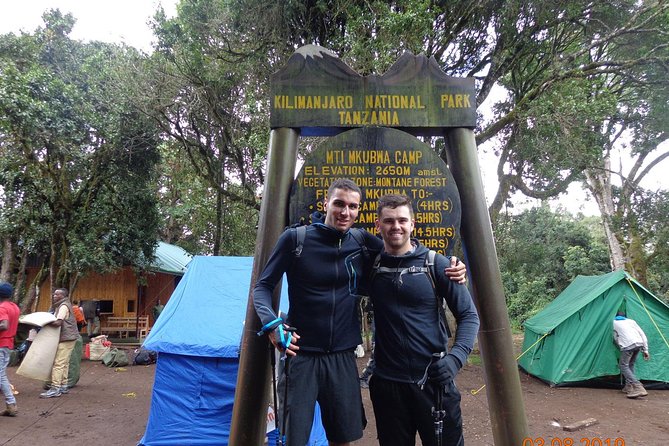
Day 5 is shorter at about 4 to 5 hours and around 5 km, but it includes a real obstacle. First comes the Barranco Wall, a climb and scramble over volcanic rock with a climb amount described as about 1,200 ft. Once you reach the top, you get lunch and views of Barafu and Mount Meru, then continue across ridges and valleys to Karanga Valley campsite.
This is one of the most useful days on the whole program because it builds confidence. You’re not just hiking in a smooth line all the time. You’re practicing how it feels to scramble, adjust your footing on volcanic rock, and keep your effort steady even when the trail steepens.
The day is also clearly meant for acclimatization, which is important. Shorter on paper, still meaningful for your body and your mental readiness.
Day 6: Up to Barafu Hut for the Southern Circuit Payoff
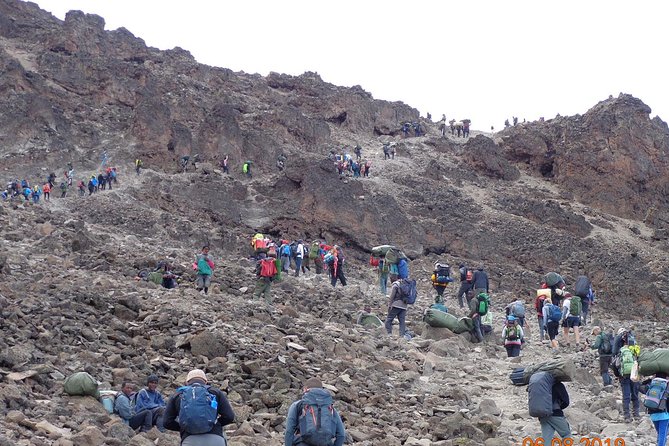
After breakfast, day 6 connects into higher climbing by joining the junction that connects with the Mweka Trail, then continuing up to Barafu Hut. This is where you complete the Southern Circuit, and the views come from multiple angles, including seeing both Mawenzi and Kibo.
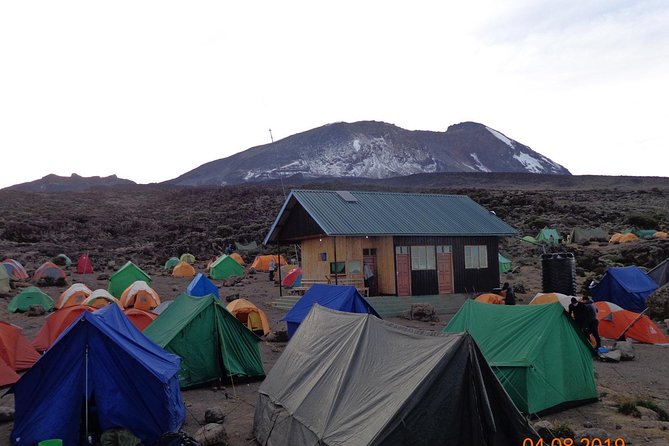
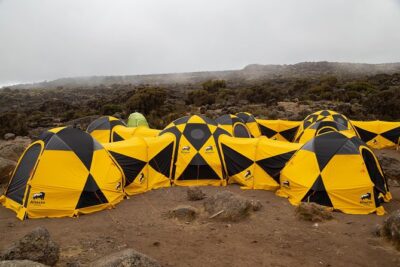
The hike is about 4 to 5 hours and only about 4 km, but don’t let that fool you. Barafu Hut sits at around 15,331 ft, and that’s high enough that every step feels like it’s asking a favor. Once camp is set, you rest, eat early dinner, and prepare for summit day.
I like days like this because they reduce decision fatigue. You’re not trying to solve the route in your head. You’re resting, hydrating, and getting your layers ready for the next night.
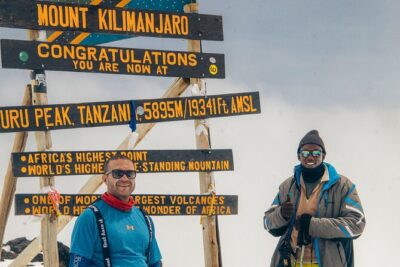
Summit Day (Day 7): Midnight Start, Stella Point at 18,600 ft, Uhuru Peak
This is the day everyone remembers, and it’s for good reason. You begin around midnight with lots of layers on. From there, you climb in the dark, heading northwesterly and pushing through heavy scree toward Stella Point on the crater rim.
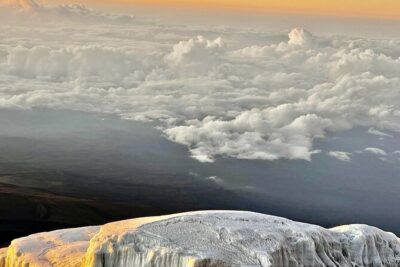
Stella Point is described at 18,600 ft. You stop briefly for rest, and the reward is the most magnificent sunrise you’re likely to see. After that, you have about one more hour before reaching Uhuru Peak, the highest point on Mount Kilimanjaro.
The hike distance is given as about 17 km with hiking time around 11 to 14 hours. That’s long, and the description makes it clear this is the most mentally and physically challenging portion of the climb.
A practical, human note: summit night is not just fitness. It’s rhythm, heat management, and patience. If you know you get impatient or you tend to go too fast early, this day will punish that habit. Try to stay calm and consistent even when the trail feels relentless.
One small tip pulled from real-world experience on this climb: some climbers use Diamox (acetazolamide) with medical clearance. If your doctor approves it, it may increase urination, so you’ll want to plan accordingly for bathroom timing and hydration habits during long hours.
Descent Day (Day 8): Mweka Park Gate, Summit Certificates, Then Back to Moshi
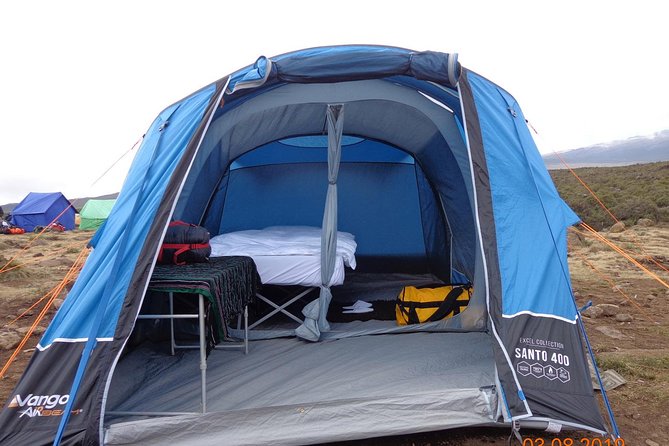
After breakfast, day 8 is descent from around 10,065 ft down toward 5,380 ft. The day’s hiking is about 3 to 4 hours over roughly 10 km, ending at Mweka Park Gate where you receive your summit certificates.
At lower elevations, it can be wet and muddy, so expect sloppy ground and take it slow. The route then continues about another hour to Mweka Village, where a vehicle meets you to drive back to your hotel in Moshi.
You’ll likely feel a mix of emotions here. Relief is obvious, but also a little sadness that the mountain is over. The descent is usually where people either move too fast and feel sore, or keep a careful pace and enjoy the final chance to take in the mountain without the stress of climbing.
Topi Adventure and the Private-Group Feel With Emanuel and His Team
This is a private tour/activity, meaning only your group participates. That matters on a hike like Kilimanjaro, where pacing needs to be consistent and decisions need to be made quickly.
The operator behind it, Topi Adventure, is described as guided by owner Emanuel. Multiple accounts highlight a team that is experienced, friendly, and supportive. If you’ve ever worried about being lost in a big herd, the private-group approach helps your day feel more controlled.
There’s also a useful kind of confidence here. One example from a prior journey described staff stepping in when luggage didn’t arrive at the airport, with team member Elly helping by borrowing equipment and assisting with getting luggage back to the right place. I can’t promise that will happen for everyone, but it’s a reminder that your guide team can handle real-life problems, not just weather and altitudes.
Price and Inclusions: What $3,480 Gets You in Real Terms
At $3,480 per person, you’re paying for a full logistical package plus the people power that makes Kilimanjaro safer and more comfortable. This isn’t just “rent a trail.” It’s transport, entry formalities, and the day-to-day mountain support that runs alongside your effort.
A key value point: the admission ticket is listed as included across the days. The tour also offers pickup and includes mobile ticketing. Those might sound small, but they reduce headaches at the exact moments you don’t want extra friction, like paperwork at Londorossi Gate and planning as you approach the mountain.
Also consider what you’re buying with the Lemosho profile itself. The route is scenic and designed for acclimatization balance, with low crowds early and a less chaotic start. If that peace of mind helps you pace better, it can be worth more than small price differences.
If you’re cost-checking against other routes, don’t compare only the number. Compare how many days you have to adjust and how well the daily profile matches how your body climbs under stress.
Pacing, Fitness, and What to Expect From the Physical Side
This climb is for travelers with moderate physical fitness. That’s a helpful baseline, but Kilimanjaro still humbles people. You’re hiking multiple days at altitude, including a very long summit day.
The schedule has built-in variation. Day 1 is a shorter introduction. Days 2 and 3 are longer plateau days. Day 4 includes a climb and ridge travel plus a drop to Barranco Hut, which helps acclimatization. Day 5 includes a scramble section but is still shorter. Day 6 is short distance-wise but high and serious. Then day 7 is long, steep-feeling, and mentally heavy.
The best way to set yourself up is to train for steady effort before you go. You want to be comfortable walking for hours at a consistent pace. When you hit midnight start, it won’t be about explosive fitness, it will be about your ability to keep moving without burning out.
And since you finish through lower, muddy terrain, plan for sore legs on the descent. You may feel fine at sunrise and wrecked by the end of the day. That’s normal.
Who Should Book This Lemosho Climb, and Who Should Rethink It
This tour fits best if you want:
- Scenic variety with forest, heath, alpine desert, and arctic conditions
- A quieter early climb before joining routes with more hikers near Lava Tower
- A structured acclimatization plan built around climbs plus controlled descents
- Private guidance with a team that aims to be supportive, friendly, and organized
It might not be ideal if you:
- Struggle with very early starts, especially summit night around midnight
- Are not comfortable with a full day of long hiking hours, roughly 11 to 14 on summit day
- Have trouble with scrambling on volcanic rock, since Barranco Wall is part of the program
If you’re excited about the idea of sunrise at high altitude and you can train for endurance, this is a strong match.
Should You Book This 8-Day Lemosho Kilimanjaro Tour?
I’d recommend booking if you’re serious about doing the climb with a route profile that supports acclimatization, plus a calmer start to the mountain. The Lemosho approach is a smart way to get dramatic views without spending every day in pure suffering.
You should think twice if your main priority is a short, low-stress trek. This is still Kilimanjaro. The summit day is long and demanding, and the altitude pressure is real even with a careful plan.
If you can handle early nights, long walking days, and the idea of moving step by step toward Uhuru Peak, this is the kind of climb that gives you a story you can use for years, not just a checkmark photo.
FAQ
How long is the Kilimanjaro Lemosho climb?
It runs for 8 days and 7 nights, with the duration listed as approximately 8 days.
Where does the tour start, and what time does it begin?
The meeting point is Old Moshi Road in Tanzania, and the start time is 7:30 am.
Is pickup included?
Pickup is offered.
Is this a private climb?
Yes. It is a private tour/activity, and only your group participates.
Are admission tickets included?
Yes. Admission ticket is included.
What is the general fitness level needed?
Travelers should have a moderate physical fitness level.
What is the cancellation policy?
Free cancellation is available. You can cancel up to 24 hours in advance for a full refund, and changes less than 24 hours before the experience start time are not accepted.
Lemosho, Compared
- Kilimanjaro climb by Lemosho Route (7-day)
★ 5.0 · 651 reviews - Kilimanjaro Climbing Lemosho Route 8 Days.
★ 5.0 · 186 reviews - Kilimanjaro climb, Lemosho Route (8-day)
★ 5.0 · 148 reviews - Kilimanjaro climb, Lemosho Route (6-day)
★ 5.0 · 129 reviews - Kilimanjaro Lemosho Route
★ 5.0 · 71 reviews
Kilimanjaro, Route by Route
- Kilimanjaro climb by Lemosho Route (7-day)
★ 5.0 · 651 reviews - Kilimanjaro climb, Machame Route (7-day)
★ 5.0 · 262 reviews - Kilimanjaro Climbing Lemosho Route 8 Days.
★ 5.0 · 186 reviews - Climbing Kilimanjaro – Machame Route
★ 5.0 · 170 reviews - Climbing Kilimanjaro through 7 days Machame Route
★ 5.0 · 151 reviews
Just added from around Moshi
Kilimanjaro Lemosho Route, compared.
 ★ 5.0Kilimanjaro climb by Lemosho Route (7-day)From $3,476651 reviews
 ★ 5.08-Day Small-group Lemosho Kilimanjaro Summit TrekkingFrom $2,895186 reviews
 ★ 5.0Kilimanjaro Climbing Lemosho Route 8 Days.From $2,300186 reviews
 ★ 5.0Kilimanjaro climb, Lemosho Route (8-day)From $3,975148 reviews
 ★ 5.0Kilimanjaro climb, Lemosho Route (6-day)From $3,034129 reviews
 ★ 5.0Kilimanjaro Lemosho RouteFrom $2,89071 reviews
 ★ 5.0Private Kilimanjaro Hike 7 Day Lemosho RouteFrom $2,45060 reviews
 ★ 5.0Climbing Kilimanjaro through 8 days Lemosho RouteFrom $2,76052 reviews
Browse the lists this tour appears in