
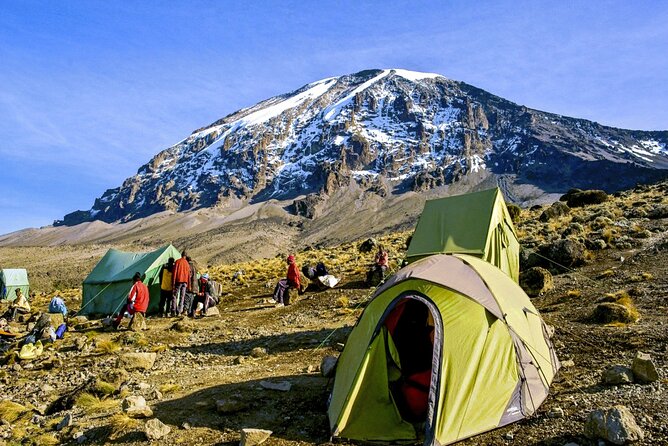
REVIEW · KILIMANJARO LEMOSHO ROUTE
8 Day Mount Kilimanjaro Trekking Lemosho Route
Eight days can change how Kilimanjaro feels. This 8-day Lemosho route is a smart, less-traveled way up, designed to give your body more time to adjust as you gain altitude toward Uhuru Peak. I also like that day 1 can include an armed ranger for extra safety in the Lemosho Glades, where buffalo and elephants live near the trail.
What I like most is the pacing. You spend multiple days on higher ground in a gradual pattern, then add key rest and “get your body ready” days before the summit attempt. The trade-off is that the schedule still includes a very early summit push, and the hardest part remains hard, even with a good plan.
For logistics, the trek starts in Moshi with pickup offered, and you get a mobile ticket. You’ll also be issued summit certificates at the Mweka Park Gate on the way out. Expect real mountain conditions too, because it runs in all weather, and you’ll need to dress and layer appropriately.
In This Review
- Key things that make this Lemosho trek a standout
- Why the 8-day Lemosho route works for altitude
- Day 1: From Moshi to Lemosho Glades and Mti Mkubwa campsite
- Day 2: Shira Ridge, stream crossings, and Shira 1 camp
- Day 3: Shira 2 moorland meadows for real acclimatization
- Day 4: Lava Tower, the Shark’s Tooth, and Barranco Camp
- Day 5: Barranco Wall to the Karanga Valley junction
- Day 6: Up to Barafu Camp, rest, and summit preparation
- Day 7: Midnight start to Stella Point and Uhuru Peak at sunrise
- Day 8: Mweka Park Gate descent, mud management, and Moshi pickup
- Price and value: what $2,250 includes, and what it doesn’t
- The small details that can make or break your comfort
- Who should book this Lemosho trek (and who might reconsider)
- About the operator vibe you should look for
- Should you book the 8-Day Lemosho route?
- FAQ
- How long is the 8-Day Mount Kilimanjaro Trekking Lemosho Route?
- Where does the trek start and end?
- What is included in the price?
- Is pickup offered from Moshi?
- What meals are provided during the trek?
- Are vegetarian meals available?
- What gear should I plan to bring for the descent?
- What is the cancellation window?
Key things that make this Lemosho trek a standout
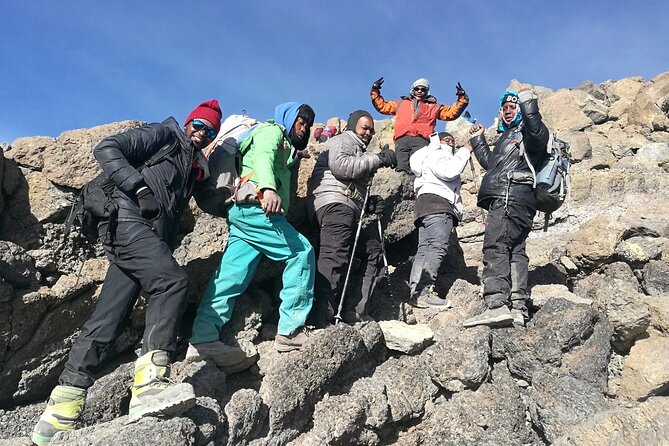
- Less-used Lemosho approach with a scenic way to the Shira Plateau
- Strong acclimatization structure thanks to extra days at altitude
- Possible armed ranger on day 1 due to wildlife in the forest near Lemosho Glades
- Shira Ridge to Shira Plateau timing that helps you settle into higher elevations
- Lava Tower and Barranco adjustments that build summit readiness the practical way
- Sunrise from Stella Point on the summit route, when conditions allow
Other ways up Kilimanjaro we reviewed
- Kilimanjaro climb by Lemosho Route (7-day)★ 5.0 · 651 reviews
- Kilimanjaro climb, Machame Route (7-day)★ 5.0 · 262 reviews
- Kilimanjaro Climbing Lemosho Route 8 Days.★ 5.0 · 186 reviews
- Climbing Kilimanjaro – Machame Route★ 5.0 · 170 reviews
Why the 8-day Lemosho route works for altitude
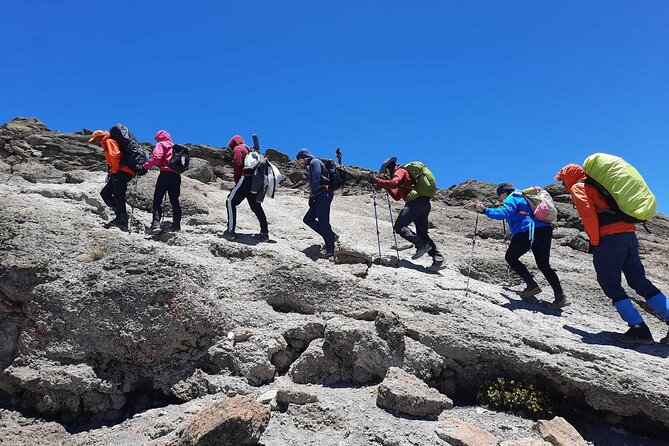
Kilimanjaro altitude is the main challenge, not the distance. The Lemosho route is built around giving your body time to acclimatize, and the extra days are the point. More time means you’re less likely to rush your system upward, and you also get more rest before the summit window.
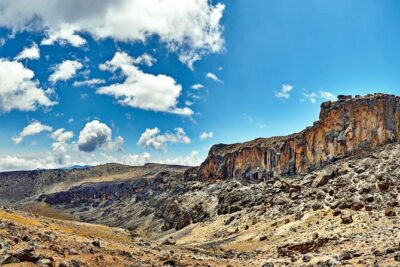
This route also uses the terrain to your advantage. You start in forest, then you move into heather moorland and plateau zones, so the environment changes gradually as your elevation climbs. That slow evolution matters, because it often feels easier to your breathing than a sudden jump.
One more practical plus is that the Lemosho route is described as less used. That can mean a calmer, more spacious feeling on parts of the trail, especially as you work your way toward the Shira Plateau.
Day 1: From Moshi to Lemosho Glades and Mti Mkubwa campsite
Your trek begins with breakfast and a briefing, then a drive to Lemosho Park Gate. From there, a 4WD vehicle continues along a forest track to Lemosho Glades, and your first real walking day follows forest trails toward Mti Mkubwa campsite.
This day’s altitude climb is meaningful but manageable: roughly 1,830m to 2,650m. The hike time is listed as about 2 to 5 hours, so you can keep the effort gentle and let your body wake up for what’s coming.
Safety is a specific detail to appreciate here. The route notes that groups may be accompanied on the first day by an armed ranger because the glades are inhabited by buffalo and elephants. Even if you never see wildlife, knowing there’s active protection in that zone is reassuring.
Day 2: Shira Ridge, stream crossings, and Shira 1 camp
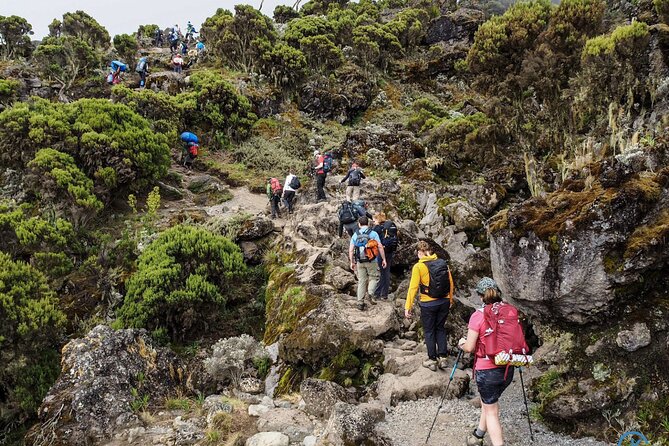
After breakfast you continue as the trail steepens and enters giant heather moorland. You cross several streams, then head over Shira Ridge before easing down to Shira 1 camp on the Shira Plateau.
Day 2 is listed as about 4 to 5 hours over roughly 8km, going from around 2,650m to 3,500m. That “work upward, then down slightly” pattern is good acclimatization behavior. You gain elevation overall, but you also avoid an all-out grind.
The moorland setting can feel exposed compared with the forest, so wind and temperature shifts can be real. Dress in layers you can adjust quickly, because you’ll want to stay warm during slower sections and avoid overheating on steady climbs.
Lemosho itineraries worth reading next
Day 3: Shira 2 moorland meadows for real acclimatization
This day is an acclimatization day in the best sense. The trek description calls it a gentle hike across the plateau to Shira 2 camp, with the option of a variety of hikes available on the plateau. You’re sleeping by a stream on moorland meadows, at about 3,850m to 3,500m range.
Listed hiking time is around 4 to 5 hours over 8km, and the route reaches approximately 3,850m. This matters because it gives your body time above 3,500m before you push higher.
If you’re the kind of person who worries about doing too much on day 3, this is your chance to be smart. Use the available plateau options at an easy effort level. Your win on Kilimanjaro is not “speed.” It’s arriving ready for the next altitude step.
Day 4: Lava Tower, the Shark’s Tooth, and Barranco Camp
Day 4 changes the mood. You leave the Shira Plateau, go east up a ridge, and pass a junction toward the Kibo peak area before turning southeast toward Lava Tower, called the “Shark’s Tooth.” After that, you move past the second junction that goes toward the Arrow Glacier, then you descend to Barranco Camp.
Your elevation range looks like 3,850m up to about 4,000m on the way down, finishing at roughly 4,000m while walking 5 to 6 hours. Habitat shifts to semi-desert, and the day is labeled very important for acclimatization even though you end the day around the elevation where you began.
That detail is practical. The route is setting up your body with time and terrain stresses without ending the day at a much higher camp. This kind of “go high, then moderate” day can help your legs and breathing adapt to the altitude before the next steeper segments.
Day 5: Barranco Wall to the Karanga Valley junction
Now you tackle a steeper segment. After breakfast you leave Barranco, climb the Barranco Wall on a steep ridge, then reach the Karanga Valley and the junction that connects with the Mweka Trail.
The hike is listed as about 3 to 5 hours over roughly 5km, with elevation around 4,000m to 4,050m. Even though the altitude number changes are small, this is still a day that can feel longer because the wall climb tends to push effort.
For this day, your best strategy is pacing. Keep your steps steady and don’t sprint to “feel better.” If you can maintain a controlled breathing rhythm, your body will handle the upcoming shift to Barafu Camp with more confidence.
Day 6: Up to Barafu Camp, rest, and summit preparation
Day 6 continues upward to Barafu Camp at about 4,700m. The route description notes that you’ve completed the South Circuit and that Barafu is where you rest, eat, and prepare for summit day.
The walking time here is listed as 3 to 4 hours, but you’ll feel the altitude more strongly because Barafu is significantly higher than previous camps. The habitat is listed as alpine desert, so expect colder, drier air compared with the earlier forest and moorland zones.
This is a day to treat like a checkpoint. You’re not just “finishing a hike,” you’re building your summit readiness. The more you can rest and keep your energy calm, the better your body tends to handle the midnight start that comes next.
Day 7: Midnight start to Stella Point and Uhuru Peak at sunrise
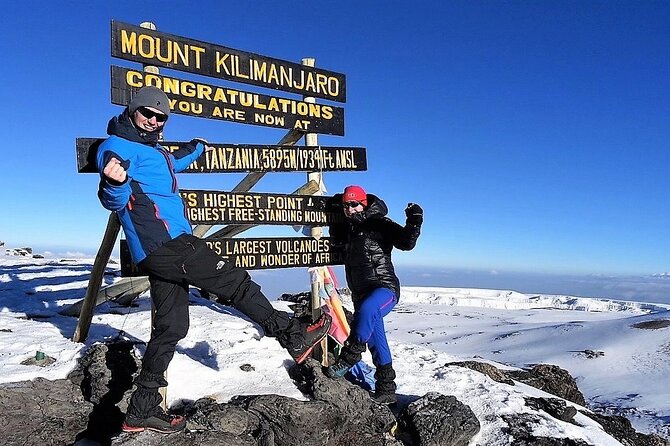
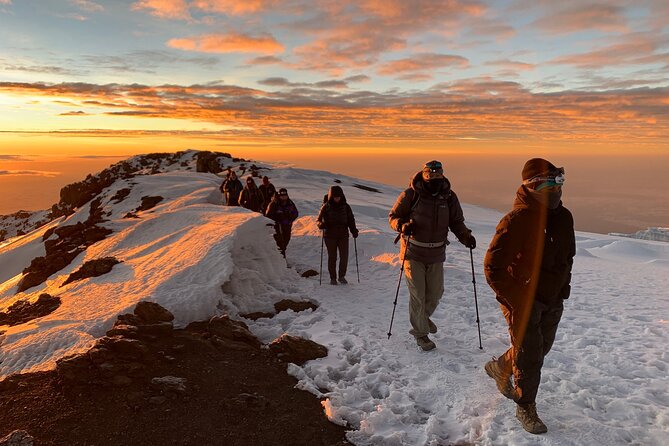
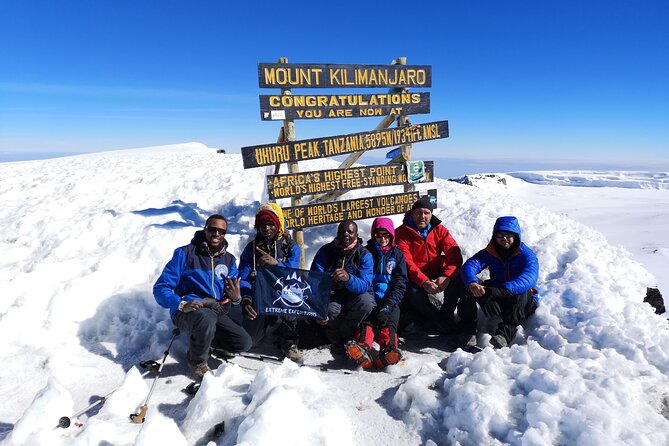
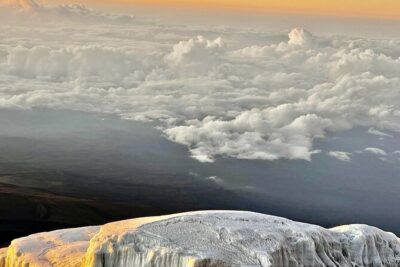
This is the big one. You start between midnight and 2am and ascend through heavy scree toward Stella Point on the crater rim. The route describes moving northwesterly between the Rebmann and Ratzel glaciers, then you stop briefly at Stella Point for rest and the sunrise.
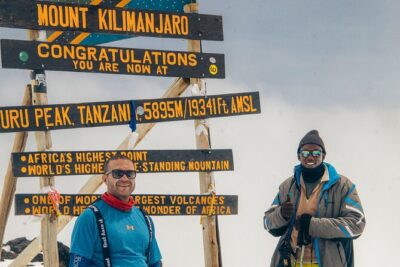
The ascent to Uhuru Peak is about 1 hour after Stella Point, and conditions may include snow all the way on that final pull. Uhuru Peak is the highest point on Mount Kilimanjaro and the continent of Africa.
Even if sunrise is your headline goal, I’d plan for the mental reality too. This part is described as the most mentally and physically challenging portion of the trek. Your success will come from consistent effort, short breaks when needed, and keeping your breathing controlled during scree and crater rim sections.
After reaching the summit, you begin the descent by continuing straight down toward the Mweka area. Day 8 then continues that downhill work.
Day 8: Mweka Park Gate descent, mud management, and Moshi pickup
After breakfast, you continue the descent down to the Mweka Park Gate to receive summit certificates. At lower elevations it can be wet and muddy, so the route specifically recommends gaiters and trekking poles.
The hiking time is listed around 3 to 5 hours, with the elevation dropping from about 3,090m down to roughly 1,680m. That steep descent can be tough on knees and feet, so gaiters to keep mud and water out and poles to stabilize are genuinely useful.
Once you reach Mweka Gate, a vehicle waits to drive you back to your hotel in Moshi, about 60 minutes. It’s a good finish because you’re not left figuring out transportation right after a summit effort.
Price and value: what $2,250 includes, and what it doesn’t
At $2,250 per person for an 8-day climb, you’re paying for more than the trail. The trek includes all fees and taxes, and the itinerary includes park admission each day. Meals are covered on the route with breakfast, lunch, and dinner provided throughout the trek days.
You’re also not handling the biggest logistics: pickup is offered, and you get a mobile ticket. The tour is described as private, meaning only your group participates.
What’s not included is important for budgeting. You’ll need to cover accommodation before and after the trek, and you’re responsible for personal trekking gear. Alcohol is also not included, and tipping for the crew is not included.
Value-wise, this price makes sense if you want an acclimatization-focused itinerary rather than trying to reduce nights and then regretting it at altitude. The extra days are where the money shows up, and that’s exactly where the benefits usually matter.
The small details that can make or break your comfort
This trek operates in all weather conditions, so pack for changes, not for perfect forecasts. The description specifically notes you should dress appropriately, and on the final descent it can be wet and muddy.
From a comfort standpoint, I’d treat these as your practical checklist priorities:
- Layering for cold starts and windy moorland
- Gaiters and trekking poles for the muddy lower-elevation descent
- Personal trekking gear (since it’s not provided)
Also, you’ll want to think about food preferences. Vegetarian options are available if you request them at booking, and you should advise any specific dietary requirements ahead of time.
Who should book this Lemosho trek (and who might reconsider)
This route is described as a great choice for acclimatization because it adds days and reduces rushing. If you want a structured climb with gradual altitude steps and time on the Shira Plateau, this matches the goal.
It also notes that most travelers can participate, and children must be accompanied by an adult. If two paying adults are sharing, a child rate applies when applicable.
The one group I’d tell to pause and plan carefully is anyone who expects an easy stroll. Even with strong acclimatization, the summit day is still a midnight-to-dawn grind with heavy scree and a crater rim ascent. If you’re unsure about fitness, be honest early and talk through it with the operator before you commit.
About the operator vibe you should look for
The experience provider is Afrishare Trekking and Safaris. In the company’s other safari work, people praised punctual, considerate guidance and friendly service, including a guide named Karim and a driver named Leokadia. That’s not a Kilimanjaro guarantee, but it does suggest an operator that cares about doing the basics well.
For your peace of mind, look for responsiveness about dietary needs and confirm how the crew and support team will operate on your specific dates.
Should you book the 8-Day Lemosho route?
I’d book this trek if you want more altitude margin and a route that spends real time on the Shira Plateau. The extra days are the whole point here, and the itinerary’s structure shows it, from the early forest start to the deliberate acclimatization days and the summit push with a Stella Point sunrise stop.
I’d think twice if you’re looking for a calm, leisurely hike. This is still Kilimanjaro, and the summit night is explicitly the most demanding stretch.
If your priority is doing it the smart way, not the fastest way, this Lemosho itinerary is a strong match.
FAQ
How long is the 8-Day Mount Kilimanjaro Trekking Lemosho Route?
It runs for 8 days approximately, based on the itinerary schedule.
Where does the trek start and end?
It starts in Moshi, Tanzania, and ends back at the meeting point after returning from Mweka Park Gate.
What is included in the price?
All fees and taxes are included, along with breakfasts, lunches, and dinners during the trek. Park admission is listed as included in the itinerary.
Is pickup offered from Moshi?
Yes, pickup is offered, and a vehicle is waiting at Mweka Gate to drive you back to your hotel in Moshi, about 60 minutes.
What meals are provided during the trek?
Breakfast, lunch, and dinner are provided during the trek days, based on the itinerary meal listings.
Are vegetarian meals available?
Yes. A vegetarian option is available if you advise the provider at booking.
What gear should I plan to bring for the descent?
The route specifically recommends gaiters and trekking poles, since lower elevations can be wet and muddy.
What is the cancellation window?
Free cancellation is available if you cancel at least 24 hours in advance for a full refund.
Lemosho, Compared
- Kilimanjaro climb by Lemosho Route (7-day)
★ 5.0 · 651 reviews - Kilimanjaro Climbing Lemosho Route 8 Days.
★ 5.0 · 186 reviews - Kilimanjaro climb, Lemosho Route (8-day)
★ 5.0 · 148 reviews - Kilimanjaro climb, Lemosho Route (6-day)
★ 5.0 · 129 reviews - Kilimanjaro Lemosho Route
★ 5.0 · 71 reviews
Kilimanjaro, Route by Route
- Kilimanjaro climb by Lemosho Route (7-day)
★ 5.0 · 651 reviews - Kilimanjaro climb, Machame Route (7-day)
★ 5.0 · 262 reviews - Kilimanjaro Climbing Lemosho Route 8 Days.
★ 5.0 · 186 reviews - Climbing Kilimanjaro – Machame Route
★ 5.0 · 170 reviews - Climbing Kilimanjaro through 7 days Machame Route
★ 5.0 · 151 reviews
Just added from around Moshi
Kilimanjaro Lemosho Route, compared.
 ★ 5.0Kilimanjaro climb by Lemosho Route (7-day)From $3,476651 reviews
 ★ 5.08-Day Small-group Lemosho Kilimanjaro Summit TrekkingFrom $2,895186 reviews
 ★ 5.0Kilimanjaro Climbing Lemosho Route 8 Days.From $2,300186 reviews
 ★ 5.0Kilimanjaro climb, Lemosho Route (8-day)From $3,975148 reviews
 ★ 5.0Kilimanjaro climb, Lemosho Route (6-day)From $3,034129 reviews
 ★ 5.0Kilimanjaro Lemosho RouteFrom $2,89071 reviews
 ★ 5.0Private Kilimanjaro Hike 7 Day Lemosho RouteFrom $2,45060 reviews
 ★ 5.0Climbing Kilimanjaro through 8 days Lemosho RouteFrom $2,76052 reviews
Browse the lists this tour appears in