
REVIEW · KILIMANJARO LEMOSHO ROUTE
8 Day Kilimanjaro Trek via Lemosho Route
Kilimanjaro, minus the chaos. The Lemosho Route is built for gradual altitude gain, so you move step by step from rainforest hiking to harsher high-altitude conditions without feeling rushed. You also get a real taste of Kilimanjaro’s changing habitats, which makes the climb feel less like one long grind and more like a sequence of smart altitude lessons.
What I like most is the certified Wilderness First Responder crew, backed by twice-daily checks using an oximeter plus an emergency oxygen canister and medical kit. My only real caution is that summit day is brutally long, often 14 to 16 hours, so you need strong fitness and the patience to take it one careful hour at a time.
In This Review
- Key highlights to know before you go
- Why the Lemosho Route feels calmer and more varied
- Crew support and safety systems that keep you focused
- The Moshi start: hotel briefing and getting your bearings
- Day 1 to Day 3: Lemosho Gate and the move above the forest line
- Day 4 to Day 5: Shira Plateau into Lava Tower acclimatization
- Day 6 to Day 7: Barranco Wall and Barafu, the climb’s “final prep”
- Day 8 summit day to Mweka camp: the long night walk
- Day 9 and Day 10: gate exit and airport drop-off
- Camping setup: what included comfort really changes
- Price and value: what $3,450 covers, and what you still handle
- Who should book this, and who should think twice
- Should you book this Kilimanjaro Lemosho trek?
- FAQ
- Where does the trek start and how do transfers work?
- How long is the full trip?
- What does accommodation look like during the climb?
- What meals are included?
- Can the trek handle dietary restrictions?
- Is there medical support during the trek?
- Do porters carry your gear?
- What personal gear do I need to bring?
- What is included in the national park fees?
- Can I cancel and get a refund?
Key highlights to know before you go
- Lemosho’s gradual rise helps your body adjust as the hike moves from rainforest to plateau and beyond
- Medical-minded safety with Wilderness First Responder guides, daily oximeter checks, oxygen, and an on-hand medical kit
- Porter logistics carry your gear (except your day pack), so you can focus on walking and breathing
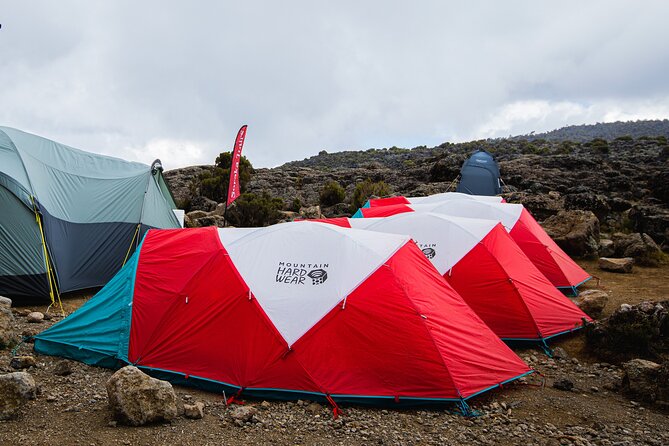
- Comfort on the mountain includes 4-season Mountain Hardware tents, shared sleeping setup, and warm sleeping mats
- Acclimatization done right with the Lava Tower high point followed by a descent to sleep lower
- Value baked in with park fees, rescue and camping fees, plus meals, hotel nights, and JRO transfers
Other ways up Kilimanjaro we reviewed
- Kilimanjaro climb by Lemosho Route (7-day)★ 5.0 · 651 reviews
- Kilimanjaro climb, Machame Route (7-day)★ 5.0 · 262 reviews
- Kilimanjaro Climbing Lemosho Route 8 Days.★ 5.0 · 186 reviews
- Climbing Kilimanjaro – Machame Route★ 5.0 · 170 reviews
Why the Lemosho Route feels calmer and more varied
The Lemosho approach is designed to spread the altitude out. That matters on Kilimanjaro, because your biggest enemy is often not effort, but time at too-high elevation too fast. Here, you spend multiple days moving upward while still getting chances to adapt to thinner air.
You’ll also see Kilimanjaro’s weather and vegetation shift in a way that stays interesting. Starting in lush rainforest, you’ll gradually climb above the forest line, then cross the Shira Plateau, then push through volcanic-feeling terrain near the Lava Tower. Higher up, the air gets sharper and the environment turns stark, like alpine desert conditions.
And yes, you’ll still sweat and grind. But the pacing and changing scenery make the day-to-day feel like progress, not just survival.
Crew support and safety systems that keep you focused
One reason people trust this trek is the attention paid to safety that does not feel like theatre. The guides are certified Wilderness First Responders, and they each bring more than a decade of climbing experience. On top of that, the plan includes two daily health checks using an oximeter and targeted questions about how you feel.
That’s practical. Altitude issues can build quietly, especially when you keep moving because you feel like you should. The oximeter checks give the team a consistent way to track how your body is adjusting, while the questions help catch symptoms early.
Another big plus is the way the climb’s workload is shared. Your porters handle the gear you do not want lugging up the mountain, leaving you with just your day pack. A dedicated chef prepares three meals each day on the mountain, which is a comfort and also a performance factor, because you need calories and hydration to keep your body working.
If you’re the type who gets anxious about logistics, this is the kind of setup that reduces decision fatigue. You show up, the crew organizes the system, and you spend your energy on walking.
The Moshi start: hotel briefing and getting your bearings
Your trip begins in Moshi. You’ll arrive, get a transfer to a hotel, then have time for a briefing and an overnight stay. Breakfast is included at Kili Wonders Hotel or a similar property.
This first night matters more than people think. You need sleep, you need to re-check your packing, and you need to mentally switch from vacation mode to walking mode. If you’re traveling solo or new to trekking, this is also where you get your initial orientation to how the mountain days run.
You’ll have a smooth connection from the airport too, since the package includes JRO pickup and drop-off. There’s also mention of a mobile ticket, which can simplify day-of details if you’re traveling with multiple documents.
Lemosho itineraries worth reading next
Day 1 to Day 3: Lemosho Gate and the move above the forest line
Day 1 is the arrival and briefing day in Moshi. Use it to hydrate, eat normally, and avoid doing anything that leaves you stiff before trekking starts. The goal is to arrive ready, not overconfident.
On Day 2, you start at Lemosho Gate at 7,824 ft and hike into rainforest conditions to Mti Mkubwa camp at 9,251 ft. Expect about 3 to 4 hours. Forest hiking is quieter and shaded, but it can still be sweaty, wet, and full of small climbs that add up. The early start helps you build rhythm before altitude gets serious.
Day 3 takes you from Mti Mkubwa camp (9,251 ft) to Shira 1 camp (11,499 ft). This is about 5 to 6 hours, and the big thing is the gradual push above the forest line. Once you’re out of the trees, you feel wind more, temperatures can drop faster at camp, and you’ll need to manage your clothing without overheating on the move.
Day 4 to Day 5: Shira Plateau into Lava Tower acclimatization
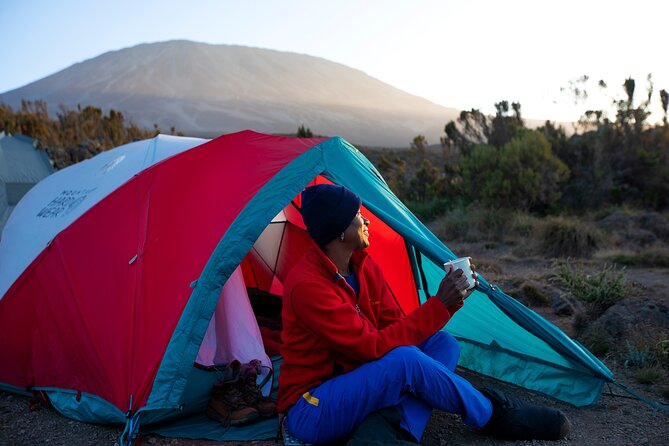
Day 4 climbs from Shira 1 (11,499 ft) to Shira 2 (12,598 ft), around 4 to 5 hours, crossing the Shira Plateau. You’ll notice the air feels thinner, and the ground can look more open and exposed. This is a good day for steady effort rather than bursts of speed.
Day 5 is a smart acclimatization day, and it’s one of the most important on the route. You trek from Shira 2 camp (12,598 ft) to Barranco camp (12,959 ft) via the Lava Tower (15,091 ft), in about 6 to 7 hours. You go up higher, then you come back down to sleep at a lower elevation.
Why this matters: your body gets a high-altitude stimulus while you still avoid sleeping at that peak elevation. It can make the difference between feeling strong on the next days and feeling flattened.
Also, expect the mental game here. Even when the numbers say you’re descending, you may still feel like you’re working hard, because the air stays thin.
Day 6 to Day 7: Barranco Wall and Barafu, the climb’s “final prep”
Day 6 goes from Barranco camp to Karanga camp (13,106 ft), taking about 4 to 5 hours and including the Barranco Wall. This section is known as a steep-feeling challenge. Even if the walking time is short, the effort can spike. Take your time, keep your steps measured, and avoid rushing just because it looks like it should be quick.
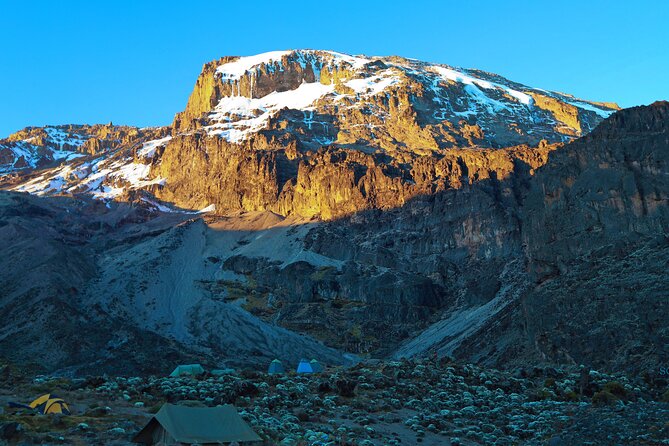
Day 7 is from Karanga camp to Barafu camp (15,223 ft) in about 4 to 5 hours. This is your last camp before the summit. Barafu nights can feel intense because you’re so close to the goal, but also because you’re usually dealing with cold and a dry kind of tired. Plan to eat what you can, drink what you can, and sleep when you get the chance.
If you’re tempted to stay up chatting or scrolling, resist that. Save your energy for the long push ahead.
Day 8 summit day to Mweka camp: the long night walk
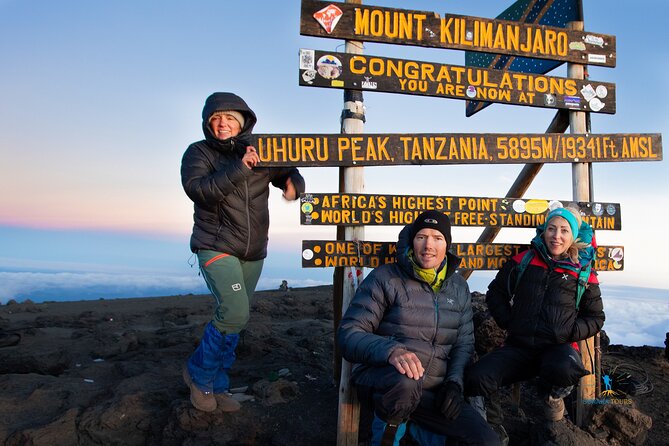
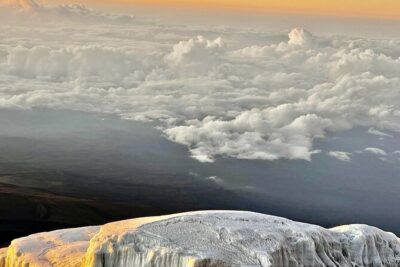
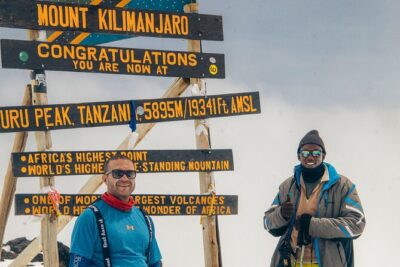
Summit day starts early from Barafu camp, with the goal to reach Uhuru Peak at 19,340 ft, then descend to Mweka camp. Expect 14 to 16 hours total.
This is the day that tests everything: breathing, pace, temperature control, and mindset. The key is consistency, not speed. The best strategy usually feels boring, slow, and repetitive, because your body needs time to adapt to the altitude while you keep moving safely.
After Uhuru Peak, the descent is long and can be tough on your legs. The good news is that you’ll gradually move to lower elevation, and that can help your body recover. You still need to focus on footing, because fatigue makes slips and stumbles more likely.
Day 9 and Day 10: gate exit and airport drop-off
Day 9 is the descent from Mweka camp to Mweka Gate, followed by a transfer back to your hotel for an overnight stay. This day is often a mix of relief and physical soreness. Hydrate, eat, and keep moving gently so your body doesn’t seize up.
Day 10 is airport drop-off. You’re done with the mountain, and it’s time to shift back to normal life mode.
Camping setup: what included comfort really changes
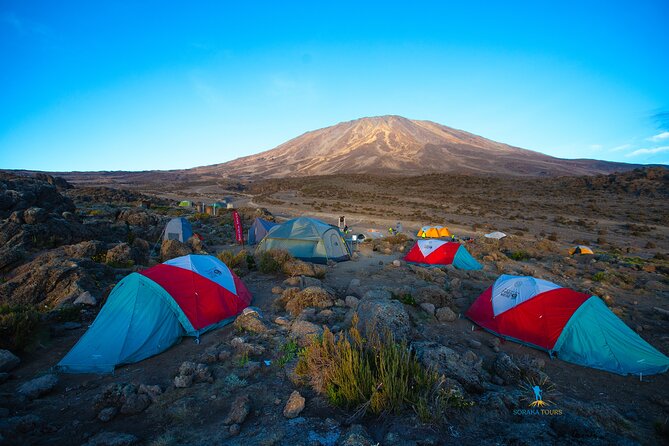
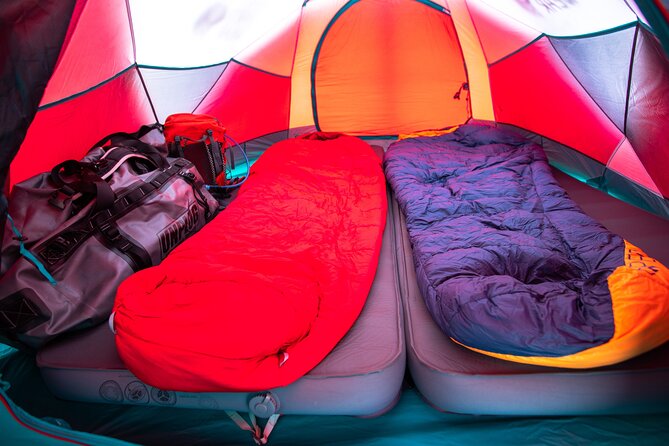
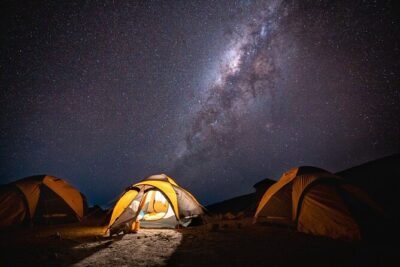
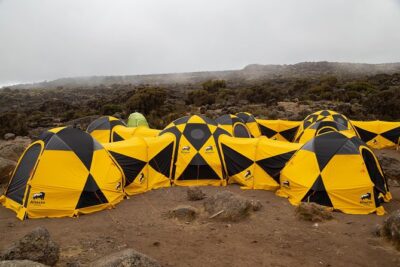
On this trek, you sleep in 4-season Mountain Hardware tents. They’re shared, with 2 people per tent, and you’ll have warm sleeping mats. That combo matters because cold and damp can drain you fast, especially at higher elevations.
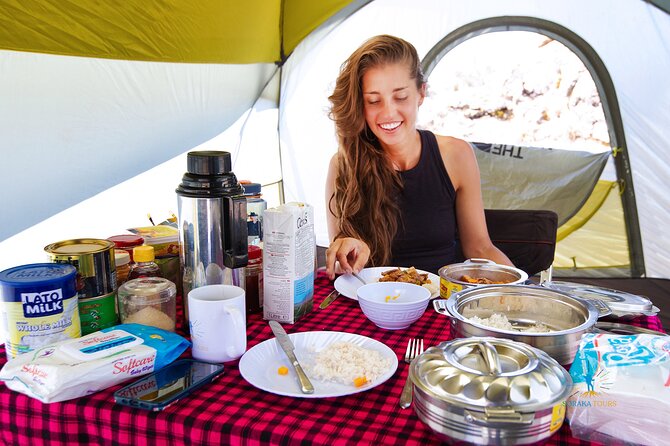
You also get a proper dining setup: dining tents, tables, chairs, and cutlery. This is not just comfort for comfort’s sake. It makes it easier to eat on schedule and keep up morale when the weather is doing its best to change your mood.
Finally, your chef prepares three meals each day on the mountain, and the program can accommodate vegetarian, gluten-free, halal, and kosher meal plans. That flexibility matters if you have dietary needs, because it’s one less thing for you to worry about.
If you’ve ever done a trek where food is an afterthought, you’ll feel the difference here right away. Your body needs steady fuel, not just snacks.
Price and value: what $3,450 covers, and what you still handle
At $3,450 per person, this trek is not a budget bargain, but it also isn’t just you paying for someone to point at a mountain. A lot is bundled in, which changes how you experience the climb.
Included costs cover:
- Kilimanjaro National Park fees, including park fees, rescue fees, and camping fees
- 3 mountain meals per day, plus breakfast on the Moshi hotel days
- JRO pickup and drop-off, plus ground transportation
- 2 nights in Moshi at the listed hotel or a similar one
- Tented accommodation and mountain dining setup
- Emergency oxygen and a medical kit
- Daily health checks with an oximeter and question-based monitoring
- A professional climbing crew, with porters paid fairly per KINPA
What you still pay for:
- Visa fee
- Airfare to Tanzania
- Travel insurance and mountaineering insurance (highly recommended)
- Tips for mountain staff
- Alcoholic beverages
- Lunch and dinner at the hotel
- Personal climbing gear like sleeping bags and hiking boots
My take: if you factor in park fees, logistics, and the safety equipment, the price starts to look like you’re paying for a full system, not just a guide. The “hidden” costs are still your responsibility, though, especially insurance, tips, and gear.
Also, if you need a solo tent, there’s a single accommodation option at an extra charge.
Who should book this, and who should think twice
This trek makes sense if you:
- Want gradual acclimatization on a route that takes its time with altitude
- Appreciate a guided, structured approach, including twice-daily health monitoring
- Want your group’s logistics handled, with porters and a chef supporting the daily grind
- Have dietary requirements, since vegetarian, gluten-free, halal, and kosher are supported
- Are physically ready for a long summit window (14 to 16 hours)
Think twice if:
- You know you struggle with long nights and early mornings
- You are not yet comfortable with sustained uphill walking for multiple days
- You’re not willing to budget for the gear and insurance that are not included
Should you book this Kilimanjaro Lemosho trek?
I’d book it if you want the route to do some of the work for you. Lemosho’s pacing and the safety system, plus the porter-led logistics and included meals, make the climb feel organized enough that you can focus on the hard parts.
Before you commit, do three practical checks:
- Make sure your training and health match the long summit day and multi-day hiking load.
- Budget for the parts that are not included: insurance, tips, visa, airfare, and personal gear.
- Be honest about your comfort needs. Shared tents and cold camps are normal on this route, and you’ll get the mats and shelter, but you still need to dress smart.
If that sounds like your kind of challenge, this is a strong option for a Kilimanjaro climb that stays calm, supported, and focused on getting you to the top safely.
FAQ
Where does the trek start and how do transfers work?
The trip includes JRO (Kilimanjaro International Airport) pick-up and drop-off services, plus ground transportation. The mountain start point is Lemosho Gate for the main trek days.
How long is the full trip?
Although it’s an 8 day Kilimanjaro Trek, the full schedule runs about 10 days, including arrival, descent, and airport transfer.
What does accommodation look like during the climb?
You’ll sleep in 4-season Mountain Hardware tents with 2 people per tent. The package also includes warm sleeping mats.
What meals are included?
You get three freshly prepared daily meals on the mountain. Breakfast is included at the Kili Wonders Hotel in Moshi (or similar), but lunch and dinner at the hotel are not included.
Can the trek handle dietary restrictions?
Yes. The trek can accommodate vegetarians, gluten-free diets, halal, and kosher meal plans.
Is there medical support during the trek?
Yes. Guides are certified Wilderness First Responders and the trek includes an emergency oxygen canister and a medical kit. There are two daily health checks using an oximeter and health questions.
Do porters carry your gear?
Yes. Your porters carry your equipment, except your day pack.
What personal gear do I need to bring?
Personal climbing equipment is not included, including items like sleeping bags and hiking boots.
What is included in the national park fees?
The price includes all fees collected by Kilimanjaro National Park, including park fees, rescue fees, and camping fees.
Can I cancel and get a refund?
Yes. There is free cancellation. You can cancel up to 24 hours in advance of the experience start time for a full refund. If you cancel less than 24 hours before, you will not be refunded.
Lemosho, Compared
- Kilimanjaro climb by Lemosho Route (7-day)
★ 5.0 · 651 reviews - Kilimanjaro Climbing Lemosho Route 8 Days.
★ 5.0 · 186 reviews - Kilimanjaro climb, Lemosho Route (8-day)
★ 5.0 · 148 reviews - Kilimanjaro climb, Lemosho Route (6-day)
★ 5.0 · 129 reviews - Kilimanjaro Lemosho Route
★ 5.0 · 71 reviews
Kilimanjaro, Route by Route
- Kilimanjaro climb by Lemosho Route (7-day)
★ 5.0 · 651 reviews - Kilimanjaro climb, Machame Route (7-day)
★ 5.0 · 262 reviews - Kilimanjaro Climbing Lemosho Route 8 Days.
★ 5.0 · 186 reviews - Climbing Kilimanjaro – Machame Route
★ 5.0 · 170 reviews - Climbing Kilimanjaro through 7 days Machame Route
★ 5.0 · 151 reviews
Just added from around Moshi
Kilimanjaro Lemosho Route, compared.
 ★ 5.0Kilimanjaro climb by Lemosho Route (7-day)From $3,476651 reviews
 ★ 5.08-Day Small-group Lemosho Kilimanjaro Summit TrekkingFrom $2,895186 reviews
 ★ 5.0Kilimanjaro Climbing Lemosho Route 8 Days.From $2,300186 reviews
 ★ 5.0Kilimanjaro climb, Lemosho Route (8-day)From $3,975148 reviews
 ★ 5.0Kilimanjaro climb, Lemosho Route (6-day)From $3,034129 reviews
 ★ 5.0Kilimanjaro Lemosho RouteFrom $2,89071 reviews
 ★ 5.0Private Kilimanjaro Hike 7 Day Lemosho RouteFrom $2,45060 reviews
 ★ 5.0Climbing Kilimanjaro through 8 days Lemosho RouteFrom $2,76052 reviews
Browse the lists this tour appears in