
REVIEW · KILIMANJARO LEMOSHO ROUTE
8 Day Kilimanjaro Private Climb via Lemosho Route
Kilimanjaro rewards patience and smart pacing. An 8-day private Lemosho climb from Moshi builds you up step by step, with a guided route through rainforest, moorland, and semi-desert, then a final push to Uhuru Peak at 5,895m, plus pickup from Kilimanjaro International Airport (JRO) into town.
I love the way this climb is paced. You start with rainforest walking, then move to higher ground at Shira 2 (3,840m), and you get dedicated time to adjust at Barranco and Karanga before you ever reach the exposed Barafu ridge. That gradual approach matters on Kilimanjaro, because your body needs time to catch up.
The other big win is the crew experience. Guides and porters are a huge part of your safety and comfort, and the names people share include Emanuel and Wence, plus Nyokaa, Mality, Tammy, Manu, and David, with tents set up and dinner prepared each night. The main consideration is simple: expect cold nights at exposed camps like Shira 2 and Barafu, and plan for a long summit push at night.
In This Review
- Key moments that make this Lemosho climb work
- Why the Lemosho Route fits real first-timers
- Moshi arrival, Keys Hotel, and briefing in town
- Day 2: Londorossi Gate, rainforest walking, and Mti Mkubwa Camp
- Day 3: Shira 2 at 3,840m and the glaciers viewpoint
- Day 4: Lava Tower, altitude symptoms, and Barranco Camp at 3,950m
- Day 5: Great Barranco Wall, Heim Glacier views, and Karanga Camp
- Day 6: Barafu Hut, the last water stop, and early rest
- Day 7: Headlamp climb to Stella Point and Uhuru Peak
- Day 8: Mweka Gate descent, farewell ceremony, and your certificate
- Private support that makes the mountain feel manageable
- Price and value: what $3,250 buys you here
- What to expect altitude-wise, and how to cope without panicking
- Packing and prep tips that matter on Lemosho
- Who should book this 8-day private Lemosho climb
- Should you book Kilimanjaro Heroes Adventures on the 8-day private Lemosho route?
- FAQ
- Where does this Kilimanjaro climb start, and what time?
- Is this a private tour or shared with other groups?
- What hotel do you stay at in Moshi before the climb?
- What camps do you sleep in during the trek?
- How long is the summit day, and when do you start?
- Is airport pickup included?
- What is the cancellation policy?
Key moments that make this Lemosho climb work
- Rainforest start near the gate, with time in the trees on the way to Mti Mkubwa Camp
- Shira 2 views, including a look toward the Western Breach and its glaciers
- Lava Tower option for extra altitude challenge, if weather permits
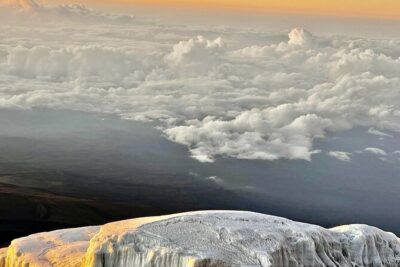
- Great Barranco Wall (Class 2), a confidence builder with a view above the clouds
- Barafu ridge realities, including wind, rocks, and no accessible water at the camp
- Summit via Stella Point, then a descent to Mweka Camp for your final night
Other ways up Kilimanjaro we reviewed
- Kilimanjaro climb by Lemosho Route (7-day)★ 5.0 · 651 reviews
- Kilimanjaro climb, Machame Route (7-day)★ 5.0 · 262 reviews
- Kilimanjaro Climbing Lemosho Route 8 Days.★ 5.0 · 186 reviews
- Climbing Kilimanjaro – Machame Route★ 5.0 · 170 reviews
Why the Lemosho Route fits real first-timers
If you’re new to Kilimanjaro, the Lemosho route is appealing for one reason: it gives you time. You aren’t trying to muscle your way up in a straight line. Instead, you climb through multiple ecological zones and you add in rest and acclimatization stops before the summit attempt.
The other part I like is the character of the route. Lemosho is described as remote and picturesque, and you feel that remoteness as you move away from the early bustle and into longer stretches of trail where your rhythm matters more than crowds.
Yes, you still need to take altitude seriously. But a route that’s built around gradual ascent, varied terrain, and enough time to adapt is the right foundation for a first attempt.
Moshi arrival, Keys Hotel, and briefing in town
Day 1 is all about getting set up without rushing you. You meet your driver after landing at Kilimanjaro International Airport (JRO), then you head to Moshi and check into Keys Hotel for briefing, dinner, and sleep.
Keys Hotel is on Uru Road, about 300 meters from the YMCA Hotel premises, which is useful if you want a sense of location. The start time listed for the overall experience is 8:00 am, and having your headlamp and basic gear ready the night before makes Day 2 feel far less chaotic.
What I’d watch for here is your energy level. After travel, Kilimanjaro can still feel like a shock the moment you start walking. Use Day 1 for an easy night, early sleep, and a calm mindset.
Day 2: Londorossi Gate, rainforest walking, and Mti Mkubwa Camp
Day 2 starts with breakfast at your hotel, then a drive toward Londorossi Gate. The final stretch is a bumpy forest track that requires 4WD vehicles for the last 45 minutes.
Once you reach the gate, guides and porters handle your registration with Tanzania National Parks Authority (TANAPA) and distribute the supplies. Then you begin your hike into the rainforest, with about three hours of walking highlighted in the plan. This is a good day to get used to the basic Kilimanjaro routine: slow pace, steady breathing, and watching your footing.
Expect wildlife moments. Colobus monkeys are specifically mentioned, and they’re the kind of sight that makes rainforest walking feel more than just “Day 2 chores.”
You’ll stop for afternoon lunch during the hike, then continue to Mti Mkubwa Camp at 2,750m. The big practical win on day two is that your tent setup and basic water needs are handled for you. You arrive early evening, and dinner plus evening snacks help you recover before the cold gets more real higher up.
Lemosho itineraries worth reading next
Day 3: Shira 2 at 3,840m and the glaciers viewpoint
After an early breakfast, Day 3 moves you out of the rainforest and up into heather moorland. The terrain shifts from lush to airy and open, and you cross many streams before reaching a plateau area that leads to Shira 2 Camp at 3,840m.
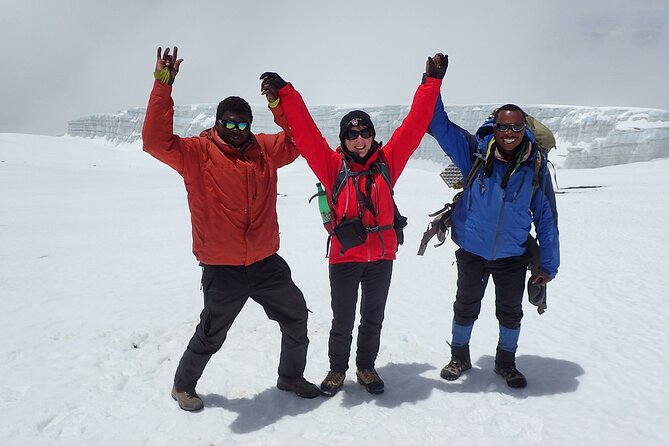
This is a day where the effort can feel steady but the air feels thinner. The plan calls out “spectacular” views, including the Western Breach and glaciers in the east. Whether the weather gives you clear visibility is a roll of the dice on a mountain, but when it works, it’s the kind of view that makes the slog worth it.
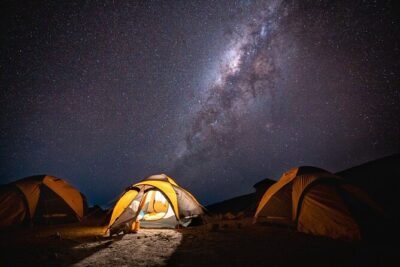
Camp life matters here. Tents are set up before arrival, and porters prepare drinking and washing water. You get evening snacks and dinner prepared by the chef, so you aren’t spending time improvising meals at altitude.
One thing to plan for: Shira 2 is exposed. The temperature drop is noted, including below-freezing conditions at the camp. That means you should treat cold-weather layers as a non-negotiable part of your kit, not a backup plan.
Day 4: Lava Tower, altitude symptoms, and Barranco Camp at 3,950m
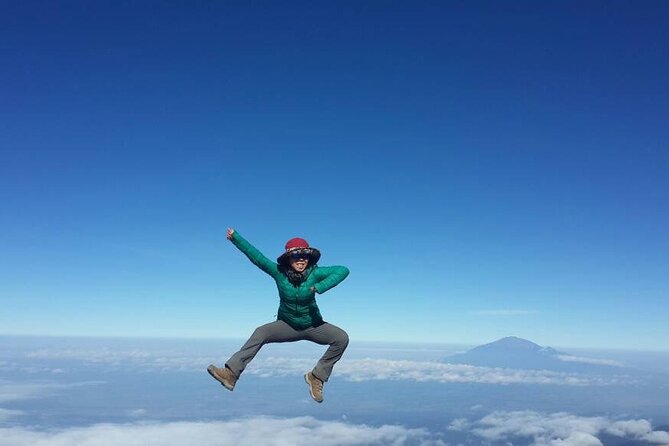
Day 4 is where the route leans into dramatic terrain. You leave moorland and enter semi-desert and rocky ground. After about five hours walking east, you reach Lava Tower at 4,630m.
At Lava Tower, you get packed lunch, plus an optional climb of Lava Tower if weather conditions allow. This is one of those “listen to your guide” moments. If conditions look unstable, you skip it and focus on controlled breathing.
Altitude can start to show up around here. The plan specifically notes headaches and shortness of breath beginning at this point for many hikers. That doesn’t mean something is automatically wrong, but it does mean you should slow down, stay hydrated, and report symptoms early to your guide.
After lunch, you descend to Barranco Campsite at 3,950m. The key idea is that descent helps your body adjust, which is exactly what you want before you face the next day’s big hike.
Even though it’s a down day, don’t treat it like a stroll. Rocky descents can be hard on your knees and your pace. Keep it smooth.
Day 5: Great Barranco Wall, Heim Glacier views, and Karanga Camp
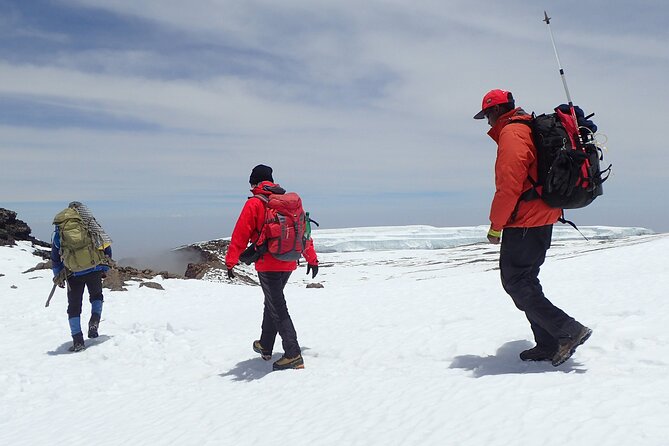
Day 5 is your acclimatization hike and it’s built around one named challenge: Great Barranco Wall. The plan calls it a Class 2 hike, and the note that it’s usually easier than it looks is common on mountains. But still, Class 2 means you should expect some steep sections.
At the top, there’s a view of Heim Glacier, and you may be above the clouds. That combination is why this day feels special: you’re working hard, then you get rewarded with a perspective that only shows up when the weather cooperates.
After the Wall, the trail winds up and down in the Karanga Valley. You’ll spend the night at Karanga Camp at 3,950m, and you’ll still get dinner plus washing at the site.
This is a day where you want to manage effort. If you sprint the wall, you’ll pay for it later. Your goal is to finish feeling like you could do a little more, not like you need a recovery week.
Day 6: Barafu Hut, the last water stop, and early rest
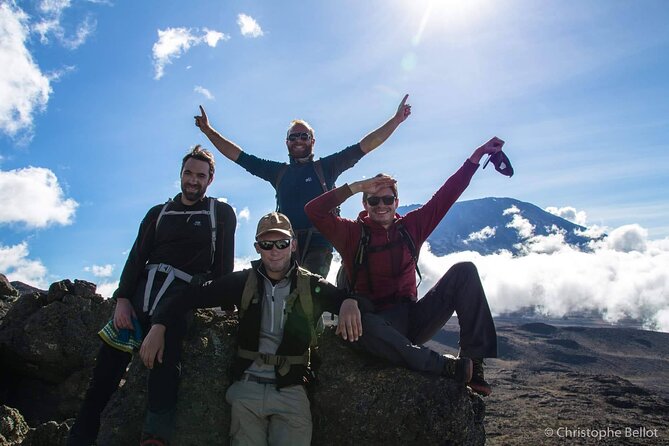
Day 6 is shorter on paper but big on impact. You start after breakfast and head up the route that intersects with the Mweka Route, which is used for the descent in the final days.
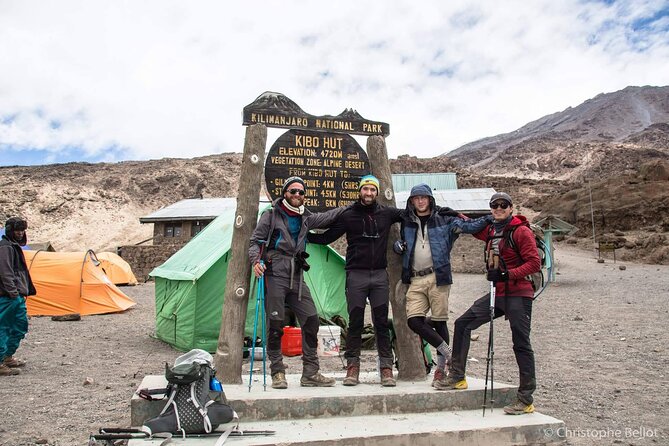
After about an hour, you reach Barafu Hut. This is the last water stop for the porters, and the plan notes that there is no accessible water at Barafu Camp at 4,550m. Translation: any water planning you do matters, and you should follow your guide’s instructions about how much to carry and how to use it.
Barafu Camp is an exposed ridge. Wind and rocks are part of the reality, and it’s important to familiarize yourself with the campsite before dark. That’s not just comfort advice, it’s safety advice. In the dark, you want to know where you’ll sleep, where you’ll step carefully, and how your gear will be arranged.
Summit night planning starts early. Dinner is served and you rest before attempting the summit the same night. The plan asks you to get sleep by 19:00, which is a good sign the route is organized around energy management.
Day 7: Headlamp climb to Stella Point and Uhuru Peak
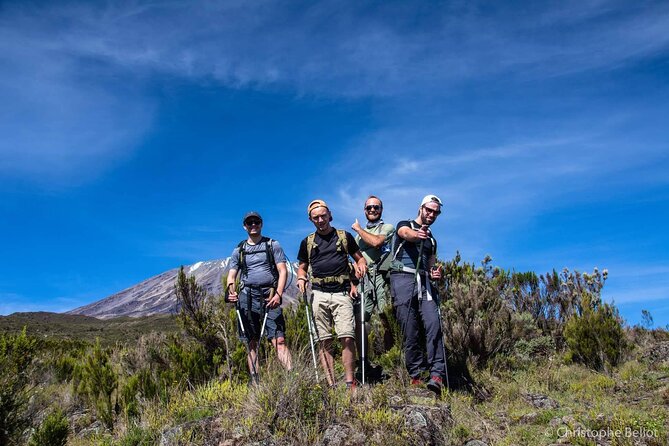
This is the night you’ve been training for. You set off just after midnight. It is dark and cold, and you’ll climb frozen volcanic dust by headlamp toward Stella Point on the crater rim, about six hours into the climb.
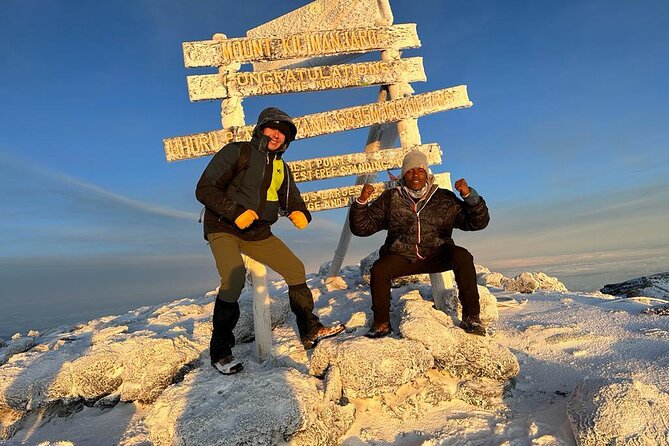
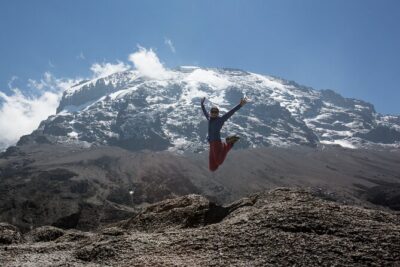
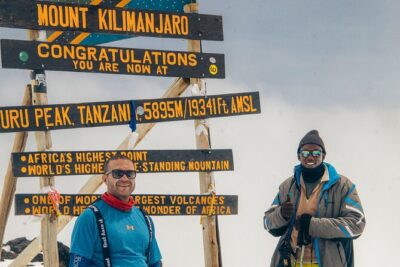
Then the sunrise usually arrives around Stella Point. After that, it’s about one to two more hours to Uhuru Peak. You’ll stand at the highest point of the crater, where a break for pictures and celebratory hugs is built into the schedule.
One practical note: crater ash can thaw during the day and change the feel of the footing. That can be slippery or just messy under your boots. Your job is the same, slow steps, steady breathing, and trusting the guidance from your team.
After the summit, you descend steeply and dusty. You stop for a short tea break at Barafu, then continue down to Mweka Camp at 3,080m for your overnight stop. This gives you a big altitude drop, which helps your body recover.
The plan also emphasizes refueling with plenty of fluids and having your supper. On summit day, that matters as much as the view.
Day 8: Mweka Gate descent, farewell ceremony, and your certificate
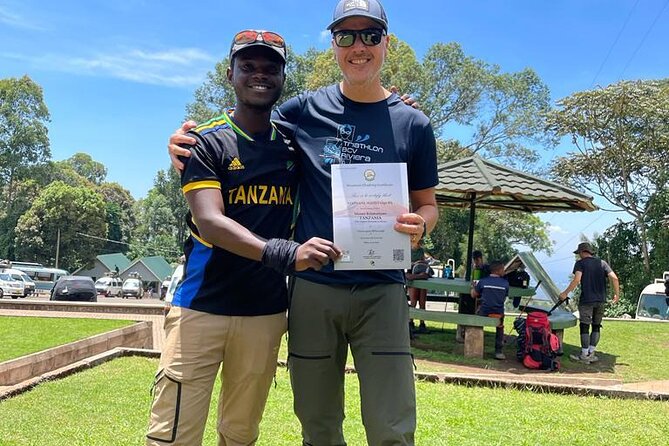
Day 8 starts with something you might not expect after all that climbing: a traditional farewell ceremony from the porters. It’s a strong closure moment, and it reminds you that Kilimanjaro is a team job, not a solo victory.
Then you descend through forest. The schedule points to about three hours down to Mweka Gate. A driver is waiting to take you back to Keys Hotel in Moshi town for a hot shower, a cold drink, a debrief, and your certificate of achievement.
That hot shower is not a small thing. After days in cold air and damp routines, you’ll feel human again fast.
Private support that makes the mountain feel manageable
This climb is private, meaning only your group participates. That can be a big deal, especially if you value personal pace and clear communication.
Kilimanjaro Heroes Adventures is also repeatedly praised for attention to detail and warm professionalism. Names that come up include Emanuel and Wence, plus Nyokaa and Mality. People also mention an organized prep stage with Evarist.
On the mountain, the most important service details are the unglamorous ones:
- tents are set up before you arrive at camp
- porters prepare drinking and washing water
- dinner is prepared by a chef
When those parts run smoothly, you spend less mental energy on logistics and more on what actually matters: moving safely and resting properly at each altitude step.
Price and value: what $3,250 buys you here
This climb is priced at $3,250 per person for an 8-day private experience in Moshi. That’s not a budget trip, and Kilimanjaro never really becomes cheap once you add permits, staffing, and the reality of carrying supplies for multiple days.
What makes the price feel more reasonable is what you get for it, based on the provided plan:
- pickup from JRO into Moshi on arrival
- a full private team for your group
- park admission ticket coverage noted across the days
- packed lunches and chef-prepared dinners
- camp setup support, plus drinking and washing water prep
In other words, you’re paying for structure. On a mountain where mistakes are expensive, structure is value.
If you’re a solo climber, private trips can still be worth it when you strongly prefer not to share your schedule with strangers. If you want to meet a big mix of people on the same trek, a group-style climb might feel cheaper, but that choice comes down to your style.
What to expect altitude-wise, and how to cope without panicking
Kilimanjaro has a pattern, and this route follows it clearly. Early days can feel surprisingly manageable, then altitude starts to bite around the 4,600m area and above.
The plan calls out typical altitude symptoms at Lava Tower time, including headaches and shortness of breath. That’s your cue to slow down and take your guide seriously.
My practical altitude advice for this specific climb:
- Follow the pace your guide sets, especially after long drives and during the transition from one zone to another.
- Hydrate regularly, but don’t drink so much that you feel sick.
- At Barafu, treat water planning as urgent because the camp has no accessible water, and the last water stop is earlier.
Also, don’t underestimate cold. Below-freezing conditions at Shira 2 and an exposed ridge at Barafu mean your body will burn more heat. Warm layers and gloves help you keep moving through the day and sleep better at night.
Packing and prep tips that matter on Lemosho
I can’t guess what you already own, but for this climb, focus your packing around three realities: cold, night navigation, and fatigue management.
Bring:
- warm layers for below-freezing camp nights
- a headlamp for summit night and early-morning starts
- gloves and a hat you can tolerate for hours
- blister support for multiple days of rocky walking
Also, plan to keep your daypack simple. On Kilimanjaro, you don’t want a complicated system that falls apart after midnight. Your guide and crew handle your camps and meal timing, so your job is to carry what you need and stay organized.
If you’re unsure about gear, aim for reliability over novelty. On a mountain, the best gear is the gear that works every time.
Who should book this 8-day private Lemosho climb
This climb is a great match if you:
- want the Lemosho route for its gradual ascent and acclimatization rhythm
- like a private setup with a dedicated crew
- value clear camp support and chef-prepared meals
- are prepared for cold nights and a long summit day
It’s especially appealing for first-time Kilimanjaro climbers who want the route choice that reputable operators favor for scenic variety and strong acclimatization structure.
If you dislike long, cold nights or you know you struggle with steep exposure, you should talk with your guide during the planning phase before you commit. This route can be handled, but it asks for commitment.
Should you book Kilimanjaro Heroes Adventures on the 8-day private Lemosho route?
I’d book this if your top priorities are a well-paced first climb, strong support from a Tanzanian crew team, and a route that gives you time to adjust before the summit push.
I would not book it if your comfort level with cold, exposure, and summit-night effort is low. This is not a casual hike. It’s a real mountain experience, with frozen volcanic dust under headlamps and below-freezing camps.
If you want a private, structured climb to Uhuru Peak with thoughtful acclimatization and a crew that keeps camps running, this Lemosho option looks like a smart bet.
FAQ
Where does this Kilimanjaro climb start, and what time?
The start point is Kilimanjaro Airport, with a listed start time of 8:00 am.
Is this a private tour or shared with other groups?
It is a private tour/activity, so only your group participates.
What hotel do you stay at in Moshi before the climb?
You stay at Keys Hotel in Moshi town for briefing, dinner, and overnight before the hiking begins.
What camps do you sleep in during the trek?
The main camps listed are Mti Mkubwa Camp, Shira 2 Camp, Barranco Campsite, Karanga Camp, Barafu Camp, and Mweka Camp.
How long is the summit day, and when do you start?
You set off just after midnight, and the summit and descent plan is listed as about 12 hours total.
Is airport pickup included?
Yes, pickup is offered, and you are taken from Kilimanjaro International Airport (JRO) to Moshi for the start of the trip.
What is the cancellation policy?
Free cancellation is available up to 24 hours in advance for a full refund. If you cancel less than 24 hours before the start time, the amount paid is not refunded.
Lemosho, Compared
- Kilimanjaro climb by Lemosho Route (7-day)
★ 5.0 · 651 reviews - Kilimanjaro Climbing Lemosho Route 8 Days.
★ 5.0 · 186 reviews - Kilimanjaro climb, Lemosho Route (8-day)
★ 5.0 · 148 reviews - Kilimanjaro climb, Lemosho Route (6-day)
★ 5.0 · 129 reviews - Kilimanjaro Lemosho Route
★ 5.0 · 71 reviews
Kilimanjaro, Route by Route
- Kilimanjaro climb by Lemosho Route (7-day)
★ 5.0 · 651 reviews - Kilimanjaro climb, Machame Route (7-day)
★ 5.0 · 262 reviews - Kilimanjaro Climbing Lemosho Route 8 Days.
★ 5.0 · 186 reviews - Climbing Kilimanjaro – Machame Route
★ 5.0 · 170 reviews - Climbing Kilimanjaro through 7 days Machame Route
★ 5.0 · 151 reviews
Just added from around Moshi
Kilimanjaro Lemosho Route, compared.
 ★ 5.0Kilimanjaro climb by Lemosho Route (7-day)From $3,476651 reviews
 ★ 5.08-Day Small-group Lemosho Kilimanjaro Summit TrekkingFrom $2,895186 reviews
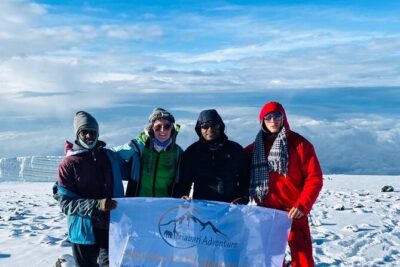 ★ 5.0Kilimanjaro Climbing Lemosho Route 8 Days.From $2,300186 reviews
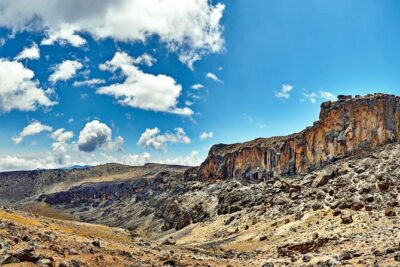 ★ 5.0Kilimanjaro climb, Lemosho Route (8-day)From $3,975148 reviews
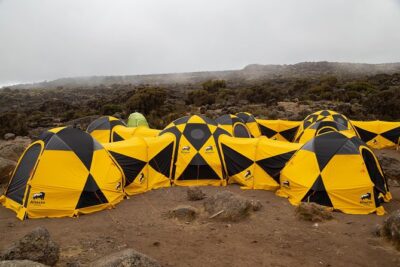 ★ 5.0Kilimanjaro climb, Lemosho Route (6-day)From $3,034129 reviews
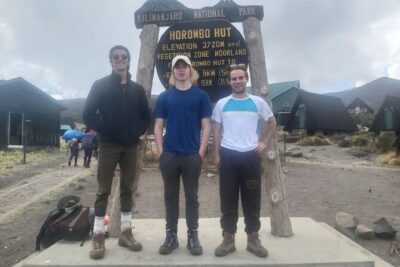 ★ 5.0Kilimanjaro Lemosho RouteFrom $2,89071 reviews
 ★ 5.0Private Kilimanjaro Hike 7 Day Lemosho RouteFrom $2,45060 reviews
 ★ 5.0Climbing Kilimanjaro through 8 days Lemosho RouteFrom $2,76052 reviews
Browse the lists this tour appears in