
REVIEW · KILIMANJARO LEMOSHO ROUTE
8 Day Climbing Kilimanjaro Via Lemosho Route
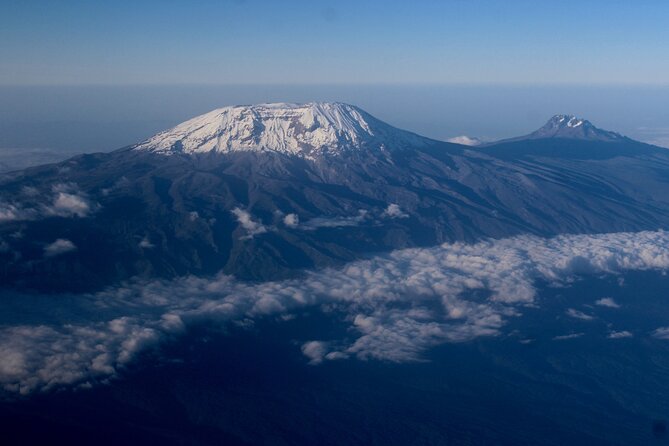
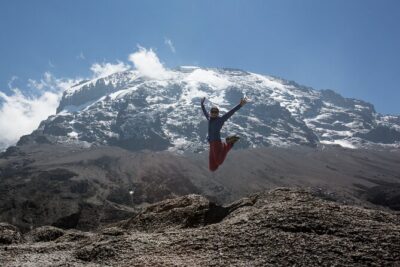
Kilimanjaro starts easy, then turns icy. The Lemosho Route approaches from the west and builds in 6 ecological zones, so you’re not just walking higher, you’re watching the mountain change in real time. I like how this route tends to feel spacious and scenic, with long stretches where you can look up and see Kibo forming in the distance.
What I really like is the human side, the on-mountain coaching. With guides such as Yobu Eliamani Mbwambo, and other team leads like Rama and Paulo, you get real advice for moving at a pace that protects your altitude chances, not just a checklist and a headlamp handoff. One consideration: your final push starts just before midnight and gets cold and windy, so you need steady stamina and the patience to go slow even when you want to rush.
In This Review
- Key Highlights to Expect on This 8-Day Lemosho Climb
- Why the Lemosho Route From Londorossi Gate Feels Different
- Day 1: From Arusha to Forest Camp, a Rainforest Start That Sets Your Pace
- Day 2: Shira Plateau Breakout, Heather and Volcanic Rock Views
- Day 3: Shira Plateau Crossing and the Moir Camp Acclimatization Plan
- Day 4: Lava Tower Country, Barranco Valley Beauty, and a Big Optional Moment
- Day 5: Barranco Wall to Karanga Camp, Where Timing at Altitude Matters
- Day 6: Barafu Camp, an Alpine Desert Feel, and Summit-Ready Recovery
- Day 7: Midnight Summit Start, Stella Point Sunrise, and Uhuru Peak Celebration
- Day 8: Return Through Montane Forest to Moshi and the Shower You Deserve
- Price, What You’re Paying For, and Value for an 8-Day Plan
- Should You Book This 8-Day Kilimanjaro Lemosho Experience?
- FAQ
- What route does this Kilimanjaro trip follow?
- Where does the trip start and how does getting there work?
- How long is the hike each day?
- Is the summit included, and when do you reach Uhuru Peak?
- What camping style and comfort level are provided?
- What meals are included?
- What costs are not included in the price?
- Is park admission included?
Key Highlights to Expect on This 8-Day Lemosho Climb
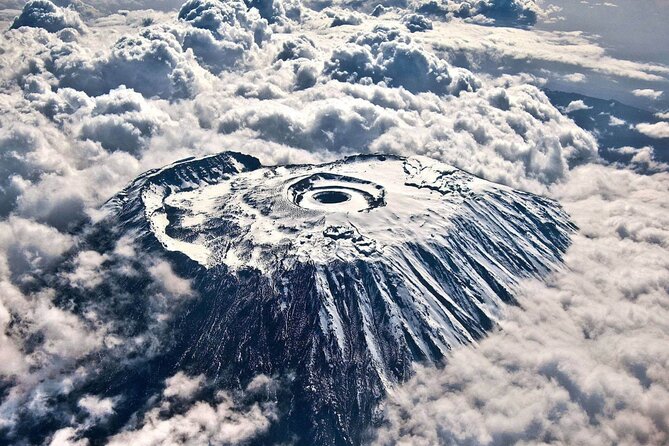
- West-approach scenery with the Lemosho start, plus big Kibo views from higher camps
- Six ecological zones crossed from rainforest to the arctic conditions near the summit area
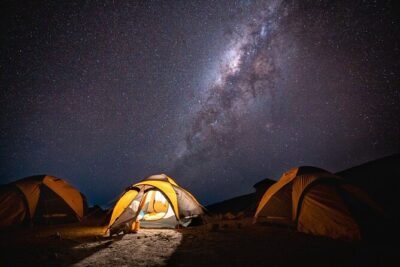
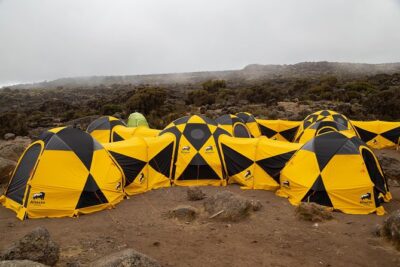
- Signature camping comfort, including spacious tents and strong meal support
- Strategic acclimatization timing at camps like Karanga and Barranco for a safer rhythm
- Summit logistics that start at night, with Stella Point sunrise and then a short final climb
- Expert guide teams you’ll see referenced by name, including Yobu Eliamani Mbwambo, Rama, and Paulo
Other ways up Kilimanjaro we reviewed
- Kilimanjaro climb by Lemosho Route (7-day)★ 5.0 · 651 reviews
- Kilimanjaro climb, Machame Route (7-day)★ 5.0 · 262 reviews
- Kilimanjaro Climbing Lemosho Route 8 Days.★ 5.0 · 186 reviews
- Climbing Kilimanjaro – Machame Route★ 5.0 · 170 reviews
Why the Lemosho Route From Londorossi Gate Feels Different
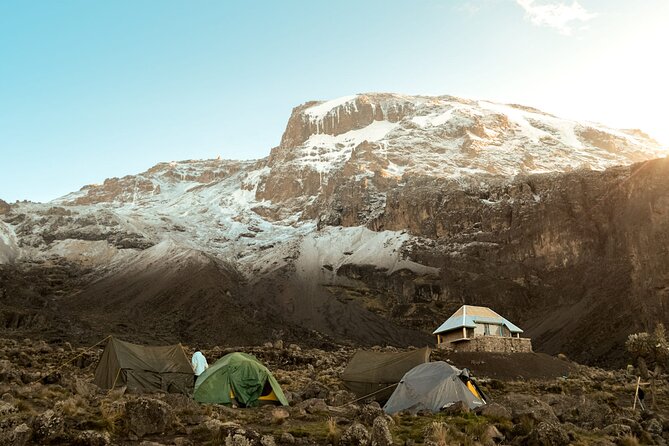
This is not the kind of climb where you only care about the top. You’ll feel the mountain’s personality change day by day, which is part of why Lemosho is considered so scenic. You begin around the Londorossi Gate and start in lush rainforest, then you work upward into heather and lichen-draped rock, then across moorland and plateau, and eventually into the thin-air zone where plants basically disappear and the world turns stark.
I also appreciate the way the route supports breathing and recovery through the schedule. There are shorter hiking segments mixed with longer ones, and the itinerary repeatedly gives you a reason to slow down, stop, and let your body adapt. That matters on Kilimanjaro because the summit day is not when you want to discover your personal altitude limit.
Finally, this route has a built-in way to keep you focused. You’re continually rewarded with “look-up” moments: Kibo shaping itself in views, plateaus opening wide, and volcanic features like Lava Tower showing up as landmarks. Even if you’re not a serious mountaineer, you still get a trail that feels like a guided tour of the mountain’s big transitions.
Day 1: From Arusha to Forest Camp, a Rainforest Start That Sets Your Pace
Day 1 is about getting from Moshi/Arusha area into position and then easing into the climb. You leave by vehicle for the long drive to the starting point at Londorossi Gate. It’s a reminder that this is a real expedition, not a quick day hike.
On the trek itself, you go from roughly 7,742 ft to 9,498 ft over about 3-4 hours. That’s a gentle beginning for altitude climbing, and it gives you time to settle into camp rhythm. Expect rainforest walking, and the chance to watch for wildlife, since this first ecological zone is where life stays relatively active.
You’ll take lunch on the trail, then reach camp mid-afternoon and overnight at Forest Camp. This is a good day to practice the habits that will save you later: sip water, eat even if you’re not starving, and keep your effort smooth rather than punchy. The day is short enough to breathe, and that is exactly what you want on Kilimanjaro.
Value note: your park admission is listed as free, so day 1 is less about fees and more about time on the mountain.
Day 2: Shira Plateau Breakout, Heather and Volcanic Rock Views
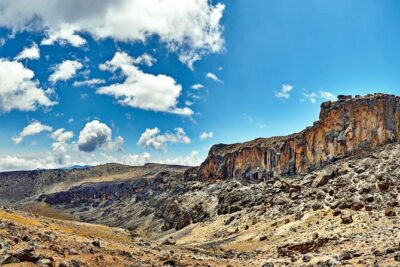
Day 2 is where things start to feel bigger. You move from about 9,498 ft to 11,500 ft over 5-6 hours, and the terrain changes in a noticeable way. You’ll pass through podocarpus and juniper forest, then break out onto heather and lichen-covered volcanic rock.
The Shira Plateau is especially important here. The route describes it as a former third peak that collapsed, which helps you understand why the scenery looks the way it does: wide, exposed, and dramatic. You’ll take lunch on the trail and then continue to Shira 1 Camp mid-afternoon.
This is also one of those days where the reward is visual. The itinerary calls out the view of Kibo from this vantage point as breathtaking. In plain terms: when the mountain finally lets you see the summit peak clearly, your brain clicks into summit mode.
Potential drawback: this is still a climbing day, and the slower pace you practiced on day 1 matters. If you rush, you’ll feel it. If you keep steady, you’ll likely reach camp feeling like you earned the view.
Lemosho itineraries worth reading next
Day 3: Shira Plateau Crossing and the Moir Camp Acclimatization Plan
Day 3 is a long, scenic day that can feel like a high-altitude travel day mixed with trekking. You start around 11,500 ft and climb to about 13,800 ft over 5-7 hours, crossing moorland meadows during the Shira Plateau traverse.
The plateau itself is one of the trip’s standout stretches. You’re at relatively high altitude, but the walking is often more “sustained and steady” than steep wall wrestling. That’s a good combination for acclimatization because you can keep moving without spiking your effort.
After lunch, the schedule turns you toward Moir camp. You arrive mid-afternoon and overnight at Moir Hut. The itinerary even mentions that if you have energy, you can hike in the late afternoon in the surrounding Lent Hills. That’s useful in two ways: it’s extra movement, and it helps you get more acclimatization benefit without turning the day into a marathon.
One practical tip: if you choose that optional hike, don’t treat it like a personal fitness test. Treat it like altitude medicine. Go easy, keep your breathing calm, and come back before you’re tired.
Day 4: Lava Tower Country, Barranco Valley Beauty, and a Big Optional Moment
Day 4 covers 13,800 ft down to around 13,044 ft, with a route that includes a traverse of Kibo’s slopes. You’re moving through an extreme zone where the itinerary notes relatively little flora or fauna can survive. That’s what you’ll see too: more rock, more cold edges, less plant life.
Lunch usually happens near Lava Tower, a volcanic rock formation. If you feel strong, there’s an optional ascent described as about 300 feet tall. This is one of those choices you’ll appreciate having. If you’re feeling good, you can add a bit of “mountain adventure” to the day. If not, you can stick to the main route and preserve energy.
Then you descend to Barranco camp, passing through the ‘Garden of the Senecios’, where giant groundsel and giant lobelias appear. Even if the plants aren’t what you’re trained to notice, the area is described as strange yet beautiful, which matches what people often feel in this section: it looks alien compared to the rainforest start.
Barranco Valley is called one of the prettiest areas of the entire trail. That matters because after several days of altitude work, you get something that feels like a payoff, not just progress.
Possible drawback: cold temperatures and wind can show up as you move into higher, drier zones. Dress in layers you can adjust without slowing the group too much.
Day 5: Barranco Wall to Karanga Camp, Where Timing at Altitude Matters
Day 5 is relatively short in distance but not in effort. You go from 13,044 ft up to around 13,123 ft over 4-5 hours, with a key challenge early: Barranco Wall.
The itinerary is direct about it, saying it’s intimidating and that you’ll use all four limbs. Translation: it’s hands-on hiking, and you’ll want to stay focused and careful rather than fearless. If you’re the kind of climber who leans forward and tries to “solve” obstacles fast, practice being smooth. Kilimanjaro rewards balance, not speed.
After the wall, the path includes many inclines and declines to Karanga Camp. The plan puts special emphasis on this camp for acclimatization, describing it as strategic because significant time at altitude is essential for safe adjustment. Sunsets here are specifically highlighted as spectacular, with views of southern glacial valleys and ice fields towering about 3000 feet above you.
That sunset is not just pretty. It’s also a mental reset. A lot of people find day 5 tough because you’re high, you’re working, and the summit still feels far. A camp view like this helps you feel like the climb has a storyline.
Day 6: Barafu Camp, an Alpine Desert Feel, and Summit-Ready Recovery
Day 6 is your half-day ascent to Barafu Camp, and it sets the stage for summit night. The itinerary frames today as time to reach high camp, take lunch there, and then get downtime before the summit bid.
You’ll be moving in the desolate alpine desert zone, with the potential for strong winds. That matters because Barafu is not a place to linger outside without the right layers. If you’re cold, you’ll think about it constantly. If you’re dressed well and moving calmly, you’ll feel more in control.
Overnight at Barafu Camp includes early dinner, then rest. The itinerary mentions that Mawenzi peak views are the norm in the evenings. Even if the weather is temperamental, Mawenzi’s presence helps you remember where you are and where you’re headed.
Practical thought: this is not a day to cram in extra hiking. The value of day 6 is rest plus preparation. Your body is working hard behind the scenes, adapting to thin air, and the best thing you can do is stay calm and warm.
Day 7: Midnight Summit Start, Stella Point Sunrise, and Uhuru Peak Celebration
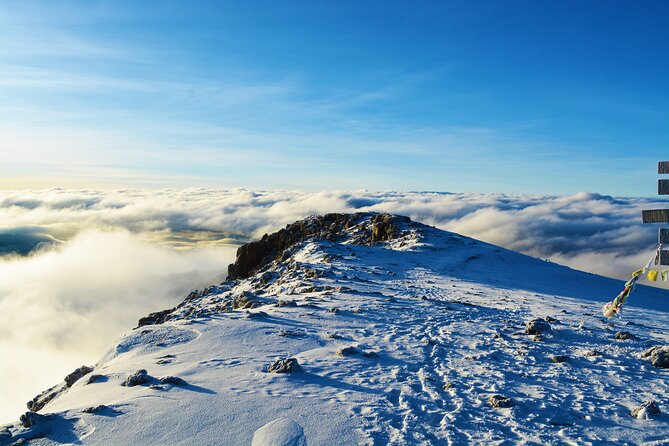
Day 7 is the iconic one. You depart just before midnight for the final summit bid. The itinerary calls this the coldest and windiest section of the adventure, and that fits what you’ll feel mentally too: it’s dark, it’s slow, and it’s long.
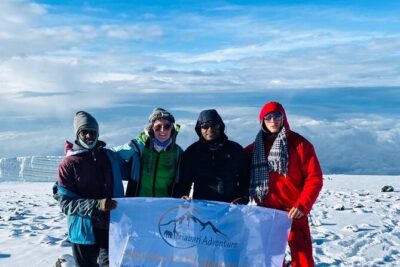
Most likely by dawn, you arrive near the rim at Stella Point, at 18,652 ft. Here you’re rewarded with sunrise described as the most glorious you’re likely to see, with light appearing across the Tanzanian landscape and Mawenzi Peak showing in the view. This is when the climb stops being just altitude management and becomes a memory you’ll replay.
From Stella Point, the final section to Uhuru Peak is relatively short. The itinerary describes it as the Roof of Africa. After a short celebration at the summit, you start the descent.
Descent is not a victory lap. It’s where you protect your knees, keep your footing sure, and avoid getting reckless because you feel energized. Slow steps matter, especially on steep, cold ground.
Day 8: Return Through Montane Forest to Moshi and the Shower You Deserve
Day 8 is about coming down and closing the loop. After breakfast, you descend again through montane forest. You’ll be picked up around midday and transferred back to your hotel in Moshi for a well-deserved shower and celebratory dinner.
This day is long in the schedule, with the itinerary listing about 10 hours total time. Even if your legs feel tired, this is a key part of the experience because you return to normal temperature and normal life.
You’ll likely feel a wave of relief and disbelief at the same time. Kilimanjaro does that. One minute you’re chasing a sunrise, the next you’re washing off camp dust. Treat day 8 as recovery time, not sightseeing time.
If you want to keep costs under control, this is also where meal and camp structure paid off. Dinner and breakfast are included as listed, so you’re not scrambling for basic food immediately after the climb.
Price, What You’re Paying For, and Value for an 8-Day Plan
This climb is listed at $2,670 per person. That number can feel like a lot until you break down what the itinerary includes and what it leaves out.
What’s included in the package:
- Breakfast, lunch, and dinner across the trek days (meals are included for the listed counts)
- Park admission is noted as free in the schedule
- Camping experience with spacious tents and deluxe comfort, plus meals and support
- Pickup offered from the Moshi side, and your day 1 involves transfer by vehicle to the trailhead
What’s not included:
- Visa
- International flights
This matters for value because climbing costs often rise quickly once you factor in logistics, rangers or park fees, and the camping operation. Here, the “big costs” of the mountain itself appear bundled, and the meals reduce your day-to-day spending. You still need to budget for your flights and any visa costs, but you’re not guessing about trail-day food.
Who this is best for:
- People with moderate physical fitness who can handle long days on foot
- Travelers who want the scenic payoff of Lemosho while still following a schedule that supports acclimatization
- Anyone who values guided safety and pacing, not “race to the top” energy
One small note: the activity lists a maximum of 100 travelers. That doesn’t tell you your exact trek group size on the mountain, but it’s still a hint you’re unlikely to be alone in the region.
Should You Book This 8-Day Kilimanjaro Lemosho Experience?
If your goal is a classic Kilimanjaro route with big scenery, this one is a strong candidate. The Lemosho approach gives you rainforest to arctic-zone changes over time, and the pacing through camps like Karanga and Barafu is designed around acclimatization, not just distance. The summit plan includes the key ingredients people remember: midnight start, Stella Point sunrise, and then Uhuru Peak.
I’d book it if:
- You want a scenic route that changes every couple of days
- You’re okay with cold night trekking and slow steps as the norm
- You’d rather have a well-run camping setup than go “rough it” style
I’d think twice if:
- Cold, wind, and night trekking feel intimidating
- You’re looking for a trip that is physically light day after day, because this is serious high-altitude hiking
If you’re the kind of person who likes your adventure with a plan, and you want guides who know how to keep your effort steady, this 8-day Lemosho climb from Moshi is the sort of Kilimanjaro experience that tends to turn into a lifelong story.
FAQ
What route does this Kilimanjaro trip follow?
It follows the Lemosho Route and climbs from the Londorossi Gate. The schedule includes camp nights at Forest Camp, Shira 1 Camp, Moir Hut, Barranco Camp, Karanga Camp, and Barafu Camp, then summit via Stella Point to Uhuru Peak.
Where does the trip start and how does getting there work?
The trip meets with a start time of 8:00 am. You take a vehicle from Arusha to the trail starting point (Londorossi Gate) on day 1, and the itinerary also notes pickup offered.
How long is the hike each day?
It varies by day. Some days are about 3-4 hours, while others run 5-7 hours, and summit day is described as leaving just before midnight with a multi-hour ascent and a descent afterward.
Is the summit included, and when do you reach Uhuru Peak?
Yes. You depart before midnight for the final summit bid, arrive near Stella Point at sunrise, then continue to Uhuru Peak. After a short celebration, you begin the descent.
What camping style and comfort level are provided?
The experience highlights Signature Camping, with spacious tents and deluxe comfort, plus amazing meals included during the trek.
What meals are included?
Breakfast, lunch, and dinner are included during the trek days, with the package listing breakfast (8), lunch (9), and dinner (8).
What costs are not included in the price?
The price does not include visa or international flights.
Is park admission included?
The itinerary notes admission ticket free for the days in Kilimanjaro National Park.
Lemosho, Compared
- Kilimanjaro climb by Lemosho Route (7-day)
★ 5.0 · 651 reviews - Kilimanjaro Climbing Lemosho Route 8 Days.
★ 5.0 · 186 reviews - Kilimanjaro climb, Lemosho Route (8-day)
★ 5.0 · 148 reviews - Kilimanjaro climb, Lemosho Route (6-day)
★ 5.0 · 129 reviews - Kilimanjaro Lemosho Route
★ 5.0 · 71 reviews
Kilimanjaro, Route by Route
- Kilimanjaro climb by Lemosho Route (7-day)
★ 5.0 · 651 reviews - Kilimanjaro climb, Machame Route (7-day)
★ 5.0 · 262 reviews - Kilimanjaro Climbing Lemosho Route 8 Days.
★ 5.0 · 186 reviews - Climbing Kilimanjaro – Machame Route
★ 5.0 · 170 reviews - Climbing Kilimanjaro through 7 days Machame Route
★ 5.0 · 151 reviews
Just added from around Moshi
Kilimanjaro Lemosho Route, compared.
 ★ 5.0Kilimanjaro climb by Lemosho Route (7-day)From $3,476651 reviews
 ★ 5.08-Day Small-group Lemosho Kilimanjaro Summit TrekkingFrom $2,895186 reviews
 ★ 5.0Kilimanjaro Climbing Lemosho Route 8 Days.From $2,300186 reviews
 ★ 5.0Kilimanjaro climb, Lemosho Route (8-day)From $3,975148 reviews
 ★ 5.0Kilimanjaro climb, Lemosho Route (6-day)From $3,034129 reviews
 ★ 5.0Kilimanjaro Lemosho RouteFrom $2,89071 reviews
 ★ 5.0Private Kilimanjaro Hike 7 Day Lemosho RouteFrom $2,45060 reviews
 ★ 5.0Climbing Kilimanjaro through 8 days Lemosho RouteFrom $2,76052 reviews
Browse the lists this tour appears in