
REVIEW · KILIMANJARO LEMOSHO ROUTE
7 Days Lemosho Route Kilimanjaro Climbing | Solely Tours
Kilimanjaro works best when your route fits your body. This Lemosho trek is built for that, with a profile that targets Shira Peak and gives you time to acclimatize across different altitude zones. I also like that Solely Tours packages the big logistics up front, including park fees, meals, and a private guide setup from Moshi.
One thing to consider: at $2,297.30 per person, it is a serious spend, and you will still need to plan for tips and your personal equipment yourself. Summit day is long and weather matters, so you are paying for support, not guarantees.
In This Review
- Key things that matter on this Solely Tours Lemosho climb
- Why the Lemosho Route Targets Shira Peak
- From Moshi to Londorosi Gate, plus the Kilimanjaro White House Hotel Nights
- Day 1 to 2: Thick Rainforest to Shira 2 Glacier Views
- Day 3 to 4: Lava Tower, Then Barranco Wall to Karanga Sunset
- Day 5 to 6: Barafu Brief Rest, Midnight Summit, Stella Point Sunrise
- Day 7: Mweka Gate, Gold Certificate, and the Ride Back to Moshi
- Meals, Tents, and Camp Comfort That Actually Helps
- The Team Dynamic: Private Pace Control and Porters Who Treat You Like Family
- Price and Value at $2,297.30: What You Pay For and What Shows Up Later
- Charity Connection Through Godson Charity Tanzania
- Who Should Choose This 7-Day Private Lemosho Trek
- Should You Book Solely Tours for Lemosho Kilimanjaro?
- FAQ
- How long is the trek, and how many nights on the mountain?
- Where does it start, and is pickup offered?
- What is included in the price?
- What is not included?
- Is this tour private?
- What is the hardest part of the itinerary?
- What is the cancellation policy if plans change or weather is bad?
Key things that matter on this Solely Tours Lemosho climb
- Shira Peak focus on the Lemosho route, a route chosen for that specific summit goal
- Private group + private guide, so pacing and communication stay in your control
- Meals, tents, and mattress included, meaning you concentrate on hiking, not logistics
- Hotel nights before and after at Kilimanjaro White House Hotel, plus easier recovery
- Charity connection through Godson Charity Tanzania, with a donation portion tied to the trip
- A true summit push that starts around midnight and includes Stella Point timing for sunrise (weather permitting)
Other ways up Kilimanjaro we reviewed
- Kilimanjaro climb by Lemosho Route (7-day)★ 5.0 · 651 reviews
- Kilimanjaro climb, Machame Route (7-day)★ 5.0 · 262 reviews
- Kilimanjaro Climbing Lemosho Route 8 Days.★ 5.0 · 186 reviews
- Climbing Kilimanjaro – Machame Route★ 5.0 · 170 reviews
Why the Lemosho Route Targets Shira Peak
If you care about route strategy, Lemosho is a smart choice. The big selling point here is that this approach allows you to summit Shira Peak. That matters because it changes the feel of your climb. You are not just hiking toward the crater, you are stepping through altitude zones in a way designed to help your body adjust before the toughest hours.
On Kilimanjaro, acclimatization is not a slogan. It is what you do with your days. This itinerary spreads your effort across rainforest, heather moorland, plateau, and then harsher desert and rocky terrain before the summit push. That shift is part of the plan, not a surprise.
The other reason I like Lemosho for many people is how it sets expectations. You will hike longer mid-trip, then you get a short day before the summit. That rhythm helps you manage energy instead of burning it all too early.
From Moshi to Londorosi Gate, plus the Kilimanjaro White House Hotel Nights
You start in Moshi, and that is where the trip becomes real. Solely Tours drives you about 3 hours to Londorosi Gate, then continues roughly 1 more hour to the Lemosho trailhead area. Day 1 begins with formalities handled before you even start moving on the mountain, so you are not stuck waiting around when you could be walking.
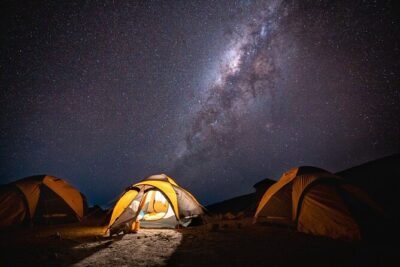
Comfort matters too, and the tour includes one night before and one night after at Kilimanjaro White House Hotel. That is a big deal for recovery. You are not trying to sleep on a bus or in a random room right after a midnight summit return.
If you have never done a trek like this, the hotel nights also help with mindset. You can eat a normal meal, pack calmly, and set up your clothes and layers the night before hiking starts. When you are heading to altitude and cold temperatures, those small prep moments count.
Pickup is offered, and the meeting point is at Godson Charity Tanzania in Moshi (listed as a ticket redemption point with set opening hours). So you likely connect the climb with the charity program early, not as an afterthought.
Day 1 to 2: Thick Rainforest to Shira 2 Glacier Views
Day 1 is a gentle start that still feels like an adventure. You leave Moshi, reach the trail area, have lunch, then hike into thick rainforest. The distance is about 7 km (4.3 mi) and the walking time is listed around 4 hours. That is not long by mountain standards, but rainforest hiking often feels slower because footing is uneven and you may be dealing with humidity.
You end Day 1 at the first camp after that 4-hour hike. This is a key day for easing into trek rhythm: how your pack feels, how your breath settles, and how you handle moving slowly.
Day 2 is where things get serious in a good way. After breakfast, you take an early ascent into heather moorland, hike past streams, then move onto a plateau toward Shira 2 campsite. This day is much longer: 16.5 km (10.3 mi) with about 9 to 11 hours walking time.
The payoff is real. At Shira 2, you get incredible views including the western breach and glaciers to the east. This is the kind of scenery that makes you forget fatigue for a minute, which is useful when you need to keep your pace steady and not rush.
Lemosho itineraries worth reading next
Day 3 to 4: Lava Tower, Then Barranco Wall to Karanga Sunset
Day 3 transitions you from altitude comfort into harsher terrain. You hike from Shira 2 camp and enter a desert and rocky landscape. You reach Lava Tower after about 5 hours, then have lunch there. Afterward, you descend to Barranco campsite, which takes around 2 hours.
That day can feel like a mini roller coaster. The climb to Lava Tower pushes effort, then the descent asks your legs to work differently. If your knees are sensitive, pay extra attention to your footing and trekking poles.
You are also setting up tomorrow. At Barranco camp, you spot the Barranco Wall, which you will tackle the next day. That build-up matters because you mentally prepare for the one stiffer obstacle section on this side of the route.
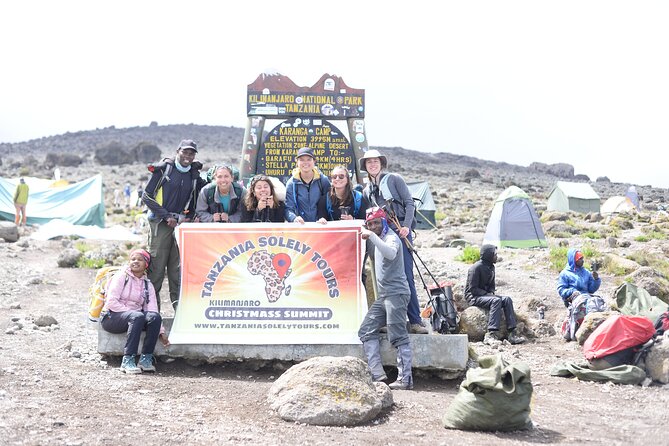
Day 4 is described as a shorter day at Karanga camp, and the distance is about 5.5 km (3.4 mi) with roughly 5 hours walking. You first handle the intimidating feel of the Barranco Wall, then keep moving through hills and valleys. The big reward is a sunset with glacial valleys and ice fields visible from camp, towering above by a few thousand feet (not exact, but the description emphasizes the height).
I like days like this because they keep your momentum without stacking another long, draining push right before the mid-trip reset.
Day 5 to 6: Barafu Brief Rest, Midnight Summit, Stella Point Sunrise
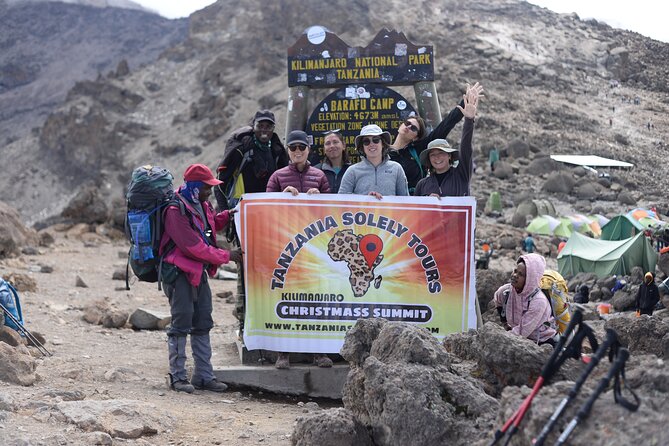
Day 5 is short on paper and important in practice. After breakfast, you head out and reach an intersection that connects with Mweka trail, then continue to Barafu camp. The distance is only about 3 km (1.9 mi) and the hiking time is about 3 hours.
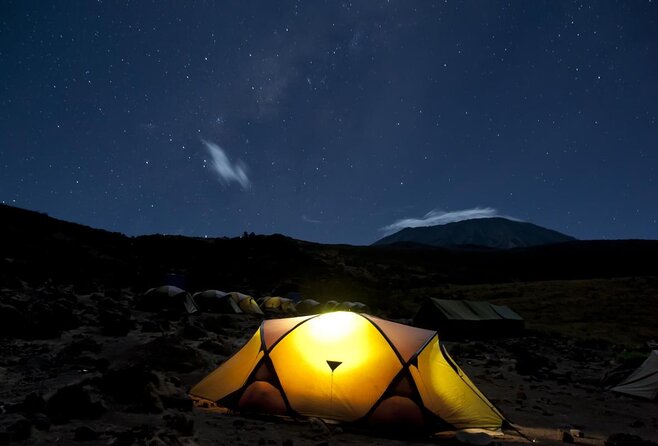
This is where the Southern Circuit phase ends and you start preparing for summit day. Dinner is included, and you rest because you will be woken up around midnight.
Day 6 is the big one. You start trekking to the summit between Rebmann and Ratzel glaciers through heavy scree, pushing up toward Stella Point on the crater rim. The trek time is listed around 14 hours total, and that includes the summit effort and descent time.
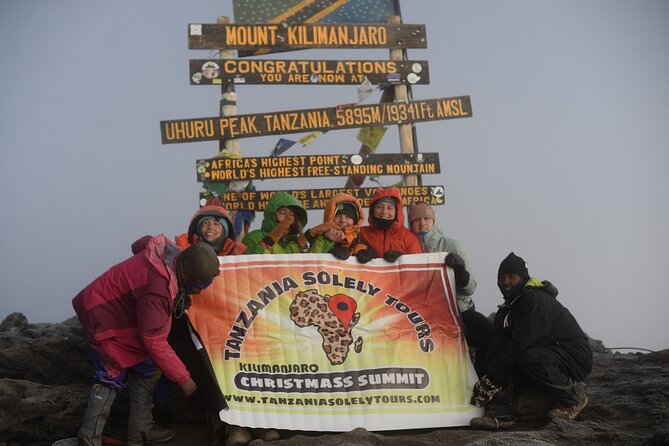
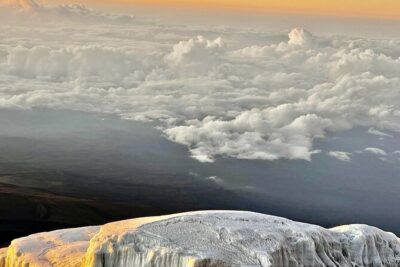
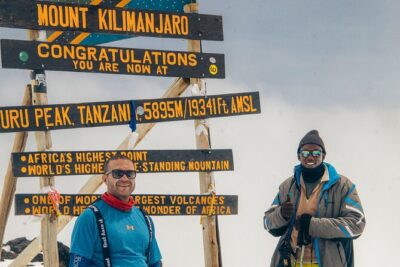
At Stella Point, you take a short break and (weather permitting) watch for what can be the most unforgettable sunrise you ever see. The itinerary notes that snow may continue up to the summit. Then you reach the highest peak in Africa, take pictures, and keep your time up there relatively brief to avoid altitude sickness.
Practical truth: you cannot treat this day like a normal hike. It is slow, cold, and focused. Your guide’s job is to manage pace and breathing, not to race. And you should plan to follow that, even when the views are screaming for speed.
Day 7: Mweka Gate, Gold Certificate, and the Ride Back to Moshi
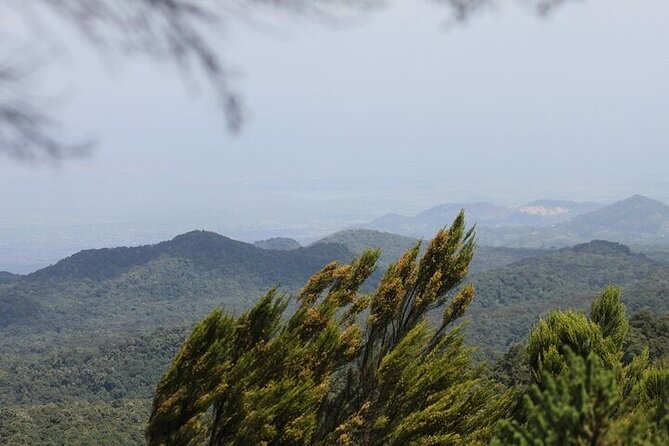
After a summit, the goal is safe completion. Day 7 starts with breakfast at camp, then you hike to the Mweka Gate. The walk time is about 3 hours, with a listed distance of 12.1 km (7.5 mi).
Once you reach the gate, you are awarded a gold certificate for successfully reaching the summit. That is a nice touch because it gives you something tangible to mark the effort.
Then you meet your driver and head back to your hotel for a long rest. Since the tour includes hotel nights before and after, this final ride feels like closure rather than another logistical scramble.
If you tend to downplay your own success, I recommend taking a minute here. Your body will be tired, but the certificate and the ride home are your reminders that you finished a major objective.
Meals, Tents, and Camp Comfort That Actually Helps
The package includes mattress and tents, plus meals throughout the trek. The included list specifies breakfast (5), lunch (7), and dinner (7). That meal schedule matters because it reduces uncertainty. You should not be worrying about finding food at altitude or wondering if you packed enough fuel.
One of the best practical comforts shows up in the reviews: guests described hot meals and also mentioned hot water to wash face and hands every night on arrival. Not every trek provides that kind of camp hygiene, so it is worth noting as a real quality-of-life improvement during cold nights.
You are also dealing with weather, not just altitude. Even if you sleep cold sometimes, having a tent setup and mattress included is better than trying to improvise with gear you forgot.
What you should still bring is your personal equipment. The tour does not include that, and that is where people sometimes get caught. I suggest you double-check what you personally need for warmth, hydration, and blister prevention, not just what the tour provides.
The Team Dynamic: Private Pace Control and Porters Who Treat You Like Family
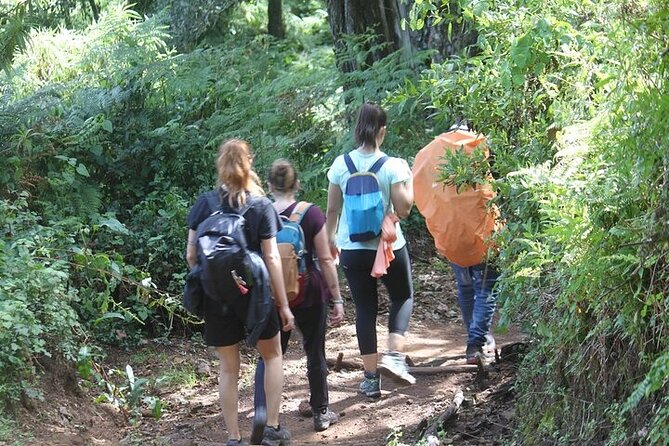
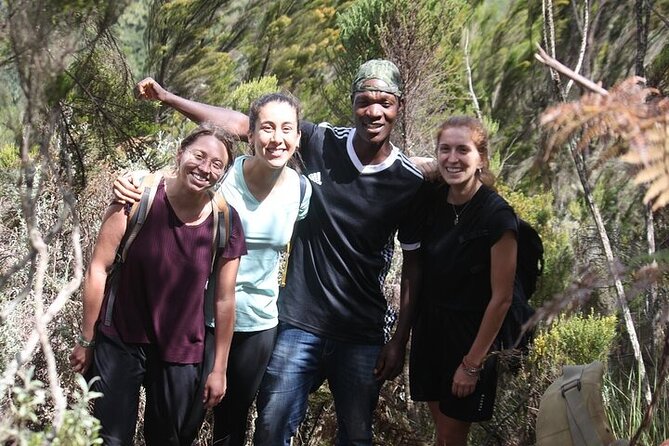
A climb succeeds or fails based on people, not just the route name. The reviews strongly highlight three things: guide expertise, pace control, and how porters support the group.
Guests described guides with strong knowledge who did not rush them and helped keep a perfect pace. That matters because summit day is easier to handle when you have been trained through slow days, not rushed into fatigue early.
They also praised the porter team as treating trekkers like family. Another review mentioned service professionalism and that the team was punctual with responses to questions.
On a private trek, this relationship can feel more personal. Your group is the only group participating, so your guide can adjust to your needs without juggling multiple schedules. If you worry about being left behind, or you want steady encouragement rather than constant pressure, private structure is a real advantage.
And yes, the porters matter. They carry your tent and gear setup, so you can focus on walking. When porters feel supportive, your days feel lighter even when the terrain is not.
Price and Value at $2,297.30: What You Pay For and What Shows Up Later
At $2,297.30 per person, this is not a cheap Kilimanjaro climb. But the value is clearer when you break down what is included.
You get park fees, meals, mattress and tents, and hotel nights before and after. You also get the core trekking structure: private guiding on a route designed around Shira Peak access. The itinerary also involves long drives and organized trail logistics, which you would struggle to build yourself.
The trade-off is that the “not included” list still lands on you. You will need to budget for tips for guide, cook, and porters, plus flight ticket, visa, and personal equipment. Tips are a common Kilimanjaro reality, and the provided information is direct about it being excluded, so plan ahead.
What you are buying here is fewer moving parts. When your time, altitude stress, and cold weather are all stacked together, that matters. The best value is not just paying less, it is paying so you can hike without preventable headaches.
Charity Connection Through Godson Charity Tanzania
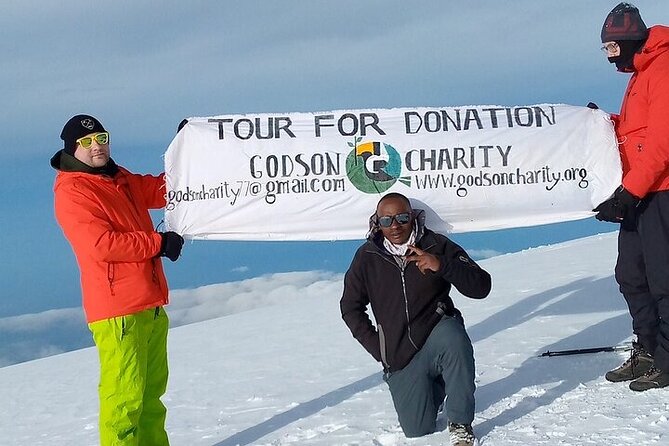
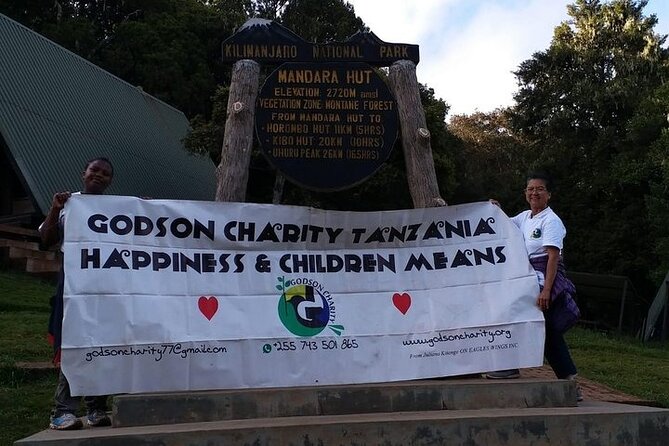
This climb connects to Godson Charity Tanzania, and part of your fees is donated to support children. You also have a defined meeting point at the charity location in Moshi, which makes the charity element feel tied to the trip from the start, not tacked on at the end.
The reviews also mention charity-related experiences after the climb, like visiting and supporting families. That is not described as guaranteed in the core tour data, but it tells you the program can have an active role in how the trip feels.
I like charity integration when it is specific and local. In this case, the presence of a clearly named charity and a donation portion suggests you are contributing to a real effort, not just collecting a feel-good line.
Practical move: if charity activities are important to you, ask your operator what is possible with your dates before you go. Then you can align your expectations with what is actually scheduled.
Who Should Choose This 7-Day Private Lemosho Trek
This trek suits people who want a structured climb with a private group and who specifically want the Lemosho route experience. It is also a good match if Shira Peak is part of your motivation, because this route is positioned to allow it.
Your physical requirement is listed as moderate physical fitness. That does not mean easy. It means you should be comfortable hiking for long days, managing steep or rocky ground, and coping with altitude fatigue.
You should also like the idea of a guided pace and team support. The reviews strongly point to guides managing tempo well and porters creating a family feel. If you prefer to hike with someone coordinating safety and rhythm, this is the right setup.
If you are the type who hates early nights, cold mornings, and the idea of a midnight start, this route will be mentally challenging. But if you can handle the mental grind and trust the plan, you will probably find it rewarding.
Should You Book Solely Tours for Lemosho Kilimanjaro?
I’d book this if you want Shira Peak access, you value a private, organized climb, and you like the idea of having meals, tents, and park fees covered so you can focus on the mountain. The included hotel nights before and after also reduce post-summit stress, which matters more than most people think.
I would pause if you are on a tight budget, because the price plus tips and personal gear still adds up. I would also pay attention to weather expectations, since the itinerary depends on conditions and the operator notes the experience requires good weather.
If you book, plan your summit mindset in advance. Bring the right layers, train for consistent walking, and treat the long summit day as a slow climb, not a sprint.
FAQ
How long is the trek, and how many nights on the mountain?
The trek is 7 days (about 6 nights), with day-by-day hiking through multiple altitude zones on the Lemosho route and a final hike to Mweka Gate on day 7.
Where does it start, and is pickup offered?
The trip is based in Moshi, Tanzania. Pickup is offered, and the ticket redemption meeting point is listed at Godson Charity Tanzania | Moshi Volunteering opportunities.
What is included in the price?
The included items are mattress and tents, accommodation one night before and one night after at Kilimanjaro White House Hotel, park fees, plus meals (breakfast, lunch, dinner as listed in the included section).
What is not included?
Not included: tips for guide, cook and porters, flight ticket, visa, and personal equipment.
Is this tour private?
Yes. It is listed as a private tour/activity, meaning only your group participates.
What is the hardest part of the itinerary?
The summit day (day 6) is the most demanding. You start around midnight, hike up to Stella Point and aim for sunrise (weather permitting), with the return time kept brief up high to help avoid altitude sickness.
What is the cancellation policy if plans change or weather is bad?
You can cancel for a full refund up to 24 hours in advance. If the experience is canceled due to poor weather, you will be offered a different date or a full refund.
Lemosho, Compared
- Kilimanjaro climb by Lemosho Route (7-day)
★ 5.0 · 651 reviews - Kilimanjaro Climbing Lemosho Route 8 Days.
★ 5.0 · 186 reviews - Kilimanjaro climb, Lemosho Route (8-day)
★ 5.0 · 148 reviews - Kilimanjaro climb, Lemosho Route (6-day)
★ 5.0 · 129 reviews - Kilimanjaro Lemosho Route
★ 5.0 · 71 reviews
Kilimanjaro, Route by Route
- Kilimanjaro climb by Lemosho Route (7-day)
★ 5.0 · 651 reviews - Kilimanjaro climb, Machame Route (7-day)
★ 5.0 · 262 reviews - Kilimanjaro Climbing Lemosho Route 8 Days.
★ 5.0 · 186 reviews - Climbing Kilimanjaro – Machame Route
★ 5.0 · 170 reviews - Climbing Kilimanjaro through 7 days Machame Route
★ 5.0 · 151 reviews
Just added from around Moshi
Kilimanjaro Lemosho Route, compared.
 ★ 5.0Kilimanjaro climb by Lemosho Route (7-day)From $3,476651 reviews
 ★ 5.08-Day Small-group Lemosho Kilimanjaro Summit TrekkingFrom $2,895186 reviews
 ★ 5.0Kilimanjaro Climbing Lemosho Route 8 Days.From $2,300186 reviews
 ★ 5.0Kilimanjaro climb, Lemosho Route (8-day)From $3,975148 reviews
 ★ 5.0Kilimanjaro climb, Lemosho Route (6-day)From $3,034129 reviews
 ★ 5.0Kilimanjaro Lemosho RouteFrom $2,89071 reviews
 ★ 5.0Private Kilimanjaro Hike 7 Day Lemosho RouteFrom $2,45060 reviews
 ★ 5.0Climbing Kilimanjaro through 8 days Lemosho RouteFrom $2,76052 reviews
Browse the lists this tour appears in