
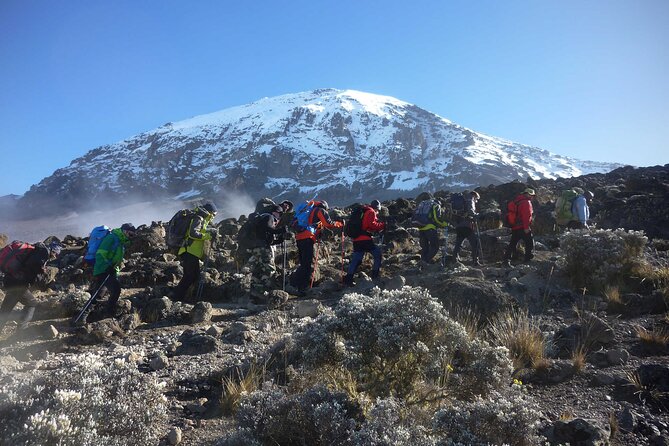
REVIEW · KILIMANJARO LEMOSHO ROUTE
7 Day Kilimanjaro Climbing Via Lemosho Route
Kilimanjaro via Lemosho is a slow build to a big payoff. This 7-day climb from Moshi uses the Lemosho Route to move you through rainforest, moorland, alpine desert, and the icy high zone, with time built in for altitude. You also get Signature Camping and guided support aimed at getting you to Uhuru Peak as safely as possible.
I love how the route gives you variety without rushing, especially the big scenic turns at Shira Plateau and the dramatic day around the Barranco area. I also like the team setup, including full meal service and the kind of camp routine that helps you recover, even when your legs are done.
One drawback to keep in mind is the weather and the physical demand. The final push is described as the coldest and windiest part, and nights at high altitude are not the place to wing it. If you want the best chance at feeling solid, you’ll need patience and a steady pace the whole way, not just on summit night.
In This Review
- Key points before you go
- Why the Lemosho Route feels different than the usual Kilimanjaro climb
- The week on Kilimanjaro, day by day (with what each camp is really doing)
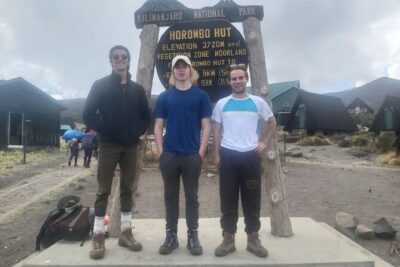
- Day 1: Londorossi Gate to Forest Camp (7,742 to 9,498 ft)
- Day 2: Forest and Shira Plateau to Moir Hut (9,498 to 11,500 ft)
- Day 3: Traversing Kibo slopes to Barranco Camp (13,800 to 15,223 ft, then down to 13,044 ft)
- Day 4: Barranco Wall to Karanga Camp (13,044 to 13,123 ft)
- Day 5: To Barafu Camp for summit positioning (15,288 to 19,341 ft, then resting at high camp)
- Day 6: Summit push, Stella Point to Uhuru Peak, then down (12,467 to 5,380 ft)
- Day 7: Descend through montane forest, then back to Moshi
- Acclimatization on this plan, and how to use it to your advantage
- Camping comfort and meals: what “Signature Camping” means in practice
- Guides and support crews: why names matter on summit day
- Price and value: what you are paying for at $2,566 per person
- Logistics in plain language: start time, pickup, and where you end up
- Who should book this trek, and who should pause
- Should you book this 7-day Via Lemosho Kilimanjaro climb?
- FAQ
- FAQ
- How long is the Kilimanjaro trek on the Via Lemosho route?
- What time does the trek start?
- Where does the Lemosho route begin?
- Are meals included, and can dietary needs be handled?
- Is pickup included?
- What is included in the price, and what is not?
- How big is the group?
- Is there free cancellation?
Key points before you go
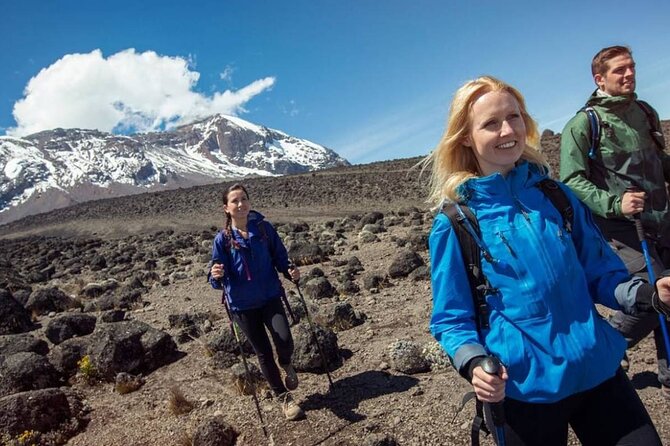
- Scenic approach from the west: the Lemosho start has you moving through forest early, before the mountain strips down to volcanic rock.
- True acclimatization rhythm: the schedule includes key altitude breaks and strategic camp timing, not a nonstop grind.
- Camp comfort that matters: Signature Camping calls out spacious tents and deluxe comfort, plus set-up at camp when you arrive.
- Summit plan built around midnight timing: you depart just before midnight and reach the sunrise viewpoint around Stella Point.
- Guides with real mountain experience: named guides you might work with include Emanuel Hoblen, Emanuel Mkumbo, and William Eliamini, with support from Rama.
Other ways up Kilimanjaro we reviewed
- Kilimanjaro climb by Lemosho Route (7-day)★ 5.0 · 651 reviews
- Kilimanjaro climb, Machame Route (7-day)★ 5.0 · 262 reviews
- Kilimanjaro Climbing Lemosho Route 8 Days.★ 5.0 · 186 reviews
- Climbing Kilimanjaro – Machame Route★ 5.0 · 170 reviews
Why the Lemosho Route feels different than the usual Kilimanjaro climb
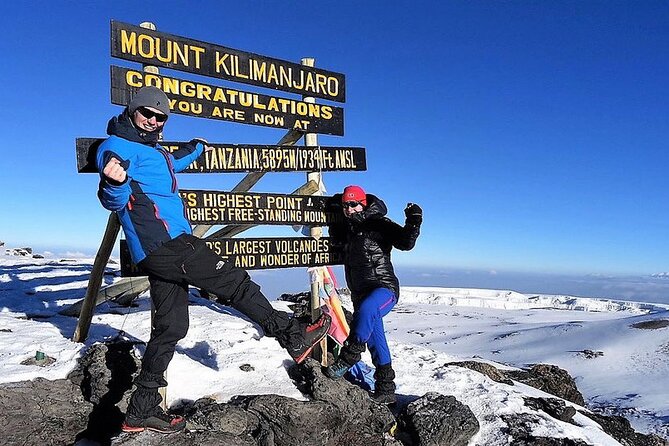
Kilimanjaro can be done many ways, but the Via Lemosho approach has a reputation for being scenic because it starts on the wetter, greener side and then gradually changes in “zones.” You don’t just gain altitude, you also watch the environment transform as you go from rainforest conditions into colder moorland, then into sparse volcanic slopes, and finally the arctic zone near the summit.
That matters for two reasons. First, you get more variety in what you see each day, which keeps the trek interesting when you’re tired. Second, the slower tempo of a longer route gives your body more chances to adjust, which is a big deal at altitudes where “how you feel” can change fast.
There’s also a clear focus on expert local guidance. On this route you’ll have guides leading the pace, safety, and navigation, with crews that include porters and chefs (and you’ll be spending a lot of time with them, especially at camp).
The week on Kilimanjaro, day by day (with what each camp is really doing)
Think of this as a progression. Each day has a trekking goal, but also a purpose: introduce altitude, build comfort, then set you up for summit night.
Day 1: Londorossi Gate to Forest Camp (7,742 to 9,498 ft)
You’ll start from Arusha by vehicle for the long drive to the Londorossi Gate, and then begin hiking at a leisurely pace. Day 1 is about rhythm more than suffering. You’ll move through the Afromontane Rainforest zone, and it’s a good day to get your breathing and stride sorted.
You’ll take lunch on the trail and reach camp mid-afternoon, which gives you time to settle in at Forest Camp. The overnight is at Forest Camp, with breakfast, lunch, and dinner included.
Why this day matters: it’s your warm-up at altitude while still having the “comfort” of a forest environment.
Lemosho itineraries worth reading next
Day 2: Forest and Shira Plateau to Moir Hut (9,498 to 11,500 ft)
Today you climb out of podocarpus and juniper forest and break onto heather and lichen-draped volcanic rock. This is where Kilimanjaro starts feeling more open, with bigger views and fewer sheltering trees.
Lunch is taken on the trail, and you arrive at camp mid-afternoon. From this vantage, the view of Kibo, the peak of Kilimanjaro, is highlighted as breathtaking.
Why this day matters: it’s a transition day. Going from forest to exposed volcanic ground changes both the sights and how you feel physically, so easing into it helps.
Day 3: Traversing Kibo slopes to Barranco Camp (13,800 to 15,223 ft, then down to 13,044 ft)
From Moir, you traverse slopes of Kibo where extreme temperature ranges and harsh conditions mean little flora or fauna can survive. You’ll typically stop for lunch near Lava Tower, and there’s an optional 300-foot ascent if you feel strong.
Then you descend toward Barranco camp, passing the Garden of the Senecios, where giant groundsel and giant lobelias appear in a strange, beautiful way. Barranco Valley is described as one of the prettiest areas on the trail, and it shows why this route gets recommended.
Why this day matters: you’re getting practice moving in thin conditions while also ending in a scenic valley area rather than ending abruptly.
Day 4: Barranco Wall to Karanga Camp (13,044 to 13,123 ft)
This is a relatively short day by mileage and altitude. The headline is the Barranco Wall, and you should be ready to use all four limbs to get to the top safely.
After that, you follow paths through constant inclines and declines toward Karanga Camp. It’s a strategic camp choice for acclimatization, and sunsets here are singled out as especially spectacular, with views of the southern glacial valleys and ice fields towering over 3,000 feet above you.
Why this day matters: short days at altitude are not a break from climbing. They’re a tool. You need recovery time so your body can keep up with the higher camps coming next.
Day 5: To Barafu Camp for summit positioning (15,288 to 19,341 ft, then resting at high camp)
Today is another half day ascent to Barafu Camp, with lunch taken in the high camp area. You’ll have time to relax, which is crucial because Barafu is part of the “prime position” stage for summit night.
The camp area can be desolate, and winds can be strong. But Mawenzi Peak views are described as normal, which helps take the edge off when the wind is doing its thing. Dinner is taken early, then you rest for the evening.
Why this day matters: Barafu is where you go from trekking mode into summit mode. Even if you feel okay, this is where good pacing and careful rest pay off.
Day 6: Summit push, Stella Point to Uhuru Peak, then down (12,467 to 5,380 ft)
This is the big night. You depart just before midnight for the final summit bid, and the plan is to reach near Stella Point by dawn at 18,652 ft. The experience description emphasizes persistence and patience, not speed, because this section is cold and windy.
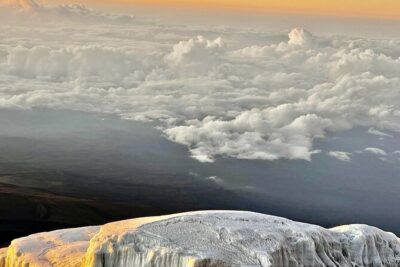
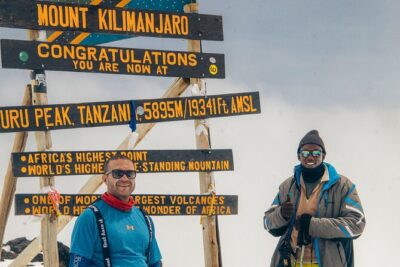
From Stella Point, there’s a reward: sunrise and the view of Mawenzi Peak. Then the ascent to Uhuru Peak is described as relatively short, with a celebration at the summit before beginning the descent.
Why this day matters: it’s a test of stamina and mental steadiness. The payoff is real, but the real win is making it back down safely.
Day 7: Descend through montane forest, then back to Moshi
After breakfast, you descend through montane forest. Around midday you say farewell to the crew, then get picked up and transferred back to your hotel for a shower and a celebratory dinner.
The plan wraps with trekking hours that can range from 4 to 7 hours depending on how things go.
Why this day matters: it’s the decompression day, and it helps to plan your celebration meal without rushing.
Acclimatization on this plan, and how to use it to your advantage
On Kilimanjaro, “feeling fine” can fool you. The route here uses acclimatization time through camp placement and day structure, not just more hours walking.
Two examples stand out. First, Karanga Camp is chosen strategically and you get a short day after Barranco Wall, which supports altitude adjustment. Second, Barafu Camp comes with time to relax before the midnight summit attempt, which helps you go into the cold night as rested as possible.
If you’re the type who wants to attack the mountain early, this is where you’ll need to shift your mindset. The summit success here is described as patience and persistence. That’s a clue that the plan expects slower progress early to protect your summit chances.
Camping comfort and meals: what “Signature Camping” means in practice
This trek includes full meal service, with breakfast, lunch, and dinner each day. It also calls out vegetarian, vegan, and gluten-free options, which is genuinely helpful if your diet needs structure at altitude.
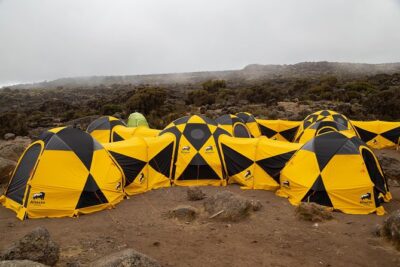
Signature Camping is described as featuring spacious tents and deluxe comfort. In real terms, that means camp isn’t just “sleep wherever.” The whole routine is built around getting set up quickly after a hard day and then having a consistent place to eat.
Meals are catered into dining setups in camp, which matters because after days of walking, you want warm food and a familiar routine. The reviews you shared also highlight good camp food and that camps are settled when you arrive, so you can focus on recovery instead of logistics.
A practical note: you’ll still be at high altitude, where sleep can be lighter and colder than you expect. Comfort features help, but you should still plan for the mountain to be the mountain.
Guides and support crews: why names matter on summit day
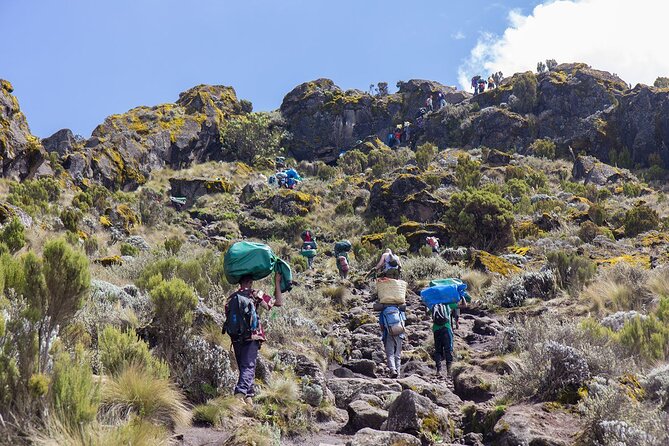
On a trek like this, the guide is more than a leader. They’re your pace-setter, safety manager, and the person who can read the mountain when conditions change.
The guidance team you might work with includes named guides like Emanuel Hoblen, Emanuel Mkumbo, and William Eliamini. Rama shows up repeatedly in the team support you shared. Across the experiences, the consistent theme is that guides are attentive and supportive, with porters and chefs doing a lot to keep camp running smoothly.
That’s not a small detail. A good team helps you keep steady even when you’re tired, and it makes a difference when you’re dealing with cold, wind, and low oxygen during the midnight climb.
Price and value: what you are paying for at $2,566 per person
At $2,566 per person, this is not a budget hike. But it also isn’t just “walking and vibes.” The value here is in the package.
You’re paying for:
- 7 days of guided trekking on the Lemosho Route with an expert crew
- Camping setup described as Signature Camping with spacious tents and deluxe comfort
- All meals included (breakfast, lunch, dinner for the duration)
- Park admission ticket coverage stated as free
- Pickup offered, plus transfer back to your hotel on the final day
- Dietary accommodations for vegetarian, vegan, and gluten-free needs
- A cap that says the experience has a maximum of 100 travelers
So what does that mean for your decision? If you price out the real costs of a guided climb with crew support, food service, and camping, this starts to look more like “logistics and safety in one deal” than just a walking tour.
What’s not included is also important: the visa is not included. So factor that into your total trip budget.
Logistics in plain language: start time, pickup, and where you end up
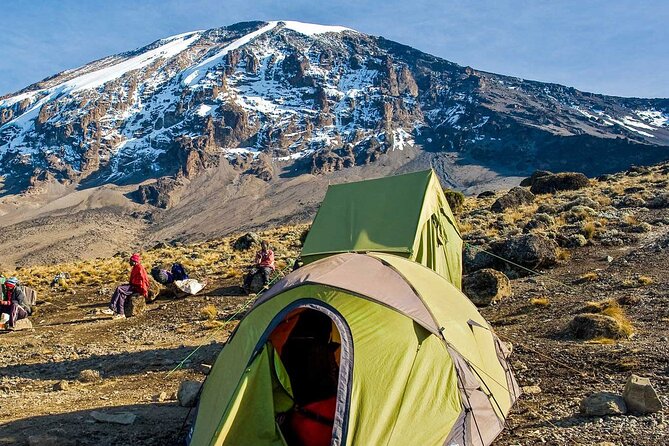
The start time is listed as 9:00 am. You’ll depart Arusha by vehicle for the drive to the starting point, Londorossi Gate, before beginning the hike.
Pickup is offered, and on Day 7 you’re transferred back to your hotel after the descent. This matters because Kilimanjaro trips can be exhausting, and having a straightforward end to your day helps you avoid the last-day scramble.
The experience also notes it’s near public transportation, which can be useful for your base planning in Moshi.
Who should book this trek, and who should pause
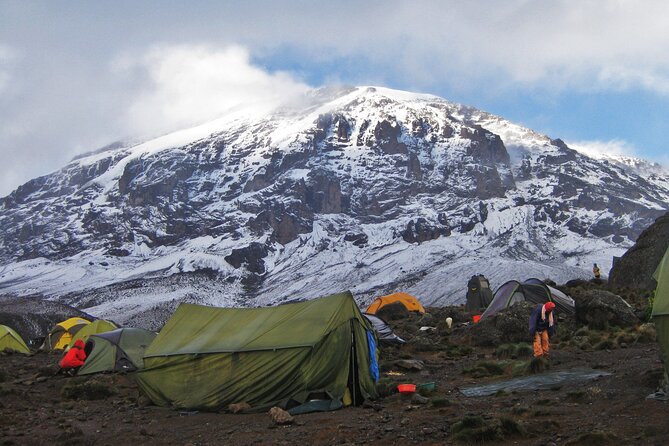
You should seriously consider this if:
- You have moderate physical fitness and you’re ready for long days and altitude.
- You want a more scenic approach that moves through multiple ecological zones.
- You value a well-run camp routine with included meals and comfort-focused tent setup.
You might pause if:
- You’re not comfortable with the idea of a cold, windy midnight summit attempt.
- You struggle with patience and steady pacing. This plan openly emphasizes that the summit is about persistence, not sprinting.
- You expect the mountain to be casual. Even with a good schedule, Kilimanjaro still demands respect.
Also, the itinerary mentions an optional ascent of Lava Tower during the Lava Tower lunch area day. If you are unsure you’ll want that extra push, it’s better to plan for a flexible decision once you’re there.
Should you book this 7-day Via Lemosho Kilimanjaro climb?
If your goal is a classic, scenic Kilimanjaro route with a strong support structure, this is easy to take seriously. I like that the plan prioritizes gradual acclimatization and gives you time at the right spots, not just daily mileage.
I’d book it if you want: variety from rainforest onward, included meals that handle dietary needs, and a summit approach that starts cold and goes by patience.
I’d rethink it if you want a short, low-effort trek, or if you know you freeze up under harsh weather and long nights. The summit night is not portrayed as gentle, and this route does not pretend it is.
FAQ
FAQ
How long is the Kilimanjaro trek on the Via Lemosho route?
The experience is listed as 7 days, approximately.
What time does the trek start?
The start time is 9:00 am.
Where does the Lemosho route begin?
You travel by vehicle to the starting point at Londorossi Gate, and then the route begins hiking there.
Are meals included, and can dietary needs be handled?
Yes. Breakfast, lunch, and dinner are included for the full trek. Meals can be catered into vegetarian, vegan, gluten-free, and similar options.
Is pickup included?
Pickup is offered, and on Day 7 you are transferred back to your hotel after the descent.
What is included in the price, and what is not?
The tour includes meals and is listed with admission ticket free. Visa is not included.
How big is the group?
This experience lists a maximum of 100 travelers.
Is there free cancellation?
Free cancellation is available. You can cancel up to 24 hours in advance of the experience for a full refund.
Lemosho, Compared
- Kilimanjaro climb by Lemosho Route (7-day)
★ 5.0 · 651 reviews - Kilimanjaro Climbing Lemosho Route 8 Days.
★ 5.0 · 186 reviews - Kilimanjaro climb, Lemosho Route (8-day)
★ 5.0 · 148 reviews - Kilimanjaro climb, Lemosho Route (6-day)
★ 5.0 · 129 reviews - Kilimanjaro Lemosho Route
★ 5.0 · 71 reviews
Kilimanjaro, Route by Route
- Kilimanjaro climb by Lemosho Route (7-day)
★ 5.0 · 651 reviews - Kilimanjaro climb, Machame Route (7-day)
★ 5.0 · 262 reviews - Kilimanjaro Climbing Lemosho Route 8 Days.
★ 5.0 · 186 reviews - Climbing Kilimanjaro – Machame Route
★ 5.0 · 170 reviews - Climbing Kilimanjaro through 7 days Machame Route
★ 5.0 · 151 reviews
Just added from around Moshi
Kilimanjaro Lemosho Route, compared.
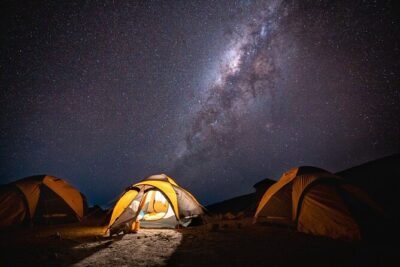 ★ 5.0Kilimanjaro climb by Lemosho Route (7-day)From $3,476651 reviews
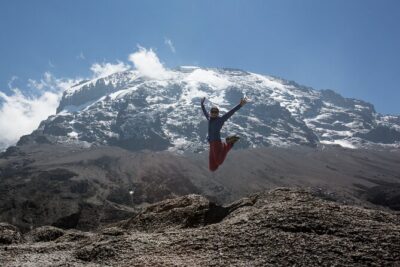 ★ 5.08-Day Small-group Lemosho Kilimanjaro Summit TrekkingFrom $2,895186 reviews
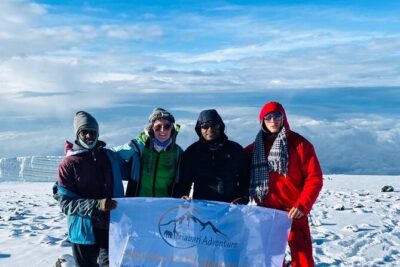 ★ 5.0Kilimanjaro Climbing Lemosho Route 8 Days.From $2,300186 reviews
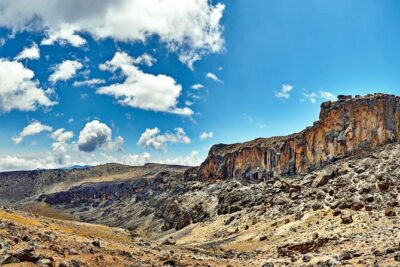 ★ 5.0Kilimanjaro climb, Lemosho Route (8-day)From $3,975148 reviews
 ★ 5.0Kilimanjaro climb, Lemosho Route (6-day)From $3,034129 reviews
 ★ 5.0Kilimanjaro Lemosho RouteFrom $2,89071 reviews
 ★ 5.0Private Kilimanjaro Hike 7 Day Lemosho RouteFrom $2,45060 reviews
 ★ 5.0Climbing Kilimanjaro through 8 days Lemosho RouteFrom $2,76052 reviews
Browse the lists this tour appears in