
REVIEW · KILIMANJARO LEMOSHO ROUTE
7-Day Kilimanjaro Climb–Lemosho R. Scenic Adventure to the summit
Kilimanjaro feels calmer on the Lemosho route. This 7-day climb threads you through montane forest, heather moorland, semi-desert, and alpine desert before the big push to Uhuru Peak. I like that it’s built around good pacing and gradual changes in elevation, with standout scenery at each turn, but a real consideration is the cold nights in exposed camps, especially once you’re higher up.
What really makes this plan work is the on-mountain support and the seriousness of the team. With a qualified guide team like Isa and Baraka, you get organized camp life, daily water setup, and help monitoring how you’re doing as altitude starts to bite. The summit day is long and demanding, so you’ll want to take the acclimatization hikes seriously, not treat them like warm-ups.
In This Review
- Key Highlights You’ll Care About
- Lemosho Route: A More Gradual, Less Rushed Way Up
- From Moshi to Londorossi Gate: Rainforest Entry and First Wildlife
- Shira Camp Two and Moorlands: When the Air Gets Serious
- Lava Tower to Barranco Campsite: The Altitude Payoff
- Great Barranco Wall to Karanga Camp: Acclimatization With Smiles
- Barafu Camp and the Ridge Night: Wind, No Water, Early Dinner
- Summit Night at 23:30, Stella Point, and Uhuru Peak
- The Descent to Mweka: Long Hours, Real Relief
- Finishing at Mweka Gate: Certificates and a Proper Team Moment
- Price and Value: What $2,676.39 Buys You (and What It Doesn’t)
- What to Expect Day-to-Day, Without Surprises
- Who This Climb Suits Best
- Should You Book This 7-Day Lemosho Climb?
- FAQ
- Where does this Kilimanjaro climb start?
- Do you offer pickup and transfers?
- What route does this climb follow?
- When do you start the summit attempt?
- What altitude highlights should I know?
- Is emergency oxygen included?
- What camping and meals are included?
- Is water provided?
- How do certificates work at the end?
- How late can I cancel for a full refund?
Key Highlights You’ll Care About
- Quieter route feel: Lemosho is often less crowded, and the day-to-day scenery changes often enough to keep you fresh.
- Real acclimatization time: You spend nights at key elevations, then do shorter “work” days to help your body adjust.
- Cold, exposed camps are part of the game: Shira Two can drop below freezing, and Barafu Ridge is windy and rocky.
- Summit timing is built in: You start around 23:30 for the final push, with Stella Point as a key landmark.
- Food and camp setup reduce friction: Tents, mattresses, and daily wash water are included, so you can focus on hiking.
- Certificates add meaning at the end: Green for Stella Point and gold for Uhuru Peak.
Other ways up Kilimanjaro we reviewed
- Kilimanjaro climb by Lemosho Route (7-day)★ 5.0 · 651 reviews
- Kilimanjaro climb, Machame Route (7-day)★ 5.0 · 262 reviews
- Kilimanjaro Climbing Lemosho Route 8 Days.★ 5.0 · 186 reviews
- Climbing Kilimanjaro – Machame Route★ 5.0 · 170 reviews
Lemosho Route: A More Gradual, Less Rushed Way Up
Kilimanjaro is famous for views, but the real value of the Lemosho route is how it builds your day-to-day rhythm. You start in rainforest and keep moving through distinct altitude zones, so your body gets time to adjust while you still get fresh scenery instead of repeating the same walk.
I also like that this route gives you a steadier mental build. The climb isn’t only about one day. It’s about surviving the middle elevations well, so the summit attempt feels like a culmination, not a shock.
A practical consideration: quiet does not mean easy. You still face altitude effects, especially once you get toward Lava Tower and later on the ridge camps. If you’re prone to headaches or panic in low air, treat the pacing as non-negotiable.
From Moshi to Londorossi Gate: Rainforest Entry and First Wildlife
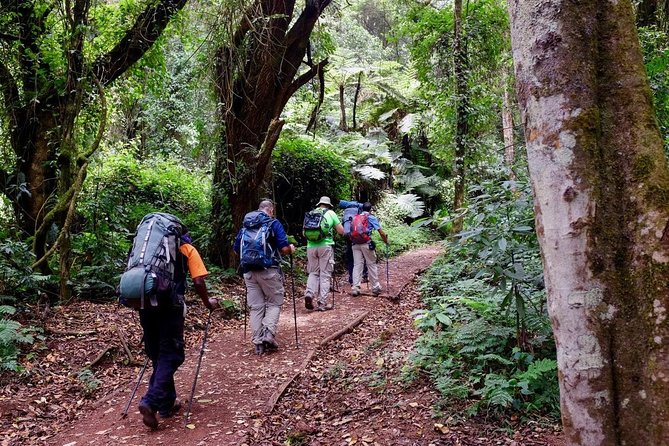
Your climb begins after breakfast in Moshi (or Arusha), with a drive toward Londorossi Park Gate at 2100m. There’s a practical detail here that matters: the last stretch involves a bumpy forest track that may require 4WD, so it’s not the smoothest ride, and it can leave you feeling a bit stiff before you even start hiking.
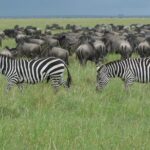
At the gate, guides and porters handle the formalities with Tanzania National Parks Authority, and you’ll be set up with supplies. Once you begin hiking into the montane forest, keep your eyes open for Colobus monkeys, because this is the kind of place where wildlife is part of the soundtrack.
This is a good day to slow down. Your lungs are still fine, but the walking pace you set now affects how you feel later.
Shira Camp Two and Moorlands: When the Air Gets Serious
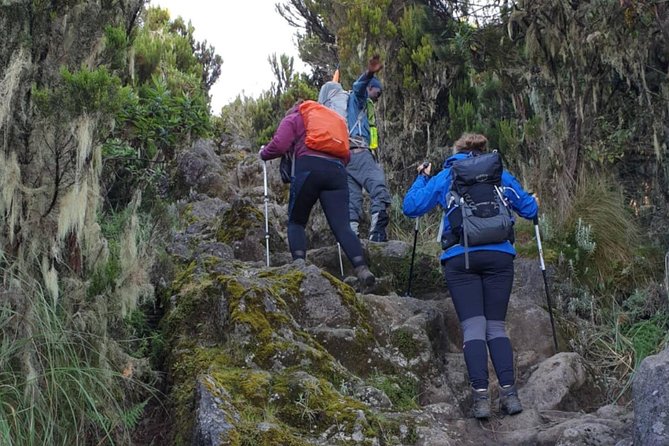
On the next day, you transition out of rainforest and into heather moorland. Expect cross-stream sections and plateau walking on your way to Shira Camp Two at 3840m, where the views start to open up and the Western Breach becomes a highlight from the camp area.
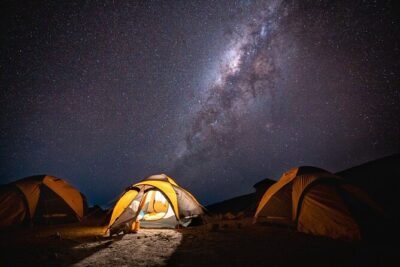
Camp life is set up before you arrive, which is a big deal at altitude. Tents are put up for you, and porters prepare drinking and washing water so you’re not trying to cook, clean, and set camp while your body is adjusting.
Here’s the reality check: this camp is exposed. Temperatures can drop below freezing, so even if the day hike feels manageable, your evening can feel brutal if you’re underprepared with warm layers and a sleeping bag system.
Lemosho itineraries worth reading next
Lava Tower to Barranco Campsite: The Altitude Payoff
Later in the climb, you move into semi-desert and rocky terrain, and you work toward Lava Tower at 4630m. After about five hours of walking east, the Lava Tower moment can feel like the point where the mountain changes from scenic to intense. Lunch happens at the Tower, and you may even have an option to climb it if weather allows.
This is also where altitude symptoms often show up. It’s normal to feel headaches or shortness of breath around this stage, so you should treat any early discomfort as information, not failure. Eat when you can, drink steadily, and follow the guide’s pacing.
After lunch, you descend to the Barranco campsite around 3950m. The walk back down helps your body recover while still keeping you moving through varied ground, which is a key ingredient for acclimatization.
Great Barranco Wall to Karanga Camp: Acclimatization With Smiles
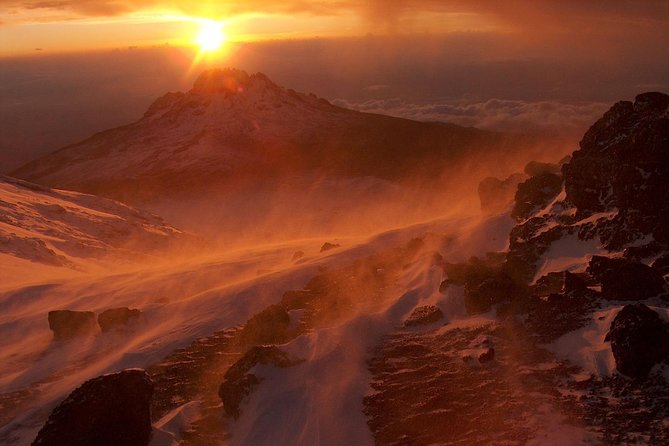
One of the best parts of a well-run Kilimanjaro climb is a planned “work day” that doesn’t crush you. You get exactly that here with a shorter hiking push aimed at acclimatization, including conquering the Great Barranco Wall.
The wall looks intimidating, but the class 2 nature of the hike usually feels more manageable than people expect, especially when you take your time. At the top, you can get sweeping views of the Heim Glacier and, importantly, you’re high enough to feel the atmosphere while you’re still not on the final summit path.
After that, the trail winds up and down through the Karanga Valley to Karanga Camp at 3950m. Dinner and washing are handled at camp, which helps because you’ll likely be tired in that good, earned way.
Barafu Camp and the Ridge Night: Wind, No Water, Early Dinner
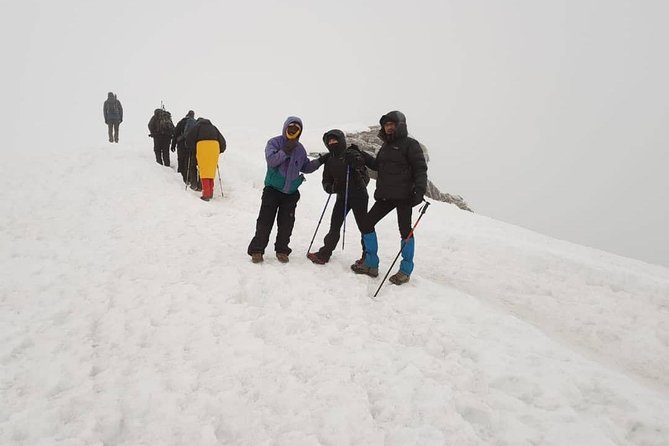
As you head toward the final push, the terrain becomes more alpine desert and more exposed. The day to Barafu Camp is shorter, but it’s short in the way a setup pitch is short. You’re not done yet, and you need energy for what comes next.
Barafu Hut is reached after about an hour, and Barafu Camp sits around 4550m on a rocky, exposed ridge. One critical logistics point: it’s the last water stop for the porters because there’s no accessible water at Barafu Camp. That means you’ll rely on what you’ve been given and what your team brings in.
The word barafu means ice in Swahili, and the camp setting matches that reality. Tents can be exposed to wind and rocks, so you’ll want to have your layers ready and your routine tight before dark. An early dinner helps you rest, because your summit wake-up is coming.
Summit Night at 23:30, Stella Point, and Uhuru Peak
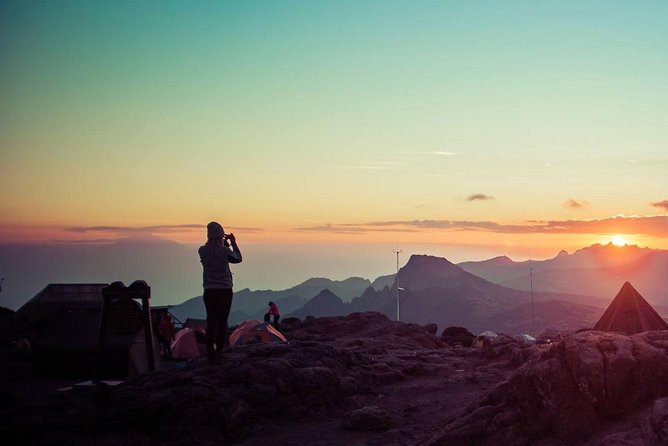
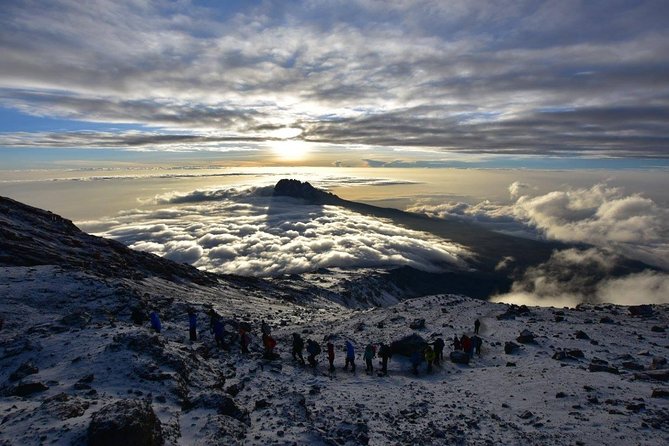
The summit attempt starts around 23:30 with tea and biscuits, and then it’s time to move. The route heads northwest over stone scree, and this part often hits harder than people expect because it’s both physically demanding and mentally focused.
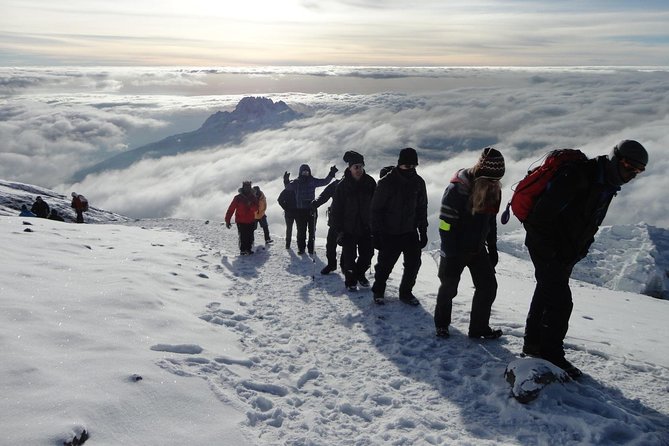
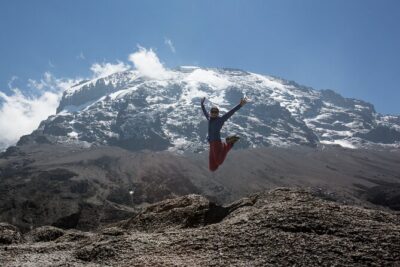
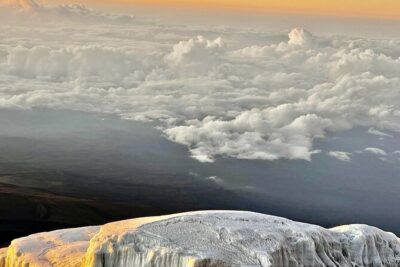
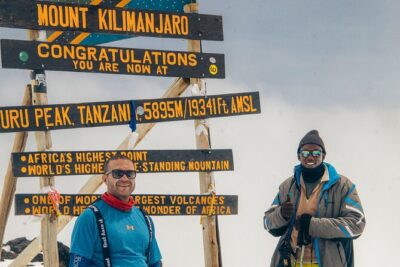
About six hours in, you reach Stella Point (5685m) on the crater rim. This is where you’ll get sunrise, which turns the climb into more than just survival. Then you continue for roughly two more hours on a snow-covered trail to Uhuru Peak (5895m).
This is the day that rewards disciplined pacing. When you feel like you need to speed up, remind yourself that the summit is about sustained effort, not bursts. If you start too fast, altitude can punish you quickly.
The Descent to Mweka: Long Hours, Real Relief
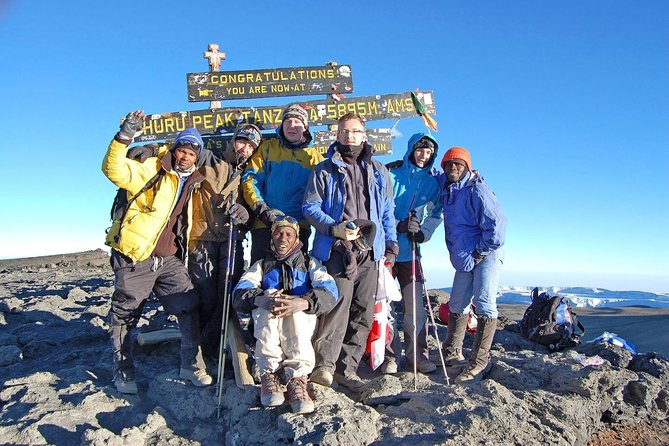
After Uhuru Peak, you don’t celebrate by stopping. You celebrate by moving. The descent toward Mweka is long, with roughly 23 kilometres of downhill hiking described for this stage.
This matters for planning your mindset. Summit day often carries the emotional weight, but the body gets the final vote during the descent. Your knees, ankles, and stamina all have to work, and you’ll want trekking poles if you already use them comfortably.
Your staff supports you with the rhythm of camp and meals until you reach Mweka. Then, when you’re done with the mountain work, you finally get the kind of downshift that feels like someone turned the volume down.
Finishing at Mweka Gate: Certificates and a Proper Team Moment
On the last day, you hike about three hours back to Mweka Gate through forest, and that shift from alpine to forest can feel like a reset button. Your staff then hosts a celebration with dancing and singing.
This is also when you present your tips. And it’s not just a random ritual. It’s a structured moment to recognize guides, assistant guides, chef(s), and porters who have worked hard behind the scenes.
Before leaving, the National Park requires you to sign for completion certificates. If you reached Stella Point (5685m), you get a green certificate. If you reached Uhuru Peak (5895m), you get a gold certificate. It’s a clear way to mark what you accomplished, and it’s one of those details that makes the finish feel real.
Price and Value: What $2,676.39 Buys You (and What It Doesn’t)
At $2,676.39 per person, you’re paying for a full operational package, not just a guide’s time. Included are all fees and taxes, return transfers between Kilimanjaro airport and Moshi, and the staff who run the climb (qualified guide, assistant guides, porters, and cook), including their wages.
Camping support is also included, with tents, camp chairs, camp tables, and sleeping mattresses, plus daily drinking water and hot water for washing. Meals are handled through the climb, with breakfast and dinner across most days and lunches timed for hike days.
This is where the value sits. When gear is included and camp setup is handled, you spend less time managing logistics and more time managing your breathing and footing. You still pay for your own personal preparation, but you don’t have to micromanage the mountain operation.
What you should know before you commit: personal hiking gear is not included. You’ll rent in Moshi. A portable toilet is optional but recommended. Emergency oxygen exists for emergencies only, not as summit aid. And you still need to handle visas, flights, and travel or health insurance, since those are not included.
What to Expect Day-to-Day, Without Surprises
Across the seven days, the pattern is consistent: hike, camp, eat, recover, then repeat with small adjustments. That makes it easier to stay calm because you know what the cycle is.
- Early days build from easy-to-moderate rainforest hiking into higher terrain.
- Mid-climb days like the Great Barranco Wall focus on acclimatization, not speed.
- The summit day is the longest mental and physical grind, starting late at night and ending with a long descent.
Also, this is a private tour/activity, meaning your group only participates. That often translates into a calmer experience and less waiting around, though you still have the fixed timetable of the mountain itself.
Who This Climb Suits Best
This climb is a good fit if you want a route known for panoramic views and varied habitats, while still valuing acclimatization time. If you’re the kind of person who likes steady effort and good camp routines, you’ll probably love the way the days are structured.
It can be a stretch for anyone who hates cold nights, because Shira Two can go below freezing and Barafu Camp is windy and exposed. It’s also a serious undertaking because summit day is long, with an extended ascent and then a major downhill stretch afterward.
If you like having a strong, caring team and you want professionals handling water, camp setup, and emergency gear, this package aligns with that style of trekking.
Should You Book This 7-Day Lemosho Climb?
If you want the classic Kilimanjaro experience but with a quieter route and more gradual elevation changes, this plan is a solid choice. The inclusion of camping equipment, daily water and hot wash water, and staffed camp setup means you’ll spend less time juggling problems and more time hiking smart.
I’d book it if you’re prepared for cold nights, you can handle a very long summit day, and you’re willing to rent gear and bring personal meds and water purification tablets. If any of that feels uncertain, take a serious look at your readiness, because altitude does not care about enthusiasm.
If you’re ready, you’ll get a climb that feels like a journey through altitude zones, culminating in the crater rim and the moment you reach Uhuru Peak.
FAQ
Where does this Kilimanjaro climb start?
The climb starts in Moshi (or Arusha) with a drive to Londorossi Park Gate at 2100m.
Do you offer pickup and transfers?
Yes. Return transfers are included between Kilimanjaro airport and Moshi, and pickup is offered.
What route does this climb follow?
This is the 7-day Lemosho Route, moving through montane forest, moorland, semi-desert, and alpine desert.
When do you start the summit attempt?
You start around 23:30 with tea and biscuits, then begin the summit push to Uhuru Peak.
What altitude highlights should I know?
Key points include Shira Camp Two at 3840m, Lava Tower at 4630m, Stella Point at 5685m, and Uhuru Peak at 5895m.
Is emergency oxygen included?
Yes. Emergency oxygen is included for use in emergencies only, not as summit aid, along with a basic first aid kit.
What camping and meals are included?
Camping equipment is included (tents, camp chairs, camp tables, and sleeping mattress). Meals included cover breakfast (6), lunch (7), and dinner (6).
Is water provided?
Yes. Fresh water for drinking and hot water for washing daily are included.
How do certificates work at the end?
You sign for completion certificates. Reaching Stella Point earns a green certificate, and reaching Uhuru Peak earns a gold certificate.
How late can I cancel for a full refund?
You can cancel up to 3 days in advance for a full refund. If you cancel less than 3 full days before the start time, the amount paid is not refunded.
Lemosho, Compared
- Kilimanjaro climb by Lemosho Route (7-day)
★ 5.0 · 651 reviews - Kilimanjaro Climbing Lemosho Route 8 Days.
★ 5.0 · 186 reviews - Kilimanjaro climb, Lemosho Route (8-day)
★ 5.0 · 148 reviews - Kilimanjaro climb, Lemosho Route (6-day)
★ 5.0 · 129 reviews - Kilimanjaro Lemosho Route
★ 5.0 · 71 reviews
Kilimanjaro, Route by Route
- Kilimanjaro climb by Lemosho Route (7-day)
★ 5.0 · 651 reviews - Kilimanjaro climb, Machame Route (7-day)
★ 5.0 · 262 reviews - Kilimanjaro Climbing Lemosho Route 8 Days.
★ 5.0 · 186 reviews - Climbing Kilimanjaro – Machame Route
★ 5.0 · 170 reviews - Climbing Kilimanjaro through 7 days Machame Route
★ 5.0 · 151 reviews
Just added from around Moshi
Kilimanjaro Lemosho Route, compared.
 ★ 5.0Kilimanjaro climb by Lemosho Route (7-day)From $3,476651 reviews
 ★ 5.08-Day Small-group Lemosho Kilimanjaro Summit TrekkingFrom $2,895186 reviews
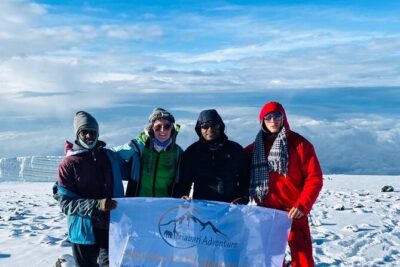 ★ 5.0Kilimanjaro Climbing Lemosho Route 8 Days.From $2,300186 reviews
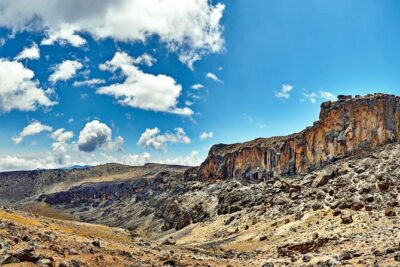 ★ 5.0Kilimanjaro climb, Lemosho Route (8-day)From $3,975148 reviews
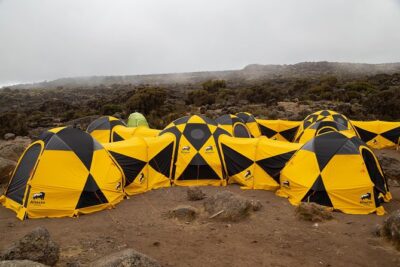 ★ 5.0Kilimanjaro climb, Lemosho Route (6-day)From $3,034129 reviews
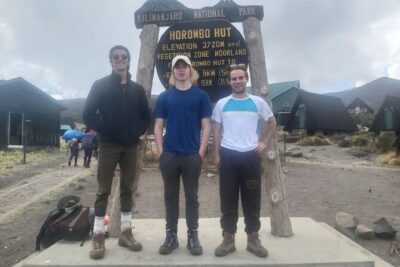 ★ 5.0Kilimanjaro Lemosho RouteFrom $2,89071 reviews
 ★ 5.0Private Kilimanjaro Hike 7 Day Lemosho RouteFrom $2,45060 reviews
 ★ 5.0Climbing Kilimanjaro through 8 days Lemosho RouteFrom $2,76052 reviews
Browse the lists this tour appears in