
REVIEW · KILIMANJARO LEMOSHO ROUTE
6 Days Kilimanjaro Lemosho route Climbing and Hiking Tour
Kilimanjaro feels big, even before you start climbing. This 6-day Lemosho route is a solid choice because it blends real acclimatization time with the kind of scenery you remember long after the altitude hits. You also get handy logistics, like pickup from Moshi and a trek structure built around sleeping camps you can actually reach.
I especially like the way the days are planned around altitude and recovery. Day 3, for example, uses the Shira Plateau to Lava Tower segment and then drops you down to Barranco Camp, which is one of the better patterns for helping your body adjust. Another strong point is the summit morning plan, with Stella Point and Uhuru Peak on the agenda, so the hard work has a clear, memorable finish.
A fair consideration: this trek includes a serious final push, including a very long summit day and multiple steep sections. If you are prone to altitude trouble or you show up undertrained, the schedule may feel intense.
In This Review
- Key highlights you should care about
- Why the Lemosho Route Works on a 6-day schedule
- Day 1: Moshi pickup, Lemosho Gate, and Big Tree Camp forests
- Day 2: Shira Plateau moorland, Shira 1, and Shira 2 altitude gains
- Day 3: Shira 2 to Lava Tower, Arrow Glacier, then down to Barranco
- Day 4: Barafu Camp, the steep “no vegetation” zone, and summit-night prep
- Day 5: Midnight summit hike, Stella Point rim views, and Uhuru Peak
- Day 6: Mweka Gate certificate, rainforest descent, and Moshi by car
- Value and price: is $930 a good deal for this kind of climb?
- What’s included vs. what you must bring (so you don’t get stuck)
- Logistics that can make or break your experience in Moshi
- Who this trek suits best
- Should you book this 6-day Lemosho Kilimanjaro climb?
- FAQ
- How long is the Kilimanjaro climb on the Lemosho route?
- What is the price per person?
- Where does the tour start and what is the start time?
- Do you get pickup from your hotel?
- What are the main hiking days and difficulty points?
- What is included in the trek package?
- What is not included?
- Is a certificate included at the end?
- Are there any health or safety prerequisites mentioned?
- What is the cancellation policy?
Key highlights you should care about
- Lemosho Gate start on the west side gives you an early taste of different Kilimanjaro zones, from forest to moorland.
- Acclimatization built into the plan, especially the Shira Plateau to Lava Tower day followed by a drop to Barranco Camp.
- Summit day includes Stella Point and Uhuru Peak, with big crater and Mawenzi views on the rim.
- Desert-alpine hiking feel, with days through alpine desert and steep, vegetation-light slopes.
- Meals and national park formalities included, plus a certificate at Mweka Gate on the way out.
- Crew names matter here, and past hikers specifically praised Geoff, Godfree, and Godson for support.
Other ways up Kilimanjaro we reviewed
- Kilimanjaro climb by Lemosho Route (7-day)★ 5.0 · 651 reviews
- Kilimanjaro climb, Machame Route (7-day)★ 5.0 · 262 reviews
- Kilimanjaro Climbing Lemosho Route 8 Days.★ 5.0 · 186 reviews
- Climbing Kilimanjaro – Machame Route★ 5.0 · 170 reviews
Why the Lemosho Route Works on a 6-day schedule
The Lemosho route is popular for a reason: it gives you a gradual rhythm, with enough time to adjust before the summit push. Instead of jumping straight into the highest, toughest zones, you start in lower terrain and move through the mountain’s changing habitats step by step.
On this plan, Day 1 begins after pickup in Moshi and registration at the Lemosho Gate. From there, you walk from forested lower slopes toward Big Tree Camp. That’s more than a scenic warm-up. It helps you settle into the pace before the climb starts asking harder questions.
You’ll also notice the route includes both long walking blocks and shorter, more strategic segments. That’s important because Kilimanjaro is not just a hiking test. It’s a body-management test. If you keep showing up for the day’s altitude goals while still respecting rest and hydration, you give yourself the best shot at a good summit outcome.
Day 1: Moshi pickup, Lemosho Gate, and Big Tree Camp forests
Your adventure starts early. You’ll be picked up from your hotel around 08:00 and driven to the Lemosho Gate on Kilimanjaro’s west side. After registration, the climb begins with a steady trek through forested terrain, aiming for Big Tree Camp.
This day is usually where you set your tone. The forest sections tend to feel more forgiving than the later alpine zones, and that matters because you are still fresh enough to find a comfortable pace. Even if you think you’re feeling great, resist the urge to hike fast. Go steady, keep breathing easy, and let the altitude build gradually.
What to watch for:
- You’ll likely spend around 4 hours hiking, so bring a mindset of steady effort, not a race.
- The night at Big Tree Camp is your first real acclimatization stop, so hydrate and sleep as best you can.
Day 2: Shira Plateau moorland, Shira 1, and Shira 2 altitude gains
Day 2 turns the scenery dial up. You trek across a plateau of grassy moorland and heather with volcanic rock scattered around. The plan takes you through Shira 1 Camp, and depending on clouds, you may get views of Kibo Peak hovering in mist as you move toward Shira 2.
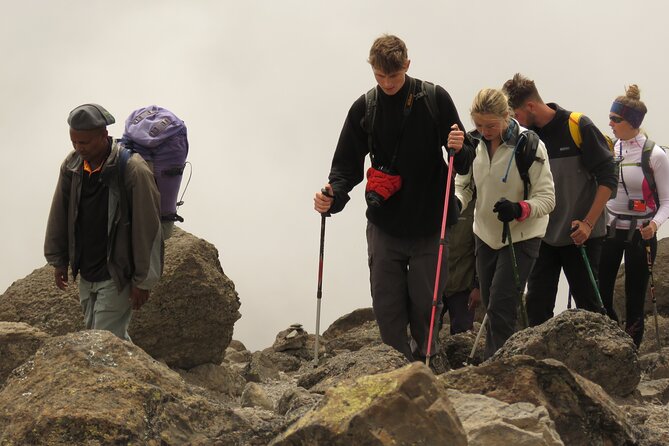
Expect a long day here, about 11 hours, and a noticeable push in altitude. Parts of the route become steep as you progress. The reward is huge: you’re walking through a high, open environment where the Northern Ice Fields can appear in unusual views from the west side.
This is one of the best days to practice good altitude habits:
- Take small steps more often rather than big strides.
- Keep your water intake consistent.
- If you start feeling unusually breathless, slow down early. Don’t wait until you’re struggling.
Lemosho itineraries worth reading next
Day 3: Shira 2 to Lava Tower, Arrow Glacier, then down to Barranco
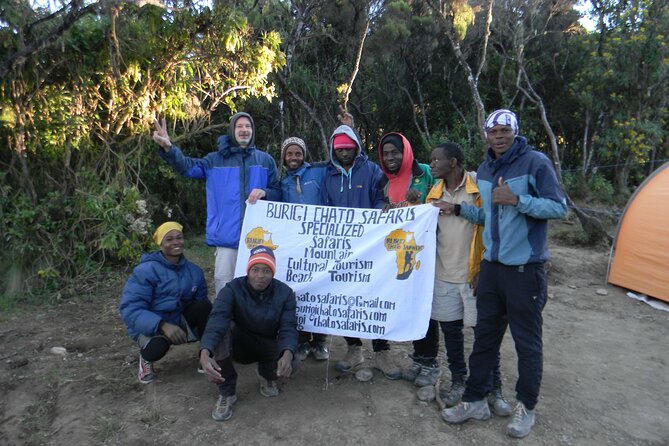
Day 3 is where the route becomes very “Kilimanjaro classic.” You start at Shira 2 Camp and head toward Lava Tower, sometimes called Shark’s Tooth. The numbers are real on this day: you climb from roughly 12,500 ft to about 15,190 ft, then later you reach a higher point near the Arrow Glacier around 16,000 ft. After that, you descend to Barranco Camp at about 13,000 ft.
The hike time totals around 9 hours, but the key is how the day is shaped: it’s not only uphill. You climb high, then you come down. That downshift is a major acclimatization tool. Even though you end at a lower elevation than you started, your body benefits from the effort without being stretched to the limit all day.
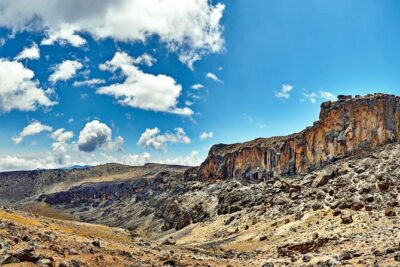
You’re moving through alpine desert habitats, which means fewer natural landmarks and, often, a harsher feel underfoot. The upside is the terrain is stark and dramatic, and the views can look almost unreal when the clouds cooperate.
Practical advice for this day:
- Keep your clothing layer ready for cold wind. Alpine desert conditions can change fast.
- Fuel matters. This is also the day where you should be thinking ahead to summit night, not just the next hour.
Day 4: Barafu Camp, the steep “no vegetation” zone, and summit-night prep
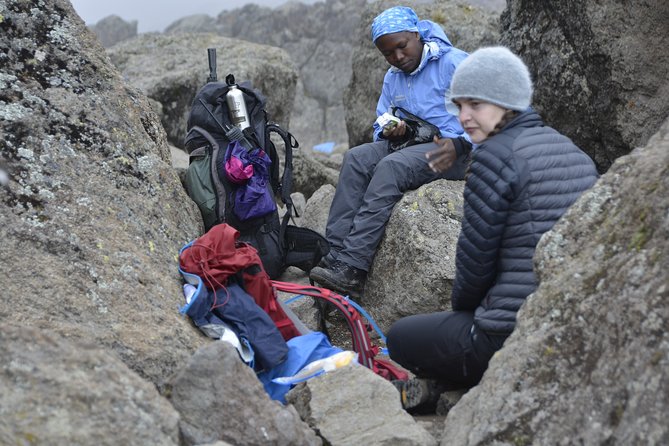
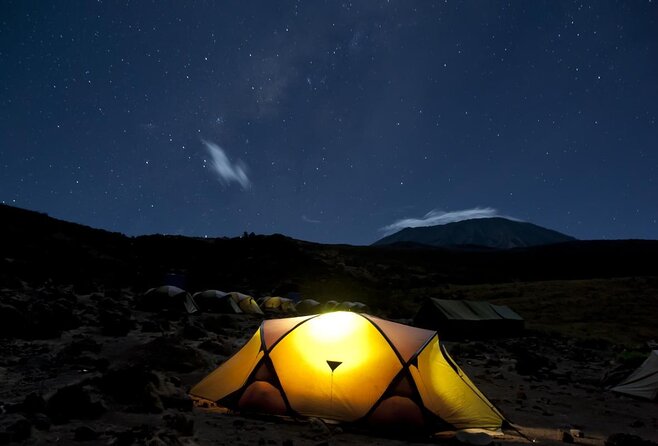
Day 4 is about steep effort followed by rest. After breakfast, you hike to Barafu Camp at about 4,640m. The route is described as desolate slopes with no surrounding vegetation, which means you feel the altitude more directly and you’re less protected from wind or temperature swings. It’s a steep hike, so go slow and controlled.
After arriving, you eat, rest, and spend the afternoon preparing for a long night ahead. Hydration and staying warm are highlighted for a reason. When you are heading toward a midnight-ish summit start, getting cold can make everything feel harder, including breathing and sleep quality.
Then you’ll take the short window where you can actually rest before the push. The plan notes waking for the top journey, and the overall theme is clear: you are conserving energy so you can hike through the cold early hours of Day 5.
Day 5: Midnight summit hike, Stella Point rim views, and Uhuru Peak
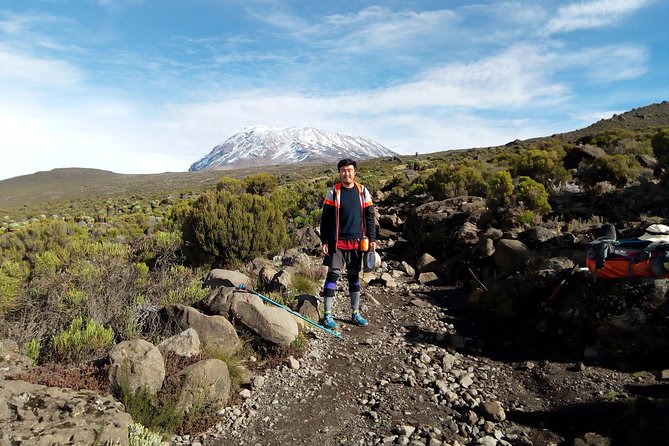
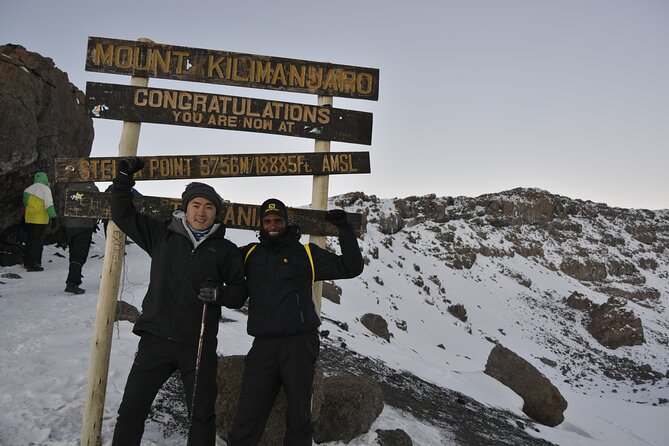
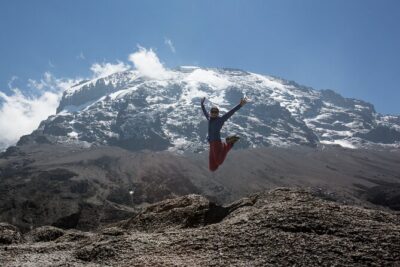
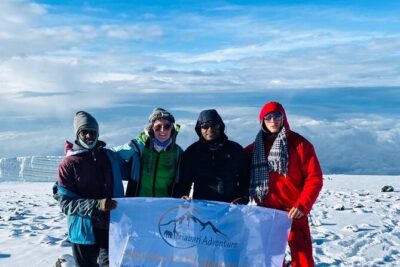
This is the day with the “wow” moments, and also the day where you need to be disciplined. You start around midnight and hike for 4 to 5 hours up the glacier zone toward Stella Point at 5,739m. The idea is to be at the rim of the crater when first sunlight hits, which is often the most vivid, emotional part of the climb.
From Stella Point, you’ll look out over the crater cliffs and likely get stunning views of Mawenzi Peak and the wider landscape beyond. Then it’s another hour or so to Uhuru Peak at 5,895m, the summit goal.
After reaching Uhuru Peak, the descent starts by heading back to Stella Point, then downhill to Barafu for breakfast, before continuing to Millennium Camp for a long break.
A reality check that helps you prepare:
- Summit day is long, cold, and steep. You can’t control the mountain, but you can control your pace and warmth.
- If you want help from the inside, follow the kind of small habit coaching that strong guides give. One prior hiker credited their success to their guide stressing practical things like eating more fruits, alongside giving themselves enough acclimatization time. It’s a reminder that summit outcomes are often built from the basics you do all week, not just from summit morning grit.
Day 6: Mweka Gate certificate, rainforest descent, and Moshi by car
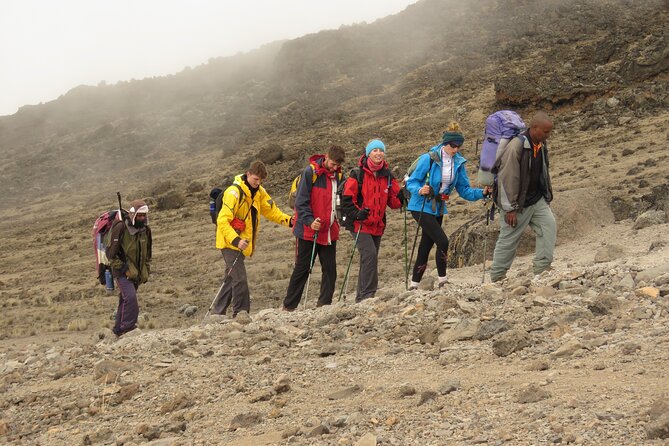
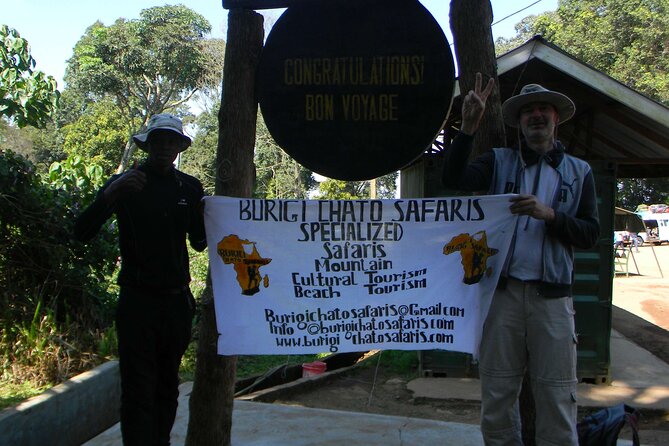
The finish is gentler in effort but still feels meaningful. You hike through the rainforest on your way to Mweka Gate, where you complete park formalities and receive a certificate you can proudly take home.
Then you get picked up by car and taken back to your hotel in Moshi. The promise here is a warm shower and a real return to normal life after days of hiking layers and altitude breathing.
Even if you feel wrecked, Day 6 can be a relief because the terrain is moving toward comfort. Rainforest descents often feel like the mountain is exhaling after the summit effort.
Value and price: is $930 a good deal for this kind of climb?
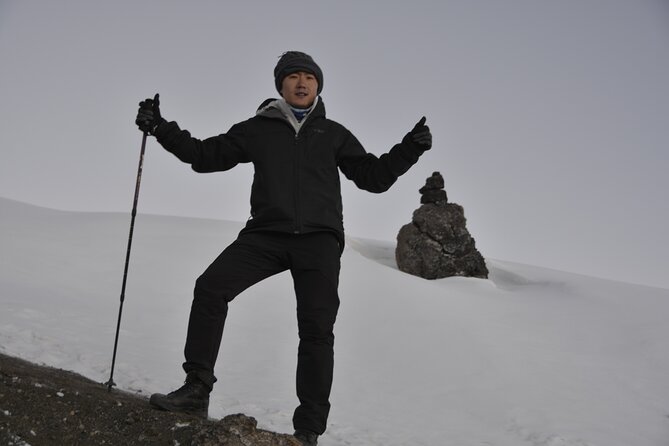
At $930 per person for a 6-day Kilimanjaro trek, the main question is not just cost. It’s what you get for that money and what you still must handle yourself.
This package includes:
- All fees and taxes
- Airport transfer
- Portable toilet
- Hotel accommodations before and after (you can book direct or through the team)
- Meals (5 breakfasts, 6 lunches, 5 dinners)
- A certificate process at the end
- Pickup and end transport around Moshi
- Admission ticket coverage across the trek days
That matters because many climbing costs can sneak in later if they are not packaged. Here, the park-fee side and key logistics are bundled, which reduces the chance of unpleasant surprises.
What is not included:
- Flights and visas
- Medical and travel insurance
- Tipping the crew
- Personal hiking gear
So the value is strongest if you already have your own flights and gear and you are comfortable budgeting for insurance and crew tips. If you need everything from scratch, $930 may not be your total bill.
My practical take: this is good value for a structured, multi-day route that includes the core climbing logistics, not a bare-bones plan where you have to chase down basics on the ground.
What’s included vs. what you must bring (so you don’t get stuck)
It’s smart to plan around what this trek provides and what it doesn’t.
Included support items and basics:
- Portable toilet
- Multiple meals across the week
- Hotel stay before and after
- Pickup from your hotel and end-of-trek transfer
- Admissions/fees coverage across the key park days
- Park formalities and certificate at the end
Not included, so you need to handle it:
- Visas and travel insurance and medical coverage
- Tipping the crew
- Personal hiking gear
That last line is the big one. Even if you are an experienced hiker, cold summit night requires proper footwear, layers, and a system you can trust. Don’t borrow gear that you do not know. On Kilimanjaro, comfort failures can become safety issues.
If you’re unsure what to pack, start by building your kit around your worst-case conditions for summit night, cold wind, and fatigue. Then work downward.
Logistics that can make or break your experience in Moshi
Moshi is the base, and your day will feel different when transport is handled well. Here, you get pickup around 08:00 on Day 1 and you return to your hotel at the end by car.
You’ll also have a defined meeting point at Burigi Chato Safaris CO Ltd in Moshi, with a start time listed at 8:30am. That early start is normal for Kilimanjaro operations, and it’s also why it helps to plan your arrival day with a buffer. If you arrive late, you might spend your first day stressed instead of ready.
One more detail that I think matters: the trek uses portable toilets, and that reduces one layer of worry. You can focus on hydration, food, and pacing instead of improvising solutions.
Who this trek suits best
This is best for hikers who:
- Want the classic Lemosho pacing and habitat changes over 6 days
- Are willing to work at altitude and accept that Day 4 and Day 5 are the real test
- Can follow instructions on hydration, warmth, and pacing
It also suits people who benefit from hands-on guidance. Prior hikers specifically praised the support and named crew members like Geoff, Godfree, and Godson. That kind of guidance matters on summit day, when small choices like slowing down, staying warm, and eating steadily can change your day.
If you’re looking for a casual walk with minimal effort, this is not it. Even though it’s a trek over days, the summit push and steep alpine sections demand serious fitness and calm execution.
Should you book this 6-day Lemosho Kilimanjaro climb?
Book it if you want a structured, fee-included Kilimanjaro climb with strong acclimatization logic and a clear summit plan. I like that you get the right mix of altitude challenge and recovery time, plus meals and key park formalities so your job is mostly the hiking and basic self-care.
Skip it or ask tougher questions first if you know you struggle with altitude, you cannot commit to cold summit-night preparation, or you don’t have the personal gear and insurance to handle mountain risk. This is doable for “most travelers” who prepare, but it is still a high-stakes climb.
If you do book: show up trained, pack for the cold, and listen to your guide on the basics. Summit success is rarely one dramatic moment. It’s usually a week of smart, boring habits done consistently.
FAQ
How long is the Kilimanjaro climb on the Lemosho route?
The tour runs for about 6 days.
What is the price per person?
The price is $930.00 per person.
Where does the tour start and what is the start time?
The meeting point is listed as Burigi Chato Safaris CO Ltd in Moshi, with a start time of 8:30am.
Do you get pickup from your hotel?
Yes. Pickup from your hotel is described for Day 1 around 08:00.
What are the main hiking days and difficulty points?
Day 4 includes a steep hike to Barafu Camp and a cold, summit-night schedule. Day 5 is a long summit day starting around midnight to reach Stella Point and Uhuru Peak, followed by a long descent.
What is included in the trek package?
Included items list all fees and taxes, airport transfer, portable toilet, hotel accommodations before and after the climb, and meals (5 breakfasts, 6 lunches, and 5 dinners). Admissions are included across the trek days as noted in the schedule, and park formalities with a certificate are part of the end of the trek.
What is not included?
Not included are flights, visas, medical and travel insurance, tipping the crew, and personal hiking gear.
Is a certificate included at the end?
Yes. At Mweka Gate you complete park formalities and receive a certificate.
Are there any health or safety prerequisites mentioned?
The information notes that most travelers can participate, and it also states the climb requires good weather.
What is the cancellation policy?
You can cancel up to 24 hours in advance for a full refund. If you cancel less than 24 hours before the start time, the amount paid is not refunded. The time cutoffs use local time, and poor-weather cancellations may be offered another date or a full refund.
Lemosho, Compared
- Kilimanjaro climb by Lemosho Route (7-day)
★ 5.0 · 651 reviews - Kilimanjaro Climbing Lemosho Route 8 Days.
★ 5.0 · 186 reviews - Kilimanjaro climb, Lemosho Route (8-day)
★ 5.0 · 148 reviews - Kilimanjaro climb, Lemosho Route (6-day)
★ 5.0 · 129 reviews - Kilimanjaro Lemosho Route
★ 5.0 · 71 reviews
Kilimanjaro, Route by Route
- Kilimanjaro climb by Lemosho Route (7-day)
★ 5.0 · 651 reviews - Kilimanjaro climb, Machame Route (7-day)
★ 5.0 · 262 reviews - Kilimanjaro Climbing Lemosho Route 8 Days.
★ 5.0 · 186 reviews - Climbing Kilimanjaro – Machame Route
★ 5.0 · 170 reviews - Climbing Kilimanjaro through 7 days Machame Route
★ 5.0 · 151 reviews
Just added from around Moshi
Kilimanjaro Lemosho Route, compared.
 ★ 5.0Kilimanjaro climb by Lemosho Route (7-day)From $3,476651 reviews
 ★ 5.08-Day Small-group Lemosho Kilimanjaro Summit TrekkingFrom $2,895186 reviews
 ★ 5.0Kilimanjaro Climbing Lemosho Route 8 Days.From $2,300186 reviews
 ★ 5.0Kilimanjaro climb, Lemosho Route (8-day)From $3,975148 reviews
 ★ 5.0Kilimanjaro climb, Lemosho Route (6-day)From $3,034129 reviews
 ★ 5.0Kilimanjaro Lemosho RouteFrom $2,89071 reviews
 ★ 5.0Private Kilimanjaro Hike 7 Day Lemosho RouteFrom $2,45060 reviews
 ★ 5.0Climbing Kilimanjaro through 8 days Lemosho RouteFrom $2,76052 reviews
Browse the lists this tour appears in