
REVIEW · KILIMANJARO MARANGU ROUTE
6 Days Kilimanjaro Climbing Marangu Route
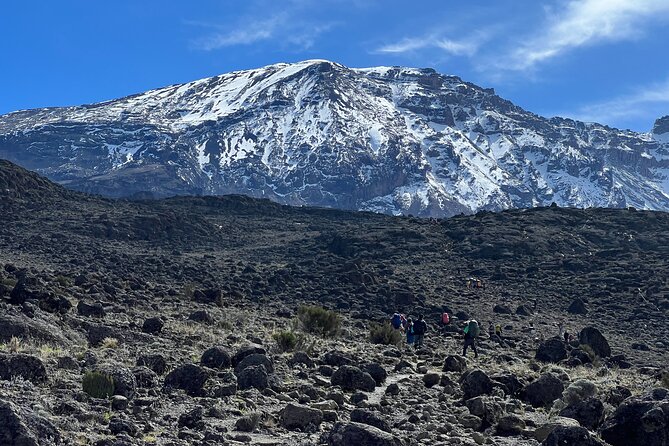
Kilimanjaro feels more doable in huts. Marangu Route keeps things structured, from rainforest mud to high moorland, with an acclimatization pause at Horombo and a midnight summit attempt toward Uhuru Peak. It also runs on the oldest, most established trail network on the mountain, known as the Coca-Cola Route.
I love the hut-based setup on the Marangu itinerary, with nights planned at Mandara Huts, Horombo Huts, and Kibo Huts, plus camp at Mweka. I also like that the package covers the big stuff you usually end up paying for separately, like park fees, guides and porters, purified drinking water, and all meals.
One consideration: the trek still has rough moments. Expect muddy, slippery footing at lower elevations and wet steep ground during the descent, and you’ll want gaiters and trekking poles, plus tips are not included.
In This Review
- Key things I’d watch before you go
- Why Marangu’s hut system is a big deal on Kilimanjaro
- Moshi start, park gate permits, and the muddy rainforest reality
- From rainforest to Horombo, giant lobelias, and Mawenzi views
- The Horombo acclimatization day that can save your summit chances
- Crossing the saddle toward Kibo Huts and your summit setup
- Summit night: Gillman’s Point sunrise, Uhuru Peak, then steep down to Mweka
- Day six descent, certificates at the gate, and that long overdue shower
- Price and logistics value: what $2,000 per person covers
- Who should choose this Marangu climb, and who should reconsider
- Should you book the 6 Days Kilimanjaro Marangu Route?
- FAQ
- Is pickup and airport transfer included?
- What accommodation can I expect on the Marangu Route?
- Are meals included during the climb?
- Do you include park fees and guides?
- Are tips included?
- What is the cancellation policy?
Key things I’d watch before you go
- Hut nights on Marangu make logistics simpler than camping routes
- A full acclimatization day at Horombo helps you manage altitude
- Midnight summit timing means cold, fatigue, and a steep push
- Purified drinking water and meals included reduce day-to-day decision stress
- Moshi to trailhead timing is fairly smooth, with transfers built in
Other ways up Kilimanjaro we reviewed
- Kilimanjaro climb by Lemosho Route (7-day)★ 5.0 · 651 reviews
- Kilimanjaro climb, Machame Route (7-day)★ 5.0 · 262 reviews
- Kilimanjaro Climbing Lemosho Route 8 Days.★ 5.0 · 186 reviews
- Climbing Kilimanjaro – Machame Route★ 5.0 · 170 reviews
Why Marangu’s hut system is a big deal on Kilimanjaro
Marangu is popular for a reason. The route is the oldest on Kilimanjaro and it’s the one with hut accommodation for trekkers, which changes the whole feel of the climb. You’re not spending your evenings pitching and living in a tent. You’re hiking, then settling into a planned stop.
That structure matters because Kilimanjaro is not just altitude. It’s cold mornings, changing weather, and long days where your body needs routine. On this itinerary, you get that routine through stops like Mandara Huts and Horombo Huts, and then Kibo Huts when you’re closer to the summit push.
Marangu’s another advantage for people who want the trail to be well established. The itinerary moves through rainforest, heathland, and moorlands in a logical climb pattern. And because the route is extremely popular, you’re less likely to feel “lost” on the way up, even if conditions turn sloppy.
The tradeoff is that popularity can mean the trail is busy, especially around common hut areas. Also, hut routes still involve steep sections, high winds, and big temperature drops. Huts help with comfort, not with the fact that you’re climbing to very high altitude.
Moshi start, park gate permits, and the muddy rainforest reality
The experience begins in Moshi, with a drive of about 45 minutes through the Machame area before you reach the Kilimanjaro National Park gate. Early on, there’s that waiting moment while permits get issued. It’s not the highlight, but it’s part of how organized the day feels. You’re also getting your first look at how many support teams are prepping at the same time.
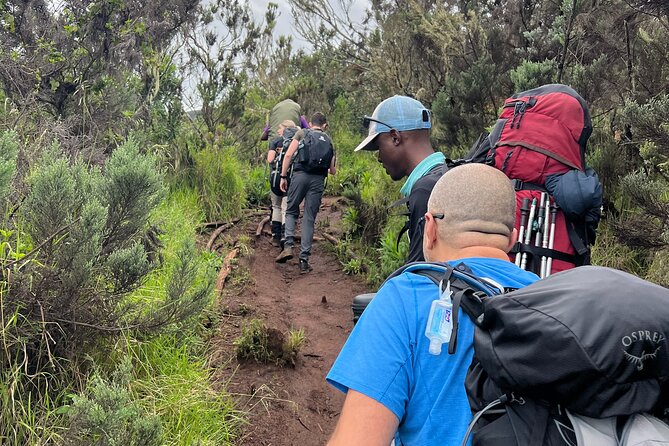
Once the walking starts, you transition into rainforest. The trail can be muddy and slippery at these lower elevations, and that’s not a small detail. Wet ground plus uneven footing is where people slip or waste energy. The itinerary specifically points you toward gaiters and trekking poles, and I agree with that advice. Poles help you stay stable on slippery sections, and gaiters keep mud out of your boots so your feet stay warmer and less miserable.
You’ll climb from roughly 1905 meters to around 2723 meters on day one, gaining about 818 meters of altitude. The idea is to start moving before your body is fully stressed. That’s why the pace feels steady rather than “all gas.” Along the way, your guide talks about local flora and fauna and you may spot natural wildlife.
The day ends at Mandara Huts after about five hours of hiking. Expect an environment that is still damp at times, then an evening where your focus becomes simple: eat, hydrate, and rest.
From rainforest to Horombo, giant lobelias, and Mawenzi views
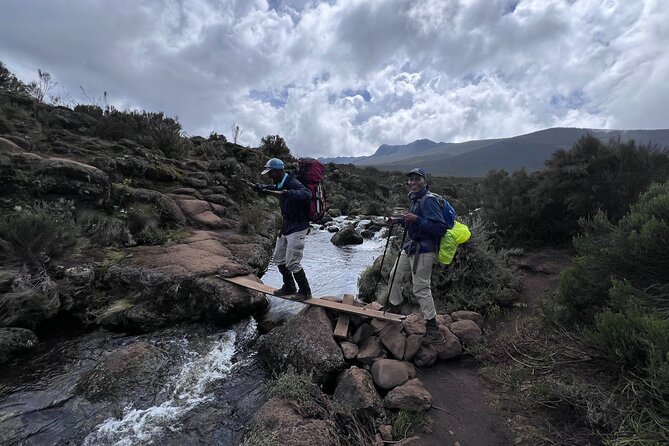
Day two pushes you higher, from about 2723 meters up to roughly 3721 meters. The altitude gain is close to 998 meters, so you feel the climb, but it’s not random. The itinerary takes you from rainforest up through heathland, where you look out for giant lobelias and groundsels, then into open moorlands.
This is one of my favorite parts of Kilimanjaro. Your surroundings change fast. Leaves thin out. Air feels sharper. Views start opening up in ways that weren’t there earlier. The itinerary even calls out a lunch stop halfway, with amazing views of Mawenzi.
Horombo Huts are the day two finish, and you arrive late afternoon. That timing matters because temperatures begin dropping. When you’re tired, the cold can feel more intense, and it’s easier to lose heat when you don’t move much after arriving. Your best move is simple: eat soon, layer up, and settle early.
One practical takeaway: day two sets your “feel” for altitude and weather. If you go out too fast here, you’ll feel it later. But if you keep steady and allow your body to adjust, you’ll arrive at Horombo with enough energy to make day three useful.
Marangu, other operators and other lengths
The Horombo acclimatization day that can save your summit chances
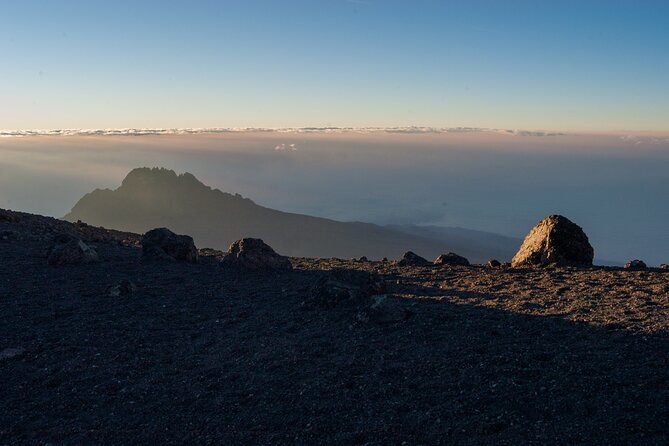
Day three is built around altitude management. You spend a full day and an additional night at Horombo Huts. The itinerary gives you a choice: rest at the huts, or do a stroll up toward the Mawenzi base area and then return.
This matters because acclimatization is not a theory on Kilimanjaro. It’s your breathing rate, sleep quality, appetite, and how your legs feel when the climb steepens later. The itinerary frames day three as extra time to help acclimatization and to learn how the mountain’s weather and altitude behave.
If you choose the stroll, keep it purposeful but not exhausting. The goal is to move enough to stay loose, then come back and recover. You’re not trying to “win” this day.
Even if you rest, the value is real. You’re giving your body time to handle the thinner air before the summit push. And you’re letting the temperature shifts become familiar. The mountain often feels like it has multiple climates in a single day, and waiting gives you time to read the patterns.
By day three evening, you’re still based at Horombo, setting you up for the next jump toward Kibo. It’s one of the most sensible parts of the plan, and it’s also why this route is so commonly used.
Crossing the saddle toward Kibo Huts and your summit setup
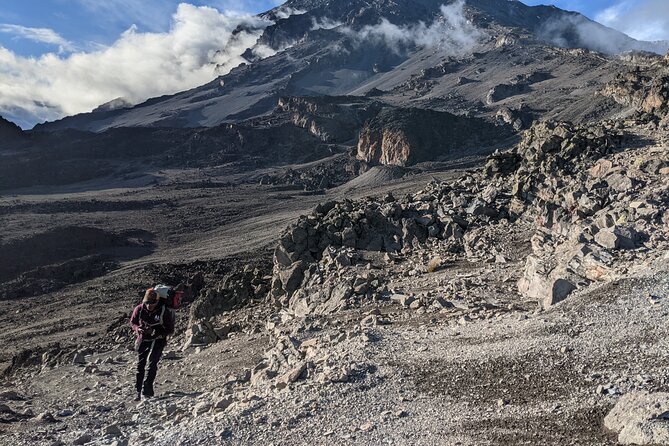
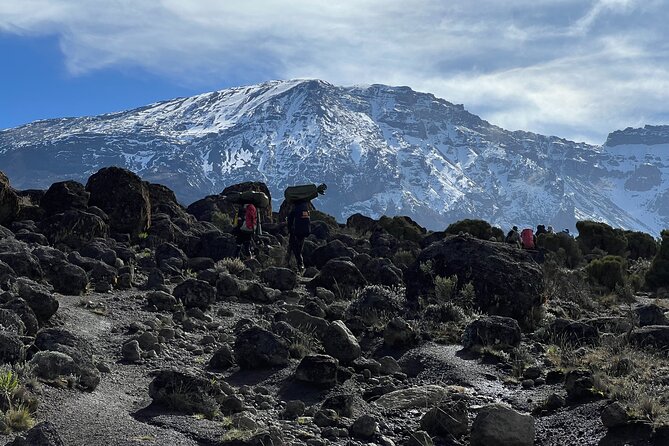
Day four moves from about 3721 meters up to around 4714 meters, gaining close to 993 meters. The itinerary describes heathland dwindling into a moonscape as you reach the saddle connecting Mawenzi and Kibo. That saddle is larger than it looks at a distance, so don’t underestimate it.
The route includes lunch at the saddle and later, you cross it before continuing to Kibo Huts. This day is also when you start thinking about your midnight start on day five. Your body begins to feel the difference between “climb day” and “summit day.”
Why this transition matters: day five is not just early. It’s cold, tiring, and mentally demanding. The itinerary notes that the summit climb starts between midnight and 2 a.m., with switchbacks and fatigue. That means you’ll need a good night of sleep at Kibo and you’ll want to stay organized with layers, headlamp use, and water habits.
Also, the itinerary points out lunch and saddle moments where you can examine the summit climb up Kibo that you’ll begin just a few hours later. That isn’t just sightseeing. It’s how you set expectations. When you’ve seen the route in daylight (even briefly), the night climb feels less mysterious and more like a plan.
You’ll arrive at Kibo Huts after about six hours. Temperatures are low enough that you’ll want to treat warmth like a job, not a hope.
Summit night: Gillman’s Point sunrise, Uhuru Peak, then steep down to Mweka
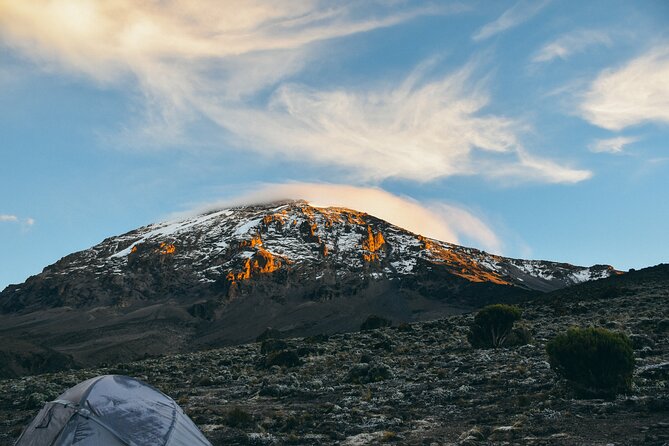
Day five is the classic Kilimanjaro moment. You start between midnight and 2 a.m., and the itinerary says this is the toughest stretch. You ascend in switchbacks while battling cold and fatigue. That mix is why good pacing and rest on day four matter so much.
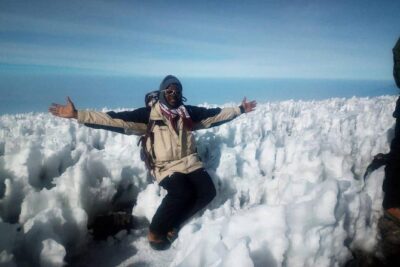
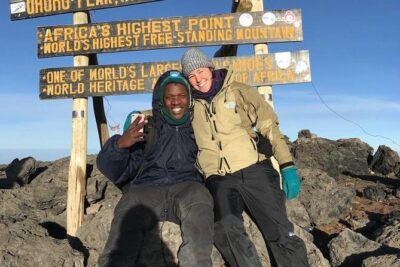
The climb goes to Gillman’s Point for sunrise. The itinerary notes that the summit, Uhuru Peak, is about an hour away from there, likely through snow. Whether you see snow or not, the idea is the same: the top segment is exposed and the weather can change fast.
Once you reach Uhuru Peak, you celebrate. Then you descend steeply, moving down to Mweka Camp via Barafu. The day includes both the achievement and the reality check. Descents on Kilimanjaro are hard on knees and thighs, and they also make you more likely to get sloppy in your footing.
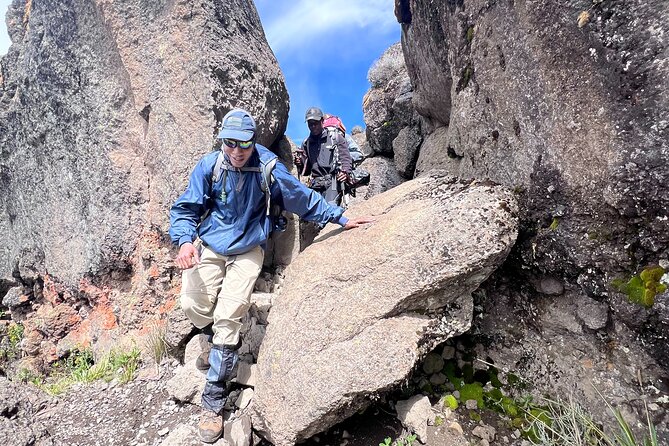
The itinerary advises gaiters and trekking poles during this stretch too. That’s not overkill. It’s practical support. Poles can reduce knee strain on steep downhills and gaiters help keep your legs and boots cleaner when conditions are wet or icy.
You overnight at Mweka Camp. From here, day six becomes a relief mission: get down safely, hydrate, and finish the paperwork side of the climb.
Day six descent, certificates at the gate, and that long overdue shower
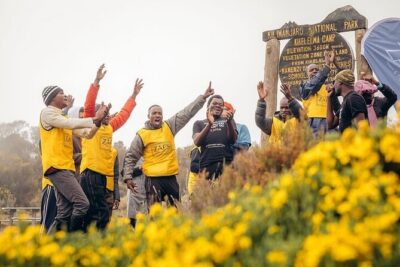
You start day six after breakfast with a ceremony of appreciation and team bonding with your crew. That part may sound small, but it’s a nice emotional wrap-up after the hard days. Then you continue the descent, stopping at Mandara Huts for lunch.
As you go lower, the weather warms up dramatically. The itinerary calls out wet, muddy, and steep terrain on the descent. This is the stage where people think they’re done and start rushing. Don’t. You’re still on uneven ground, just closer to the finish line.
The itinerary also makes tipping explicit. You’re reminded to tip guides, cooks, and porters, and you’ll leave them at Mandara Huts. That’s worth planning for in your budget, since tips are not listed in the included costs.
Later, you reach the Marangu Park Gate and receive summit certificates. Then a vehicle meets you and drives you back to Moshi, about 45 minutes. The day ends with a hot shower, dinner, and celebrations. In other words, the payoff you’ve been thinking about since day one.
Price and logistics value: what $2,000 per person covers
At $2,000 per person for about six days, you’re paying for a package that includes a lot of the “hidden costs” that trip totals often hide. Here’s what’s included:
- all park fees
- guides, porters, and cook salaries
- clean, purified drinking water
- meals, including six breakfasts, six lunches, and six dinners
- airport transfers
- professional, experienced mountain guides
- and accommodation via huts and camps, plus the package notes quality waterproof, four-season private mountain sleeping tents
That’s a meaningful set of inclusions. You’re not just buying the walking days. You’re paying for the staff that keep you moving safely, manage food and water, and handle permits and park access.
What’s not included is equally important: tips and personal spending. The itinerary also lists alcohol and soft drinks as not included. For budgeting, I’d treat tips as part of the real cost of Kilimanjaro, because the plan itself tells you to tip your crew.
One more logistics point: this is a private tour/activity, and it notes pickup is offered and you’ll have a mobile ticket. If you like having a clear plan and your group staying together, that private setup is a practical comfort.
Who should choose this Marangu climb, and who should reconsider
This is a good match if you want the comfort benefits of hut nights and a structured acclimatization plan. The full day at Horombo is a strong feature for people who prefer not to be rushed. Also, the route’s popularity usually means the trail feels established and the hut stops are predictable.
It may be less ideal if you strongly prefer camping or if you want to avoid cold, exposed summit conditions. Day five is hard, and the itinerary is direct about it. Midnight start, cold switchbacks, and a steep descent to Mweka Camp are not gentle.
If you’re the type who prepares for muddy feet, you’ll be happier here. The itinerary repeatedly flags wet slippery ground and recommends gaiters and trekking poles.
Finally, this tour says most people can participate. That suggests it’s designed for a broad range of hikers, but it doesn’t remove the altitude challenge. Kilimanjaro is still serious.
Should you book the 6 Days Kilimanjaro Marangu Route?
Book it if you want hut accommodation, all meals, purified water, and a plan that builds acclimatization time into day three. I’d also book it if you like having logistics handled for you, from permits to park access, and you want a team that includes guides and porters who get you to the finish.
I’d think twice if you hate steep muddy descents or if you’re not comfortable with very early, very cold summit timing. The route makes those parts unavoidable.
One last practical note from the experience details: a guide named Godfrey has been praised for support from the initial booking process through the last day in Tanzania. If you value a steady, human hand from start to finish, that kind of support is worth paying attention to.
FAQ
Is pickup and airport transfer included?
Yes. The experience includes airport transfers, and pickup is offered. The meeting point is listed as Kilimanjaro Airport.
What accommodation can I expect on the Marangu Route?
Marangu is known for hut accommodation, and the itinerary includes Mandara Huts, Horombo Huts, and Kibo Huts, plus Mweka Camp. The package also notes waterproof private mountain sleeping tents.
Are meals included during the climb?
Yes. The package includes six breakfasts, six lunches, and six dinners.
Do you include park fees and guides?
Yes. The package includes all park fees, and it covers guides, porters, and cook salaries.
Are tips included?
No. Tips are not included, and you’re reminded to tip guides, cooks, and porters.
What is the cancellation policy?
You can cancel for free up to 24 hours in advance for a full refund. If you cancel less than 24 hours before the start time, the amount paid is not refunded.
The Marangu Trail
- Kilimanjaro climb, Marangu route (6-day)
★ 5.0 · 72 reviews - Climbing Kilimanjaro – Marangu Route
★ 5.0 · 65 reviews - Best Kilimanjaro Adventures 6 Days Marangu Route Experience
★ 5.0 · 18 reviews - Kilimanjaro Private Climbing in 6 Days Marangu Route
★ 5.0 · 16 reviews - 6 Days Climb Kilimanjaro Through Marangu Route
★ 4.5 · 15 reviews
Kilimanjaro, Route by Route
- Kilimanjaro climb by Lemosho Route (7-day)
★ 5.0 · 651 reviews - Kilimanjaro climb, Machame Route (7-day)
★ 5.0 · 262 reviews - Kilimanjaro Climbing Lemosho Route 8 Days.
★ 5.0 · 186 reviews - Climbing Kilimanjaro – Machame Route
★ 5.0 · 170 reviews - Climbing Kilimanjaro through 7 days Machame Route
★ 5.0 · 151 reviews
Just added from around Moshi

Kilimanjaro Marangu Route, compared.
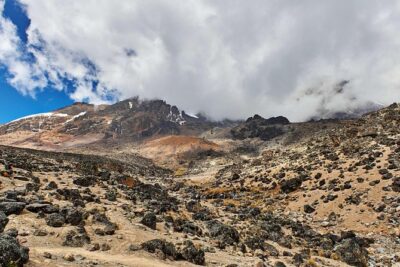 ★ 5.0Kilimanjaro climb, Marangu route (6-day)From $2,90272 reviews
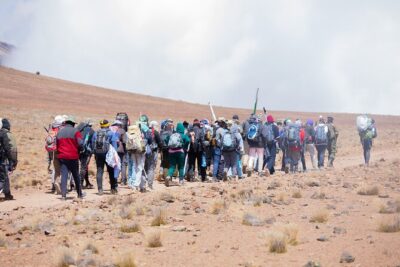 ★ 5.0Climbing Kilimanjaro – Marangu RouteFrom $2,00465 reviews
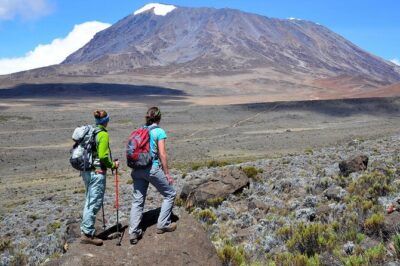 ★ 5.0Private Full Day Hiking Experience to Marangu RouteFrom $26061 reviews
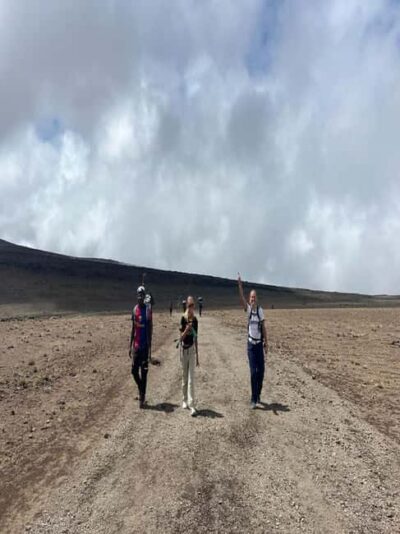 ★ 4.5From Arusha/Moshi: Kilimanjaro Hike Marangu Route Day TripFrom $10154 reviews
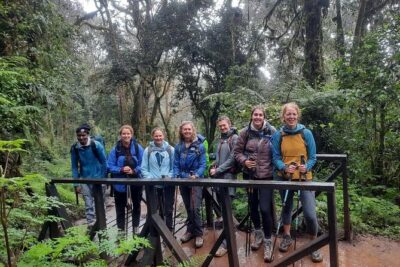 ★ 5.0Mount Kilimanjaro Day Hike Through Marangu Route to Mandara HutFrom $26537 reviews
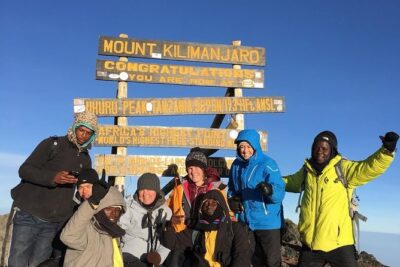 ★ 5.0Kilimanjaro Climbing 5 days Marangu routeFrom $90022 reviews
 ★ 5.0Best Kilimanjaro Adventures 6 Days Marangu Route ExperienceFrom $1,00018 reviews
 ★ 5.0Kilimanjaro Private Climbing in 6 Days Marangu RouteFrom $2,00016 reviews
Browse the lists this tour appears in