
REVIEW · KILIMANJARO MARANGU ROUTE
5 Days Marangu route Climbing Mt. Kilimanjaro
Kilimanjaro night starts in the dark. This 5-day Marangu route from Moshi blends rainforest trekking, open moorlands, and a final push to Uhuru Peak, with guided support and a plan that keeps moving you step by step. I love that the climb is built around clear elevation stages and realistic hiking times, plus a side trip to Maundi Crater for big views early on. I also love the safety net built into the package, including portable oxygen tanks, an ox meter, emergency first-aid, and team Kilimanjaro Rescue fees. The main drawback is also the real deal, that summit night is cold, steep, and long, and you have to handle altitude changes even if you feel strong.
I like that this trip keeps logistics simple: you get airport-to-Moshi transport, rides to the park gate, and a group size cap of 15 travelers, so things stay organized on the ground. You’ll also get proper fueling on the mountain with three hot meals daily, plus treated water and hot water for washing, which matters more than people think once the weather turns. Just be ready to bring a serious warm-layer strategy and expect the lower part of Day 5 to get muddy.
One more practical note I appreciate: the route uses well-established camp stops like Mandara, Horombo, and Kibo, so the day rhythm is predictable. If you want a classic Kilimanjaro experience without reinventing logistics yourself, this is a strong match. If you want a warm-weather hike with no steep climbing, this is not that.
In This Review
- Key Highlights You’ll Actually Feel on the Mountain
- Moshi Base Camp and a 5-Day Marangu Start That Makes Sense
- Price and Logistics: What $2,330 Buys You Beyond Just Guides
- Getting Ready: Fitness, Layers, and Altitude You Can’t Ignore
- Day 1: Rainforest to Mandara Encampment and the Maundi Crater Side Trip
- Day 2: Open Moorlands to Horombo and the First Real Altitude Effects
- Day 3: Past the Last Watering Point to the Saddle, Then Preparing for Summit Night
- Day 4: Midnight to Uhuru Peak, Gilman’s Point, and the Cold Switchback Grind
- Day 5: Descent Through Moorland and Forest Back to Marangu Gate
- Safety Net: Oxygen, Rescue Fees, and the Real Meaning of Support
- What You’ll See: Eucalyptus, Lobelias, and the Moonscape Switch
- Who This 5-Day Marangu Climb Fits Best
- Should You Book Kilisa Tours and Safaris for the Marangu Route?
- FAQ
- What time does the tour start?
- Where does the climb begin and end?
- How long is the trek?
- How many people are in the group?
- Is airport pickup included?
- Are park entry fees and hut fees included?
- Are meals included on the mountain?
- Is oxygen available during the climb?
- What should I bring for the summit night?
- Is travel insurance included in the price?
- What is the cancellation policy?
Key Highlights You’ll Actually Feel on the Mountain
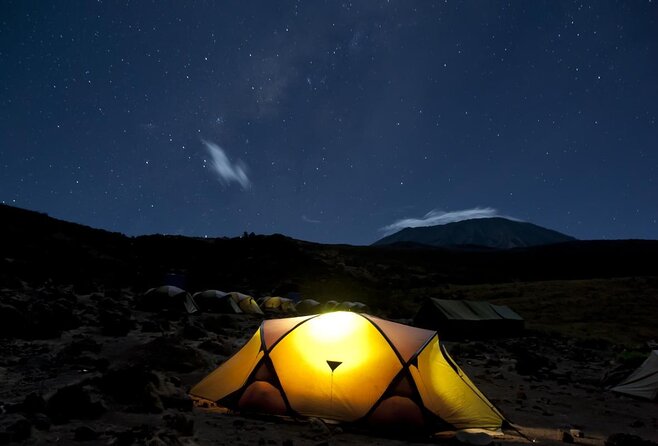
- Marangu route rhythm with camp points at Mandara, Horombo, and Kibo, so you know where each day is headed
- Summit push timing starts very early, midnight to 2 am, with headlamp trekking and lots of switchbacks
- Oxygen support included via portable oxygen tanks plus an ox meter for added altitude safety
- Hot meals and treated water on the mountain, plus hot water for washing
- Big ecosystems in five days from montane rainforest to heathland and then alpine desert or moonstrike terrain
- Guide and porter staffing included, with team Kilimanjaro Rescue fees in the package
Other ways up Kilimanjaro we reviewed
- Kilimanjaro climb by Lemosho Route (7-day)★ 5.0 · 651 reviews
- Kilimanjaro climb, Machame Route (7-day)★ 5.0 · 262 reviews
- Kilimanjaro Climbing Lemosho Route 8 Days.★ 5.0 · 186 reviews
- Climbing Kilimanjaro – Machame Route★ 5.0 · 170 reviews
Moshi Base Camp and a 5-Day Marangu Start That Makes Sense
You’ll base yourself in Moshi, and the trip is set up to remove the “where do we go next” stress. Private transport is included between Kilimanjaro International Airport and your accommodations in Moshi, and you’re also transported to and from the park gates.
The start time is set for 8:30 am, so you’ll begin your first walking day soon after you get through the entry process. That matters because the park gate experience can take time, and Kilimanjaro rewards good pacing more than heroic speed.
Also, the group size limit of up to 15 travelers usually means you can stay more focused on your own pace and acclimatization. For a climb like this, that calm structure is worth something.
Price and Logistics: What $2,330 Buys You Beyond Just Guides
At $2,330 per person, this isn’t a bargain trip. But it’s also not a bare-bones “good luck” offer, because several costs that often show up later are included here.
Key inclusions that add real value:
- Park entry fees and hut fees
- Team Kilimanjaro Rescue fees
- Oxygen tanks and an ox meter
- Guides, cook, and porters
- 3 hot meals daily on the mountain, plus breakfasts/lunches/dinners consistent with the 5-day schedule
- Enough treated and filtered drinking water
- Hot water for washing
You’re also paying for the admin layer: an 18% VAT on tour fees and services and government taxes. That is the boring part of travel, but it often turns into the part you regret if it’s missing.
What’s not included is also important to know up front: travel insurance, flights, and tips for guides, porters, and cook. Since summit days are physically demanding and weather-dependent, I strongly suggest getting insurance that covers high-altitude trekking, not just standard sightseeing.
Getting Ready: Fitness, Layers, and Altitude You Can’t Ignore
This climb asks for strong physical fitness, and the altitude changes are part of the design. Even with a guided pace, you’re going from montane forest heights into high altitude where your body has to adjust.
Gear matters on two key days. On summit night (Day 4), the plan specifically calls for headlamps or flashlights because you start the climb in the dark. It also says you’ll be very cold until you start descending, so you need serious warm layers and a plan for staying warm without overheating once you start moving hard.
On the descent after the summit (Day 5), you may face wet and muddy lower elevations. Gaiters and trekking poles are strongly helpful here, and you’ll likely be comfortable in shorts and t-shirts for much of the descent as long as you keep rain gear and warmer clothing handy.
If you’re thinking about altitude, the itinerary gives you a built-in progression. Day 2 is where you may start feeling the altitude, and Day 3 is where the terrain shifts and the air gets thinner. You can’t “train away” altitude, but you can respect it with patience and steady pacing, pole pole style.
Marangu, other operators and other lengths
Day 1: Rainforest to Mandara Encampment and the Maundi Crater Side Trip
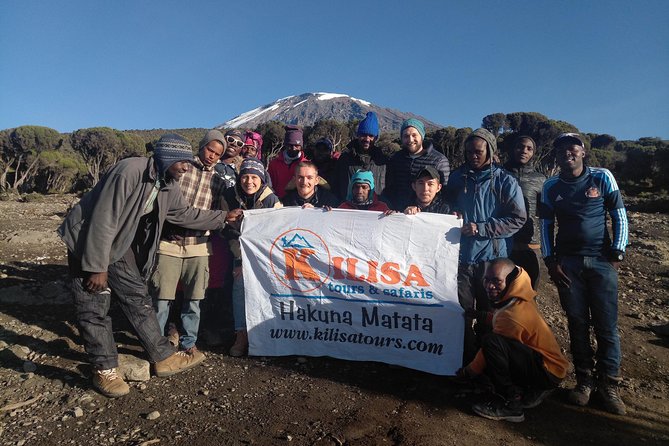
Day 1 starts with breakfast and a briefing, then a drive of about one hour to the Kilimanjaro National Park gate. After you register, you begin walking through the montane forest toward Mandara encampment.
Expect an elevation gain from about 1,860m to 2,700m, covering roughly 8 km over 3 to 4 hours. This is not the time to go fast. The rainforest segment is your warm-up, but it’s also when the mountain first starts to feel alive under your feet.
The day’s details are the kind that make Kilimanjaro feel real:
- Tall eucalyptus trees
- Bird life
- Colobus monkeys
- A side trip to Maundi Crater with views toward Northern Tanzania and Kenya
That crater add-on is a smart early reward. You’re still relatively low, so it’s a good place to stretch, look around, and take photos without paying summit-level altitude costs.
Meals for Day 1 are listed as lunch and dinner, which typically means you’ll eat well after the morning start and keep energy steady before camp.
Day 2: Open Moorlands to Horombo and the First Real Altitude Effects
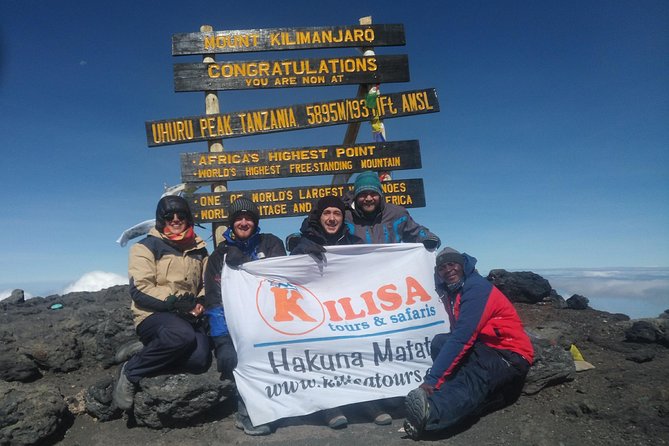
Day 2 is where the vegetation changes and the air starts to feel different. You leave the rainforest and follow an ascending path through open moorlands to Horombo encampment.
You’ll climb from about 2,700m to 3,700m, walking around 12 km in 5 to 6 hours. The views are a major highlight here: you’ll get Mawenzi and the summit of Kibo in sight, depending on weather and visibility.
The itinerary also points out plants you’ll actually notice if you slow down:
- Giant lobelias
- Groundsel
Altitude is not abstract on Day 2. It explicitly notes that you may begin to feel effects of altitude here. That’s your cue to stop trying to “win” the day and start listening to your body.
This is also the day where staying hydrated matters because you’re working longer in thinner air. Since treated and filtered drinking water is included, you’re not guessing, you just need to drink consistently.
Meals are listed as breakfast, lunch, and dinner, so you’ll have fuel throughout the longer walking window.
Day 3: Past the Last Watering Point to the Saddle, Then Preparing for Summit Night
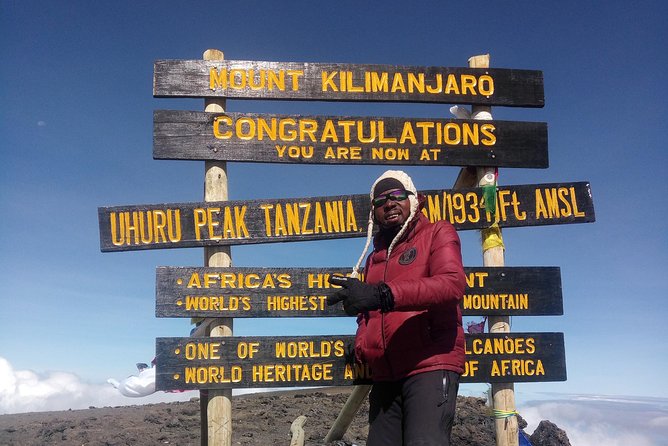
Day 3 starts with an ascending trek past the last watering point and onto the saddle between Kibo and Mawenzi. This is where the scenery shifts into higher terrain, and the walk changes from “forest and open paths” into something harsher.
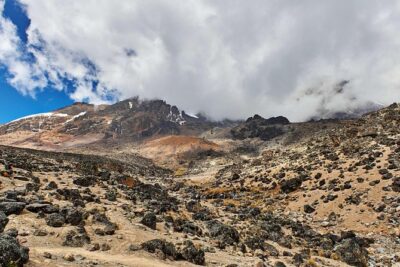
You’ll go from about 3,700m to 4,700m over roughly 9 km in 5 to 6 hours. The itinerary notes the vegetation begins in upper heathland and then disappears into a “moonscape,” which is a good description for the stark, gray, low-life appearance of alpine desert.
This day includes a major logistical moment: you reach the saddle area, then dinner, rest, and preparation for the summit climb. In practical terms, this is the day you should treat like a training day for your own mind. You’ll need energy for the cold push that starts later.
If you tend to get restless when you’re tired, plan something simple for camp time. Review your layer plan. Check your headlamp batteries. Make sure you can access essentials fast. The less time you spend fumbling in the cold, the better.
Meals for Day 3 are again breakfast, lunch, and dinner.
Day 4: Midnight to Uhuru Peak, Gilman’s Point, and the Cold Switchback Grind
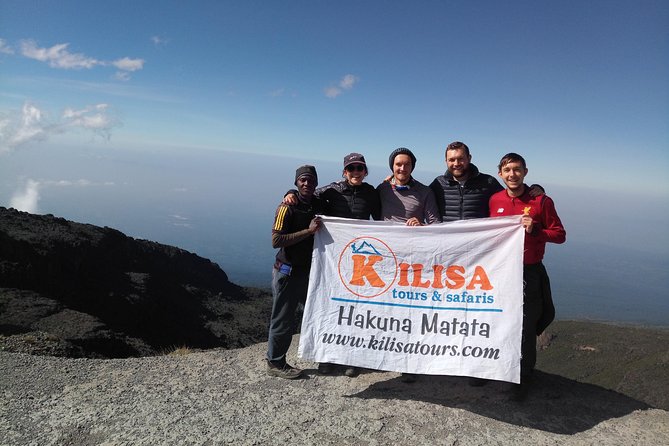
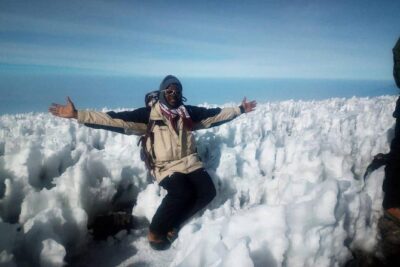
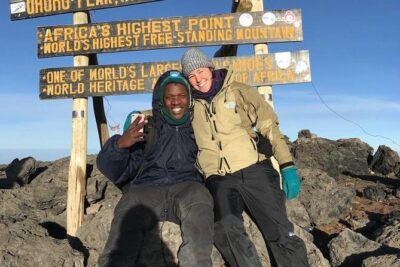
Day 4 is the big one. Very early, between midnight and 2 am, you start climbing toward the summit using steep and heavy scree or snow toward Gilman’s point on the crater rim. Then you continue up to Uhuru Peak, the highest point in Africa.
The itinerary doesn’t list a specific summit elevation in the text provided, but it does make clear what matters most: start in the dark, move up steep terrain, then descend after the summit.
You’re also told the exact experience you should prepare for:
- The beginning is done in the dark, so bring headlamps or flashlights
- It will be very cold until you start descending
- It’s the most difficult section, with many switchbacks
- Going slowly, pole pole, is the move
The “every turn” views note is a reminder that you’ll get both the physical and visual payoff. And yes, the plan includes taking pictures at the summit so you can show friends and family later.
After summiting, you descend, stop for lunch and rest at Kibo, then continue back to Horombo encampment. That’s a key detail. People underestimate that the hardest part might not end when you reach the top. The return includes cold, fatigue, and careful footing on uneven ground.
Warm layers matter twice here: once for the climb, and again because you’ll be cold when you stop moving and hot if you overdo it. Layering is how you stay functional.
Day 5: Descent Through Moorland and Forest Back to Marangu Gate
After breakfast, Day 5 shifts into steady descent. You’ll walk down through moorland toward Mandara Hut, then continue descending through lush forest path to the National Park gate at Marangu.
The itinerary describes a large distance, about 20 km, over 4 to 5 hours, dropping from around 3,700m down to about 1,700m. That elevation drop is the point, but it also means your legs get tested twice: once by altitude yesterday, and again by gravity today.
The plan specifically warns you about lower-elevation conditions, that it can be wet and muddy. This is where the earlier advice pays off. Gaiters and trekking poles can keep you comfortable and reduce slip risk on slick sections.
Clothing guidance is practical: you’ll probably be fine in shorts and t-shirts, but keep rain gear and warmer clothing accessible. That makes it easier to adapt when weather shifts quickly.
Once you reach the Marangu gate, a vehicle waits for you to drive you back to your hotel in Moshi, about one hour. It’s a satisfying finish because you get closure fast, not a long transfer day.
Meals on Day 5 are listed as breakfast and then breakfast only in the itinerary summary, but the tour includes breakfasts across the 5 days and meals on the mountain for the overall plan. Expect a final meal rhythm that matches the day.
Safety Net: Oxygen, Rescue Fees, and the Real Meaning of Support
Kilimanjaro is a safety challenge, not just a fitness challenge. This package includes tools that help manage that reality.
Included safety-related items:
- Portable oxygen tanks and an ox meter
- Emergency first-aid kit
- Team Kilimanjaro Rescue fees
- Friendly and professional guides, cook, and porters
I like seeing oxygen and an ox meter included because it signals that the plan is thinking about altitude response, not just encouraging you to keep walking.
Support also shows up in how guides work. In the operator’s ecosystem, people have praised guides for being patient, kind, cheerful, and sensitive to how the climb feels minute by minute. Names like Bakari and Rama come up in that kind of feedback, and you can reasonably expect a professional guiding style when you’re paying for included staffing.
One more safety angle people often miss: hot water for washing. After brutal cold hours, it’s easy to underestimate the value of recovering hygiene-wise, not only sleep-wise.
What You’ll See: Eucalyptus, Lobelias, and the Moonscape Switch
A huge part of why this route is worth it is the visual and ecological change over five days. You go from forest sounds and tree canopy to high, open terrain where the world looks almost sculpted.
Here’s the arc you’ll likely experience:
- Day 1 rainforest feel with eucalyptus, bird life, and Colobus monkeys
- Day 2 moorlands with Mawenzi and Kibo in your sightline, plus giant lobelias and groundsel
- Day 3 alpine desert or moonscape where the last watering point marks a bigger shift in vibe
- Day 4 crater rim and summit views, then a cold switchback grind down
- Day 5 forest return, with muddy sections that bring you back to earth quickly
Even if you’re not a plant person, you’ll start noticing patterns. When you see giant lobelias, you know the hike is changing altitude levels in a real way. When you reach the moonscape vibe, you know you’re close enough to the summit routine that you should keep your mindset steady.
Who This 5-Day Marangu Climb Fits Best
This tour fits best if you:
- Want a classic Kilimanjaro route with established camp stops like Mandara, Horombo, and Kibo
- Can handle cold and early hours, especially the midnight to 2 am summit start
- Are willing to follow a slow pace during switchback sections, not rush for speed
- Prefer a package that handles park fees, hut fees, rescue fees, oxygen, and mountain meals
It might not fit if you:
- Want a low-altitude hike
- Get uncomfortable with long walking days and repeated altitude stress
- Don’t want to plan for cold gear, headlamps, and muddy descents
Group size of up to 15 also helps people who like structure and steady rhythms. You’ll still walk at your own pace, but the logistical scaffolding is there.
Should You Book Kilisa Tours and Safaris for the Marangu Route?
If your budget is flexible and you want a climb with strong included support, this is a sensible booking. The biggest reason is that the package covers the expensive and high-value parts, park and hut fees, rescue fees, plus oxygen and ox meter, not just guide wages.
The summit night demands planning on your side. If you’re prepared with warm layers, a working headlamp, and the patience to go pole pole, you’ll give yourself the best chance to make the experience feel successful rather than punishing.
My practical checklist before you commit:
- Confirm your gear for cold night hiking, including headlamp and warm layers
- Plan for wet, muddy conditions on Day 5 with gaiters and poles
- Buy travel insurance that covers high-altitude trekking, since it is not included
- Budget tips for the guides, porters, and cook, because they are not included
If you want Kilimanjaro to feel like a guided mission with real safety tools and solid mountain support, this Marangu option is worth serious consideration.
FAQ
What time does the tour start?
The start time is 8:30 am, with the group meeting at Kilimanjaro Airport.
Where does the climb begin and end?
The climb begins at Kilimanjaro National Park Tanzania. The activity ends back at the meeting point, and on Day 5 you are driven back to your hotel in Moshi (about one hour).
How long is the trek?
It’s listed as 5 days (approx.).
How many people are in the group?
The tour has a maximum of 15 travelers.
Is airport pickup included?
Yes. Private transport is included between Kilimanjaro International Airport and your accommodations in Moshi.
Are park entry fees and hut fees included?
Yes. Park entry fees and hut fees are included.
Are meals included on the mountain?
Yes. You get 3 hot meals daily while on the mountain, plus breakfasts, lunches, and dinners aligned with the 5-day schedule.
Is oxygen available during the climb?
Yes. Portable oxygen tanks and an ox meter are included.
What should I bring for the summit night?
You’ll start climbing in the dark, so bring headlamps or flashlights. The itinerary also notes it will be very cold until you start descending, so bring warm layers.
Is travel insurance included in the price?
No. Travel insurance is not included.
What is the cancellation policy?
Free cancellation is offered, and you can cancel up to 24 hours in advance for a full refund. Weather cancellations may be offered a different date or a full refund.
The Marangu Trail
- Kilimanjaro climb, Marangu route (6-day)
★ 5.0 · 72 reviews - Climbing Kilimanjaro – Marangu Route
★ 5.0 · 65 reviews - Best Kilimanjaro Adventures 6 Days Marangu Route Experience
★ 5.0 · 18 reviews - Kilimanjaro Private Climbing in 6 Days Marangu Route
★ 5.0 · 16 reviews - 6 Days Climb Kilimanjaro Through Marangu Route
★ 4.5 · 15 reviews
Kilimanjaro, Route by Route
- Kilimanjaro climb by Lemosho Route (7-day)
★ 5.0 · 651 reviews - Kilimanjaro climb, Machame Route (7-day)
★ 5.0 · 262 reviews - Kilimanjaro Climbing Lemosho Route 8 Days.
★ 5.0 · 186 reviews - Climbing Kilimanjaro – Machame Route
★ 5.0 · 170 reviews - Climbing Kilimanjaro through 7 days Machame Route
★ 5.0 · 151 reviews
Just added from around Moshi
Kilimanjaro Marangu Route, compared.
 ★ 5.0Kilimanjaro climb, Marangu route (6-day)From $2,90272 reviews
 ★ 5.0Climbing Kilimanjaro – Marangu RouteFrom $2,00465 reviews
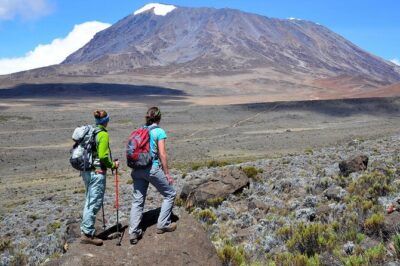 ★ 5.0Private Full Day Hiking Experience to Marangu RouteFrom $26061 reviews
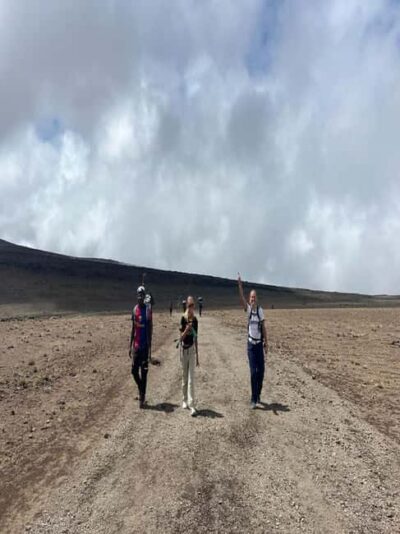 ★ 4.5From Arusha/Moshi: Kilimanjaro Hike Marangu Route Day TripFrom $10154 reviews
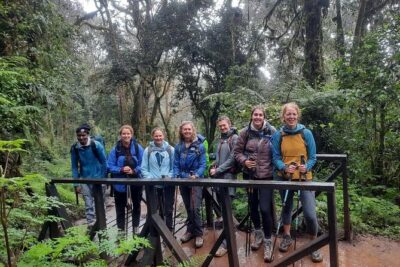 ★ 5.0Mount Kilimanjaro Day Hike Through Marangu Route to Mandara HutFrom $26537 reviews
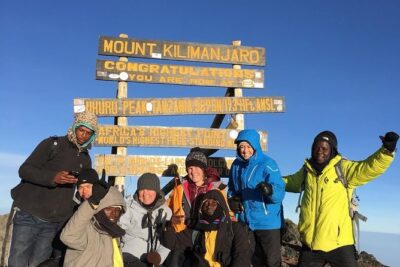 ★ 5.0Kilimanjaro Climbing 5 days Marangu routeFrom $90022 reviews
 ★ 5.0Best Kilimanjaro Adventures 6 Days Marangu Route ExperienceFrom $1,00018 reviews
 ★ 5.0Kilimanjaro Private Climbing in 6 Days Marangu RouteFrom $2,00016 reviews
Browse the lists this tour appears in