
REVIEW · KILIMANJARO MARANGU ROUTE
5 Days Climbing Mount Kilimanjaro Marangu Route
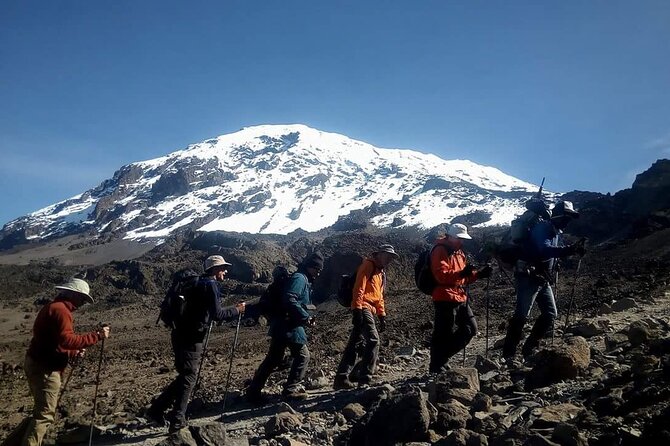
Kilimanjaro gets real fast. What makes this 5-day Marangu Route stand out is the support it offers: sleeping in huts each night and moving with an English-speaking guide. I also like that the itinerary is built for steady progress on the easier, shorter tourist route, but one drawback to plan for is that hut-style trekking still means long hours and real altitude.
This route is often called the Coca-Cola or tourist route for a reason. It’s the most straightforward way to reach Uhuru Peak, and the overnight setup is more comfortable than tent camping, with communal huts, solar lights, and beds with sponge mattresses and pillows.
You’ll start early (around 7:00 am), spend several days walking from forest to moorland to crater terrain, then turn around and go back down. If you’re the type who likes predictability and solid basics, Marangu can feel less chaotic than other routes, but you still need to take pace and weather seriously.
In This Review
- Key highlights you’ll care about
- Marangu Route, the Coca-Cola trail, and what that means for your hike
- Day 1: Marangu Gate to Mandara Hut, rain forest first
- Day 2: Forest to moorland, first serious peak hints
- Day 3: The Saddle crossing to the Kibo crater wall camp
- Day 4: Midnight summit push, Gilman’s Point to Uhuru Peak, then down
- Day 5: Down through moorland and lush forest to Marangu village
- What’s included in this $1,650 package, and what you bring yourself
- Comfort on the Marangu route: huts, beds, and solar light reality
- Pacing and altitude on a 5-day timeline
- Weather expectations, plus how August stories fit
- Communication and team quality, what to watch for
- Who this Marangu 5-day climb suits best
- Should you book this 5-day Kilimanjaro Marangu climb?
- FAQ
- What route does this Kilimanjaro 5-day climb use?
- Where is the tour based?
- What time does the trek start?
- How many days is the climb?
- Do I sleep in tents on this route?
- Are meals included?
- Is an English-speaking guide included?
- Is transportation included?
- What do I need to bring?
- How does cancellation work?
- Is the tour private?
Key highlights you’ll care about
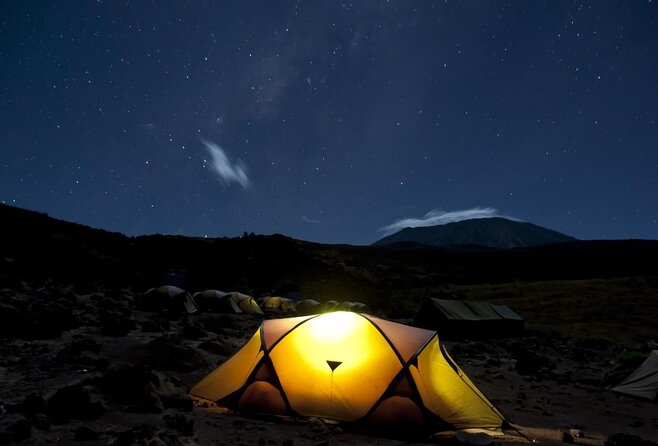
- Huts every night on the Marangu route, with solar lights and beds (no tent living required)
- English-speaking guide plus porters support, so you’re not doing the logistics alone
- Route designed for the easiest summit approach, with an 5-day timeline to target Uhuru Peak
- Solar-lit communal sleeping means you can recover better, especially on summit night
- Unlimited mineral water helps you stay on top of hydration during long walking days
Other ways up Kilimanjaro we reviewed
- Kilimanjaro climb by Lemosho Route (7-day)★ 5.0 · 651 reviews
- Kilimanjaro climb, Machame Route (7-day)★ 5.0 · 262 reviews
- Kilimanjaro Climbing Lemosho Route 8 Days.★ 5.0 · 186 reviews
- Climbing Kilimanjaro – Machame Route★ 5.0 · 170 reviews
Marangu Route, the Coca-Cola trail, and what that means for your hike
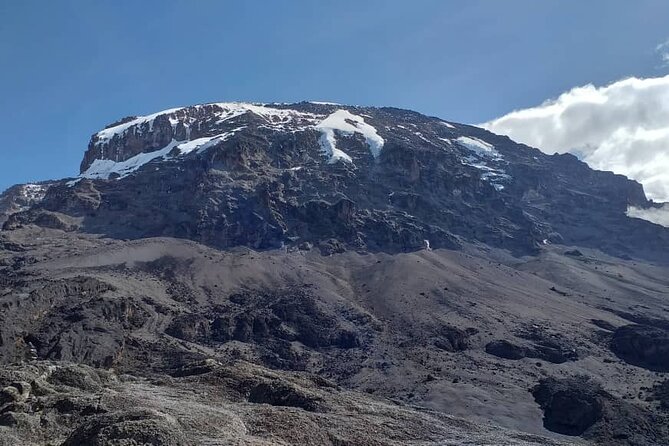
If you’re trying to climb Kilimanjaro without turning it into a camping survival test, Marangu is the obvious starting point. It’s the “tourist” route because it’s relatively easier to follow, shorter in total time, and set up for trekkers who want comfort at night.
The big tradeoff with Marangu is that it’s still Kilimanjaro. A easier route does not mean easy walking. You’ll hike in different ecosystems, and each day adds fatigue. Even with hut beds and communal spaces, summit night can feel like a different planet because you’re climbing steep terrain in the dark and at high altitude.
This specific package is priced at $1,650 per person, which is not cheap. But when you compare it to what’s included here, it’s aiming at full-service value: meals, guide, transport from Moshi, park fees, rescue fees, porters’ salaries and camping fees, plus unlimited mineral water. If you want fewer add-ons and less uncertainty, this kind of all-in approach can make sense.
Day 1: Marangu Gate to Mandara Hut, rain forest first
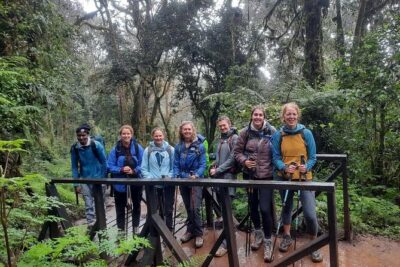
Day 1 begins with paperwork at the Marangu Gate, then you ease into the climb through tropical rain forest near the upper edge of the forest line. This is one of the nicer stretches because it’s not just “moving up.” The air is cooler, the trail stays interesting, and you may spot playful blue monkeys if you’re lucky.
What I like about this first day is how it sets the tone. The trail climbs, but it’s not the harsh crater pushing you’ll do later. You walk until you reach Mandara Hut, where you’ll spend the night with beds in a hut setup instead of camping in tents.
A practical consideration: forest trails can be slick. Even if you don’t get heavy rain, damp ground can slow you down. If you tend to lose traction when you’re tired, plan to use trekking poles and wear footwear with a solid grip.
Day 2: Forest to moorland, first serious peak hints
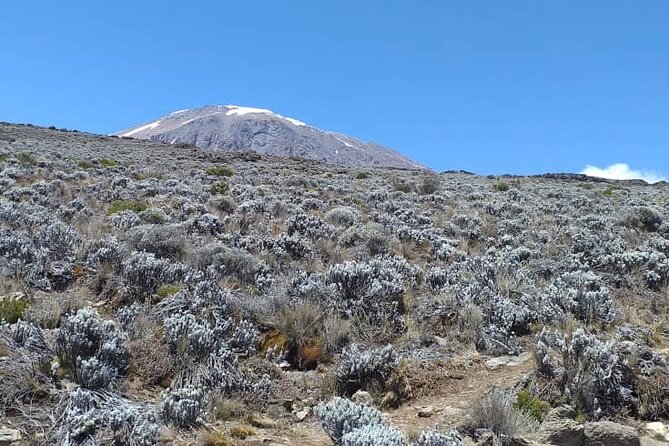
Day 2 is a longer day and it leans into altitude. You start with a steep ascent through the forest, then the trail opens into high moorland. This transition matters because the environment changes how your body feels. In moorland, you often deal with more wind and less humidity, and every step feels a bit more exposed.
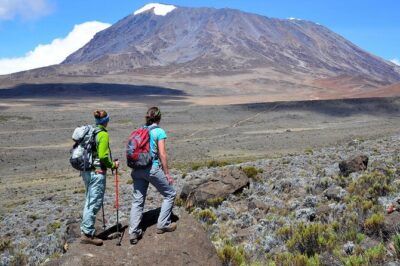
On a clear day, you may get your first views of Kibo and Mawenzi. Kilimanjaro is really three volcanic peaks, and seeing both Kibo and Mawenzi helps you understand what you’re aiming for, especially later when you’re moving across crater terrain.
The drawback is that day 2 can also be mentally tricky. If the sky is not clear, you might not see those peaks, and it can feel like you’re walking in clouds. Still, the hike itself is building stamina for what comes on day 3 and day 4.
Marangu, other operators and other lengths
Day 3: The Saddle crossing to the Kibo crater wall camp
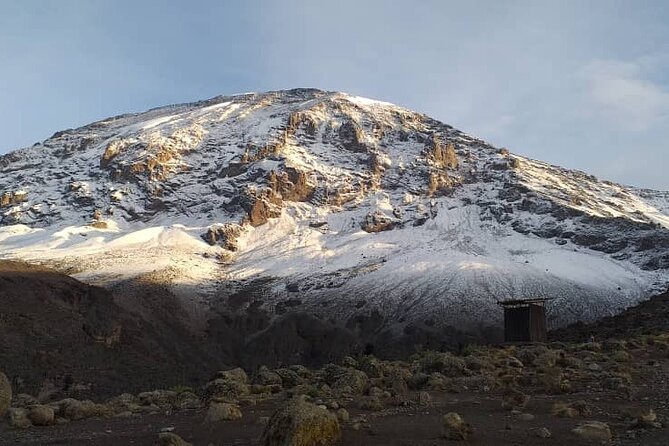
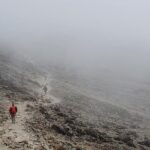
Day 3 is where the route becomes unmistakably Kilimanjaro. You climb gradually, then cross the Saddle between Mawenzi and Kibo. The crossing is described as lunar desert, which is a good clue for what your senses will notice. Less greenery, more rock and dust-like terrain, and a “this is high and different” feeling.
Then you reach your campsite sitting at the bottom of the Kibo crater wall. This is a key point for the summit attempt. Sleeping close to crater walls helps position you for an early start on summit night, rather than making you climb the full distance from much lower down.
Why this day is valuable: it prepares your legs and your mind for the steepest part of the climb without immediately throwing you into summit-night intensity. You’ll rest, eat early dinner, and prep for the final push.
The consideration: this is still a long hike day. You need to conserve energy and keep a steady pace. If you go too fast, you can pay for it later, especially on night climbs when you’re already dealing with fatigue and cold.
Day 4: Midnight summit push, Gilman’s Point to Uhuru Peak, then down
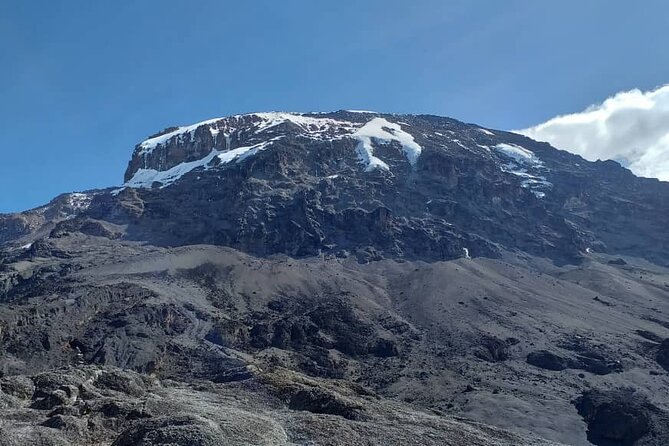
Day 4 starts in the middle of the night. That alone tells you what to expect: this is a cold, steep, slow climb. The route to Gilman’s Point is very steep, and you’ll likely feel like your progress is incremental, step by step.
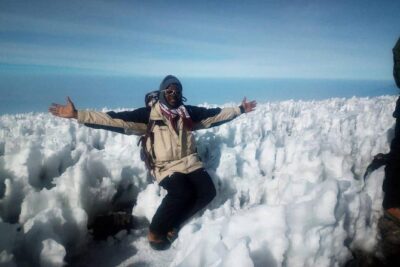
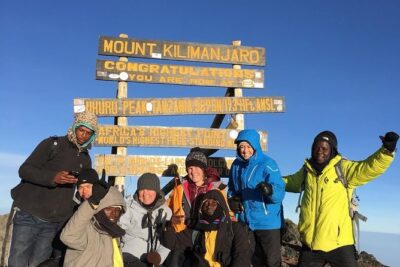
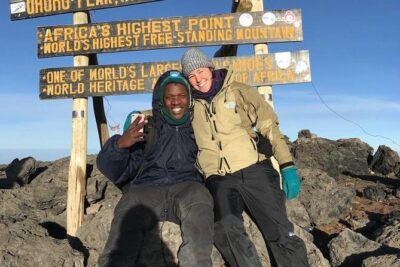
From Gilman’s Point, you traverse along the crater rim to Uhuru Peak. This is where the views can reward your effort, assuming weather cooperates. You’ll stay at the summit for a short time for photos and the view, then begin the descent.
Then comes the long part that many people underestimate emotionally. You retrace steps all the way back to Horombo Hut. Even with a well-run support team, that descent can be tough on knees and energy levels because you’re hiking for hours.
The best advice for this day is mindset. Don’t treat it as one big race to the top. Treat it as multiple jobs: climb slowly to Gilman’s, traverse to Uhuru, enjoy the summit briefly, then focus on controlled walking down.
Day 5: Down through moorland and lush forest to Marangu village
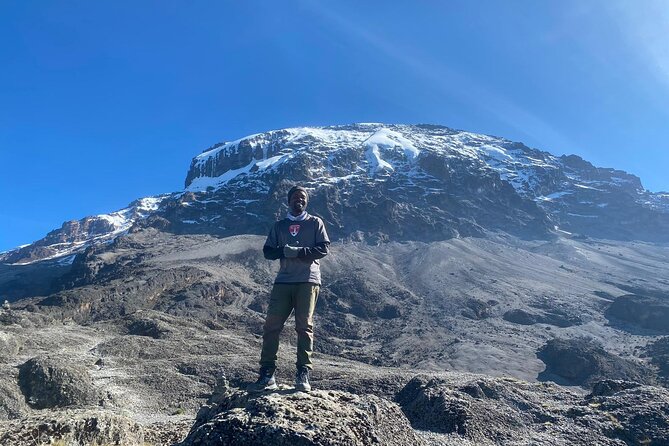
After breakfast on day 5, the descent starts. You go steadily down through moorland back to Mandara Hut, which sits around 2,700 m. From there you continue descending through lovely lush forest on a good path to the National Park gate at Marangu around 1,830 m.
This last stage is often when you can finally breathe again, but it comes with a warning: lower elevations can be wet and muddy. If the ground is slick, your trip may feel more about careful footwork than speed.
What helps: gaiters and trekking poles. The route description also suggests shorts and t-shirts may be plenty, while keeping rain gear and warmer clothing handy. That’s practical on Kilimanjaro because conditions can shift quickly from humid forest to cooler crater winds.
Once you reach Marangu village, a vehicle meets you to drive you back to your hotel in Moshi. That ending matters. After all that hiking, having transport waiting means you can recover without scrambling for options.
What’s included in this $1,650 package, and what you bring yourself
Let’s break down the value, because price on Kilimanjaro can be confusing.
Included:
- All meals (breakfast, lunch, dinner)
- A certified, experienced, English-speaking guide
- Hotel pickup and drop off in Moshi
- Rescue fees and required national park gate fees
- Porters’ salaries and camping fees
- Unlimited mineral water
- Admission ticket coverage listed for each hiking day
Not included:
- Your personal climbing gear and equipment
From a reader standpoint, what you’re really buying is less friction. Meals mean you’re not hunting food between trail sections. Park and rescue fees covered means fewer surprise invoices. Unlimited mineral water reduces the risk of under-hydration when you’re tired and moving slowly.
The only real “budget surprise” here is gear. Kilimanjaro gear isn’t optional if you want to stay comfortable and safe. The tour data specifically asks you to bring your own personal equipment and gear, so don’t plan to rent everything at the last minute unless you’ve tested your local rental options.
Also, note that this is a private tour/activity for your group, so you’re not sharing the experience with strangers in the way that some group departures do. That can improve coordination, especially when you’re moving early for summit night.
Comfort on the Marangu route: huts, beds, and solar light reality
One of Marangu’s biggest selling points is its hut system. Unlike routes where you’re sleeping in tents, you’ll sleep in communal huts at camps along the way. The bunks include a sponge mattress and pillow, and solar lights are mentioned as part of the comfort setup.
This doesn’t mean you’ll sleep like you’re at a hotel. Communal huts still have shared space, and the cold at altitude is real. But it does mean you’re not fighting wet tent fabric, pitching in bad weather, or constantly dealing with campsite setup.
I also like how this affects pacing on summit day. Being able to rest in a bed-like setup can help you start summit night with less exhaustion, and your staff can focus on guiding rather than campsite labor.
Pacing and altitude on a 5-day timeline
A 5-day climb is tight. Marangu is considered one of the easier approaches, but the schedule is still designed for a summit attempt with only a few nights on route.
So what should you do to make it work?
- Keep your effort controlled. Start slowly even when you feel okay.
- Use poles if you have them. They help on steep sections and on the descent to protect your legs.
- Follow your guide’s pacing, especially during the steep parts toward Gilman’s Point.
Because this route is shorter than some alternatives, your body has less time to adjust. That’s not a reason to panic, but it is a reason to respect the climb. If you feel unwell, don’t push because you want to be brave. Tell your guide early.
Weather expectations, plus how August stories fit
Kilimanjaro weather can vary, and even within one week the conditions can change a lot. That said, one climber in August described clear skies and cool, crisp air that made each day feel breathtaking.
That kind of visibility can change the emotional experience of the climb. If you see Kibo and Mawenzi early, and you get decent crater views on summit night, the whole journey feels more connected. But if conditions are cloudy, you still climb the same route and still reach the same milestones.
My practical take: plan for both. Bring layers. Expect temperature swings. And remember that clear skies are not guaranteed, but good pacing and preparation are.
Communication and team quality, what to watch for
The experience depends heavily on your guide, porters, and how smoothly everything runs behind the scenes. In one account, early communication was good, and the option to pay upon arrival in cash helped avoid bank fees. That’s a real comfort when you’re traveling with limited time.
In another note, after payment communication slowed, and the porter team was not a good match for the climb, including mention of porters not being fit for the uphill pace. That’s the kind of issue you should care about because it affects logistics and time on trail.
What you can do before you go: ask your operator, in writing if possible, how many porters you’ll have and confirm the support plan for summit night timing. Also, be clear about what you are expected to pack and how your meals, water, and hut arrangements are handled.
Who this Marangu 5-day climb suits best
This tour fits best if you want:
- The easier, shortest summit route on Kilimanjaro
- Hut sleeping with beds and solar lights, rather than tent camping
- Full-service logistics with meals, guide, fees, and transport covered
- A private group setup where your pacing stays consistent
It may not be ideal if you want maximum acclimatization time or if you’re someone who gets overwhelmed by cold summit-night conditions. Even with huts, day 4 is long and steep, and the schedule pushes you to move efficiently.
Should you book this 5-day Kilimanjaro Marangu climb?
If you’re aiming for Uhuru Peak and you want the Marangu route’s blend of clear structure and hut comforts, I think this package is a solid choice. The value is strong because it includes meals, guides, park and rescue fees, and transportation, plus unlimited mineral water. For many people, that lowers stress at a time when you can’t afford distractions.
I’d book if you can bring the right gear, walk steadily, and follow guidance closely on steep sections and summit night. I’d think twice if you know you struggle with long days, steep ascents, or cold early starts, because Marangu’s schedule still asks a lot of your legs and patience.
One last thought: if you’re climbing to mark a special moment, it helps to know that people have timed this exact kind of climb for milestone months. August stories included clear skies, cool air, and a feeling of celebrating something big at the top.
FAQ
What route does this Kilimanjaro 5-day climb use?
It uses the Marangu Route, which is also known as the Coca-Cola or tourist route.
Where is the tour based?
The tour is in Moshi, Tanzania, with hotel pickup and drop off included.
What time does the trek start?
The start time is 7:00 am.
How many days is the climb?
It is an approximate 5-day itinerary.
Do I sleep in tents on this route?
No. The tour includes huts at each camp site with solar lights and comfortable beds.
Are meals included?
Yes. All meals are included, with breakfast, lunch, and dinner each day.
Is an English-speaking guide included?
Yes. A certified, experienced, English-speaking guide is included.
Is transportation included?
Yes. Hotel pickup and drop off are included, and a vehicle meets you at Marangu village to drive you back to your hotel in Moshi.
What do I need to bring?
The tour data says travelers must bring their own personal equipment and gear.
How does cancellation work?
Free cancellation is available. You can cancel up to 24 hours in advance for a full refund. Cut-off times are based on local time.
Is the tour private?
Yes. It is a private tour/activity, and only your group will participate.
The Marangu Trail
- Kilimanjaro climb, Marangu route (6-day)
★ 5.0 · 72 reviews - Climbing Kilimanjaro – Marangu Route
★ 5.0 · 65 reviews - Best Kilimanjaro Adventures 6 Days Marangu Route Experience
★ 5.0 · 18 reviews - Kilimanjaro Private Climbing in 6 Days Marangu Route
★ 5.0 · 16 reviews - 6 Days Climb Kilimanjaro Through Marangu Route
★ 4.5 · 15 reviews
Kilimanjaro, Route by Route
- Kilimanjaro climb by Lemosho Route (7-day)
★ 5.0 · 651 reviews - Kilimanjaro climb, Machame Route (7-day)
★ 5.0 · 262 reviews - Kilimanjaro Climbing Lemosho Route 8 Days.
★ 5.0 · 186 reviews - Climbing Kilimanjaro – Machame Route
★ 5.0 · 170 reviews - Climbing Kilimanjaro through 7 days Machame Route
★ 5.0 · 151 reviews
Just added from around Moshi

Kilimanjaro Marangu Route, compared.
 ★ 5.0Kilimanjaro climb, Marangu route (6-day)From $2,90272 reviews
 ★ 5.0Climbing Kilimanjaro – Marangu RouteFrom $2,00465 reviews
 ★ 5.0Private Full Day Hiking Experience to Marangu RouteFrom $26061 reviews
 ★ 4.5From Arusha/Moshi: Kilimanjaro Hike Marangu Route Day TripFrom $10154 reviews
 ★ 5.0Mount Kilimanjaro Day Hike Through Marangu Route to Mandara HutFrom $26537 reviews
 ★ 5.0Kilimanjaro Climbing 5 days Marangu routeFrom $90022 reviews
 ★ 5.0Best Kilimanjaro Adventures 6 Days Marangu Route ExperienceFrom $1,00018 reviews
 ★ 5.0Kilimanjaro Private Climbing in 6 Days Marangu RouteFrom $2,00016 reviews
Browse the lists this tour appears in