
REVIEW · KILIMANJARO MARANGU ROUTE
5 Day Mount Kilimanjaro Climbing via Marangu Route
Five days to Kilimanjaro, hut style. The Marangu route is the oldest, best set-up path, and this climb runs with organized hut accommodations instead of camping, plus transfers and permits handled in advance. It’s a great fit if you want a structured route with clear milestones, from rainforest trekking to high, cold crater views.
I especially like the hut dorm setup, because it cuts down your gear stress. You sleep in dorm huts with mattresses and pillows, and you get communal dining so you’re not figuring everything out in the dark. My one real caution is altitude, because the timeline is tight, so acclimatization can be difficult even on the gentler Marangu profile.
In This Review
- Key highlights before you pack your bags
- Marangu Route: What hut-style comfort really means at 15,000 feet
- Moshi to the Kilimanjaro Gate: Rainforest starts and permit waits
- Day 2 to Horombo: Lobelias, moorlands, and Mawenzi on a lunch break
- Day 3 to the saddle: When the trail turns to moonscape
- Midnight summit push, Gillman’s Point, and a sunrise that hits hard
- Day 5 descent to Mandara and the finish at Marangu Gate
- Toilets, water, and the stuff nobody wants to talk about
- Price and value for $1,650 per person with Kentau Safaris
- How hard is this climb, really, on the Marangu timeline?
- Who should book this Marangu climb, and who should think twice
- Should you book Kentau Safaris on the 5-day Marangu route?
- FAQ
- Is the Marangu route considered easier than other Kilimanjaro routes?
- Do I need a sleeping bag if the huts provide mattresses and pillows?
- What kind of toilets and water should I expect in the huts?
- How early do I start on the hardest day?
- What is included in the $1,650 price?
- Are tips included for the crew?
- What are my options if I need to cancel?
Key highlights before you pack your bags
- Hut dorm comfort on a classic route: bunk beds at Mandara and Kibo, and a larger Horombo hut setup
- Rainforest to moorland to crater rim: big ecosystem changes without changing routes
- The sunrise moment at Gillman’s Point: a high point in both timing and emotion
- A well-run crew and attentive support: including strong safety focus for solo travelers
- Comfort upgrades lower down: flushing toilets and running water in the lower huts
Other ways up Kilimanjaro we reviewed
- Kilimanjaro climb by Lemosho Route (7-day)★ 5.0 · 651 reviews
- Kilimanjaro climb, Machame Route (7-day)★ 5.0 · 262 reviews
- Kilimanjaro Climbing Lemosho Route 8 Days.★ 5.0 · 186 reviews
- Climbing Kilimanjaro – Machame Route★ 5.0 · 170 reviews
Marangu Route: What hut-style comfort really means at 15,000 feet
Marangu is often called the Coca-Cola route for a reason, it is the most established way up Kilimanjaro. The big difference for you is where you sleep. Instead of camping, you stay in basic huts with dormitory-style bunk beds.
Here’s what that looks like in real numbers: there are 60 bunk beds each at Mandara and Kibo huts, and 120 bunk beds at Horombo hut. Mattresses and pillows are provided, but you still need a sleeping bag. If you come prepared for cold nights, you’ll sleep more comfortably and waste less energy on discomfort.
The huts also have communal dining halls, so your day plan is easier to manage. You eat as a group, warm up, and reset your head before the next climb hour. Washroom quality changes with elevation. Lower huts have flushing toilets and running water, while Kibo hut uses long-drop toilets and buckets of water. That isn’t a deal-breaker, but it should shape your expectations and your hygiene routine.
Moshi to the Kilimanjaro Gate: Rainforest starts and permit waits
Your climb begins in Moshi with about a 1-hour drive to the Kilimanjaro National Park gate, passing through the Village of Marangu along the way. You’re not thrown straight onto a steep ascent. First, you settle in, watch the operations, and patiently wait for your permits to be issued.
Then comes Day 1’s trekking in the rainforest zone, from about 1,830m to 2,740m. The trail can be muddy and slippery at these lower elevations, especially after rainfall. This is exactly where gaiters and trekking poles make your life easier. I also like that the early pace is gradual, because it helps you start with less rushing and more focus.
Day 1 clocks in at around 5 hours. You’ll likely feel the elevation shift before you feel any “I’m not breathing right” alarm. It’s the kind of day that sets your tempo. If you keep your steps steady and your head calm, you’ll arrive ready for a real sleep.
Day 2 to Horombo: Lobelias, moorlands, and Mawenzi on a lunch break
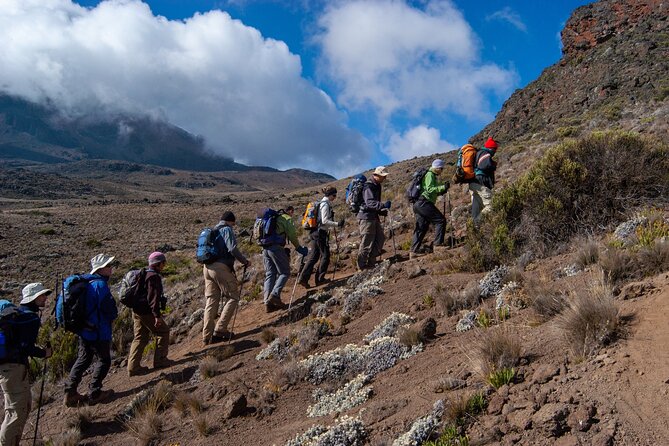
Day 2 pushes you from roughly 2,740m to 3,690m, and the scenery changes fast. You climb out of rainforest and into heathland, where you may see giant lobelias and groundsel. As you gain elevation, the trail transitions into open moorlands with small shrubs.
The route is often described as easier because of its more gradual slope and direct approach. Still, Day 2 can feel serious because you’re stacking altitude hours. You’ll stop halfway for lunch with views of Mawenzi, which is a morale booster you can feel in your legs.
You’ll arrive at Horombo huts late afternoon, and this is where the cold starts to matter more. Temperatures drop, so plan on layering up early rather than waiting until you’re already shivering. Horombo also sits with a viewpoint that looks toward Kibo, so you’re not just moving through the dark. You’re building toward the summit mentally.
Day 2 is about 7 hours, which means it’s a full day, not a “stretch your legs” day. Use it to practice your rhythm, sip water steadily, and keep your breathing controlled.
Marangu, other operators and other lengths
Day 3 to the saddle: When the trail turns to moonscape
Day 3 climbs from about 3,690m to 4,695m. This is the day that turns the mountain vibe from “forest adventure” into “high altitude reality.” You continue through heathland that gradually becomes a moonscape, especially as you approach the saddle connecting Mawenzi and Kibo.
At lunch, you’re in a place that really helps you understand what’s coming next. You’ll be starting the summit push later, and the terrain around the saddle gives you a clear sense of the crater climb angle. It’s also a visual reminder that Kilimanjaro isn’t one dramatic stairway, it’s a series of demanding sections.
Crossing the saddle is surprisingly big, and you’ll feel that in time and effort. This part isn’t just scenic, it’s functional. It’s the transition zone that helps you mentally prepare for the summit climb hours you’ll face soon.
Day 3 runs about 6 hours. If you tend to get anxious, this is a good day to keep your focus on small tasks: step, breathe, regroup, repeat.
Midnight summit push, Gillman’s Point, and a sunrise that hits hard
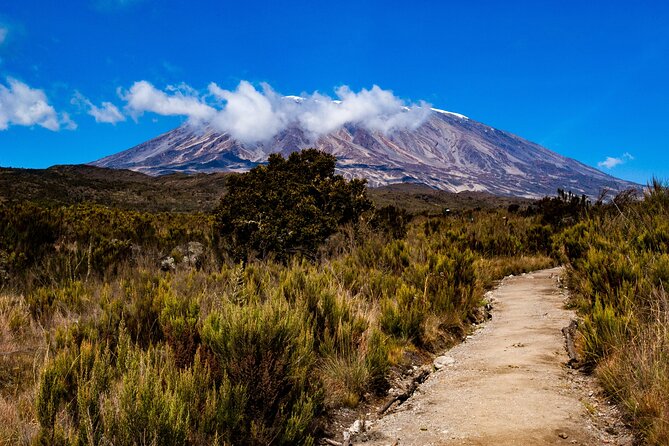
Day 4 is the toughest one, mentally and physically. You start extremely early, between midnight and 2 a.m. That early window matters because temperatures are brutal and the ground is unforgiving.
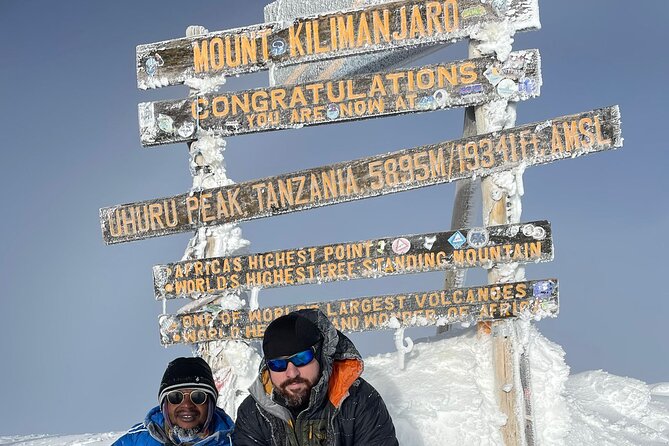
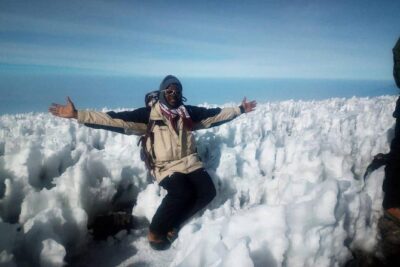
You climb from about 4,695m up toward 5,895m, then later you descend back down toward 3,690m the same day. That combination makes Day 4 a long haul. The ascent is in switchback formation, which helps you gain elevation more steadily through heavy scree and, at times, snow.
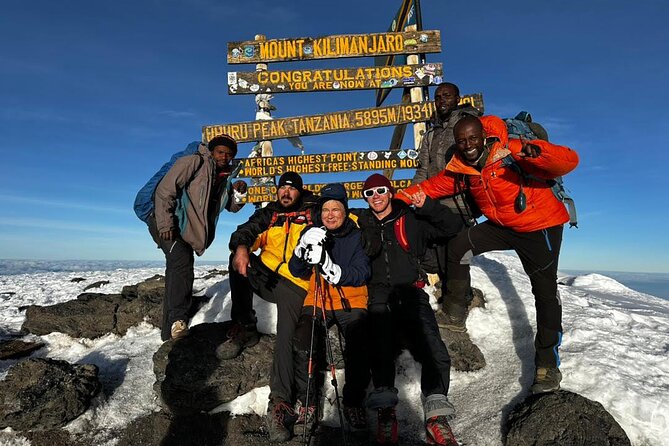
You aim for Gillman’s Point on the crater rim. From there, you get the best reward for your short rest, a magnificent sunrise. Faster hikers may be able to see the sunrise from the summit, but even if you don’t, the crater rim sunrise is the big moment.
This is also the day where pacing and staying warm become everything. The goal is not to sprint. It’s to keep your body calm enough to keep moving. You’ll feel the mental pressure building as you work toward that rim and sunrise.
Day 4 is about 7 hours total, and you’ll likely be tired even after you start moving downhill afterward. It’s a good day to accept that the mountain is in charge.
Day 5 descent to Mandara and the finish at Marangu Gate
Day 5 starts with breakfast and a heartfelt ceremony of appreciation and team bonding with your crew. It’s not just a feel-good moment. It’s a reminder that this climb depends on your support team, and you’ll see that clearly when you reach the end.
Then it’s downhill back toward about 1,830m. You stop at Mandara huts for lunch before continuing to the Marangu Park Gate. This is a good time to slow down your thoughts. Focus on careful foot placement, not just speed. Wet, muddy, and steep terrain is common as you drop in elevation, especially after a high day.
You’re strongly advised to keep using gaiters and trekking poles on the descent. That makes sense when you think about it: your legs are tired, and your footing is everything. A safe descent helps you enjoy the finish instead of worrying about a stumble.
At the gate, you receive your summit certificates, and a vehicle meets you to drive you back to your hotel in Moshi, about 45 minutes away. The long day closes with a practical ending, not a complicated one.
Toilets, water, and the stuff nobody wants to talk about
Kilimanjaro is a comfort puzzle at elevation. The good news here is that Marangu gives you a predictable hut system, so you’re not wondering where you’ll sleep.
Lower huts offer flushing toilets and running water. That’s a real quality-of-life advantage. Higher up, at Kibo hut, the washroom situation changes to long-drop toilets and buckets of water. That means you should mentally switch from convenience mode to “make it work” mode.
Also remember what’s provided and what isn’t. You get mattresses and pillows, but you still need a sleeping bag. If you show up with a bag that’s too light for cold nights, your summit push can become emotionally harder because your sleep debt grows fast.
Price and value for $1,650 per person with Kentau Safaris
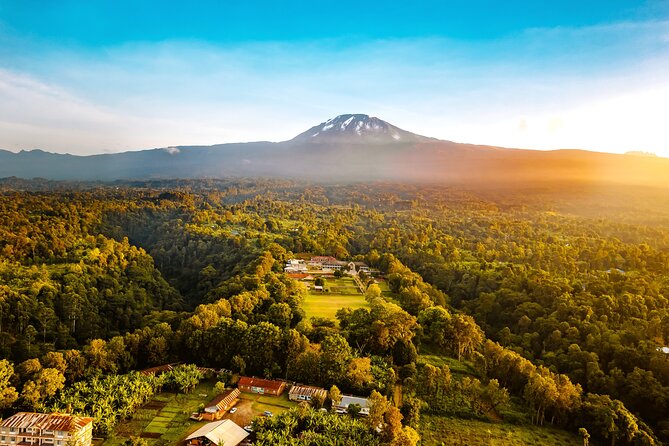
At $1,650 per person, this climb aims for solid value by bundling the big essentials. You’re paying for more than a guide’s time. The package includes transfer and drop-off to the trailhead, entry to Kilimanjaro National Park, and all fees and taxes.
You also get private transportation, hut accommodation, a climbing crew, and safety equipment. Meals are built in across the route, including 4 breakfasts, 5 lunches, and 4 dinners. That matters more than people think, because high-altitude trekking is not when you want to start figuring out your next meal plan.
The route includes the hut system, which can reduce complexity versus camping. You’re still getting a real mountain challenge, but your nights are more structured. The maximum group size is 15 travelers, which usually keeps the logistics simpler and helps the crew manage your pacing more personally.
What’s not included is also worth noting. Tips for the crew are not included. Visa is not included. Flights are not included. If you are budgeting, factor those in early so the total stays realistic.
How hard is this climb, really, on the Marangu timeline?
The Marangu route is often considered the easiest route on Kilimanjaro because the slope profile is gradual and the path is direct. But “easier” does not mean easy.
The main challenge is the short time frame, which makes acclimatization fairly difficult. That’s why you can’t treat this as a casual hike. You still need patience on the way up, and you need to take the early morning summit push seriously.
Also, Marangu can feel less scenic than other routes because you ascend and descend along the same path. If you love totally changing views from one direction to the other, you might feel a bit less variety. Still, the changes in elevation, weather, and light are enough to keep the journey interesting day to day.
A practical takeaway: build a calm mindset before you start. If you’re anxious, the midnight start on Day 4 will feel worse. If you arrive rested and move steadily, the mountain becomes tough but manageable.
Who should book this Marangu climb, and who should think twice
This is a strong choice if you want a well-organized Kilimanjaro experience based in Moshi, with permits, transfers, and hut sleeping handled for you. It also fits hikers who prefer dorm-style huts and a communal meal setup over camping logistics.
I also like that it supports solo travelers in a way that feels safe. One standout theme from the experience is that the team setup can make solo hikers, including women traveling with a mixed team of guides and porters, feel comfortable.
Think twice if you know you struggle with altitude and you’re hoping for a slower acclimatization schedule. This itinerary is short enough that acclimatization can be difficult, even on Marangu.
Should you book Kentau Safaris on the 5-day Marangu route?
If your goal is a classic Kilimanjaro climb with hut accommodation, a structured schedule, and strong crew support, this one makes a lot of sense. The value is in what’s included, private transfers, permits and fees, safety equipment, and meals, plus the confidence that comes from a long-running route.
I’d book it if you’re prepared for cold nights, muddy sections, and a serious Day 4 summit push. If you’re mainly chasing maximum scenery variety from multiple directions, you might find Marangu a bit repetitive because the ascent and descent share the same path.
My final advice is simple: respect the altitude. Take the mountain at its pace, bring the gear you’re told to bring like sleeping bag, gaiters, and trekking poles, and trust your crew. That’s how you turn a tough 5 days into a finish you feel proud of.
FAQ
Is the Marangu route considered easier than other Kilimanjaro routes?
The Marangu route is considered the easiest path on Kilimanjaro due to its gradual slope and direct path. The trade-off is that the short time frame can make altitude acclimatization difficult.
Do I need a sleeping bag if the huts provide mattresses and pillows?
Yes. The huts supply mattresses and pillows, but sleeping bags are still required.
What kind of toilets and water should I expect in the huts?
At the lower huts, you can find flushing toilets and running water. At Kibo Hut, the washrooms are long drop toilets, and water is provided in buckets.
How early do I start on the hardest day?
Day 4 includes an early start between midnight and 2 a.m. This is the most mentally and physically challenging portion of the trek.
What is included in the $1,650 price?
The tour includes transfer and drop-off to the trailhead, entry to Kilimanjaro National Park, all fees and taxes, private transportation, hiking and safety equipment, hut accommodation, a climbing crew, and meals including dinners, lunches, and breakfasts.
Are tips included for the crew?
No. You should tip your guides, cooks, and porters.
What are my options if I need to cancel?
You can cancel for a full refund if you cancel at least 24 hours before the experience start time. If you cancel less than 24 hours before, the amount paid will not be refunded.
The Marangu Trail
- Kilimanjaro climb, Marangu route (6-day)
★ 5.0 · 72 reviews - Climbing Kilimanjaro – Marangu Route
★ 5.0 · 65 reviews - Best Kilimanjaro Adventures 6 Days Marangu Route Experience
★ 5.0 · 18 reviews - Kilimanjaro Private Climbing in 6 Days Marangu Route
★ 5.0 · 16 reviews - 6 Days Climb Kilimanjaro Through Marangu Route
★ 4.5 · 15 reviews
Kilimanjaro, Route by Route
- Kilimanjaro climb by Lemosho Route (7-day)
★ 5.0 · 651 reviews - Kilimanjaro climb, Machame Route (7-day)
★ 5.0 · 262 reviews - Kilimanjaro Climbing Lemosho Route 8 Days.
★ 5.0 · 186 reviews - Climbing Kilimanjaro – Machame Route
★ 5.0 · 170 reviews - Climbing Kilimanjaro through 7 days Machame Route
★ 5.0 · 151 reviews
Just added from around Moshi
Kilimanjaro Marangu Route, compared.
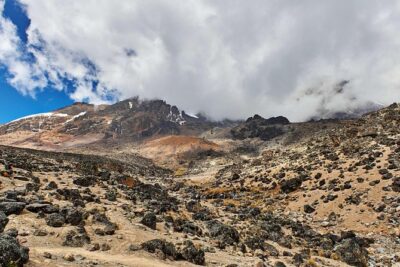 ★ 5.0Kilimanjaro climb, Marangu route (6-day)From $2,90272 reviews
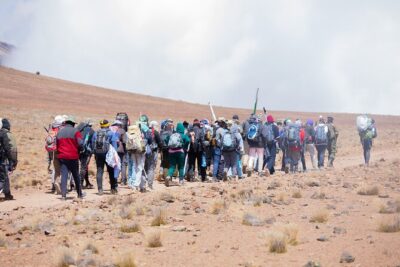 ★ 5.0Climbing Kilimanjaro – Marangu RouteFrom $2,00465 reviews
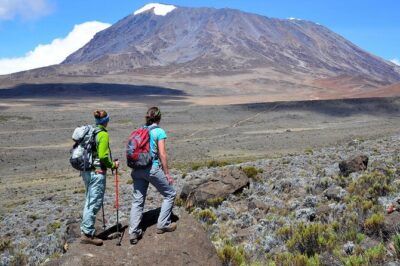 ★ 5.0Private Full Day Hiking Experience to Marangu RouteFrom $26061 reviews
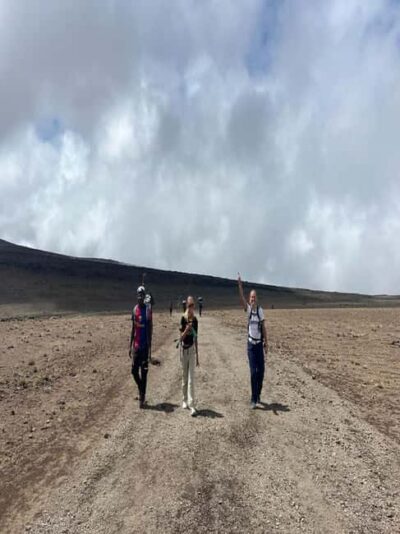 ★ 4.5From Arusha/Moshi: Kilimanjaro Hike Marangu Route Day TripFrom $10154 reviews
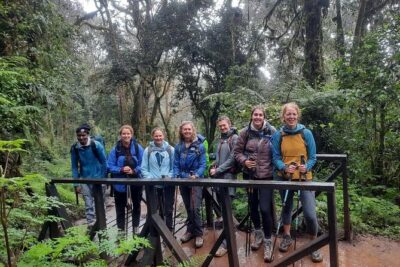 ★ 5.0Mount Kilimanjaro Day Hike Through Marangu Route to Mandara HutFrom $26537 reviews
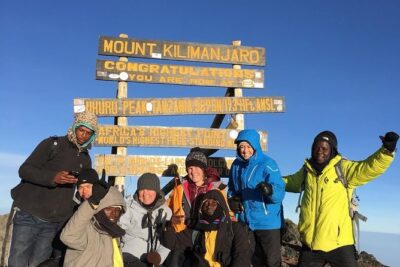 ★ 5.0Kilimanjaro Climbing 5 days Marangu routeFrom $90022 reviews
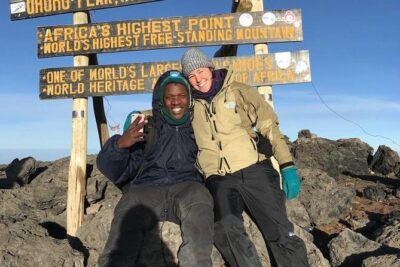 ★ 5.0Best Kilimanjaro Adventures 6 Days Marangu Route ExperienceFrom $1,00018 reviews
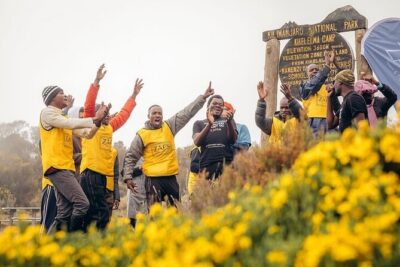 ★ 5.0Kilimanjaro Private Climbing in 6 Days Marangu RouteFrom $2,00016 reviews
Browse the lists this tour appears in