
REVIEW · TANZANIA CAMPING AND BUDGET SAFARIS
6 Day Private Camping Safari
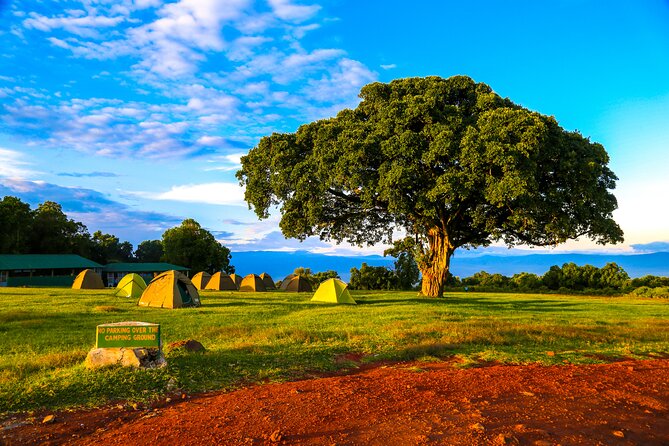
Wildlife days start early. This 6-day private camping safari links the classics with smart pacing, giving you real time in Serengeti National Park and then continuing to Lake Manyara, Ngorongoro Crater, and Tarangire.
I especially like that the route is built around variety. You get birds and escarpment views in Lake Manyara, open-grassland hunting in Serengeti, and the crater’s enclosed “another world” feel, then finish with Tarangire’s elephants and baobab-country scenery.
One thing to plan for: it starts at 6:00 am, so you should be ready for long, early days, plus some costs are not included, like tipping and drinks at camps.
In This Review
- Key Points You’ll Feel on the Ground
- Your Safari Starts in Arusha, Not on a Random Schedule
- Lake Manyara National Park: Small Park, Big Personality
- Serengeti National Park: Two Game-Drive Days for Better Odds
- Ngorongoro Crater: A Closed-World Morning With Big Mammal Chances
- Tarangire National Park: Elephant Families at the River of Warthogs
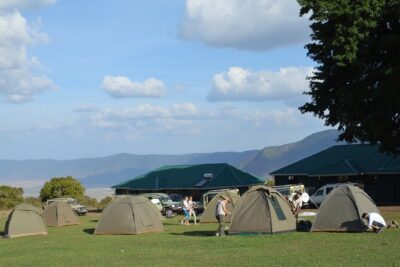
- Camping-Style Comfort: What Is Included, What You Should Budget
- Guides and Safety: The Private Difference
- Who This 6-Day Private Safari Fits Best
- Practical Tips Before You Go (So Your Safari Feels Easy)
- Should You Book This Private 6-Day Camping Safari?
- FAQ
- Where does this safari start and end?
- What time does the safari start each day?
- Is this safari private?
- What’s included in the price?
- Are meals included?
- What is not included?
- Do I need to arrange my own flights and visa?
- Is pickup offered?
- What is the cancellation policy?
Key Points You’ll Feel on the Ground
- Two Serengeti game-drive days: more chances for big sightings and better odds during shifting wildlife patterns
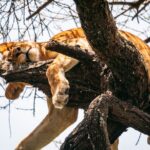
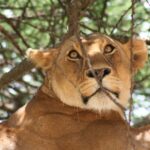
- Lake Manyara’s Rift Valley setup: flamingos in season, forest-to-savannah variety, and the famous tree-climbing-lion possibility
- Ngorongoro’s crater geography: steep volcanic walls, lakes and swamps, and the goal of spotting black rhino
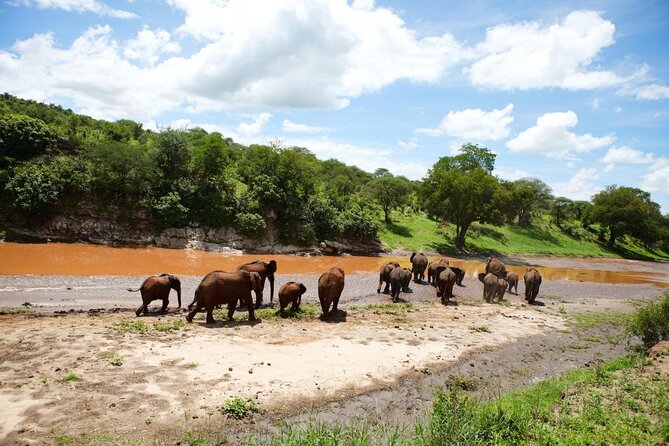
- Tarangire’s river focus: the “river of warthogs” as a dry-season magnet for elephants and predators
- Private group advantage: your group stays together through the safari, not mixed with strangers
- Guides get named for a reason: Cornelius, Elias, and Laurian are highlighted for knowing park terrain and keeping you well taken care of
More camping safaris at this price
- 5 Days Camping Tarangire, Serengeti & Ngorongoro crater & Visiting Maasai★ 5.0 · 58 reviews
- 4 Days Group Joining Camping Safari to Tarangire Serengeti Ngorongoro Crater★ 5.0 · 50 reviews
- 6 Days Tanzania Budget Camping Safari with Migration★ 5.0 · 31 reviews
- 5 days Tanzania Camping Safari★ 5.0 · 29 reviews
Your Safari Starts in Arusha, Not on a Random Schedule
The adventure kicks off with pickup after you arrive at either Kilimanjaro International Airport (JRO) or Arusha Airport (ARK). You’re met by an African Big Cats Safaris representative and transferred to accommodation in Arusha for an overnight before the driving days begin.
This matters more than it sounds. Arriving in Tanzania can be chaotic, especially if your flight lands later than expected. Having a meet-and-drive routine helps you settle quickly so you start the safari day feeling human, not like a jet-lagged zoo exhibit.
Also, you have an immediate sense of what kind of trip this is. This is not a quick-hit tour. The pace is built for wildlife tracking and long viewing windows. That means fewer rushed stops, more time for turning the engine on, scanning, and waiting for something interesting to happen.
Lake Manyara National Park: Small Park, Big Personality
Lake Manyara is not huge, but it packs a lot into a compact area. The scenery gives you a dramatic Rift Valley backdrop, with the western escarpment forming a border and the alkaline lake lying to the east.
Here’s what you can realistically expect to be chasing:
- Birdlife is a headline feature, especially with seasonal flamingos when conditions bring them in
- Tree-climbing lions are the famous storyline, and this is one of the places people hope for that kind of unusual behavior
- A mix of habitats, from savannah to evergreen forest, means you’re not just looking at one flat kind of landscape
Why this stop is a smart first move is simple. Many safaris start with Serengeti and overwhelm you with the scale. Lake Manyara eases you into the rhythm. You learn the game-drive routine, you start recognizing the “signs” of animals moving through habitat, and you build confidence before the longer and more famous areas.
The one practical caution: because the lake expands and contracts with seasons, wildlife patterns can shift. In other words, you might see different bird concentrations or water levels depending on timing. That’s normal here, not a problem.
Serengeti National Park: Two Game-Drive Days for Better Odds
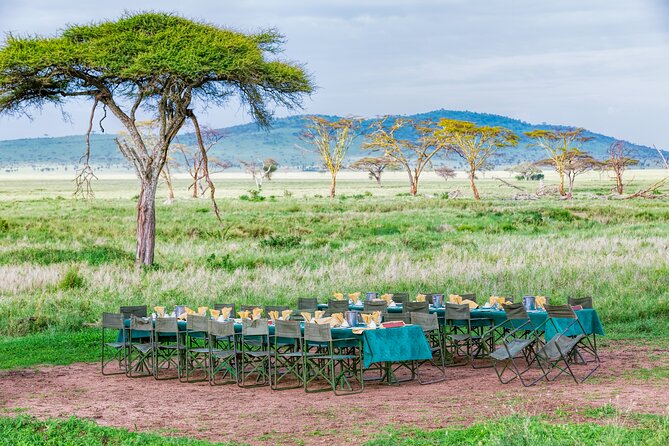
Serengeti is Tanzania’s oldest national park and one of the oldest ecosystems on Earth. What you feel most is the openness: vast grasslands that make it easier to spot animals at distance, then harder to stop when something moves fast out of the tall stuff.
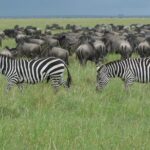
The big Serengeti hook is the Great Migration, when wildebeest, zebra, and other grazers move in a seasonal pattern following rainfall. The timing isn’t fixed like a train schedule. It depends on each year’s rainfall patterns, so you’re not guaranteed the same migration moment every trip.
That said, having two full days in Serengeti changes your odds. Wildlife doesn’t perform on demand. With more time, you get:
- More chances to catch active movement periods
- More flexibility when animals are where you weren’t expecting
- More time to sit, watch, and wait instead of constantly repositioning
This is also where having a strong guide becomes more than a nice-to-have. The people leading your drives know how to read the land and adjust when sightings change. Guides highlighted by name from this safari operator include Cornelius, as well as Elias and Laurian, with praise centered on knowing terrain well and helping you see a lot of wildlife across the parks.
A balanced note: open grassland viewing is great, but it can also mean strong sun and dusty days. Bring sun protection, plan for dry air, and be ready to be patient when nothing shows up for a stretch. Serengeti rewards steadiness.
Ngorongoro Crater: A Closed-World Morning With Big Mammal Chances
Ngorongoro Crater looks like a forgotten world from above, then keeps shocking you once you’re down inside it. The crater is the product of a volcano that exploded and collapsed roughly two to three million years ago. Steep volcanic walls create a natural bowl, and the landscape inside mixes savannah, acacia woodland, and glistening lakes and swamps.
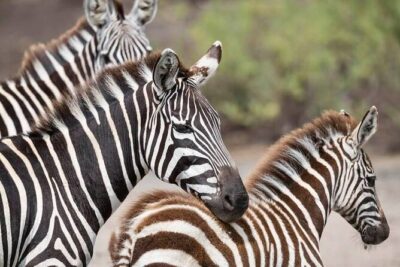
This stop is where the safari’s “wow” factor often peaks. The crater is famous for having densest large mammal populations in the region, which is why spotting major animals can feel more likely than in some wider, flatter parks.
The safari also specifically frames black rhino as a target. Even with the best odds, you should still treat rhino spotting as a hope, not a promise. In real life, animals move, weather changes visibility, and conditions affect where wildlife spends the morning.
What you can control is your mindset. Ngorongoro works best when you accept that it’s a dense ecosystem. You may see fewer species at one single viewpoint, then hit a cluster of activity quickly as animals drift toward water or favorable grazing.
Tarangire National Park: Elephant Families at the River of Warthogs
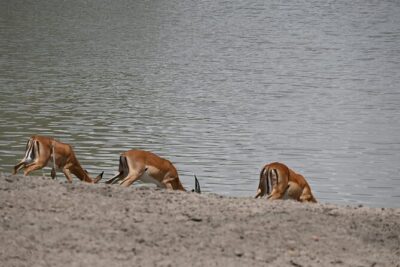
Tarangire is named after the Tarangire River, which is a key player in the dry season. The park is often described as having the river as a main water source for wildlife during drier months, so many animals gather around it.
Expect a river-driven rhythm to your drive:
- Elephant families can often be spotted congregating by the river
- Other herbivores you might see include giraffe, bushbuck, and hartebeest
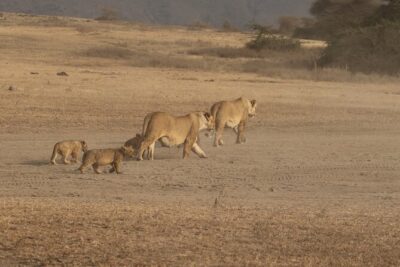
- Predators follow the food chain, so lions and leopards are on the radar
Tarangire also gets its own style of vegetation. You can see elephant grass, acacia woodlands, and groundwater forest patches that look greener than the surrounding dry country.
Then there’s the “small detail” many people miss when they skim a safari summary: a park like this can feel calmer than Serengeti. Not boring. Just more focused. You often spend time watching animals move in and out of the river zone, letting behavior tell you what’s happening rather than chasing the next big spectacle.
Camping-Style Comfort: What Is Included, What You Should Budget
This safari is priced at $2,300.00 per person, and you’re not just paying for the vehicle. The trip includes:
- All fees and taxes
- Transportation
- Arrival and departure transfers
- Accommodations
- Meals: breakfast (6), lunch (5), dinner (5)
That value matters because safari costs add up fast once park fees and daily logistics are in the picture. A lot of cheaper-looking deals cost more once you factor in entry fees, meals, and reliable transfers.
What’s not included is also clear:
- Tipping
- Drinks at camps
- Flight
- Visa
- Medical insurance and travel insurance
So the practical way to think about the $2,300 price is this: it’s built to handle most of the “daily running costs” of the safari. You still need to budget personal expenses and your international travel setup.
Guides and Safety: The Private Difference
This is a private tour/activity, meaning only your group participates. That usually translates into less waiting around and more flexibility for where you stop and how you spend time in a given area.
The human factor is also strong in the feedback around this operator. Guides named in connection with this safari include Cornelius, and an “exceptional duo” of Elias and Laurian. The praise centers on feeling looked after and protected, and on knowing the parks well enough to help you see plenty of animals.
As a practical traveler tip, I like to treat your guide as your translator between you and the landscape. You might know what you want to see, but your guide knows where animals are likely to be right now and how to position safely for viewing. On a long safari, that saves energy and improves your actual odds.
Who This 6-Day Private Safari Fits Best
This kind of trip suits you if you want:
- More than one big-parks hit without turning the safari into a nonstop marathon
- A route that includes Serengeti but also protects time for Lake Manyara, Ngorongoro, and Tarangire
- A private group setup, not a shared shuffle with strangers
- A “stay with it” style of wildlife viewing, where you can wait and watch
It’s also a good fit for people traveling as a family group or mixed generations, as long as everyone is comfortable with early starts and lots of time in the vehicle.
If you hate long drive days, you might find the schedule demanding. But if you like the idea of building a relationship with the landscape over multiple mornings, this route is designed for that.
Practical Tips Before You Go (So Your Safari Feels Easy)
- Start time is 6:00 am, so plan your packing with that early rhythm in mind
- Sun and dust are part of the deal in savannah areas. Hat, sunglasses, and sunscreen go a long way
- Bring layers. Mornings can feel cooler, and vehicles can swing between warm and chilly
- For meals, breakfast and other meals are included, but drinks at camps are not, so decide your budget ahead of time
- Keep some cash or payment ready for tipping, since that’s not covered
Small mindset shift that helps: think less about checking off animals and more about learning how animals behave in these habitats. This safari gives you multiple habitats to study across the week.
Should You Book This Private 6-Day Camping Safari?
I’d book it if your priority is a well-paced Northern Circuit safari that still gives you serious time in Serengeti, plus memorable add-ons like Ngorongoro and Tarangire. The best sign of value is that so much is included: transport, park-related fees, transfers, and a full run of meals.
I would hesitate only if early starts and long road hours will drain you, or if you really want drinks and extra costs built into the base price. Since tipping and drinks are separate, you should go in knowing those are part of the real budget.
If you want a guided safari where the route makes sense and the time on the ground is respected, this one checks a lot of boxes.
FAQ
Where does this safari start and end?
It starts at Kilimanjaro International Airport (JRO) or Arusha Airport (ARK) and ends back at the meeting point.
What time does the safari start each day?
The start time listed is 6:00 am.
Is this safari private?
Yes. It’s a private tour/activity, so only your group participates.
What’s included in the price?
Included items list: all fees and taxes, transportation, arrival and departure transfer, accommodations, and meals (6 breakfasts, 5 lunches, 5 dinners).
Are meals included?
Yes. Breakfast is included for 6 days, and lunch and dinner are included for 5 days each.
What is not included?
Not included: tipping, drinks at camps, any changes made by you, post-night accommodation at Arusha, flights, visa, medical insurance, and travel insurance.
Do I need to arrange my own flights and visa?
Yes. Flight and visa are not included in the tour package.
Is pickup offered?
Yes. Pickup is offered, and arrival/departure transfers are included.
What is the cancellation policy?
You can cancel for a full refund if you cancel at least 24 hours before the experience’s start time. If you cancel less than 24 hours before, the amount paid is not refunded.
More Under Canvas
- 5 Days Camping Tarangire, Serengeti & Ngorongoro crater & Visiting Maasai
★ 5.0 · 58 reviews - 4 Days Group Joining Camping Safari to Tarangire Serengeti Ngorongoro Crater
★ 5.0 · 50 reviews - 4 days adventure camping safari
★ 5.0 · 44 reviews - 6 Days Tanzania Budget Camping Safari with Migration
★ 5.0 · 31 reviews - 5 days Tanzania Camping Safari
★ 5.0 · 29 reviews
Just added from around Moshi
Tanzania Camping and Budget Safaris, compared.
 ★ 5.04 Days Group Camping SafariFrom $9001,101 reviews
 ★ 5.05 Days Group Camping SafariFrom $1,100730 reviews
 ★ 5.03 Days Serengeti & Ngorongoro Group Camping SafariFrom $815574 reviews
 ★ 5.05 Days Camping Tarangire, Serengeti & Ngorongoro crater & Visiting MaasaiFrom $1,254229 reviews
 ★ 5.05 Days Budget Private Safari, TanzaniaFrom $0191 reviews
 ★ 5.06 Days Private Budget SafariFrom $2,300163 reviews
 ★ 5.02 Days Tarangire and Ngorongoro Group Camping SafariFrom $550146 reviews
 ★ 5.06 Days Tanzania Budget Camping SafariFrom $1,600145 reviews
Browse the lists this tour appears in