
REVIEW · TANZANIA CAMPING AND BUDGET SAFARIS
4 Days Tanzania Budget Safari
Four days can change how you see Tanzania. This budget safari keeps things efficient with a small group and the chance to camp under the stars. I like that the meals are handled by an English-speaking safari cook, so you spend less time worrying about food and more time scanning the grass for movement. In past feedback, the leadership style of Charles gets noted a lot for responsiveness and keeping plans on track.
The tradeoff is simple: this is tent camping at public campsites, not lodge luxury. If you want soft beds and hot showers on demand, you may find the camping nights a bit basic, especially after long drive days. Still, the schedule gives you multiple serious game drives across top parks.
In This Review
- Key things I’d mark on your safari map
- Why this Moshi budget safari is a smart value
- Day 1 in Tarangire National Park: elephants, river drama, and acacia country
- Day 2 at Lake Manyara: flamingos, baboons, and the tree-climbing possibility
- Day 3 down into Ngorongoro Crater: the best odds for Big Five sightings
- Day 4 near Mto wa Mbu and the ride back to Arusha
- Camping under the stars: what tent nights really mean on a budget safari
- 4×4 drives, small-group energy, and why your guide matters
- Park fees, meals, and what is actually included in your $1,320
- Timing, driving days, and the real pace of a 4-day safari
- Who this Tanzania budget safari from Moshi is best for
- Should you book this 4 Days Tanzania Budget Safari from Moshi?
- FAQ
- What parks does this 4-day safari include?
- Where does the safari start?
- Do you get airport pickup?
- How big is the group?
- What type of accommodation is included?
- Are meals included?
- Is WiFi included?
- Are park fees included?
- What is not included in the price?
- Can I cancel for a full refund?
Key things I’d mark on your safari map
- Max 7 people, so you get more attention from your driver and guide
- Two parks plus Ngorongoro and Tarangire in just 4 days, with sunrise-style starts
- Camp inside the experience, including tent nights at public campsites
- Meals are included (breakfasts, lunches, dinners), cooked by an English-speaking safari cook
- Park fees are handled, with all fees and taxes included
- WiFi on board and pickup support from the Kilimanjaro Airport area
More camping safaris at this price
- 5 Days Camping Tarangire, Serengeti & Ngorongoro crater & Visiting Maasai★ 5.0 · 58 reviews
- 4 Days Group Joining Camping Safari to Tarangire Serengeti Ngorongoro Crater★ 5.0 · 50 reviews
- 6 Days Tanzania Budget Camping Safari with Migration★ 5.0 · 31 reviews
- 5 days Tanzania Camping Safari★ 5.0 · 29 reviews
Why this Moshi budget safari is a smart value
At $1,320 per person for about 4 days, the headline number looks “budget” compared with many higher-end safaris. But the real value is in what is bundled: 4×4 transportation, camping for the nights in the itinerary, multiple game drives, and meals across the trip.
This matters because Tanzania costs add up fast once you start paying separately for park access, guides, and meals. Here, you are paying for an organized flow: the parks are stitched together logically, and you keep moving rather than losing time to logistics.
You also get a clear group size. With a maximum of seven travelers, you’re not stuck in a huge herd of people during game drives, which can make it harder to see animals or hear the guide’s explanations.
Day 1 in Tarangire National Park: elephants, river drama, and acacia country
You start with a morning safari briefing, then head southwest toward Tarangire National Park. Expect the park to feel varied, with grass areas and acacia woodlands, plus spots where animals gather around water sources. Tarangire is especially known for big elephant herds, and it’s one of those parks where you can go from quiet savanna to a whole crowd of wildlife near the river and swamps.
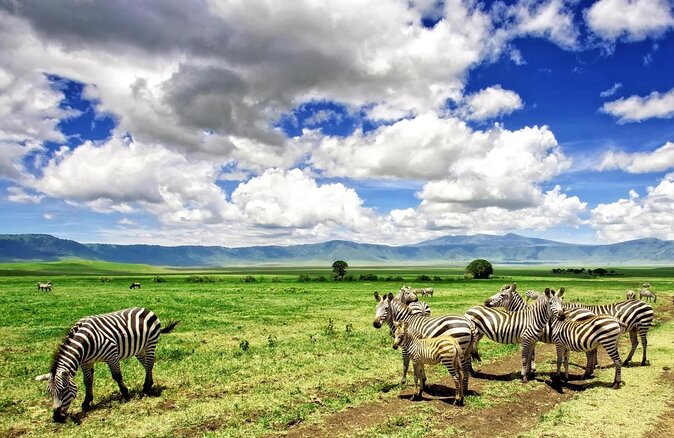
Your first game viewing is built around that “water equals animals” pattern. You might see giraffes, buffaloes, kudus, and birds like yellow-breasted lovebirds. Predators are part of the mix too, including lions, leopards, and hyenas, while wild dogs are rarer.
Late afternoon is when the plan shifts toward camp. You arrive at a campsite inside the park and sleep in tents. That last push of the day is important because the lighting and animal activity can change quickly near dusk.
A practical tip for Day 1: keep your camera ready early. The first light can be dramatic, and elephants and giraffes tend to show up fast once you enter the right zones.
Day 2 at Lake Manyara: flamingos, baboons, and the tree-climbing possibility
After breakfast, you leave Tarangire and drive via Mto wa Mbu toward Lake Manyara National Park. The setting here is tied to the Rift Valley Escarpment, with a shallow alkaline lake that draws birds in large numbers. This is where you get that “Tanzania birds are unreal” feeling, because huge flocks of flamingos can make the shoreline look like it’s glowing.
Game viewing in Lake Manyara can also surprise you in how close animals seem to operate to the roads. You may spot buffaloes, elephants, hippos, and Masai giraffes. In the forests, baboons and monkeys add a noisy, chaotic layer to the day.
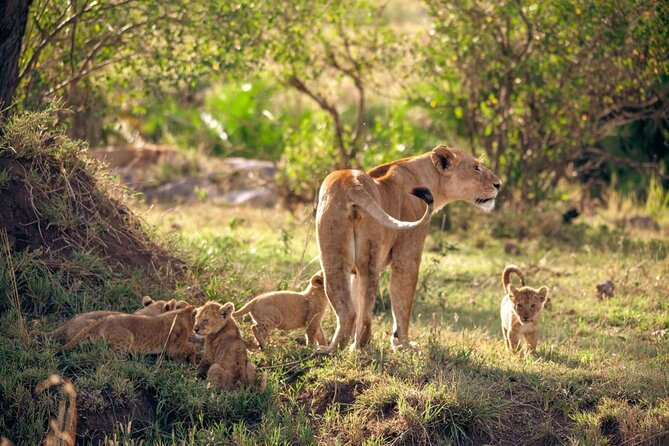
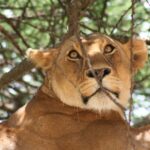
One fun potential bonus at Lake Manyara is the history of tree climbing lions. You might spot them lounging in acacia trees, and if it happens, you’ll feel like you’re watching a wildlife documentary in real time.
Your game drive timing fits the park pace, and you end Day 2 with the next night’s camping plan at your following stop area. This day is more about animal variety and bird energy than about chasing just one species.
Bring binoculars if you have them. Flamingos and other birds are easier to track when you can zoom in without taking your eyes off the road.
Day 3 down into Ngorongoro Crater: the best odds for Big Five sightings
On Day 3 you wake up early and head to the Ngorongoro Conservation Area. The drive includes a descent down into the crater, which changes the whole feel of the day. Instead of only scanning open savanna, you are moving through grass plains and acacia forests where animals can be spread out in pockets.
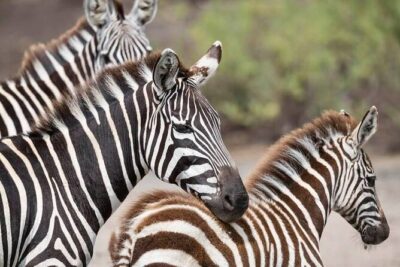
Ngorongoro is one of the most efficient places to look for lots of species in a short window. The crater environment is known for holding many animals found across East African savanna systems. Within only a few hours, you might see lions, elephants, buffaloes, rhinos, and leopards, which is the Big Five lineup.
Even if you do not see all of them, the day is structured around an extensive game drive with a picnic lunch inside the crater. That is a key budget-friendly advantage because you’re not constantly searching for lunch stops, and you stay focused on wildlife.
Wild dogs can also be possible but are described as rare in the crater system. Hyenas and various antelope species like eland and mountain reedbucks round out the day’s mix.
Your day ends with travel back toward Mto wa Mbu for another tent night at a campsite. That return drive matters because you’ll want to be ready for another early start, and you’ll feel it after a long day underground.
Day 4 near Mto wa Mbu and the ride back to Arusha
Day 4 is more relaxed. After breakfast, you head back toward Arusha, with an arrival around midday. You finish with drop-off in the city center or at the airport.
This timing is helpful if you have a flight later that same day. It also gives you a buffer for swapping money, grabbing any last supplies, or reorganizing your packing after the camping nights.
Even though it’s a shorter day, the value is that you do not spend your last hours stuck in traffic with no payoff. You end the safari with fewer game-drive commitments and more breathing room.
Camping under the stars: what tent nights really mean on a budget safari
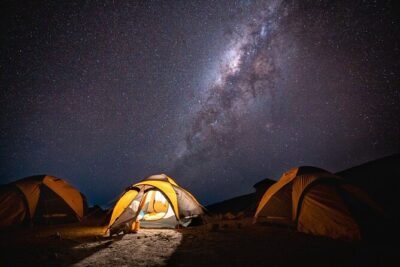
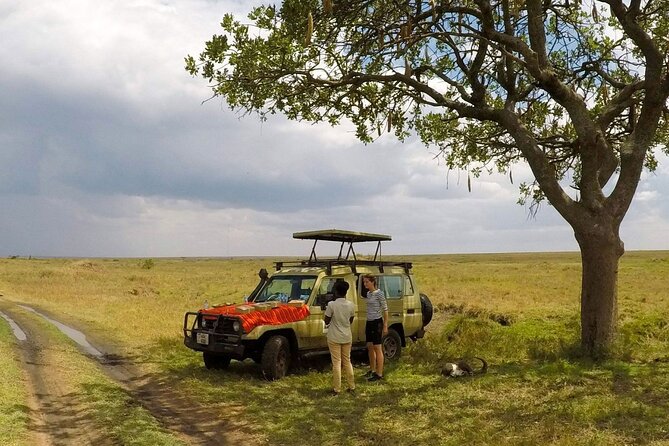
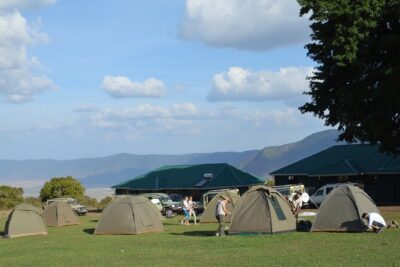
This trip includes camping nights in tents, including one night at a campsite inside Tarangire National Park and another tent night after Ngorongoro. The rest of your camping is described as public campsites.
So yes, you get the romance. You also get the reality of camping life. Nights can feel cold when the breeze changes, and you’ll want gear that works for sleeping in a tent environment.
Here’s what I recommend you pack with this style of trip in mind, even though the exact campsite facilities are not spelled out. Bring a warm layer, sturdy shoes for uneven ground, and a headlamp or flashlight so you can move safely after dark. A small day bag helps during game drives, because you’ll want quick access to sunscreen, water, and your camera gear.
If you hate dust, plan for it. Savanna camping tends to get dry and dusty, so pack things you can wipe down easily.
4×4 drives, small-group energy, and why your guide matters
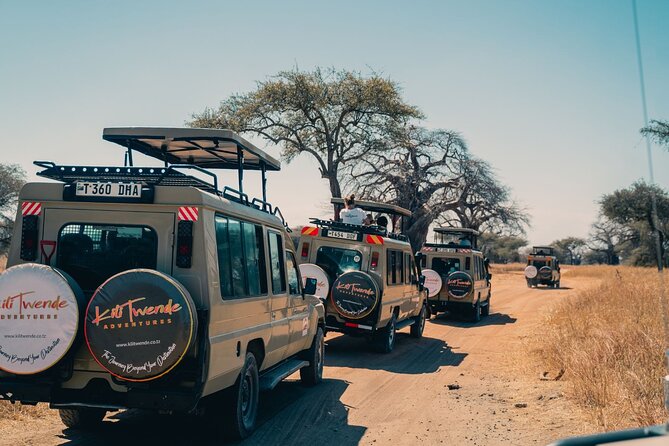
The safari runs in a 4×4 vehicle with transportation handled end to end. You also get WiFi on board, which is a nice extra when you want to upload a few photos or check messages without waiting until the next day.
The group limit, up to seven travelers, is more than a nice detail. It changes how the drive feels. Your driver and guide can focus on finding animals without juggling too many viewpoints.
Guide quality shows up strongly in the provider’s past experiences. Names like Charles and Emmanuelle appear in feedback as organized, responsive, and friendly, and guides like Noel and Frank are praised for making the experience fun while still helping you see animals close up. There’s also mention of an safari cook such as Omary, with strong marks for doing the food side well.
My practical advice: ask your guide what to look for before each game drive. Wildlife spotting improves a lot when you know what the guide expects to find, and it makes the drive feel more guided, less random.
Park fees, meals, and what is actually included in your $1,320
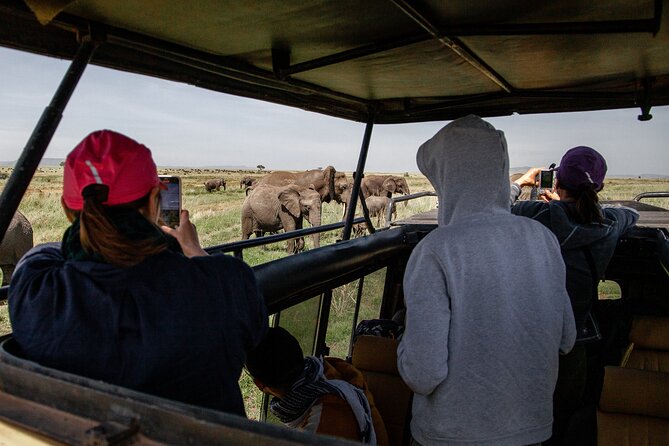
Your included items are one of the biggest reasons this works as a true budget safari. The trip covers transportation in a 4×4, camping according to the itinerary, and meals across the days.
Specifically, you get:
- Dinner (3)
- Breakfast (3)
- Lunch (4)
You also get a professional, English-speaking safari cook, and all fees and taxes are included. There’s also pickup offered and a mobile ticket, plus WiFi on board.
When admission tickets are listed as free for the park stops, that aligns with the idea that you are not paying park access fees separately during the safari. This can save you both money and time on the ground.
What is not included is also worth reading closely:
- Flights
- Optional activities
- Alcoholic and soft drinks
- Visa fees
- Tips
- Personal spending
- Travel insurance
Value check: You are paying for a full service package of transport, camping, meals, and the main wildlife parks. That is why the price can make sense even if you compare it to trips that look cheaper on paper but require you to buy meals and park access separately.
Timing, driving days, and the real pace of a 4-day safari
Each day has a clear drive structure, with Day 1 at about 8 hours and Day 3 at about 9 hours. Day 2 is around 6 hours, and Day 4 is about 4 hours.
That tells you what the safari is optimizing for: wildlife time and park coverage. You’re moving between regions, which means you should pack for being in the vehicle for hours at a time.
If you get motion sick, plan ahead. Bring any needed medication and choose a seat where you can look forward. Even with good driving, roads and game drives can be bumpy.
Also, keep your expectations realistic. Four days is not enough for everything in Tanzania. It is enough for a tight, high-impact loop of famous habitats.
Who this Tanzania budget safari from Moshi is best for
This tour fits best if you want a classic wildlife circuit without paying for high-end lodge upgrades. You like camping, or at least you are willing to try it for the experience.
It also fits solo travelers who want companionship without being swallowed by a large group. With up to seven people, it’s easier to make new friends and easier for the guide to manage.
Most travelers can participate, which suggests the activity level is manageable for a wide range of people. That said, game drives are still active time, and tent camping is still tent camping.
If you are traveling as a honeymoon couple, you may like the romance of sleeping in tents under stars. If you are a group of friends, the small group size keeps the safari from feeling like a bus tour.
Should you book this 4 Days Tanzania Budget Safari from Moshi?
If your top goal is seeing real wildlife in top Tanzanian parks on a tight schedule, this is a strong pick. You get the combination of Tarangire, Lake Manyara, and Ngorongoro, plus included meals and camping. The small group size helps, and the price includes many of the “hidden” safari costs like fees and taxes.
I’d think twice if you want nonstop comfort. This is camping in tents at public campsites, and the days include serious drive time. You also need to budget separately for visa fees, tips, alcohol, and flights.
One smart move before you book: confirm your exact pickup timing at Kilimanjaro Airport and make sure you understand what your plan includes versus add-ons. Then pack for warm days and colder tent nights.
If you do those two things, you’ll walk away with the kind of safari memories that stick, even when you travel on a budget.
FAQ
What parks does this 4-day safari include?
You visit Tarangire National Park, Lake Manyara National Park, and the Ngorongoro Conservation Area (including a crater game drive). You also have time around Mto wa Mbu before returning toward Arusha on the final day.
Where does the safari start?
The start location is Kilimanjaro Airport.
Do you get airport pickup?
Pickup is offered.
How big is the group?
The tour has a maximum of seven travelers.
What type of accommodation is included?
You camp in tents on a camping safari, including nights at public campsites according to the itinerary.
Are meals included?
Yes. Dinner is included three times, breakfast three times, and lunch four times.
Is WiFi included?
WiFi on board is included.
Are park fees included?
All fees and taxes are included, and admissions are listed as free for the park stops in the schedule.
What is not included in the price?
Flights, visa fees, tips, travel insurance, alcoholic and soft drinks, and optional activities are not included.
Can I cancel for a full refund?
Yes. You can cancel up to 24 hours in advance for a full refund. If you cancel less than 24 hours before the start time, the amount paid is not refunded.
More Under Canvas
- 5 Days Camping Tarangire, Serengeti & Ngorongoro crater & Visiting Maasai
★ 5.0 · 58 reviews - 4 Days Group Joining Camping Safari to Tarangire Serengeti Ngorongoro Crater
★ 5.0 · 50 reviews - 4 days adventure camping safari
★ 5.0 · 44 reviews - 6 Days Tanzania Budget Camping Safari with Migration
★ 5.0 · 31 reviews - 5 days Tanzania Camping Safari
★ 5.0 · 29 reviews
Just added from around Moshi
Tanzania Camping and Budget Safaris, compared.
 ★ 5.04 Days Group Camping SafariFrom $9001,101 reviews
 ★ 5.05 Days Group Camping SafariFrom $1,100730 reviews
 ★ 5.03 Days Serengeti & Ngorongoro Group Camping SafariFrom $815574 reviews
 ★ 5.05 Days Camping Tarangire, Serengeti & Ngorongoro crater & Visiting MaasaiFrom $1,254229 reviews
 ★ 5.05 Days Budget Private Safari, TanzaniaFrom $0191 reviews
 ★ 5.06 Days Private Budget SafariFrom $2,300163 reviews
 ★ 5.02 Days Tarangire and Ngorongoro Group Camping SafariFrom $550146 reviews
 ★ 5.06 Days Tanzania Budget Camping SafariFrom $1,600145 reviews
Browse the lists this tour appears in