
REVIEW · ARUSHA NATIONAL PARK AND MOUNT MERU
Walking Day Tour to Safari in Arusha National Park
Giraffes feel close when you walk in Arusha. This walking safari in Arusha National Park is ranger-led, so you trade big-vehicle views for careful, footstep-level wildlife time.
I also like the small-group pace, capped at seven people, and the practical value of free park admission plus a real lunch and water break.
One thing to plan around: it depends on good weather, and you should be ready for a full day that involves walking, even though the ranger will tailor things to your pace.
In This Review
- Key highlights I’d circle before you book
- Why an Arusha National Park walking safari feels different
- Your guide and the small-group advantage (max 7)
- The 10-hour plan, including travel time from Moshi
- Stop 1 at Arusha National Park: what the 5 hours on foot really means
- The likely trade-off
- Wildlife sightings you can look forward to on this route
- How to get the best odds
- Lunch, water, and dietary needs: the “real life” value
- What makes this tour eco-friendly in day-to-day terms
- Price and value: what $300 buys, and what you should compare
- Who this walking safari is best for
- Practical tips so you enjoy the full day
- Should you book this Arusha National Park walking safari?
- FAQ
- How long is the walking day tour in Arusha National Park?
- Where does the tour start and end?
- Is park admission included?
- How many people are in the group?
- Is pickup included?
- What food and drinks are provided?
- Is the tour suitable for people with different fitness levels?
- What happens if the weather is bad?
- What is the cancellation policy?
- When do you receive confirmation?
Key highlights I’d circle before you book
- Up to 7 people: easier conversations, less rushing, more time for questions.
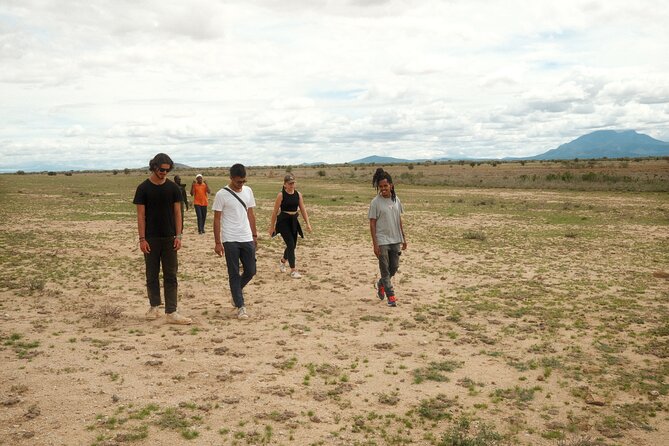
- Ranger-led walking: you learn how animals use habitat and how to stay safe on foot.
- Free park admission included: you avoid a common add-on cost for park entry.
- A mix of forests, grasslands, rivers, and lakes: Arusha NP covers more ground types than people expect.
- Lunch and water provided: you’re not forced into buying food mid-day.
Arusha National Park and Meru, other options
- Walking Day Tour to Safari in Arusha National Park★ 5.0 · 5 reviews
- Arusha National Park Day Tour with All-Inclusive★ 3.7 · 5 reviews
- Private Day Trip to Arusha National Park with a Walking Safari★ 5.0 · 4 reviews
Why an Arusha National Park walking safari feels different
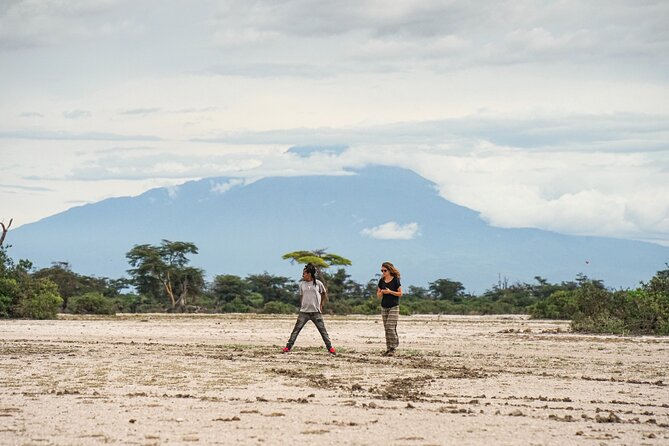
Arusha National Park is a smarter choice for a walking day than many people realize. Yes, you can spot animals from a vehicle anywhere in Tanzania, but walking changes your rhythm. You notice sounds first, then movement, then behavior. You also pick up on the small details that a quick drive can miss.
This outing is built around that idea. You get a skilled ranger who handles navigation and safety, while also pointing out what you’re seeing in real time. The result is a day that feels personal rather than assembly-line.
It’s also a nice contrast to the more famous routes most people plan. In Arusha NP, you can encounter different habitat types in one outing, from lush forest sections to open grasslands and water areas like lakes and rivers. That variety matters when you’re on foot, because different animals use different spaces.
Your guide and the small-group advantage (max 7)
The experience is limited to no more than 7 travelers, which is a big deal for a walking safari. With a small group, the ranger can slow down when something important appears, and you get time to understand what you’re looking at instead of just chasing the next stop.
In past departures, you may be with rangers and guides who are genuinely talkative and tuned in to behavior. Names that come up include a ranger named Fadhili and a guide named Joseph. You can’t treat names as a guarantee for your date, but it tells you the style the operator aims for: safety plus clear animal explanations.
Because this is a walking safari, your ranger matters more than it does in a jeep. You’ll want someone who can help you read the situation fast. A good ranger also makes it more comfortable when you have different fitness levels in the group. The tour description notes it can be tailored to your pace, and in a small group that kind of flexibility is easier to deliver.
The 10-hour plan, including travel time from Moshi
The total duration is about 10 hours, and travel time is included. That means you should expect a fairly full day, not a short stroll. The park itself gets roughly 5 hours on foot, with the rest of the day spent getting to and from Arusha National Park.
Pickup is offered, and the start point is listed around Kilimanjaro Airport, with the day ending back at the meeting point. In other words, you won’t be left guessing how to return. Also, the operator notes it is near public transportation, which can help if your logistics are a bit complicated.
Hours run 6:00 AM to 8:00 PM, seven days a week across the listed date window. For best results, plan for an early start. Daylight and animal activity tend to reward a morning schedule, and a walking safari is the kind of experience where you do not want to roll in late.
Stop 1 at Arusha National Park: what the 5 hours on foot really means
Your main event is inside Arusha National Park, led by a ranger. The day focuses on safe walking through changing habitats, so you’re not just moving in a straight line. You’ll likely experience short stretches of active searching, then pauses to watch behavior and understand habitat.
The tour description highlights lush forests, open grasslands, and serene lakes as part of what you’ll explore. That mix is not just scenery. It’s a practical wildlife strategy. Different animals feel comfortable in different places, and walking gives them room to show you how they move through their world.
Here’s what makes this section feel special: the ranger is not simply reacting to sightings. They’re guiding you through ecosystem patterns. That means you learn why an animal might be near water, how forage changes across habitat types, and what to watch for as you approach or pass certain areas.
Because the ranger handles safety and navigation, you can spend your mental energy on observation. And if you find yourself feeling awkward about walking with wildlife around, that’s normal. A well-run ranger team keeps you grounded with clear direction and a steady pace.
The likely trade-off
The drawback of walking over a drive is obvious once you think about it. You might not cover as much territory as a jeep safari. Also, walking close to animals depends on space, behavior, and conditions in the moment. You’re not booking a guaranteed exact viewing sequence. You are booking a better way to experience the park while the ranger puts you in the right situations.
Wildlife sightings you can look forward to on this route
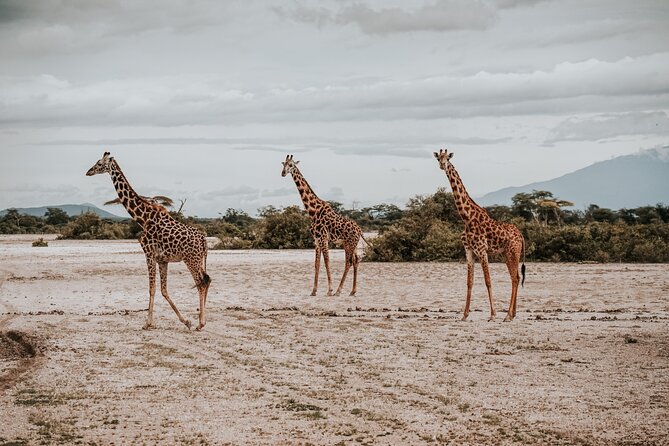
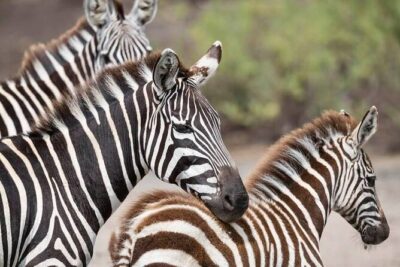
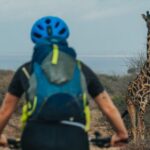
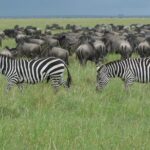
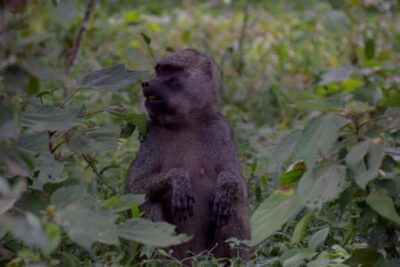
This is the part people care about most. Based on published feedback, this walking safari can bring you quite close to animals. Commonly mentioned sightings include giraffes, buffalo, warthogs, zebras, and monkeys.
A few names tied to memorable close encounters include cape buffalo and additional giraffe sightings. One highlight that comes through clearly is the feeling of animal presence at close range. That’s a big reason people love this style over a vehicle-only day. With walking, you’re not just viewing animals, you’re sharing their space under a ranger’s rules.
Still, keep expectations grounded. Walking with wildlife is always conditional. Distance, animal comfort, and weather all affect what you experience that day. What you can count on is that your ranger will keep guiding you through behavior and movement patterns, so even if a particular animal is brief, you’re learning what matters.
How to get the best odds
Wear shoes you trust and move calmly. If you’re jittery, animals can read that. Follow instructions quickly. And give your ranger a chance to manage sightlines. In a walking context, small choices like staying quiet and not breaking away often make the difference between a fleeting look and a satisfying moment.
Lunch, water, and dietary needs: the “real life” value
In safari tours, food can be either an afterthought or a genuine part of the day. Here, lunch and water are included, and the operator specifically notes that dietary needs can be accommodated, including vegetarian and vegan options.
That matters because it reduces stress. You’re not trying to hunt for something safe or scrambling for snacks while you’re away from the road. A provided lunch also helps you stay focused. Walking safaris can quietly drain energy, so having fuel on board is practical, not just nice.
Also, since the day is about 10 hours, think of lunch as part of pacing. If you show up hungry, you’ll feel it by mid-afternoon. If you handle meals well, you stay present for the full time in the park.
What makes this tour eco-friendly in day-to-day terms
The description emphasizes eco-friendly practices and respectful interaction with nature. In practical terms, that usually means smaller group behavior, controlled movement, and ranger-led guidelines for how close you get and how you walk.
Walking already creates a lighter footprint than driving from one viewing point to another. You spend more time at slower speeds and less time blasting through the park. It also encourages attention to the environment, because you’re physically closer to plants, ground cover, and water edges where animals live.
This is also why the ranger’s role is so important. When you respect the process, you get closer and learn more, without turning the experience into a chaotic chase. In the best cases, you leave with a stronger sense of how the park functions rather than just a list of animals.
Price and value: what $300 buys, and what you should compare
The price is $300 per person. On paper, that might sound steep if you compare it to a generic full-day vehicle safari. But walking safaris cost more to run because you’re not just transporting people, you’re staffing a ranger and managing safety on foot for a small group.
Here’s what you’re getting that improves value:
- Private transportation included
- Lunch and water included
- Park admission is free (so you’re not paying another line item)
- Small group size, max 7
- Ranger-led guidance, designed for close-up learning
If you’re deciding between cheaper options, compare what’s included. Some tours advertise a “safari” but charge extra for park entry, omit lunch, or run large groups that make walking less calm. When those add-ons show up, the sticker price can mislead.
At $300, the value makes most sense if you:
- want a closer, slower style of wildlife watching
- care about learning animal behavior, not just ticking boxes
- prefer smaller group dynamics
- plan to eat well during the day (since lunch is part of the package)
Who this walking safari is best for
This tour is marked as suitable for most travelers, and it can be tailored to your pace. That makes it a good option if you want a meaningful nature day but don’t want a hike that ignores wildlife rules.
It’s especially good for:
- couples or friends who want quiet moments and conversation with a ranger
- animal lovers who like learning how animals live
- travelers who are tired of big-group vehicle safaris
It may be less ideal if you:
- cannot comfortably handle a long day with walking time
- expect a guaranteed list of animals every single hour
- are highly weather-sensitive (the experience requires good weather)
Practical tips so you enjoy the full day
Here are a few things that make a noticeable difference for walking safaris:
- Bring sturdy shoes you can walk in for hours.
- Dress for changing conditions. Even in good weather, park mornings can feel cooler than you expect.
- Listen early to your ranger. The tone sets the pace for the whole day.
- Plan your energy. Eat the lunch. Don’t skip water.
- Keep your phone safely managed. You’ll want it ready for photos, but the best sightings often happen during ranger-led pauses.
Also, it runs in a window that starts as early as 6:00 AM, so treat this like a real day plan. If you’re thinking you’ll sleep in and then meet later, you might not match the day’s rhythm.
Should you book this Arusha National Park walking safari?
Book it if you want the park up close in a way that feels respectful and learnable. The biggest strengths are the ranger-led walking, the small-group limit, and the practical value of free park admission plus lunch and water. If you like seeing wildlife as behavior, not just as a photo, this format fits well.
I’d hold off if walking for a long day sounds exhausting, or if you’re traveling during a period where weather could be shaky. This experience depends on good weather, and walking safaris simply do not run the same way when conditions are poor.
If your goal is a calmer, more personal Arusha day that mixes forest and open ground while you learn as you go, this is a strong pick.
FAQ
How long is the walking day tour in Arusha National Park?
The duration is about 10 hours total, and travel time is included in that estimate.
Where does the tour start and end?
The tour starts at Kilimanjaro Airport and ends back at the same meeting point.
Is park admission included?
Yes. The admission ticket for Arusha National Park is listed as free and is included.
How many people are in the group?
This activity has a maximum of 7 travelers.
Is pickup included?
Pickup is offered.
What food and drinks are provided?
Lunch and water are provided, and dietary preferences including vegetarian and vegan options are accommodated.
Is the tour suitable for people with different fitness levels?
Most travelers can participate, and the experience can be tailored to your pace.
What happens if the weather is bad?
This experience requires good weather. If it is canceled due to poor weather, you will be offered a different date or a full refund.
What is the cancellation policy?
You can cancel for free up to 24 hours in advance for a full refund.
When do you receive confirmation?
Confirmation is received at the time of booking.
Arusha Park and Mount Meru
- 6-Day Mount Meru Climb through Momella Route Guided Tour
★ 5.0 · 5 reviews - Arusha National Park Day Tour with All-Inclusive
★ 3.7 · 5 reviews - Private Day Trip to Arusha National Park with a Walking Safari
★ 5.0 · 4 reviews
Just added from around Moshi

Arusha National Park and Mount Meru, compared.
 ★ 5.04 Days Mount Meru TrekkingFrom $1,00055 reviews
 ★ 4.8Arusha National Park Full-Day SafariFrom $19525 reviews
 ★ 5.0Private Meru Coffee Tour in NkoarangaFrom $3523 reviews
 ★ 5.04 Days Mount Meru Climbing | Hiking | Trekking TourFrom $2,60013 reviews
 ★ 5.01 Day: Arusha National ParkFrom $4409 reviews
 ★ 4.8Arusha National Park: Private Jeep TourFrom $2009 reviews
 ★ 4.53 Days Mount Meru trekkingFrom $8007 reviews
 ★ 5.07 Day Joined Safari Serengeti,Ngorongoro,Manyara,Tarangire,Arusha National ParkFrom $1,6156 reviews
Browse the lists this tour appears in