
REVIEW · ARUSHA NATIONAL PARK AND MOUNT MERU
6-Day Mount Meru Climb through Momella Route Guided Tour
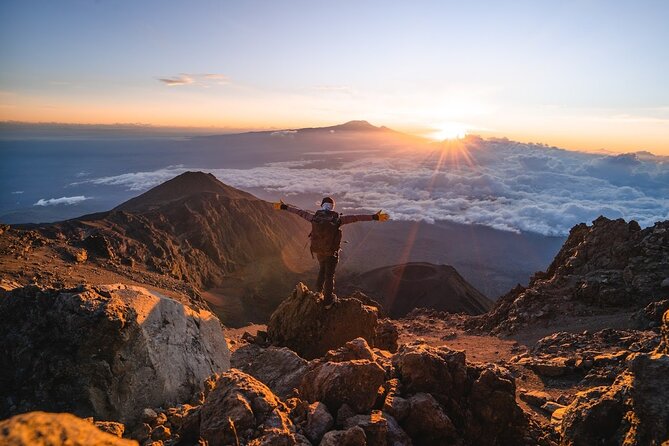
Mount Meru can feel like Kilimanjaro’s warm-up. This trek takes you through Arusha National Park terrain with big crater views, wildlife on the trail, and a midnight summit that tops off the whole experience. It’s also a volcano story, from an ancient eruption that shaped its eastern side to a crater that drops more than 1,500 meters.
I especially like how the program builds in real safety support, including unlimited oxygen and oximeters, plus medical kits and check-ins at least twice a day. I also like the human touch from the crew and guides, with past groups led by people like Emmanuel, John, and Peter who focused on staying calm, organized, and feeling secure.
One consideration: summit day is long, steep, and cold at altitude, with a midnight start around 00:00 and a high effort level. If you’re not comfortable with rough stairs of ash and rock, the experience will still be magical, but you’ll want to manage expectations and pace yourself early.
In This Review
- Key highlights worth your attention
- Why Mount Meru is such a smart climb for first-time high altitude
- Moshi arrival day: Aishi Machame is a practical reset
- Day 2 into Arusha National Park: Momella Gate plus wildlife on foot
- Day 3 ascent toward the crater: ridge hiking and an optional Little Meru
- Day 4 the midnight summit: Rhino Point, Cobra Point, and Socialist Peak
- Day 5 descent plus the extra time you actually need
- What’s included that genuinely improves your comfort and safety
- Price, fitness level, and who this trek fits best
- Should you book this 6-day Mount Meru through Momella route?
- FAQ
- How long is the Mount Meru trek on the Momella route?
- Where does the tour start, and what time do you begin?
- Does the price include airport transfers?
- Are oxygen and medical supplies included?
- Do I hike with a ranger in Arusha National Park?
- What are the summit day timings and key points?
- What kind of meals and accommodation are included?
- Is travel insurance or mountaineering insurance included?
Key highlights worth your attention
- Momella Route + armed ranger for wildlife safety inside Arusha National Park
- Midnight summit with defined ridge landmarks: Rhino Point, Cobra Point, and Socialist Peak
- Optional Little Meru hike to help you acclimatize before the summit attempt
- Oxygen, oximeters, and medical check-ups built into the climb rhythm
- Comfort upgrades like 8 cm sleeping mats and well-run hut camping logistics
Arusha National Park and Meru, other options
- Walking Day Tour to Safari in Arusha National Park★ 5.0 · 5 reviews
- Arusha National Park Day Tour with All-Inclusive★ 3.7 · 5 reviews
- Private Day Trip to Arusha National Park with a Walking Safari★ 5.0 · 4 reviews
Why Mount Meru is such a smart climb for first-time high altitude
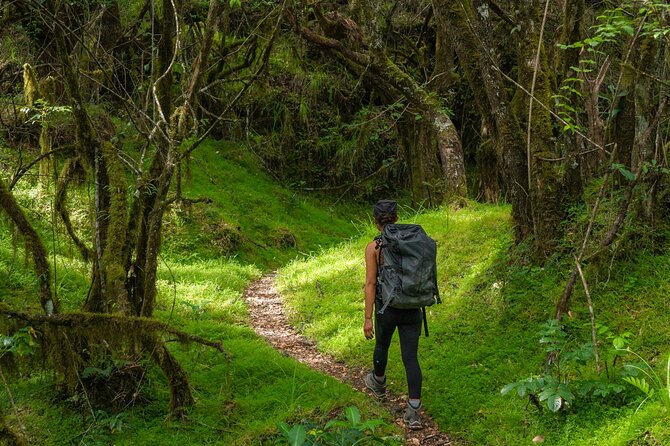
Mount Meru (the second highest peak in Tanzania) sits above Arusha National Park, so the trek never feels like a boring mountain walk. You get the contrast: wildlife sightings on gentler walking days, then volcanic terrain that turns into ash and rock as you climb toward the crater rim.
It’s also a great training ground if Kilimanjaro is next on your list. The schedule gives your body time to adjust. You’ll gain elevation step by step and get the chance to acclimatize with an optional side hike (Little Meru) before the summit push. That matters. Altitude doesn’t care how motivated you are, and a good plan helps you arrive at the summit day with less panic in your lungs.
Geology buffs will enjoy the big picture too. Mt Meru is described as dormant yet active, with the last eruption in 1910. It was born around 500,000 years ago, and the first major eruption reportedly blasted out its eastern side, which explains the mountain’s distinct look today. And yes, the crater is huge, with depth of over 1,500 meters, so when you look down from the rim, it’s a real drop.
Moshi arrival day: Aishi Machame is a practical reset
Your climb starts with a smooth landing rhythm. You arrive at Kilimanjaro International Airport (JRO), meet a representative, and transfer to Aishi Machame or Altezza Lodge in Moshi. The hotel setup is built for recovery before you head into the mountain grind.
What I like here is simple: you get hot water, a comfortable place to eat, and time to get your gear sorted without rushing. There’s also internet access, and a swimming pool for a reset if you feel like washing off travel fatigue. On transfer days, the vehicles include bottled water and complimentary Wi-Fi, so you can handle the last email, message, or map check without draining data.
You also get two nights total at this hotel, one before the trek and one after. That detail sounds small until you’re done hiking. A real bed and a normal shower make a big difference when you’ve spent days on rough terrain.
Day 2 into Arusha National Park: Momella Gate plus wildlife on foot
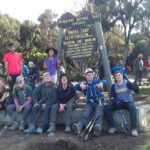
The second day is where the adventure begins in earnest. Early pickup takes you to Momella Gate in Arusha National Park. Porters organize and pack your belongings, and you register with Tanzania’s national park authority (TANAPA). Then you set out on a trail that initially feels closer to a guided safari hike.
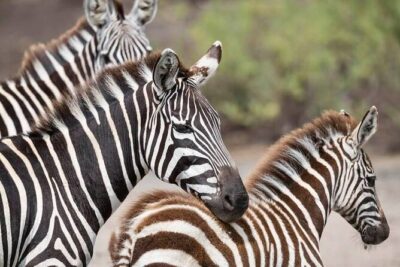
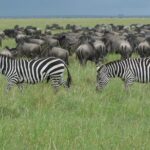
Expect animals along the way, since the route runs through wildlife territory. You might see giraffes, zebras, antelope, buffalo, and there’s a chance of elephants near the trail. Because wildlife is not just theory here, you’ll hike with an armed ranger hired through the park. That’s a key detail. It’s not there for drama, it’s there because this environment is active and unpredictable.
As you continue, the route passes the Ngarenanyuki River and a waterfall area. This is the kind of day where you’ll want to keep your camera ready, but also keep moving. You’re walking with a plan, not just taking scenic breaks.
Day 3 ascent toward the crater: ridge hiking and an optional Little Meru
After breakfast, you start ascending on a steep trail along a ridge of the saddle. This is the day when the mountain starts to announce itself more clearly. The ground becomes tougher, and your body has to work harder with every step.
You’re also in a zone with strong views. You may see the Meru Crater and the Ash Cone as you climb. Even when you’re tired, those visuals help. They remind you this is not a random slog, it’s a route toward a dramatic viewpoint.
When you reach camp, you get an option that I think is genuinely useful: hike Little Meru (3,820 m) with your guide to help acclimatize. It’s not required, but it can be smart if you tend to feel altitude quickly. You’ll still get an early dinner, then enough rest before the midnight summit start.
Day 4 the midnight summit: Rhino Point, Cobra Point, and Socialist Peak
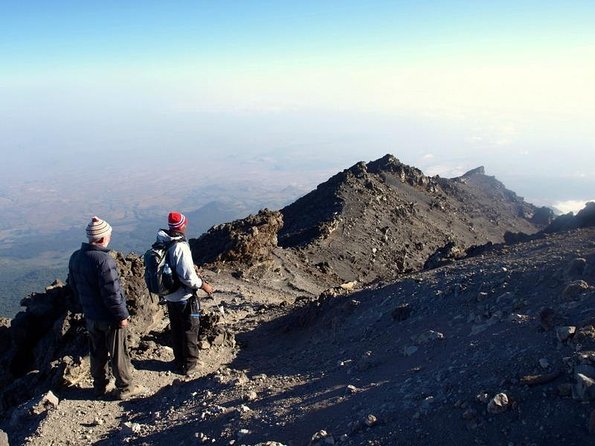
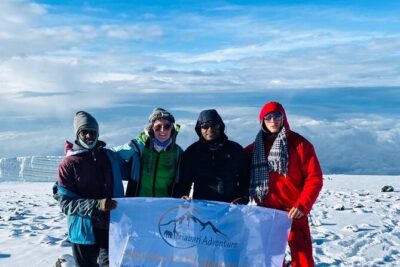
Summit day starts around 00:00, so you’ll want to be ready for a cold, early push. The first stretch is steep, about a one-hour climb to Rhino Point (3,800 m). After that, the path continues along a ridge of ash and rock toward Cobra Point (4,350 m).
Then comes the final drive to Socialist Peak (4,562 m). It takes about an hour from Cobra Point, and it’s described as a steep path. This is where your pace matters. Go too fast early and you’ll pay for it later.
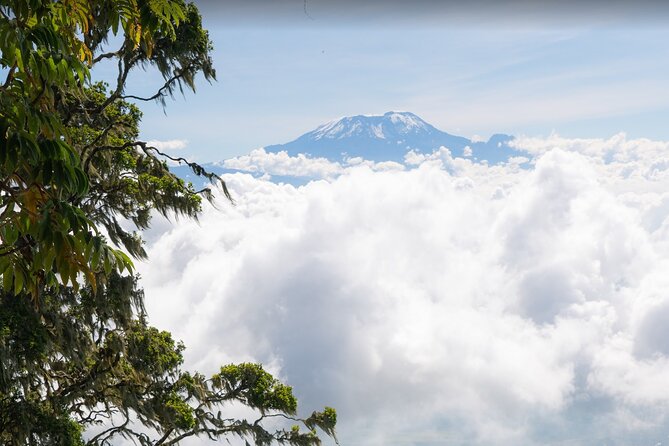
The reward is why people keep coming back to Mt Meru. The views can include the cliffs of the crater rim, the Ash Cone rising from the crater floor, and Kilimanjaro appearing in morning clouds. You may also see the Rift Valley. Depending on your speed, sunrise can happen either around Cobra Point or at the summit.
On the return, you’ll go back toward Rhino Point in the morning light along a narrow ridge between outer crater wall slopes and the inner wall cliffs. That part feels exposed, so stay focused, keep your footing sure, and follow your guide’s rhythm.
Day 5 descent plus the extra time you actually need
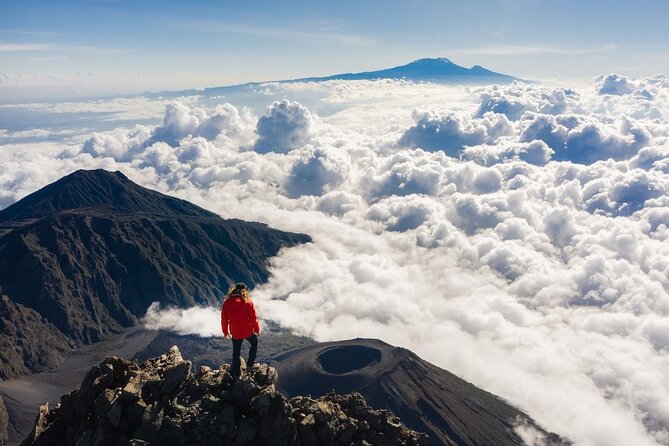
One smart thing about this 6-day approach is the extra on the descent. Shorter versions can feel like a rushed exit. Here, you get time to come down steadily while still enjoying the experience.
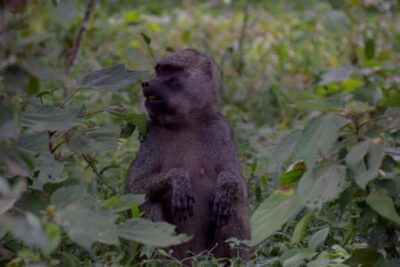
After breakfast, you start the final stretch on the northern route back to Momella Gate. This is a 2 to 3-hour trek where wildlife sightings can repeat. You might see giraffes, buffaloes, elephants, plus black and white colobus monkeys. Even if you don’t spot them, the environment still changes with altitude, so the hike feels less repetitive.
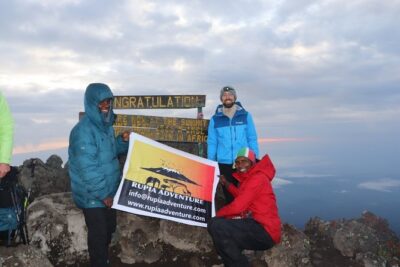
After you descend, the whole group gathers to congratulate you. That moment is more than ceremony. It’s a reminder that you did the hard part, not just the walking part. Then you transfer to Moshi or Arusha town.
What’s included that genuinely improves your comfort and safety
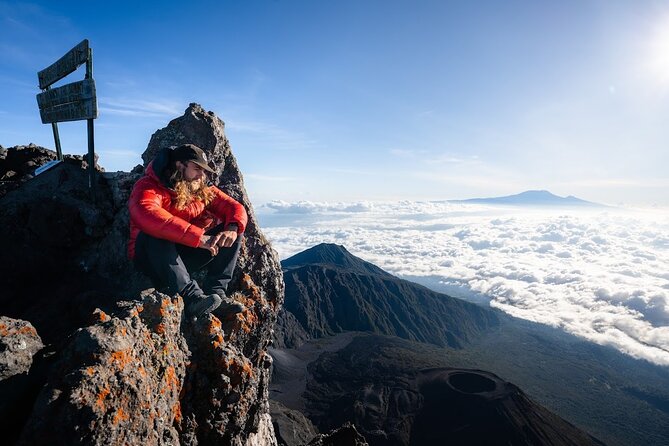
This tour is priced like a proper guided expedition, and a lot of what you’re paying for is risk management plus logistics. That’s the value.
Here’s what stands out as truly practical:
Licensed mountain guides and national park compliance
You get professional guides licensed by the Tanzania National Park Authority. You’re also supported by an expedition crew, including porters and cooks, who handle your camp life.
Oxygen, oximeters, and real medical support
You have unlimited oxygen and oximeters. There are complete medical kits and medical check-ups at least twice a day. That doesn’t eliminate altitude risk, but it makes the situation easier to manage when conditions change.
Camping and sleep setup
Sleeping mats are included, thick at 3 inches (8 cm). Meals run three times a day, described as energy-rich and tasty, with breakfast, lunch, and dinner served throughout the trek.
Camp structure and shared huts
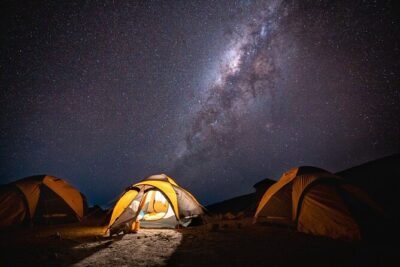
You’ll sleep in huts on Mt Meru, shared only as required by Arusha National Park regulations. Hut camping is often more comfortable than pure tenting, but huts can still be basic, so don’t expect hotel softness.
Tracking and organization
GPS tracking is included, which matters when you’re moving over changing terrain in the dark or early morning.
If you’ve done high-altitude treks before, you’ll recognize this as the difference between a “trip” and an expedition. The details help on the days you feel tired, not just the days you feel excited.
Price, fitness level, and who this trek fits best
At $1,892 per person, this is not a cheap outing. But when you break it down, you’re paying for a lot of what usually costs extra: airport pickup and transfers to the trailhead, guides, ranger support, camp staff, meals, huts, oxygen, medical kits, and tracking.
You also get a group structure that’s private, meaning only your group participates. If you’re traveling with family or friends and want the experience to feel controlled and personal, that’s a real advantage.
The fitness requirement is listed as moderate physical fitness. That’s encouraging, but keep this in your mind: you still have a steep summit day that begins around midnight. Moderate fitness means you can likely prepare with walking and stair work and then manage the pace, not that you’ll breeze through the last push.
This is a great fit if:
- you’re training for Kilimanjaro and want an altitude rehearsal
- you want big crater views without the same scale and crowds associated with Kilimanjaro
- you like a guided, safety-focused climb with wildlife hiking time
Should you book this 6-day Mount Meru through Momella route?
I’d book this if you want a guided Mt Meru climb with safety tools that are more than paperwork. The mix of armed ranger support, oxygen and oximeters, and medical check-ups gives you a calmer experience on summit day. Add in the optional Little Meru acclimatization and the extra descent day, and you have a schedule that helps you finish strong.
I’d think twice if you hate very early starts or steep, exposed sections. Summit morning is not a gentle hike, and the cold, the altitude, and the steep steps will test you.
If you’re the type who likes clear guidance, wildlife on the way up, and a dramatic crater payoff, this route is a smart choice.
FAQ
How long is the Mount Meru trek on the Momella route?
The experience runs about 6 days.
Where does the tour start, and what time do you begin?
The start time is listed as 9:00 am.
Does the price include airport transfers?
Yes. The tour includes pickup and drop-off at Kilimanjaro International Airport, plus transfers to and from the trail area.
Are oxygen and medical supplies included?
Yes. The tour includes unlimited oxygen and oximeters, complete medical kits, and medical check-ups at least twice a day.
Do I hike with a ranger in Arusha National Park?
Yes. An armed ranger hired through the national park is required to hike with the team for the duration due to wildlife.
What are the summit day timings and key points?
Summit day starts around 00:00. The route includes Rhino Point (3,800 m), then Cobra Point (4,350 m), and finally Socialist Peak (4,562 m).
What kind of meals and accommodation are included?
You get three meals a day while on the trek. Before and after the trek, you stay at Aishi Machame Hotel, and on Mt Meru you sleep in huts that may be shared based on park regulations.
Is travel insurance or mountaineering insurance included?
No. Mountaineering insurance is not included, and tips for the mountain crew are also not included (though tips are optional based on satisfaction).
Arusha Park and Mount Meru
- Walking Day Tour to Safari in Arusha National Park
★ 5.0 · 5 reviews - Arusha National Park Day Tour with All-Inclusive
★ 3.7 · 5 reviews - Private Day Trip to Arusha National Park with a Walking Safari
★ 5.0 · 4 reviews
Just added from around Moshi
Arusha National Park and Mount Meru, compared.
 ★ 5.04 Days Mount Meru TrekkingFrom $1,00055 reviews
 ★ 4.8Arusha National Park Full-Day SafariFrom $19525 reviews
 ★ 5.0Private Meru Coffee Tour in NkoarangaFrom $3523 reviews
 ★ 5.04 Days Mount Meru Climbing | Hiking | Trekking TourFrom $2,60013 reviews
 ★ 5.01 Day: Arusha National ParkFrom $4409 reviews
 ★ 4.8Arusha National Park: Private Jeep TourFrom $2009 reviews
 ★ 4.53 Days Mount Meru trekkingFrom $8007 reviews
 ★ 5.07 Day Joined Safari Serengeti,Ngorongoro,Manyara,Tarangire,Arusha National ParkFrom $1,6156 reviews
Browse the lists this tour appears in