
REVIEW · ARUSHA NATIONAL PARK AND MOUNT MERU
Arusha National Park Day Tour with All-Inclusive
Mount Meru in one day, without the Kilimanjaro crowds. I love the walking safari with an armed ranger, because you slow down and read animal behavior up close. I also like the way the day mixes habitats, from crater country to Momella Lake bird time, so you feel like you saw more than one “type” of Africa. One thing to consider: the day can feel weighted toward the walk, so if you want maximum crater and lake spotting time, ask your guide how they plan to pace each section.
Arusha National Park sits near Arusha town, close to the Kenyan border, and it plays small compared with Serengeti and Ngorongoro. That can be a plus. You get a calmer feeling and a chance to notice details, like how the vegetation shifts as you climb toward Mount Meru’s slopes.
If you’re fit enough for a guided walk and want nature plus light cultural context from the guide and ranger, this tour is a strong match. If you have back or heart issues, are pregnant, or are very elderly, this one may not be the right call.
In This Review
- Key Points You’ll Care About
- Arusha National Park’s Personality: Quiet Safari Beats the Big Names
- Mount Meru Views and the Vegetation Zones You Actually Get to See
- Ngurudoto Crater, the Little Ngorongoro Feel, and What to Watch For
- Walking Safari With an Armed Ranger: Up Close, Slower, and Smarter
- Momella Lake Game Drive: Bird Time and Shoreline Wildlife Scanning
- Picnic Lunch: Simple Food, Good Timing, and All-Inclusive Limits
- Pickup and Ride Reality: Moshi or Arusha, Small Group Up to 10
- Price and Value: What $332 Really Covers in a Day Safari
- Who This Tour Suits (and Who Should Skip It)
- Gear That Makes the Day Easier (and Safer)
- The Decision Guide: Should You Book This Arusha National Park Tour?
- FAQ
- How long is the Arusha National Park day tour?
- Where can I be picked up and dropped off?
- What wildlife and areas does the tour include?
- Is lunch included?
- Are drinks included?
- What is the walking safari like, and who leads it?
- What should I bring?
- Is this tour suitable for everyone?
- Is it possible to cancel or change plans?
Key Points You’ll Care About
- Arusha National Park’s best feature is the guided walking safari, led by an armed ranger for close, safe wildlife viewing
- Mount Meru is the backdrop to much of the day, with the park’s elevation-linked changes in vegetation
- Ngurudoto Crater and the Small Serengeti area set up classic safari sightings, including primates and big grazers
- Momella Lake gets you a game drive focused on birds and shoreline wildlife rather than just big cats
- All-inclusive means lunch and drinks, but you still need to budget for souvenirs, visa, travel insurance, and items like binoculars if you don’t already have them
- Small group size (up to 10) can mean a simpler vehicle setup, so ask about open-window viewing if that matters to you
Arusha National Park and Meru, other options
- Walking Day Tour to Safari in Arusha National Park★ 5.0 · 5 reviews
- Arusha National Park Day Tour with All-Inclusive★ 3.7 · 5 reviews
- Private Day Trip to Arusha National Park with a Walking Safari★ 5.0 · 4 reviews
Arusha National Park’s Personality: Quiet Safari Beats the Big Names
I like Arusha National Park because it feels less choreographed than some of the more famous circuits. You’re still in Tanzania safari country, but the pace is friendlier and the day has room to notice birds, small movement in shrubs, and how animals use water nearby.
This park also helps you understand the “why” of safari land. The key idea is that Arusha isn’t just one flat scene. It changes with elevation and water. That means one day can cover swamps, grasslands, and montane forest edges, all under the long shadow of Mount Meru at 4,566 meters.
Mount Meru Views and the Vegetation Zones You Actually Get to See
Mount Meru is the star here. It’s not just a distant peak on a postcard. It anchors the whole setting, and the ranger guide’s route is designed around ecosystems that animals use for food, cover, and water.
As you move through the park, you’ll notice the different “plant worlds.” In lower areas you’re likely to see open grass and grazing zones. As conditions shift upward, the park turns greener and more forested. That matters because wildlife behavior changes with shade, forage, and visibility.
If you’re the kind of person who likes spotting without sprinting, this park rewards you. You’ll get a walking segment where your eyes can track small details, then a jeep game drive for broader scanning.
Ngurudoto Crater, the Little Ngorongoro Feel, and What to Watch For
The day often starts by heading to Ngurudoto Crater, commonly described as the little Ngorongoro. Even if you’ve never been to the real deal, you’ll get the point quickly. Crater terrain creates sheltered slopes and a bowl-like feel that can concentrate animals.
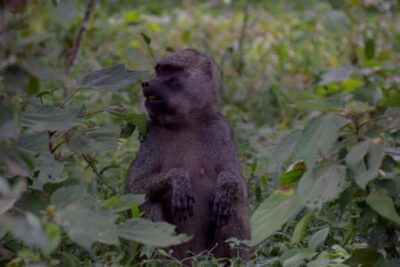
Keep your eyes open for olive baboons. The park description also flags multiple bird species and aromatic flora as part of what you might encounter while moving between areas.
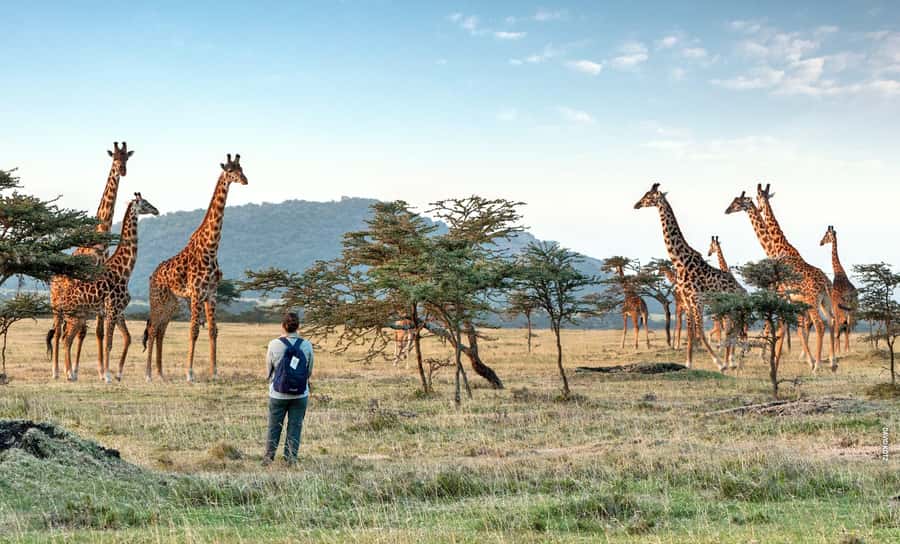
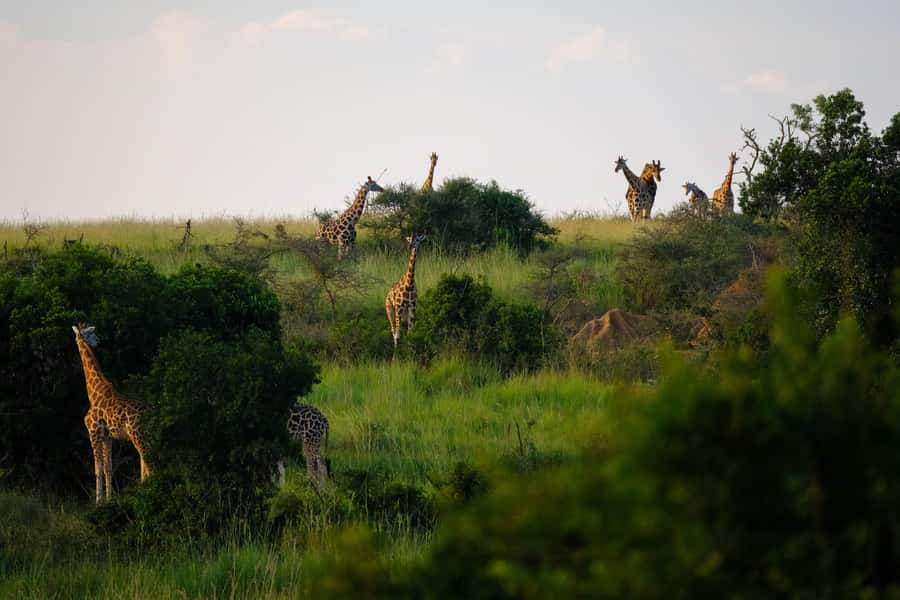
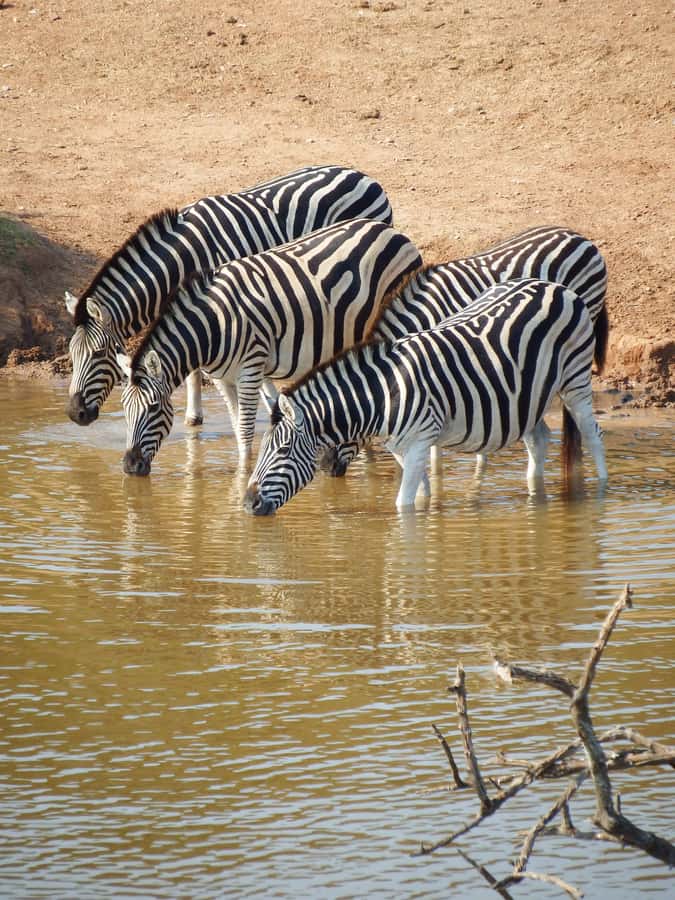
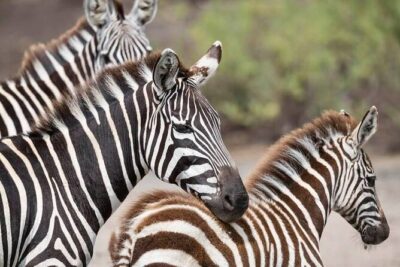
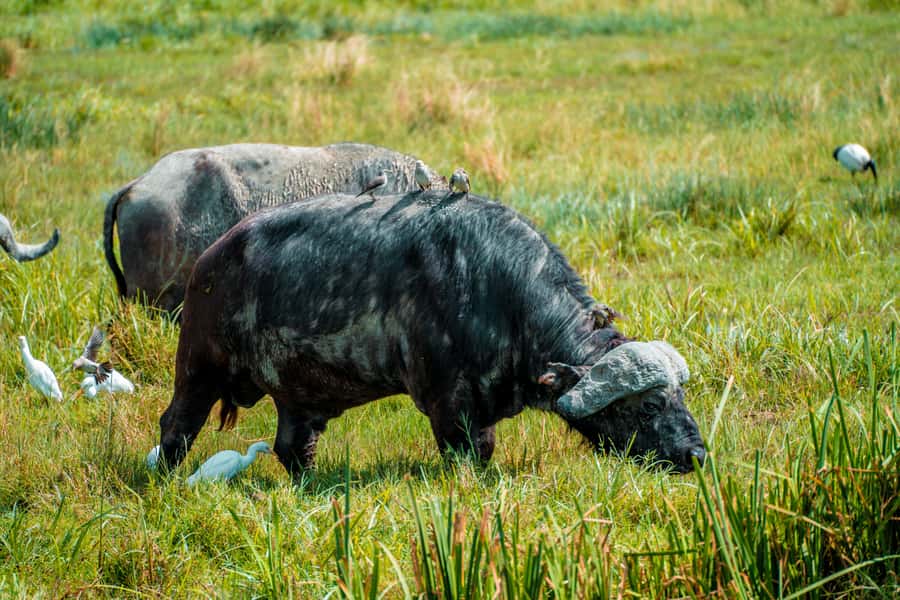
From there, the route continues toward what’s often called the Small Serengeti, which is where you can expect a classic mix of grazers and browsers. Based on the itinerary, your wildlife targets can include buffalo, waterbuck, giraffe, warthog, zebra, and Guereza monkeys.
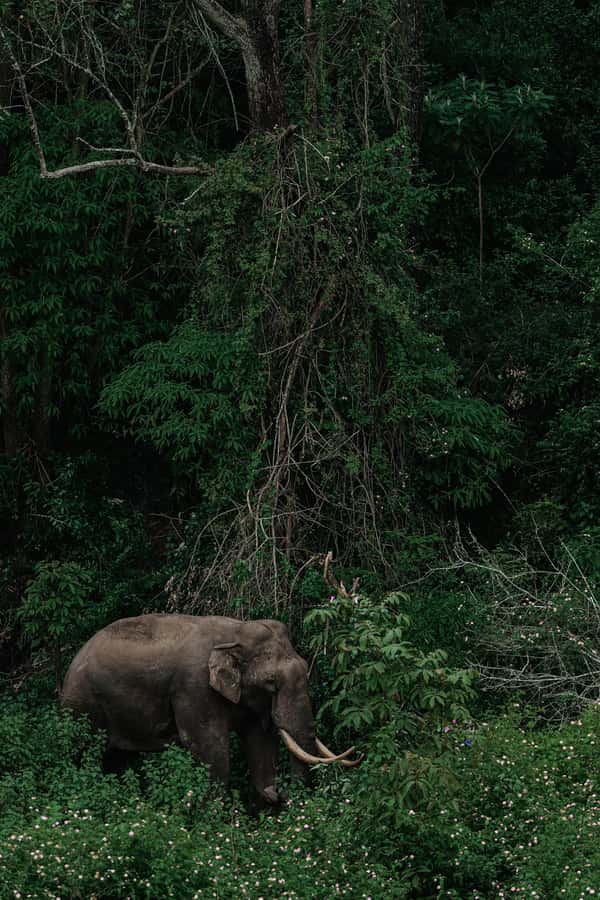
And yes, you may also score the “bonus” sightings if conditions line up, such as elephants or leopards. Those aren’t guaranteed, but it’s a smart mindset to bring. With a shorter day like this, your expectations should be flexible, not strict.
Walking Safari With an Armed Ranger: Up Close, Slower, and Smarter
This is the section that most clearly sells the whole tour. You reach Momella Gate, and then an armed ranger joins for the walking safari. That armed ranger detail matters. It’s built into the safety structure for close wildlife viewing on foot.
You’ll walk toward Tululusia Waterfalls, which gives the walk a natural destination. Water adds structure to animal movement. You can also expect the ranger to use the terrain and vegetation to point out signs you might miss on your own, like tracks, feeding behavior, and how animals react to sound and wind.
In at least one booked experience, the walk ran about 1.5 hours. That’s a useful ballpark for planning your stamina. You’re not doing an all-day hike, but you are doing active walking, in real safari terrain, so comfortable shoes are not optional.
Practical tip: bring a daypack, and keep essentials organized. Binoculars are specifically listed as something to bring, and on a walk, you’ll use them for distance viewing when you can’t safely approach.
Momella Lake Game Drive: Bird Time and Shoreline Wildlife Scanning
After lunch, the day shifts into jeep mode with a safari drive around Momella Lake. This is less about chasing one dramatic predator moment and more about scanning: birds, shoreline activity, and animals using the water edge.
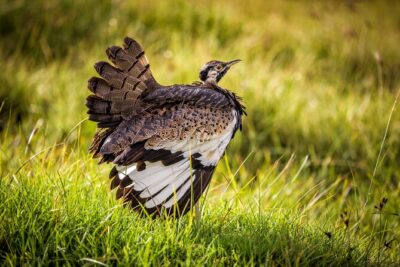
The itinerary calls out “an array of bird species,” and that’s the vibe I’d plan for. Even if you’re hoping for big cats, a bird-focused drive can still be excellent, especially if you like photography and want different sights than you saw in the morning.
Try to take your time with window angles. If your viewing setup is more basic due to group size, you’ll feel it during drives because you’re trying to frame shots quickly.
Picnic Lunch: Simple Food, Good Timing, and All-Inclusive Limits
Lunch is a picnic, served at a designated site within the park. That’s a nice break because you’re still in safari mode, not traveling back into town right away.
“All-inclusive meals and drinks” are included, with lunch and refreshing beverages. At the same time, alcoholic and soft drinks are listed as not included. So think of drinks as supporting the day, not a bar tab.
Dietary restrictions are something you’re asked to inform the provider about. If you have any food needs, message ahead so you can avoid awkward substitutions on the day.
Pickup and Ride Reality: Moshi or Arusha, Small Group Up to 10
You can be picked up from either Moshi or Arusha, and the tour runs for 8 hours total. Private transportation is included, which usually means less hassle than shared shuttles and more control over timing.
The tour limits the group to 10 people. That’s great for interaction and for getting attention from the guide and ranger. It can also affect the vehicle feel. In one negative experience, the group ended up in a car instead of a safari jeep, and a back-seat window did not open. You can’t assume that will happen to you, but it’s a fair reason to ask.
If open-air viewing or window positioning matters for photos, ask specifically what vehicle you’ll use for the game drive portion when you book.
Price and Value: What $332 Really Covers in a Day Safari
At $332 per person for an 8-hour day tour, you’re paying for a tight combo: guide, ranger-led walking safari, park entrance fees, private hotel transfers, and an included picnic lunch with beverages.
That package adds value because the ranger-led walk is not something you can easily replicate on your own. You’re also not paying separately for park entry, which can add up fast in East Africa when you start stacking activities.
Where the value can wobble is when expectations are too rigid. A short-day format is always a balancing act between morning movement, the walking segment, and the afternoon drive. If you expect a long, multi-stop crater marathon plus extensive lake time, you’ll want to confirm the pacing with your guide in advance.
Also note what’s not included: visa fees, flights, travel insurance, and alcohol and soft drinks. You’ll also want a bit of spending money for souvenirs.
Who This Tour Suits (and Who Should Skip It)
This tour is a great fit if you:
- Want a walking safari experience rather than only a classic vehicle drive
- Enjoy bird watching and shoreline scanning around a lake
- Like the Mount Meru backdrop and varied vegetation zones in one day
- Prefer a small group setup and private hotel pickup
It’s not a great fit if:
- You’re pregnant
- You have back problems
- You have heart problems
- You are over 95 years old
That isn’t meant to scare you off. It’s a reality check about walking time and the physical demands of being outdoors in uneven terrain.
Gear That Makes the Day Easier (and Safer)
What to bring is clearly spelled out, and I agree with each item:
- Comfortable shoes for a guided walking safari
- Camera
- Daypack
- Binoculars for scanning wildlife, especially birds
- Waterproof bag, since weather can change quickly in East Africa
- Passport, with a copy accepted
If you rely on medication, bring it in your daypack so you aren’t digging around during stops.
The Decision Guide: Should You Book This Arusha National Park Tour?
Yes, I’d book it if your priority is the walking safari with a ranger, plus a full day that still includes a Momella Lake game drive and a picnic lunch without extra planning.
I’d pause and ask a few questions before booking if you’re chasing a very specific checklist of sightings in fixed time blocks. This day can emphasize the walking portion, and if crater or lake time is your top goal, confirmation on pacing will make a big difference.
Finally, if you’re starting from Moshi or Arusha and want a structured, guided way to get into the park quickly, this is a sensible option. Just plan for real walking, bring good shoes, and keep your expectations flexible, and you’ll likely come away with memorable wildlife moments that feel personal rather than rushed.
FAQ
How long is the Arusha National Park day tour?
It runs for 8 hours.
Where can I be picked up and dropped off?
Pickup and drop-off options are available from Moshi or Arusha.
What wildlife and areas does the tour include?
The day includes Ngurudoto Crater (often called the little Ngorongoro), the Small Serengeti area, a walking safari near Momella Gate toward Tululusia Waterfalls, and a jeep game drive along Momella Lake.
Is lunch included?
Yes. There is an included picnic lunch during the day.
Are drinks included?
The tour includes meals and drinks, described as refreshing beverages during the day. Alcoholic and soft drinks are listed as not included.
What is the walking safari like, and who leads it?
A ranger joins you for the walking safari. The tour description specifies an armed ranger for the walking safari.
What should I bring?
Bring comfortable shoes, a camera, a daypack, binoculars, and a waterproof bag. You’ll also need your passport (a copy is accepted).
Is this tour suitable for everyone?
It is not suitable for pregnant women, people with back problems, people with heart problems, or people over 95 years old.
Is it possible to cancel or change plans?
The tour offers free cancellation up to 24 hours in advance for a full refund. It also offers a reserve now & pay later option.
Arusha Park and Mount Meru
- 6-Day Mount Meru Climb through Momella Route Guided Tour
★ 5.0 · 5 reviews - Walking Day Tour to Safari in Arusha National Park
★ 5.0 · 5 reviews - Private Day Trip to Arusha National Park with a Walking Safari
★ 5.0 · 4 reviews
Just added from around Moshi
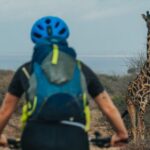
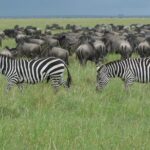
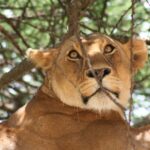
Arusha National Park and Mount Meru, compared.
 ★ 5.04 Days Mount Meru TrekkingFrom $1,00055 reviews
 ★ 4.8Arusha National Park Full-Day SafariFrom $19525 reviews
 ★ 5.0Private Meru Coffee Tour in NkoarangaFrom $3523 reviews
 ★ 5.04 Days Mount Meru Climbing | Hiking | Trekking TourFrom $2,60013 reviews
 ★ 5.01 Day: Arusha National ParkFrom $4409 reviews
 ★ 4.8Arusha National Park: Private Jeep TourFrom $2009 reviews
 ★ 4.53 Days Mount Meru trekkingFrom $8007 reviews
 ★ 5.07 Day Joined Safari Serengeti,Ngorongoro,Manyara,Tarangire,Arusha National ParkFrom $1,6156 reviews
Browse the lists this tour appears in