
REVIEW · KILIMANJARO LEMOSHO ROUTE
8 Days Lemosho Route
Steady days, big views, and quieter trail miles. The Lemosho route approaches Kilimanjaro from the west, with the first stretch staying calm and scenic before it links up with the busier Machame traffic. I like that the route is known for a steadier incline and gentler acclimatization compared with many alternatives.
I also love the way this itinerary builds big moments into the days, especially Lava Tower and the classic Barranco Wall area. The summit plan is structured around a late-night start, so you know what you are signing up for.
The only real drawback to plan for is that this is still altitude hiking, and the night push is the toughest part for most people. If you are not comfortable pacing on steep, rocky ground, you will feel it.
In This Review
- Key Highlights You Should Care About
- Lemosho From the West: Why This Start Feels More Manageable
- Day 1 to Day 2: Glades, Big Tree Camp, and Shira Ridge
- Day 3: Shira Camp 2 and the Moorland-Meets-Stream Moment
- Day 4: Lava Tower Photos, Then Barranco Camp for Sunset
- Day 5: Great Barranco Wall, Heim Glacier Views, and an Afternoon Reset
- Day 6: Joining the Mweka Route, Up to Barafu Hut
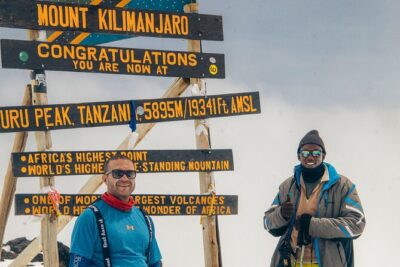
- Day 7: The Night Climb, Stella Point, and Uhuru Peak
- Day 8: Mweka Village, Hot Lunch, and a Moshi Hot Shower
- Price and Value: What $2,100 Covers on This 8-Day Plan
- The Human Part: Guides, Porters, and Clean, Ready Equipment
- Who Should Choose This 8-Day Lemosho Route
- Should You Book This 8-Day Lemosho Climb?
- FAQ
- How long is the Lemosho climb on this option?
- Where does the tour operate?
- What time does the experience start?
- Is pickup offered?
- Is this a private tour?
- Do I receive a mobile ticket?
- Are admission tickets included?
- What time does summit night start?
- What happens on the final day after the hike?
- What is the cancellation policy?
Key Highlights You Should Care About
- Quieter first days on Lemosho before traffic increases after joining the Machame route
- Lava Tower and Barranco sunset timing built into the climbing rhythm and camp location
- A clear summit-night schedule with a late start around 11:30 PM and the hardest section heading to Stella Point
- Admission tickets included each day, so you are not juggling extra park fees
- Strong guide and porter support, with praise for organization, responsiveness, and clean, well-prepared equipment
Lemosho itineraries worth reading next
- Kilimanjaro climb by Lemosho Route (7-day)★ 5.0 · 651 reviews
- Kilimanjaro Climbing Lemosho Route 8 Days.★ 5.0 · 186 reviews
- Kilimanjaro climb, Lemosho Route (8-day)★ 5.0 · 148 reviews
- Kilimanjaro climb, Lemosho Route (6-day)★ 5.0 · 129 reviews
Lemosho From the West: Why This Start Feels More Manageable
The big reason people like Lemosho is the approach. Instead of starting in a bottleneck, you work your way up from the west with less traffic in the early days. That matters because Kilimanjaro is demanding, and a crowded trail can make pacing harder when you are trying to settle into altitude.
I also like that the plan aims for a steady climb and better acclimatization. You are not just going up and up in a straight line. The itinerary gives you time across different types of terrain, and that helps your body adjust more gradually.
One more practical note: Lemosho is described as a relatively new route, and it offers a strong scenery payoff. You get forest walking, moorland, ridges, rocky ground, then glacier-zone drama. It is not just one type of hiking day.
Day 1 to Day 2: Glades, Big Tree Camp, and Shira Ridge
On Day 1, you start from the Glades and walk along forest trails for about 3 hours to Mti Mkubwa, the big tree campsite. After that forest stretch, you continue to Mti Mkubwa campsite for the night. It is listed as 5 hours total on Day 1, with admission tickets included.
This first day is about rhythm more than speed. Forest walking usually feels easier on the legs than later rocky days, but you still want to keep your effort smooth. If you go out too hard early, you pay for it later.
Day 2 keeps the momentum. The trail gradually steepens, enters the giant heather moorland zone, and crosses Shira Ridge. It is listed as 5 hours total. You are shifting from dense greenery to high, open country, and that change can feel cold and windy even when the sun is out.
Day 3: Shira Camp 2 and the Moorland-Meets-Stream Moment
Day 3 is a gentle walk across the plateau that leads to Shira Camp 2. You are going to be in moorland meadows by a stream, which is a nice change from endless climbing. The day is listed as about 5 hours with admission tickets included.
Why this day matters: it is another acclimatization step where you can watch your breathing and keep your pace controlled. Plateau days are a good time to settle into your layers, hydration routine, and eating schedule.
Also, Shira Camp 2’s setting is a reminder that Kilimanjaro is not only about the summit. You are here for the whole process, and the moorland days add a quieter, more open-feeling kind of beauty.

Day 4: Lava Tower Photos, Then Barranco Camp for Sunset
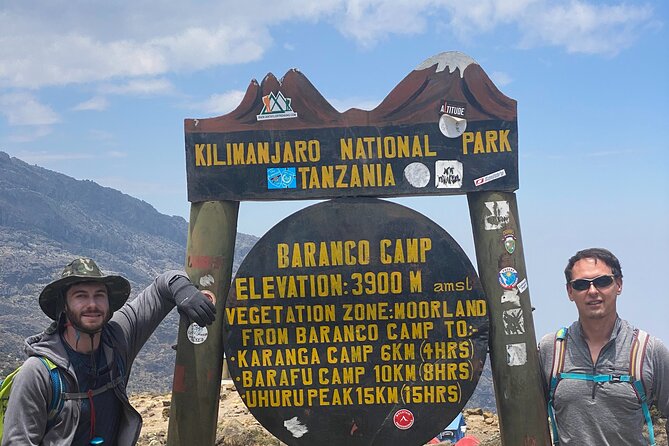
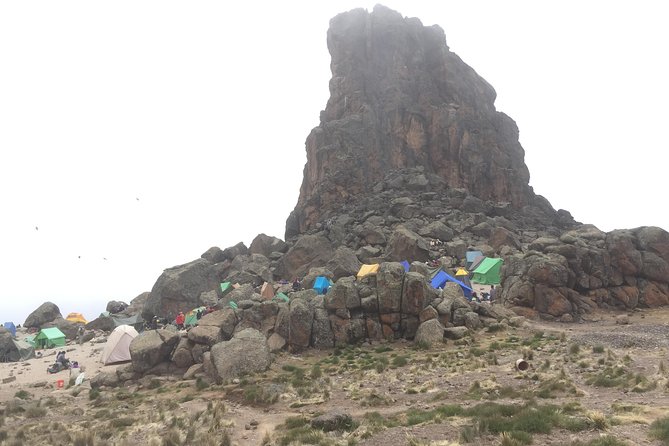
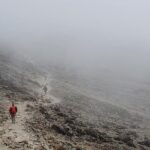
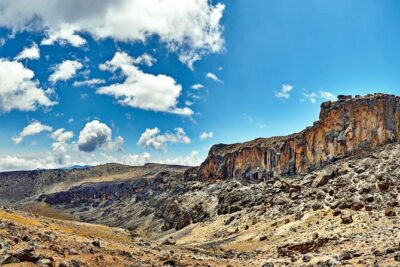
Day 4 is one of the most memorable days on this route. After breakfast, you hike east on a steepening path above the highest vegetation toward a looming mass. After several hours, you move into a rocky landscape to reach Lava Tower.
This is where the photos start to feel serious. You get multiple photo opportunities, and the itinerary notes that ice on the walls can make the scenes pop. Day 4 is listed as 7 hours.
Then you drop into Barranco Camp, in a valley below the Breach and the Great Barranco Walls. The camp location is built for sunset waiting, because you are positioned for a strong evening view while you rest before dinner.
Practical takeaway: this is a day where you should save energy for the camp arrival. Once you get to Barranco Camp, take your time. Let your body cool down, eat well, and keep your focus for the next day’s wall climb.
Day 5: Great Barranco Wall, Heim Glacier Views, and an Afternoon Reset
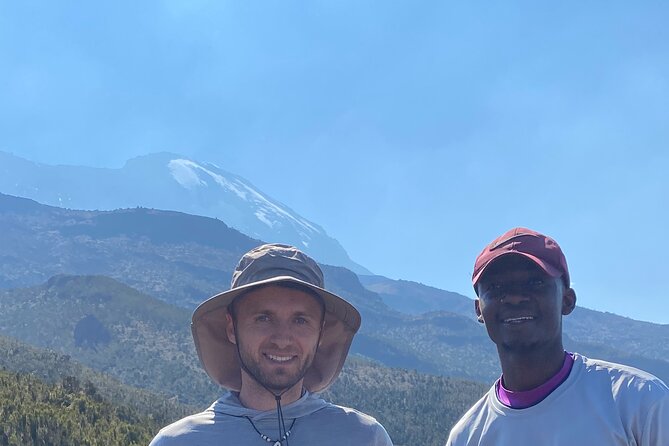
On Day 5, you climb east up toward the Great Barranco Wall and then tackle the obstacle itself. The itinerary notes that it turns out to be easier than it looks, which is comforting, but you still want good technique and steady foot placement.
After topping out just below the Heim Glacier, you get a real appreciation moment for Kilimanjaro’s form. You can look east and spot the jagged peaks of Mawenzi against the African sky. Day 5 is listed as 4 hours, and there is a hot lunch in camp.
What I like here is the built-in afternoon breathing room. After lunch, the itinerary leaves your afternoon at leisure for resting or exploring. That is smart because Day 5 is a key emotional and physical checkpoint before the hardest summit night.
Day 6: Joining the Mweka Route, Up to Barafu Hut
Day 6 starts with a hike east over intervening ridges and valleys. Then you join the Mweka Route, which will be your descent route. You turn left toward the mountain and hike up a ridge through a sparse landscape for about an hour to Barafu Hut, where you receive a hot lunch.
Day 6 is listed as 4 hours with admission tickets included. This is one of those days that feels shorter on paper, but it also sets you up for the big night ahead. You want to keep your legs feeling okay by pacing, not sprinting.
Also, notice the plan shift in purpose. Day 6 is still moving you upward, but it is also aligning you with the descent plan for later. That makes the last push feel more coherent, because you are not guessing what comes next.
Day 7: The Night Climb, Stella Point, and Uhuru Peak
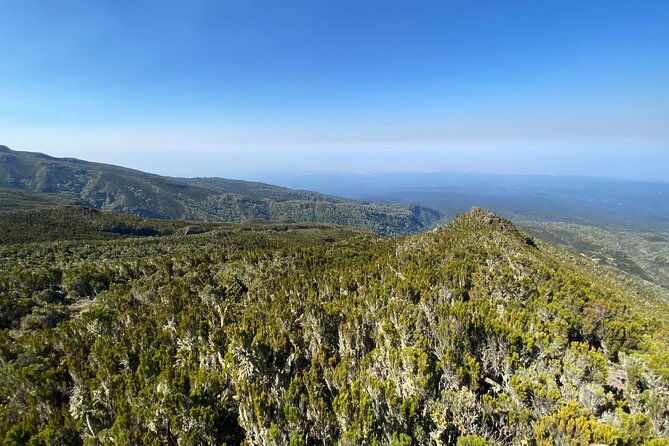
This is the day most people remember, and it is also the day that tests you. The itinerary says you rise around 11:30 PM, with steaming tea and biscuits. Then you shuffle off into the night.
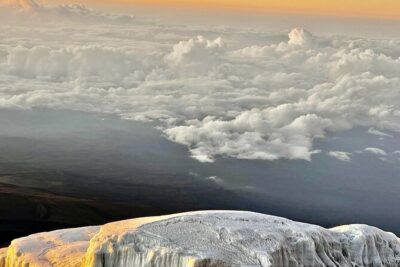
The climb is described as the most challenging part for most climbers. It includes about a 6-hour ascent northwest through heavy scree between the Rebmann and Ratzel glaciers to Stella Point on the crater rim. Depending on the season and recent storms, you may encounter snow on the remaining hike along the rim toward Uhuru Peak.
From Stella Point, you continue along the crater rim to Uhuru Peak for the summit. After that, you descend about 3 hours back to Barafu Camp, take a short rest, collect your gear, and then hike down a rock and scree path into the moorland and eventually into the forest to Mweka Camp.
Day 7 is listed as 8 hours. Even if you pace well, the night hours can feel long. This is why the route’s earlier steady acclimatization is so valuable. It does not remove the difficulty, but it can improve how your body handles it.
Day 8: Mweka Village, Hot Lunch, and a Moshi Hot Shower
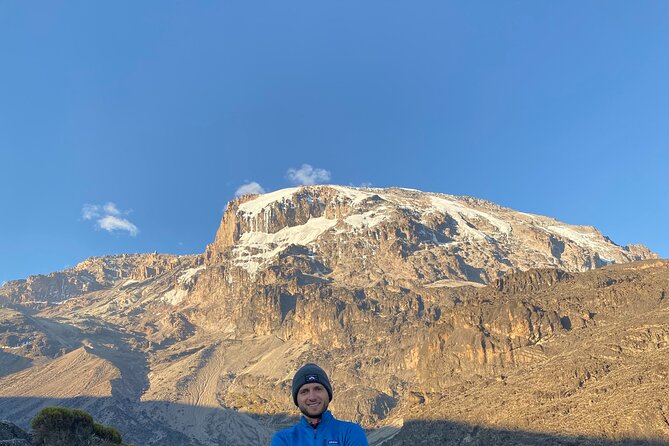
Day 8 is the payoff day. After breakfast, you have a short scenic hike back to the park gate, listed as about 3 hours. In Mweka Village, you are served a hot lunch.
Then you are driven back to Moshi for an overdue hot shower and a comfortable night at your hotel. That is not just a nice perk. After days of cold air and careful walking, a real warm shower and a stable bed help your recovery stick.
If you plan your day around it, you will feel the end properly. I like having a calm final schedule, especially after the intensity of summit night.
Price and Value: What $2,100 Covers on This 8-Day Plan
The price is $2,100.00 per person for an 8-day climb. For many people, the key value question is not just cost, it is what you are buying: time, planning, and support.
Here, the itinerary notes admission tickets included on the hiking days. It also includes a pickup offered option and a mobile ticket. Those details matter because they reduce the amount of admin you do while you are preparing for extreme conditions.
The route also gives you a full multi-day structure that is designed for better acclimatization. That structure is hard to replicate on your own unless you have real mountaineering support and logistics figured out. You are paying for the system: pacing decisions, timing, and camp-to-camp progress.
Your best value bet is to choose an operator that runs on schedule and handles the small problems fast. Reviews associated with this provider emphasize organization and responsiveness, including quick replies by email and WhatsApp before the climb. When you are working with gear, weather, and nerves, fast communication is not a luxury.
The Human Part: Guides, Porters, and Clean, Ready Equipment
Service quality is a big deal on Kilimanjaro, because you are tired, you are adjusting to altitude, and you rely on the team to keep things running. The feedback linked to this climb repeatedly points to a well-run team and attentive care from guides and porters.
A standout theme is how prepared everything feels at the start. One highlight mentioned is that the team meets you for a briefing, checks your equipment, and provides support so you know what you have and what you need. That pre-climb structure can reduce stress fast.
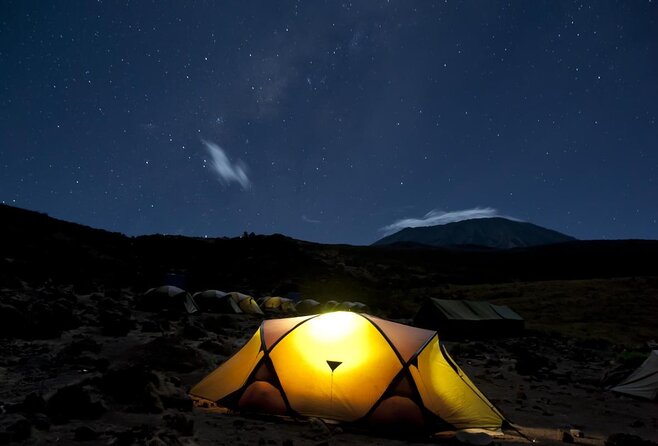
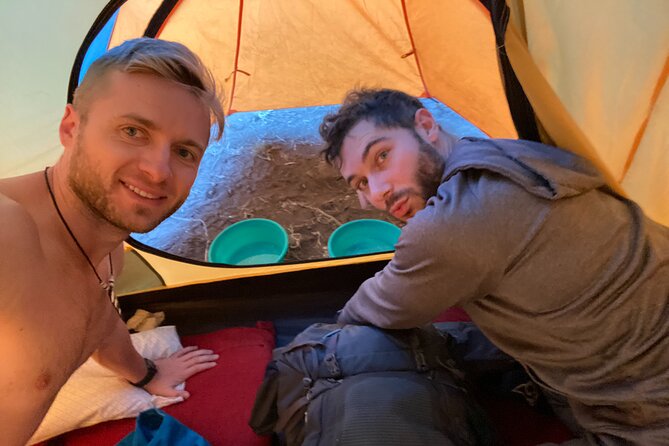
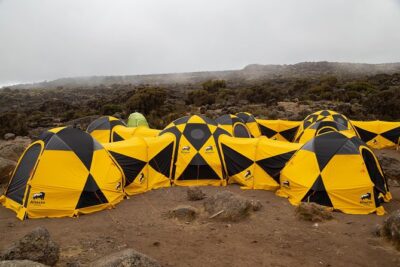
Equipment also gets praise for being in good shape. There are mentions of tents being very clean and a bit of choice around colors, which might sound small until you are using those tents every night.
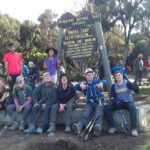
Finally, multiple notes describe a friendly, professional attitude. One review describes feeling like part of the family, which is the kind of emotional support that can matter when the toughest hours hit around midnight.
Who Should Choose This 8-Day Lemosho Route
This route fits best if you want a calmer start and steady acclimatization. The itinerary is aimed at people with moderate physical fitness. That means you should feel comfortable with multi-hour hikes and long days, not just a casual walk.
You will likely enjoy the plan if you:
- Like scenic days with different terrain types
- Prefer a route that aims for gradual acclimatization
- Want a private setup where only your group participates
You should think twice if you are worried about the summit night. Even with good support, Day 7 involves a late start around 11:30 PM and a long climb over heavy scree to Stella Point before the final push to Uhuru Peak. If night hiking and steep rocky ground make you uneasy, plan for that honestly.
Should You Book This 8-Day Lemosho Climb?
I would book this if your priority is a route that starts quieter, climbs steadily, and gives you major scenery milestones like Lava Tower and Barranco Camp. The itinerary also has a clear shape: forest and moorland early, glacier-zone payoff later, then a straightforward exit through the Mweka descent area back to Moshi.
Do it if you are ready for real altitude work and you can handle the fact that the hardest hours are on summit night. The payoff is big, but the mountain is still the mountain.
If you want to maximize your chance of feeling steady rather than rushed, this style of route planning is a sensible choice. And if you value organized support, fast communication, and clean, well-prepped camp setup, this provider’s track record looks aligned with that goal.
FAQ
How long is the Lemosho climb on this option?
It is listed as 8 days (approx.).
Where does the tour operate?
The location is Moshi, Tanzania.
What time does the experience start?
The start time is 8:30 am.
Is pickup offered?
Yes, pickup is offered.
Is this a private tour?
Yes. It is a private tour/activity, with only your group participating.
Do I receive a mobile ticket?
Yes, the tour includes a mobile ticket.
Are admission tickets included?
Yes. Admission ticket(s) are included.
What time does summit night start?
You rise around 11:30 PM and then begin the climb toward Stella Point and the summit.
What happens on the final day after the hike?
You do a short scenic hike to the park gate, get a hot lunch in Mweka Village, and then you are driven back to Moshi for a hot shower and a comfortable night at your hotel.
What is the cancellation policy?
There is free cancellation. You can cancel up to 24 hours in advance for a full refund, and changes within 24 hours are not accepted.
Lemosho, Compared
- Kilimanjaro climb by Lemosho Route (7-day)
★ 5.0 · 651 reviews - Kilimanjaro Climbing Lemosho Route 8 Days.
★ 5.0 · 186 reviews - Kilimanjaro climb, Lemosho Route (8-day)
★ 5.0 · 148 reviews - Kilimanjaro climb, Lemosho Route (6-day)
★ 5.0 · 129 reviews - Kilimanjaro Lemosho Route
★ 5.0 · 71 reviews
Just added from around Moshi

Kilimanjaro Lemosho Route, compared.
 ★ 5.0Kilimanjaro climb by Lemosho Route (7-day)From $3,476651 reviews
 ★ 5.08-Day Small-group Lemosho Kilimanjaro Summit TrekkingFrom $2,895186 reviews
 ★ 5.0Kilimanjaro Climbing Lemosho Route 8 Days.From $2,300186 reviews
 ★ 5.0Kilimanjaro climb, Lemosho Route (8-day)From $3,975148 reviews
 ★ 5.0Kilimanjaro climb, Lemosho Route (6-day)From $3,034129 reviews
 ★ 5.0Kilimanjaro Lemosho RouteFrom $2,89071 reviews
 ★ 5.0Private Kilimanjaro Hike 7 Day Lemosho RouteFrom $2,45060 reviews
 ★ 5.0Climbing Kilimanjaro through 8 days Lemosho RouteFrom $2,76052 reviews
Browse the lists this tour appears in