
REVIEW · KILIMANJARO LEMOSHO ROUTE
8 Days Lemosho Route Climbing
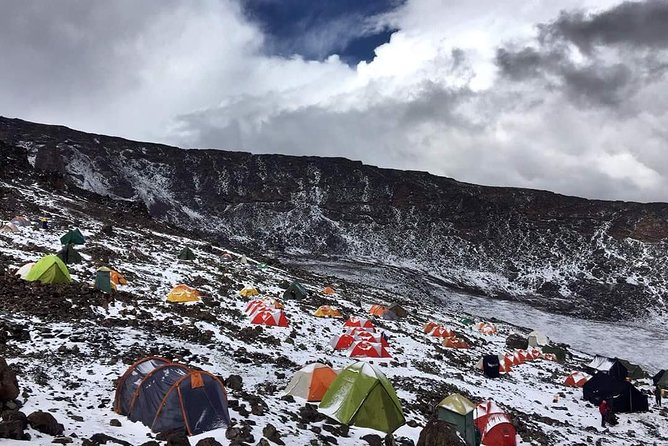
Kilimanjaro is a big trip. This 8-day Lemosho route is for people who want a calmer way up and a better shot at acclimatizing. You start near Londorossi Gate, walk through montane forest, then push higher along a quieter approach that climbs toward the Shira Plateau.
I like the practical pacing built into the plan. The schedule is designed for acclimatization, not heroics. I also like the human factor: a team that feels organized and responsive, with guide Patrick, and support that includes Emmanuel and his sister Mary handling details, plus the porters who get real praise for strength.
One consideration is simple: you still face serious altitude. Even with extra time, summit day is tough, and you should be honest with yourself about fitness and how you handle heights.
In This Review
- Key highlights to know before you go
- Lemosho in Moshi: The start near Londorossi Gate
- Day 1 specifics that help you picture it
- Why the extra 2 days on Lemosho can matter more than you think
- The remote ascent toward Shira Plateau: quieter days, real altitude work
- What’s valuable about a quieter route
- Mti Mkubwa Camp: your first real checkpoint
- What helps on Day 1
- Summit day to Uhuru Peak: tough, then it flips fast
- How to think about summit day before you get there
- Your mountain team: Patrick, Emmanuel, Mary, and the “Dream Team” vibe
- The named strengths you can look for
- Private tour value: fewer unknowns, more attention
- Price and what you’re actually buying for $2,713.47
- Packing and pace tips for an 8-day Lemosho plan
- Pace strategy that fits the route
- Should you book the 8 Days Lemosho route with Tanzania Joy Tours?
- FAQ
- Where does the climb start and end?
- How long is the 8 Days Lemosho route?
- Is pickup included?
- What fitness level do you need?
- Is this a private tour?
- What is the cancellation policy?
Key highlights to know before you go
- 8 days for acclimatization: the extra day is built in so your body has more time to adjust before the summit push
- Remote, quieter route to Shira Plateau: a less used way up that you experience as you climb higher
- Day 1 forest trekking to Mti Mkubwa Camp: a gentle start with real elevation gain through montane forest
- Uhuru Peak summit payoff: the hardest day brings a view that helps you forget the suffering fast
- A praised support team: guides like Patrick, plus a cook called Mr Delicious known for serious good meals
- Private group experience: only your group participates, so the trek runs with less confusion and more attention
Lemosho itineraries worth reading next
- Kilimanjaro climb by Lemosho Route (7-day)★ 5.0 · 651 reviews
- Kilimanjaro Climbing Lemosho Route 8 Days.★ 5.0 · 186 reviews
- Kilimanjaro climb, Lemosho Route (8-day)★ 5.0 · 148 reviews
- Kilimanjaro climb, Lemosho Route (6-day)★ 5.0 · 129 reviews
Lemosho in Moshi: The start near Londorossi Gate
The whole climb begins in Moshi, with a start point in Moshi Urban, Tanzania, and the trip ending back at the meeting point. If you’re arriving to Tanzania and want the logistics handled, this matters. You are not trying to coordinate your own transport to the park while also thinking about what altitude will do to you.
From there, you drive to Kilimanjaro National Park via Londorossi Gate. The drive is about three hours, and it is part of the reality of any Kilimanjaro climb. I like that the plan is straightforward: after breakfast and a briefing, you roll out, then you start hiking with purpose.
On Day 1, your trek takes you from the Londorossi side into the forest world. A forest track requiring a 4WD vehicle leads you onward, then you hike along forest trails to Mti Mkubwa Camp.
Day 1 specifics that help you picture it
Elevation change: 1830m to 2650m
Distance: 6 km
Hiking time: 2 to 3 hours
Habitat: montane forest
Meals and camp: you spend the night at Mti Mkubwa Camp
That elevation climb up to around 2650m is not nothing. But the hike length is short, and you spend the time moving through forest trails instead of burning all your energy at once. For many people, this day feels like a “get your body warmed up” day, not a “race to altitude” day.
Why the extra 2 days on Lemosho can matter more than you think
The Lemosho route can be hiked in as few as six days. This plan recommends 8 days, and there is a reason beyond comfort. More days gives your body time to acclimatize, which can reduce the effects of altitude sickness. It also gives you room to rest before you attempt the summit.
Here’s the practical version of that. Altitude problems often show up when people speed up the climb, even if they feel okay at first. With an 8-day schedule, you have more chances to let symptoms settle, to eat, and to sleep in higher zones without constantly escalating your stress level.
I also like that the plan treats rest as part of the trek. You are not just walking to check boxes. You are hiking, then recovering, then adjusting your plan as your body responds.
If you’re someone who gets impatient at the gym, this is where you need to channel that energy into steady walking. No sprinting. No “I feel great so I’ll push it.” Your goal is to arrive at the difficult days with enough in the tank to handle them.

The remote ascent toward Shira Plateau: quieter days, real altitude work
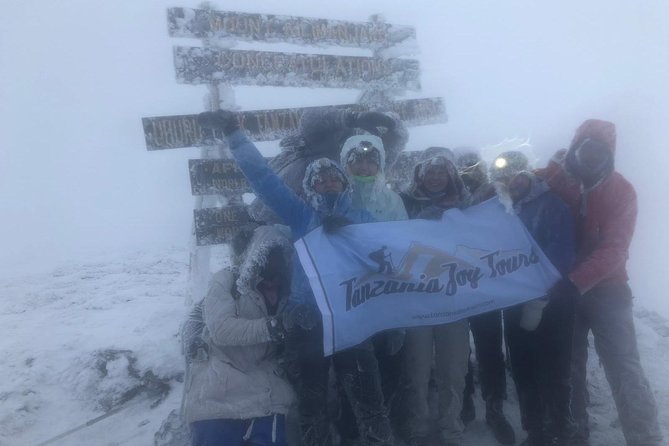
One of the biggest reasons people choose Lemosho is the feel of the approach. It is remote and less used. That means you get more of the mountain and less of the crowded “everyone jostles for the same photo” vibe.
The route is described as a beautiful way up to the Shira Plateau. Even if you never visit a plateau before, the key idea is this: it is part of the climb’s altitude progression, and it is where the route’s character changes as you go higher.
What you should expect on these middle days is more time spent acclimatizing at altitude and gradually moving upward. While your exact day-by-day camp names are not listed here, the overall arc is clear from the route description and the summit outcome.
What’s valuable about a quieter route
Less crowded time tends to help with pacing. It’s easier to keep your walking rhythm. It is easier to stay focused on hydration and eating. And it’s easier for your guide to manage the group.
There’s also a mental benefit. A remote route feels more like you’re inside the climb. You stop thinking about schedules and start thinking about your next step, then your next one.
Mti Mkubwa Camp: your first real checkpoint
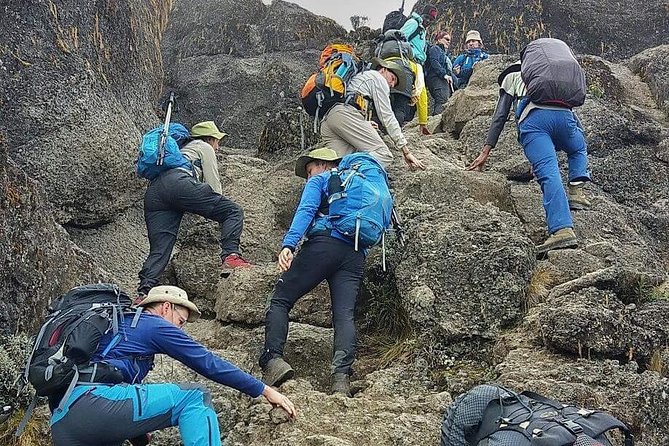
Every Kilimanjaro trek has a first “we’re really doing this” moment. In this plan, that happens on Day 1 when you reach Mti Mkubwa Camp.
You climb from 1830m to 2650m, then finish a 6 km hike in the 2 to 3 hour range. That is a workable start for many people who have moderate physical fitness. You are not gaining altitude at a crazy rate compared to longer hikes that feel like forced marches. Still, you should treat this day as training for how you will move later.
I’d plan to keep your pace comfortable and steady. If you find yourself breathing hard early, slow down. Your legs can handle more than your lungs at altitude, so respect that.
What helps on Day 1
Because this day is forested, you can lean into steady movement. Forest walking is often easier on the eyes and the mind, and it can feel less exposed. But the elevation gain is real, so you still want to manage water and snacks carefully.
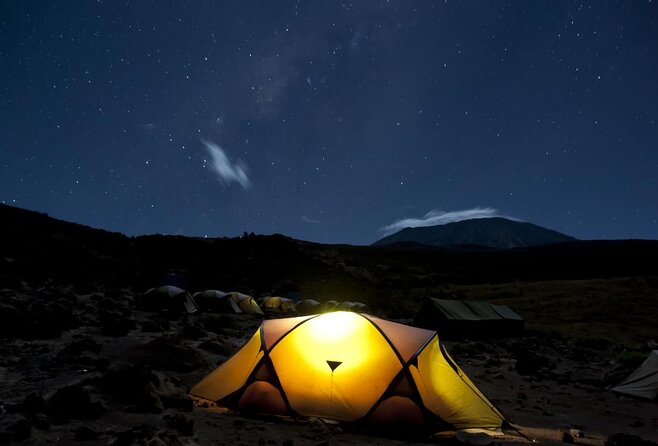
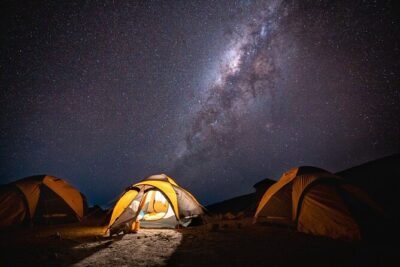
Your night is at a camp described as budget lodging at Mti Mkubwa Camp. Budget lodging typically means basic, practical sleeping arrangements, so plan your expectations around function, not luxury.
Summit day to Uhuru Peak: tough, then it flips fast
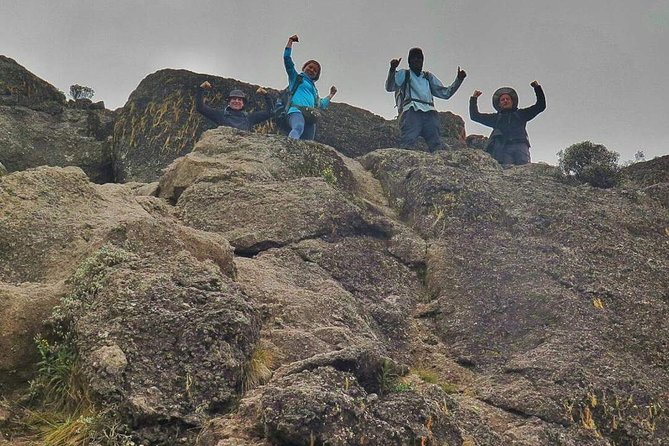
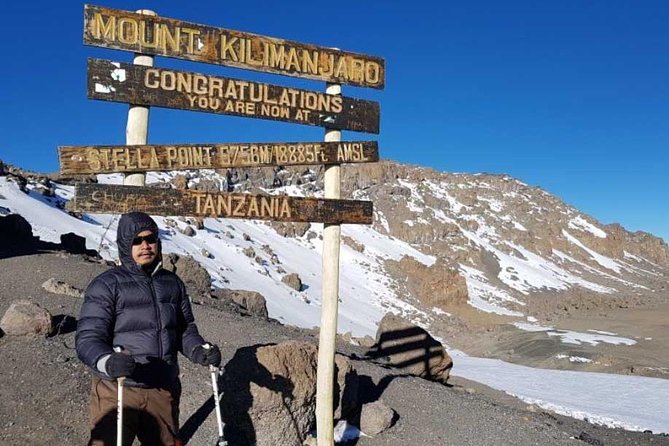
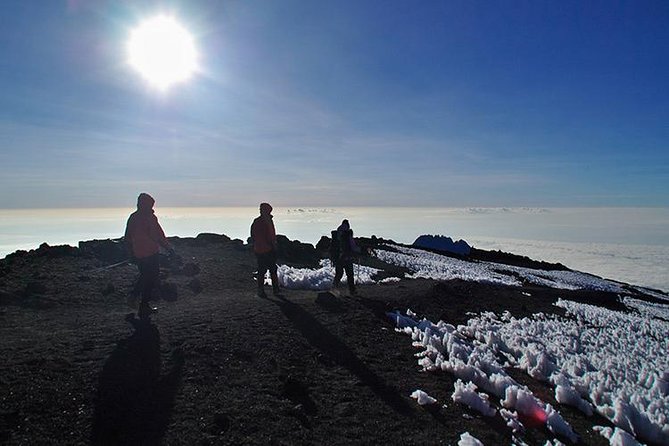
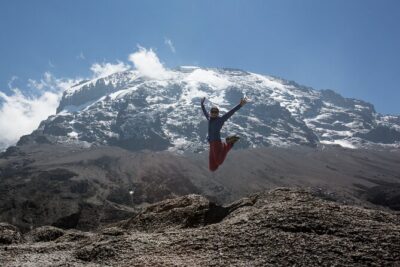
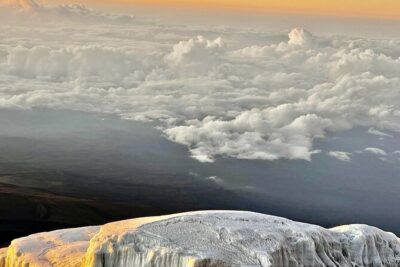
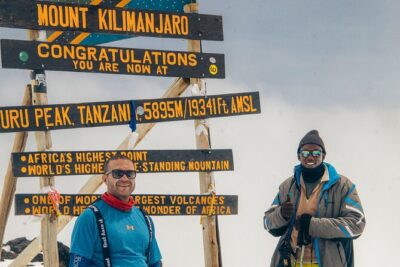
The summit day is the big moment, and it is also the toughest. One of the clearest notes from the experience of others is that summit day is genuinely hard. Yet once you reach the top of Uhuru Peak, it changes your whole mood.
There’s something honest about that: you suffer, then you forget the suffering quickly. That doesn’t mean it’s easy. It means the final payoff is immediate and emotional.
How to think about summit day before you get there
Don’t treat summit day like a test of toughness. Treat it like a process. You will likely move slower than you think you should. That is normal. Your guide’s job is to keep you moving at a pace that protects your acclimatization progress.
Also, keep in mind that the whole 8-day plan is built to increase your odds here. Extra days do not guarantee success, but they can lower the odds of feeling crushed by altitude before you reach the final push.
Your mountain team: Patrick, Emmanuel, Mary, and the “Dream Team” vibe
A big part of what makes Kilimanjaro work is the team. This climb is with Tanzania Joy Tours, and the overall impression is professional, organized, and responsive.
You’ll get support that is more than just “someone hands out water.” People consistently praise how the guides and partners handle details and solve problems when things get complicated.
The named strengths you can look for
Guides mentioned include Patrick, along with other guiding team members such as Ringo, Arther, Michael, and Eden. The common thread is support and a welcoming tone, including for groups that might not have climbed before.
Leadership also shows up in the company side. Emmanuel and his sister Mary are recognized for finding solutions and staying professional about the logistics.
Then there is the food. A cook called Mr Delicious is singled out for being probably the best cook of the Kilimanjaro treks. That might sound like hype, but on Kilimanjaro, good meals matter. Food is fuel, and fuel is what helps you feel human when the mountain tries to turn you into a breathing machine.
And finally, porters. Strong porters keep the load manageable for you and reduce stress across the trek. The porters are praised for strength, which is exactly what you want on a climb where things get heavy in every sense.
Private tour value: fewer unknowns, more attention
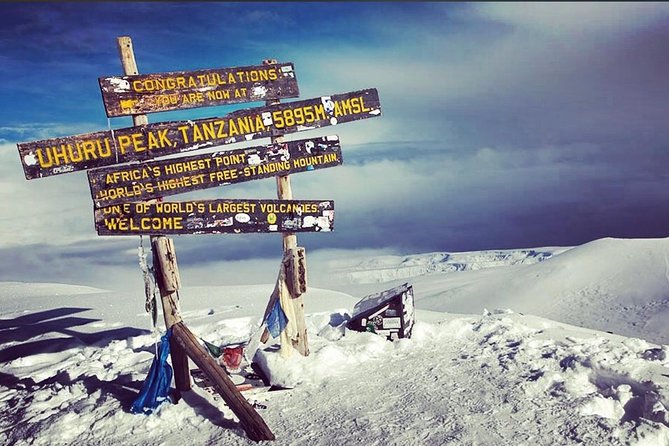
This is a private tour/activity, meaning only your group participates. That changes the experience in subtle ways.
When you are not sharing a trek with random strangers, it tends to feel smoother. Your guide can manage your pace and your breaks without trying to blend different walking styles. It also can reduce the awkward moments where someone’s speed or energy changes the schedule for everyone else.
You also have pickup offered, which is useful in Moshi. Getting from your lodging into the park transport plan without extra scrambling is one less thing to worry about.
There is also mention of a mobile ticket, and that tends to make the “what do I show at the start” part less stressful.
Price and what you’re actually buying for $2,713.47
The price is listed as $2,713.47 per person for an 8-day Lemosho route in Moshi with Tanzania Joy Tours. That number can feel like a lot, and it is. But Kilimanjaro is not a cheap trek because the operation is labor-heavy.
What you are paying for is the whole system that makes a climb possible:
- guiding and daily management across multiple altitude days
- porters to carry the heavy stuff
- logistics and transport from Moshi to Londorossi Gate
- camp nights, meals, and practical support on the mountain
- the human touch people repeatedly point out, including strong guiding and good food
Is this the cheapest way to climb Kilimanjaro? Probably not. But value is not just about the lowest number. It’s about minimizing stress. On a climb where summit day is tough, fewer frayed edges can be worth real money.
If you want a route with better acclimatization odds, a quieter ascent, and a team that feels competent, this price starts to make sense. If you are budget-only and want to do everything yourself, you might not love this style of cost.
Packing and pace tips for an 8-day Lemosho plan
The tour description says travelers should have moderate physical fitness. That’s a fair target for many people who can walk for a couple hours comfortably.
Here’s how I’d translate that into trekking behavior. Think steady and boring. You want your heart rate controlled, your breathing calm, and your stomach settled enough to eat at camp.
Pace strategy that fits the route
- On Day 1, keep it comfortable. That 2 to 3 hour start is short, but the altitude gain is still real.
- Once you’re higher, resist the urge to speed up on days when you feel good.
- Follow your guide’s pacing, especially as you get closer to summit day.
Also, plan your expectations for lodging. The camp at Mti Mkubwa is described as budget lodging. That means simple. Bring a mindset that prioritizes warmth, sleep, and recovery over comfort.
Should you book the 8 Days Lemosho route with Tanzania Joy Tours?
Book it if you want the smarter version of Kilimanjaro. The pitch here is clear: 8 days for acclimatization, a remote and beautiful approach toward Shira Plateau, and a team that looks ready to keep things smooth. If you value support, good food, and experienced guidance, this route fits well.
I’d skip it if you are trying to make the cheapest climb possible, or if you want lots of luxury along the way. The camps are basic, and the summit day is hard. This is an effort, not a stroll.
One more thing. If you’re nervous about altitude, this is the kind of schedule that respects how your body works. Give yourself time. Then let the mountain do what it does best: test you a little, and reward you when you earn it.
FAQ
Where does the climb start and end?
The experience starts in Moshi Urban, Tanzania, and it ends back at the meeting point.
How long is the 8 Days Lemosho route?
It runs for about 8 days. A minimum duration of 6 days is mentioned, with 8 days strongly recommended.
Is pickup included?
Yes, pickup is offered.
What fitness level do you need?
Travelers should have a moderate physical fitness level.
Is this a private tour?
Yes. It is a private tour, and only your group will participate.
What is the cancellation policy?
Free cancellation is available. You can cancel up to 24 hours in advance for a full refund, based on the experience’s local time.
Lemosho, Compared
- Kilimanjaro climb by Lemosho Route (7-day)
★ 5.0 · 651 reviews - Kilimanjaro Climbing Lemosho Route 8 Days.
★ 5.0 · 186 reviews - Kilimanjaro climb, Lemosho Route (8-day)
★ 5.0 · 148 reviews - Kilimanjaro climb, Lemosho Route (6-day)
★ 5.0 · 129 reviews - Kilimanjaro Lemosho Route
★ 5.0 · 71 reviews
Just added from around Moshi

Kilimanjaro Lemosho Route, compared.
 ★ 5.0Kilimanjaro climb by Lemosho Route (7-day)From $3,476651 reviews
 ★ 5.08-Day Small-group Lemosho Kilimanjaro Summit TrekkingFrom $2,895186 reviews
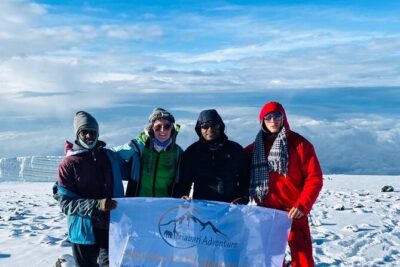 ★ 5.0Kilimanjaro Climbing Lemosho Route 8 Days.From $2,300186 reviews
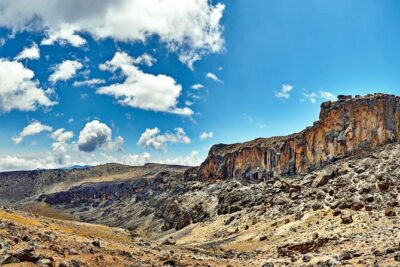 ★ 5.0Kilimanjaro climb, Lemosho Route (8-day)From $3,975148 reviews
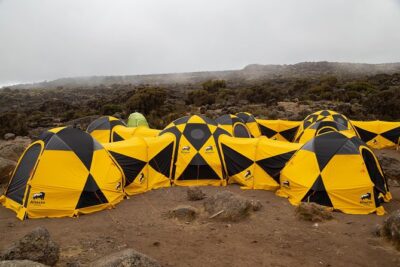 ★ 5.0Kilimanjaro climb, Lemosho Route (6-day)From $3,034129 reviews
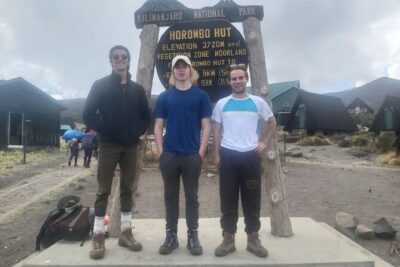 ★ 5.0Kilimanjaro Lemosho RouteFrom $2,89071 reviews
 ★ 5.0Private Kilimanjaro Hike 7 Day Lemosho RouteFrom $2,45060 reviews
 ★ 5.0Climbing Kilimanjaro through 8 days Lemosho RouteFrom $2,76052 reviews
Browse the lists this tour appears in