
REVIEW · KILIMANJARO MARANGU ROUTE
5 days Marangu Route
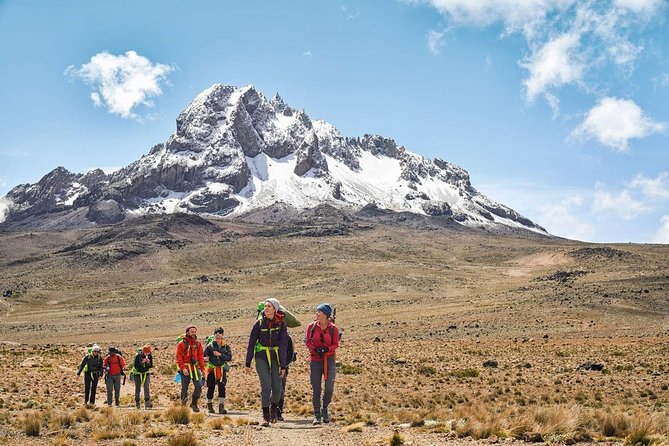
Huts, rainforests, and a summit at 5,895 meters. This Marangu Route is interesting because it gets you moving fast with mountain-hut overnights and a real support crew, including organiser Mr Wence plus guides Mr Msafiri, Rama, and Allan. I also like that the trail is well maintained, so you spend more energy on the climb and less on figuring things out. One possible drawback: because Marangu is the quicker route, the success rate can be lower than slower alternates.
I found the value strong for the price, because it covers the heavy lift stuff: transfers, fees, your guides, cooks, porters, hut meals, and even emergency oxygen for emergencies only. You’ll appreciate the daily hot-water wash and fresh drinking water too, because those small comforts matter when your body is working overtime. At the same time, this is still a serious high-altitude trek, and your results will depend on pace, fitness, and how well you handle altitude.
In This Review
- Key things to know before you go (Marangu Route, 5 days)
- Marangu in five days: hut-based trekking with a speed tradeoff
- Getting from Moshi to the Marangu Gate: Day 1 starts in the rainforest
- Day 1 in plain terms
- Mandara to Horombo Hut: timberline to moorland, plus Mawenzi and Kibo views
- Day 2 in plain terms
- The Saddle toward Kibo Hut: Day 3’s long effort and the Last Water moment
- Day 3 in plain terms
- Summit night from midnight: Hans Meyer Cave, Gillman’s Point, and Uhuru Peak
- Day 4 in plain terms
- Day 5 descent to Marangu Gate: Mandara lunch, rainforest again, warm shower after
- Day 5 in plain terms
- Price and logistics: what you get for $2,150 per person
- What is not included: the gear and extras you should plan for
- Safety and oxygen: what included emergency oxygen really means
- Comfort at altitude: huts, hot water, and daily routines that help your brain
- Who should choose the 5-day Marangu Route
- Should you book this 5-day Marangu climb from Moshi?
- FAQ
- How long is the Marangu Route experience?
- Where does the trek start and end?
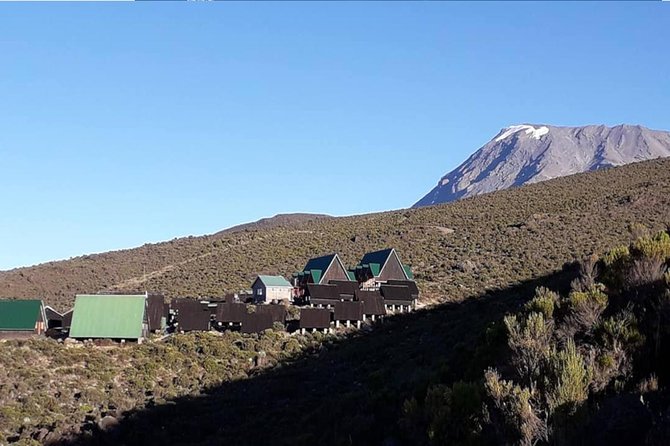
- What kind of accommodation do you get on the mountain?
- What is included in the price?
- Do I need my own trekking gear?
- Is emergency oxygen included for summit use?
Key things to know before you go (Marangu Route, 5 days)
- A quicker ascent on a well-used path on the famous Marangu trail, also called the Coca-Cola Route
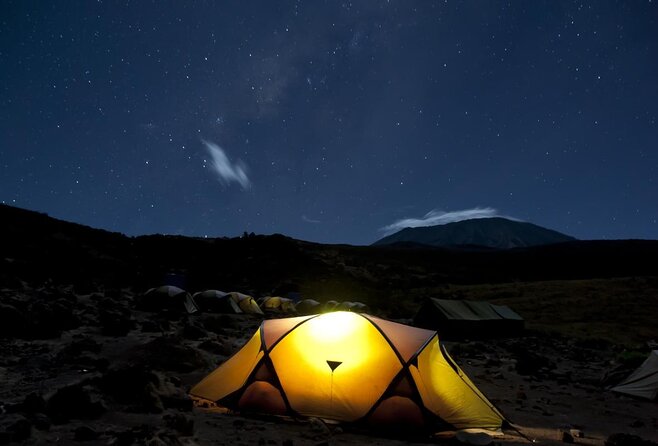
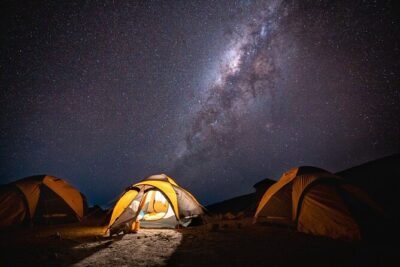
- Overnight stays in huts, not tents, which changes the whole feel of sleeping at altitude
- A summit day that starts around midnight, with sunrise timing near Gillman’s Point
- Fresh water plus daily hot water for washing, so you are not stuck feeling grim by Day 3
- Emergency oxygen included for emergencies only, not as summit aid
- Private tour for your group, with the full team of guides, cooks, porters, and organisers
Marangu, other operators and other lengths
- Kilimanjaro climb, Marangu route (6-day)★ 5.0 · 72 reviews
- Climbing Kilimanjaro – Marangu Route★ 5.0 · 65 reviews
- Best Kilimanjaro Adventures 6 Days Marangu Route Experience★ 5.0 · 18 reviews
- Kilimanjaro Private Climbing in 6 Days Marangu Route★ 5.0 · 16 reviews
Marangu in five days: hut-based trekking with a speed tradeoff
Marangu is one of the most popular ways up Kilimanjaro because it is efficient. You gain altitude through distinct zones, yet you are not constantly guessing about the trail. The big reason people choose it is the hut night setup, which is simply easier to manage than full-on camping logistics.
The tradeoff is pacing. Marangu’s shorter timeline can mean less time for acclimatization than slower routes, even though the trail itself is well maintained. That does not mean it is impossible, it means you should treat every day as part of your acclimatization plan, not just a hiking day.
Also, this is a classic “support team” trip. You are not solo out there, and the mountain crew is part of the experience, from guides and porters to cooks keeping meals moving at altitude.
Getting from Moshi to the Marangu Gate: Day 1 starts in the rainforest
You get picked up in Moshi and transferred to Marangu Gate after paperwork. That paperwork part is not glamorous, but it matters because it is the gateway to entry into Kilimanjaro National Park and the start of your tracked climb.
Then the real vibe begins in dense rainforest. You’ll hike through thick, lush vegetation and you may catch glimpses of primates along the way. It is a good early-day rhythm: steady movement, cooler air under the trees, and a gradual ramp toward higher terrain.
Your first overnight target is Mandara Hut, after about 8.3 km and roughly 5 hours. A notable highlight here is the chance to visit the Maundi Crater area for views over the Kenyan interior. That kind of viewpoint early on helps you feel like you are making progress, not just walking uphill.
Day 1 in plain terms
- Start with paperwork and rainforest trekking
- Look out for wildlife along the path
- Aim to conserve energy, because tomorrow is longer
Mandara to Horombo Hut: timberline to moorland, plus Mawenzi and Kibo views
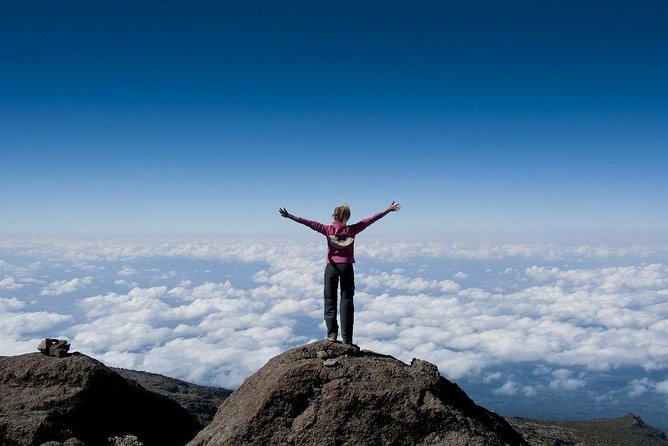
Day 2 is longer and more exposed, even though you still have scenery that keeps you engaged. After leaving Mandara Hut, you reach the timberline and then move into heath and moor zones.
This is the part of Kilimanjaro where the forest feeling fades and the altitude work becomes more obvious. Expect a steady uphill day, with roughly 4 to 6 hours before Horombo Hut comes into view. Horombo Hut sits at about 3,700 m, and the views from there can be stunning.
You get fantastic sightlines toward Mawenzi, Kibo, and the broad Masai steppe plain. Those are the moments that help you forget how your legs feel and remind you why this peak is such a magnet for hikers worldwide.
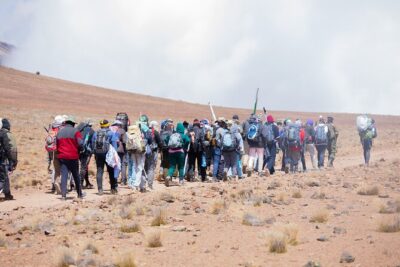
The hike is around 12.5 km and about 9 hours. Longer days like this are where good guidance pays off. Your crew can help you manage pace, breaks, and how you are breathing, which is not just comfort, it is altitude survival.
Day 2 in plain terms
- Timberline then heath and moorland
- Horombo Hut brings big panorama views
- Treat the day like conditioning, not a race
The Saddle toward Kibo Hut: Day 3’s long effort and the Last Water moment
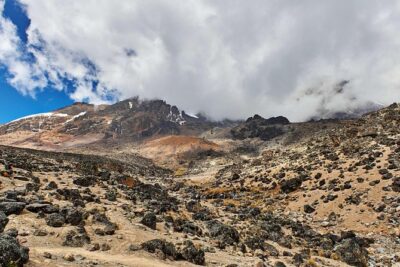
Day 3 is a longer, tougher stage heading toward Kibo Hut, at about the high altitude where most people feel it most. The trail takes you past the Last Water point, and then you continue toward the “saddle,” a high-altitude desert-like section with very little vegetation.
That “saddle” description matters, because it changes the feel of the hike. Fewer things to block wind or sun, and a more barren terrain where you feel every effort. This is also the day where many hikers start thinking about the summit night, because you are getting closer fast.
The distance is about 9.5 km, with a typical time around 6 to 7 hours. Your destination is Kibo Hut, where you’ll usually reach after that long climb. Then the plan turns into summit preparation: early evening meal and an early night, since the night will be short.
This is one of the most practical choices on Marangu: you sleep when you can, not when you wish. The less chaos you have at altitude, the better your body can rest and recover.
Day 3 in plain terms
- Last Water point is part of your mind-set shift
- The saddle section is dry, exposed, and demanding
- Kibo Hut means early meal and early sleep
Summit night from midnight: Hans Meyer Cave, Gillman’s Point, and Uhuru Peak
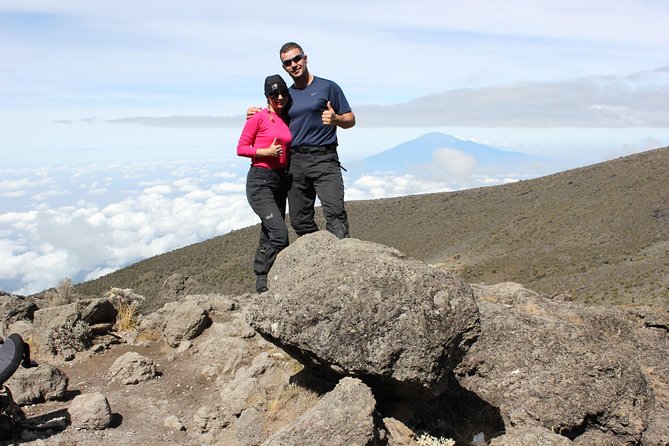
Day 4 is “The Big Day,” and it runs on a tight schedule. You start your final ascent around midnight, so plan for cold. Even if you feel tough at the beginning, the temperatures up high can test you right when you are building momentum.
Along the way you pass Hans Meyer Cave at about 5,220 m. Then the climb continues, rising slowly but surely. This slow climb matters. You are trying to keep your breathing controlled, not force speed.
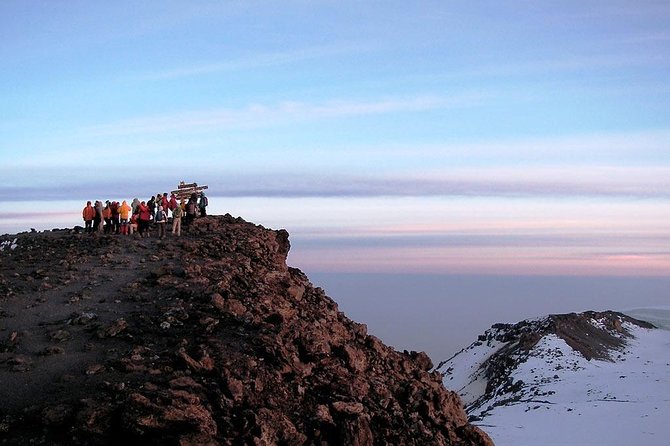
At sunrise, you reach Gillman’s Point at about 5,681 m, which is the crater rim area. That moment is huge, because as the sun warms the land, the climb shifts from survival mode into celebration mode.
Then you hike another 1 to 2 hours and reach Uhuru Peak at 5,895 m. That is the payoff. You earn it with slow steps, smart pacing, and a lot of patience.
After the summit, you return to Kibo Hut where a warm meal awaits you. Then you take a short break for about 1 to 2 hours before starting the descent to Horombo Hut. The total time on this day can be 13 to 15 hours, so your stamina matters more than anything else.
Day 4 in plain terms
- Midnight start, keep breathing steady
- Hans Meyer Cave, then sunrise at Gillman’s Point
- Uhuru Peak at 5,895 m, then back down to Kibo and Horombo
Day 5 descent to Marangu Gate: Mandara lunch, rainforest again, warm shower after
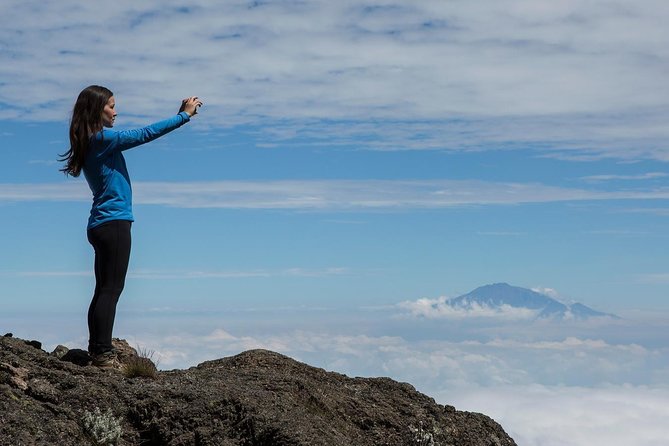
The last day can feel like a victory lap. But it is still a full trekking day, roughly 20.8 km and about 8 hours total. The goal is to drop altitude safely and get back to Marangu Gate around 1,860 m.
You pass through the heath and moor zone again, then stop at Mandara Hut at about 2,700 m for lunch. Having a warm meal waiting at a halfway point helps a lot. It keeps you from burning through energy just to “get it over with.”
After that you go back into the tropical rainforest. This is a nice contrast from the barren saddle and summit zones. As the air feels more humid and the vegetation returns, many people feel a mental reset.
Eventually you reach the park gate and say goodbye to your mountain guides. Then you transfer back to your hotel in Moshi, where you can take a warm, relaxing shower and celebrate finishing the climb.
That warm shower is not a trivial detail. After days of altitude effort, it is one of the best “back to real life” rewards you can imagine.
Day 5 in plain terms
- Descend through moor and heath
- Mandara Hut lunch helps you finish strong
- Forest walking brings a calmer feel before the final transfer
Price and logistics: what you get for $2,150 per person
At $2,150 per person, this is not a cheap outing. The value, though, comes from how much is included that usually costs extra on adventure trips.
Included items that matter for real budgeting:
- All fees and taxes
- Return transfers between Kilimanjaro airport and Moshi, plus back after the climb
- Hotel stay the night before and the night after, with dinner and breakfast included
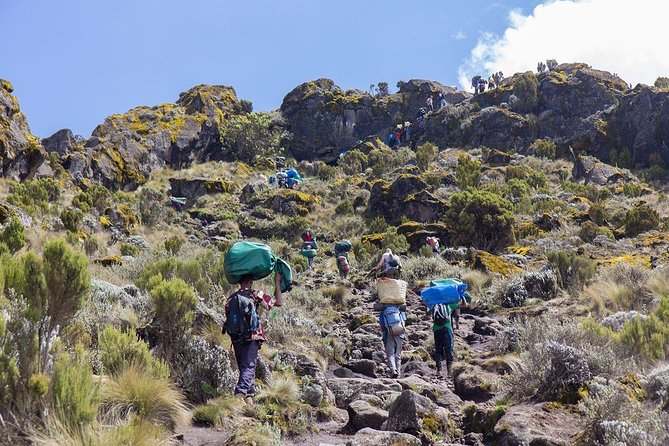
- A full team: qualified mountain guide, assistant guides, porters, and cook, plus their wages
- Emergency oxygen for emergencies only
- Camping equipment like tents, camp chairs, tables, and sleeping mattress
- Fresh water daily for drinking and hot water daily for washing
- Meals: breakfast (4), lunches (5), dinners (4)
What you should notice is how little you have to manage yourself. When you are at altitude, the less you have to think about logistics, the more you can focus on your body and your pace.
What can also surprise people is that this package includes a lot of “team overhead.” You are paying for the guides and the support system that keeps you fed, moving, and safe.
What is not included: the gear and extras you should plan for
There are a few gaps where you need to be ready.
Not included:
- Visas, flights, and travel or health insurance
- Personal hiking or trekking gear (some gear can be rented from an equipment store in Tanzania)
- An optional but highly recommended portable toilet
- Snacks, personal medicine, water purifying tablets
- Meals and drinks not specified, plus snacks
My practical advice: treat this as a “mostly covered” trek, not a full wardrobe giveaway. You will want to arrive prepared with what you personally need for comfort at altitude, because your body is your only unique equipment.
Also, plan for drinking safely. The trek includes fresh water, but the data also flags purifying tablets as not included. If you already use tablets on trips, pack them, because it is cheap peace of mind.
Safety and oxygen: what included emergency oxygen really means
Emergency oxygen inclusion is important, but it comes with a specific rule: it is for emergencies only, not for summit assistance. That distinction is key for expectations.
This matters because Kilimanjaro is a mountain where altitude risks are real. Oxygen can be a lifesaver in certain situations, and having it available shows the provider is thinking about contingencies.
But it should also reinforce how seriously you take acclimatization. On Marangu, the route moves quicker, so your best safety tool is pacing and listening to your guide.
Comfort at altitude: huts, hot water, and daily routines that help your brain
One of the smartest things about Marangu is the hut setup. Sleeping in mountain huts changes the feel of altitude trekking. You are not always negotiating tent space, wind, and full camping routines.
Daily hot water for washing is another comfort that adds up. When the body is stressed, it helps to reset with warmth and cleanliness, even if it is simple.
Fresh drinking water also helps you stay on track. Altitude effort turns thirst into a stealth problem, so having water handled by the crew makes it easier to keep steady hydration.
And the team dynamic is a big part of the comfort. From porters to cooks to guides, you are with people who are actively working to keep things running. Names like Mr Wence, Mr Msafiri, Rama, and Allan are examples of how specific the leadership can be, not a faceless group.
Who should choose the 5-day Marangu Route
This trek is well suited if you:
- Want the quicker Kilimanjaro option with a maintained trail
- Prefer hut nights over full tent camping
- Appreciate having a full support crew handling meals, water logistics, and mountain tasks
- Like structure, early meals, early nights, and a clear summit-night plan
It may be less ideal if you want lots of extra acclimatization time. Because Marangu is faster, you should be prepared for the reality that success can depend more on your body and discipline.
Should you book this 5-day Marangu climb from Moshi?
Book it if you want a solid, well-supported route with hut nights, clear stages, and a strong human team behind the climb. The inclusion list is heavy, and that reduces your workload in a way that feels priceless when you are tired and high on the mountain.
I would hesitate if you know you struggle with altitude or if you prefer slower routes that spend more days acclimatizing. Marangu can still work, but you should go in with realistic expectations and take pacing seriously.
If your priority is value, structure, and a support-driven climb, this is a strong pick.
FAQ
How long is the Marangu Route experience?
It runs about 5 days. The daily hiking times vary, with Day 4 being the longest at roughly 12 to 15 hours.
Where does the trek start and end?
You start in Moshi at pick-up, then hike from Marangu Gate. The climb ends back at the mountain meeting point with a transfer back to your hotel in Moshi.
What kind of accommodation do you get on the mountain?
You sleep in mountain huts overnight. The trek also includes equipment for the mountain support setup.
What is included in the price?
The price includes all fees and taxes, return airport transfers to Moshi and back, hotel stays before and after the climb with dinner and breakfast, emergency oxygen for emergencies only, guides and their wages, cooks and porters, and mountain equipment. Meals are included as well, including multiple breakfasts, lunches, and dinners.
Do I need my own trekking gear?
Personal hiking or trekking gear is not included. Some gear rental is available in Tanzania, but you should still plan to bring your own essentials.
Is emergency oxygen included for summit use?
Emergency oxygen is included for emergencies only. It is not provided as summit aid.
The Marangu Trail
- Kilimanjaro climb, Marangu route (6-day)
★ 5.0 · 72 reviews - Climbing Kilimanjaro – Marangu Route
★ 5.0 · 65 reviews - Best Kilimanjaro Adventures 6 Days Marangu Route Experience
★ 5.0 · 18 reviews - Kilimanjaro Private Climbing in 6 Days Marangu Route
★ 5.0 · 16 reviews - 6 Days Climb Kilimanjaro Through Marangu Route
★ 4.5 · 15 reviews
Just added from around Moshi
Kilimanjaro Marangu Route, compared.
 ★ 5.0Kilimanjaro climb, Marangu route (6-day)From $2,90272 reviews
 ★ 5.0Climbing Kilimanjaro – Marangu RouteFrom $2,00465 reviews
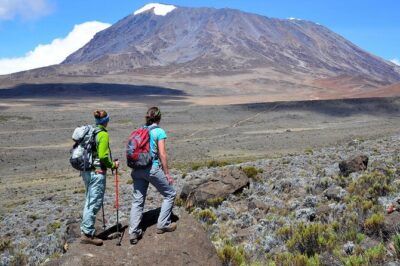 ★ 5.0Private Full Day Hiking Experience to Marangu RouteFrom $26061 reviews
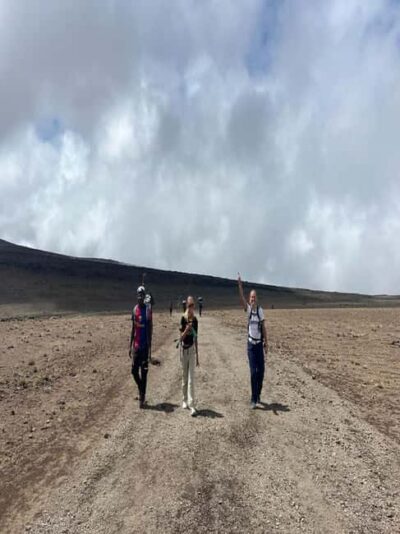 ★ 4.5From Arusha/Moshi: Kilimanjaro Hike Marangu Route Day TripFrom $10154 reviews
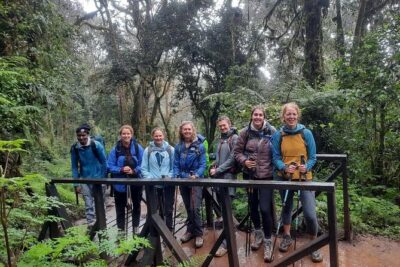 ★ 5.0Mount Kilimanjaro Day Hike Through Marangu Route to Mandara HutFrom $26537 reviews
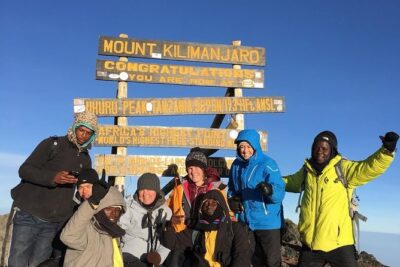 ★ 5.0Kilimanjaro Climbing 5 days Marangu routeFrom $90022 reviews
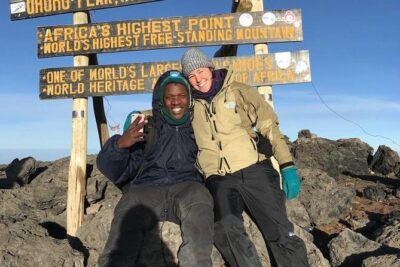 ★ 5.0Best Kilimanjaro Adventures 6 Days Marangu Route ExperienceFrom $1,00018 reviews
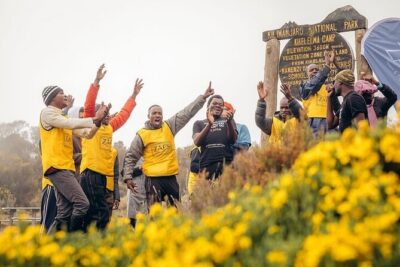 ★ 5.0Kilimanjaro Private Climbing in 6 Days Marangu RouteFrom $2,00016 reviews
Browse the lists this tour appears in