
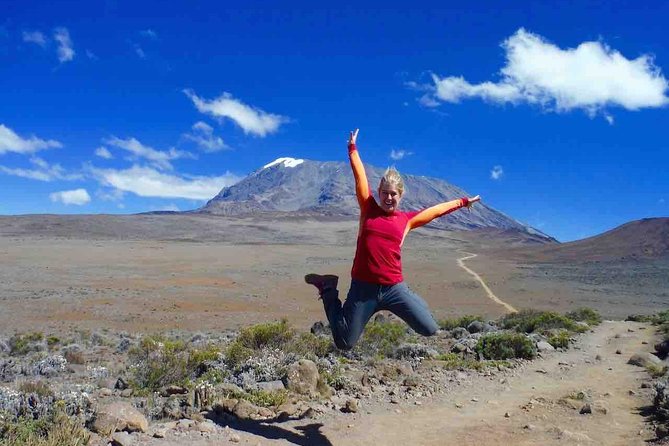
REVIEW · KILIMANJARO MARANGU ROUTE
5 Days (4 Night) Marangu Route
Forest to plateau, in steady uphill rhythm. This 5-day, 4-night Kilimanjaro Marangu route out of Moshi is built around a logical altitude ramp, and I really like the combination of a caring guide like John and included camp meals that keep your energy from crashing. The other big plus is that you are not left to coordinate basics on your own, with pickup and transport handled.
One thing to think about before you book: the Marangu-style lodging you will use is described as basic huts, so if you want luxury, this route will not match that expectation.
In This Review
- Key highlights for this Marangu climb
- Moshi to Londorossi Gate, where the trip really begins
- Miti Mkubwa Camp on Day 1, the smart warm-up pace
- Heather forest to Shira One Camp, scenery plus altitude awareness
- Shira Plateau and Shira Cathedral options, a gentle day with payoff views
- Camps, huts, and food, where comfort really affects your attitude
- Guide John and the team rhythm, why the human factor matters
- Price and logistics, what $2,805.66 buys you and what you still pay
- What you should pack for this Marangu route start
- Who this trek is best for
- Should you book Majali tours for this 5-day Marangu route?
- FAQ
- Where is the meeting point for this Kilimanjaro Marangu route?
- Is pickup from Moshi included?
- What are the main stages of the route in the plan provided?
- Are meals and water included?
- What is not included in the price?
- How long is the drive before the check-in?
- What happens if the climb is canceled due to weather?
Key highlights for this Marangu climb
- Guide John and the team feel human, not robotic, with lots of attention and morale support
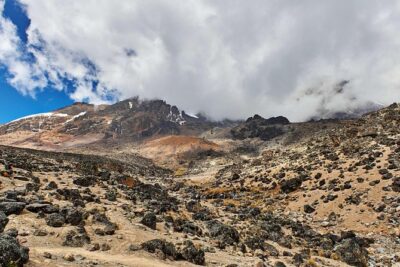
- Forest, heather, then Shira Caldera views, a satisfying change of scenery as you climb
- Shira Plateau walking with a possible side trip to Shira Cathedral
- Shira Two is a key high camp step, and from there the trail links with the Machame route
- Meals, coffee or tea, and water are included, so you can focus on pace instead of purchases
- Basic huts are part of the Marangu trade-off, worth planning for with the right mindset and layers
Marangu, other operators and other lengths
- Kilimanjaro climb, Marangu route (6-day)★ 5.0 · 72 reviews
- Climbing Kilimanjaro – Marangu Route★ 5.0 · 65 reviews
- Best Kilimanjaro Adventures 6 Days Marangu Route Experience★ 5.0 · 18 reviews
- Kilimanjaro Private Climbing in 6 Days Marangu Route★ 5.0 · 16 reviews
Moshi to Londorossi Gate, where the trip really begins
Most Kilimanjaro climbs feel like a logistics puzzle until you are actually moving. Here, the experience starts in Moshi with pickup offered and an organized transfer to the trailhead. Your meeting point is the Kilimanjaro Wonders Hotel on Kigoma Street, and the area is listed as near public transportation, which is handy if you want an easy backup plan for getting back.
The drive is about 1.5 hours before check-in at Londorossi Gate. For your body, this timing matters. You get enough time to settle, use the bathroom, and get your layers ready, before you start walking. For your mind, it also reduces stress. When you are already tired from travel, calm check-in is not a small detail.
One more practical note: you get mobile ticket and confirmation at booking. That usually means less paper chasing and fewer last-minute surprises.
Miti Mkubwa Camp on Day 1, the smart warm-up pace
Day 1 is described as fairly easy, with a 3/4 hour climb to Miti Mkubwa Camp after gate check-in. Even when the walking time sounds short, I treat this as a real training day. You are building rhythm, learning how your breathing feels on a slope, and testing how your loaded daypack sits on your shoulders.
Miti Mkubwa Camp also matters because it sets expectations for your week. Marangu is known for hut-based accommodations, and that tends to make the experience more structured than tent camping. You still climb, but you also get more predictable breaks, which can help if you want steady coaching and rest windows.
Practical advice for this first climb: go slower than you think you need. You are not trying to prove strength on Day 1. You are trying to arrive at camp feeling like you could keep going, even if you are tired.
Heather forest to Shira One Camp, scenery plus altitude awareness
Day 2 starts with a few hours walk, where you pass from forest into a climb through heather forest. Then you reach the edge of the Shira Caldera and your destination is Shira One Camp.
This is a classic Kilimanjaro rhythm day: steady movement, shifting vegetation, and a growing sense of elevation. Heather forest can feel more slow and focused than a broad trail because you tend to climb through tighter, more textured terrain. That can be a good thing. It helps you keep your pace controlled instead of sprinting out of camp energy.
Also, your meals are included on this day: breakfast, lunch, and dinner. That matters because food is not just comfort. It helps stabilize your energy so you keep moving with a consistent effort level, which is one of the best ways to support altitude success.
What to watch for: if you feel unusually breathless early, that is your cue to dial the effort down. The climb from forest to caldera edge is not the steepest part of Kilimanjaro, but it can still surprise you if you start too fast.
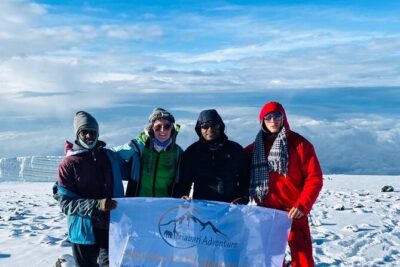
Shira Plateau and Shira Cathedral options, a gentle day with payoff views
On Day 3, you hike from Shira One Camp (3,609 m / 11,841 ft) to Shira Two Camp (3,849 m / 12,628 ft). The day is described as a gentle hike across the Shira Plateau, with possible side trips to Shira Cathedral.
The plateau piece is where a lot of people fall in love with this route. It is not constant wall-climbing. Instead, it is long, open walking that lets your breathing settle into a routine. The benefit is psychological too. When you can keep your effort steady, you feel in control, not trapped in a fight.
If you do the Shira Cathedral side trip, treat it like a bonus, not a requirement. The main goal is to arrive at Shira Two in good shape. Since Shira Two is your first high-camp step in this section, you want your legs and lungs to feel functional at arrival.
Here is a key detail: from Shira Two Camp, the trail links with the Machame route. That tells you the climb continues along a recognized high-altitude pathway. It is also a sign that your planning and pacing after Shira Two should stay disciplined, because you are now heading into the more demanding phases of the mountain.
Meals stay included today as well: breakfast, lunch, and dinner. If you are trying to climb smarter, this is exactly the kind of support that keeps you from making energy decisions based on hunger or fatigue.
Camps, huts, and food, where comfort really affects your attitude
The Marangu approach is hut-based, and one of the clearest themes in feedback is that the accommodations are basic huts. Basic does not mean unsafe, but it does mean you should pack like you expect simple shelter, cooler temperatures, and less-than-home bedding.
So if you book, go in with the right expectations. Your job is not to find comfort. Your job is to rest well enough that you can keep walking tomorrow.
Food is where this route earns points. The team is repeatedly praised for keeping things solid, including good meals throughout the trek. Even when food details are not listed meal-by-meal here, the consistent message is clear: you eat, and you eat well enough to keep up your energy.
You also get coffee and/or tea, which is more important than it sounds. Morning drinks can help you warm up and start moving without feeling flat. And you get a bottle of water through the trek, which is valuable because hydration is not a side quest at altitude. It is part of the plan.
If you are the kind of person who gets cranky when sleep is poor, basic huts might still feel fine if meals and team support keep your morale up. John and the team are described as attentive and professional, with humor and motivation when your body starts negotiating.
Guide John and the team rhythm, why the human factor matters
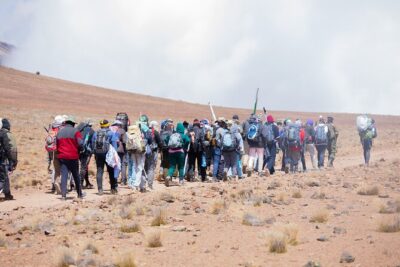
Kilimanjaro is not only altitude. It is also people. You need the right pace, the right check-ins, and the right atmosphere when your motivation drops.
In the feedback tied to this operator, John comes up as a standout guide. The consistent themes are caring support, professionalism, and the ability to push at the right moments without being overbearing. One story describes him providing energy and motivation when a climber felt they could not carry on. Another mentions him as informative, friendly, and attentive to the group.
That sounds nice, but it is practical. A good guide helps you:
- keep your walking effort even
- manage small issues before they grow
- take breaks at the right times
- stay calm when the mountain starts testing your patience
On top of guidance, there is the broader team. Porters and cooking staff are included, and that is a big deal on Kilimanjaro. If the people who handle your food and equipment are organized, you are more likely to maintain a steady rhythm.
The overview also states the company has experience with clients for not less than 10 years, and that they understand how to treat guests. That claim is harder to verify from outside, but the reviews support the idea that customer care is taken seriously.
Price and logistics, what $2,805.66 buys you and what you still pay
At $2,805.66 per person, this is not a budget climb. So the value question is fair.
What you are told is included:
- hotel
- transport to and from
- guide
- porters (listed as potters)
- meals (breakfast, lunch, dinner)
- coffee and/or tea
- bottle of water through the trek
- pickup offered
- mobile ticket
What you are told is not included:
- tips
- visa (listed as not included, plus mentioned again)
- laundry services
- flight
Now, how do you judge value? You compare included support to what it would cost you separately. Here, you are paying for the guide, porter team, meal plan, and the on-the-ground logistics to get you from Moshi to the gate and back. Those are expensive parts when you try to assemble them yourself.
Tips and visa are the two biggest extras you should budget early. Flights can be the wild card depending on where you fly from. Laundry is optional, but if you hate repeating outfits, plan for that cost too.
One more detail: the maximum size is listed as up to 500 travelers. That number sounds high, so I would not assume it equals the size of your walking group. Still, it is smart to ask what your exact group size will be once you book, because your day-to-day experience depends on that.
What you should pack for this Marangu route start
The data does not list gear, so pack for a cold, high-altitude trek and for basic huts. You can keep it simple, but you cannot under-pack.
A practical kit for the start of this climb typically includes:
- warm layers for evenings at camp
- a rain jacket (conditions can turn fast)
- gloves and a hat (hands and ears get cold)
- trekking poles if you like them (help on uneven descents)
- a headlamp with extra batteries
- comfortable daypack plus a small water bottle system
- snacks for extra energy when your appetite dips
You get water during the trek, but you will still want to manage how you drink so you do not feel sick from overdoing it.
Also, bring a mindset for slow effort. Even though Day 1 is described as fairly easy, and the Shira Plateau is gentle, Kilimanjaro still rewards patience.
Who this trek is best for
This Marangu route fits well if you:
- want structured support with a guide and porter team
- like the idea of hut-style lodging rather than tent camping
- prefer a gradual, altitude-building approach through Shira camps
- value good meals and steady pacing
The activity is listed as suitable for most travelers can participate, which usually means you are not locked into a highly technical climbing style. Still, altitude is altitude. Choose this route with realistic fitness goals and a plan to walk steadily.
If you are traveling for a confidence boost, the human support from guides and cooking teams matters. Several comments highlight that John keeps people motivated and attentive, which can help when your body starts bargaining during tougher hours.
Should you book Majali tours for this 5-day Marangu route?
I would book this if you want a well-run Marangu climb out of Moshi where support staff and guiding style are taken seriously. The best reasons to choose it are straightforward: meals and camp care are included, the transfer is organized, and the guide John is repeatedly described as caring, funny, and professional in the moments that really count.
I would think twice if you are expecting cushy lodging or you hate the idea of basic huts. This is a mountain trek, not a resort. If you accept that trade-off, you will likely enjoy how the route moves from forest into heather and toward the open Shira Plateau, with Shira Two acting as a major step onward.
If you want to make the decision confidently, ask the operator one thing before you pay: confirm the exact camp nights after Shira Two for the full 5 days. The route details provided here clearly cover the Shira progression, but the remaining day-by-day details are not fully listed, so you deserve full clarity.
FAQ
Where is the meeting point for this Kilimanjaro Marangu route?
The start meeting point is Kilimanjaro Wonders Hotel on Kigoma Street, Tanzania.
Is pickup from Moshi included?
Yes, pickup is offered.
What are the main stages of the route in the plan provided?
You check in at Londorossi Gate, then head to Miti Mkubwa Camp. You later reach Shira One Camp, then continue to Shira Two Camp, with possible side trips to Shira Cathedral.
Are meals and water included?
Yes. Coffee and/or tea, meals (breakfast, lunch, dinner), and a bottle of water through the trek are included.
What is not included in the price?
Tips, visa, laundry services, and flights are not included.
How long is the drive before the check-in?
It is about a 1.5 hour drive from Moshi to Londorossi Gate.
What happens if the climb is canceled due to weather?
This experience requires good weather. If it is canceled due to poor weather, you will be offered a different date or a full refund. The experience is otherwise listed as non-refundable and cannot be changed for any reason.
The Marangu Trail
- Kilimanjaro climb, Marangu route (6-day)
★ 5.0 · 72 reviews - Climbing Kilimanjaro – Marangu Route
★ 5.0 · 65 reviews - Best Kilimanjaro Adventures 6 Days Marangu Route Experience
★ 5.0 · 18 reviews - Kilimanjaro Private Climbing in 6 Days Marangu Route
★ 5.0 · 16 reviews - 6 Days Climb Kilimanjaro Through Marangu Route
★ 4.5 · 15 reviews
Just added from around Moshi

Kilimanjaro Marangu Route, compared.
 ★ 5.0Kilimanjaro climb, Marangu route (6-day)From $2,90272 reviews
 ★ 5.0Climbing Kilimanjaro – Marangu RouteFrom $2,00465 reviews
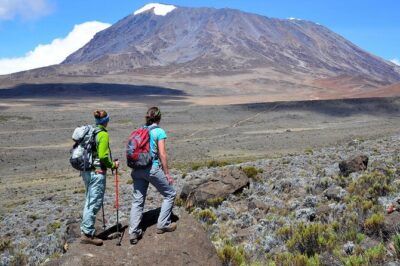 ★ 5.0Private Full Day Hiking Experience to Marangu RouteFrom $26061 reviews
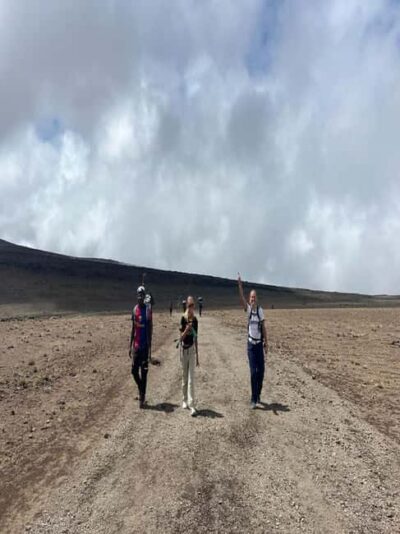 ★ 4.5From Arusha/Moshi: Kilimanjaro Hike Marangu Route Day TripFrom $10154 reviews
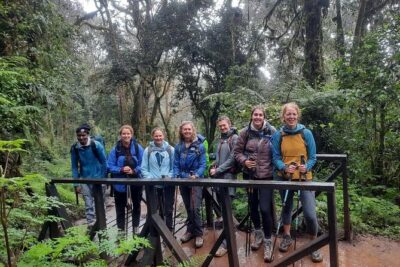 ★ 5.0Mount Kilimanjaro Day Hike Through Marangu Route to Mandara HutFrom $26537 reviews
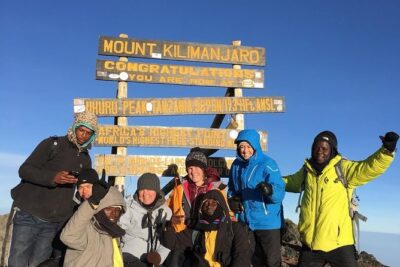 ★ 5.0Kilimanjaro Climbing 5 days Marangu routeFrom $90022 reviews
 ★ 5.0Best Kilimanjaro Adventures 6 Days Marangu Route ExperienceFrom $1,00018 reviews
 ★ 5.0Kilimanjaro Private Climbing in 6 Days Marangu RouteFrom $2,00016 reviews
Browse the lists this tour appears in