
REVIEW · MOUNT KILIMANJARO TREKS
West Kilimanjaro cycling Adventures
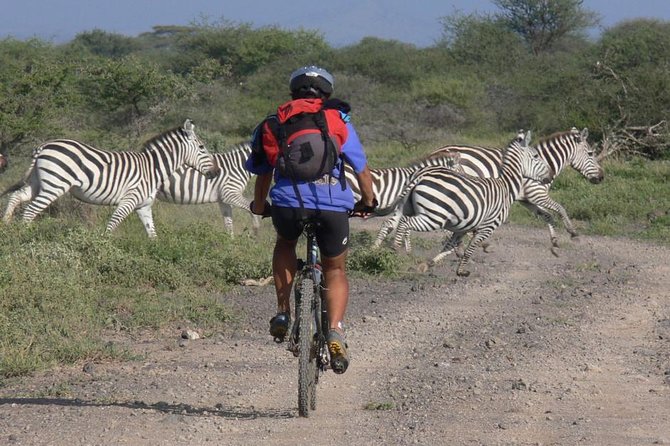
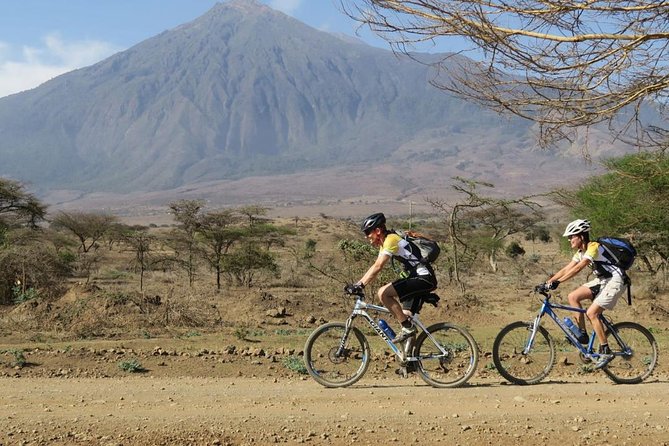
Cycling here turns Kilimanjaro country into close-up. This private overnight trip sends you through acacia woodland and open plains where you can spot zebra, wildebeest, giraffes, baboons, and sometimes elephants on an area corridor linked to Amboseli and Kilimanjaro. I like that it mixes serious scenery with real wildlife time, not just quick photo stops.
Two things I’d especially value: the ride is actually supported (mountain bike, helmet, bottled water, and a support vehicle), and the day is built around proper meals and a camp setup so you are not hunting logistics after a long day in the saddle. One thing to consider: you need moderate fitness, and the terrain can include tougher stretches like deep sand, so this is not a casual cruise.
You’ll also get a cultural layer as you ride through Maasai Land, where nomadic Maasai herdsmen share the space with wildlife. One more note, a single harsh comment in the past targets a manager named Roi, so it is smart to ask the operator to confirm the plan clearly before you go and keep your expectations grounded.
In This Review
- Key things worth knowing before you book
- West Kilimanjaro riding: acacia plains, close-up wildlife, and real views
- Day-to-day flow: what 2 days and an overnight means in practice
- Bikes, helmets, and the support vehicle: why this ride feels safer than you expect
- Wildlife spotting strategy: where you can look and when to pay attention
- Maasai Land on two wheels: culture and coexistence without the shortcut
- Route difficulty: who this suits and what to train for
- Price and value: what you get for $666.67 per person
- Guide and team quality: George shows up for a reason
- Weather and timing: why good conditions matter here
- Should you book West Kilimanjaro Cycling Adventures?
- FAQ
- Where does the tour start?
- Is pickup included?
- What kind of bikes are provided?
- What fitness level do I need?
- Is this a group tour?
- What meals are included?
- Do I get camping gear?
- Is there a support vehicle?
- What animals might I see?
- What is not included in the price?
Key things worth knowing before you book
- Private flexibility: only your group goes, so pacing and timing can fit your riders.
- All meals included: three meals a day plus bottled water means fewer hassles during hot, dusty riding.
- Ranger and entry fees handled: cycling, camping, ranger, and entry fees are part of the package.
- A true safari feel from a bike: wildlife sighting opportunities are a core part of the route, not an add-on.
- Support vehicle ride insurance: if conditions slow you down, you are not stranded far from help.
- Trail reality check: expect occasional tough riding elements like deep sand, even if the start feels easier.
Other ways up Kilimanjaro we reviewed
- Kilimanjaro climb by Lemosho Route (7-day)★ 5.0 · 651 reviews
- Kilimanjaro climb, Machame Route (7-day)★ 5.0 · 262 reviews
- Kilimanjaro Climbing Lemosho Route 8 Days.★ 5.0 · 186 reviews
- Climbing Kilimanjaro – Machame Route★ 5.0 · 170 reviews
West Kilimanjaro riding: acacia plains, close-up wildlife, and real views
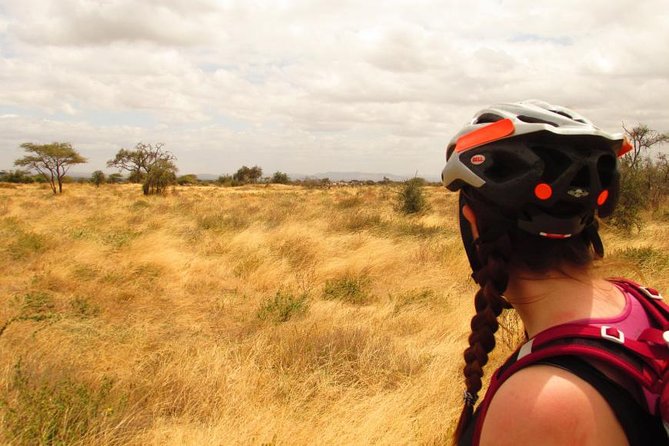
The West Kilimanjaro area is built for bike travel. You move through acacia woodland and open plains, which means you get long sightlines for animals and the chance to feel the terrain shift under you. Views of Kilimanjaro sit in the background depending on weather and the light, but the bigger payoff is that you ride through the same kind of space where animals roam.
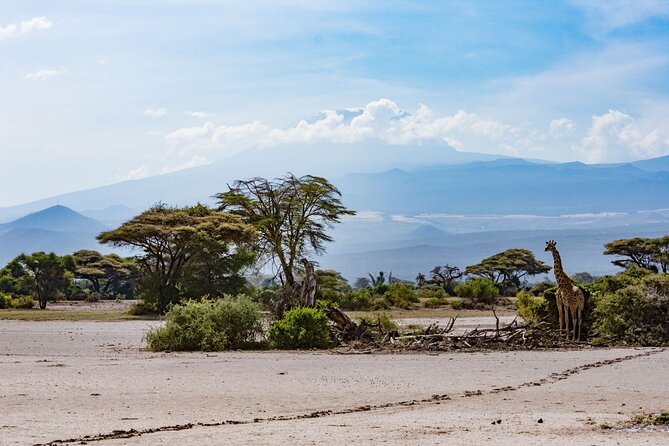
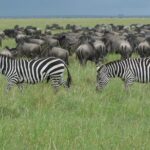
Wildlife sightings are part of the point. The most common animals you might see include wildebeest, zebra, gazelles, impalas, giraffes, and baboons. If the timing lines up with seasonal patterns, elephants can show up too, because this region sits along an elephant corridor linking Kenya’s Amboseli National Park and Kilimanjaro.
Here’s the practical angle: cycling gives you a quieter, slower way to read the landscape. On foot you might miss movement at the edges, and in a vehicle you might move too fast to notice animal behavior. On a bike, you are close enough to track signs like tracks, watering spots, and animal clusters, without needing to be a wildlife expert.
Day-to-day flow: what 2 days and an overnight means in practice
This is a 2-day private, overnight adventure. The exact routing can shift with weather and wildlife patterns, but the experience is designed around moving through the wild west of Kilimanjaro and then camping for the night.
What you can count on:
- Cycling time each day through plains and woodland
- Sunset moments and a campfire vibe as part of the overnight feel
- A night supported by camping gear, not just a mattress and a prayer
Accommodation is listed as Moshi or Arusha, but you also get camping gear like tents, sleeping bags, chairs, and tables. So in your planning, think of this as an experience with real camping setup as the overnight experience, backed by local logistics. If you are the type who likes to know exactly where you sleep, ask the operator what your overnight setup looks like for your date, because the details can vary.
Meals are straightforward and included. You get all three meals per day, plus bottled water. That matters because in this part of Tanzania you are likely to burn energy early and often, and you want food ready before the day steals your appetite.
Bikes, helmets, and the support vehicle: why this ride feels safer than you expect
The tour provides mountain bikes and helmets, so you can travel light. You also get a support vehicle. That one detail changes the whole experience, especially if you are new to mountain biking or you hit a tough section of sand.
Support vehicle use typically means you are not stuck making a long walk back if your legs go or the conditions turn rough. In one account, the ride starts with sections that feel slightly downhill, then hitting deeper sand slows things down. That kind of contrast is normal on safari routes, and having backup changes your stress level fast.
You also get Kili Bike Adventures T-shirts. It’s a small thing, but it’s a sign this is organized as an actual program, not a casual meetup.
Practical tip for packing: bring a water bottle if you prefer your own, but bottled water is included. Still, having your own small bottle or hydration plan makes it easier to sip without waiting.
Wildlife spotting strategy: where you can look and when to pay attention
Wildlife in this region often appears when the light is right and when the animals are moving between grazing and resting areas. Since the tour focuses on wildlife-rich terrain, the best way to spot animals is to ride with your eyes up, not only on the ground.
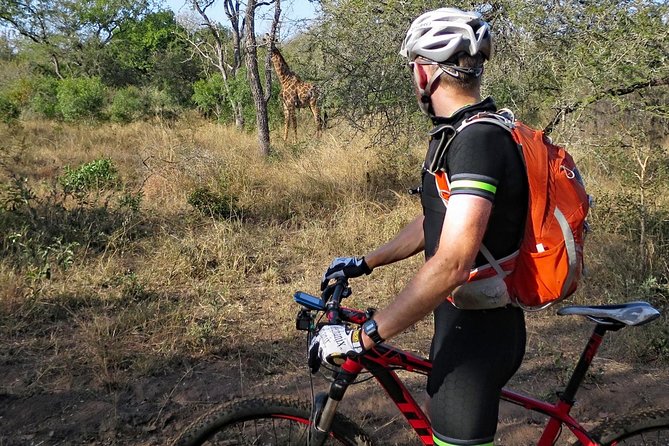
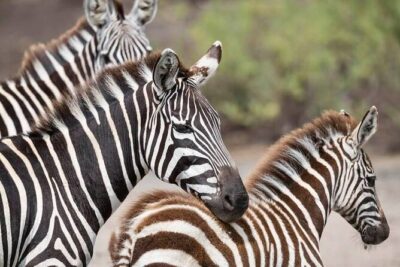
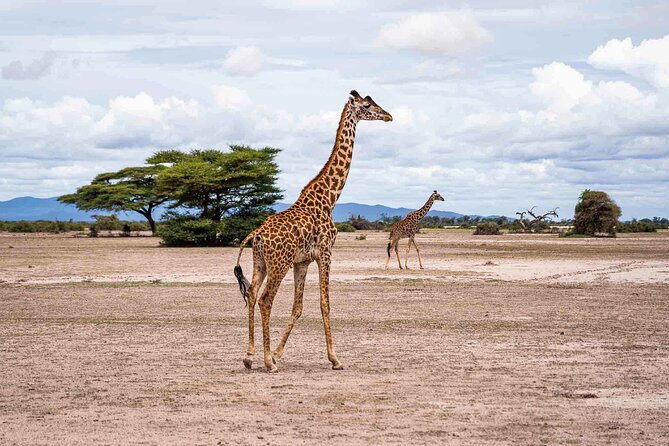
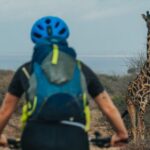
You’ll see animals that can blend into the scene fast, like impalas and gazelles, and you’ll notice zebra more because they tend to stand out against the grass and shadows. Giraffes can be far out and still noticeable once you realize how high their bodies sit above brush. Baboons are another group where you might see movement before you see the animal.
About elephants: they are a possibility, not a guarantee. The area being described as an elephant corridor is encouraging, especially depending on the time of year. If you want the best odds, arrive ready to ride early and stay flexible with timing, because wildlife does not care about your schedule.
One more thing I’d watch: if animals are migrating around your travel dates, your sightings can change. You cannot control that, but you can plan your expectations. If you want guaranteed wildlife, you will be disappointed. If you want a real safari mood with strong odds, this is a good fit.
Maasai Land on two wheels: culture and coexistence without the shortcut
The area is home to nomadic Maasai herdsmen, and the whole region is often framed as Maasai Land because wildlife and cattle life coexist there. That matters because the ride is not only about animals. It is also about understanding that the landscape is shared.
You should expect a respectful cultural context. You are not driving past everything behind a window. You are riding through a living space, where people manage herds and animals move through corridors.
If you like experiences that are more than scenery, this is a strong reason to choose cycling. You travel at a human pace where you can notice how the land is used and how people live alongside wildlife.
Route difficulty: who this suits and what to train for
The tour asks for moderate physical fitness. That tells me the ride is not for someone who wants zero effort. It can be accessible to novice riders, but it still includes real work. One account highlights that early mornings and some tough cycling are part of the bargain, which makes sense when you are trying to maximize wildlife and ride conditions.
A realistic way to think about difficulty:
- You should be comfortable riding a mountain bike on uneven ground.
- You should be ready for occasional challenging terrain such as deep sand.
- You should have no problem with early starts, since wildlife is often best in morning light.
If you are an experienced rider, you will likely enjoy the changing terrain and the long, open stretches. If you are a first-time mountain biker, the presence of a support vehicle and the fact that the experience is private helps reduce pressure.
Who will love it most:
- People who want a safari vibe with real activity
- Couples or friends who want private guiding instead of group bus chaos
- Photographers and wildlife lovers who prefer slower, closer movement
Price and value: what you get for $666.67 per person
At $666.67 per person for a 2-day private overnight bike safari, the key question is whether it is value or just a number. Here, the value angle comes from what is included.
You get:
- Pick-up from the airport (and also transportation from Arusha or Moshi is listed)
- Mountain bikes and helmets
- Accommodation in Moshi or Arusha plus camping gear for the overnight setup
- Entry fees, cycling fees, camping fees, and ranger fees
- All 3 meals per day and bottled water
- A support vehicle
- Kili Bike Adventures T-shirts
And the biggest exclusions:
- Health and travel insurance
- Tipping
- Alcoholic beverages
In plain terms, you are paying for organization and full-day logistics: access, rangers, equipment, food, and the safety net of support. If you tried to assemble this yourself, you would likely lose time and end up paying similar amounts once you count permits, gear, and staff.
My advice: treat this as a package built for convenience and access. If you want to skip planning and focus on the ride and the wildlife, it can feel like a fair deal.
Guide and team quality: George shows up for a reason
Guide quality is a big part of why cycling safaris work. One guide named George comes up as brilliant and informative in accounts, and that kind of knowledge helps with both safety and wildlife spotting.
The operator is associated with Roy, who also appears in responses as part of Kili Bike Adventures. That suggests a team that follows up and communicates after the trip, at least in some cases.
Now, the caution: there is a strongly negative note that targets a manager named Roi and warns people to stay away. I cannot verify what happened from limited text, but it is enough to treat as a yellow flag. My practical takeaway is simple: before you pay, ask for clear confirmation of inclusions, timing, and what happens if conditions change. Get it in writing and keep your payment trail clean.
Weather and timing: why good conditions matter here
This experience requires good weather. If it gets canceled due to poor weather, you are offered a different date or a full refund. That is important because bikes and remote terrain do not mix well with storms or unsafe ground.
Timing also affects wildlife. Elephants, in particular, are described as more common depending on the time of year, and animal movement can change your odds. So I’d plan your Tanzania days with flexibility. If you are the type who hates schedule changes, cycling safari routes can test your patience a little.
Should you book West Kilimanjaro Cycling Adventures?
I’d book it if you want an active safari, with private attention, meals handled, bikes and helmets provided, and a support vehicle that keeps the ride from turning stressful. It is a strong choice for people who enjoy wildlife, photography, and the feeling of being out in the open air instead of parked in a vehicle all day.
I would think twice if:
- You have low tolerance for uneven terrain, especially deep sand
- You want a purely relaxed ride with no early mornings
- You need a very predictable wildlife guarantee, because wildlife corridors work on nature time
If you do book, do three things:
- Ask how the overnight setup works for your exact dates, since camping gear is included but accommodation in Moshi or Arusha is also listed.
- Confirm what to bring for riding comfort and nighttime camping conditions.
- Ask the operator to clearly confirm what is included in your pickup and transportation plan.
FAQ
Where does the tour start?
The meeting point is listed at Kilimanjaro Airport, Kilimanjaro National Park Tanzania.
Is pickup included?
Yes. Pickup is included from the airport, and transportation from Arusha or Moshi is also included.
What kind of bikes are provided?
The tour includes mountain bikes and helmets.
What fitness level do I need?
You should have moderate physical fitness.
Is this a group tour?
No. It is private, so only your group participates.
What meals are included?
All three meals per day are included, plus bottled water.
Do I get camping gear?
Yes. Camping gear is included, such as tents, sleeping bags, chairs, and tables.
Is there a support vehicle?
Yes. A support vehicle is included.
What animals might I see?
Common animals mentioned include wildebeest, zebra, gazelles, impalas, giraffes, baboons, and sometimes elephants depending on the time of year.
What is not included in the price?
Health and travel insurance, tipping, and alcoholic beverages are not included.
Kilimanjaro, Route by Route
- Kilimanjaro climb by Lemosho Route (7-day)
★ 5.0 · 651 reviews - Kilimanjaro climb, Machame Route (7-day)
★ 5.0 · 262 reviews - Kilimanjaro Climbing Lemosho Route 8 Days.
★ 5.0 · 186 reviews - Climbing Kilimanjaro – Machame Route
★ 5.0 · 170 reviews - Climbing Kilimanjaro through 7 days Machame Route
★ 5.0 · 151 reviews
Just added from around Moshi
Mount Kilimanjaro Treks, compared.
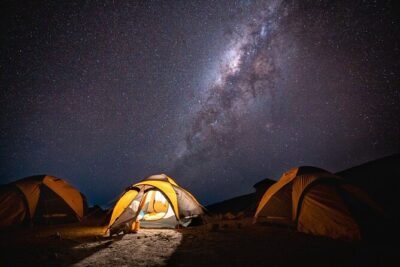 ★ 5.0Kilimanjaro climb by Lemosho Route (7-day)From $3,476651 reviews
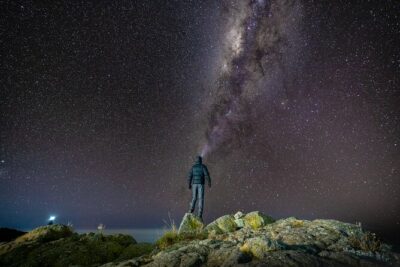 ★ 5.0Kilimanjaro climb, Machame Route (7-day)From $3,377262 reviews
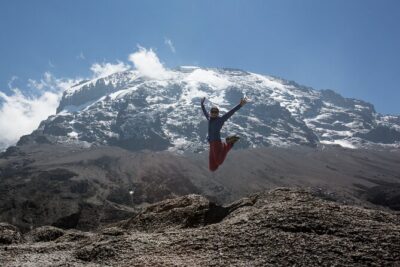 ★ 5.08-Day Small-group Lemosho Kilimanjaro Summit TrekkingFrom $2,895186 reviews
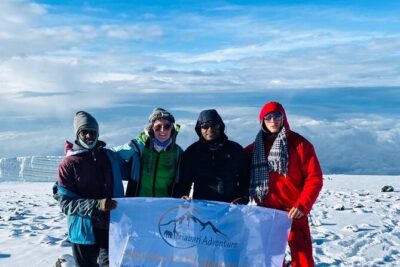 ★ 5.0Kilimanjaro Climbing Lemosho Route 8 Days.From $2,300186 reviews
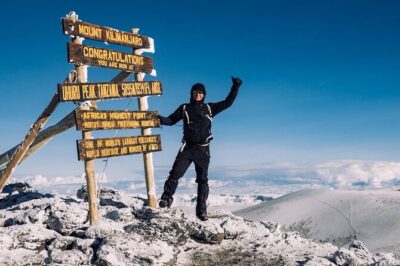 ★ 5.0Climbing Kilimanjaro – Machame RouteFrom $2,322170 reviews
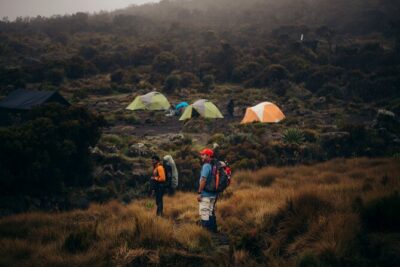 ★ 5.0Climbing Kilimanjaro through 7 days Machame RouteFrom $2,425151 reviews
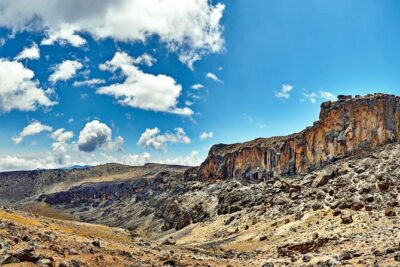 ★ 5.0Kilimanjaro climb, Lemosho Route (8-day)From $3,975148 reviews
 ★ 5.0Kilimanjaro climb, Lemosho Route (6-day)From $3,034129 reviews
Browse the lists this tour appears in