
REVIEW · MOUNT KILIMANJARO TREKS
Trek To Mount Kilimanjaro
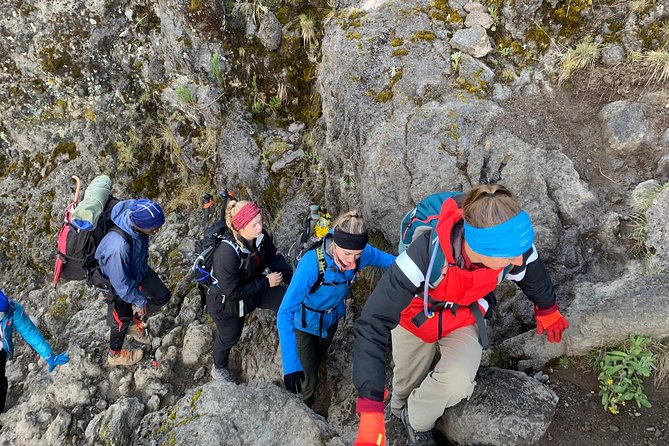
Kilimanjaro on Lemosho feels calmer. This trek is built around a scenic, lower-crowd approach through Kilimanjaro National Park, with the route’s famous altitude prep philosophy, all managed by Sirikwa Travel out of Moshi. The plan is compact (about 2 days), but the inclusions and support are very practical for people who want structure and help from the start.
I especially like two things: the Lemosho route focus on low crowds and big scenery, and the mountain support setup that covers tents, meals, water, and safety gear. Sirikwa Travel also keeps groups small (up to 10), which makes it easier to move as a team.
The main consideration is simple: with an about 2-day timeline, you’ll want solid physical readiness and realistic expectations about altitude comfort, because there’s less time than on longer itineraries.
In This Review
- Key highlights at a glance
- Lemosho Route Philosophy: Quieter, Scenery-First, Altitude-Smart
- Moshi as Your Base: Why the Hotel Nights Matter
- Day 1 in Kilimanjaro National Park: Getting Your Bearings
- Day 2 on Mount Kilimanjaro: The Practical Reality of a Short Timeline
- What’s Included in the Price, and Why That Adds Real Value
- Safety and Comfort on the Mountain: Gear You Can Actually Use
- The Sirikwa Travel Touch: Named People and a Support-First Reputation
- Who This Trek Fits Best, and Who Should Rethink It
- Planning Your Timing: Pickup, Mobile Ticket, and an 8:00 Start
- What I’d Prep Before You Go (So Day 2 Doesn’t Surprise You)
- Should You Book This Trek with Sirikwa Travel?
- FAQ
- How long is the Trek To Mount Kilimanjaro experience?
- Where is the trek based, and is there hotel accommodation included?
- What does the $2,700 per person package include?
- What is not included in the trip?
- How big is the group for this trek?
- What safety and medical support is included on the mountain?
Key highlights at a glance
- Lemosho’s quieter start for panoramic views and a more pristine feel
- Small-group limit of up to 10 climbers with guides and porters
- 4-season tents, mattress, and mess tents so camp is not just survival
- Oxygen and monitoring gear included plus an emergency first-aid kit
- Three hot meals daily and treated drinking water handled for you
- Crew protections baked in (including KPAP-approved wages and rescue fees)
Other ways up Kilimanjaro we reviewed
- Kilimanjaro climb by Lemosho Route (7-day)★ 5.0 · 651 reviews
- Kilimanjaro climb, Machame Route (7-day)★ 5.0 · 262 reviews
- Kilimanjaro Climbing Lemosho Route 8 Days.★ 5.0 · 186 reviews
- Climbing Kilimanjaro – Machame Route★ 5.0 · 170 reviews
Lemosho Route Philosophy: Quieter, Scenery-First, Altitude-Smart
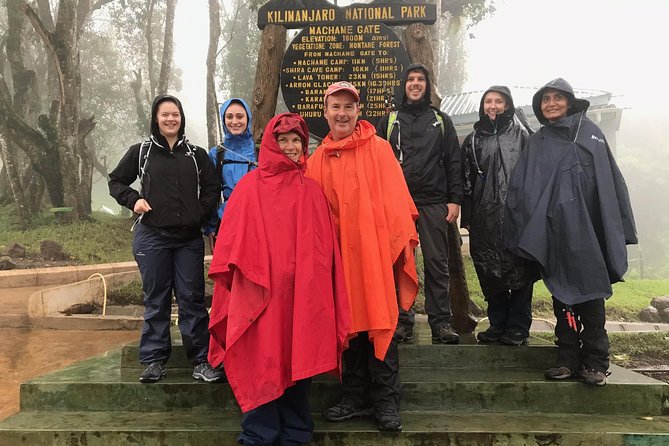
The Lemosho route is often chosen for a reason: it aims for a more natural rhythm. You get the chance to enjoy lush rainforest and wilderness-type walking early on, then use time across the Shira Plateau area to start acclimatizing before moving toward the busier summit approach. That sequencing matters. Altitude is not something you can out-train, so the route’s idea is to help your body adjust before the final push.
In this specific trek format with Sirikwa Travel, the big value is how the company positions the experience: you’re not just buying a route name, you’re getting a guided, structured climb with camp support. And the route is described as having an ideal balance of low crowds, beautiful scenery, and a high summit success rate. I treat that as a useful planning clue, not a guarantee, but it does tell you what they’re optimizing for.
If you prefer Kilimanjaro to feel less like a highway and more like a proper mountain journey, Lemosho is your friend. Fewer crowds usually means fewer interruptions, calmer pacing, and better chances to actually enjoy the views without constantly dodging the next group.
Moshi as Your Base: Why the Hotel Nights Matter
You start in and around Moshi, and the package includes 2 night’s hotel accommodation in Moshi. Even if you’re eager to hit the trail, those hotel nights are not just a formality. They help you settle before the climb, handle any last-minute gear issues, and get a decent sleep in real beds before you switch to tents.
Sirikwa Travel also includes overland transfers to Kilimanjaro International Airport, which is helpful if your schedule is tight. The whole point is to reduce the stress around arrival and departure. When a climb is compressed, logistics stress is the last thing you need.
Also note the meeting time: 8:00 am start time. That means you should plan an early morning. If you’re prone to morning delays, this is one of those trips where you don’t want to test your luck.
Day 1 in Kilimanjaro National Park: Getting Your Bearings
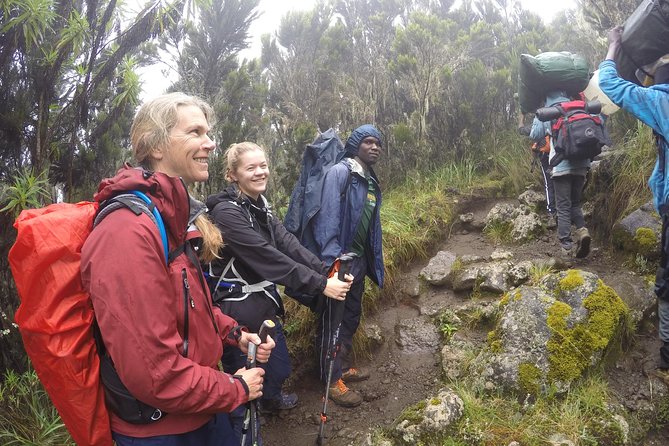
Day 1 is listed with an 8-hour block at Kilimanjaro National Park. Even with limited stop-by-stop detail, you can still expect the day to feel like a transition from “life on the ground” to “life near the climb.” National Park days often include the initial route setup and the first stretch of trekking where you learn your pace and your breathing rhythm.
This is where the Lemosho philosophy starts to make sense. You’re aiming for a steady start, not a sprint. The company’s emphasis on Lemosho as the most scenic trail also hints at what you’ll likely feel: panoramic views from different sides of Kilimanjaro, plus the kind of early terrain that helps you settle into the altitude slowly.
One practical upside of your day being framed inside Kilimanjaro National Park is that the package already accounts for the core entry costs. Park entry fees are included, and camping fees are included too. That matters because it reduces the chance of surprise costs later, especially when you’re traveling from abroad.
Day 2 on Mount Kilimanjaro: The Practical Reality of a Short Timeline
Day 2 is centered on Mount Kilimanjaro with another 8-hour time block. This is the day that tests your body. No matter how scenic or well organized your route is, climbing Kilimanjaro in less time means you need to listen hard to your body and keep your pace controlled.
Here’s what I’d watch for on day 2:
- Your breathing and energy: if you’re spending too much energy early, it shows up fast later
- Your hydration: the package includes treated and filtered drinking water, so use it consistently instead of saving it
- Your cold management: you’ll want to stay warm even if the trek starts out comfortable
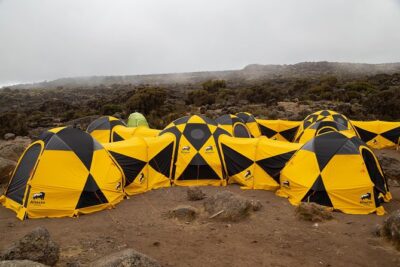
The good news is that Sirikwa Travel includes mountain systems designed for comfort and safety. You’re not just dropped at a trailhead. You have mountain tents (4-season), hot water for washing, and the camp setup with quality mess tents and sleeping mattresses. That kind of comfort makes it easier to recover between big efforts and keeps you focused on the climb instead of your gear problems.
Also, Day 2 includes Mount Kilimanjaro admission fees, which again signals that the key official charges are handled.
What’s Included in the Price, and Why That Adds Real Value
At $2,700 per person, the first question is not just whether it’s expensive. It’s whether the money is buying the right things.
What you get included:
- 2 night’s hotel accommodation in Moshi
- Overland transfers related to Kilimanjaro International Airport
- Park entry fees and camping fees
- Team Kilimanjaro Rescue fees
- 4-season mountain tents
- Friendly and professional mountain guides, cook and porters
- 3 hot meals daily on the mountain
- Enough treated and filtered drinking water
- Hot water for washing
- Ox meter and oxygen tank
- Quality mess tents with table and chairs
- Emergency first-aid kit
- Sleeping mattress
- Fair wages for the mountain crew as approved by KPAP
- 18% VAT on tour fees and services
That list is doing something important: it covers both your comfort and the “oh no” part of mountain travel. Oxygen and monitoring gear, plus a rescue fee and an emergency first-aid kit, are the kind of inclusions that can make a serious difference when conditions shift. I like that they also include fair wages as approved by KPAP, because that’s a sign the company is factoring ethics into operations, not only pricing.
What’s not included:
- Flights
- Visa
- Tips for porters, guide, cook, and assistant guide
- Hotel meals other than breakfast
- Non-essential items like alcohol, snacks, and beverages
So the realistic budgeting picture is: you’re paying for the core climb package and safety infrastructure, but you still need to plan for airfare, entry documents, and on-the-ground giving. If you come with a full budget mindset, the price feels easier to swallow because you’re not constantly re-paying for essentials.
Safety and Comfort on the Mountain: Gear You Can Actually Use
Kilimanjaro is not a “rough it” hike if the operator is serious. Sirikwa Travel includes items that help you function at altitude and recover at camp.
Key comfort and safety inclusions:
- 4-season mountain tents: you’re not improvising shelter
- Sleeping mattress: makes a bigger difference than people expect when cold sets in
- Hot water for washing: helps you feel human again
- Quality mess tents with table and chairs: you can eat and regroup without squatting in the dirt
- Enough treated and filtered drinking water: dehydration is a silent performance killer
- Ox meter and oxygen tank plus an emergency first-aid kit: not a guarantee, but it’s a sensible safety foundation
The best part is how these are not “maybe” items. They are named as included. That matters because on mountain trips, what isn’t included is often what hurts later.
Also, your group size is capped at maximum 10 travelers. That tends to reduce chaos around meals, kit handling, and pace management.
The Sirikwa Travel Touch: Named People and a Support-First Reputation
You can learn a lot about a trek company from the way they handle the human side. In the feedback I read, the pattern is clear: people felt taken care of before, during, and after the climb.
Names that show up include:
- Mary, mentioned as the manager who met people at the airport and helped the group get oriented
- Ole and Alfred, mentioned as going above and beyond for a group connection during the wider Tanzania activities
- Pail and Jyroi, named as incredible guides who handled details and kept the team moving
- Oinoth, mentioned as the owner in a detailed account of why the company was chosen
Even if your own guides are different, this still tells you something useful: Sirikwa Travel seems to build relationships and attention to detail into the experience. One theme that stands out is professional and supportive guidance from guides to porters. When you feel safe and cared for, you spend more energy climbing and less energy worrying.
Who This Trek Fits Best, and Who Should Rethink It
This trek is marked for a moderate physical fitness level, and it keeps the group small. That combination suggests it’s aimed at people who are prepared to work, but still want a guided structure and camp comfort.
It’s a good match if:
- You want a less-crowded Lemosho-style climb experience
- You appreciate clear organization (park fees, camping, meals, water, tents)
- You want strong safety support systems included
- You prefer a smaller group over big convoy energy
It might not be the best match if:
- You know you need more time for acclimatization and recovery, and you feel altitude easily
- You dislike the idea of a compressed timeline, since the trekking blocks are about 8 hours each day
- You haven’t budgeted for flights, visa, and tips yet
Planning Your Timing: Pickup, Mobile Ticket, and an 8:00 Start
Sirikwa Travel offers pickup, and they use a mobile ticket. They also note that confirmation is received at booking. That’s the kind of behind-the-scenes setup that tends to make the day-of experience smoother.
The meeting start time is 8:00 am, and the meeting point is described as near public transportation. So if you’re arriving independently, you likely have options. Still, on a mountain trip, I’d treat mornings like they’re moving targets. Plan to arrive early, not right on time.
What I’d Prep Before You Go (So Day 2 Doesn’t Surprise You)
Even when a trek package is strong, you still own your body. Based on how Kilimanjaro typically works, here are practical prep steps that complement a guided plan:
- Train for sustained uphill effort: long stair climbs, hikes with elevation, and leg endurance help
- Practice pacing: go slow early so your body stays comfortable later
- Bring layers for temperature swings: mornings and evenings at altitude can feel very different
- Plan for hydration: the package includes treated water, but you still have to drink consistently
- Use your guide’s advice on symptoms: altitude issues often start subtle
One thing I like about this package is that it includes water, washing hot water, meals, tents, and safety gear, so you’re not left to solve basic problems mid-trip.
Should You Book This Trek with Sirikwa Travel?
If you want a Kilimanjaro climb that feels organized, supported, and geared toward a scenic Lemosho approach, this package is worth serious consideration. The value is not just the route. It’s the way the essentials are handled: park and camping fees, hot meals, treated water, 4-season tents, sleeping mattresses, and oxygen monitoring gear.
I’d book it if:
- You’re aiming for a quieter, more scenic route style
- You like the idea of a small group with professional guides and porters
- You want safety and comfort included, not added later
I’d hesitate if:
- You want a longer acclimatization schedule and you feel cautious about an about 2-day timeline
- You still need to work out airfare, visa, and tips, because those are not included
FAQ
How long is the Trek To Mount Kilimanjaro experience?
The duration is listed as about 2 days, with Day 1 and Day 2 each scheduled for 8 hours.
Where is the trek based, and is there hotel accommodation included?
The tour is based in Moshi, Tanzania, and it includes 2 night’s hotel accommodation in Moshi.
What does the $2,700 per person package include?
It includes hotel nights in Moshi, overland transfers to Kilimanjaro International Airport, park entry fees, camping fees, Team Kilimanjaro Rescue fees, 4-season mountain tents, guides, cook and porters, 3 hot meals daily while on the mountain, treated and filtered drinking water, hot water for washing, oxygen gear (ox meter and oxygen tank), mess tents with table and chairs, emergency first-aid kit, and a sleeping mattress. It also includes 18% VAT on tour fees and services.
What is not included in the trip?
Flights and visa are not included. Tips for porters, guide, cook, and assistant guide are also not included, and meals other than breakfast while in the hotel are not included. Non-essential items like alcohol, beverages, cigarettes, and snacks are not included.
How big is the group for this trek?
The maximum group size is listed as 10 travelers.
What safety and medical support is included on the mountain?
The package includes an emergency first-aid kit, an ox meter, and an oxygen tank, along with team Kilimanjaro Rescue fees.
Kilimanjaro, Route by Route
- Kilimanjaro climb by Lemosho Route (7-day)
★ 5.0 · 651 reviews - Kilimanjaro climb, Machame Route (7-day)
★ 5.0 · 262 reviews - Kilimanjaro Climbing Lemosho Route 8 Days.
★ 5.0 · 186 reviews - Climbing Kilimanjaro – Machame Route
★ 5.0 · 170 reviews - Climbing Kilimanjaro through 7 days Machame Route
★ 5.0 · 151 reviews
Just added from around Moshi
Mount Kilimanjaro Treks, compared.
 ★ 5.0Kilimanjaro climb by Lemosho Route (7-day)From $3,476651 reviews
 ★ 5.0Kilimanjaro climb, Machame Route (7-day)From $3,377262 reviews
 ★ 5.08-Day Small-group Lemosho Kilimanjaro Summit TrekkingFrom $2,895186 reviews
 ★ 5.0Kilimanjaro Climbing Lemosho Route 8 Days.From $2,300186 reviews
 ★ 5.0Climbing Kilimanjaro – Machame RouteFrom $2,322170 reviews
 ★ 5.0Climbing Kilimanjaro through 7 days Machame RouteFrom $2,425151 reviews
 ★ 5.0Kilimanjaro climb, Lemosho Route (8-day)From $3,975148 reviews
 ★ 5.0Kilimanjaro climb, Lemosho Route (6-day)From $3,034129 reviews
Browse the lists this tour appears in