
REVIEW · MOUNT KILIMANJARO TREKS
Pedal power the villages on foothills of Mt. Kilimanjaro
Mt Kilimanjaro views meet pedal power. This half-day ride in Moshi links Chagga village life with the banana and coffee farms that feed the foothills of Kilimanjaro. You will make regular stops in real community spots, then finish with a coffee-focused look at how this region got its identity.
I particularly love the mix of active time and cultural learning. The included lunch box is a big deal, and it keeps you from getting hangry before the uphill bits. I also like that your route includes village centers, a local school, and markets, so you see daily life, not just scenic points.
One possible drawback: this tour asks for at least intermediate biking skills and a moderate fitness level. If you hate hills or you are not comfortable on a mountain bike, you may feel it after a few hours.
In This Review
- Key things to know before you pedal
- Pedal Power Around Kilimanjaro’s Foothills: What the Tour Feels Like
- Price and What You Actually Get for $55 in Moshi
- Getting There Like a Pro: Mr. Price Start, Coffee Union Cafe Finish
- Stop 1: Kibosho Magharibi Village Life, Coffee, Bananas, and Community Stops
- What you will learn here
- A practical heads-up
- Stop 2: Mweka Coffee Plantation Sightseeing and Tanzania Context
- What can make this stop feel special
- Lunch Box and 1 Liter Water: Why This Included Break Changes the Ride
- Riding Skills and Fitness: What Intermediate Really Means on This Route
- How to judge if you are ready
- Tell them your height for a reason
- Your Guide Matters: Charles and Saït, and the Value of a Patient Pace
- What the Stops Teach You About Tanzania, Not Just Kilimanjaro
- Timing, Weather, and Why Your Day Needs Flexibility
- Who This Bike Tour Suits Best (And Who Should Think Twice)
- Should You Book This Moshi Pedal Power Tour?
- FAQ
- How long is the bike tour in Moshi?
- What is the price, and what does it include?
- Is pickup available?
- Where does the tour start and where does it end?
- Do I need intermediate biking skills?
- What should I share when booking for the bike size?
- Is this a private tour?
- Are there admission tickets to pay during the tour?
- What happens if weather is bad?
Key things to know before you pedal
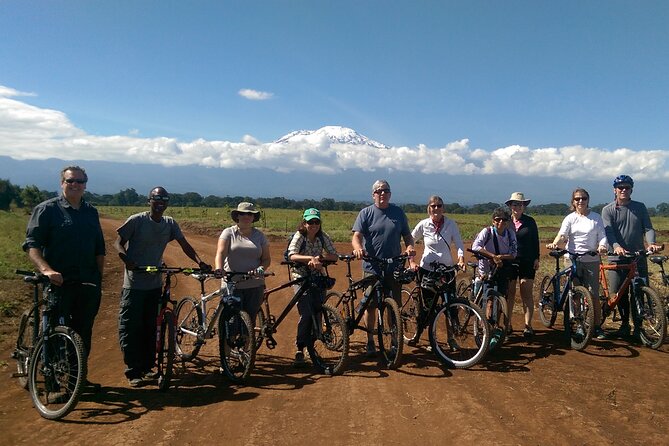
- Chagga culture on the move: You learn how local communities live around Kilimanjaro, not just what they sell.
- Banana and coffee farm stops: The route connects everyday crops to the region’s story.
- Included food and water: Lunch box and 1 liter bottled water come with the ride.
- Private tour feel: It is only your group, so your guide can set a pace that fits you.
- You choose your bike fit: Share your height so the bike size matches.
- Guide personalities matter: Charles and Saït come up in reviews for patient, clear explanations.
Other ways up Kilimanjaro we reviewed
- Kilimanjaro climb by Lemosho Route (7-day)★ 5.0 · 651 reviews
- Kilimanjaro climb, Machame Route (7-day)★ 5.0 · 262 reviews
- Kilimanjaro Climbing Lemosho Route 8 Days.★ 5.0 · 186 reviews
- Climbing Kilimanjaro – Machame Route★ 5.0 · 170 reviews
Pedal Power Around Kilimanjaro’s Foothills: What the Tour Feels Like
This is a mountain bike tour designed to get you from village to village at a human pace. You pedal through the foothills around Moshi, where the terrain and the farms shape daily routines. The goal is not speed. It is movement plus context.
You will spend most of your time in and around Kibosho Magharibi, then shift gears to coffee country in Mweka. That structure matters because it gives you a sense of continuity, from village life and farming to the specific history and role of coffee in Tanzania.
Price and What You Actually Get for $55 in Moshi
At $55 per person for a 5 to 6 hour outing, the value is in what is included. You get the bicycle and a helmet, plus a mountain bike guide who is there to steer both the route and the stories. You also get lunch in a box and bottled water (1 liter), which is one of those “small detail” perks that turns out to be huge on a half-day ride.
Because private transportation is not included, you should plan how you will reach the start area and how you will wrap up afterward. The good news is that the tour start location is near public transportation, and the tour ends back in Moshi town. That means you are not stranded in the middle of nowhere with sore legs.
Getting There Like a Pro: Mr. Price Start, Coffee Union Cafe Finish
The tour starts at Mr. Price Village on Kilimanjaro Road in Moshi. It ends at Coffee Union Cafe (listed at J8WQ+8JF) on Arusha Road in Lindi Street, and the experience finishes in Moshi town.
You will likely want to build in a little buffer for traffic and meeting time, since you are riding for hours and the day runs on a set window. The posted hours for the tour provider are Monday through Sunday from 8:30 AM to 2:30 PM, so aim to be settled before your start time.

Stop 1: Kibosho Magharibi Village Life, Coffee, Bananas, and Community Stops
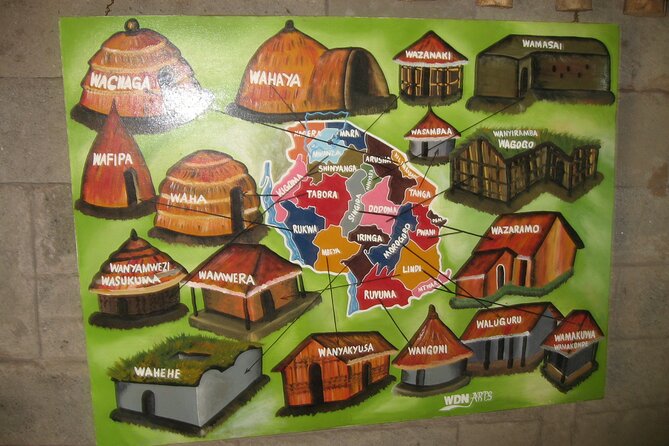
This is the long one, with about 3 hours set aside for Kibosho Magharibi. Think of it as your “orientation” block, where you ride into the foothills and meet how Chagga communities live across the farms and villages.
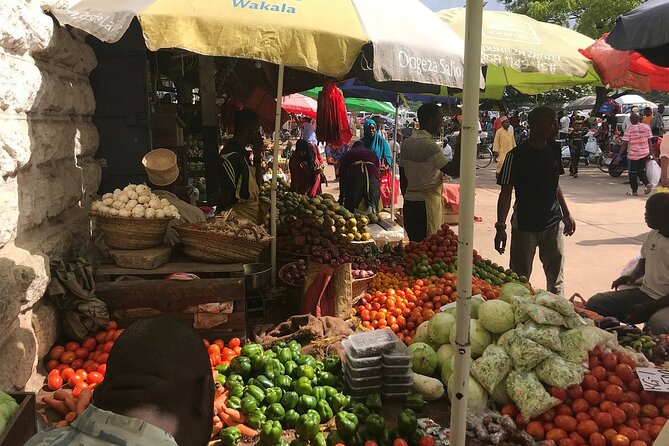
You will pedal through banana and coffee farm areas, and you will also make regular stops in village shopping centers, a local school, and a market. Those stops are not random. They are where culture shows up in daily behavior, like how people move through a community space and what products matter at ground level.
What you will learn here
Expect the guide to connect several dots at once: Chagga traditions, the importance of coffee, and the legend of Kilimanjaro. The goal is to help you understand why the mountain is more than a background feature in this region.
The most consistently praised part of the experience is the guide’s ability to explain real life. In reviews, guides like Charles and Saït are described as patient, and they are credited with sharing history and culture in a way that actually sticks while you are riding.
A practical heads-up
Three hours can feel like a lot when you are stopping, scanning, listening, and remounting again and again. If you are new to mountain bikes, go in expecting to concentrate on balance and braking, not just taking photos. Keep your eyes up and your grip steady at every stop.
Stop 2: Mweka Coffee Plantation Sightseeing and Tanzania Context
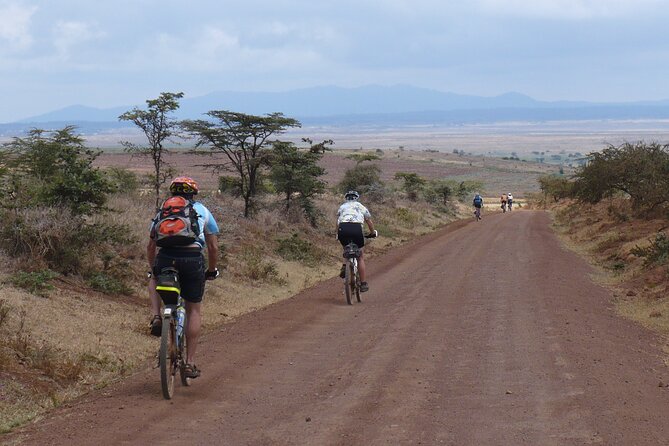
After Kibosho Magharibi, you head to Mweka for about 1 hour. This section is shorter, but it is focused: coffee plantation sightseeing and how the crop fits into the history of Tanzania.
This part is valuable because it makes the earlier farming talk feel concrete. You are not only hearing about coffee in theory. You are looking at it as a real agricultural system and learning why it matters locally.
What can make this stop feel special
The best rides make you connect place to story. Here, the story centers on coffee and the broader regional identity, including how the mountain’s reputation weaves into local legends and meaning.
If you are the kind of traveler who likes specific themes, this stop gives you that. Coffee is not treated as a souvenir idea. It is treated as a lived economy and a heritage.
Lunch Box and 1 Liter Water: Why This Included Break Changes the Ride
The included lunch is repeatedly described as generous. That matters because a bike tour is one of those activities where your appetite sneaks up on you, especially if you are riding hills.
You also get 1 liter of bottled water. Do not treat it as a guarantee that you can skip hydration habits. Instead, use it like a plan: take sips during the stops, then enjoy lunch without rushing.
A good lunch break also gives your legs a mental rest. You will still be riding after, so use the time to stretch a little, wipe sweat, and reset your focus.
Riding Skills and Fitness: What Intermediate Really Means on This Route
This tour requires at least intermediate skills and a moderate fitness level. That is not just a legal phrase. The foothills terrain around Moshi can ask for real effort, and the route is built around village access roads and farm paths.
How to judge if you are ready
If you can handle:
- steady uphill and downhill effort,
- careful braking on uneven surfaces,
- remounting quickly after stops,
you will probably feel comfortable.
If you get shaky on rough ground or you are still building core biking confidence, you might struggle. You can still enjoy the guide’s explanations, but the physical side will set the tempo.
Tell them your height for a reason
They ask for your height size so they can provide the right bike size. That is not admin fluff. A correct fit changes everything for comfort, control, and safety. If your bike is too big or too small, you will feel it fast in your shoulders and knees.
Your Guide Matters: Charles and Saït, and the Value of a Patient Pace
The strongest praise in the feedback points to the guides’ teaching style. Charles is described as a book of knowledge who explains history and culture, and Saït is mentioned for being patient and showing real life in Moshi.
That combination, patient pace plus clear storytelling, is exactly what you want on a ride like this. You are learning while moving, so the guide has to slow down the right moments and explain without turning everything into a lecture.
The best part of having a guide here is that it turns stops into meaning. Instead of just passing houses and farms, you get the why behind what you see, like how Chagga communities connect farming to the region’s identity and to the legend of Kilimanjaro.
What the Stops Teach You About Tanzania, Not Just Kilimanjaro
This tour threads several themes through the ride:
- community life among the Chagga,
- the role of coffee,
- the presence of banana farming in local routines,
- and the legend of Kilimanjaro as part of cultural memory.
You might think these are separate topics. On the ground, they start to connect. Farms shape where people live. Markets show what people trade. School and shopping centers show what the community values day to day.
That is why this works better than a pure sightseeing drive. A bike tour forces you to slow down just enough to observe and ask questions, without getting stuck in a single viewpoint.
Timing, Weather, and Why Your Day Needs Flexibility
The tour depends on good weather. If conditions are poor, you will be offered a different date or a full refund. This is common for outdoor riding, but you should treat it as a real planning factor if you have other activities pinned to specific times.
Also, with a posted time window of 8:30 AM to 2:30 PM, you may have limited flexibility on the day. Pick a morning or early afternoon plan where you can adapt if the start time shifts or if weather requires a reschedule.
Who This Bike Tour Suits Best (And Who Should Think Twice)
This experience is a great fit for you if:
- you enjoy biking and want a real workout,
- you like cultural learning that happens in everyday settings,
- you want coffee and community stories, not just scenery photos,
- you prefer a private tour so your group sets the pace.
It is not the best choice if:
- you are not comfortable with intermediate mountain biking skills,
- you have low tolerance for hills or uneven ground,
- you want a relaxed, easy ride with minimal physical effort.
If you are traveling solo, you will still be in a private setup with just your group, which can feel more personal than a larger join-in tour.
Should You Book This Moshi Pedal Power Tour?
I would book it if you want a half-day that mixes exercise with hands-on cultural context. The included bike, helmet, lunch box, and 1 liter water make it feel straightforward and good value for $55. The route also includes enough real community stops to make the learning stick, especially with guides like Charles and Saït who are praised for patient explanations.
You should hesitate if you are worried about bike control or fitness. The tour asks for intermediate riding skills, and the foothills terrain can push your stamina. If that is you, you might prefer a calmer walking-based cultural tour instead.
If you go, do two things: share your height for bike sizing, and show up ready to work a little. Then you will get a day that feels like Moshi, not just a quick stop near Moshi.
FAQ
How long is the bike tour in Moshi?
The tour runs about 5 to 6 hours. One main part is around 3 hours at Kibosho Magharibi, and there is about 1 hour at Mweka, with the rest of the time spent riding and stopping.
What is the price, and what does it include?
The price is $55.00 per person. Included items are the use of a bicycle, helmet, a mountain bike guide, lunch (a lunch box), and bottled water (1L).
Is pickup available?
Pickup is offered, and the tour starts at Mr. Price Village on Kilimanjaro Road in Moshi.
Where does the tour start and where does it end?
It starts at Mr. Price Village, Kilimanjaro Rd, Tanzania. It ends at Coffee Union Cafe, J8WQ+8JF, Arusha Rd, Lindi Street, Tanzania, and the tour ends in Moshi town.
Do I need intermediate biking skills?
Yes. The tour requires at least intermediate skills and a moderate physical fitness level.
What should I share when booking for the bike size?
You should let them know your height size so they can provide a good bike size for you.
Is this a private tour?
Yes. It is private, and only your group will participate.
Are there admission tickets to pay during the tour?
Admission tickets are listed as free for both major stops.
What happens if weather is bad?
This experience requires good weather. If it is canceled due to poor weather, you will be offered a different date or a full refund. Free cancellation is available up to 24 hours in advance for a full refund.
Kilimanjaro, Route by Route
- Kilimanjaro climb by Lemosho Route (7-day)
★ 5.0 · 651 reviews - Kilimanjaro climb, Machame Route (7-day)
★ 5.0 · 262 reviews - Kilimanjaro Climbing Lemosho Route 8 Days.
★ 5.0 · 186 reviews - Climbing Kilimanjaro – Machame Route
★ 5.0 · 170 reviews - Climbing Kilimanjaro through 7 days Machame Route
★ 5.0 · 151 reviews
Just added from around Moshi

Mount Kilimanjaro Treks, compared.
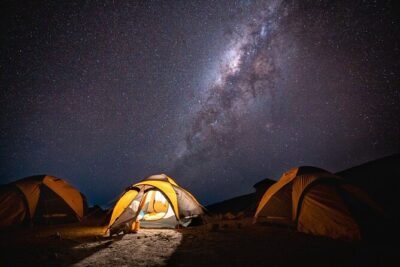 ★ 5.0Kilimanjaro climb by Lemosho Route (7-day)From $3,476651 reviews
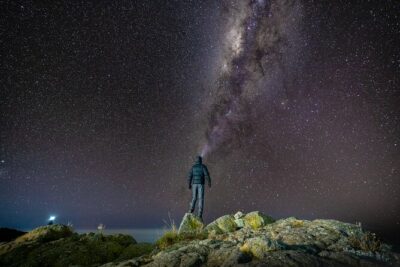 ★ 5.0Kilimanjaro climb, Machame Route (7-day)From $3,377262 reviews
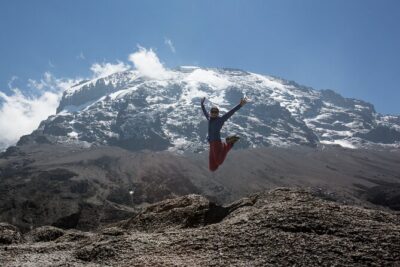 ★ 5.08-Day Small-group Lemosho Kilimanjaro Summit TrekkingFrom $2,895186 reviews
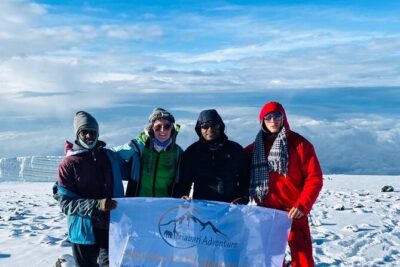 ★ 5.0Kilimanjaro Climbing Lemosho Route 8 Days.From $2,300186 reviews
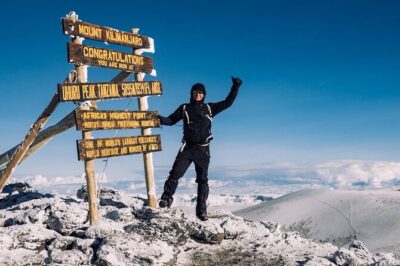 ★ 5.0Climbing Kilimanjaro – Machame RouteFrom $2,322170 reviews
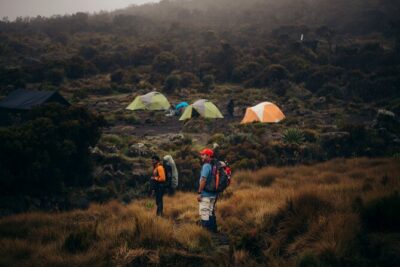 ★ 5.0Climbing Kilimanjaro through 7 days Machame RouteFrom $2,425151 reviews
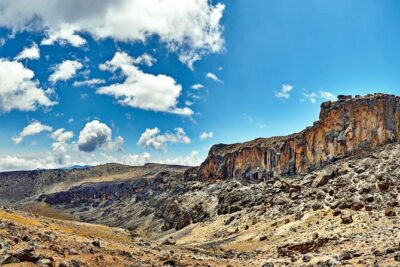 ★ 5.0Kilimanjaro climb, Lemosho Route (8-day)From $3,975148 reviews
 ★ 5.0Kilimanjaro climb, Lemosho Route (6-day)From $3,034129 reviews
Browse the lists this tour appears in