
REVIEW · MULTI-DAY NORTHERN CIRCUIT SAFARI PACKAGES
Kilimanjaro Northern Circuit Route 8 Days
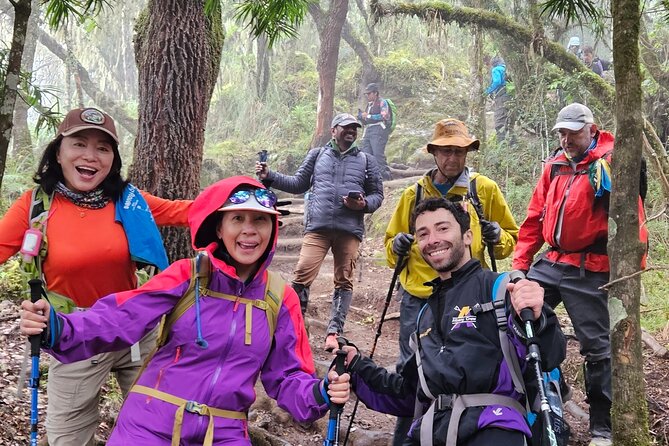
Longer helps you breathe on Kilimanjaro. The Northern Circuit is the longest route, but that extra time is the point: you spend more days adjusting before the hard stuff starts. Starting from Moshi and beginning on the Lemosho path, you eventually swing far onto the mountain’s north side, where the trails feel less like a crowd scene and more like you have the place to yourself.
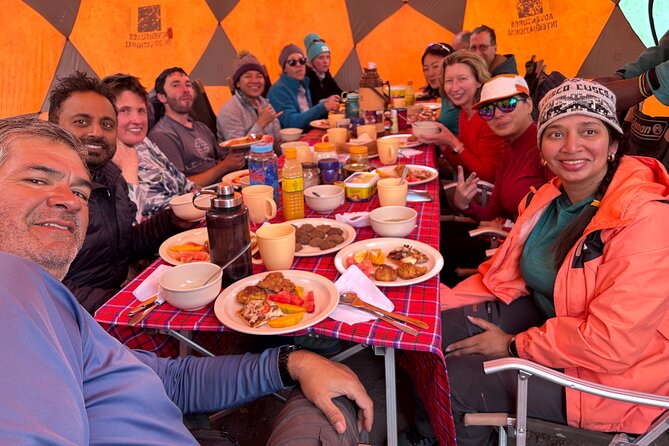
Two things I really like about this climb: you get an extended acclimatization rhythm, and the mountain setup is built for real comfort. You’ll camp with full expedition support, including a private flush toilet tent and a walk-in mess tent, plus hot washing water in the morning and evening. One consideration: the summit day is long and serious, with an early departure, steep altitude gains, and a final ascent that can be snow-covered.
In This Review
- Key Highlights You’ll Feel on the Mountain
- Northern Circuit Route: More Days, Quieter Trails, Better Altitude Chances
- Day 1 to Londorossi Gate: Rain Forest Breathing and Porter Load Rules
- Day 2 and Day 3: Pole Pole Through Moorland to Shark’s Tooth
- Day 4 and Day 5: Around Kibo’s Northern Face and the Finish of the Circuit
- Day 6 and Day 7: School Hut, Then the Summit Push to Uhuru Peak
- Day 8: The Mweka Rain Forest Descent and Your Summit Certificates
- What You’re Paying For: $3,000 Value Beyond the Summit Promise
- Safety, Comfort, and Communication: The Stuff That Can Save a Day
- Who This Northern Circuit Is Best For (and Who Should Think Twice)
- Should You Book This Kilimanjaro Northern Circuit with Jaribu Africa Adventures?
- FAQ
- How long is the Kilimanjaro Northern Circuit experience?
- Where does the climb start?
- What is the highest point reached?
- What is included for meals and accommodation?
- What kind of camping setup will you have?
- What medical and safety support is provided?
- What happens if the weather is bad?
Key Highlights You’ll Feel on the Mountain
- Quieter northern route planning that spreads you out by design, not by luck
- Real acclimatization time built into the longer schedule, which helps altitude tolerance
- High-touch camp comfort, including shower or wash setup and a private toilet tent
- Safety gear that matters like a Gamow bag, emergency oxygen, and pulse-ox monitoring
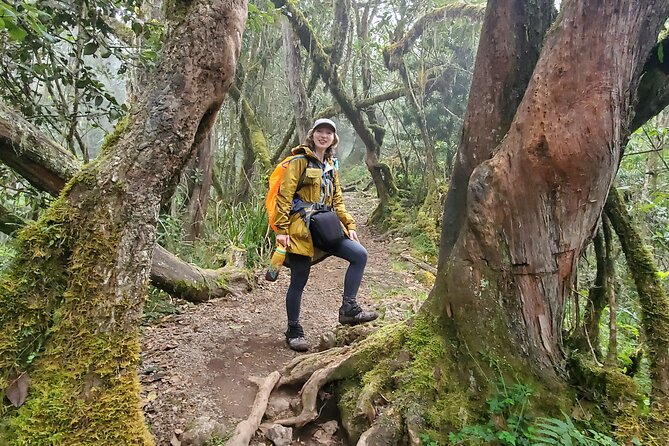
- Stark scenery changes from rain forest to alpine desert to lunar-looking scree zones
- Summit rewards with park certification, including different colors depending on the point reached
Longer northern circuit routes, side by side
- Big Five Safari In Tanzania★ 5.0 · 99 reviews
- Unforgettable Tanzania Safari And Zanzibar Beach★ 5.0 · 97 reviews
- 8-Day Essence of Tanzania Safari – Luxury★ 5.0 · 72 reviews
- 4-day Tanzania Safari★ 5.0 · 53 reviews
Northern Circuit Route: More Days, Quieter Trails, Better Altitude Chances
If you want Kilimanjaro with fewer crowds and a more gradual altitude story, the Northern Circuit is a smart match. It is the longest route on the mountain, and that length isn’t just for bragging rights. More hiking days give your body more chances to adapt before you push toward the highest zone. In practical terms, that means you spend fewer “wait, why am I so breathless” moments and more time moving at a pace that lets you keep going.
The route also plays a geography game. You start on the Lemosho side, then split away later to travel the less-frequented northern slopes. Those north-facing areas come with a different vibe and different views, so the experience keeps changing instead of repeating the same scenery loop.
There’s another big advantage: the pacing message is loud and clear, especially on the middle sections. You will hear the classic pole pole approach, meaning slow down on purpose. On Kilimanjaro, slow is not laziness, it is strategy.
Day 1 to Londorossi Gate: Rain Forest Breathing and Porter Load Rules
Day 1 is all about arrival and easing into the altitude. You travel by 4WD to Londorossi gate, handle park formalities with your guides and mountain crew, and you’ll see the behind-the-scenes logistics of a regulated climb. There is a specific porter weight limit of 20kg for duffle bags, and part of the process involves weighing your load so things stay within the rules.
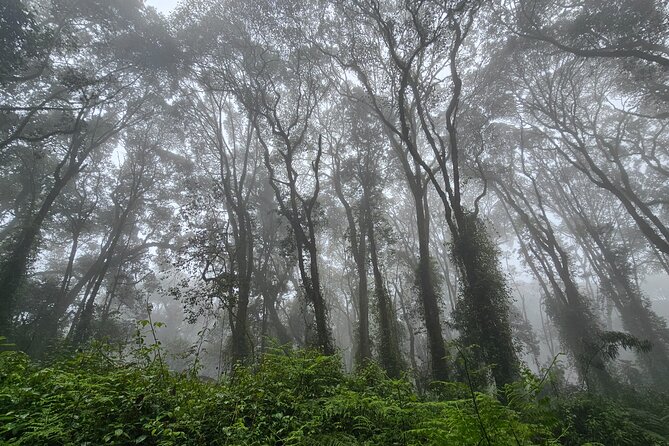
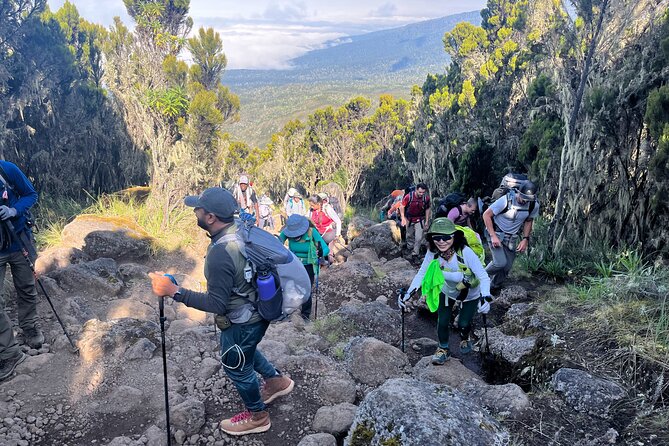
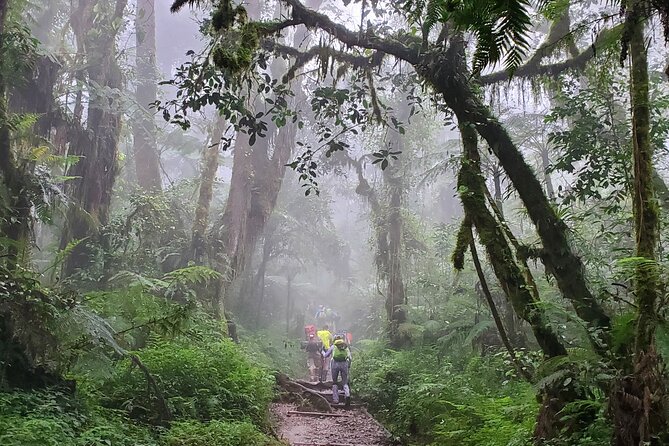
Once paperwork is handled, you drive along narrow dirt roads through pine plantations and gradually climb to Lemosho Glades. Then you start hiking, with a typical day feel of 4 to 5 hours and about 7km, ending around 2780m. The environment is montane (rain) forest, so the air is cooler and the ground can be damp under a canopy of trees.
Practical tip: if you start Day 1 feeling “too fine,” that is normal. Day 1 is designed to get you moving without draining you. Save your effort for the later days where the mountain stops being polite.
Day 2 and Day 3: Pole Pole Through Moorland to Shark’s Tooth
Day 2 is one of the longer, ridge-hopping acclimatization days, around 7 hours and 12km. You start around 2780m and end about 3511m, transitioning from montane forest into moorland. This is where you’ll notice Kilimanjaro’s signature high-altitude plants. Expect giant heather and erica, and as you gain altitude, the standout flora: giant levelia and giant groundsel.
The key is your pace. The pole pole idea is not just a slogan. You want to move slowly enough that you can breathe through the effort, because the day’s win is acclimatization, not speed. If you sprint up small rises, you may feel it later, when the next altitude step hits harder.
Day 3 pushes you into alpine desert territory, about 5 to 6 hours and roughly 9km. You head northwards toward Shark’s Tooth, and the views change from greenery to a dramatic, stripped-down high desert. You’ll gain altitude slowly as you continue adjusting, with scenery that feels almost otherworldly. You can look into a huge glacier bowl, spot lava tube caves in the cliffs near the upper edge, and see the Kibo Massif and the Northern Ice Field above. Below you, the Shira Plateau stretches out in a way that makes Kilimanjaro feel enormous, not just tall.
Practical tip: on days like this, your water and your layers matter more than your stride. Dry, cold air can sneak up on you fast.
Other ways up Kilimanjaro we reviewed
Day 4 and Day 5: Around Kibo’s Northern Face and the Finish of the Circuit
Day 4 is a strenuous day built around walking around Kibo’s northern face. You’ll be doing a lot of stepping up and down valleys that emerge from the base of Kibo, with time estimates around 7 to 8 hours and about 12km. Start around 4175m and end about 4020m, so even though you are dropping in altitude, it is still a hard hike. These “up and down but not really gaining” days can be deceptively tiring because your legs get worked by constant changes in grade.
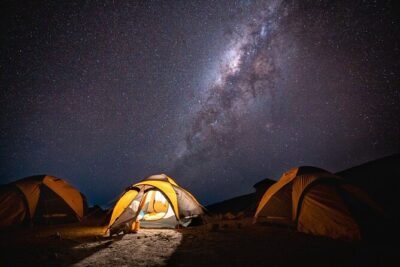
One of the best parts of Day 4 is the variety. Vegetation changes quickly as you move between valleys, so you are not staring at the same scene for hours. When you reach Pofu Campsite, it is perched on a remote, rocky ridge, and it has that remote-camp feel where the mountain seems even bigger around you.
Day 5 continues on the little visited northern slopes, still doing frequent ascents and descents through rocky alpine desert and sparse moorland. It’s about 6 hours for around 7km, with a small altitude dip from about 4020m to 3960m. Expect stunning views, with Kibo and Mawenzi looming above. Once you reach Third Cave Camp, you’ve completed the Northern Circuit portion. That moment is not just a checkmark. It is a psychological shift from “we are building up” into “now we climb for the summit.”
Practical tip: treat the end of the circuit like a mid-course pep talk. You are not done, but your hardest route work is already done.
Day 6 and Day 7: School Hut, Then the Summit Push to Uhuru Peak
Day 6 is shorter on the calendar, but it has a sharp altitude punch. You hike about 5 hours over roughly 6km, starting near 3960m and reaching around 4790m. The ascent to School Hut includes an altitude gain of about 780m, and the views along the way can be staggering. School Hut itself sits like a mountain training facility for park rangers, with strong views of Kibo Peak.
Why this day matters: it sets up the final acclimatization before the summit night. You might feel tired, but you also want your body to respond well to altitude. That is why the longer circuit pattern is useful. You are not just jumping to the summit zone without preparation.
Day 7 is the big one. You leave camp very early, around midnight, after a warm drink and a light snack. Then the hike ramps up into the hardest stretch, with roughly 13 to 16 hours of walking and about 19km. You head toward the summit via Gillman’s Point and Stella Point.
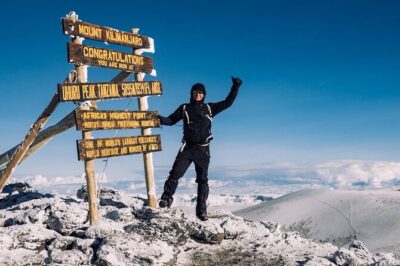
Stella Point is a key milestone. After you reach it, you rest, eat your lunch, and take in views over the clouds. From Stella Point, the trail is normally snow-covered, and the final two-hour ascent to Uhuru Peak is challenging with every step. When you arrive at the summit, it is a huge emotional payoff, because you earned it through patience, not heroics.
Practical tip: this is where being mentally ready matters as much as physical fitness. The trail can feel repetitive because the slope and altitude are the story. Keep your breathing steady, and keep moving one controlled step at a time.
Day 8: The Mweka Rain Forest Descent and Your Summit Certificates
After the summit, Day 8 is about getting down safely. You start around 3100m and finish around 1800m, with about 3 to 4 hours of hiking and roughly 8km. The route descends steeply through lush Mweka rain forest, and the trail can be slippery if wet. Your legs will feel the previous days, so take your time. Short steps often work better than long ones.
The path follows a broad ridge dividing two river valleys, then connects to a road for the last about 40 minutes to Mweka Park Gates. This is where the climb becomes official. You stop for a picnic lunch, and if you reached the top, you’ll receive your summit certificates from the Kilimanjaro National Park Authority. The color depends on where you went: gold for Uhuru Peale and green for Stella Point.
Finally, you transfer to your hotel for the night, which is a nice landing after the mountain life routine.
Practical tip: even if you feel great, don’t celebrate too early. The descent is where slips happen, and the scenery does not stop the physics.
What You’re Paying For: $3,000 Value Beyond the Summit Promise
At $3,000 per person, this is not a budget trek. But on Kilimanjaro, “value” comes from what is included that protects your health and reduces stress.
Here is what stands out as genuinely helpful money spent:
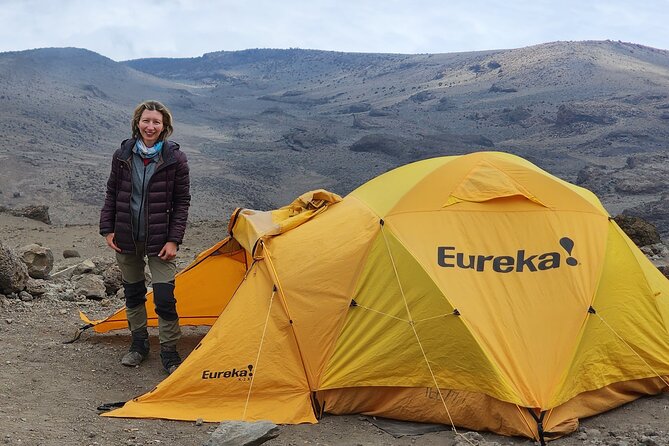
- Tents for clients (2 clients per tent) plus camping comfort items like expedition mattresses
- A shower or wash tent and bowl of hot washing water in the morning and evening
- Portable tented private flush toilet, which is rare and worth paying attention to
- Large portions of fresh, healthy, nutritious food, with breakfast, lunch, and dinner listed across days
- Medical support that goes beyond basics, including an expedition medical kit, emergency oxygen, and Gamow bag (portable hyperbaric chamber)
- Vital sign monitoring, including pulse oximeter use, plus comprehensive monitoring
- AMREF Flying Doctors medical evacuations listed as part of the plan
- Park fees and rescue fees, including Kilimanjaro National Park entrance and camping/hut costs
- Staff salaries for guides, cooks, and porters, plus ethical porter treatment
You also get a few comfort touches that can make the whole trip feel more civilized, like hot steamy towels and even wine and champagne at the summit.
Now, what’s not included is also important. International airfare, visas, immunizations, personal trekking gear, staff gratuities, and extra medical or evacuation fees beyond what is covered can add cost. The trek also does not include meals you might need if you cannot continue due to illness, and it does not include communication charges.
My take: if you want a safer, better supported climb with strong comfort and medical gear, this price looks like it is paying for the scaffolding around your summit attempt.
Safety, Comfort, and Communication: The Stuff That Can Save a Day
Kilimanjaro runs on two systems: altitude and logistics. When things go wrong, altitude is the problem, but logistics often decides how hard it feels.
This tour includes practical safety and comfort tools:
- 2-way radio and a mobile phone, which helps if the route team needs coordination
- Emergency oxygen available for serious situations
- Gamow bag as a portable hyperbaric option
- Pulse oximeter and comprehensive vital sign monitoring
- A professional wilderness first responder trained guide or equivalent assistance guide
- Medical evacuations via AMREF Flying Doctors listed in the inclusions
It also includes operational details that matter on a steep mountain. For example, your purified water is handled while on the mountain, so you are not guessing what to drink. There is also a shower/wash tent and wash-water routine, which helps you function better during multi-day cold and damp conditions.
One thing I liked reading in the broader provider feedback was how consistently their teams are described as planning well and handling problems. Names that came up in past experiences with Jaribu Africa Adventures include Joseph (who arranged a successful ascent), Kisali (who organized COVID testing and results), Samuel (who helped a lot on safari matters), and Goodluck (praised for being professional and helpful). I cannot promise the exact same people will be on your Kilimanjaro trek, but it does suggest the company puts energy into staff competence and smooth problem-solving.
Who This Northern Circuit Is Best For (and Who Should Think Twice)
Most travelers can participate, but Kilimanjaro is still high-altitude work. This route is especially good if you want:
- Extra acclimatization time rather than a fast push
- A quieter feel, away from the most crowded paths
- A supported camp setup, including proper toilet arrangements and frequent meal rhythm
- A serious summit attempt with defined milestones like Gillman’s Point and Stella Point
Think twice if you:
- Struggle with long, high-effort days, especially the 13 to 16 hour summit push
- Know you get overwhelmed by steep, slippery sections on descent
- Are not prepared for rapidly changing conditions, from rain forest to alpine desert to scree and snow
One more reality check: the experience requires good weather. If weather is poor, you may be offered a different date or a full refund.
Should You Book This Kilimanjaro Northern Circuit with Jaribu Africa Adventures?
If you want the Northern Circuit route and you value a climb that is better supported, this looks like a strong option. The longer acclimatization design is exactly what many people wish they had on shorter routes. Add in the medical equipment list, including Gamow bag and emergency oxygen, and you get a sense the plan is built to handle altitude emergencies seriously.
I would book it if your priorities are: steadier altitude tolerance, quieter northern trekking, and camp logistics that keep you comfortable enough to recover each day. I would hesitate if you have limited time, low tolerance for long summit days, or you are counting on a laid-back hiking pace for the whole trip.
If you like Kilimanjaro for the long, changing journey, not just the peak photo, this itinerary style makes a lot of sense.
FAQ
How long is the Kilimanjaro Northern Circuit experience?
It’s listed as about 8 days, with daily hiking times that range from roughly 4 to 5 hours early on to 13 to 16 hours on summit day.
Where does the climb start?
The tour is based in Moshi, Tanzania, and the trek begins after travel by 4WD to Londorossi gate.
What is the highest point reached?
The highest point listed is 5895m, reached on the summit day.
What is included for meals and accommodation?
You get 2 nights of accommodations on a bed and breakfast basis, plus all meals on the mountain (breakfast, lunch, and dinner are listed across the trekking days). Camp support includes an expedition walk in mess tent and food portions described as large and nutritious.
What kind of camping setup will you have?
You’ll use 3-person expedition tents with 2 clients per tent, plus expedition mattresses. There is also a shower or wash tent and a portable tented private flush toilet.
What medical and safety support is provided?
The inclusions list an expedition medical kit, emergency oxygen, a Gamow bag (portable hyperbaric chamber), and vital sign monitoring including a pulse oximeter. Medical evacuations with AMREF Flying Doctors are included.
What happens if the weather is bad?
The experience requires good weather. If it’s canceled due to poor weather, you’ll be offered a different date or a full refund.
Kilimanjaro, Route by Route
- Kilimanjaro climb by Lemosho Route (7-day)
★ 5.0 · 651 reviews - Kilimanjaro climb, Machame Route (7-day)
★ 5.0 · 262 reviews - Kilimanjaro Climbing Lemosho Route 8 Days.
★ 5.0 · 186 reviews - Climbing Kilimanjaro – Machame Route
★ 5.0 · 170 reviews - Climbing Kilimanjaro through 7 days Machame Route
★ 5.0 · 151 reviews
Longer Trips Through the North
- Big Five Safari In Tanzania
★ 5.0 · 99 reviews - Unforgettable Tanzania Safari And Zanzibar Beach
★ 5.0 · 97 reviews - 8-Day Essence of Tanzania Safari – Luxury
★ 5.0 · 72 reviews - 7-Day Magical Tanzania Safari -Premium High End Package
★ 5.0 · 53 reviews - 4-day Tanzania Safari
★ 5.0 · 53 reviews
Just added from around Moshi
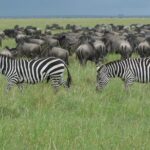
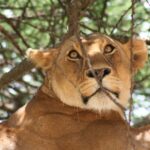
Multi-Day Northern Circuit Safari Packages, compared.
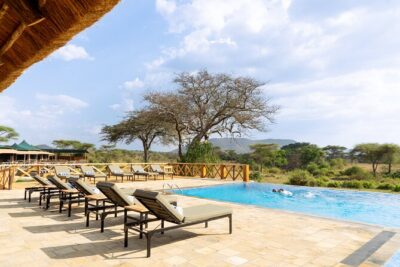 ★ 5.07-Day Premium Luxury Tanzania Safari All-InclusiveFrom $4,840426 reviews
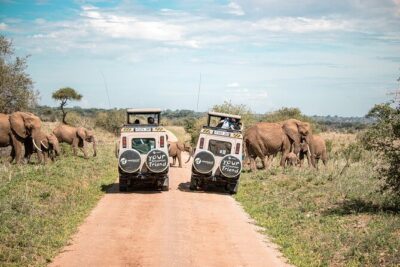 ★ 5.0Tanzania Wildlife Encounters – 6 DaysFrom $3,413277 reviews
 ★ 5.0Group Safari 7 Days in Tanzania’s Main ParksFrom $3,000240 reviews
 ★ 5.04 Days Join Group tour Tarangire Serengeti and Ngorongoro craterFrom $1,090219 reviews
 ★ 5.05-Day Private Northern Tanzania Safari from ArushaFrom $2,780182 reviews
 ★ 5.05 Days Best of Tanzania Luxury Safari Northern CircuitFrom $3,744174 reviews
 ★ 5.08 Day Spectacular Migration Serengeti mid -Range Tanzania SafariFrom $4,257161 reviews
 ★ 5.0Multi-Day Tanzania Odssey Safari from ArushaFrom $4,164120 reviews
Browse the lists this tour appears in